

22 Types of Losers Parents Unknowingly Create
Let’s face it, parenting is a wild ride, full of trial and error, and sometimes we unknowingly nurture habits that don’t exactly scream ‘future success.’
Mas ei, no parent is perfect, right? So why not have a laugh, and maybe a light bulb moment, about the different kinds of ‘losers’ we might be nurturing right under our noses?
Ready to explore these 22 types that might just make you scratch your head and think, ‘Is that my kid?’
1. O procrastinador perpétuo
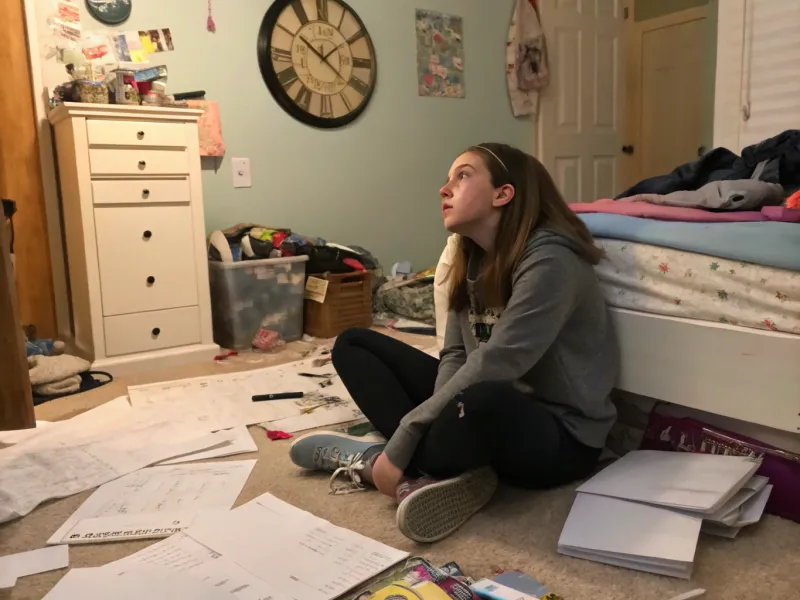
We’ve all been there—putting off tasks until tomorrow, but the Perpetual Procrastinator takes it to a new level. This is the kid who has a PhD in delaying everything, from chores to homework. You hand over a simple task, and they magically transform it into an epic saga that drags on for weeks. Why do today what you could put off until the absolute last second, right?
Their room? A chaotic shrine to the art of postponement, littered with half-baked science projects and forgotten laundry. They have a unique relationship with deadlines; they treat them more like guidelines. To them, time is a stretchy concept, bent to fit the urgency of the task at hand—or lack thereof.
But here’s the kicker: they often excel when they finally get around to doing the work. It’s almost like they thrive on the adrenaline rush of last-minute pressure. While this might work now, it’s a risky game for the long haul. Encouraging them to break tasks into manageable chunks could be a game-changer. Who knows, maybe they’ll turn over a new leaf and actually finish something ahead of schedule!
2. O zombie das redes sociais

Meet the Social Media Zombie, a kid whose life revolves around likes, shares, and endless scrolling. They’re so absorbed in their virtual world that you wonder if they even notice the real one. Mealtime conversations? Forget it. They’re too busy curating the perfect online persona to engage with mundane family chatter.
Their thumbs dance across the screen with the finesse of a seasoned concert pianist, crafting snappy captions and filtering photos to perfection. But there’s a downside—this constant digital consumption often leaves them feeling anxious and disconnected from reality. It’s a double-edged sword, providing a sense of community yet alienating them from face-to-face interactions.
Para os ajudar a desligar, sugira a definição de tempos livres de ecrãs ou a introdução de actividades que exijam um envolvimento no mundo real. Incentive-os a olhar para cima dos seus ecrãs e a ver o mundo sem um filtro digital. Afinal de contas, os gostos e os seguidores estarão lá quando voltarem.
3. A Criança Helicóptero

É o caso da Criança Helicóptero, um produto de uma educação excessivamente zelosa em que cada ação é monitorizada e cada decisão é pré-decidida. Esta criança raramente tem a oportunidade de cometer erros, uma vez que os pais estão constantemente a pairar sobre ela, prontos a intervir ao primeiro sinal de problemas. O resultado? Uma criança que tem dificuldades em ser independente e em tomar decisões.
They’ve become accustomed to someone else pulling the strings, leaving them unsure of how to navigate the world on their own. Simple tasks become monumental challenges because they’ve never faced them solo. It’s like they’re living life on autopilot, with someone else in the driver’s seat.
Para o ajudar a ganhar alguma autonomia, os pais podem afastar-se gradualmente, permitindo-lhe fazer escolhas adequadas à sua idade. Encoraje a resolução de problemas e celebre as pequenas vitórias quando eles realizam algo de forma independente. Com o tempo, pode ser que o surpreendam com a sua nova confiança.
4. O imperador com direito

Ah, the Entitled Emperor—the child who believes the world revolves around them and their every whim. This mindset often comes from being showered with everything they desire without earning it. They’ve never met a ‘no’ they couldn’t turn into a ‘yes’ with a bit of whining or negotiation.
Raised in a kingdom of instant gratification, they’re not exactly familiar with the concept of patience or hard work. Everything is handed to them on a silver platter, fostering a sense of superiority and expectation that life will always cater to their demands.
Breaking this cycle requires setting boundaries and teaching the value of effort and perseverance. Encourage them to work for what they want, whether it’s through chores or other responsibilities. With a little guidance, they might just learn that the best things in life are worth working for.
5. O conhecedor de reclamações

Meet the Complaint Connoisseur, a child who has mastered the art of finding fault in everything and anything. From the weather to dinner choices, nothing is beyond critique. It’s as if they’re conducting an ongoing audit of life, and nothing quite meets their standards.
This behavior often stems from a household where negativity is the norm. When complaints are more frequent than compliments, children learn to focus on what’s wrong rather than what’s right. It’s a tough habit to break, but turning the tide towards positivity is possible.
Encourage them to practice gratitude by identifying things they’re thankful for each day. Introducing them to activities that require teamwork and problem-solving can help shift their perspective towards constructive criticism rather than constant complaining. Who knows, they might just discover the joys of appreciation.
6. O super-atleta com excesso de horários
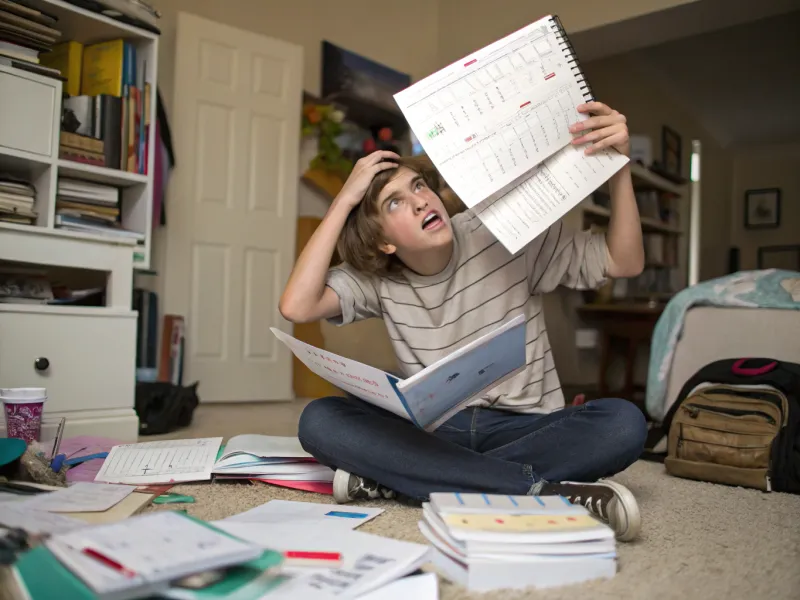
O Exagerado é uma criança que anda numa roda de hamster de actividades intermináveis, alimentada pela pressão de se destacar em tudo o que toca. Desde aulas de violino a treinos de futebol e clubes académicos, o seu horário é mais apertado do que uma lata de sardinhas.
While ambition is great, the constant hustle can lead to burnout and a lack of genuine enthusiasm. They may appear like they’re thriving, but underneath, they might be drowning in stress and exhaustion. It’s a high-wire act with little room for rest or self-reflection.
To help them find balance, it’s essential to prioritize downtime and encourage them to pursue activities they genuinely enjoy. Teaching them that it’s okay to say ‘no’ and to savor moments of stillness could make all the difference. After all, life is a marathon, not a sprint.
7. O seguidor temeroso

The Fearful Follower is the kid who always walks a step behind, afraid to stray from the crowd. They’re the shadows in the background, blending in rather than standing out. This behavior often results from a lack of self-confidence and the need for acceptance.
Fearful Followers rarely make their own choices, worried about what others might think. They become adept at reading the room and molding themselves to fit in, sometimes losing sight of who they really are. It’s a survival tactic that keeps them in their comfort zone but hinders personal growth.
Aumentar a sua confiança através de actividades que realcem os seus talentos únicos pode ser transformador. Incentive-os a expressar as suas opiniões e a celebrar a sua individualidade. Quem sabe, talvez descubram a força para liderar em vez de seguir.
8. O prodígio da batata de sofá

Behold the Couch Potato Prodigy, a child who has perfected the art of doing nothing. They’ve embraced the sedentary lifestyle with open arms, finding solace in the glow of a TV screen or the allure of video games. Physical activity? Not their cup of tea.
This behavior often stems from a comfort with routine and a fear of venturing into the unknown. Exercise and outdoor activities seem like foreign concepts, overshadowed by the safety of their couch kingdom. It’s a cycle of inactivity that can lead to health issues down the road.
Incentivar pequenos passos no sentido do movimento, como um passeio em família ou uma atividade desportiva divertida, pode quebrar a inércia. Sublinhar o lado divertido de se manter ativo e estabelecer objectivos alcançáveis pode acender a centelha de entusiasmo de que necessitam. Afinal de contas, a vida é mais emocionante para além do sofá.
9. O Crítico Extraordinário

Enter the Critic Extraordinaire, a kid who sees the world through a lens of skepticism and judgment. They’re quick to point out flaws and rarely impressed, constantly evaluating everything with a critical eye. It’s like they have an inner Simon Cowell, ready to deliver biting commentary at a moment’s notice.
Esta mentalidade desenvolve-se frequentemente em ambientes em que as críticas superam o encorajamento. Aprendem a examinar-se a si próprios e aos outros, por vezes confundindo cinismo com inteligência. Embora uma dose saudável de ceticismo seja útil, em excesso pode sufocar a criatividade e as relações.
Fostering a more balanced view of the world can help them appreciate beauty and positivity. Encourage them to celebrate achievements and recognize effort, not just outcomes. With time, they might discover that there’s more joy in creating than critiquing.
10. O príncipe/princesa mimado/a
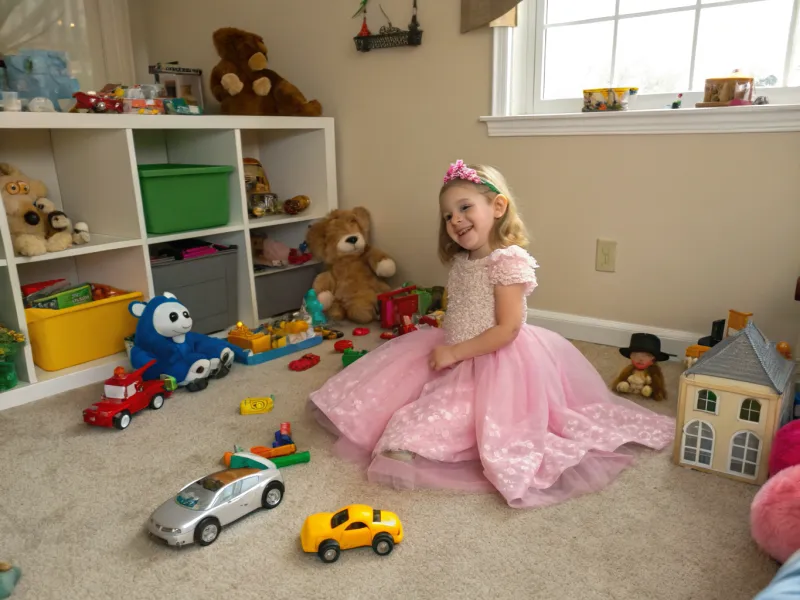
Conheça o Príncipe ou a Princesa Mimada, uma criança envolta em luxo e indulgência. Desde roupas de marca até às mais recentes engenhocas, têm tudo, muitas vezes sem levantar um dedo. Todas as suas necessidades são satisfeitas, deixando pouco espaço para a compreensão do esforço ou do valor.
This lifestyle creates a bubble where reality is skewed, and expectations are high. They grow up believing that life is a series of handouts rather than achievements. The challenge lies in teaching them the worth of hard work and patience in a world that’s always given them what they want.
Introducing responsibilities and setting realistic expectations can help burst this bubble. Encourage them to earn privileges and rewards, fostering a sense of accomplishment. It’s a journey from entitlement to empowerment, and with guidance, they might just find satisfaction in the process.
11. O engenheiro de desculpas

Say hello to the Excuse Engineer, a master at crafting reasons for why tasks aren’t completed or obligations aren’t met. They’ve honed the skill of sidestepping responsibility into an art form, always ready with a new excuse for every oversight.
This habitual excuse-making often stems from a fear of failure or disappointing others. Instead of confronting challenges, they build elaborate stories to cover up shortcomings, avoiding accountability at all costs. It’s a temporary fix that prevents growth and learning.
Incentivar a honestidade e a responsabilização pode ajudar a quebrar este ciclo. Ensiná-los a assumir as suas acções e a aprender com os erros promove a resiliência e a maturidade. Com um pouco de prática, talvez descubram que enfrentar os desafios de frente é mais gratificante do que fugir.
12. O inocente sobreprotegido

O Inocente Sobreprotegido é a criança embrulhada em algodão, protegida de qualquer dano potencial por pais ansiosos. Embora bem intencionada, esta superproteção impede a sua capacidade de correr riscos e aprender com os erros, deixando-a mal preparada para o mundo real.
These children often lack the resilience and problem-solving skills developed through facing challenges. They’re accustomed to a safety net always being there, which can breed a fear of the unknown and an aversion to change.
Introduzir gradualmente os riscos calculados e as novas experiências pode aumentar a sua confiança. Encorajar pequenos passos em direção à independência ajuda-o a compreender que os erros fazem parte da vida. Com o tempo, ele pode tornar-se o aventureiro corajoso que está destinado a ser.
13. O autómato académico

The Academic Automaton is the kid who views learning as a checklist rather than a journey. They dutifully memorize facts and churn out assignments, but the spark of curiosity is missing. It’s like they’re on autopilot, going through the educational motions without real engagement.
This mindset often arises from a focus on grades over genuine understanding. They’re conditioned to see education as a means to an end, missing out on the wonder and excitement of discovering new ideas and concepts.
Para inspirar o gosto pela aprendizagem, é necessário mudar o foco das notas para a exploração e o pensamento crítico. Incentive-os a procurar temas que despertem a sua paixão e promova uma mentalidade orientada para a curiosidade. Quem sabe, poderão redescobrir a alegria de aprender e tornar-se entusiastas para toda a vida.
14. O Camarada Competitivo

Conheça o Camarada Competitivo, uma criança que vê a vida como uma competição constante. Tudo, desde os jogos de tabuleiro aos resultados académicos, se torna uma batalha a vencer, muitas vezes à custa da camaradagem e do divertimento.
Este comportamento é normalmente alimentado em ambientes onde a vitória tem prioridade sobre a participação. Aprendem a medir o sucesso através da comparação, por vezes ofuscando o crescimento pessoal e as relações.
Encouraging a shift towards collaboration and celebrating personal achievements can redefine their approach. Teaching them the value of teamwork and the joy of shared victories helps them appreciate the journey as much as the outcome. With this perspective, they might just find that winning isn’t everything.
15. O Recluso Tecnológico

The Tech-Savvy Recluse is the kid who thrives in the digital realm, often at the expense of real-world interactions. They’re the ones lost in coding, gaming, or digital creation, with the physical world playing second fiddle to their virtual adventures.
Esta imersão na tecnologia pode levar ao isolamento, criando uma barreira ao desenvolvimento de competências sociais e à comunicação cara a cara. Embora as suas proezas técnicas sejam louváveis, a falta de equilíbrio pode prejudicar o crescimento pessoal.
Equilibrar o tempo de ecrã com experiências do mundo real ajuda-os a desenvolver competências completas. Com o apoio certo, podem aproveitar os seus talentos tecnológicos enquanto se mantêm ligados ao mundo que os rodeia.
16. O observador demasiado cauteloso
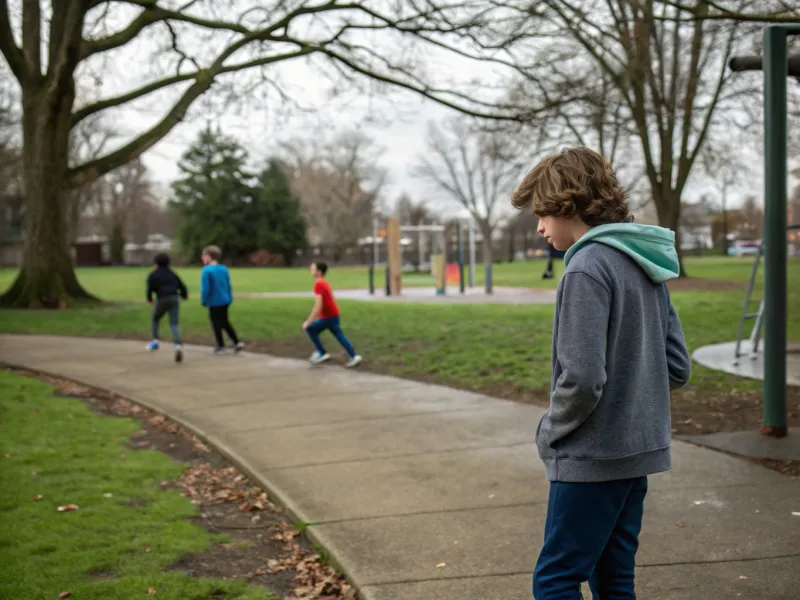
The Overly Cautious Observer is the child who watches from the sidelines, hesitant to join in. They’re the ones who prefer to observe rather than participate, often missing out on experiences that foster growth and learning.
Esta cautela resulta normalmente do medo do fracasso ou do julgamento. Tornam-se hábeis a avaliar as situações à distância, evitando riscos que possam levar a embaraços ou desilusões.
Aumentar a sua confiança através de um encorajamento e apoio delicados pode ajudá-los a dar o salto. Criar um espaço seguro para a exploração e a experimentação fomenta a resiliência e a coragem. Com o tempo, talvez descubram a alegria de se lançarem de cabeça em novas aventuras.
17. O guru da gratificação instantânea
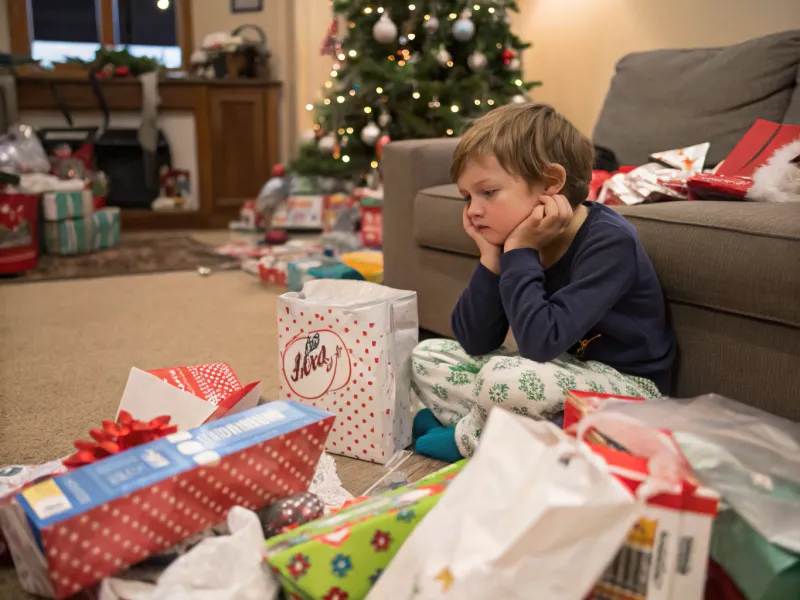
Enter the Instant Gratification Guru, a child who craves immediate rewards and struggles with patience. They’re the ones who can’t wait for the cake to bake or the toy to be assembled, demanding things here and now.
This behavior is often a result of a fast-paced world where waiting seems unnecessary. They’re accustomed to getting what they want with minimal delay, making it challenging to understand the value of patience and long-term rewards.
Ensinar-lhes a beleza da gratificação retardada através de actividades que requerem tempo e esforço pode abrir-lhes os olhos. Incentive-os a dedicarem-se a passatempos que se desenvolvem ao longo do tempo, ajudando-os a apreciar o processo. Com a prática, eles podem descobrir que as coisas boas vêm para aqueles que esperam.
18. O Maverick Moody

Meet the Moody Maverick, a child who rides the emotional rollercoaster like a seasoned pro. One moment they’re on top of the world, and the next, they’re buried in a cloud of melancholy. These dramatic mood swings can leave everyone around them walking on eggshells.
This emotional turbulence often stems from a struggle to express feelings in a healthy way. They’re learning to navigate the complexities of their emotions, sometimes feeling overwhelmed by the intensity of it all.
Ajudá-los a encontrar saídas construtivas para as suas emoções, como a arte ou a atividade física, pode ser transformador. Incentive a comunicação aberta e proporcione um ambiente de apoio à auto-expressão. Com o tempo, é possível que eles encontrem um equilíbrio e naveguem pelas suas emoções com elegância.
19. O rebelde desafiador

The Defiant Rebel is the kid who thrives on challenging authority and breaking the rules. They’re the ones who push boundaries and question everything, often for the sake of rebellion rather than reason.
Este desafio é normalmente uma busca de identidade e independência. Procuram traçar o seu próprio caminho, entrando por vezes em conflito com figuras de autoridade.
Canalizar esta energia rebelde para actividades positivas pode ser um fator de mudança. Incentivá-los a explorar saídas criativas ou papéis de liderança proporciona um sentido de objetivo e direção.
20. O sonhador excessivamente otimista

O Sonhador Excessivamente Otimista é uma criança alimentada com encorajamento interminável, desfrutando do reino da imaginação. Cheios de criatividade, muitas vezes mergulham em devaneios, imaginando mundos onde tudo é possível.
Embora isto alimente uma imaginação vibrante, por vezes têm dificuldade em enquadrar as suas aspirações na realidade. Na escola, as suas mentes vagueiam, esboçando contos épicos em vez de resolver equações. As interações sociais são salpicadas de ideias grandiosas e histórias fantasiosas, deixando os colegas intrigados e confusos.
Guiá-los implica equilibrar o encorajamento com suaves sugestões de passos práticos, assegurando que os sonhos se transformam em objectivos realizáveis.
21. The Drama Diplomat

Ah, the Drama Diplomat—part negotiator, part performer, and full-time exaggerator. This kid turns every small disagreement into a Shakespearean tragedy. A sibling taking the last cookie? Betrayal of the highest order. A gentle ‘no’ from a parent? Grounds for a full emotional press conference.
They’ve learned that dramatics often lead to attention, sympathy, or getting their way. It’s not always malicious—it’s just their way of navigating emotional situations. But left unchecked, this flair for drama can evolve into manipulation or a struggle with emotional regulation later in life.
The antidote? Help them separate real emotions from performance. Teach them that it’s okay to feel deeply—but it’s also important to respond, not just react. With a little coaching, they can channel that expressive energy into empathy, not theatrics.
22. The Praise Addict

The Praise Addict is the child who lives for validation. Whether it’s drawing a half-circle or putting their shoes on (the wrong feet), they need a round of applause. Encouragement is essential, but this kid’s self-worth hinges on constant external approval.
Why does this happen? Often, it starts with good intentions—lavishing praise on every effort to build confidence. But somewhere along the way, the message shifts from “you did great” to “you are only great when praised.”
To recalibrate, introduce the concept of intrinsic motivation. Encourage effort, not just results. Replace “You’re so smart” with “You worked really hard on that.” The goal? Helping them see their value comes from within—not just the claps and gold stars.