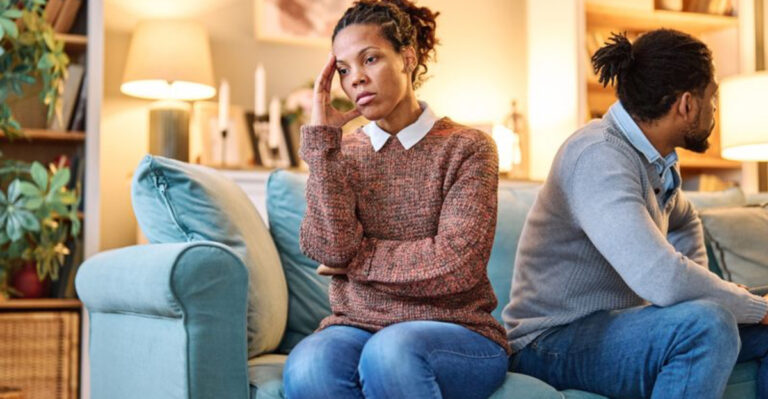

34 Relatable Reasons Why Women Get a Divorce
Divorce is a word that stirs a whirlwind of emotions, a reflection of broken dreams and unmet expectations.
It’s not just a legal process; it’s a deeply personal journey that many women find themselves navigating at some point in their lives.
Existem many reasons women might want to divorce, but these 34 are definitely the most common.
1. Negligência emocional

Have you ever felt alone even when you’re not physically alone? That’s emotional neglect. It’s when you talk, but no one’s really listening. You share your joys and sorrows, yet they seem to vanish into thin air. Your partner might be there in the room, but not truly present in the moment.
Picture this: you had a tough day at work or a beautiful moment you want to share, and your partner’s response is a distant nod or a nonchalant ‘uh-huh.’ Over time, these little moments of emotional absence accumulate, forming a chasm between two people who once shared everything.
For many women, it’s not the absence of love but the absence of emotional connection that feels like the ultimate betrayal. It’s waking up one day realizing you’re merely cohabiting with a stranger, and that realization is both terrifying and liberating. It often starts a journey of introspection and the painful decision to seek a life where emotional presence is not a luxury but a given.
2. Stress financeiro

Money, they say, can’t buy happiness, but financial stress can certainly rob you of it. Imagine the weight of unpaid bills, debt collectors calling incessantly, and the constant dread of financial instability. It’s not just about the numbers; it’s about the relentless pressure that builds up over time.
In many marriages, financial disagreements become a recurring nightmare. It starts with small arguments over spending habits, and then escalates into full-blown battles about priorities and responsibilities. You feel trapped in a cycle where money talks louder than love.
For countless women, this stress becomes unbearable when there’s no shared vision for a financial future, or worse when financial secrets come to light. It’s about trust being shattered, and the realization that financial security isn’t just a comfort but a necessity for peace of mind. In these moments, divorce feels like the only path to regain control and find stability.
3. Infidelidade

Infidelity is a piercing betrayal that cuts deep, leaving scars that never fully heal. It’s more than just a broken trust; it’s a shattering of the very foundation upon which love is built. You might think you know someone, but one text message, one whispered secret, and it all comes crashing down.
The discovery is often accidental—a suspicious message, unexplained absences, or a slip-up that reveals an affair. The betrayal is not in the act alone but in the deceit, the lies told to cover tracks and the emotional distance that follows.
For many women, infidelity is a deal-breaker, a red line that once crossed cannot be uncrossed. It’s about realizing that the person you love is not who you thought they were, and that realization demands a reassessment of everything. For some, it leads to rebuilding trust; for others, it’s the final straw that breaks the marriage, leading to an inevitable goodbye.
4. Falta de intimidade

Intimacy isn’t just physical—it’s the glue that binds two souls together. When that glue starts to weaken, so does the relationship. You lie in bed next to each other, yet the miles of emotional distance stretch endlessly between you.
It’s the small things that fade first: the spontaneous hugs, the tender kisses, the whispered words of affection. Gradually, even the physical connection dwindles, replaced by silence and an aching void. It’s about feeling unwanted, undesired, and ultimately unloved.
For many women, the lack of intimacy signals a deeper issue—a lack of care, attention, or effort from their partner. It’s not just about physical intimacy; it’s about the emotional and physical closeness that makes you feel alive and cherished. Without it, the relationship becomes a hollow shell, prompting the painful decision to seek fulfillment elsewhere.
5. Crescimento à parte

Life is a journey, and sometimes, people simply grow apart. It’s not about blame or wrongdoings but a gradual drift that happens when two people evolve in different directions. You start as partners, but somewhere along the way, paths diverge, leading you to separate destinations.
You’ve shared dreams, and built a life together, but one day, you realize those dreams no longer align. It’s like reading a book where the once-shared storyline splits into two different narratives. The interests, values, and goals that once brought you together now pull you apart.
For many women, this growing apart is a silent heartache—a realization that love alone cannot bridge the widening gap. It’s about accepting change and acknowledging that staying together may mean sacrificing one’s own happiness. Divorce, then, becomes a choice to honor both journeys, even if it means walking them separately.
6. Desagregação da comunicação
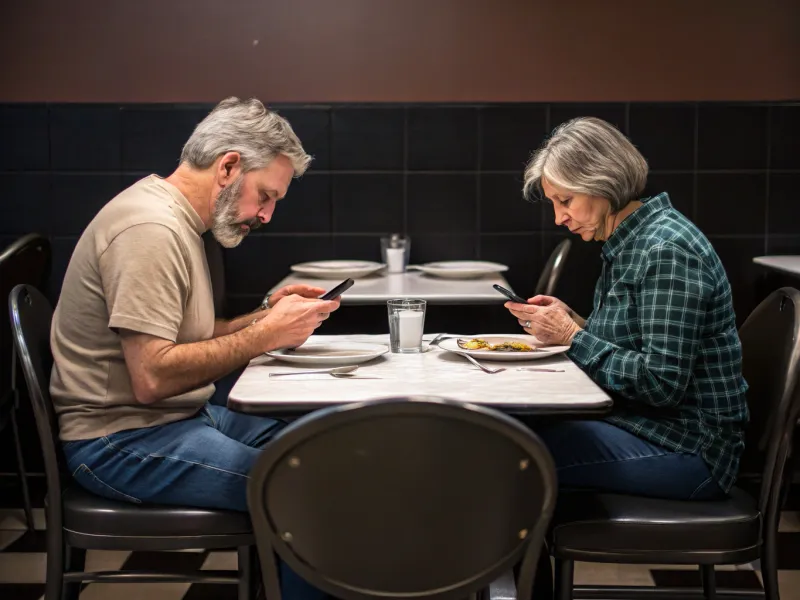
Communication is often touted as the cornerstone of any strong relationship, yet it’s surprisingly fragile. When it breaks down, it’s like trying to navigate in the dark. Words that once flowed easily now stumble, falter, and eventually stop altogether.
It begins subtly—a missed conversation here, a misunderstood word there. Soon, silence becomes the uninvited guest at dinner tables and car rides. You find yourself talking at each other rather than with each other, like two strangers who share a home but not a life.
For many women, this breakdown feels like being trapped in a soundproof room, screaming to be heard but receiving only echoes in return. The frustration and loneliness that come with constant miscommunication can be overwhelming. Divorce then offers a chance to break free from the silence and find a voice once more.
7. Abuso

Abuse is an ugly word, one that no one ever wants to associate with their relationship, yet it’s a grim reality for many. It’s not just about physical harm; emotional and psychological abuse can be equally devastating.
It starts subtly, often disguised as concern or love—controlling behavior, belittling comments, and unpredictable anger. Over time, these behaviors eat away at self-esteem, leaving you questioning your worth and sanity. It’s living in constant fear, walking on eggshells to avoid triggering another outburst.
For women in abusive relationships, divorce isn’t just a choice; it’s a lifeline. It’s about reclaiming one’s safety, dignity, and sense of self. It’s the brave decision to break free from a cycle of violence and seek a life where love doesn’t hurt. In these moments, leaving isn’t just about ending a marriage; it’s about beginning a new chapter of healing and empowerment.
8. Expectativas irrealistas

Fairy tales and romantic movies paint an idealized picture of marriage, but reality often tells a different story. Unrealistic expectations can be the silent saboteur of relationships. It’s the assumption that love will magically solve all problems, and that a partner should fulfill every need and desire.
When expectations clash with reality, disappointment sets in. You find yourself yearning for a version of your partner or marriage that doesn’t exist. It’s about wanting perfection in an imperfect world, setting the stage for inevitable dissatisfaction.
Para muitas mulheres, a pressão constante para atingir estes ideais inatingíveis torna-se esgotante. O divórcio pode tornar-se o caminho para se libertarem destes fardos irrealistas e abraçarem a autenticidade, mesmo que isso signifique confrontarem-se com verdades incómodas.
9. Perda de identidade

In the whirlwind of marriage, it’s easy to lose sight of who you are. The roles of wife, mother, and caregiver can overshadow personal dreams and aspirations. It’s waking up one day and realizing you no longer recognize the person looking back at you in the mirror.
Esta perda de identidade passa muitas vezes despercebida, mascarada pelas rotinas e responsabilidades quotidianas. Passa a ser definido pela sua relação, perdendo o contacto com as paixões e interesses que outrora alimentavam o seu espírito.
For many women, this realization sparks a desire to rediscover themselves. Divorce, then, becomes a journey of self-discovery—a chance to rebuild one’s identity and pursue a life that’s true to who they are, beyond the confines of a partnership.
10. Diferentes estilos parentais

Parenting is a shared adventure, but what happens when you and your partner don’t see eye to eye? Different parenting styles can create a rift that extends beyond the nursery and into every aspect of family life.
One parent might be strict, the other more lenient. Disagreements over discipline, education, and values can lead to tension and conflict. It’s about wanting the best for your children but having fundamentally different visions of what that looks like.
Para muitas mulheres, estas diferenças tornam-se demasiado significativas para serem ignoradas, especialmente quando perturbam a harmonia familiar. Por vezes, o divórcio é visto como a melhor forma de o conseguir, permitindo uma parentalidade consistente sem a constante batalha de estilos opostos.
11. Abuso de substâncias

Substance abuse can cast a long shadow over any relationship. It’s not just about the substance itself but the chaos it brings into daily life—the broken promises, the erratic behavior, the emotional rollercoaster.
Living with a partner who struggles with addiction is like riding a turbulent wave, never knowing when the next crash will come. It’s about the lies told to cover up the problem, the excuses made to justify actions, and the endless cycle of hope and disappointment.
For many women, the decision to leave isn’t about giving up but recognizing the need for self-preservation. Divorce becomes a step towards a healthier, more stable life, free from the grip of addiction’s turmoil.
12. Diferenças culturais

O amor pode transcender as fronteiras, mas as diferenças culturais colocam muitas vezes desafios únicos. Inicialmente, essas diferenças podem parecer excitantes e enriquecedoras, mas, com o tempo, podem levar a mal-entendidos e ressentimentos.
Para muitas mulheres, estes choques culturais tornam-se uma fonte de tensão permanente, pondo em causa o seu sentido de identidade e de pertença. Quando esse equilíbrio parece inatingível, o divórcio pode ser visto como uma forma de respeitar e preservar ambas as culturas sem conflitos.
13. Demasiados conflitos
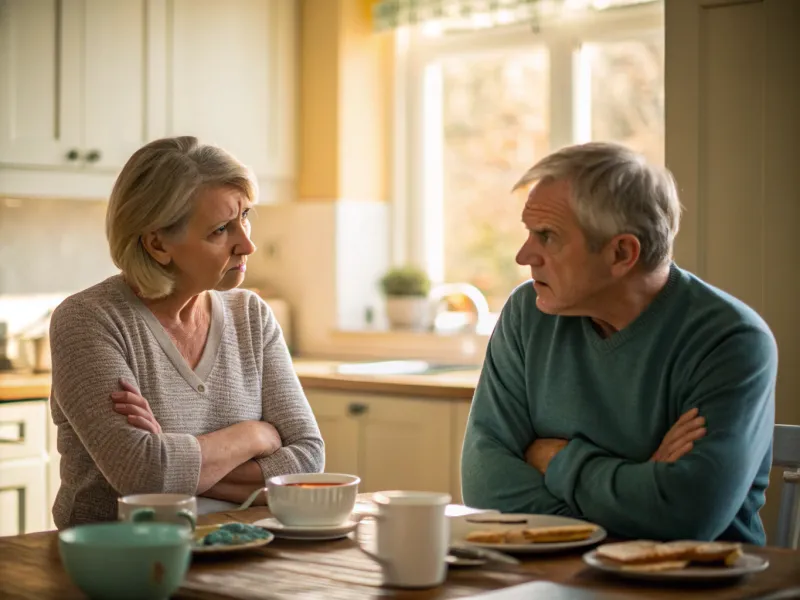
Os conflitos são inevitáveis em qualquer relação, mas as lutas constantes podem corroer o amor e a ligação.
Imagine living in a state of perpetual disagreement, where even small issues ignite big battles. It’s about the emotional toll of constant conflict, the feeling that peace is always just out of reach.
Para muitas mulheres, estas lutas intermináveis tornam-se insustentáveis. O divórcio torna-se então uma forma de encontrar essa paz, de seguir em frente sem o peso dos conflitos não resolvidos.
14. Falta de apoio

O apoio é a espinha dorsal de qualquer relação, mas a sua ausência pode prejudicar até as parcerias mais amorosas.
Imagine being overwhelmed with life’s demands, yet feeling like you’re carrying the load alone. It’s about wanting a partner who stands by you through thick and thin, offering a listening ear and a helping hand.
For many women, this lack of support becomes a deal-breaker. It’s about feeling like you’re fighting life’s battles solo, without the partnership that marriage promises.
15. Mudança de prioridades

Life is full of change, and with it comes shifting priorities. What once was important may no longer hold the same weight, leading to conflicts and reevaluations of one’s path.
It’s about career ambitions, personal growth, or newfound passions that may take precedence over the relationship. These changes can lead to feelings of neglect or a lack of shared goals, creating a divide between partners. For many women, these shifting priorities become a catalyst for change.
16. Aborrecimento

Boredom might seem like a trivial reason, but it can slowly erode the excitement and passion in a relationship. It’s about the monotony of routines, and the predictability of interactions that once felt vibrant and alive.
Imagine acordar todos os dias com o mesmo guião antigo, onde a espontaneidade e a alegria são substituídas por uma repetição monótona.
Divorce may be seen as a way to inject new energy and possibilities into one’s life, breaking free from the chains of monotony.
17. Questões de confiança

A confiança é o alicerce de qualquer relação, mas uma vez quebrada, pode ser quase impossível de reparar. Os problemas de confiança resultam frequentemente de traições passadas, grandes ou pequenas, que o deixam a questionar cada palavra e ação.
It’s about the constant doubt, the fear of being hurt again. You find yourself checking messages, questioning motives, and never fully believing in the sincerity of apologies or promises.
For many women, these trust issues become an unbearable burden, creating a toxic environment where love struggles to survive. It’s about deciding that a life of suspicion and doubt isn’t worth the emotional toll.
18. Falta de apreciação

Feeling appreciated is a fundamental human need, yet it’s often overlooked in relationships. It’s about the dinners cooked, the support given, the love shared that fades into the background without recognition.
Para muitas mulheres, esta falta de valorização torna-se um ponto de rutura.
19. Objectivos de vida diferentes

Os objectivos de vida são pessoais, mas numa relação, precisam de estar alinhados para prosperar. Quando os parceiros têm visões diferentes, isso pode levar a conflitos e reavaliações do que realmente importa.
Estas diferenças podem criar tensão e uma incapacidade de avançar em conjunto. Para muitas mulheres, estes objectivos diferentes tornam-se um ponto de viragem.
20. Inveja

O ciúme pode ser uma força corrosiva, corroendo a confiança e a paz de uma relação.
Imagine questioning every interaction, doubting every friendship, and seeing threats where there are none. It’s about the anxiety that festers, leading to arguments and accusations that push partners further apart.
For many women, jealousy becomes exhausting and unsustainable. It’s about realizing that love can’t flourish in an environment of suspicion.
21. Perda de compatibilidade

Compatibility is often an elusive concept, yet crucial for a thriving relationship. When compatibility fades, it’s like trying to fit a square peg into a round hole. The differences that once seemed trivial now feel insurmountable, leading to frustration and disconnect.
This loss of compatibility becomes a realization that love alone isn’t enough. It’s about accepting that sometimes, two people simply aren’t meant to journey together.
22. Falta de espaço pessoal

Personal space is more than just physical—it’s about the freedom to be oneself without constant scrutiny or interference. In a relationship, the lack of this space can feel suffocating.
Lack of personal space easily becomes overwhelming. It’s about wanting the freedom to explore individuality, to have time and space for personal growth.
23. Papéis de género

Traditional gender roles can impose rigid expectations that stifle a relationship’s potential. It’s about the unwritten rules that dictate who does what, often leading to inequality and resentment.
Para muitas mulheres, desafiar estes papéis torna-se essencial para o seu crescimento e realização pessoal. O divórcio torna-se então um passo em direção a um futuro mais equitativo e auto-definido.
24. Queimadura

Burnout isn’t just a professional hazard; it can seep into personal relationships as well. It’s about the relentless demands, both within and outside the home, that leave you drained and depleted.
Quando a exaustão se acumula, deixa-nos com pouca energia para nós próprios, quanto mais para uma relação.
Este esgotamento torna-se muitas vezes impossível de gerir. Nesse caso, o divórcio pode tornar-se uma forma de aliviar a pressão e criar espaço para a renovação e o rejuvenescimento.
25. Crise de meia-idade

Midlife is often a time of reflection and reassessment, leading to what’s commonly known as a midlife crisis. It’s about questioning life’s direction, purpose, and what’s yet to come.
This period of introspection can lead to the desire for change, adventure, or new experiences that may not align with the current relationship. It’s about wanting more from life, and seeking fulfillment beyond the familiar.
26. Interferência da família

Family can be a source of strength, but excessive interference can strain a marriage to its breaking point. It’s about the boundaries that blur when family members overstep, leading to conflicts and discord.
Imagine-se a navegar no seu casamento com a pressão constante de sogros ou familiares que se sentem no direito de intervir em assuntos pessoais.
Setting boundaries becomes crucial to preserve the sanctity of their relationship. When those boundaries are repeatedly ignored, divorce may be seen as the only way to regain control and ensure that one’s voice is heard above the familial noise.
27. Incompatibilidade no quarto

Bedroom compatibility is a key component of romantic relationships, yet it’s often glossed over.
A frustração de desejos não satisfeitos e o constrangimento de ritmos desajustados transformam o que deveriam ser momentos íntimos em fontes de stress.
Esta incompatibilidade torna-se um problema significativo. É por isso que é importante reconhecer a importância da realização física e o papel que esta desempenha na felicidade geral.
28. Imaturidade emocional

A maturidade emocional é essencial para uma relação saudável, mas nem toda a gente a possui da mesma forma.
Lidar com um parceiro que recorre a um comportamento infantil quando confrontado com desafios e que evita a responsabilização ou discussões significativas é esgotante.
For many women, this immaturity becomes a barrier to a fulfilling relationship and that’s when divorce becomes a good looking option.
29. Perda de amizade

Friendship is the foundation of many lasting marriages, yet it can fade over time. It’s about the camaraderie, laughter, and shared interests that slowly diminish, leaving only the shell of a partnership.
We all want a partner who is also a friend, someone to share life’s moments with. When we don’t have that, divorce becomes a way to seek that friendship anew, whether within oneself or with someone who resonates more deeply.
30. Incompatibilidade com os objectivos de carreira

As aspirações profissionais são profundamente pessoais, mas podem entrar em conflito com a dinâmica das relações.
Imagine receiving a career opportunity that excites you, only to find it at odds with your partner’s plans or support. It’s about feeling torn between personal growth and marital harmony.
This incompatibility can become a significant dilemma. If you can’t reach the compromise and your partner doesn’t even want to listen to you, you know what you should do.
31. Falta de apoio emocional
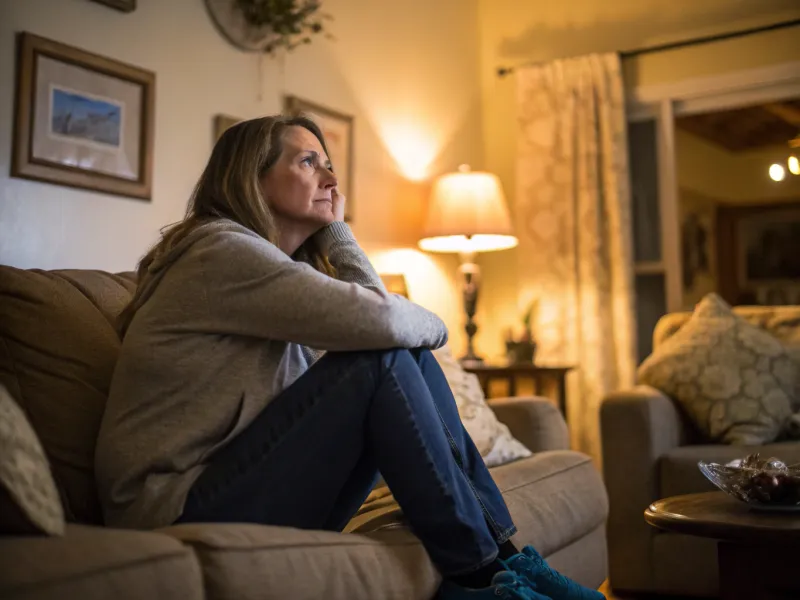
O apoio emocional é a tábua de salvação de qualquer relação, mas a sua ausência pode fazer com que nos sintamos à deriva.
It’s about needing someone who is truly present, and who offers comfort and strength. When women don’t have that, divorce becomes a not so bad option.
32. Questões de saúde

A doença é um convidado não convidado que ninguém pede, mas que põe à prova o próprio tecido de uma relação. Os problemas de saúde podem afetar até os laços mais fortes, introduzindo stress, incerteza e uma mudança na dinâmica.
Chronic illness or sudden health crises require immense patience, empathy, and adaptation. It’s about becoming a caregiver, often at the expense of one’s own needs and well-being. The roles of partner and caregiver blur, leaving you overwhelmed and isolated.
33. Lack of Intellectual Stimulation

For many women, marriage is more than a mere partnership; it’s a meeting of minds. When conversations become mundane, the spark begins to fade. Imagine the loneliness of dining together, yet feeling worlds apart.
A study revealed that intellectual connection ranks high among marital satisfaction factors. Without it, the relationship may feel stagnant. Women crave engaging discussions that challenge their perspectives.
34. Differing Lifestyle Choices

Lifestyle choices significantly influence marital harmony. Picture a life where one’s pursuit of minimalism clashes with a partner’s love for collectibles. Over time, these differences can create tension.
It’s not just about aesthetics but core values. Decisions from financial spending to holiday destinations reflect deeper compatibility issues.