33 Stale Marriage Ideas From the ’50s We’ve Thankfully Left Behind
Let’s take a stroll back to the 1950s—a time of poodle skirts, rock ‘n’ roll, and, well… some pretty questionable marriage advice. Back then, the idea of a “perfect” marriage came neatly packaged in rigid gender roles, unrealistic expectations, and a whole lot of silence in the name of propriety.
Sure, it made for glossy magazine covers and sitcom-worthy scripts, but the reality behind those pastel-colored picket fences wasn’t always picture perfect.
Fast forward to today, and thankfully, we’ve shed many of those outdated ideals like a bad bridal registry. Modern relationships thrive on communication, equality, and mutual respect—not on who makes the coffee or who’s “supposed” to take care of the kids.
So, let’s look back (with a raised eyebrow and maybe a chuckle) at some outdated marriage ideas from the ’50s we’re better off without—and celebrate just how far love and partnership have come. Ready for some retro reality checks?
1. Jantar na mesa até às 17 horas
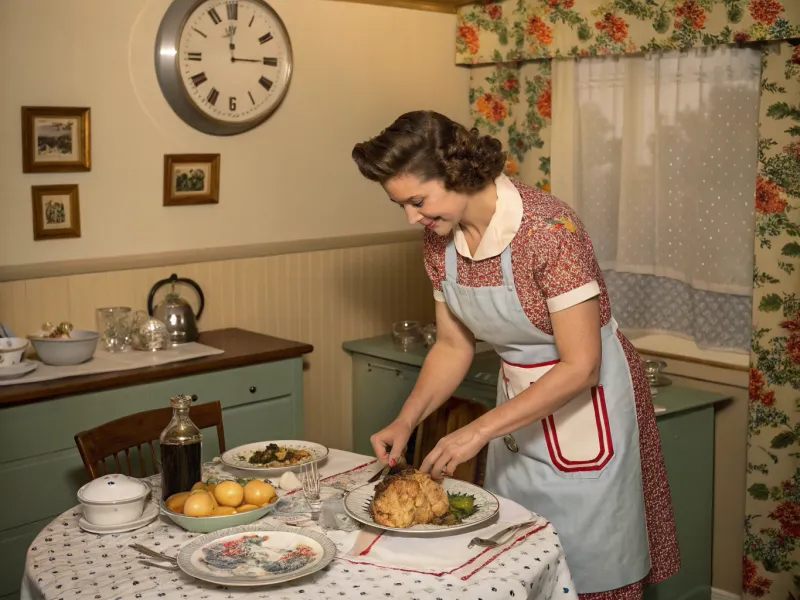
Ladies, let’s kick things off with the notion that dinner must be served at precisely 5 PM. Apparently, na década de 1950, the ultimate symbol of wifely devotion was a roast dinner waiting as soon as your husband walked through the door. Picture this: you’ve just wrangled the kids, cleaned the house until it sparkled, and somehow summoned the energy to prepare a three-course meal—all before the clock struck five.
In today’s whirlwind world, this idea feels more like a scene from a sitcom than reality. Who even gets home by 5 PM anymore? With traffic, work commitments, and the allure of take-out, the idea that dinner should be on the table by this specific time is a bit laughable.
Modern relationships thrive on partnership and flexibility. Whether it’s ordering in or cooking together post-commute, the focus is on what works for both partners. So, here’s to embracing spontaneity and saying goodbye to rigid timelines that belong in a time capsule, not our kitchens!
2. A mulher como dona de casa a tempo inteiro
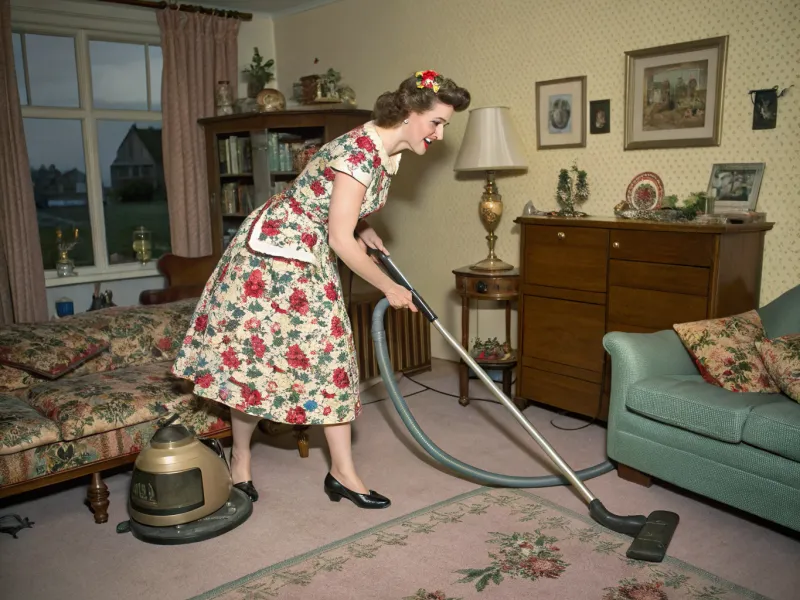
Oh, o sonho de ser uma dona de casa dos anos 50 a tempo inteiro—if that was ever truly a universal dream! The idea was that a wife’s role was solely to tend the home and children, creating a perfect domestic haven. But let’s be real, this notion was more about societal expectations than individual choice.
Fast forward to today, and many women are balancing careers, families, and personal ambitions. The home is no longer just a woman’s domain, and thank goodness for that! Relationships now recognize that both partners can share responsibilities in the house, redefining what it means to be a homemaker.
While some may choose the path of homemaking, for others, the freedom to carve out a career is a cause for celebration. The beauty of modern marriage is that roles are fluid, and choice is king—or queen! So, let’s raise a toast to the variety of lifestyles that bring harmony and fulfillment, beyond the confines of a 1950s sitcom.
3. Obediência conjugal
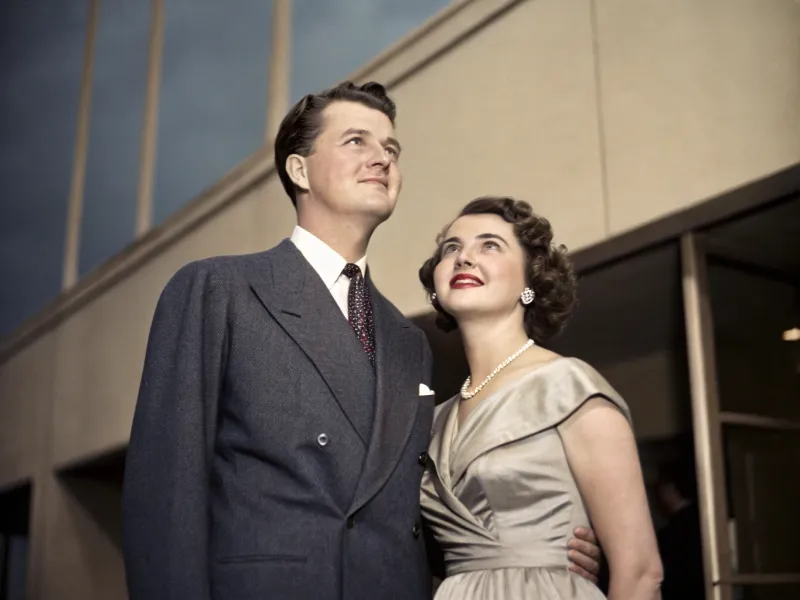
Ah, yes, the age-old idea of marital obedience—the one we probably associate with old black-and-white movies rather than real life. The concept was simple: the husband led, and the wife followed. Cue the eye rolls! This notion of obedience stemming from the idea of male dominance is as outdated as rotary phones.
In our modern era, marriages thrive on partnership and equality. It’s about listening to each other, valuing each other’s opinions, and making decisions together. Those words like “obedience” have no place in the language of love anymore.
Today, mutual respect and shared goals guide relationships. Love is a dance, not a march, and both partners get to lead. So, let’s step forward together, leaving behind the obedient wife trope in the annals of history, where it belongs!
4. O marido como único ganha-pão

Remember when the man of the house was expected to be the sole breadwinner, setting out each day with a briefcase and a kiss on his wife’s cheek? This was seen as the ideal, where a man’s worth was tied to his ability to provide financially while the wife managed the home front.
Fast forward to now, and this notion feels as quaint as a black-and-white TV show. Dual-income families are now the norm, with both partners contributing financially and supporting each other’s careers. The rise of gender equality in the workplace has allowed men and women to redefine success and partnership in marriage.
So here’s to breaking the mold and celebrating shared responsibilities. Whether it’s joint bank accounts or shared career goals, today’s marriages are about teamwork and support, rather than antiquated financial hierarchies. The modern marriage thrives on balance and respect, allowing each partner to shine.
5. Camas separadas para os cônjuges
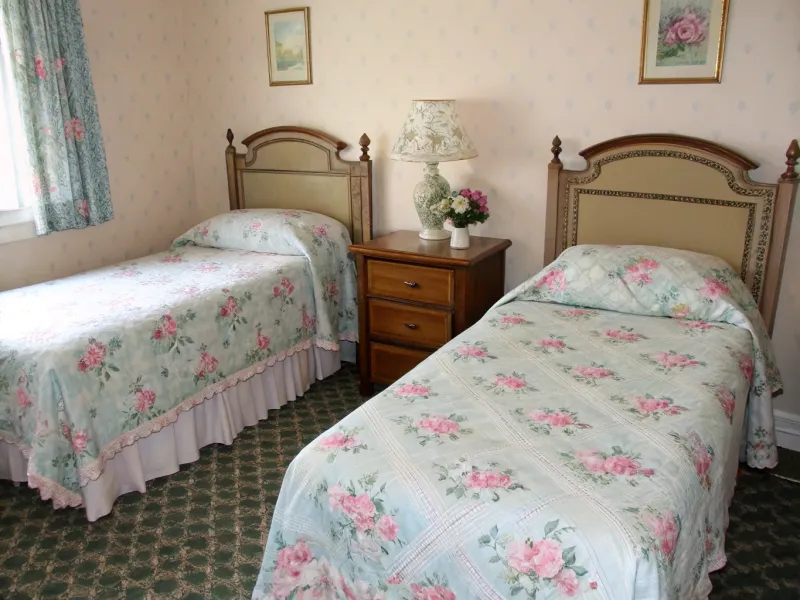
Separate beds? For married couples? It sounds like something straight out of an old TV sitcom, doesn’t it? Yet, in the 1950s, it wasn’t uncommon for spouses to sleep in twin beds, sometimes even in separate rooms. This idea was rooted in a sense of decorum and personal space, oddly suggesting closeness without the proximity.
Today, the thought of separate beds for couples is more likely to evoke chuckles than agreement. Modern couples often prioritize intimacy and connection, finding comfort in a shared bed. It’s not just about sleeping; it’s about nurturing closeness, even if that means dealing with a midnight snorer!
While some couples might choose their own space for a good night’s sleep, the norm is leaning towards sharing a bed. It’s a symbol of modern partnership, where closeness isn’t measured by how we sleep, but how we connect.
6. Women Shouldn’t Work After Marriage
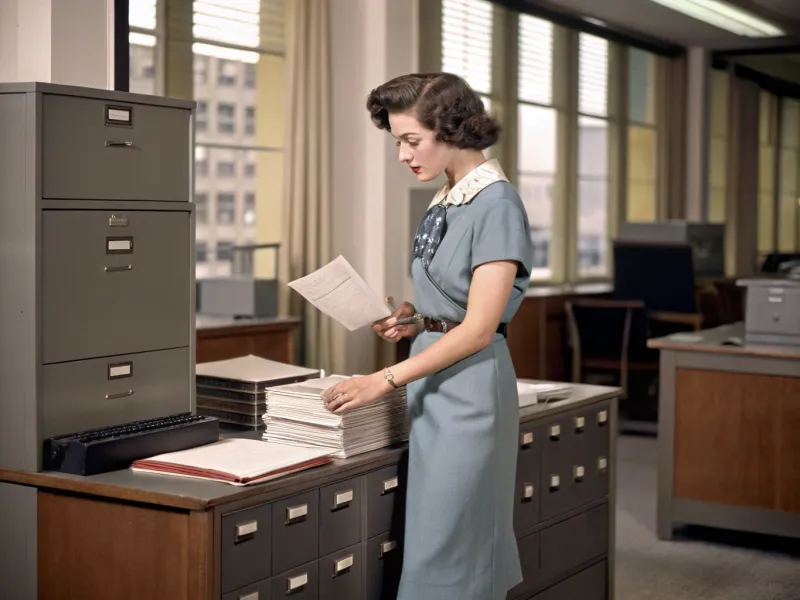
Oh, the notion that a woman’s career must end at “I do.” Once upon a time, marriage was seen as the ultimate ‘promotion’ for women, and that promotion often came with a pink slip for whatever job they had. The idea was that a woman’s place was at home, managing everything domestic.
Today, this concept seems almost laughable. Marriage isn’t the end of a woman’s ambition or career, and modern couples often support each other’s professional journeys. The idea that a woman should quit her job after marriage is as outdated as dial-up internet.
Now, marriage is a partnership where both partners support each other’s dreams, whether they involve climbing the corporate ladder or nurturing a passion project. Let’s cherish the freedom to pursue our goals—wedding ring and all—because ambition doesn’t stop at the altar.
7. Os homens tomam todas as grandes decisões
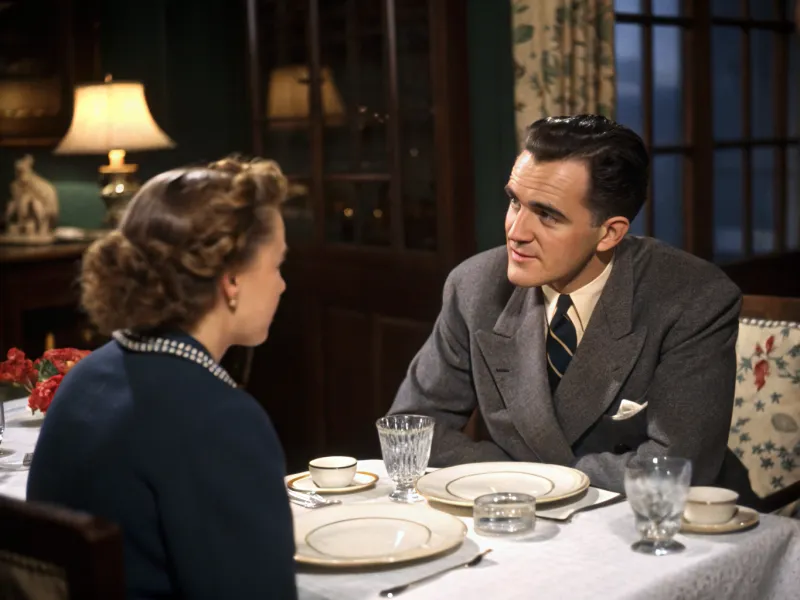
Here we have the classic trope of the husband as the decision-maker, the one who held the final say in all things ‘important.’ This was a staple of the 1950s, where the wife’s role was to nod and agree while the husband decided everything from finances to family vacations.
Flash forward to now, and this notion feels like the plot of an old-fashioned drama. Today’s marriages thrive on collaboration, with both partners having a voice in decision-making. Whether it’s buying a house or planning a vacation, modern couples make choices together, valuing each other’s insights.
The era of unilateral decision-making is over. Relationships are built on mutual respect, where both voices matter. So here’s to shared decisions and celebrating the beauty of collaboration, where everyone gets a seat at the table—and an equal say in what’s for dinner!
8. O divórcio é um tema tabu
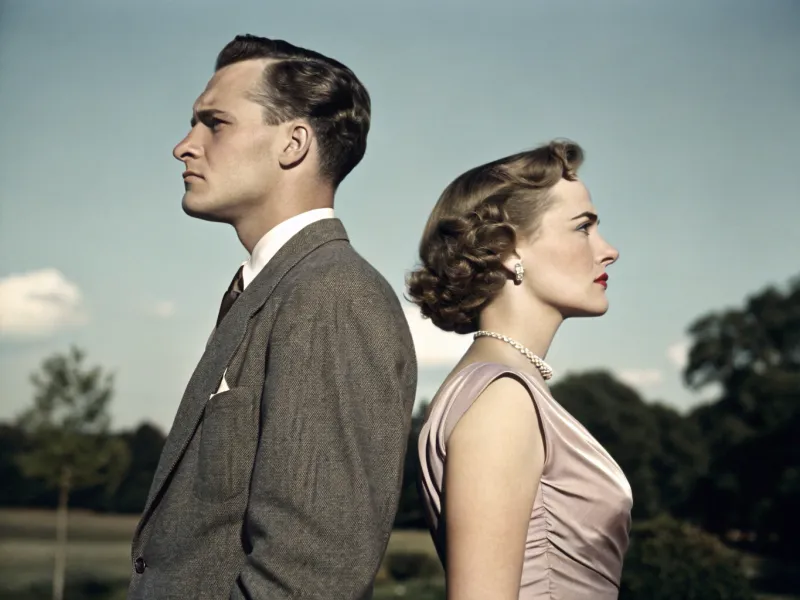
Back in the day, saying the ‘D-word’ was almost as scandalous as admitting you watched TV in your pajamas. Divorce was seen as a failure, a taboo subject that was whispered about in hushed tones. It was less about personal happiness and more about maintaining appearances.
Today, while divorce isn’t exactly celebrated, it is recognized as a valid option when a marriage isn’t working. It’s a way to prioritize personal well-being and happiness, acknowledging that sometimes relationships don’t go as planned—and that’s okay.
Modern relationships understand that sometimes parting ways is the healthiest step forward. So, let’s break the silence and embrace open conversations about what makes us truly happy, because a marriage based on fear of divorce is no marriage at all.
9. O casamento é para a procriação
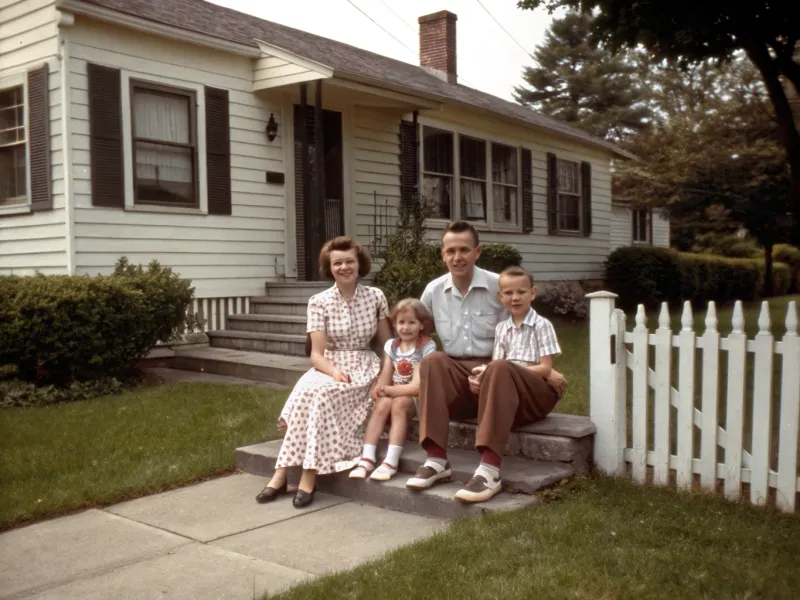
Em tempos, a ideia de que o casamento tinha como principal objetivo a procriação era tão aceite como a noção de que Elvis era o Rei. A narrativa era que dar o nó conduzia naturalmente à constituição de uma família, com a proverbial cerca de estacas e um enxame de descendentes.
Fast forward to today, and marriage is celebrated for so much more than just creating baby booties. It’s about partnership, love, and building a life together—whether or not that includes children. Countless couples choose to marry with no intention of expanding their family tree beyond fur babies or houseplants.
The beauty of modern marriage is that it’s a personal journey, not a one-size-fits-all scenario. So, let’s celebrate love in all its forms and recognize that the choice to have children, or not, belongs to the couple alone. Because love doesn’t require a nursery to flourish!
10. A mulher tem de estar sempre perfeita
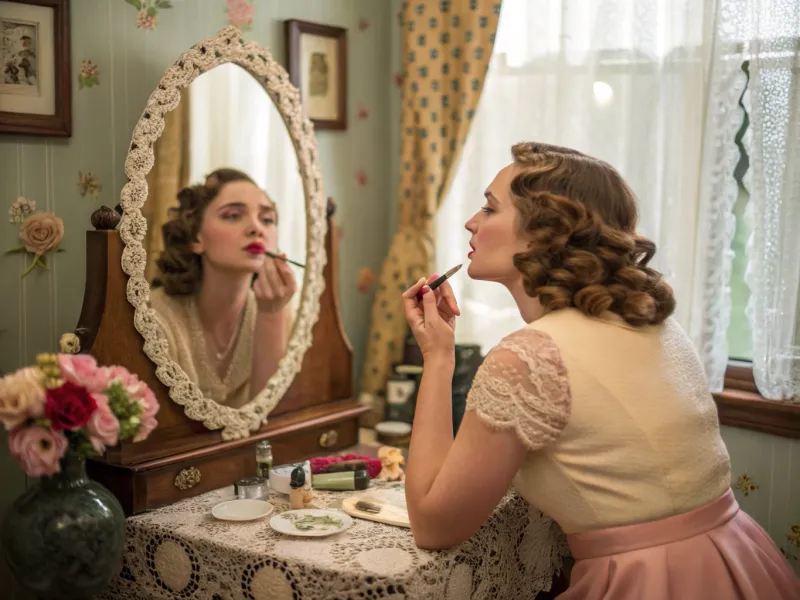
Ladies, ever been told to ‘put on a little lipstick’ before your husband gets home? Na década de 1950, the expectation was that a wife would always look her best for her husband, as if she lived on a perpetual Hollywood set. This idea was less about personal expression and more about fulfilling a societal role.
Nowadays, this notion feels downright exhausting. Modern marriages thrive on authenticity and comfort, where both partners can be themselves—messy hair and all. The idea of maintaining a flawless appearance 24/7 is unrealistic and unnecessary.
In today’s world, love is about connecting with the real person, not just a polished exterior. So here’s to embracing the beauty of imperfection and knowing that true love sees beyond a perfect eyeliner flick or a well-coiffed hairdo!
11. Housework is a Woman’s Duty
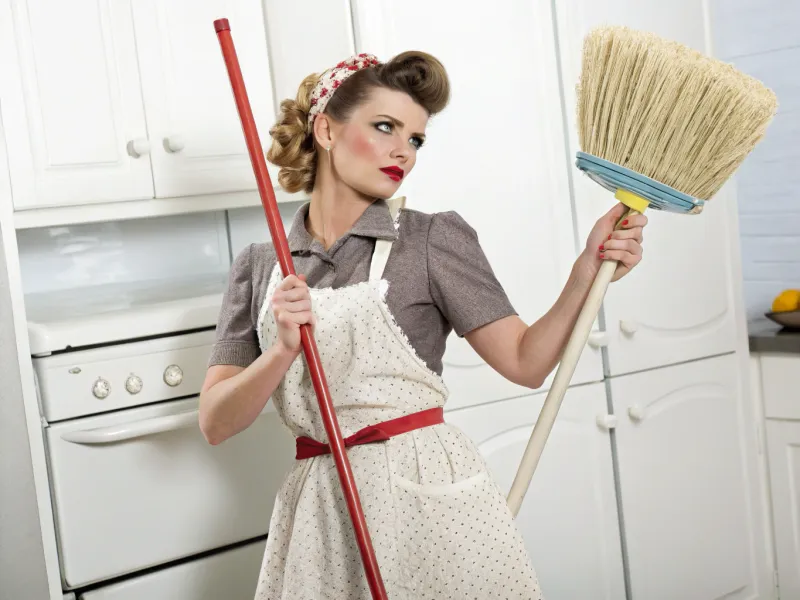
Lembra-se dos antigos programas de televisão em que a mulher andava sempre de um lado para o outro com um pano do pó, certificando-se de que a casa estava impecável? Os anos 50 pintaram um quadro em que as tarefas domésticas eram vistas como inerentemente femininas, cabendo às mulheres o ónus de todas as tarefas domésticas.
Today, that image feels as dated as the commercials that suggested smoking was good for you. Modern marriages operate on teamwork, with both partners sharing the responsibilities of keeping a home. Whether it’s vacuuming, cooking, or folding laundry, it’s all hands on deck!
The shift towards shared housework reflects a broader understanding of equality and respect in relationships. So here’s to rolling up our sleeves together and making chores a shared adventure rather than a solo performance!
12. As mulheres não devem ganhar mais do que os maridos
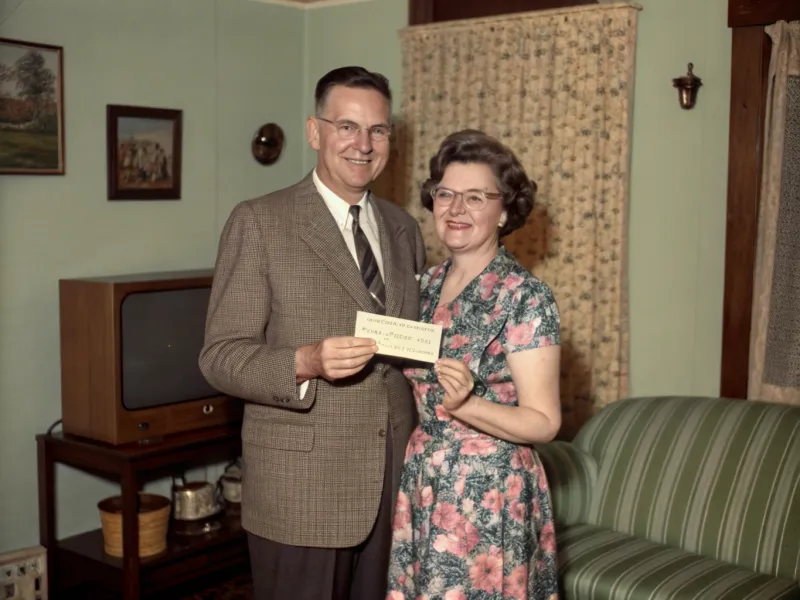
Oh, the scandal of a wife earning more than her husband! Na década de 1950, this was seen as a disruption to the natural order, where the husband was supposed to be the primary breadwinner. The idea was wrapped up in notions of masculinity and societal roles.
Hoje em dia, a diferença de rendimentos nos casamentos é vista de uma forma completamente diferente. Muitos casais celebram o sucesso de qualquer um dos parceiros sem se preocuparem com quem ganha mais. O foco está no apoio mútuo e nos objectivos partilhados.
The idea that a wife shouldn’t out-earn her husband has been tossed out with the black-and-white TVs. Modern relationships are built on support and respect, where financial dynamics are just one part of a much bigger picture. Here’s to celebrating success—no matter who brings home the bigger paycheck!
13. Men Don’t Do Emotional Labor
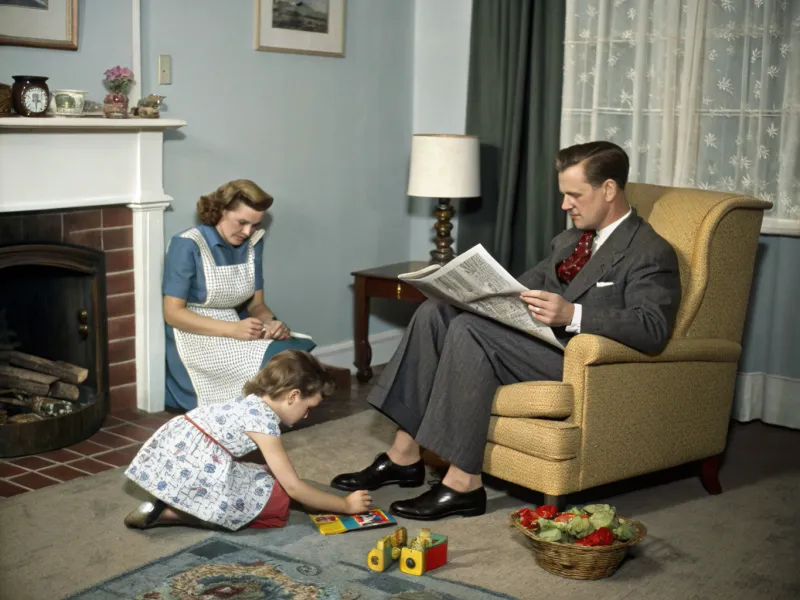
Back in the day, the emotional labor of maintaining a household was often the sole domain of women. This included everything from remembering birthdays to managing social calendars, seen as tasks that naturally fell to the wife. Meanwhile, husbands could focus on more ‘important’ things, like mowing the lawn.
In today’s world, this division seems downright archaic. Emotional labor is increasingly recognized as a shared responsibility, with both partners contributing to the emotional well-being of their relationship and family.
Modern marriages prioritize empathy, communication, and shared emotional responsibilities. It’s about both partners being emotionally present and supportive. So let’s ditch the old scripts and embrace a partnership where emotional labor is a team effort!
14. As demonstrações públicas de afeto são tabu

Remember when holding hands in public was as scandalous as sneaking a sip of your parents’ sherry? In the 1950s, public displays of affection (PDAs) were considered inappropriate, as public decorum bordered on the puritanical.
Hoje em dia, os pombinhos podem ser vistos em todo o lado, de mãos dadas, a partilhar um beijo rápido ou a roubar um abraço a cada oportunidade. Os PDAs tornaram-se uma forma normal e aceite de demonstrar afeto, libertando-se dos constrangimentos de outrora.
Today’s couples celebrate their love openly, without fear of side-eye from strangers. Here’s to expressing affection in whatever way feels right, whether it’s a cheeky kiss on the subway or a cozy cuddle at a café!
15. Os maridos sabem melhor
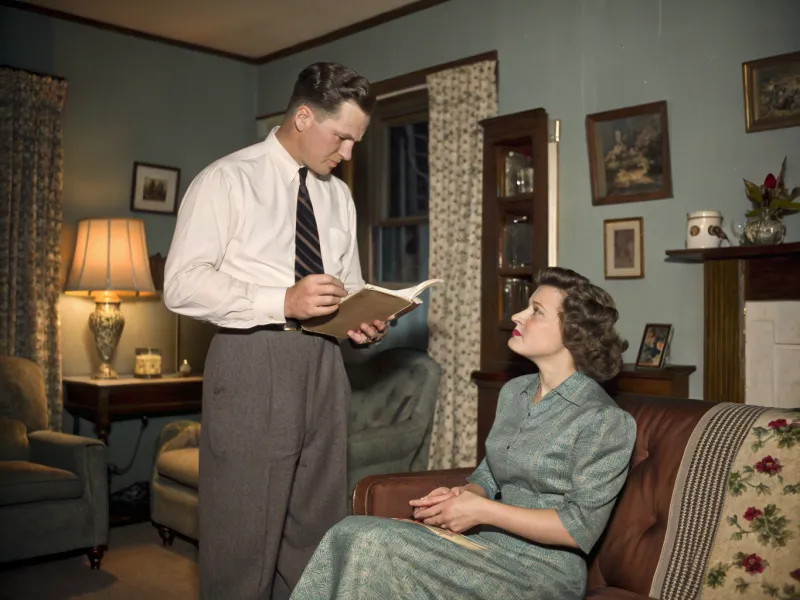
And they say husbands know best! This idea was a staple in the 1950s, where the husband’s word was often seen as the final say in household and life matters. It was an era when phrases like “Father knows best” were taken seriously, reflecting societal norms that placed men in positions of unquestioned authority.
In today’s enlightened age, the ‘hubby knows best’ trope has lost its sheen. Modern marriages celebrate equality and shared decision-making, where both partners’ opinions are valued and respected.
The shift towards equal partnerships reflects a broader understanding of mutual respect and co-leadership in relationships. So here’s to leaving behind outdated notions of authority and embracing a partnership where both voices are heard and valued equally!
16. Nunca ir para a cama zangado
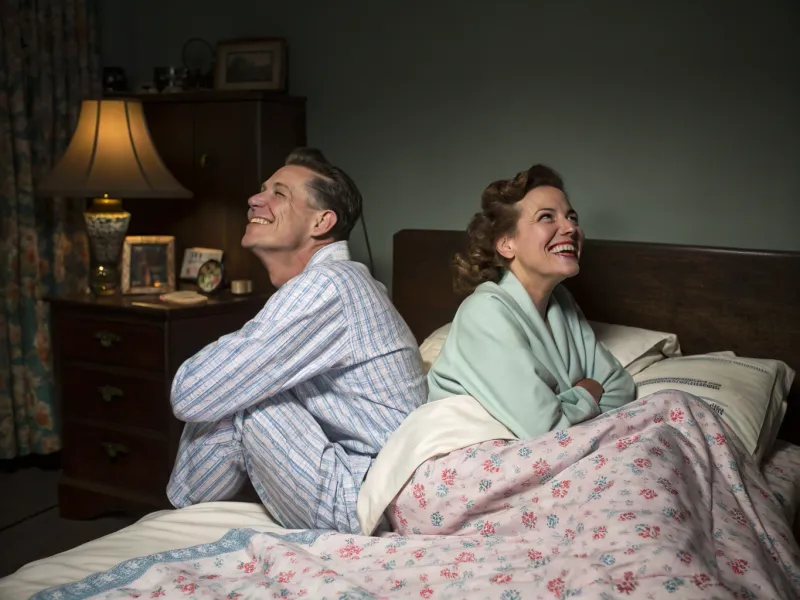
Ah, the age-old advice that couples should never go to bed angry—like a magic spell that would somehow fix all problems before sunrise. This notion was rooted in the idea that unresolved conflicts would fester overnight, leading to bigger issues.
Today, we know that sometimes it’s okay to sleep on it. Taking a break can provide perspective, allowing couples to approach conflicts with a clearer mind and open heart. The idea isn’t to ignore issues, but to tackle them when both are ready.
Modern relationships focus on healthy communication and emotional maturity, understanding that conflicts aren’t resolved by the ticking clock but by mutual respect and understanding. So let’s toast to getting some beauty sleep and tackling challenges with a fresh perspective!
17. The Wife is the Family’s Social Secretary
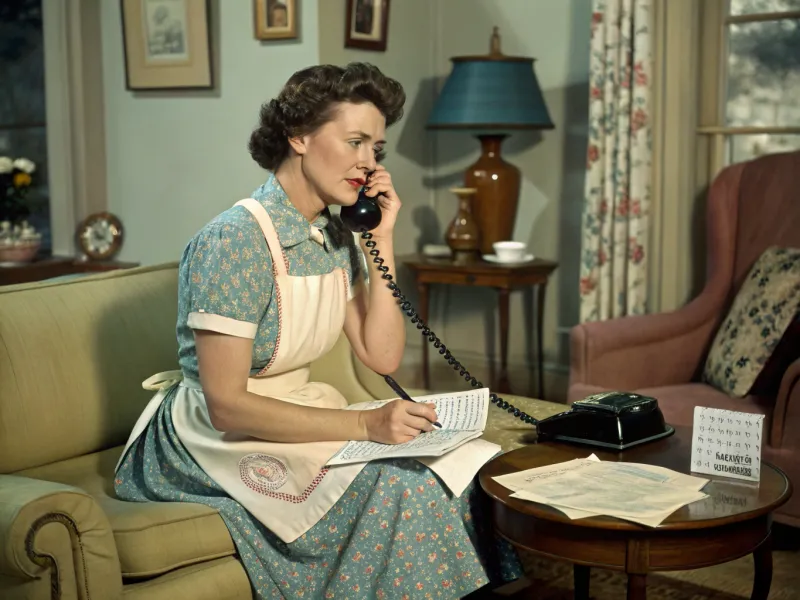
Once upon a time, the wife was expected to be the family’s social secretary, juggling invitations, organizing playdates, and ensuring the social calendar was up to date. This role was part of the broader expectation that women managed all things social and domestic.
In today’s world, this expectation feels as outdated as rotary phones. Modern couples share the responsibilities of managing social engagements, recognizing the importance of teamwork in keeping life running smoothly.
The shift towards shared social responsibilities reflects a broader understanding of equality and partnership in marriage. Here’s to modern relationships where both partners contribute to the family’s social life, making collaboration the new norm!
18. Marriage is Forever—No Matter What
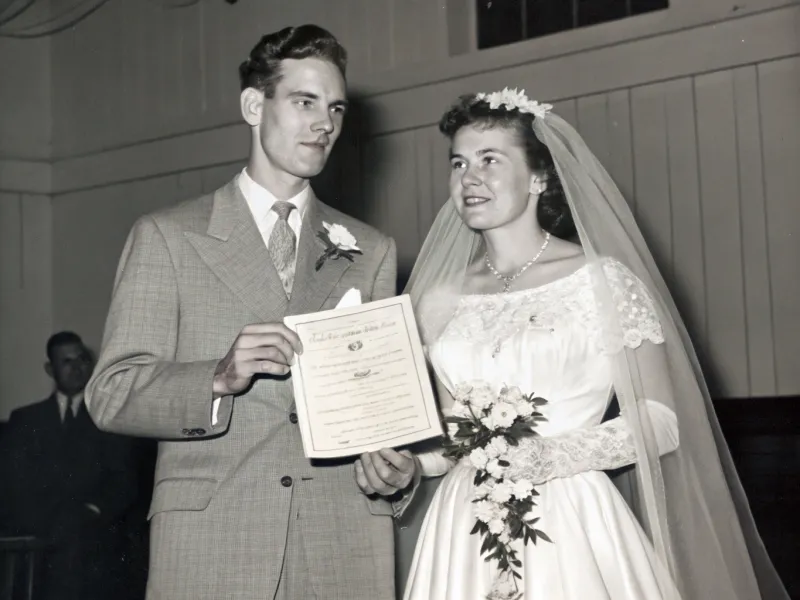
Na década de 1950, a ideia de que o casamento era para sempre, independentemente das circunstâncias, estava enraizada nas normas sociais. O divórcio era o último recurso e a união era vista como um dever, independentemente da felicidade ou do crescimento pessoal.
Today, the concept of marriage has evolved to prioritize personal well-being and mutual growth. While many marriages do last a lifetime, the understanding that relationships can change and sometimes end is acknowledged as part of life’s journey.
Modern relationships focus on mutual support and happiness, recognizing that sometimes paths diverge. So let’s celebrate love in all its forms and understand that commitment is about quality, not just longevity!
19. Manter os problemas em segredo
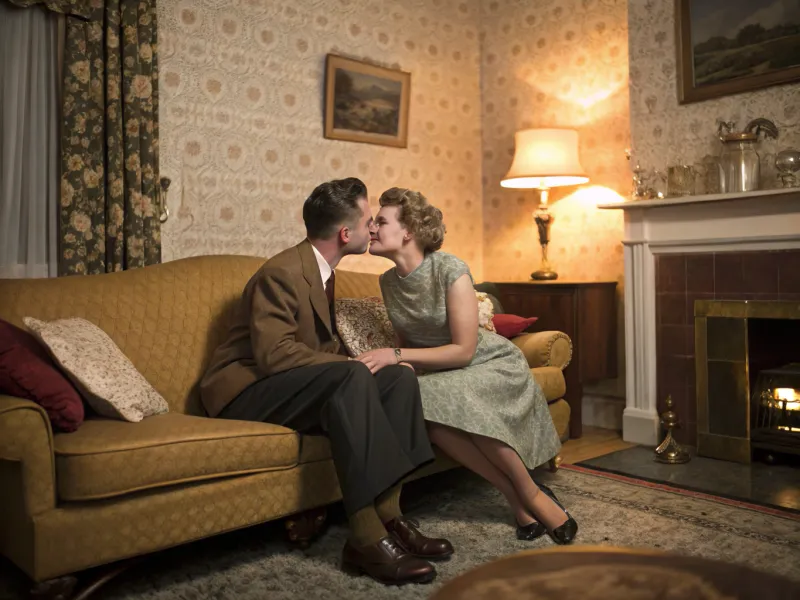
Back in the day, airing your dirty laundry was considered a major faux pas. Marriage problems were kept behind closed doors, with couples encouraged to maintain a façade of perfection, even if things weren’t rosy.
Atualmente, o tabu contra a partilha dos problemas conjugais está a ser desmantelado. A comunicação aberta com amigos, familiares ou terapeutas é cada vez mais reconhecida como valiosa, proporcionando apoio e perspetiva.
Modern relationships understand that seeking help and sharing experiences is a strength, not a weakness. Let’s embrace the power of community and support, knowing that we’re not alone in our challenges!
20. A esposa perfeita é silenciosa e doce

The perfect wife of the 1950s was expected to be silent and sweet, embodying the demure, gentle persona that wouldn’t dare ruffle feathers. It was an era when a woman’s voice was often stifled in favor of maintaining peace and appearances.
Today, the notion of a silent wife belongs in the past. Modern marriages celebrate strong, vocal women who express their thoughts and feelings. Marriage is a partnership where both voices matter, and silence isn’t golden.
Let’s cherish the beauty of open expression, where modern relationships thrive on communication and mutual respect. Silence is no longer a virtue, and that’s something to celebrate!
21. O marido é o disciplinador
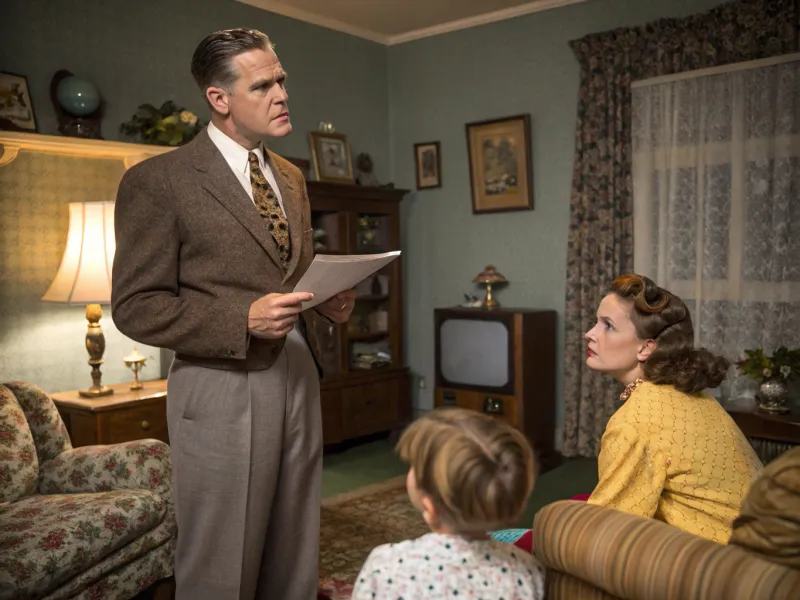
Na década de 1950, o marido era frequentemente visto como o disciplinador da família, impondo a lei enquanto a mulher nutria e acalmava. Esta dinâmica reflectia os papéis sociais mais amplos dos homens como figuras de autoridade dentro de casa.
Atualmente, a dinâmica parental mudou para responsabilidades partilhadas em matéria de disciplina e educação. Ambos os pais participam na orientação e no apoio aos filhos, reconhecendo a importância do equilíbrio e da colaboração.
Modern relationships focus on teamwork in parenting, understanding that both partners bring valuable perspectives. Here’s to shared roles and equal involvement in raising the next generation!
22. As esposas devem ser gratas pelo que têm
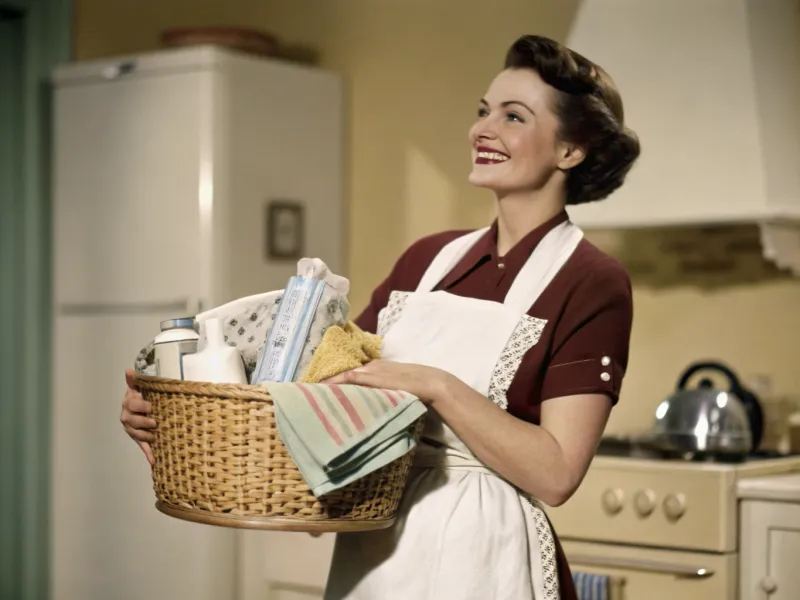
Senhoras, alguma vez vos disseram que deviam estar gratas pelo que têm, por mais modesto que seja? Na década de 1950, esperava-se frequentemente que as esposas se contentassem com a sua sorte, concentrando-se no que tinham e não naquilo a que podiam aspirar.
Atualmente, esta noção parece limitadora e ultrapassada. Os casamentos modernos reconhecem o valor da ambição e do crescimento, encorajando os parceiros a sonhar em grande e a perseguir os seus objectivos, em conjunto e individualmente.
The idea that gratitude should limit ambition has no place in today’s relationships. Here’s to celebrating aspirations and supporting each other in achieving dreams, because gratitude and ambition can coexist beautifully!
23. A mulher como anfitriã, não como parceira
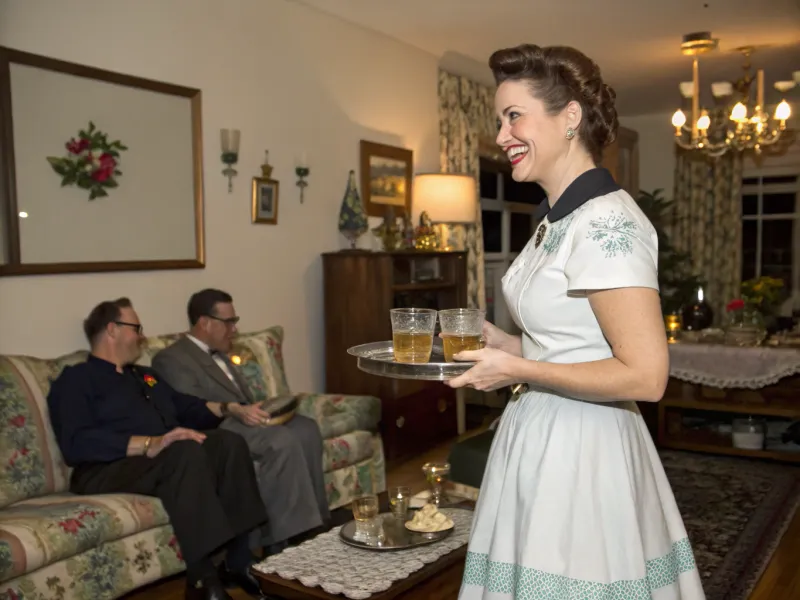
Na década de 1950, o papel de uma esposa estendia-se frequentemente a ser a anfitriã perfeita, assegurando que as reuniões sociais corriam bem enquanto o marido entretinha os convidados. Esta expetativa enquadrava as mulheres como apoiantes e não como parceiras iguais nos contextos sociais.
Atualmente, a ideia de a esposa ser apenas uma anfitriã ficou no passado. Os casamentos modernos celebram a igualdade e a parceria, com ambos os parceiros a participarem igualmente nas interações sociais e pessoais.
Let’s toast to relationships where both partners are valued as individuals and equals, beyond roles of host or hostess. Here’s to partnerships where everyone has a seat at the table!
24. Concordar sempre com o marido em público
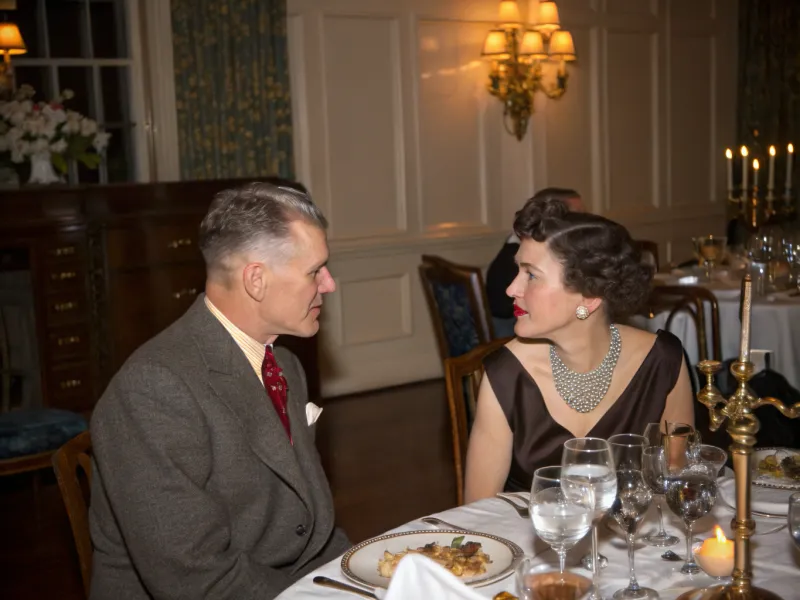
A ideia de que a mulher devia concordar sempre com o marido em público era um tropo clássico dos anos 1950. Manter a harmonia e evitar desacordos públicos era visto como essencial para um casamento feliz, mesmo que isso significasse sufocar as opiniões pessoais.
Atualmente, esta noção parece tão ultrapassada como as tendências da moda da época. As relações modernas prosperam com base na autenticidade e no respeito, em que ambos os parceiros são livres de exprimir abertamente as suas opiniões, mesmo em contextos públicos.
Let’s celebrate the beauty of honest communication and mutual respect, where agreeing to disagree is perfectly acceptable. Here’s to relationships where authenticity reigns supreme, both privately and publicly!
25. A esposa deve estar sempre disponível
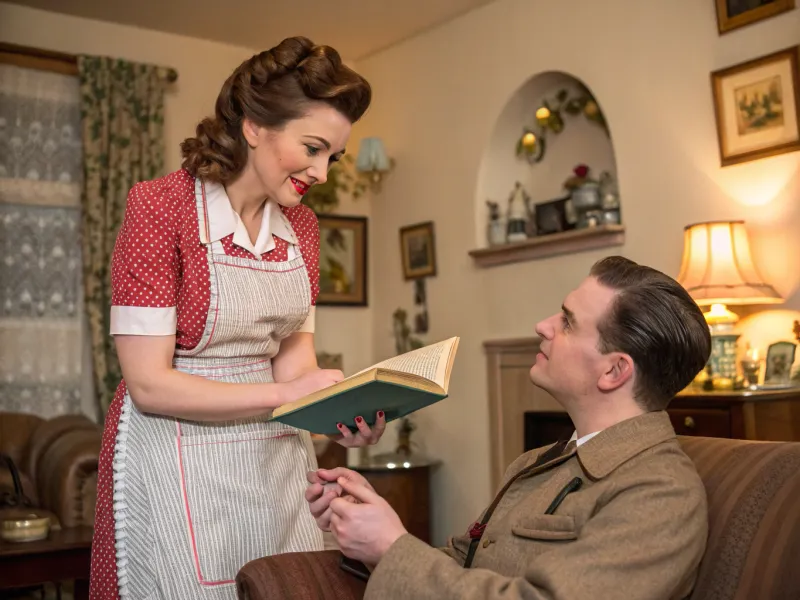
Ever heard the saying that a wife should always be available to meet her husband’s needs? This idea was prevalent in the 1950s, framing women as ever-ready to serve, regardless of their personal desires or needs.
Atualmente, a ideia de disponibilidade constante parece restritiva e ultrapassada. Os casamentos modernos reconhecem a importância do espaço pessoal e dos cuidados pessoais, compreendendo que ambos os parceiros têm necessidades e desejos fora da relação.
Let’s celebrate the evolution of marriage into a partnership that values personal time and individuality. Here’s to relationships where both partners support each other’s independence and growth!
26. Marriage is the Woman’s Responsibility
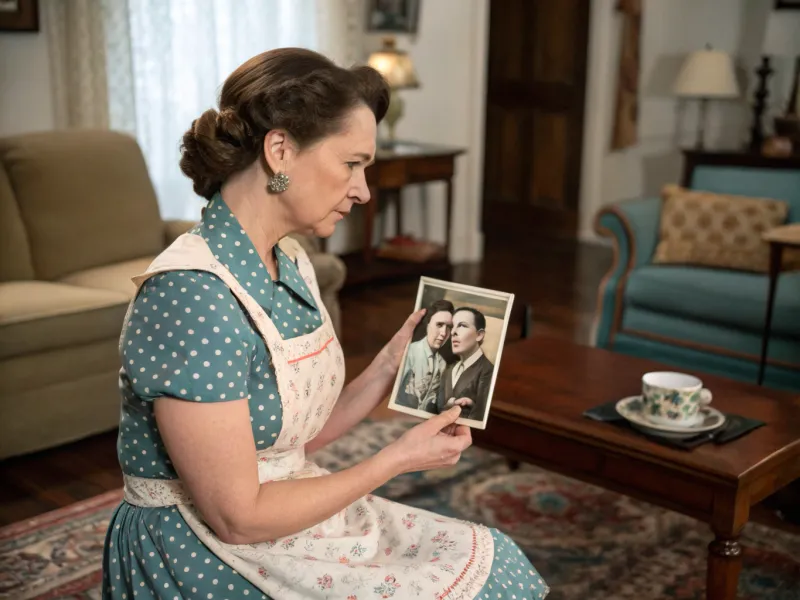
Back in the day, the success of a marriage was often seen as the woman’s responsibility. She was expected to maintain harmony, manage the household, and ensure everything ran smoothly, while the husband focused on providing.
Atualmente, esta noção parece tão ultrapassada como as televisões a preto e branco. As relações modernas prosperam com base na partilha de responsabilidades, em que ambos os parceiros contribuem para o sucesso do casamento à sua maneira.
Let’s toast to relationships that are built on teamwork and mutual respect, where responsibility is shared and celebrated. Here’s to partnerships that are equal and fulfilling, beyond traditional roles!
27. Não ter amigos do sexo oposto
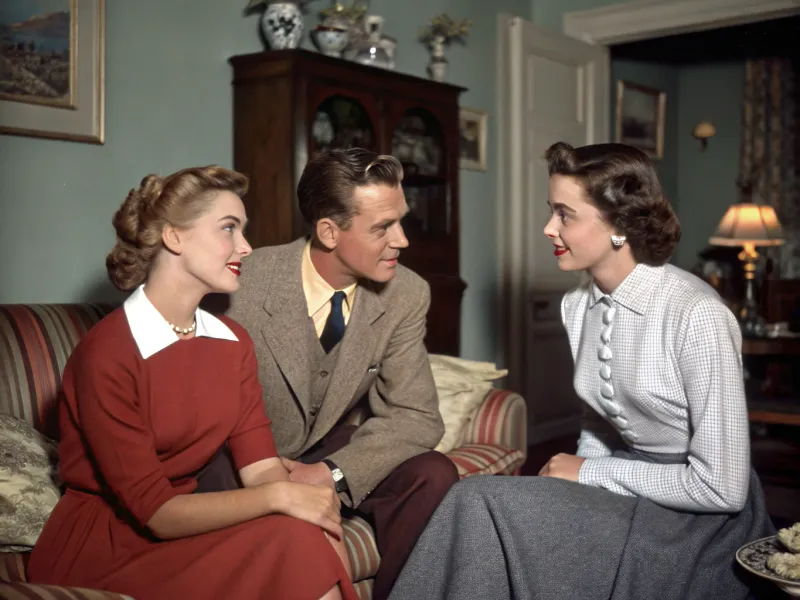
Nos anos 50, prevalecia a ideia de que os indivíduos casados deviam evitar amizades com o sexo oposto. Esta noção radicava no medo da tentação e na crença de que tais amizades poderiam ameaçar a harmonia conjugal.
Atualmente, esta ideia parece restritiva e desnecessária. As relações modernas são construídas com base na confiança e no respeito, reconhecendo que as amizades com pessoas de qualquer género podem enriquecer as nossas vidas e apoiar o nosso crescimento pessoal.
Let’s celebrate the freedom to form meaningful connections and friendships, beyond outdated notions of gender roles. Here’s to trusting and supportive relationships where personal growth is encouraged and celebrated!
28. As mulheres precisam de se casar jovens
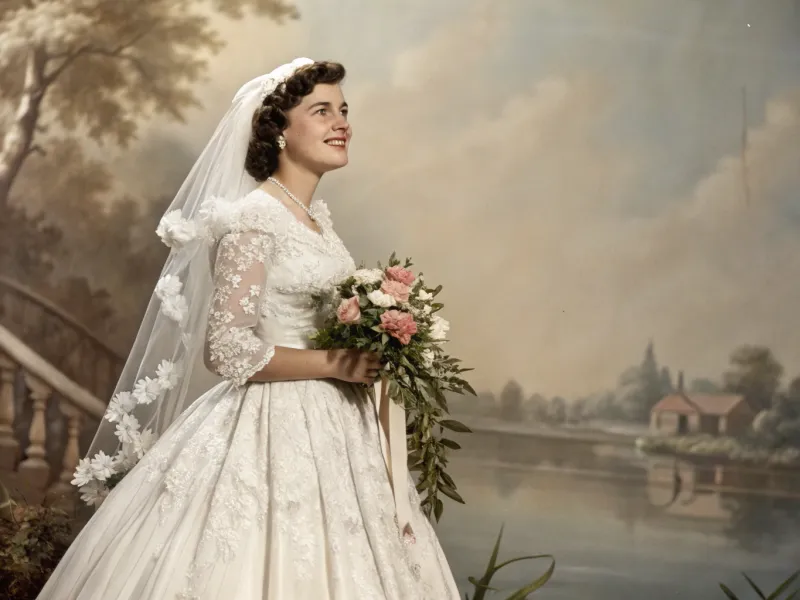
Once upon a time, the pressure for women to marry young was as intense as the fear of missing out on the latest Elvis record. The notion was that a woman’s value was tied to her ability to snag a husband while still young and vibrant.
Atualmente, esta ideia parece ultrapassada e limitativa. A sociedade moderna reconhece que não existe uma idade ideal para o casamento e que o crescimento e a preparação pessoal são muito mais importantes do que o cumprimento de uma condição social.
Let’s embrace the freedom to marry—or not—when the time feels right, without societal pressure. Here’s to celebrating love and commitment at any age, because the heart knows no timeline!
29. Manter a política fora do casamento
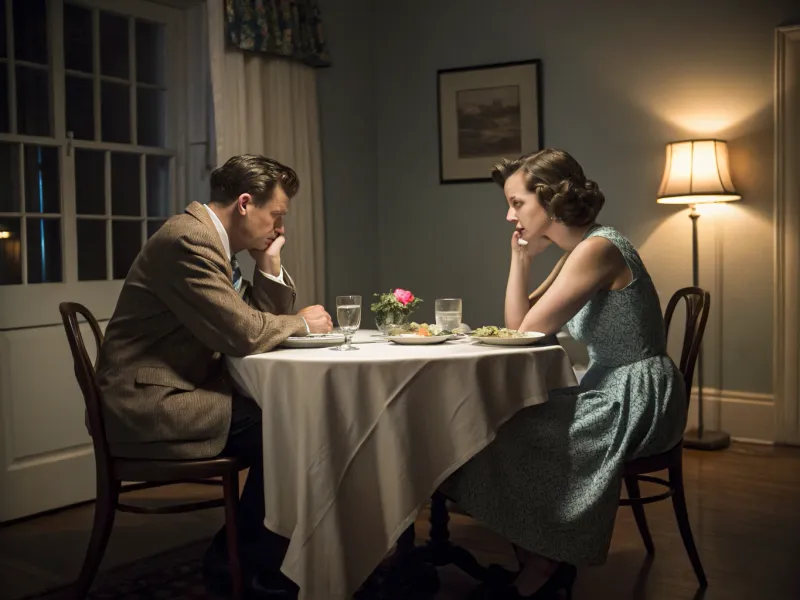
Antigamente, discutir política num casamento era muitas vezes visto como uma receita para o desastre. O conselho era manter esses tópicos afastados para manter a paz e a harmonia, evitando qualquer potencial de desacordo ou conflito.
Atualmente, esta noção parece limitativa e irrealista. Os casamentos modernos reconhecem a importância de discutir temas importantes como a política, compreendendo que essas conversas podem fortalecer a relação através de valores partilhados e de um debate respeitoso.
Let’s celebrate the power of open dialogue and mutual respect in relationships, where discussing politics isn’t off-limits but encouraged as a way to grow and connect. Here’s to relações que se desenvolvem com base numa compreensão partilhada e numa comunicação aberta!
30. Jealousy Means He Loves You

In the 1950s, jealousy was often romanticized—as if a man’s possessiveness proved the depth of his love. The idea was that if he questioned where you were or who you were talking to, it meant he cared. Cue the sigh and eye-roll.
Today, we know that jealousy isn’t love—it’s insecurity dressed in a dated tuxedo. Healthy relationships are built on trust, not control. Your partner should feel secure enough to support your independence, not try to manage it.
Modern love thrives when both people feel free to be themselves, without fear of being accused or controlled. So, let’s leave the toxic tropes behind and embrace relationships where love is based on confidence, not control.
31. Personal Needs Should Be Ignored for the Marriage

In the good ol’ 1950s, sacrificing personal needs for the sake of the marriage was often portrayed as noble—especially for women. Self-care? Not exactly a priority when your worth was tied to being the ever-giving spouse.
Today, we know that self-neglect isn’t a sign of commitment—it’s a recipe for burnout. A healthy relationship means both partners have space to care for themselves, pursue their interests, and recharge without guilt.
Modern marriages flourish when both people feel supported e whole as individuals. Because when you take care of yourself, you’re better equipped to care for each other. Self-love and partnership? That’s the new power couple.
32. The Perfect Wife Cooks Like a Chef
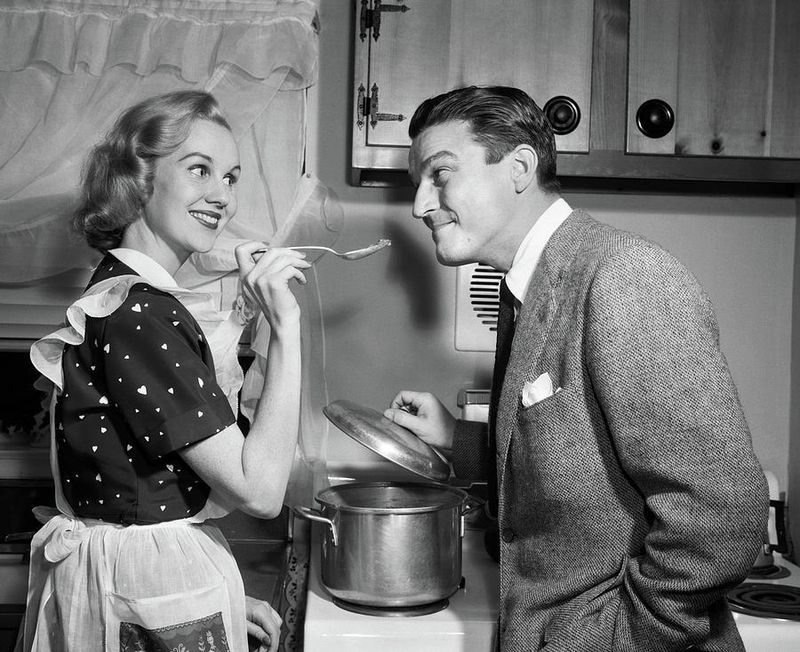
Imagine a world where culinary prowess defined a woman’s worth. In the ’50s, the expectation was that a wife should cook like a professional chef, churning out gourmet meals daily.
As delightful as a home-cooked meal is, this expectation placed unfair pressure on women to excel in the kitchen, regardless of their personal interests or career aspirations.
Today, the joy of cooking is a shared experience between partners, celebrated for creativity, not obligation. Did you know? Cooking shows in the ’50s often featured only male chefs, highlighting the irony of the gendered expectation.
33. A Wife Must Always Wear a Dress
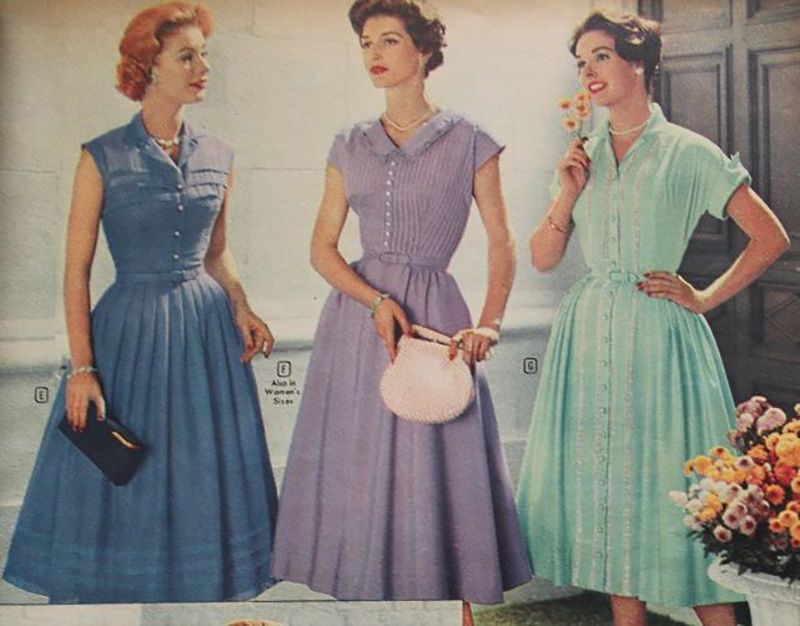
Dresses were seen as the epitome of femininity in the ’50s, with women expected to wear them at all times, even at home. This strict dress code was a symbol of societal ideals rather than personal style.
This notion restricted women’s self-expression and comfort, tying femininity to specific garments. Today, fashion is a personal choice and reflects individual identity, not societal mandates.
Interestingly, pants for women only gained popularity after World War II, when practicality became essential. This shift gradually allowed more freedom in how women chose to present themselves.