Não deixes que a PTSD te defina - luta!
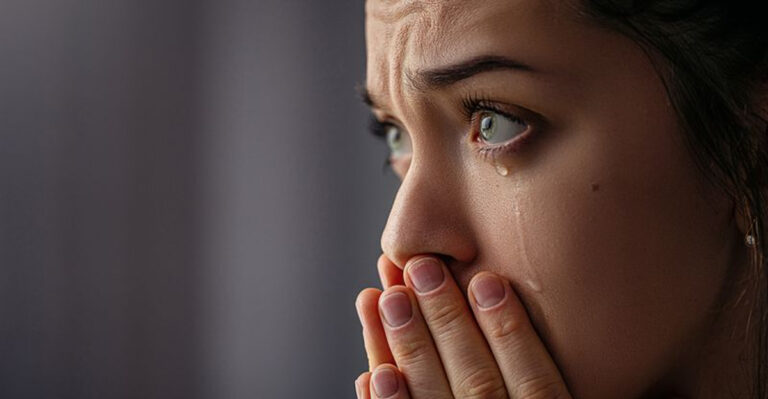
You’ve really been through the wringer. I mean, really. You’ve experienced an especially traumatic situation and have proven that you can rise above the ashes. At least, so you thought. The waters are calmer now but you feel more frazzled than ever. Why is this? Could you be experiencing the effects of Perturbação de Stress Pós-Traumático, vulgarmente designada por PTSD?
Existem alguns sinais fáceis de detetar de PTSD. Identificar os sintomas é o primeiro passo para procurar a ajuda necessária para transformar a sua vida e libertar-se das cadeias do trauma de uma vez por todas.
Aumento da ansiedade ou paranoia. Often, when faced with particularly tragic circumstances, we are overwhelmed by anxiety. We go into ‘panic mode’. This is a natural defense mechanism we are all equipped with. Our mind and body go on high alert, providing us with temporary resources to power through the situation and come out on the other end. Unfortunately, however, all too commonly, if we experienced especially taxing circumstances, we are left with these lingering effects in the aftermath. Because we’ve grown used to functioning on all cylinders, it’s difficult for us to relax. Even if we try to remind ourself that the worst of it is over, this physical reaction is hard to shake.
Depressão ou falta de interesse. Because we were in panic mode for so long, chances are we didn’t have time to pursue our interests or pay attention to the things in our life that once defined us. When the dust settles, it is common to revert to a state of total disinterest in the activities or pursuits that we once enjoyed. Sometimes, instead of experiencing lingering anxiety, our mind and body are so spent that we begin to feel overly lethargic. As we relax our muscles, we can experience aches and pains, and it’s just not as easy as it once was to enjoy life’s gifts.
Um forte desejo de fuga. A natural defense mechanism we’re also equipped with that kicks into high gear amid trauma is the ability to mentally escape our circumstances even when we physically can’t. The ability to escape mentally helps make the physical part more bearable. If we can convince ourself that things are really not that bad, we can continue to power through. This also isn’t an easy coping mechanism to drop when we’ve finally overcome the trauma. Often, we are left with a desire to escape, even though at a conscious level we know and understand that life has changed for the better. So, we continue to try to escape life by numbing ourself with substances or indulging in other addictions such as compulsive shopping or binge-eating. We do these things despite knowing better and realizing they will only temporarily relieve the pain. We are used to allowing this temporarily relief into our life in order to continue braving the storm.
Ever hear the saying, ‘Old habits die hard’? This is generally the case with those who experience symptoms of PTSD. It is difficult to just ‘snap out of it’ and move on—impossible sometimes to do by ourself. Just because the roles have changed, and we’ve been freed physically, we can still be tied to the situation mentally, unable to break free.
É comum ficarmos viciados em substâncias e em tóxicos se resistirmos ao trauma durante tempo suficiente e a luta contra o stress pós-traumático pode durar toda a vida. No entanto, há coisas que podemos fazer para nos mantermos activos na nossa recuperação e viver a nossa vida ao máximo. Há esperança.
A coisa mais importante a ter em conta é que o trauma já passou. A extensão da nossa recuperação tem a ver com a nossa força de vontade para extinguir totalmente a dor desse trauma e seguir em frente, completamente libertos das suas correntes. Escrever um diário sobre os momentos em que nos sentimos especialmente presos pelos nossos sintomas, incluindo os nossos pensamentos e sentimentos nesses momentos e o que fizemos para lidar com eles, e apresentar as nossas notas a um conselheiro ou terapeuta com formação em recuperação de traumas pode revelar-se muito útil. Existem também grupos de apoio e encontros dedicados especificamente à recuperação e gestão da PTSD.
A meditação e os exercícios de relaxamento, como o ioga, também podem ajudar. É importante tentar relaxar o mais possível e o relaxamento começa na mente. Taking a long walk to clear our head or picking up a book rather than a substance the next time a craving hits can transform our habits and help create a healthier state of being. Staying active and engaging with others even when we would rather stay in bed has also proven to be helpful. Just don’t push it too much—add in socialization little by little.
A sua recuperação está limitada apenas à sua vontade de aceitar as cartas que a vida lhe deu e seguir em frente. Don’t let trauma and PTSD define who you are. Tens de compreender que és muito mais do que isso. És forte, única, bonita e capaz. Luta. You’re worth it!