Mulher no TikTok explica o paradoxo de Nag e o que isso faz com seu relacionamento
Estou sempre a queixar-me, a dizer-lhe o que fazer. Ele continua a fazer as coisas mal, eu queixo-me mais e continuamos a discutir. Parece-lhe familiar?
A maioria dos meus amigos tem o mesmo problema nas suas relações, e não vêem qualquer forma de escapar a esta situação. Some of them are “the complainers” and some of them are the ones receiving complaints.
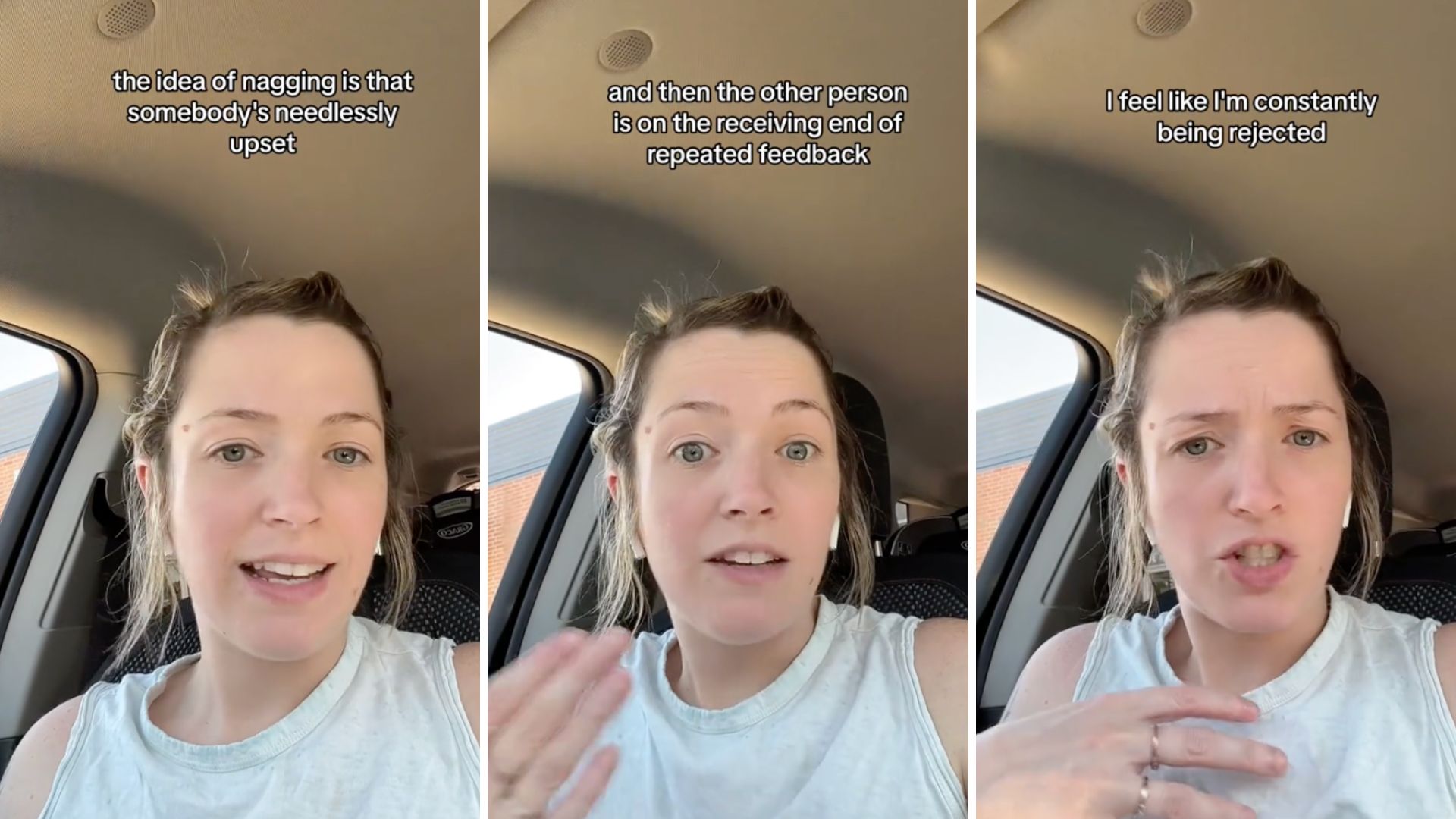
Enquanto pensava neste grande problema das relações, deparei-me com um vídeo no TikTok. O utilizador thatdarnchat Também conhecida como Laura Danger, abriu um discussion about “the nag paradox” e ela define-o como:
“…a setup when one person is managing and delegating and decision making and standard setting…”
Ao mesmo tempo, a outra pessoa tem um papel de apoio e esperam que lhes digam o que fazer, que as orientem e que as controlem em casa.
Laura says this is very common, she even admits there’s the same setup in her relationship:
“Tell me what to do. How can I support you? Just let me know how I can show up for you.”
Then she explains why it’s a trap. When one person is in charge of everything and is forced to ask for help, then it becomes:
Uma proposta de ligação
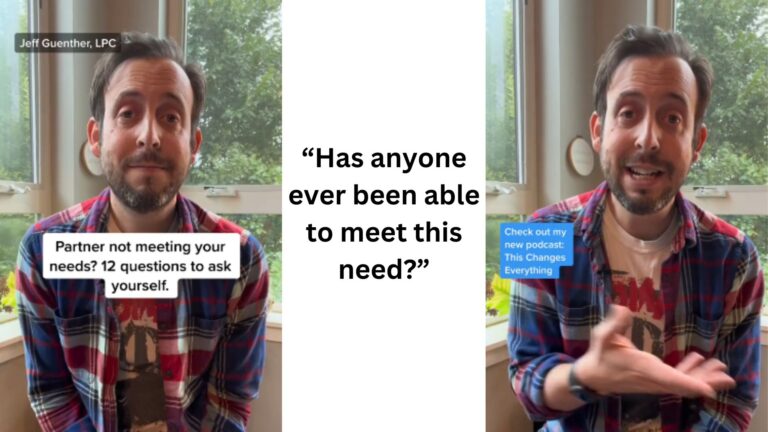
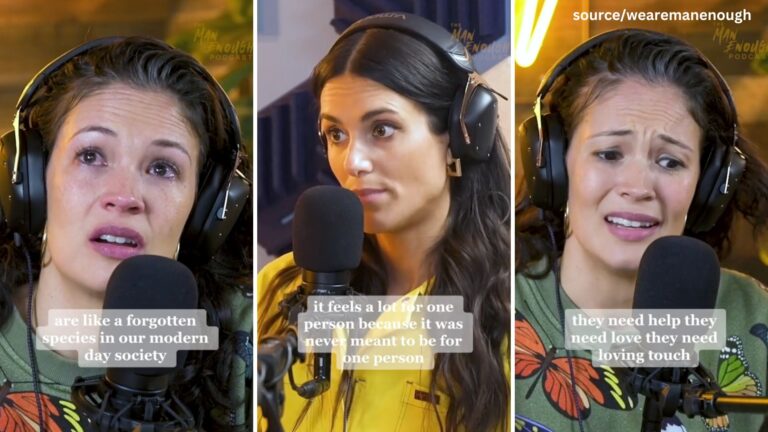
She refers to Dr John Gottman’s bid theory as one of the key concepts of O Método Gottman e explica que se trata de uma oferta quando:
“… basically anytime you invite somebody to join you.”
Pode ser um convite para jantar ou pode ser uma sugestão para limparem a casa juntos ou até mostrar interesse em saber como foi o dia de trabalho dele.
As pessoas podem “turn toward”, join the invitation, talk and be interested, or reject it, or even miss “the call”.
Any attempt to engage with your partner, verbal or non-verbal is considered a “bid”. You can ask questions, talk about something, or touch them. The way you and your partner respond to these os lances podem ser um divisor de águas na relação.
If your response is attentive you’ll build trust, emotional connection, and intimacy, and foster deep and meaningful bonds.
Rejeitar e faltar é mau para uma relação. If one partner constantly feels being rejected then they’ll become distant and will stop asking for a connection.
Depois, há outra coisa de que Gottman fala. É o:
Quatro cavaleiros do Apocalipse (das relações)

Certos comportamentos podem prever o fim de uma relação, mas Laura concentra-se em dois: A crítica e a defensiva são os principais comportamentos envolvidos no paradoxo do chato.
One person is always giving directions and instructions and …
“If you don’t get it right or if something else needs to be done, they have to give back feedback repeatedly.”
Enquanto the second person is “on the receiving end of negative feedback” and even when they’re only suggested how to adjust the way they’ve been doing something so they do it better, it makes them feel undervalued as a person.
Começam a duvidar de si próprios e das suas capacidades. Sentir-se prejudicado. Isto provoca uma atitude defensiva, uma vez que sentem a necessidade de se protegerem.
“This dynamic is a setup for that.”
After some time a partner who keeps getting negative feedback gets fed up. They decide they don’t wanna expose themself to feeling miserable, feeling like they can’t do anything right and are constantly letting down their partner.
Ao mesmo tempo, o parceiro insistente sente que está constantemente a ser rejeitado.
Por isso, a coisa certa a fazer numa relação, como explica Laura, é falar sobre o assunto em vez de o assumir. Talk about the mental load, and agree on who’ll be in charge of making decisions.
O facto é que muitos casais têm discussões regulares sobre este assunto e a maioria das pessoas acredita que isso é normal:
“… the whole honeydew list, being told what to do, bossed around.”
Ao mesmo tempo, people who are upset about all this are being called “nags” e isso desvaloriza de facto a seriedade e todas as implicações que esta questão pode trazer a uma relação.
Além disso, a opinião geral sobre a importunação está a dar às pessoas uma ideia errada sobre o que é essencialmente a importunação:
“The idea of nagging is that somebody is needlessly upset about something that doesn’t matter.”
This is far from the truth. Laura emphasizes how household labor MATTERS as it “runs our lives”, building a connection to our partner matters and it’s not nagging. It’s the call for partnership.
“What if the bid is something I don’t enjoy?”
Mais de 1200 comentários abaixo do vídeo sublinham a importância deste tema. Obviamente, people can recognize their relationship dynamics in Laura’s examples.
ADHDWitch was wondering what if she doesn’t enjoy the bid? She gives an example of her partner’s bid: to drive 45 minutes in one direction with kids to get food. Não é muito agradável, certo?
Outro utilizador, biotério shared the problem with her husband is basically “the nag paradox”:
“My husband thinks saying ‘how can I help’ is enough and when I say ‘you should know what needs to be done.’ He’ll say ‘make me a list.’”
Another example perfectly describes what was Laura talking about – um parceiro está a chatear o outro fica na defensiva:
“Then what do you do if your the “nag”?? Even pointing out this dynamic is just perceived as nagging and met with defensiveness. I’m so tired”
A user Sera described the nag paradox with a never-satisfied perfectionist – no matter how much she does, her partner always wants more:
“I feel like both people in this situation because I’ll be putting in 200% effort. and the 80% person will ask me why I’m not doing 220%.”
Para mim, esta foi uma perspetiva que me abriu os olhos. Quando penso nisso, tudo faz sentido! Certifique-se de que segue este conselho e tente construir uma relação baseada na capacidade de resposta e na comunicação aberta, o que produzirá confiança e laços fortes.
Se quiser ver o vídeo em pormenor, este está disponível aqui: