Una mujer explica en TikTok la paradoja de Nag y lo que afecta a tu relación de pareja
Sigo quejándome, diciéndole lo que tiene que hacer. Él sigue haciéndolo mal, entonces yo me quejo más y seguimos peleando. ¿Te suena familiar?
La mayoría de mis amigos tienen el mismo problema en sus relaciones, y no ven forma de escapar del bucle persistente. Some of them are “the complainers” and some of them are the ones receiving complaints.
Mientras pensaba en este gran problema en las relaciones me topé con un vídeo en TikTok. El usuario thatdarnchat A.K.A. Laura Danger abrió un discussion about “the nag paradox” y lo define como:
“…a setup when one person is managing and delegating and decision making and standard setting…”
Al mismo tiempo, la otra persona tiene un papel secundario y esperan que se les diga lo que tienen que hacer, se les dirija y se les maneje en la casa.
Laura says this is very common, she even admits there’s the same setup in her relationship:
“Tell me what to do. How can I support you? Just let me know how I can show up for you.”
Then she explains why it’s a trap. When one person is in charge of everything and is forced to ask for help, then it becomes:
Una apuesta por la conexión
She refers to Dr John Gottman’s bid theory as one of the key concepts of El método Gottman y explica que es una oferta cuando:
“… basically anytime you invite somebody to join you.”
Puede ser una invitación a cenar o puede ser una sugerencia para limpiar juntos la casa o incluso mostrar interés por cómo le ha ido el día en el trabajo.
La gente puede “turn toward”, join the invitation, talk and be interested, or reject it, or even miss “the call”.
Any attempt to engage with your partner, verbal or non-verbal is considered a “bid”. You can ask questions, talk about something, or touch them. The way you and your partner respond to these las ofertas pueden cambiar las reglas del juego en las relaciones.
If your response is attentive you’ll build trust, emotional connection, and intimacy, and foster deep and meaningful bonds.
Rechazar y faltar es malo para una relación. If one partner constantly feels being rejected then they’ll become distant and will stop asking for a connection.
Luego, hay algo más de lo que habla Gottman. Es el:
Los cuatro jinetes del Apocalipsis (de las relaciones)
Ciertos comportamientos pueden predecir el fin de una relación, pero Laura se centra en dos: La crítica y la actitud defensiva son los comportamientos centrales de la paradoja del regaño.
One person is always giving directions and instructions and …
“If you don’t get it right or if something else needs to be done, they have to give back feedback repeatedly.”
En the second person is “on the receiving end of negative feedback” and even when they’re only suggested how to adjust the way they’ve been doing something so they do it better, it makes them feel undervalued as a person.
Empiezan a dudar de sí mismos y de sus capacidades. Se sienten menoscabados. Esto provoca una actitud defensiva, ya que sienten la necesidad de protegerse.
“This dynamic is a setup for that.”
After some time a partner who keeps getting negative feedback gets fed up. They decide they don’t wanna expose themself to feeling miserable, feeling like they can’t do anything right and are constantly letting down their partner.
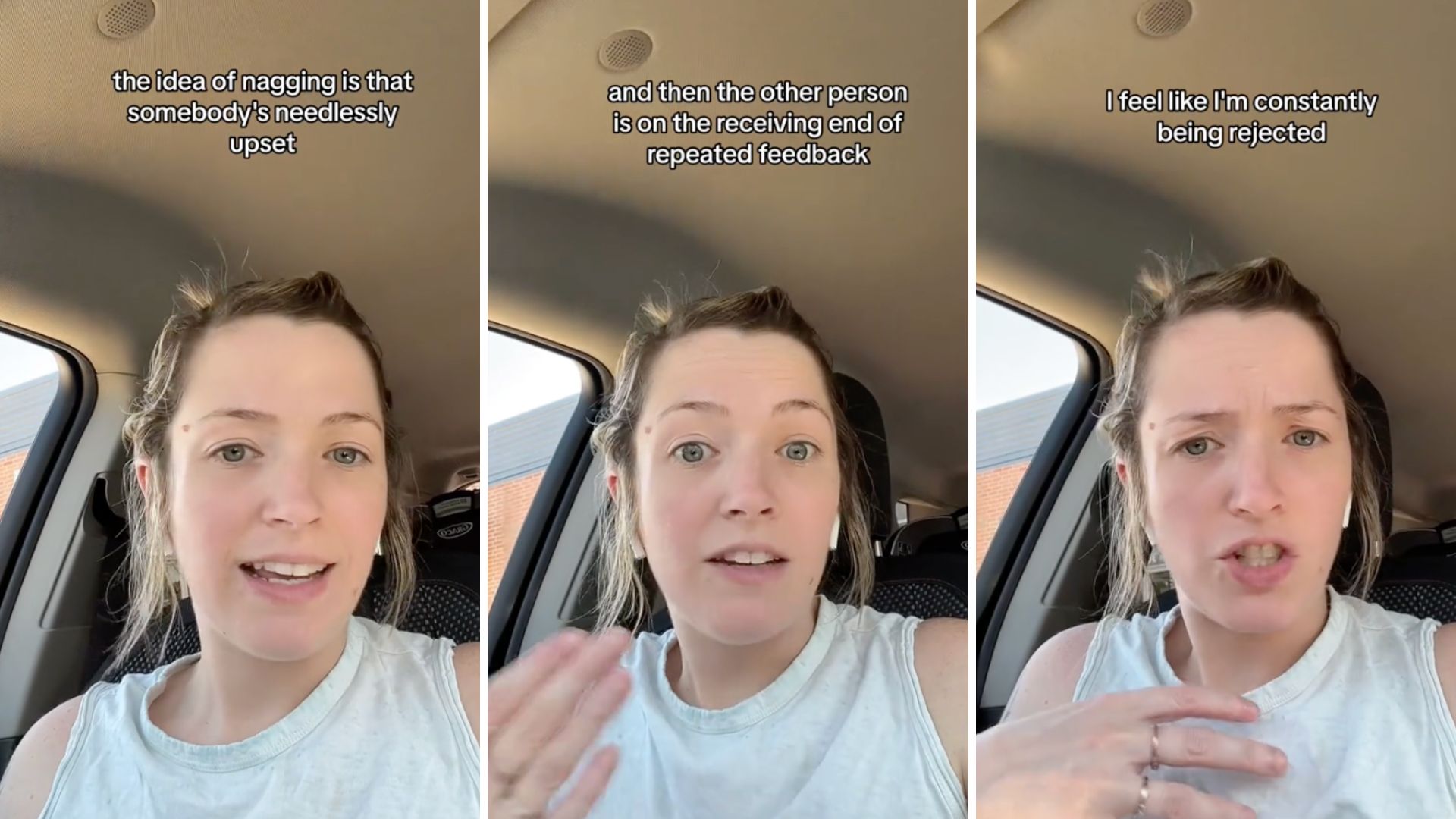
Al mismo tiempo, el compañero regañón se siente rechazado constantemente.
Así que lo correcto en una relación, tal y como lo explica Laura, es hablarlo y en lugar de asumirlo. Talk about the mental load, and agree on who’ll be in charge of making decisions.
Lo cierto es que muchas parejas tienen peleas periódicas por este motivo y la mayoría de la gente cree que es normal:
“… the whole honeydew list, being told what to do, bossed around.”
Al mismo tiempo, people who are upset about all this are being called “nags” y esto realmente resta seriedad y todas las implicaciones que este tema puede traer a una relación.
Además, la opinión general sobre el regaño está dando a la gente una idea equivocada de lo que es esencialmente el regaño:
“The idea of nagging is that somebody is needlessly upset about something that doesn’t matter.”
This is far from the truth. Laura emphasizes how household labor MATTERS as it “runs our lives”, building a connection to our partner matters and it’s not nagging. It’s the call for partnership.
“What if the bid is something I don’t enjoy?”
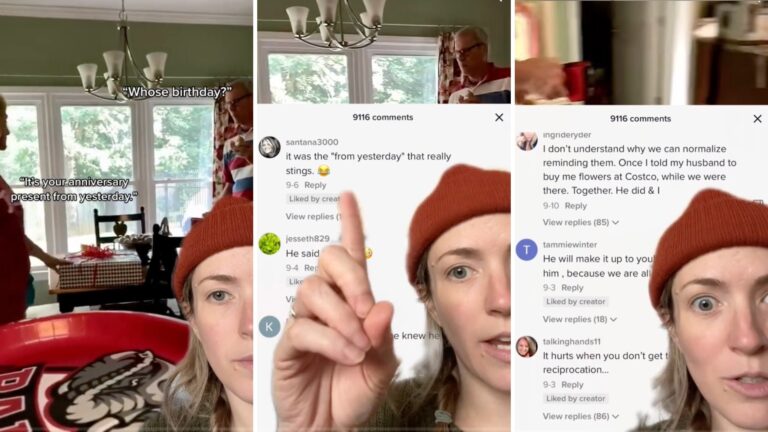
Más de 1.200 comentarios debajo del vídeo subrayan la importancia de este tema. Evidentemente, people can recognize their relationship dynamics in Laura’s examples.
ADHDWitch was wondering what if she doesn’t enjoy the bid? She gives an example of her partner’s bid: to drive 45 minutes in one direction with kids to get food. No es muy agradable, ¿verdad?
Otro usuario, establo shared the problem with her husband is basically “the nag paradox”:
“My husband thinks saying ‘how can I help’ is enough and when I say ‘you should know what needs to be done.’ He’ll say ‘make me a list.’”
Another example perfectly describes what was Laura talking about – un compañero regaña al otro se pone a la defensiva:
“Then what do you do if your the “nag”?? Even pointing out this dynamic is just perceived as nagging and met with defensiveness. I’m so tired”
A user Sera described the nag paradox with a never-satisfied perfectionist – no matter how much she does, her partner always wants more:
“I feel like both people in this situation because I’ll be putting in 200% effort. and the 80% person will ask me why I’m not doing 220%.”
Para mí fue una perspectiva reveladora. Cuando pienso en ello, ¡todo tiene sentido! Asegúrate de seguir este consejo e intenta construir una relación basada en la receptividad y la comunicación abierta, y entonces se generará confianza y vínculos fuertes.
Si quiere profundizar en el vídeo, está disponible aquí: