34 Unbelievably Outrageous Things That Passed as Normal in the 40s and 50s
We’re about to take a wild ride back to the 40s and 50s—a time when people thought it was totally kosher to smoke in hospitals and use radioactive beauty products. Can you even imagine?
The quirks that were considered part of everyday life back then will make you laugh, gasp, and maybe even appreciate how far we’ve come today. So, let’s jump into this time machine and discover 34 outrageous things that were shockingly normal in those bygone days.
1. Fumar en los hospitales

Picture this: It’s the 1940s, you’re lying in a hospital bed, and not only are you battling whatever ailment brought you there, but you’re also inhaling second-hand smoke from the doctor puffing away at your bedside.
Yep, smoking in hospitals was a thing, and it wasn’t just the doctors. Nurses, visitors, and sometimes even patients lit up like it was no big deal. Today, we’d be horrified, but back then, it was all part of the healthcare experience. It’s ironic, isn’t it? Hospitals are supposed to heal, not harm.
The culture around smoking was so ingrained that even in places meant to nurture health, cigarettes were as common as bandages. It wasn’t until the late 20th century that people collectively realized the health implications and put a stop to it. So next time you’re in a hospital and see those ‘No Smoking’ signs, give a little nod to progress. It’s a breath of fresh air in more ways than one.
2. Camareras patinadoras
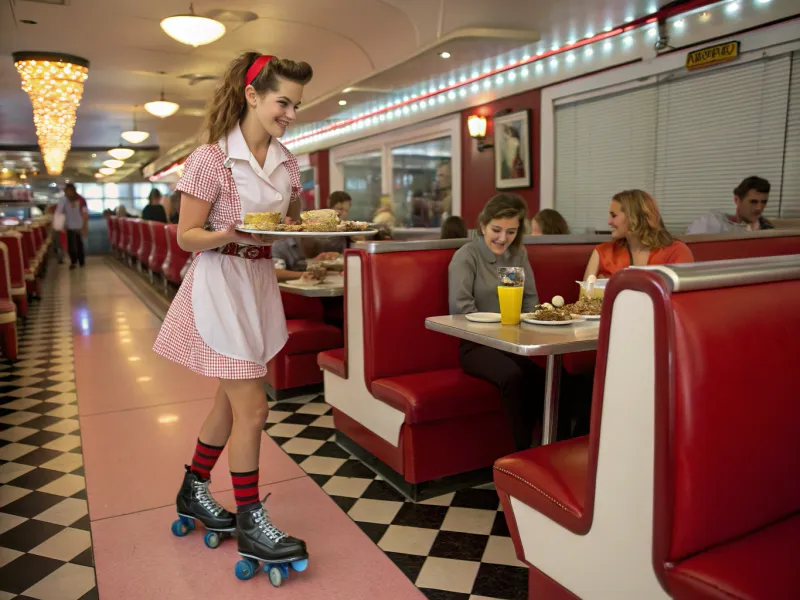
Imagine zipping around a retro diner in roller skates, balancing a tray full of milkshakes, burgers, and fries. Sound like a fun workout? Well, it was just another day at the office for roller skating waitresses in the 50s. These gals were the epitome of multitasking, whizzing between tables while serving up classic American fare with a smile.
Roller skating waitresses were more than just a quirky gimmick—they became iconic symbols of mid-century Americana. The sight of a waitress gracefully gliding through a packed diner was a testament to their skill and agility. Of course, the occasional spill or crash was all part of the charm. Today, you’d be hard-pressed to find a server on wheels, but back then, it was just another day’s work.
This tradition has mostly rolled away, but it remains a nostalgic nod to a time when dining was as much about the experience as it was about the food. Next time you visit a diner, imagine the clatter of skates on tile and appreciate how far we’ve come in the name of customer service.
3. Productos de belleza radiactivos
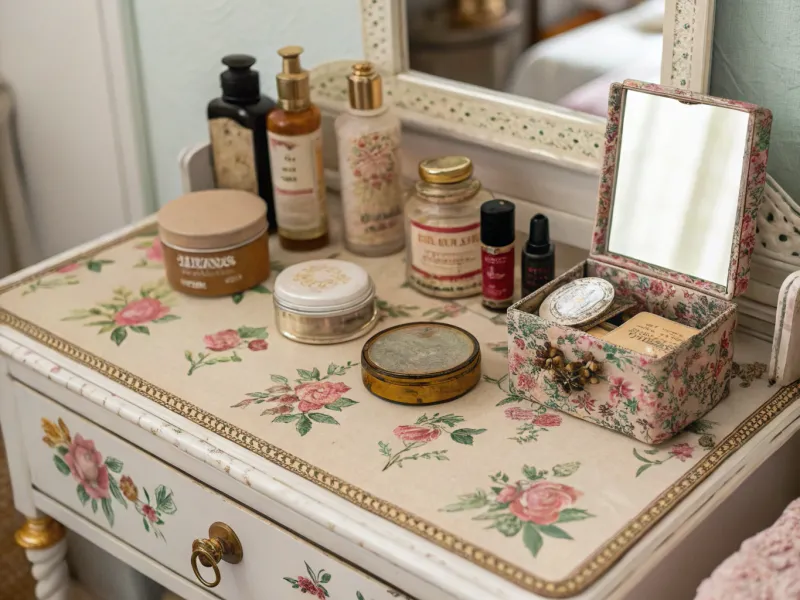
Querida, no hay nada como un poco de radio para darle a tu cutis ese brillo saludable, ¿verdad? En los años 40, la belleza era literalmente radiactiva. Las mujeres presumían de una piel radiante gracias a los productos de belleza con radio. Sí, el mismo radio que hoy sabemos que es, bueno, mortal. Por aquel entonces, se comercializaba como un ingrediente milagroso que podía rejuvenecer la piel e invertir el envejecimiento.
The belief in radioactive beauty was so widespread that products like radium-laced face creams and powders were all the rage. Women would apply these products, blissfully unaware of the dangers lurking in their beauty routine. It wasn’t until later that the horrific side effects became apparent, and the industry realized that maybe radioactive elements weren’t the best friends of beauty.
Today, we’re blessed with a better understanding of cosmetics and safety standards. So, the next time you’re slathering on your favorite cream, be grateful that the only glow you’re getting is from well-tested ingredients, not radioactivity. Beauty may be skin deep, but safety should always run deeper.
4. Maquillaje a base de plomo
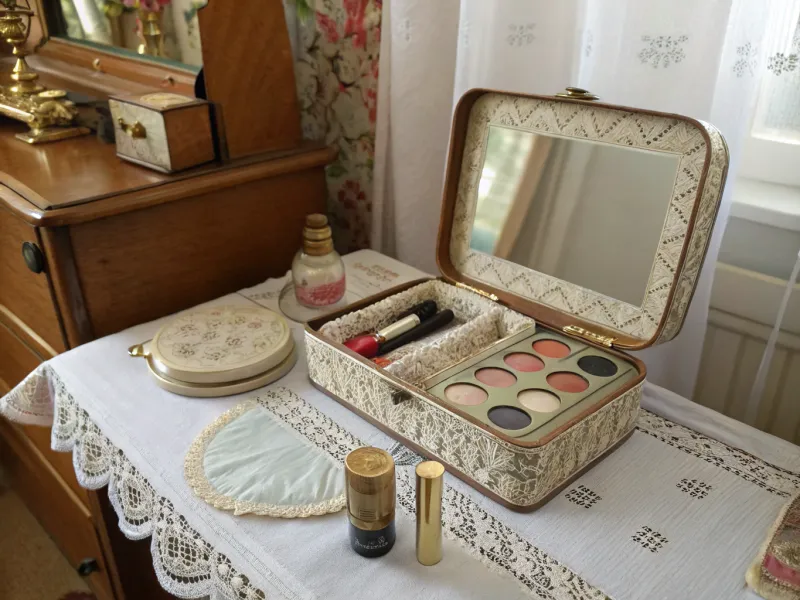
Ah, the quest for beauty—sometimes it took quite the toxic turn. If you thought radioactive face cream was bad, wait until you hear about lead-based makeup. In the 40s and 50s, women unknowingly coated their faces with products containing lead, all in the name of looking fabulous.
El plomo era un ingrediente habitual en todos los productos, desde las bases de maquillaje hasta las barras de labios. Proporcionaba ese acabado suave e impecable que todo el mundo ansiaba, pero también conllevaba una serie de problemas de salud. La irritación de la piel y otros problemas de salud más graves acechaban bajo la superficie de cosméticos aparentemente inocentes. Sin embargo, en aquella época, estos productos eran populares y ampliamente aceptados en las rutinas de belleza.
While today’s cosmetics are thankfully free from such toxic ingredients, it’s a stark reminder of how far we’ve come in understanding what we put on our skin. So, next time you’re admiring your reflection, remember the lengths people went to for beauty—and appreciate your lead-free glow.
5. Amianto por todas partes
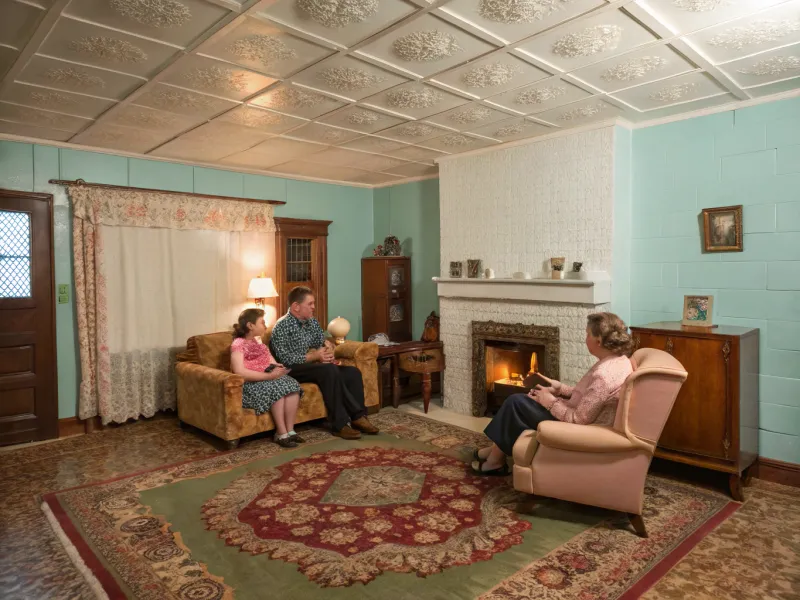
Ah, asbestos, the wonder material of the 20th century. In the 40s and 50s, asbestos was everywhere—from ceiling tiles to insulation and even in household appliances. Its fire-resistant properties made it a popular choice for construction and manufacturing, despite known health risks.
Families lived blissfully unaware in homes laden with the stuff. It wasn’t until the late 20th century that the dangers of asbestos inhalation became widely acknowledged, leading to a wave of removals and regulations. Back then, though, it was seen as a miracle material rather than a health hazard.
Today, the very mention of asbestos is enough to send shivers down the spine. It’s a stark contrast to a time when it was touted as a household staple. So, when you’re cozying up in your living room, take a moment to be thankful for modern safety standards and the safer materials that keep us snug and sound.
6. Pulmones de hierro para la poliomielitis
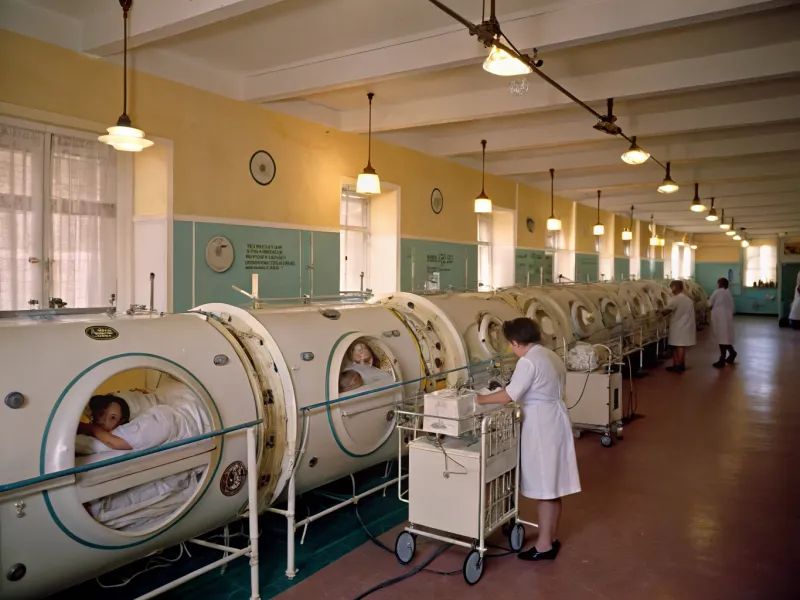
Step into a 1950s hospital, and you might have found a room filled with iron lungs—a sobering testament to the polio epidemic. These cumbersome contraptions helped polio-stricken patients breathe, a lifeline amid a terrifying health crisis.
El pulmón de acero era a la vez una maravilla de la ingeniería médica y un espectáculo espantoso. Los pacientes, muchos de ellos niños, pasaban días, meses o incluso años encerrados en estas cámaras metálicas. Para las familias, era un faro de esperanza; para los pacientes, una pesada realidad.
Thankfully, the advent of vaccines has relegated iron lungs to the annals of history. It’s a poignant reminder of the strides we’ve made in medicine. When you take a deep breath, consider the advancements that allow us to overcome what was once a debilitating disease. Polio may now be virtually eradicated, but the stories of those who once relied on iron lungs remain a testament to human resilience.
7. Escuelas segregadas
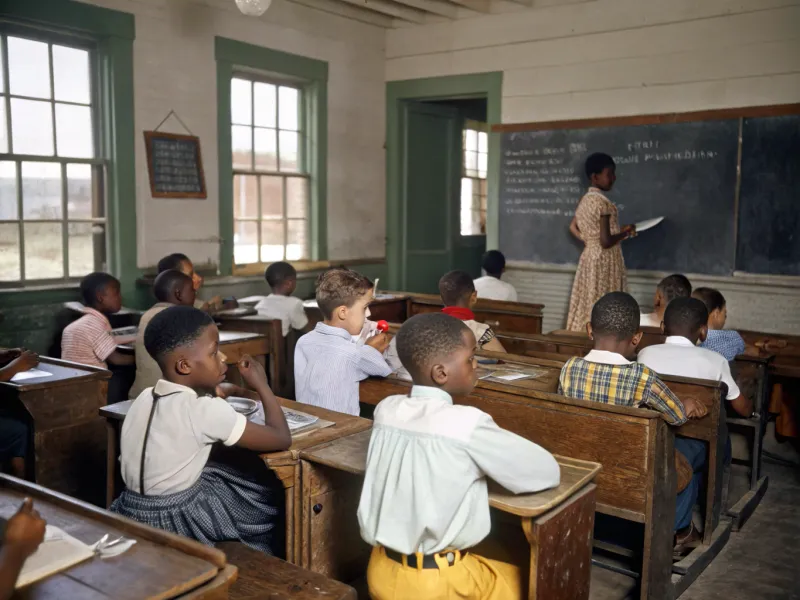
Picture a classroom in the 50s—bright-eyed students, eager to learn, yet divided by an invisible line of segregation. The concept of separate but equal was a stark reality, with African American and white students attending separate schools, often with vastly unequal resources.
Segregated schools were a product of the racial divide, maintaining a system of inequality under the guise of normalcy. It wasn’t until the civil rights movement gained momentum that significant changes began to unfold.
Hoy, aunque la segregación en las escuelas está legalmente abolida, los ecos de aquellas aulas divididas perduran en los debates sobre igualdad y educación. Reflexionar sobre este pasado nos recuerda el camino hacia la verdadera igualdad y la importancia de crear entornos integradores para las generaciones futuras.
8. Jukeboxes de restaurante
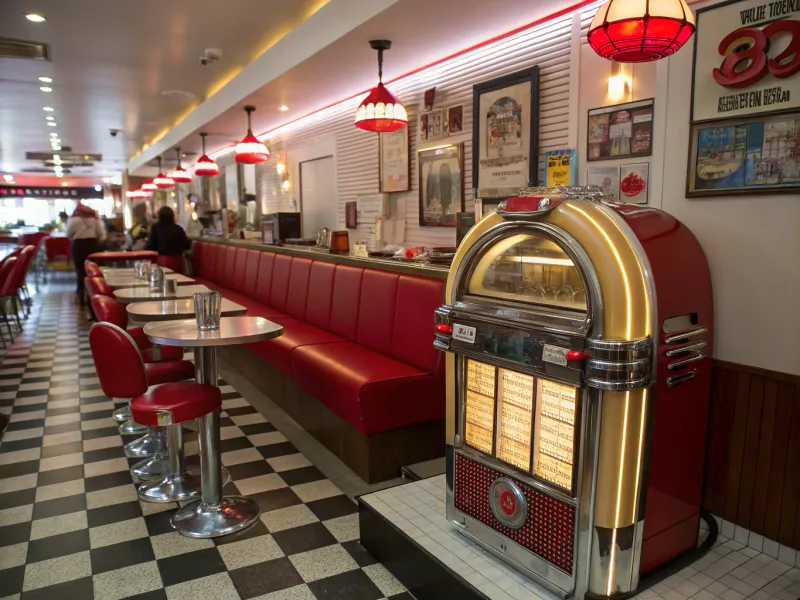
Imagine walking into a diner and being greeted by the hum of a jukebox, the heart of 50s dining culture. These music machines were the soul of diners, playing everything from rock ‘n’ roll to soulful ballads. Each table had its own mini-jukebox, allowing diners to select tunes with the flip of a dime.
Las gramolas creaban un ambiente en el que convergían la música y la comida, capturando el espíritu de la América de mediados de siglo. El clic y el estruendo de los botones de selección se convirtieron en parte de la experiencia gastronómica, proporcionando una banda sonora a las comidas y conversaciones.
Today, while digital playlists have replaced these mechanical wonders, the nostalgia of a jukebox remains. They symbolize a time when music wasn’t just listened to, but shared, offering a communal backdrop to everyday life. So next time you play a retro tune, remember the jukebox’s role in weaving music into the fabric of daily moments.
9. Anuncios de empleo desglosados por sexo
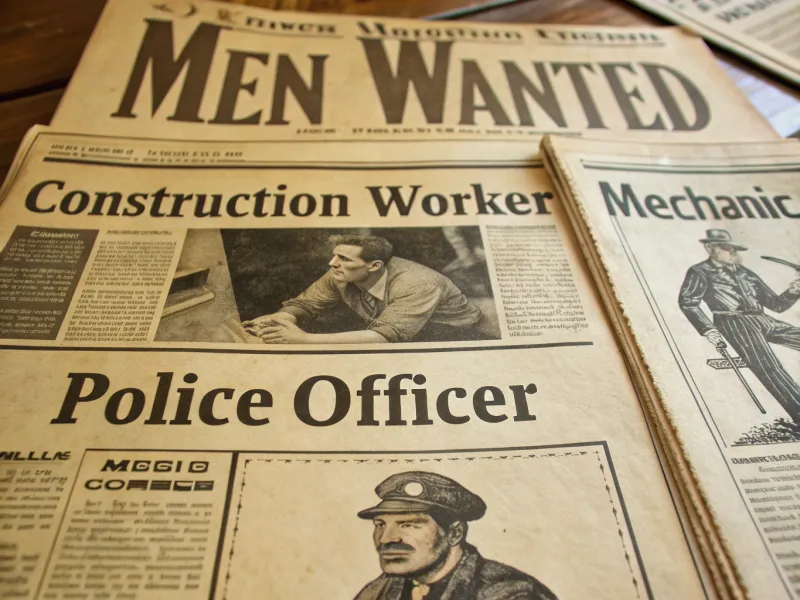
Once upon a time, perusing the classifieds meant navigating job ads strictly divided by gender. Ladies on the lookout for employment would find roles tailored to their ‘feminine skills,’ while men were ushered towards positions befitting their ‘masculine capabilities.’
Estos anuncios de empleo específicos por género eran un crudo reflejo de las normas sociales, reforzando la idea de que hombres y mujeres habitaban esferas laborales separadas. Los puestos de secretarias, enfermeras o maestras eran predominantemente femeninos, mientras que en ingeniería, ventas y gestión predominaban los hombres.
Today, the job market has opened up significantly, with opportunities available to all regardless of gender. Yet, these old classified sections serve as a reminder of the progress made towards gender equality in the workplace. It’s a testament to the changing tides of time, steering us closer to a world where skill and aptitude prevail over gendered stereotypes.
10. Autocines
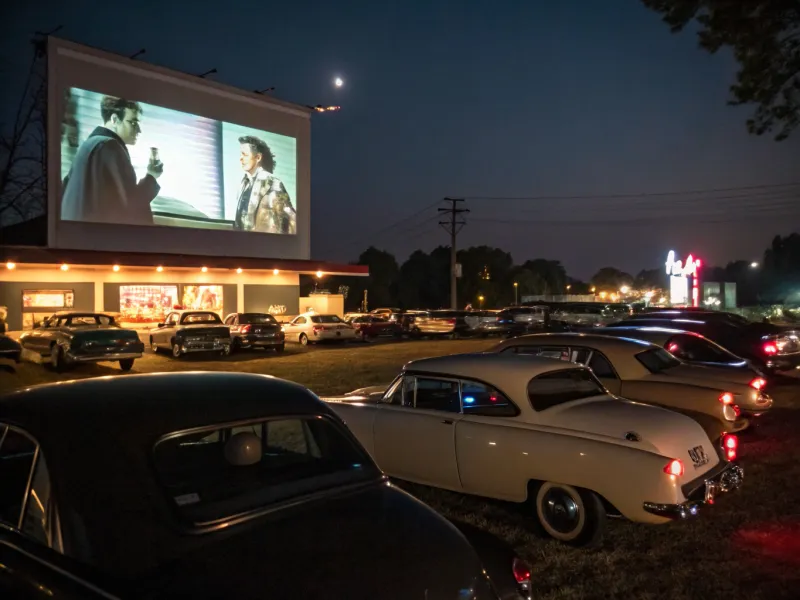
Cue the popcorn and car radios—it’s movie night, 50s style! Drive-in theaters were the ultimate date night destination, where the big screen met the open sky. Families and couples alike piled into their cars, ready to catch the latest flick from the comfort of their own vehicles.
Estos cines ofrecían una mezcla única de cine y cultura automovilística, permitiendo al público disfrutar de películas bajo las estrellas. La experiencia tenía tanto que ver con el ambiente como con la película en sí, creando una atmósfera comunitaria en la que todos sintonizaban con la misma historia.
Aunque los autocines se han desvanecido, siguen siendo un símbolo nostálgico de una época pasada. Su encanto perdura en los recuerdos y en algún que otro evento emergente, recordándonos tiempos más sencillos en los que el entretenimiento significaba una noche bajo las estrellas compartiendo una experiencia cinematográfica.
11. Entrega de leche
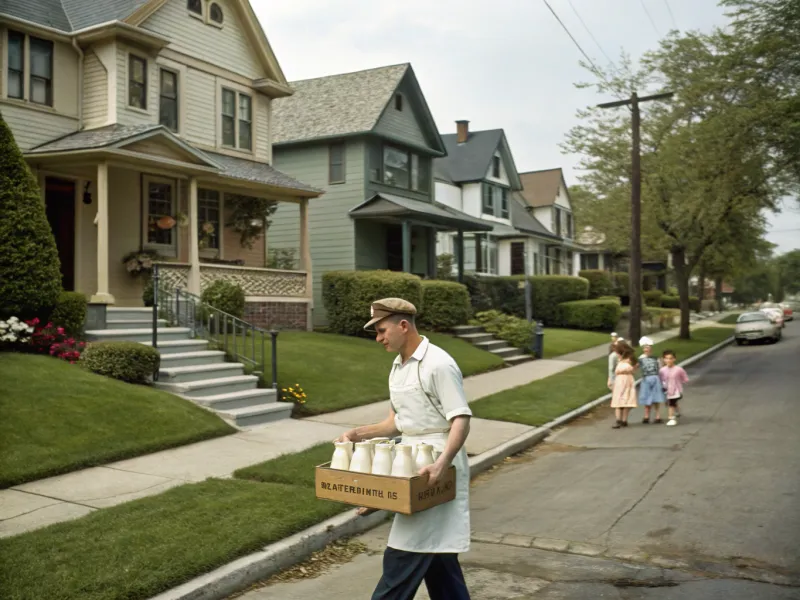
¿Recuerdas cuando la leche fresca estaba al alcance de la mano? En los años 40 y 50, era habitual ver a lecheros que repartían botellas de cristal de esta cremosa bebida directamente a domicilio. Era el epítome de la comodidad, ya que garantizaba que todos los hogares tuvieran un suministro constante de leche sin salir de casa.
El tintineo de las botellas a primera hora de la mañana era un sonido familiar, ya que los lecheros hacían sus rondas, a menudo cambiando botellas vacías por otras llenas. Este ritual cotidiano era un elemento básico de la vida suburbana, una parte pequeña pero significativa del ritmo diario.
Though modern conveniences have all but replaced this charming practice, the memory of the milkman lingers fondly. It’s a reminder of a time when community connections were built on simple, personal interactions, and when fresh milk was just a doorstep away.
12. Conformidad con la moda
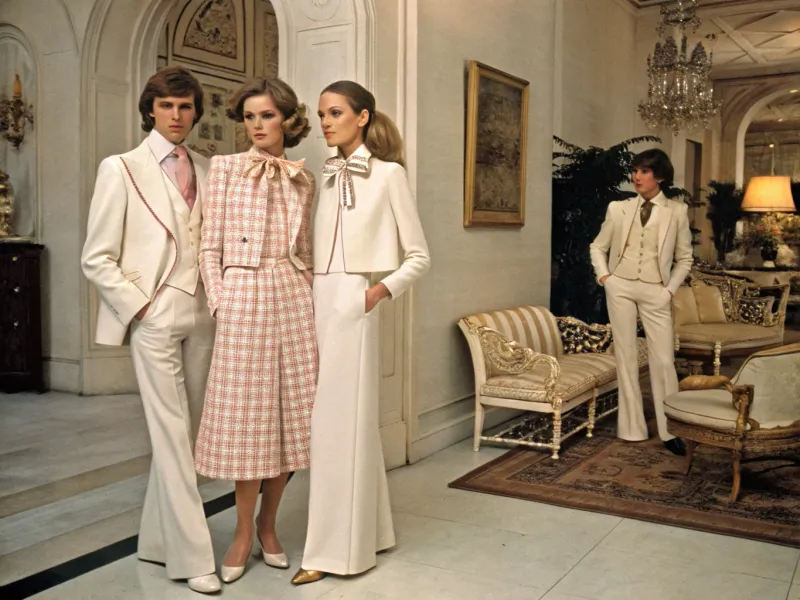
Step into the 50s, where fashion was all about fitting in rather than standing out. Conformity was king, and everyone seemed to follow the same style rulebook. Women donned dresses with cinched waists and full skirts, while men stuck to suits and ties—even for casual outings.
The idea was to present a unified front, a reflection of societal values where maintaining appearances was paramount. Fashion magazines touted the ‘perfect’ look, and deviation from the norm was rare and often frowned upon.
Today, fashion is a vibrant tapestry of diversity, with individuality celebrated over uniformity. The evolution from conformity to creativity in style highlights our journey towards self-expression. So next time you reach for that quirky accessory, give a nod to the past and embrace the freedom to express who you are, not just what you’re expected to be.
13. Vendedores puerta a puerta

Ding-dong! It’s the 50s, and a door-to-door salesman is at your service, ready to pitch the latest household gadgets. These traveling salesmen were the original influencers, bringing products directly to your doorstep with a personal touch.
Desde aspiradoras hasta enciclopedias, eran un elemento fijo en la vida cotidiana, que ofrecía comodidad y un toque de novedad. Las amas de casa solían recibirlos con curiosidad, ansiosas por ver qué nuevo artículo podían añadir a sus hogares.
While the era of door-to-door sales has largely faded, replaced by digital marketing, it remains a nostalgic nod to a time when shopping was personal and products came with a face and a handshake. It’s a reminder of the days when customer service was as much about the person as it was about the product.
14. Dramas radiofónicos
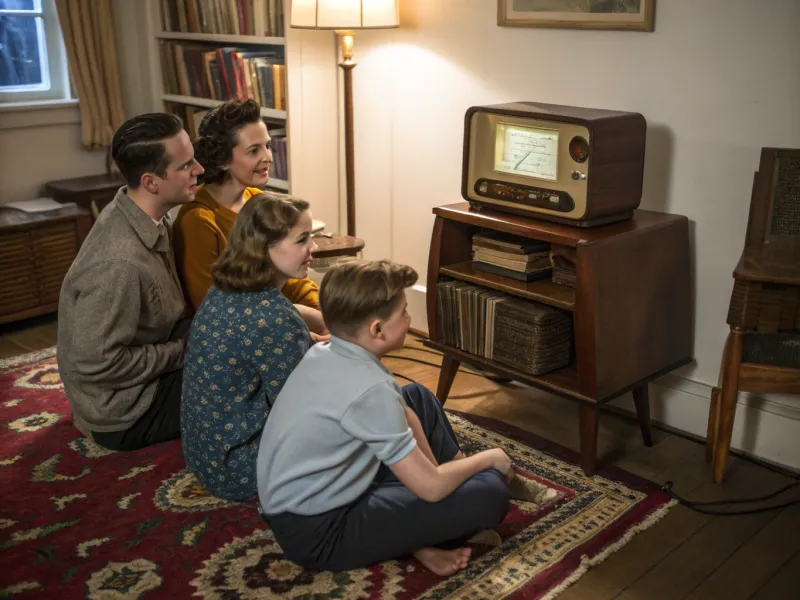
Antes de Netflix y chill, estaba la radionovela—a family affair where imaginations ran wild. In the 40s and 50s, families gathered around the radio to immerse themselves in stories brought to life through sound.
Estas narraciones sonoras cautivaron al público, pintando imágenes vívidas sólo con voces y efectos de sonido. Desde misterios llenos de suspense hasta historias conmovedoras, las radionovelas fueron el entretenimiento original que atraía a los oyentes a su mundo.
Today, while screens dominate our storytelling, the charm of radio dramas endures. Their ability to engage the mind and evoke emotions through audio alone is a testament to the power of storytelling. It’s a reminder of a time when imagination filled in the visual blanks, creating personal interpretations of every tale spun over the airwaves.
15. Máquinas de escribir manuales
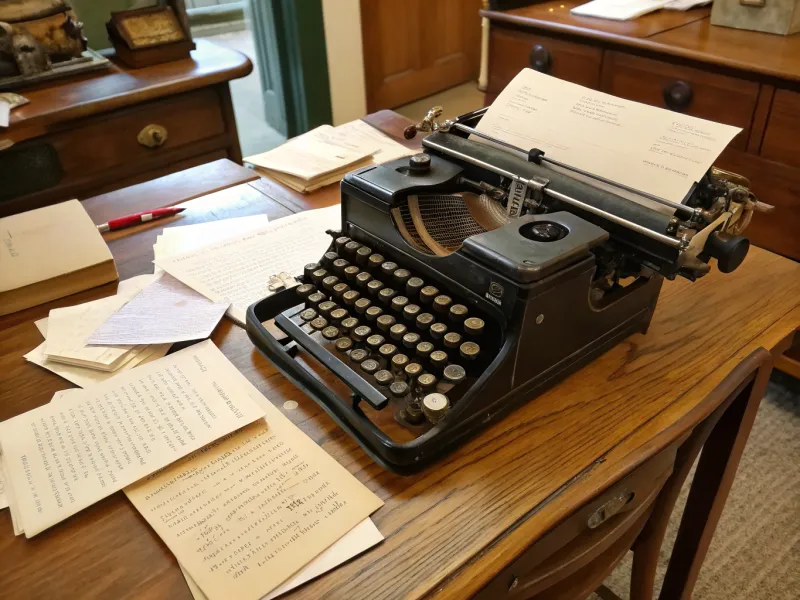
Ah, the rhythmic clatter of keys and the satisfying ding of the carriage return—a symphony of the manual typewriter. In the 40s and 50s, these machines were the backbone of offices and homes, a marvel of mechanical engineering that turned thoughts into tangible words.
Escribir en una máquina de escribir manual era un arte en sí mismo, que requería precisión, velocidad y cierto ritmo. Los errores se corregían con líquido corrector, y cada letra que se pulsaba era un compromiso, literalmente entintado en la página.
Aunque los teclados digitales han tomado el relevo, la máquina de escribir manual sigue siendo una querida reliquia de un pasado táctil. Simboliza una época en la que escribir era un acto deliberado y cada pulsación tenía su peso. Así que, si alguna vez oye el tintineo de las teclas, deténgase a apreciar la nostalgia de un dispositivo que transformaba las ideas en palabras con cada clic.
16. Refrigeración de neveras
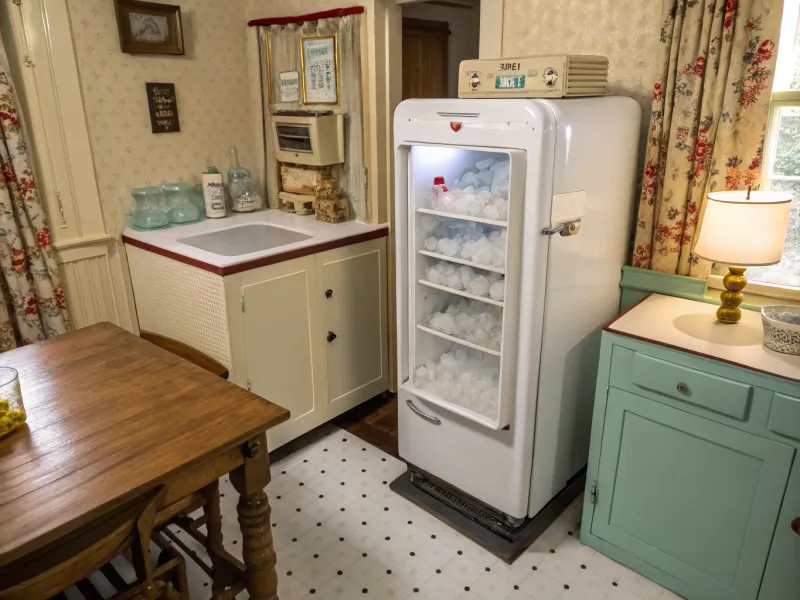
Before the hum of electric refrigerators filled kitchens, there was the icebox—a simple yet ingenious solution to keeping food fresh in the 40s. These insulated wooden cabinets housed blocks of ice, providing a cool environment to store perishable goods.
La nevera era un elemento básico en los hogares, que dependía del suministro regular de bloques de hielo para funcionar. Era una parte esencial de la vida cotidiana, que requería un cuidadoso equilibrio de hielo e ingenio para evitar que los alimentos se estropearan.
While modern refrigeration has revolutionized food storage, the icebox remains a quaint reminder of a simpler time. It’s a nod to the resourcefulness of past generations, who managed to keep things cool without the convenience of electricity.
17. Pasteurización casera de la leche
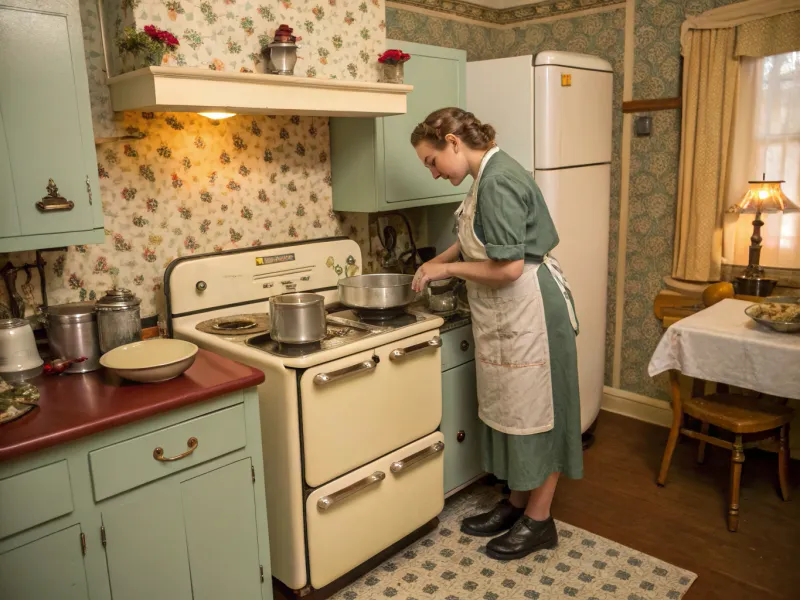
En la época anterior a la pasteurización comercial generalizada, la pasteurización casera de la leche era una práctica común. Amas de casa took on the task of heating milk to eliminate harmful bacteria, ensuring their family’s health.
This process involved heating milk to a specific temperature and then rapidly cooling it—a true labor of love in the kitchen. It required precision and patience, but it was a necessary step to ensure safe consumption.
Today, with pasteurized milk readily available on store shelves, the home pasteurization process is largely forgotten. Yet, it stands as a testament to the ingenuity and dedication of those who prioritized health and safety long before commercial processes took over. It’s a reminder of the hands-on approach to food safety that paved the way for modern conveniences.
18. La hora de la cena familiar
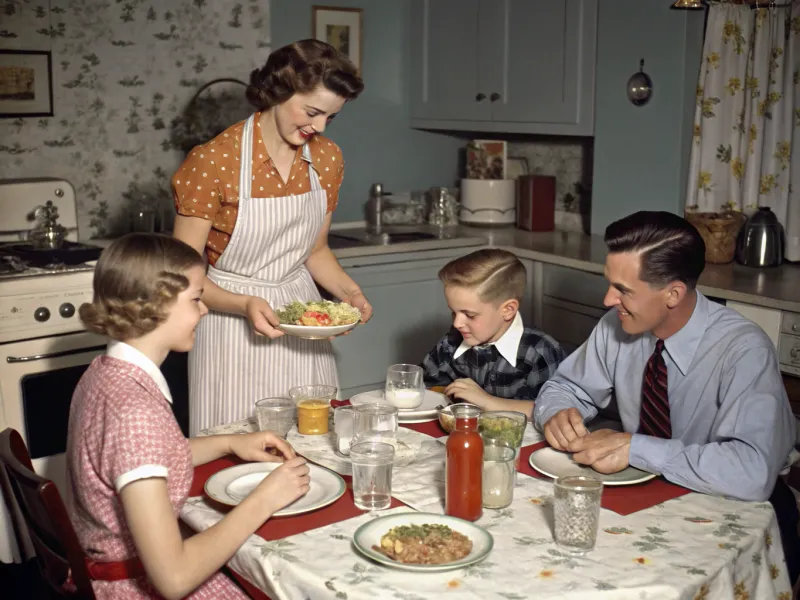
Ah, the family dinner hour—a sacred time in the 50s when everyone gathered around the table to share a meal. This daily ritual was more than just about food; it was about connection, conversation, and a sense of belonging.
Families adhered to this tradition, making dinner a priority despite the hustle and bustle of life. It was a time to catch up, share stories, and strengthen bonds, a cornerstone of family life.
While modern schedules often pull families in different directions, the essence of the family dinner remains cherished. It’s a nod to the importance of carving out time for loved ones, a reminder that amidst the chaos, there’s value in coming together to share not just a meal, but a moment in time.
19. Cámaras Polaroid

Smile for the camera and watch the magic unfold—a Polaroid photo developing right in front of your eyes. In the 50s, Polaroid cameras were revolutionary, offering instant gratification in the form of printed memories.
Estas cámaras transformaron la fotografía, permitiendo a la gente capturar momentos y ver los resultados inmediatamente. Eran un éxito en fiestas, reuniones familiares y vacaciones, y proporcionaban recuerdos tangibles en un mundo anterior a la imagen digital.
While instant cameras have evolved, the nostalgia of shaking a Polaroid photo persists. They remind us of a time when capturing a moment meant more than just a click—it was an experience, a shared anticipation of watching a picture come to life before your eyes.
20. Housewives’ Club Meetings
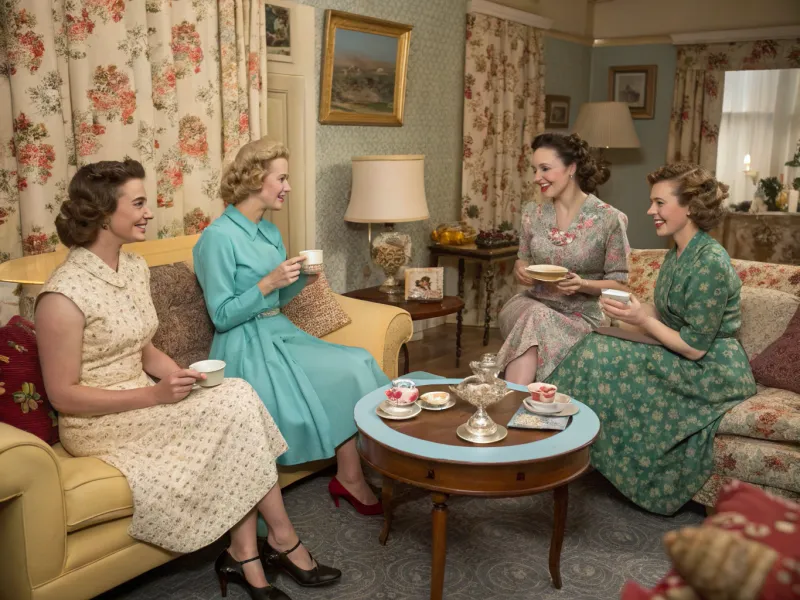
Step into a 50s living room, and you might stumble upon a housewives’ club meeting—a social gathering where homemakers came together to share tips, stories, and a cup of tea. These meetings were lifelines, offering connection and camaraderie in a world where women often stayed home.
Housewives’ clubs were about more than just socializing; they provided a sense of community and support. Women shared household tips, parenting advice, and even engaged in charitable work, creating bonds that extended beyond the confines of their homes.
Though the modern landscape offers a plethora of social networks, the spirit of these clubs lives on. They remind us of the power of community and the importance of having a support system, whether it’s over a cup of tea or through digital means. It’s a nod to the enduring need for connection and the friendships that make our worlds a little brighter.
21. Fiestas Tupperware
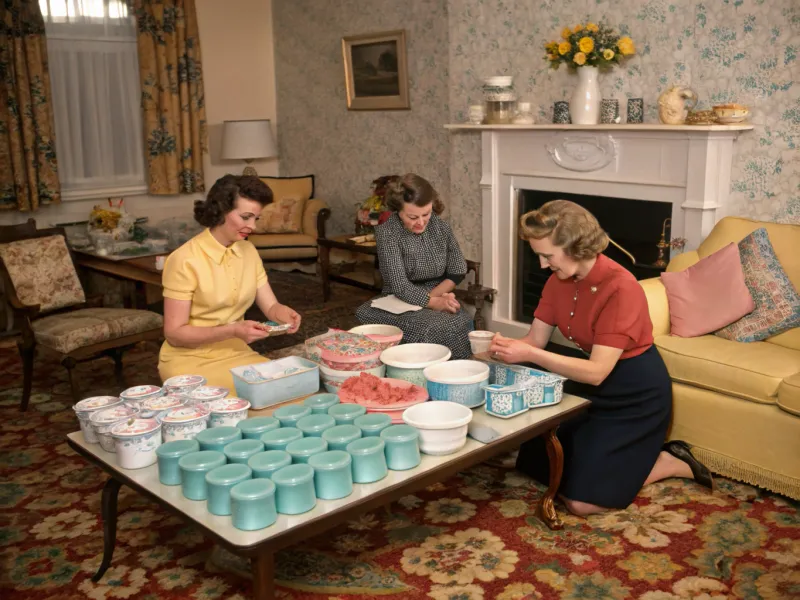
Pop the lid and pass around the Tupperware—it’s party time! En los años 50, Las fiestas Tupperware estaban de moda, una inteligente mezcla de socialización y compras que reunía a las mujeres en los hogares de todo Estados Unidos.
Estas reuniones eran más que simples eventos de ventas; eran acontecimientos sociales, donde las mujeres mostraban e intercambiaban consejos sobre el uso de lo último en tecnología de almacenamiento de alimentos. Las fiestas Tupperware eran una forma novedosa de relacionarse y ofrecían un sentimiento de comunidad y empoderamiento a través del espíritu empresarial.
Today, while direct sales have taken on new forms, the legacy of Tupperware parties endures. They remind us of a time when social circles revolved around home and hearth, where a simple plastic bowl could spark joy and friendship. It’s a celebration of the small inventions that make life a little more organized and a lot more fun.
22. Simulacros de agacharse y cubrirse en la Guerra Fría
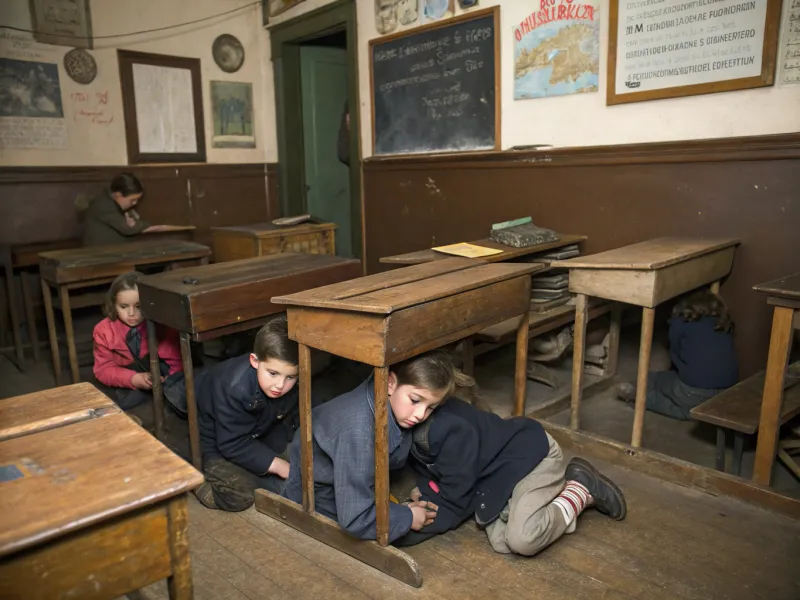
Duck and cover—a phrase that sends a shiver down the spine of anyone who lived through the Cold War era. In the 50s, schoolchildren were drilled to duck under desks in preparation for potential nuclear attacks, a grim reminder of the tensions of the time.
Estos simulacros estaban diseñados para proporcionar una sensación de seguridad, enseñando a los niños cómo protegerse en el peor de los casos. Los alegres vídeos instructivos contradecían la aleccionadora realidad que había detrás de los simulacros, inculcando una mezcla de miedo y resistencia.
While today’s classrooms focus more on educational drills, the memory of duck and cover remains. It’s a stark reminder of a world once on edge, and the lengths to which society went to prepare for the unthinkable. It’s a nod to the resilience of those who faced the shadow of nuclear threat with a brave face and a willingness to learn how to cover.
23. Llamadas en frío Telemarketing
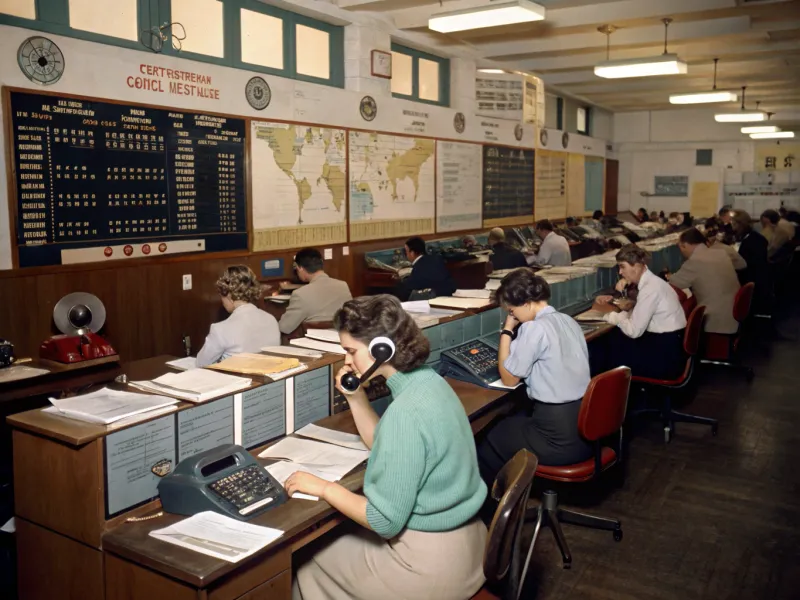
Before spam emails and robocalls, there was cold calling—a telemarketer’s tool in the 50s arsenal. Armed with rotary phones and a list of numbers, telemarketers dialed up potential customers, bringing sales pitches directly to their ears.
La llamada en frío era un arte que se basaba en el encanto, la persuasión y la habilidad para mantener una conversación. Los teleoperadores perfeccionaban sus habilidades y convertían cada llamada en una oportunidad, a pesar de los portazos que recibían de vez en cuando.
While modern technology has transformed telemarketing, the spirit of cold calling persists. It’s a throwback to a time when sales were personal, requiring a touch of human interaction. It’s a reminder of the persistence and adaptability needed to capture attention in a world full of noise.
24. Abrelatas eléctricos
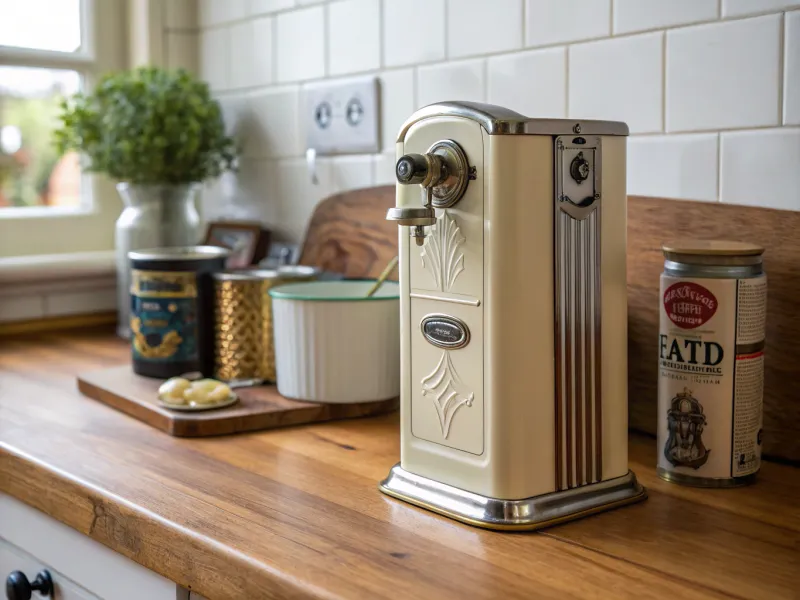
Step into a 50s kitchen and marvel at the electric can opener—a cutting-edge appliance that revolutionized meal prep. This gadget made opening cans a breeze, freeing homemakers from the manual struggle of twist and turn.
El abrelatas eléctrico era una maravilla de la comodidad que encarnaba el auge de la tecnología doméstica de la posguerra. Representaba la promesa de una cocina moderna, en la que reinaba la eficiencia y los artilugios que ahorraban tiempo.
Today, while electric can openers have become common, they remain a symbol of mid-century innovation. They remind us of a time when technology first started making its way into everyday life, transforming simplicity into sophistication. It’s a nod to the small inventions that paved the way for the modern conveniences we often take for granted.
25. Cuartetos de Barbería
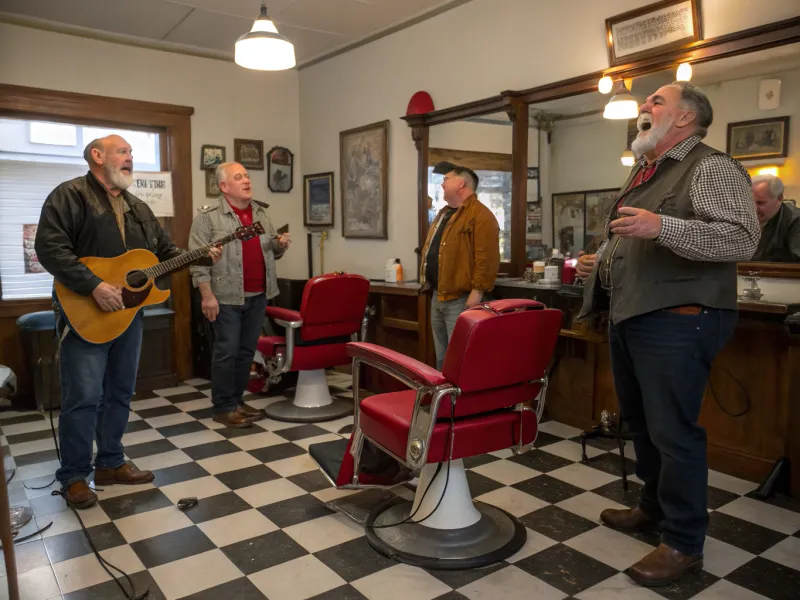
Close your eyes and let the harmonious blend of voices transport you—it’s the sound of a barbershop quartet. In the 50s, these musical groups were the soundtrack of local gatherings, their melodies bringing a sense of community and joy.
Los cuartetos de barbería eran algo más que simples artistas: eran narradores de historias, que armonizaban relatos de amor y vida con su estilo a capella. Su música resonaba en las calles y en las reuniones sociales, como un guiño nostálgico a tiempos más sencillos.
While modern music has shifted, the charm of barbershop harmony endures. It’s a reminder of the power of song to unite and uplift, transcending time and trends. The next time you hear a harmonious blend of voices, let it take you back to an era where simplicity and melody were all you needed.
26. Faldas caniche
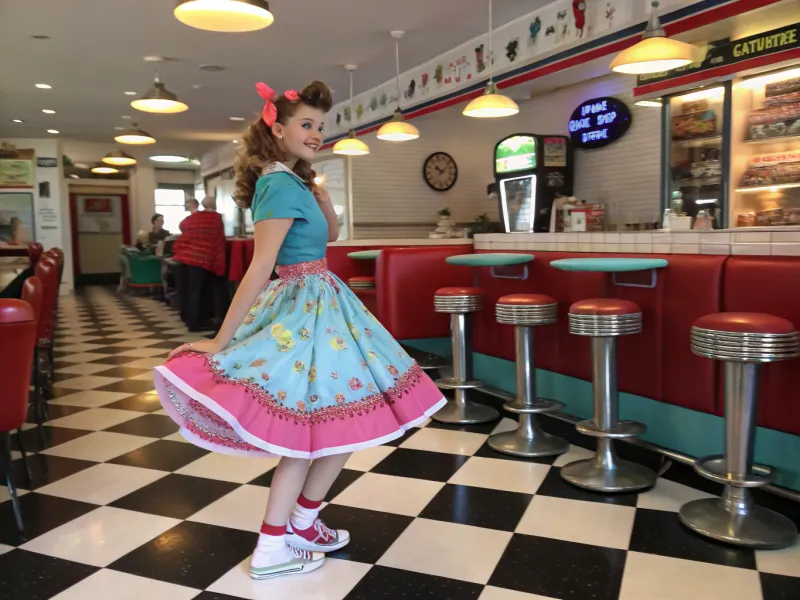
Ah, the poodle skirt—a fashion statement that danced its way into the hearts of 50s teens. These skirts, adorned with appliqués of poodles and other whimsical designs, were the epitome of youthful style.
Las faldas caniche eran algo más que ropa: eran un símbolo de expresión adolescente. Combinadas con calcetines y zapatos de montar, definían a una generación deseosa de diversión y estilo.
While fashion has evolved, the poodle skirt remains an iconic piece of retro chic. It’s a testament to the enduring appeal of trendsetting styles that capture the spirit of youth. When you see a modern take on retro fashion, remember the poodle skirt’s playful legacy and its dance through time.
27. Carne en conserva
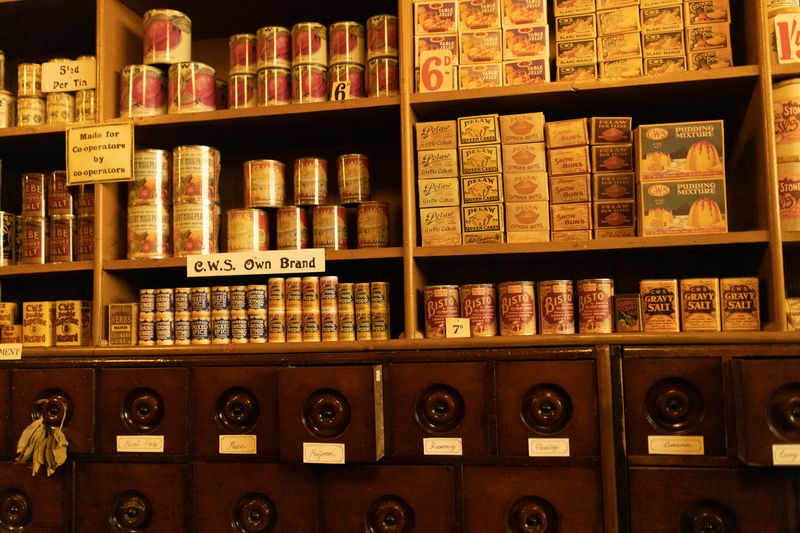
Canned meat—an unlikely hero in the 50s pantry, providing convenience and a touch of culinary creativity. From spam to corned beef, these preserved meats were staples in households, offering quick meal solutions in an era of burgeoning convenience.
La carne enlatada era tanto una aventura culinaria como una opción práctica, acorde con el auge de los alimentos envasados en la posguerra. Permitía a las amas de casa preparar comidas con facilidad, adoptando la nueva era de la tecnología alimentaria.
Today, while fresh options abound, canned meat still holds a nostalgic spot in the culinary world. It’s a reminder of a time when innovation met the dinner table, transforming the way families approached meals. As you browse your local grocery aisle, give a nod to the humble can that helped shape modern convenience.
28. Discos de vinilo
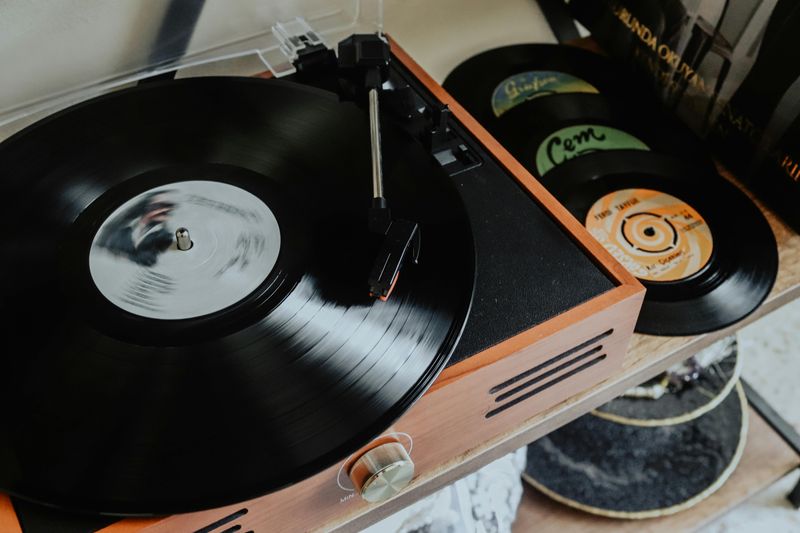
Spin that vinyl and let the music play—a 50s staple that brought soundtracks to life in living rooms everywhere. Vinyl records were the medium of choice, capturing the essence of music with their distinctive crackling sound.
These records transformed listening habits, creating an intimate connection between music and listener. From jazz to rock ‘n’ roll, vinyl records turned homes into concert halls, offering an escape into melodies and memories.
While digital music dominates today, the allure of vinyl endures. It remains a beloved format, cherished for its tactile nature and nostalgic charm. When you drop the needle on a record, you’re connecting with a time when music was a shared experience, woven into the fabric of everyday life.
29. Conducciones dominicales
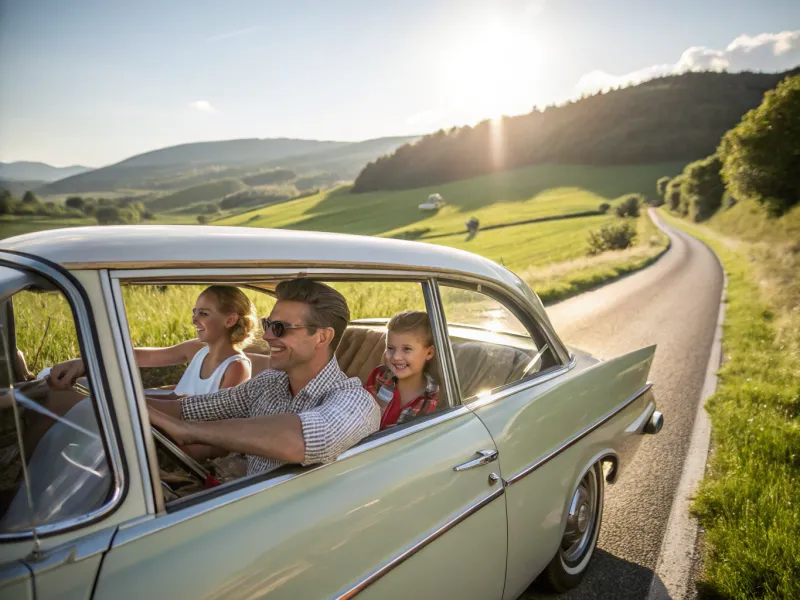
Ah, the Sunday drive—a cherished 50s tradition where families piled into their cars for a leisurely cruise through the countryside. It was an opportunity to unwind, explore, and spend quality time together.
El viaje en coche de los domingos era algo más que un viaje; era un momento de relajación y descubrimiento, una pausa en la rutina de la vida diaria. Las familias disfrutaban de la libertad de la carretera, creando recuerdos entrañables por el camino.
While modern life often keeps us on the go, the essence of the Sunday drive lingers. It’s a reminder of the simple pleasures of taking the scenic route and the joy of being present with loved ones. So next time you hit the road, embrace the spirit of the Sunday drive and savor the journey, not just the destination.
30. Cabinas telefónicas
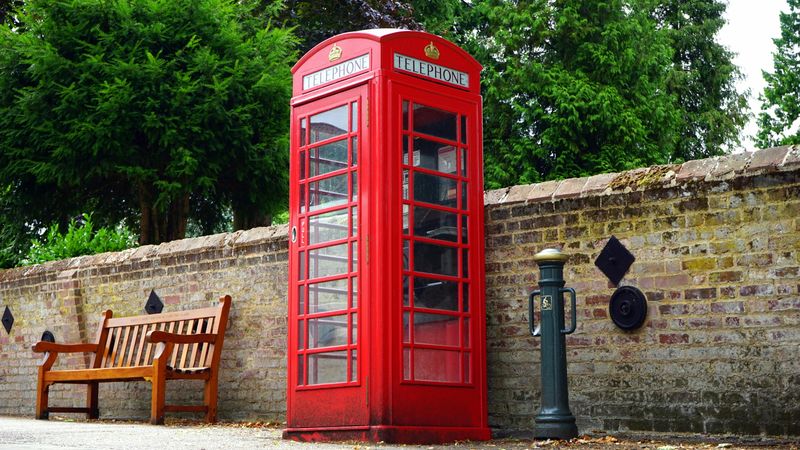
Step inside—it’s a phone booth, a relic of the 50s when these glass boxes connected people across distances. Before the age of smartphones, phone booths were essential, offering a lifeline for communication on the go.
Estas cabinas estaban repartidas por ciudades y pueblos, como centinelas de la conectividad. Eran lugares de conversación, comodidad y, a veces, un poco de espionaje, si nos atenemos a las películas de espías.
Though phone booths have largely vanished, replaced by instant digital communication, they remain a nostalgic symbol of a time when conversations were more deliberate and moments of connection were cherished. The next time you see one, imagine the stories it held and appreciate the leaps we’ve made in staying connected.
31. Sock Hops
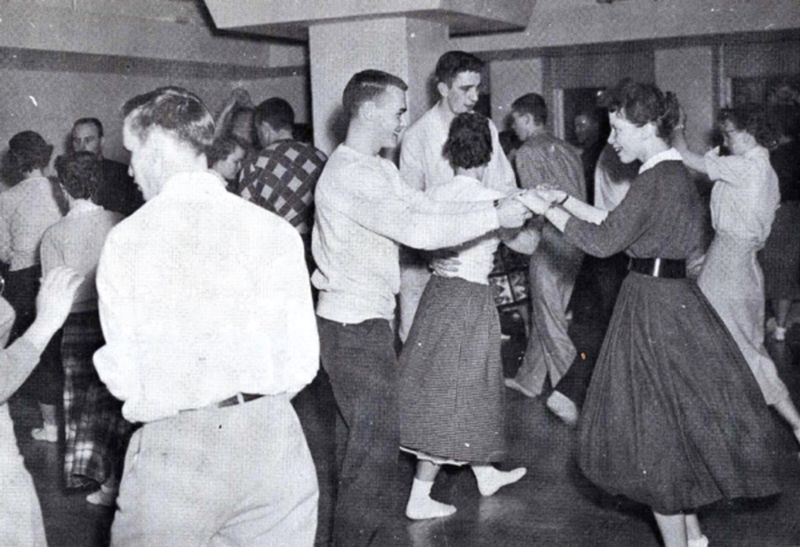
Step into a high school gym in the 1950s and you’ll find teenagers twirling, twisting, and bopping to the latest rock ‘n’ roll hits—without their shoes. These dances, affectionately called sock hops, were the social event of the week. The name came from the requirement to remove shoes to protect the gym floor, so students would dance in their socks, creating a casual, carefree vibe that matched the music of the time.
Sock hops weren’t just dances—they were cultural milestones. They symbolized the birth of teenage independence, the explosion of youth culture, and the growing influence of music icons like Elvis Presley and Chuck Berry. With jukeboxes spinning and poodle skirts swaying, these events became a rite of passage for an entire generation.
Today, sock hops evoke a sense of innocent nostalgia—a time when fun didn’t require flashy venues or fancy outfits, just great music, good friends, and a polished gym floor.
32. TV Dinners
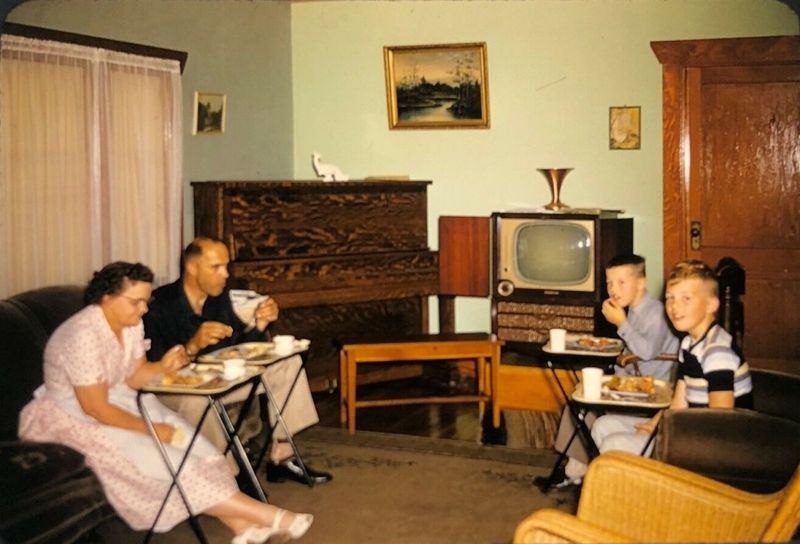
Ah, the TV dinner—an innovation that changed mealtime forever in the 1950s. These pre-packaged, compartmentalized meals became a staple in households across America, offering convenience during a time when television was taking over living rooms. With a flick of the oven knob and a foil-wrapped tray, families could enjoy meatloaf, mashed potatoes, and peas—all while watching their favorite show on the tube.
TV dinners weren’t just about saving time; they symbolized a shift in lifestyle. Mealtime was no longer tied to the kitchen table or a home-cooked ritual. Instead, it became an individual experience, tailored to the pace of modern life. They reflected a cultural move toward efficiency and the growing role of media in daily routines.
While they may not have been gourmet, TV dinners were undeniably iconic. Today, they’re a nostalgic reminder of mid-century innovation and the beginning of the “eat while you watch” phenomenon that still thrives.
33. Cold War Era Bomb Shelters
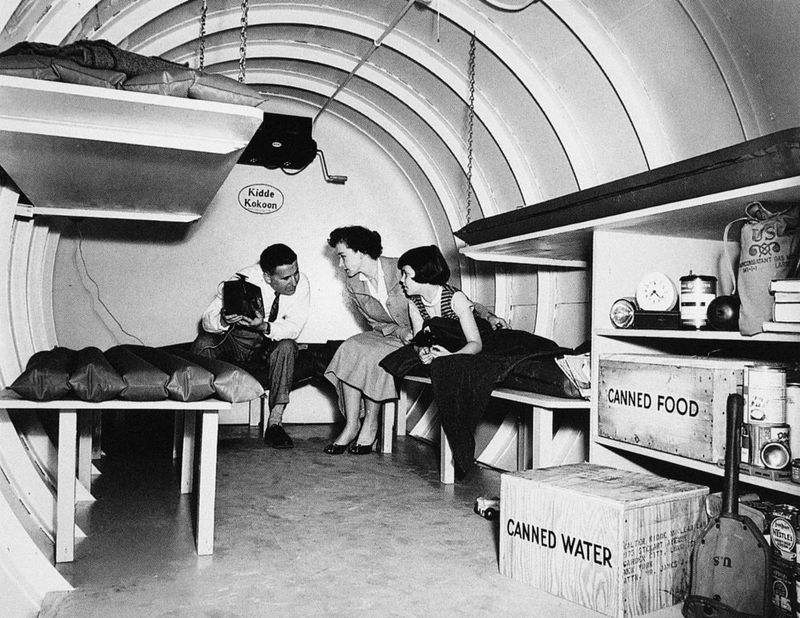
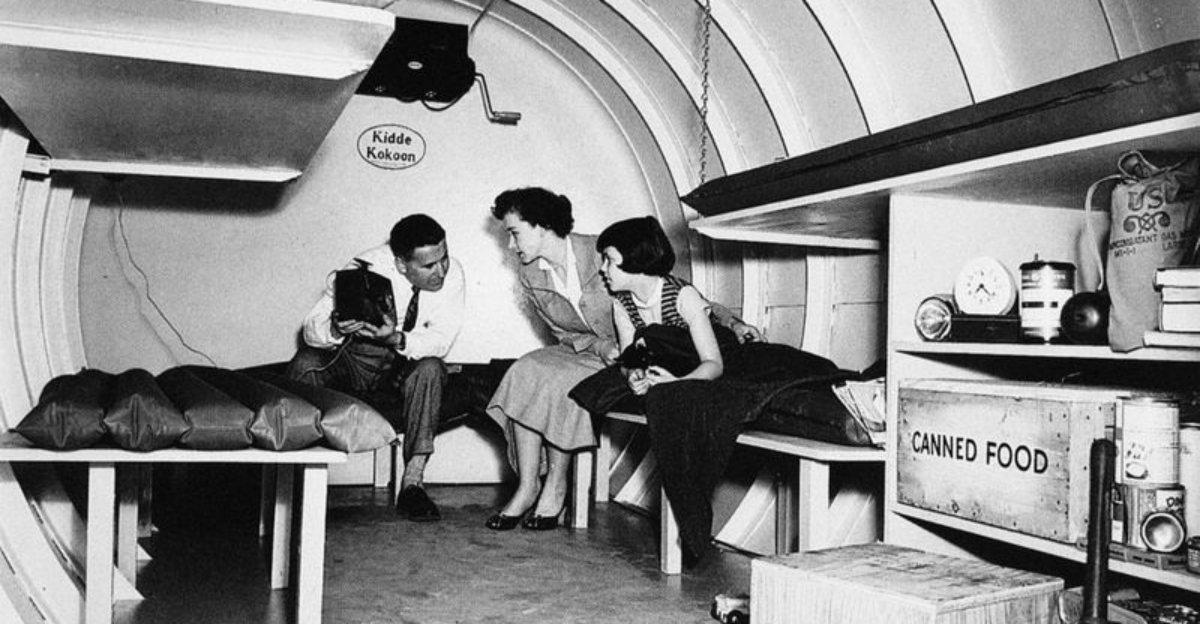
During the Cold War, American families often turned to bomb shelters in their backyards as a perceived necessity. With the looming threat of nuclear war, these shelters promised safety. Constructed from concrete and steel, they were stocked with canned food and essential supplies.
Families would sometimes spend weekends practicing drills, ensuring everyone knew their role in the event of an attack. It was a time of fear and preparation, a period marked by mistrust and anxiety.
Interestingly, these shelters also became social symbols, representing a family’s status and preparedness. It was both a practical and a cultural phenomenon.
34. Public Service Announcements on Polio
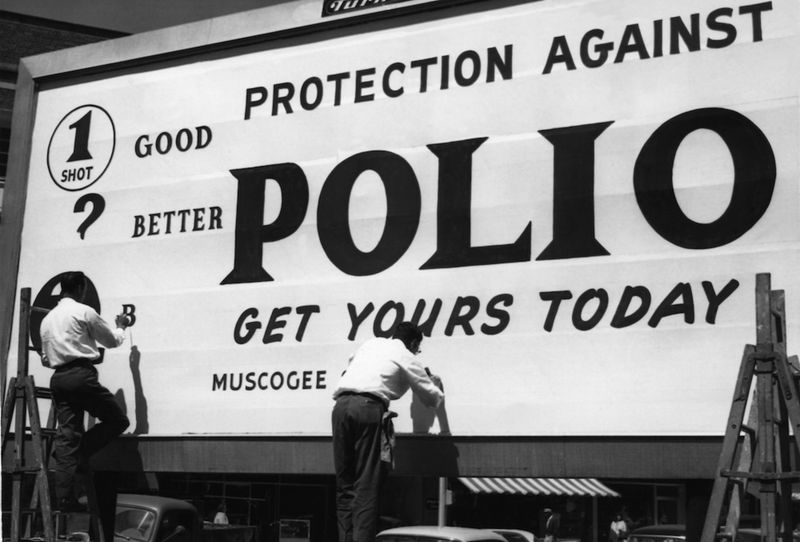
En los años cincuenta, polio was a feared disease, prompting widespread public service announcements. These televised messages educated families on prevention and the importance of vaccination.
Mothers were particularly targeted, urged to ensure their children received the polio vaccine. This era saw the transition from fear to hope, as the vaccine began to reduce the disease’s grip on society.
PSAs played a crucial role in dispelling myths and promoting scientific understanding. These announcements became a regular feature in households, weaving into the fabric of daily life, and highlighting the collective effort to overcome polio.