
33 Unforgettable Old‑School Phrases Parents Use to Raise Respectful Kids
“Do you think money grows on trees?” If that phrase instantly transported you back to childhood, you’re not alone! Parents have been dropping frases de oro for generations—some wise, some hilarious, and some that made zero sense until we became adults.
But here’s the thing: esas frases de la vieja escuela realmente funcionaban. They shaped us, taught us responsibility, and let’s be honest—kept us from making some muy elecciones de vida cuestionables. Ya fuera un severo “You get what you get and you don’t throw a fit” o un sentimiento de culpa “One day, you’ll understand”Estos dichos clásicos eran básicamente trucos para padres antes de que existieran los trucos para padres.
So, let’s take a trip down memory lane and revisit 33 legendary phrases que crió generaciones de niños bien adaptados (y ligeramente traumatizados). ¿Quién sabe? Puede que acabes utilizándolos con tus propios hijos.
1. “Mind Your Manners”

HerWay
Oh, the infamous “Mind your manners!” Whether it was a gentle nudge at the dinner table or a stern reminder at a family gathering, this phrase was as ubiquitous as our mothers’ purses. It wasn’t just about using the right fork; it was about respect and grace. The words were etched into our brains, serving as a backdrop to every interaction.
Some might say this phrase was the soundtrack of our childhood. Its magic lay in its ability to instill a sense of decorum. It was more than just about ‘please’ and ‘thank you’. It was a lesson in empathy, understanding boundaries, and appreciating others.
This phrase was a bridge to social interaction. It shaped us into considerate humans. The very essence of this saying whispers a timeless truth: kindness costs nothing but means everything. Whether you were five or fifteen, “Mind your manners” was a gentle guide to being better.
2. “Because I Said So”

HerWay
Ah, the ultimate parental trump card: “Because I said so.” It’s the phrase that ended countless debates and quashed many a budding rebellion. To the untrained ear, it might sound like an admission of powerlessness, but to us, it was the definitive full-stop.
This phrase carried the weight of generations. It was the line in the sand, the parent’s way of saying, “Trust me, I know more than I’m letting on.” It didn’t need embellishments or explanations. It was its own reason.
In retrospect, “Because I said so” taught us about authority and trust. It urged us to accept that some things just are. It was a nod to a parent’s wisdom, even if it did make us roll our eyes. These four words were a subtle blend of care and command, shaping us one “no” at a time.
3. “Money Doesn’t Grow on Trees”

HerWay
“Money doesn’t grow on trees.” Remember that gem? It was the phrase that grounded our lofty desires. Sometimes, our wish lists were long, but this saying brought them back to earth with a thud.
In those words, padres conveyed the value of hard work. It wasn’t just about denying us another toy; it was a lesson in economics. Understanding that resources are finite was crucial. It was a gentle introduction to budgeting, prioritizing, and making wise choices.
This saying made us appreciate what we had. It wasn’t about curbing dreams but nudging us towards realistic goals. We learned to equate money with effort, and that realization was gold. Sure, it was frustrating hearing it at the toy store, but it built a foundation of financial literacy. Thank you, parents, for this botanical economic insight!
4. “Don’t Cry Over Spilled Milk”

HerWay
“Don’t cry over spilled milk.” A phrase that seemed tailor-made for every minor mishap. It was the go-to comfort line for life’s little disasters. At its heart, it was about letting go and moving on.
The beauty of this expression lay in its simplicity. When tears threatened over trivialities, this saying was a gentle pat on the back, urging resilience. It taught us that mistakes happen, but they’re not the end of the world.
Instead of focusing on what couldn’t be undone, this phrase redirected our energy towards what could be. It taught us to keep calm and carry on, imparting a lifelong lesson in resilience. Even today, when the inevitable spills occur, the wisdom of not dwelling on the past remains relevant. Our parents were right: sometimes, it’s best just to wipe it up and smile.
5. “You Are What You Eat”

HerWay
“You are what you eat.” This phrase often accompanied a plate of dreaded greens. It wasn’t just about food; it was a manifesto for a healthy lifestyle. In those words was a world of wisdom, a nudge towards better choices.
Los padres utilizaban esta frase para inculcar el valor de la nutrición. La idea era sencilla: lo que metes en tu cuerpo afecta a lo que eres. Era una lección de autocuidado, envuelta en cinco palabras.
Hearing it as a kid, it felt like a ploy to get us to finish our veggies. As adults, we understand its deeper meaning. It’s a reminder to nourish our bodies and minds wisely. Whether or not we believed it then, it planted the seeds of conscious living. Thanks to this saying, the relationship between food and wellbeing was firmly established in our minds.
6. “If You Can’t Say Anything Nice, Don’t Say Anything At All”
HerWay
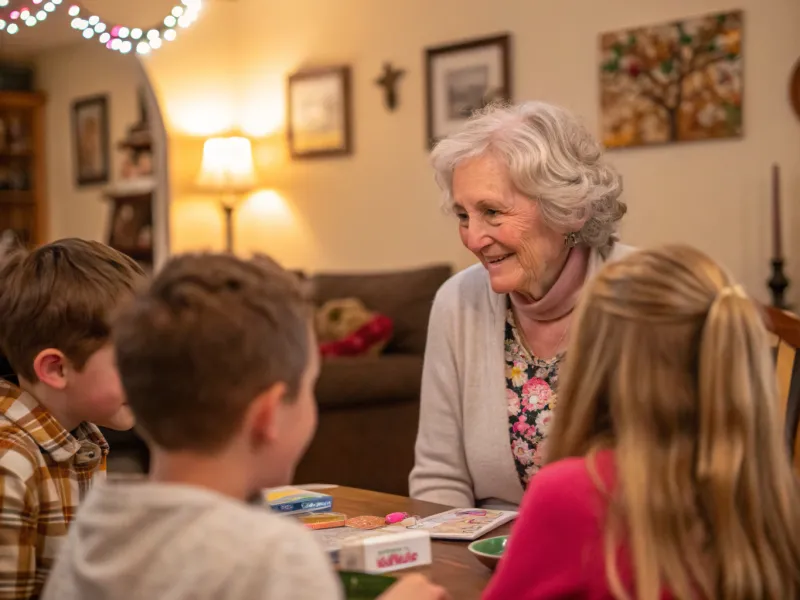
The classic, “If you can’t say anything nice, don’t say anything at all,” era más que una frase; era una brújula moral. En un mundo que a menudo puede ser duro, éste fue un amable recordatorio para elegir la bondad.
Those words were our first lesson in diplomacy and tact. They taught us to weigh our words, to think before speaking. It wasn’t about silence but about choosing words that build rather than break.
This saying urged us to focus on the positive. It’s a lesson in empathy and understanding. When faced with criticism, it reminded us that words have power. This phrase, a staple in homes everywhere, was a gift. Its echo lingers in our minds, encouraging us to be better, kinder people, one conversation at a time.
7. “All’s Well That Ends Well”

HerWay
“All’s well that ends well,” is like a soothing balm for life’s hiccups. It was the reassuring conclusion to many a misadventure. It’s about perspective, about finding solace in a happy ending, no matter how messy the process.
Los padres lo utilizaban para fomentar la resiliencia. Era un recordatorio de que los contratiempos eran temporales y de que la esperanza era eterna. El viaje podía ser accidentado, pero mientras el destino fuera bueno, merecía la pena.
This phrase taught us optimism, the art of seeing the silver lining. It was a gentle push towards patience and trust in the process. With this saying, parents armed us with a coping mechanism. It was a nod to the fact that life’s tales often have a way of working out, even if the plot twists are unexpected.
8. “Waste Not, Want Not”
HerWay
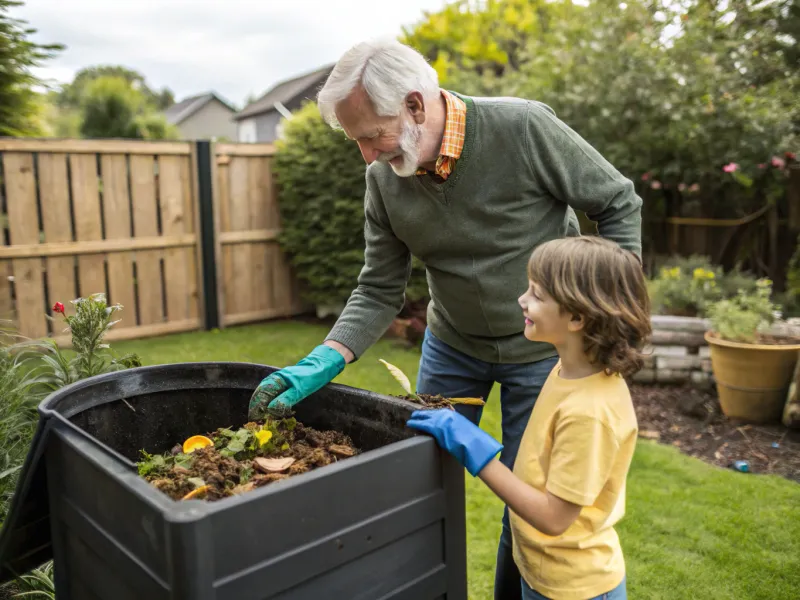
“Waste not, want not.” This phrase was the backbone of frugality and conservation. It wasn’t just about saving money; it was about valuing resources. It was a lesson in gratitude and prudence.
Nuestros padres nos enseñaron que cada pequeña cosa cuenta. Este dicho nos instaba a ser conscientes, a apreciar lo que tenemos y a utilizarlo sabiamente. Era un recordatorio de que el exceso a menudo conduce a la escasez.
Esta frase, arraigada en la practicidad, dio forma a nuestro enfoque del consumo. Nos hizo conscientes de nuestro impacto, fomentando la sostenibilidad antes de que estuviera de moda. En un mundo de abundancia, este dicho aporta equilibrio. Era una llamada a valorar y preservar, formando una mentalidad que va más allá de las posesiones materiales. Los padres compartieron esta sabiduría para prepararnos para un mundo en el que el uso consciente de los recursos tiene un valor incalculable.
9. “Patience Is a Virtue”

HerWay
“Patience is a virtue,” a mantra whispered through clenched teeth, perhaps more for the parent’s benefit than ours. Yet, inculcó una habilidad inestimable: el arte de esperar. Patience wasn’t just about staying calm; it was about resilience.
Este dicho era una lección sobre la gratificación tardía. Nos enseñaba que lo bueno se hace esperar, infundiendo esperanza y perseverancia. Tanto si se trataba de esperar un juguete como unos resultados, la paciencia era una habilidad para la vida.
Los padres la utilizaban para calmar nuestros espíritus inquietos, fomentando la calma. Esta frase, aunque a veces frustrante, era un regalo de perspectiva. En un mundo donde reina la gratificación instantánea, este dicho es más pertinente que nunca. Nos enseñó a apreciar el viaje, no sólo el destino. Gracias a esta frase, aprendimos que, a veces, la paciencia es el verdadero premio.
10. “Two Wrongs Don’t Make a Right”

HerWay
“Two wrongs don’t make a right” was the timeless lesson in morality. It was a guiding principle in fairness and justice, teaching us to rise above pettiness. It’s about choosing the high road even when it’s tempting to stoop low.
Parents taught us this saying to instill integrity. It was a reminder that revenge isn’t sweet, but rather a bitter cycle. It urged us to break the chain of negativity, to seek solutions instead of retaliation.
Esta frase ayudó a dar forma a nuestro sentido del bien y del mal. Era un faro que nos guiaba hacia un comportamiento ético. Cuando nos enfrentábamos a un conflicto, nos recordaba el poder de la bondad y el perdón. En un mundo imperfecto, este dicho era una lección para tomar mejores decisiones, fomentando un sentido de justicia y empatía en cada situación.
11. “Practice Makes Perfect”

HerWay
“Practice makes perfect” – the chant of every parent encouraging perseverance. Detrás de esas palabras había una creencia en el crecimiento y el esfuerzo. It was the mantra that pushed us through challenges, reminding us that mastery wasn’t instant.
Los padres utilizaban este dicho para alentar el trabajo duro. Era una promesa de mejora, un testimonio del poder de la perseverancia. Nos enseñó que el talento es sólo un punto de partida; la verdadera habilidad viene de la dedicación.
This phrase became a motivator, pushing us to try, fail, and try again. It was about progress, not perfection. With every repetition, we learned patience and grit. In today’s fast-paced world, this saying remains relevant, reminding us that few worthwhile things come easy. Through it, parents taught us resilience and the invaluable lesson that effort leads to excellence.
12. “The Early Bird Catches the Worm”

HerWay
“The early bird catches the worm” was the rallying cry of the morning, pushing us out of bed with the promise of opportunity. It was a lesson in seizing the day and the benefits of being proactive.
Los padres utilizaban esta frase para inculcar disciplina. Era un recordatorio de que la recompensa llega a los que empiezan pronto, a los que aprovechan el tiempo al máximo. Nos instaba a ser ambiciosos, a tomar la iniciativa.
This saying was about timing and effort. It taught us the value of preparation and punctuality. In a world of second chances, it was a reminder that some opportunities are fleeting. Thanks to this phrase, we learned to be alert, to anticipate rather than react. It set the tone for productivity, urging us to rise and shine, ready to conquer the day.
13. “There’s No Such Thing as a Free Lunch”
HerWay
“There’s no such thing as a free lunch” wasn’t just about economics; it was about life. It taught us that everything has a cost, whether in time, effort, or resources.
Parents used this phrase to instill self-reliance. It was a reminder that nothing in life is truly free. It was a push towards understanding the value of work and earning one’s keep.
This saying made us question the fine print in life’s offers. It nurtured a sense of responsibility and independence. In a world of instant gratification, it was a reminder of the reality of trade-offs. Thanks to this phrase, we learned to appreciate effort and acknowledge the hidden costs in life’s bargains. It was a lesson in realism, shaping our approach to life’s offers with a discerning eye.
14. “Cleanliness Is Next to Godliness”

HerWay
“Cleanliness is next to godliness” was the anthem of tidiness. It was the phrase that turned chores into rituals, instilling a sense of pride in our surroundings.
Parents used this saying to emphasize hygiene. It wasn’t just about cleaning; se trataba del respeto a uno mismo y a los demás. Nos enseñó que el orden y la limpieza reflejan nuestros valores y nuestro carácter.
This phrase was about more than just dusting and mopping. It was a nudge towards nurturing a clean mind, body, and space. It reminded us that tidiness was akin to discipline, a reflection of our inner selves. In today’s chaotic world, this saying remains a gentle reminder of the peace found in order. Through it, parents taught us the beauty and benefits of keeping things clean and neat.
15. “A Stitch in Time Saves Nine”

HerWay
“A stitch in time saves nine” taught us the value of promptness and prevention. It was a lesson in foresight, in tackling issues before they snowball.
Los padres utilizaban este dicho para fomentar un comportamiento proactivo. Se trataba de abordar los problemas a tiempo, ahorrando tiempo y problemas a largo plazo. Era un guiño a la eficacia de actuar a tiempo.
This phrase was about the wisdom of maintenance and care. It urged us to be attentive, to fix things before they worsened. In a world of quick fixes, it reminded us of the benefits of doing things right the first time. Thanks to this saying, we learned the importance of vigilance and timely intervention, a skill that’s as relevant today as it was back then.
16. “Actions Speak Louder Than Words”

HerWay
“Actions speak louder than words” was the call to authenticity. It taught us that deeds, not promises, define character. It was a lesson in integrity and sincerity.
Los padres utilizaban esta frase para inculcar el poder de la acción. Se trataba de mostrar en lugar de decir, de ser una persona de sustancia. Nos instaba a vivir nuestros valores, no solo a hablar de ellos.
Este dicho nos recordó que las palabras pueden ser vacías, pero las acciones son concretas. Era un reto a rendir cuentas, a dejar que nuestros hechos reflejaran nuestras intenciones. En un mundo de palabrería, esta frase animaba a la acción significativa. Gracias a ella, aprendimos que el verdadero impacto viene de lo que hacemos, no sólo de lo que decimos, alimentando un sentido de responsabilidad y autenticidad.
17. “Better Safe Than Sorry”

HerWay
“Better safe than sorry” was the mantra that hovered over every “be careful.” It was a lesson in caution, urging us to think before acting. It taught us that prevention is preferable to regret.
Los padres utilizaban este dicho para inculcar seguridad. Se trataba de tomar decisiones sensatas, sopesar los riesgos y valorar el bienestar por encima de la imprudencia. Era un empujón a la prudencia.
This phrase reminded us that foresight is valuable. It taught us to be mindful and to prioritize safety. In a world filled with risks, it’s a reminder that caution often pays off. Thanks to this saying, we learned that being careful is not about fear but about wisdom, shaping our approach to life with an eye for safety and prudence.
18. “Absence Makes the Heart Grow Fonder”

HerWay
“Absence makes the heart grow fonder” was the bittersweet reminder of love’s resilience. It taught us that distance can strengthen bonds, that appreciation grows with longing.
Los padres utilizaban este dicho para aliviar el dolor de la separación. Hablaba de la fuerza de los vínculos, incluso cuando estamos separados. Nos instaba a valorar las relaciones y a cuidarlas a pesar de la distancia.
This phrase was a lesson in the power of love and memory. It taught us that being apart can deepen affection, fostering gratitude for togetherness. In an age of digital connections, it’s a reminder of the value of presence. Thanks to this saying, we learned that heartstrings stretch but seldom snap, shaping our understanding of love and distance with grace and hope.
19. “Look Before You Leap”

HerWay
“Look before you leap” was the warning bell of caution. It taught us to assess risks, to think before acting. It was about foresight and avoiding hasty decisions.
Los padres utilizaban este dicho para inculcar una planificación cuidadosa. Se refería a considerar las consecuencias, instándonos a sopesar las opciones y a tomar decisiones con conocimiento de causa. Era un guiño a la prudencia.
This phrase reminded us that impulsiveness often leads to pitfalls. It taught us to be mindful, to plan ahead. In a fast-paced world, it’s a reminder that thoughtful action is wise. Thanks to this saying, we learned the importance of caution, shaping our decision-making with a blend of care and foresight, ensuring that our choices reflect wisdom and deliberation.
20. “Time Heals All Wounds”

HerWay
“Time heals all wounds” was the balm for heartaches and setbacks. It taught us that pain is temporary, that healing comes with patience.
Parents used this saying to comfort and reassure. It was about the inevitability of recovery, a promise that things would get better. It urged us to trust in time’s power to mend.
This phrase reminded us that grief and pain fade. It taught us about resilience, about allowing time to work its magic. In a world of immediate fixes, it’s a reminder of patience. Thanks to this saying, we learned that healing is a journey, not a destination, shaping our approach to challenges with hope and faith in time’s gentle hands.
21. “Beauty Is Only Skin Deep”

HerWay
“Beauty is only skin deep” was the lesson in recognizing true worth. It taught us to look beyond appearances, valuing character and integrity.
Los padres utilizaban este dicho para inculcar la belleza interior. Se trataba de centrarse en las virtudes, en la bondad y la honestidad. Nos instaba a ver más allá de la superficie, a apreciar la profundidad.
This phrase reminded us that outward appearance isn’t the full story. It taught us to value substance over style. In a world obsessed with looks, it’s a reminder of what truly matters. Thanks to this saying, we learned that true beauty shines from within, shaping our perspective on self-worth and the value of character, inspiring us to nurture the qualities that last beyond the first glance.
22. “Rome Wasn’t Built in a Day”

HerWay
“Rome wasn’t built in a day” was la lección de paciencia y persistencia. Nos enseñó que las grandes cosas llevan su tiempo y nos animó a ser pacientes en nuestro empeño.
Los padres utilizaban este dicho para inculcar la perseverancia. Se refería al compromiso, a la comprensión de que el progreso es gradual. Nos instaba a trabajar con constancia para alcanzar nuestros objetivos.
This phrase reminded us that success requires time and effort. It taught us to value the process, to embrace each step towards achievement. In a world of quick results, it’s a reminder of the value of dedication. Thanks to this saying, we learned that patience and persistence are key, shaping our approach to challenges with a commitment to gradual growth and improvement.
23. “Don’t Count Your Chickens Before They Hatch”
HerWay
“Don’t count your chickens before they hatch” was the caution against premature celebration. It taught us to wait for results before making assumptions.
Los padres utilizaban este dicho para inculcar cautela. Se trataba de gestionar las expectativas, de comprender lo imprevisible de la vida. Nos instaba a ser prudentes, a no asumir victorias prematuramente.
This phrase reminded us to be cautious with optimism. It taught us to verify outcomes before celebrating. In a world of uncertainties, it’s a reminder of prudence. Thanks to this saying, we learned the importance of patience and realism, shaping our approach to life’s uncertainties with a balance of hope and caution, ensuring that our joys are based on solid grounds.
24. “The Grass Is Always Greener on the Other Side”
HerWay
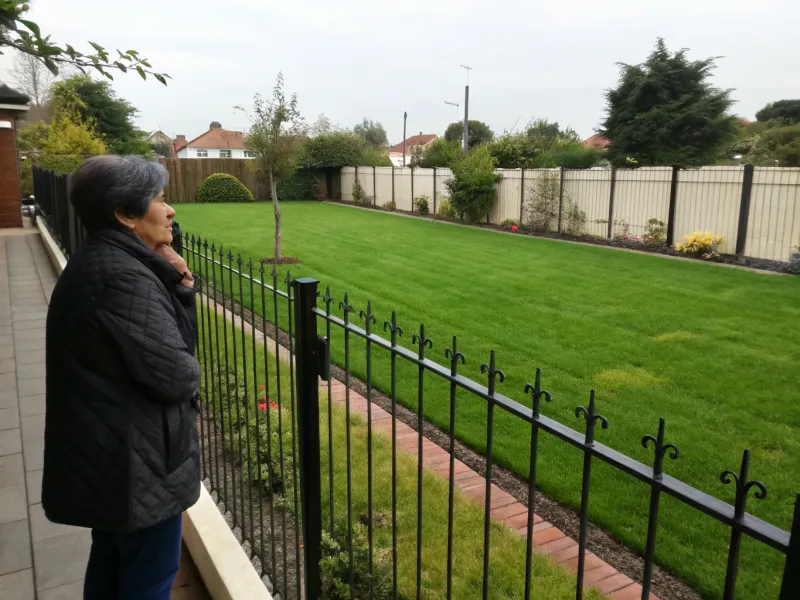
“The grass is always greener on the other side” was the lesson in contentment. It taught us to appreciate what we have, rather than coveting what others possess.
Parents used this saying to instill gratitude. It was about understanding that appearances can be deceiving. It urged us to focus on our blessings, not on illusions of others’ prosperity.
This phrase reminded us that envy is often misguided. It taught us to find happiness in our circumstances. In a world of constant comparison, it’s a reminder of the value of contentment. Thanks to this saying, we learned to cherish our own “grass,” shaping our perspective on happiness with an appreciation for what is truly ours, encouraging a mindset of gratitude and satisfaction.
25. “A Penny Saved Is a Penny Earned”

HerWay
“A penny saved is a penny earned” was the lesson in thriftiness. It taught us the importance of saving, of valuing even the smallest amount.
Los padres utilizaban este dicho para inculcar sabiduría financiera. Hablaba de disciplina y previsión en el gasto. Nos instaba a reconocer el poder del ahorro, de acumular riqueza poco a poco.
This phrase reminded us that every bit counts. It taught us to appreciate the value of money, emphasizing savings. In a world of consumerism, it’s a reminder of financial prudence. Thanks to this saying, we learned that saving is an act of earning, shaping our financial habits with a focus on long-term security and appreciation for the simple act of saving, encouraging careful management of resources.
26. “You Can’t Judge a Book by Its Cover”

HerWay
“You can’t judge a book by its cover” was the lesson in looking deeper. It taught us to look beyond appearances, valuing substance over style.
Los padres utilizaban este dicho para inculcar una mentalidad abierta. Se trataba de comprender que las primeras impresiones pueden ser engañosas. Nos instaba a explorar, a descubrir la verdadera historia.
This phrase reminded us that appearances aren’t everything. It taught us to value the unseen, to look for truth beyond the exterior. In a world of superficiality, it’s a reminder of depth. Thanks to this saying, we learned the importance of curiosity and understanding, shaping our perspective with a focus on the richness of what lies beneath the surface, encouraging a deeper exploration of people and ideas.
27. “If You Want the Rainbow, You Have to Deal with the Rain”
HerWay
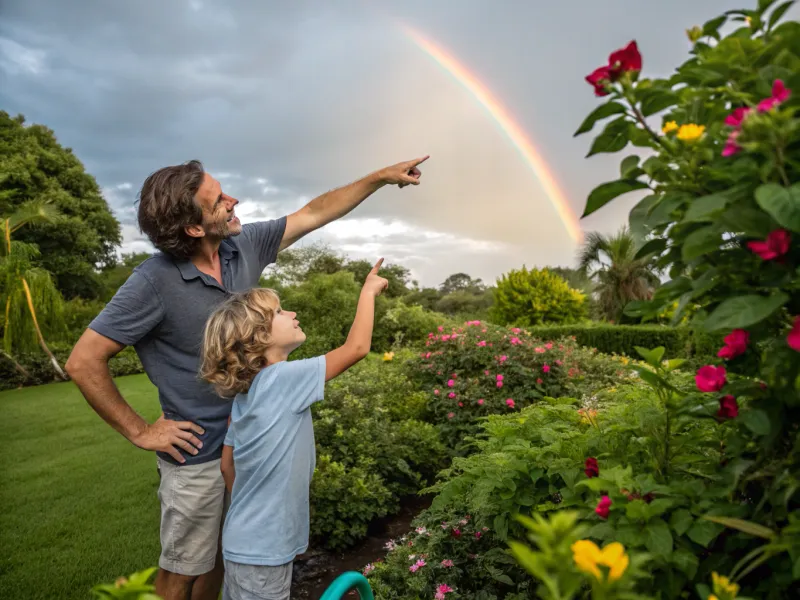
This phrase carries a message of resilience and endurance. In life, challenges and obstacles are inevitable. To enjoy life’s beautiful moments, one must often weather the storms. Children learn that perseverance leads to rewards, much like enduring the rain to witness a rainbow.
Parents can use this metaphor to teach children about patience and the value of effort. By understanding this balance, kids can appreciate life’s highs and be prepared for its lows.
La lección aquí es que las recompensas a menudo se ganan a través de la persistencia, lo que hace que los momentos de alegría sean aún más dulces.
28. “Don’t Let the Cat Out of the Bag”

HerWay
Esta peculiar frase aconseja prudencia a la hora de revelar secretos o información antes de tiempo. Anima a los niños a pensar antes de hablar y a comprender el valor de la discreción.
Con esta expresión, los padres pueden educar a sus hijos en la importancia de la confianza y en las posibles consecuencias de las palabras huecas. Los niños aprenden que cierta información es mejor mantenerla en secreto hasta el momento oportuno.
Así, la frase sirve de amable recordatorio para prestar atención a las palabras, reforzando la idea de que el momento y el contexto son cruciales en la comunicación.
29. “Every Cloud Has a Silver Lining”

HerWay
Este antiguo refrán destaca el optimismo y el potencial para encontrar el bien en situaciones difíciles. Enseña a los niños que los momentos difíciles suelen traer consigo beneficios o lecciones ocultas.
Al inculcar esta perspectiva, los padres ayudan a sus hijos a desarrollar una visión positiva de la vida. Los niños aprenden a superar las dificultades con esperanza y a buscar oportunidades en la adversidad.
En última instancia, esta frase anima a los niños a aceptar los retos, reforzando que cada dificultad puede ser un peldaño hacia algo mejor.
30. “A watched pot never boils”

This is a phrase that teaches the importance of patience and letting things unfold naturally. This saying gently nudges one towards the art of distraction and faith in time’s passage.
The phrase hails from kitchens of yore, where waiting could feel eternal. It’s a reminder that anxiously awaiting an outcome can make it seem more distant.
Instead, focus on other tasks and watch how time flies. Incorporating this wisdom fosters patience, a valuable trait for navigating life’s unpredictabilities.
31. “Birds of a feather flock together”
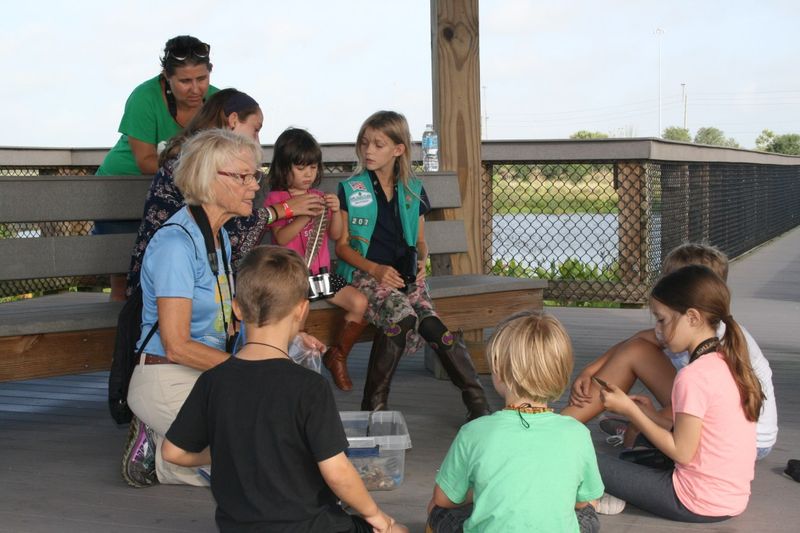
It conveys the idea that people naturally associate with those who share similar interests or characteristics. This phrase subtly highlights the human tendency to seek comfort in familiarity.
Historically, it speaks to the broader concept of community and identity. Recognizing this can encourage young minds to embrace diversity while understanding their own social circles.
Ultimately, this saying offers a lens through which to view relationships, fostering both self-awareness and acceptance.
32. “Mind Your P’s and Q’s”

The phrase “Mind Your P’s and Q’s” has been a staple in parenting vocabulary for decades. This old-school saying is a gentle reminder for children to mind their manners, especially during formal occasions.
It’s believed to have originated from English pubs where bartenders would keep an eye on patrons’ consumption of pints and quarts.
Encouraging children to be polite and considerate, this phrase teaches the value of respectful interaction. It serves as a quick cue for kids to check their behavior, ensuring they remain courteous and considerate in various settings.
33. “Children should be seen and not heard”

“Children should be seen and not heard” hails from an era when children’s behavior was expected to be restrained. While the phrase might seem strict today, it was meant to instill a sense of respect for adult conversations and gatherings.
This saying encouraged kids to listen and learn from their elders. Although times have changed, the essence of teaching children to value listening and observing remains significant.
It highlights the importance of patience and respect for others’ words, fostering a respectful atmosphere in family settings.