
37 Smart Phrases Intelligent People Use to Say ‘You’re Wrong’ (Without Starting a Fight)
Correcting someone without stepping on toes or causing embarrassment requires real finesse. We’ve all been there—listening to a friend, colleague, or even a stranger get something completely wrong, but not wanting to be that person who bluntly blurts out corrections.
The key lies in diplomacy, where the art of subtlety and kindness comes into play. Here are clever phrases that brilliant people use to point out errors, all while sustaining harmony and encouraging growth in conversation.
These phrases help in gently steering someone toward the truth without sparking defensiveness. Use these conversational tools to enhance your communication skills and build stronger relationships.
1. “I see it a bit differently.”

This phrase gently introduces a differing perspective without negating the other person’s viewpoint. By saying, “I see it a bit differently,” you’re acknowledging their opinion, which validates their feelings and ideas.
This approach opens up a dialogue rather than shutting it down. It’s a way of saying there’s more to the story without diminishing their part of it.
Imagine discussing a contentious topic at work. Instead of saying directly, “You’re wrong,” this phrase allows you to share your insights as a new layer to consider. It implies that the conversation can benefit from multiple perspectives, fostering a collaborative environment.
Using this phrase can ease tension, as it doesn’t imply that the other person is incorrect but rather that there’s an alternative angle to explore, leading to a richer, more nuanced discussion. It’s perfect for workplace scenarios or even casual conversations where maintaining rapport is essential.
2. “Have you considered…?”

The phrase “Have you considered…?” is a subtle nudge to explore alternative viewpoints without directly confronting someone’s belief. It invites the other person to think critically and reevaluate their stance.
Esto resulta especialmente eficaz en entornos académicos o de resolución de problemas, en los que se pretende cuestionar y refinar las ideas.
For instance, during a team meeting, if someone suggests a strategy that has clear drawbacks, you might gently redirect the conversation by asking, “Have you considered the potential risks of this approach?”
This prompt doesn’t outright dismiss their idea but encourages them to see the broader picture.
Cuando cambias el enfoque de lo correcto y lo incorrecto a la exploración de posibilidades, se suaviza el golpe del desacuerdo. También te posiciona como colaborador en lugar de adversario, lo que puede fortalecer las relaciones profesionales y personales.
Esta frase es una valiosa herramienta para fomentar debates abiertos.
3. “That’s an interesting point, but…”

Starting with “That’s an interesting point, but…” acknowledges the other person’s input while gently steering the conversation in a different direction. The initial praise acts as a buffer, making the subsequent correction less jarring.
It’s an effective way to maintain a positive dialogue, especially when the topic is sensitive or contentious.
Picture a scenario in which a colleague presents a flawed analysis. By acknowledging the effort with “That’s an interesting point,” you validate their work, which is crucial in maintaining morale and respect.
Following it with a “but,” you can introduce your perspective or highlight overlooked details.
Esta frase es un enfoque diplomático que se alinea con la crítica constructiva, facilitando que la otra persona acepte puntos de vista alternativos sin sentirse atacada. Es inestimable en situaciones que requieren tanto empatía como asertividad.
4. “I think you might find this perspective helpful.”

Offering a new perspective as a helpful insight rather than a correction can be incredibly effective. By suggesting, “I think you might find this perspective helpful,” posicionas el punto de vista alternativo como un recurso en lugar de una refutación.
Esta frase es especialmente útil en contextos educativos o de tutoría en los que el objetivo es el crecimiento y la comprensión.
Piense en una situación en la que alguien se enfrenta a un problema. En lugar de resaltar su error, ofrezca un nuevo punto de vista como posible solución. Este método respeta su inteligencia y fomenta un entorno de aprendizaje colaborativo.
Presenting information as helpful advice rather than a contradiction allows for a smoother acceptance of differing opinions. It’s less about right or wrong and more about sharing knowledge. This technique enhances communication by focusing on collective improvement.
5. “Let’s explore both sides.”

The phrase “Let’s explore both sides” invites collaboration instead of confrontation. It suggests a joint effort to examine all aspects of a topic, promoting a balanced and thorough understanding. This is particularly effective in discussions where both parties hold strong, differing opinions.
Imagine a heated debate with a friend about a controversial issue. By proposing to explore both sides, you’re not insisting on changing their mind but inviting them to engage in a deeper analysis. This approach can diffuse tension and lead to more productive conversations.
It also encourages critical thinking and empathy, as both parties are asked to consider the other’s viewpoint. This phrase is a powerful tool for fostering open-minded dialogue and respeto mutuo en cualquier debate.
6. “I used to think that too.”

By admitting “I used to think that too,” you create an immediate bond of empathy and shared experience. This phrase humanizes the correction, showing that everyone learns and evolves over time. It’s a gentle way to introduce new information without making the other person feel ignorant or isolated.
En un entorno profesional, esto puede resultar útil cuando se discuten estrategias obsoletas o conceptos erróneos comunes. Al reconocer tus propias ideas erróneas del pasado, ofreces una visión como un viaje compartido hacia la comprensión, en lugar de posicionarte como la máxima autoridad.
Esta frase no sólo suaviza el impacto de la corrección, sino que también crea una conexión a través de la vulnerabilidad. Muestra que el aprendizaje es un proceso continuo, fomentando un enfoque abierto a nuevas ideas.
It’s a perfect way to guide a conversation toward the truth while maintaining respect and camaraderie.
7. “I can see why you think that.”

Acknowledging the other person’s perspective with “I can see why you think that” validates their reasoning and shows respect for their thought process. It’s a way of affirming their logic while gently guiding them toward a different conclusion.
En una discusión sobre un tema complejo, esta frase puede servir de puente empático. Permite que la persona se sienta escuchada y respetada, haciéndola más receptiva a nuevas ideas.
By expressing understanding, you reduce defensiveness and open the door for further discussion. It’s an effective way to maintain rapport and encourage a more nuanced exploration of the subject. This phrase is essential for creating a constructive dialogue, especially in emotionally charged situations.
8. “Here’s another way to look at it.”

Introducing an alternative viewpoint with “Here’s another way to look at it” is a tactful way to present new information. This phrase suggests a shift in perspective without dismissing the original idea, promoting open-mindedness and exploration.
In educational settings, this might be used to offer students different angles on a subject, encouraging critical thinking. It’s a non-confrontational way to challenge assumptions and inspire curiosity. By proposing another viewpoint, you create an opportunity for growth and understanding.
This phrase fosters a collaborative approach to problem-solving and discussion, making it a valuable tool for educators and leaders alike. It’s about expanding horizons rather than correcting mistakes.
9. “That’s one way to think about it.”

The phrase “That’s one way to think about it” is a gentle acknowledgment that there are multiple perspectives on an issue. It opens the door to new ideas without directly challenging the other person’s belief.
En una situación de tutoría, esta frase puede utilizarse para animar a un alumno a considerar soluciones o estrategias alternativas. Valida su enfoque actual al tiempo que sugiere sutilmente que puede haber otras opciones que merezca la pena explorar.
By using this phrase, you maintain a positive and open atmosphere for discussion. It’s a respectful way to guide someone toward broader thinking, essential for personal and professional development. This approach reinforces the idea that multiple viewpoints can coexist and enrich understanding.
10. “I’d love to hear more about your view.”

Expresar genuine interest in the other person’s perspective with “I’d love to hear more about your view” can pave the way for open dialogue. This phrase not only shows respect but also encourages the other person to articulate their thoughts more clearly.
En una conversación, esta frase invita a un mayor compromiso y comprensión. Transmite que valoras su aportación y que estás abierto a aprender más, lo que puede dar lugar a debates más productivos.
Mostrando curiosidad e interés, se crea un espacio para la exploración colaborativa de ideas. Este enfoque hace hincapié en el respeto mutuo y el aprendizaje, lo que lo convierte en una poderosa herramienta para construir relaciones más sólidas y promover una comunicación eficaz.
11. “I might have misunderstood, can you clarify?”

The phrase “I might have misunderstood, can you clarify?” positions the speaker as open to learning and understanding, rather than immediately correcting the other person. It’s a humble way to address potential errors without putting the blame on the other party.
En situaciones en las que la comunicación puede haber sido poco clara, esta frase tiene un valor incalculable. Invita a la otra persona a volver a explicar su punto de vista, lo que puede dar lugar a nuevas perspectivas y a una mejor comprensión del tema.
Al pedir aclaraciones, no sólo aprendes más, sino que demuestras que respetas su punto de vista lo suficiente como para buscar una comprensión más profunda. Este enfoque fomenta un entorno de colaboración en el que ambas partes se sienten escuchadas y valoradas.
12. “I’ve read a different perspective.”

Introducing a new idea with “I’ve read a different perspective” provides an external source of information, which can be less personal and more about shared learning. This phrase is a diplomatic way of suggesting that there might be other ways to view a subject.
In discussions where opinions vary, citing a different perspective allows for the introduction of new ideas without making the conversation confrontational. It implies that there’s more information to consider, which encourages open-mindedness.
Esta frase es especialmente útil en debates académicos o intelectuales en los que el aprendizaje y el crecimiento son los objetivos principales. Añade profundidad a la conversación y fomenta una cultura de exploración y comprensión.
13. “Let’s look at the facts together.”

Suggesting a joint examination with “Let’s look at the facts together” invites collaboration and shared understanding. This approach is less about proving who is right and more about seeking the truth as a team.
En un entorno profesional, esta frase puede utilizarse para abordar discrepancias en los datos o las interpretaciones. Al proponer examinar juntos los hechos, se fomenta un sentimiento de trabajo en equipo y de objetivos compartidos.
This method reduces defensiveness and encourages a more objective analysis of the situation. It’s an effective way to build trust and cooperation, essential for successful collaboration and communication.
14. “I appreciate your viewpoint.”

Acknowledging the other person’s perspective with “I appreciate your viewpoint” muestra respeto y aprecio por su contribución. Esta frase crea una base positiva para posteriores debates y posibles desacuerdos.
En un equipo, expresar aprecio por la diversidad de puntos de vista puede mejorar la colaboración y la moral. Establece un tono de inclusión y apertura que facilita la introducción de opiniones divergentes.
Empezar por el agradecimiento reduce la actitud defensiva y crea una atmósfera de respeto mutuo. Este planteamiento fomenta un intercambio constructivo de ideas, esencial para un trabajo en equipo y un establecimiento de relaciones eficaces.
15. “What if we considered this angle?”

Introducing an alternative perspective with “What if we considered this angle?” is a creative way to expand the discussion. This phrase implies that there are multiple ways to approach an issue, encouraging open-mindedness and exploration.
En las sesiones de brainstorming, esta frase puede suscitar nuevas ideas y enfoques. Sugiere que la perspectiva actual no es la única, invitando a los demás a pensar con originalidad.
Al proponer un nuevo ángulo, creas oportunidades de innovación y crecimiento. Esta frase es una valiosa herramienta para fomentar la creatividad y la colaboración en cualquier entorno.
16. “Can we examine the evidence?”

Suggesting a review with “Can we examine the evidence?” focuses the conversation on objective information and shared learning. This approach is about seeking truth rather than winning an argument.
En los debates científicos o analíticos, el examen conjunto de las pruebas puede llevar a conclusiones más precisas. Destaca la importancia de los hechos y los datos en la toma de decisiones.
This phrase encourages a collaborative approach to problem-solving, fostering a sense of teamwork and mutual respect. It’s an effective way to maintain objectivity and avoid personal biases in discussions.
17. “Is there another perspective to consider?”

The question “Is there another perspective to consider?” opens the floor to multiple viewpoints, encouraging a more comprehensive understanding of the subject. This phrase invites others to think beyond their initial assumptions.
En los debates de grupo, plantear esta pregunta puede conducir a diálogos más inclusivos y diversos. Sugiere que la perspectiva actual puede no ser la única o la completa, fomentando la apertura de miras.
Al considerar otras perspectivas, se fomenta una cultura de exploración y aprendizaje. Esta frase es una poderosa herramienta para fomentar el pensamiento crítico y la colaboración, esenciales en cualquier entorno de grupo.
18. “Could there be more to the story?”

The phrase “Could there be more to the story?” suggests that there might be additional information that hasn’t been considered. This approach encourages curiosity and further exploration of the topic.
En contextos de investigación, esta frase puede incitar a profundizar en la investigación y el análisis. Implica que la comprensión actual puede ser incompleta, invitando a otros a buscar una imagen más completa.
Cuando sugieres que puede haber algo más en la historia, abres la puerta a nuevas perspectivas y posibilidades. Esta frase fomenta un enfoque minucioso y abierto de la resolución de problemas y la toma de decisiones.
19. “That’s a valid point, however…”

Starting with “That’s a valid point, however…” acknowledges the other person’s contribution while gently introducing a contrasting idea. This phrase balances respect with assertiveness, making it easier to discuss differing views.
In negotiations, this approach can maintain a positive atmosphere while addressing disagreements. It shows that you value the other person’s input, even if you have an alternative viewpoint.
Al reconocer la validez antes de presentar tu punto de vista, reduces la actitud defensiva y fomentas un diálogo constructivo. Esta frase es esencial para mantener el respeto y la cooperación en los debates.
20. “Maybe we could also think about it this way.”
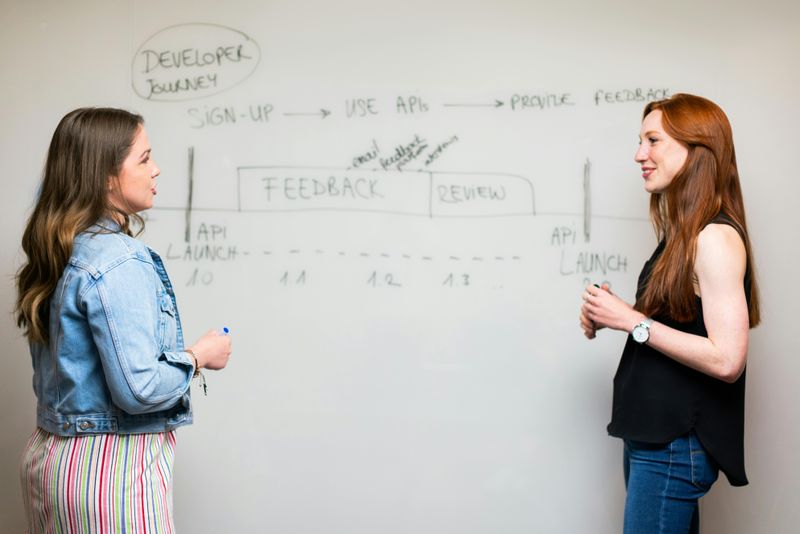
Offering an alternative thought with “Maybe we could also think about it this way” invites others to consider different possibilities. This phrase is a gentle way to introduce new ideas without dismissing the current perspective.
En los debates comunitarios, sugerir puntos de vista alternativos puede enriquecer la conversación y conducir a soluciones más globales. Implica que hay múltiples formas de enfocar un tema, fomentando la inclusividad.
Al presentar nuevas ideas como complementarias en lugar de opuestas, se fomenta un entorno de colaboración en el que se valoran todas las ideas. Este enfoque fomenta la creatividad y el entendimiento en los grupos.
21. “I see your point, and…”

The phrase “I see your point, and…” acknowledges the other person’s perspective while adding your own. This approach emphasizes collaboration and mutual respect, making it easier to discuss differing opinions.
In professional settings, this phrase can maintain a positive atmosphere and encourage open dialogue. It shows that you value the other person’s input, even if you have additional insights to offer.
Al combinar el reconocimiento con su perspectiva, reduce la actitud defensiva y fomenta un intercambio constructivo de ideas. Esta frase es esencial para mantener el respeto y la cooperación en los debates.
22. “Let’s take a moment to reconsider.”

The suggestion “Let’s take a moment to reconsider” provides a pause for reflection and thoughtful analysis. This phrase encourages a more deliberate approach to decision-making, allowing time for new insights to emerge.
En situaciones de liderazgo, este enfoque puede conducir a decisiones más informadas y equilibradas. Demuestra que valoras la reflexión en profundidad y que estás abierto a revisar las conclusiones iniciales.
Al fomentar la reconsideración, se crea un espacio para el crecimiento y la comprensión. Esta frase fomenta una cultura de reflexión y toma de decisiones meditada, esencial para un liderazgo eficaz.
23. “We might both learn from this.”

The phrase “We might both learn from this” positions the conversation as a shared learning experience. This approach emphasizes collaboration and mutual growth, making it easier to discuss differing opinions.
En entornos educativos o profesionales, esta frase puede fomentar el diálogo abierto y la exploración de nuevas ideas. Demuestra que valoras la oportunidad de aprender unos de otros, incluso cuando las perspectivas difieren.
Cuando enmarcas la discusión como una experiencia de aprendizaje mutuo, reduces la actitud defensiva y fomentas un intercambio constructivo de ideas. Esta frase fomenta una cultura de aprendizaje y colaboración continuos.
24. “Can we delve deeper into this topic?”

Inviting further exploration with “Can we delve deeper into this topic?” encourages thorough analysis and understanding. This phrase emphasizes a more comprehensive approach to discussion, seeking deeper insights.
En entornos educativos o analíticos, este enfoque puede dar lugar a conversaciones más enriquecedoras e informadas. Demuestra que valoras una comprensión profunda y que estás abierto a profundizar en el tema.
Al fomentar una exploración más profunda, se crea un entorno de colaboración en el que se da prioridad al aprendizaje y al crecimiento. Esta frase fomenta una cultura de curiosidad y pensamiento crítico.
25. “I think there’s more than one way to look at this.”

The phrase “I think there’s more than one way to look at this” encourages consideration of multiple perspectives. This approach promotes open-mindedness and exploration, essential for comprehensive understanding.
En contextos filosóficos o reflexivos, esta frase puede conducir a diálogos más inclusivos y diversos. Sugiere que la perspectiva actual puede no ser la única o la completa, invitando a los demás a pensar más allá de sus suposiciones iniciales.
Cuando se tienen en cuenta otras perspectivas, se fomenta una cultura de exploración y aprendizaje". Esta frase es una poderosa herramienta para fomentar el pensamiento crítico y la colaboración, esenciales en cualquier entorno de grupo.
26. “Could we broaden our view?”

The question “Could we broaden our view?” invites participants to consider a wider range of perspectives and possibilities. This approach encourages inclusivity and open-mindedness, promoting a more thorough understanding of the topic.
En entornos colaborativos o estratégicos, esta frase puede conducir a soluciones y decisiones más globales. Implica que puede haber más cosas que considerar, lo que fomenta un examen más amplio del tema.
Al sugerir una visión más amplia, crea oportunidades para la innovación y el crecimiento. Esta frase fomenta una cultura de inclusión y exploración, esencial para un trabajo en equipo y una toma de decisiones eficaces.
27. “Let’s see if there’s another viewpoint.”

The phrase “Let’s see if there’s another viewpoint” opens the door to diverse perspectives and ideas. This approach encourages exploration and understanding, essential for meaningful discussions.
En contextos informales o formales, esta frase puede dar lugar a diálogos más ricos e inclusivos. Sugiere que la comprensión actual puede ser limitada, invitando a los demás a compartir sus ideas.
Explore otros puntos de vista y fomente una cultura de curiosidad y aprendizaje. Esta frase es una valiosa herramienta para fomentar la apertura mental y la colaboración, mejorando la calidad de los debates y las relaciones.
28. “It’s an intriguing idea – how do you feel about this perspective?”

This phrase allows you to validate the other person’s idea while introducing an alternative viewpoint. It keeps the conversation open and collaborative, showing that you respect their thoughts and are equally invested in finding the best solution.
In problem-solving discussions, this can be a gentle way to suggest reconsidering an approach without directly challenging it. The use of “how do you feel” fosters dialogue and curiosity, leading to a constructive exchange of ideas.
Enmarcando su aportación como una adición y no como una corrección, crea un espacio para el aprendizaje mutuo y la exploración reflexiva del tema.
29. “That’s one way to see it – could another approach also work?”

This phrase acknowledges the validity of the other person’s perspective while gently suggesting there might be alternative solutions. It’s a respectful way to encourage open-mindedness and exploration without diminishing their contribution.
En los debates de equipo o en las sesiones de lluvia de ideas, esto puede inspirar creatividad e innovación al incitar a los demás a pensar más allá de sus suposiciones iniciales. Demuestra la voluntad de colaborar y explorar todas las posibilidades.
Al proponer alternativas de forma no conflictiva, se fomenta un entorno en el que se aceptan ideas diversas, lo que en última instancia conduce a resultados más sólidos.
30. “I hadn’t looked at it that way before.”

Acknowledging another person’s perspective can open the door to more meaningful discussions. Using this phrase shows you value their input and are willing to consider it. It also subtly implies that you have a different perspective without directly opposing theirs.
This approach can gently guide the conversation toward a more balanced view, encouraging both parties to share their thoughts openly. It’s a way of bridging gaps, making it easier to express your own opinion later in the discussion.
By creating an environment of mutual respect, this phrase fosters a collaborative atmosphere where both parties can learn and grow from each other’s insights.
31. “That’s an interesting viewpoint, what led you to that conclusion?”

Expressing interest in someone’s reasoning can pave the way for a deeper understanding. This phrase shows respect for their thought process and opens up dialogue, allowing you to gain insights into their perspective.
Anima a la otra persona a explicar sus puntos de vista, lo que puede revelar puntos en común o poner de relieve aspectos que requieren un debate más profundo. Al intentar comprender de verdad, creas un espacio para una conversación honesta y constructiva.
Esta expresión no sólo desactiva la posible actitud defensiva, sino que también crea una buena relación, fomentando una interacción más atractiva y respetuosa.
32. “Let’s examine the evidence together.”

Sugerir una revisión conjunta de los hechos puede ser una forma neutral de abordar las diferencias. Esta frase enfatiza un enfoque colaborativo, destacando que valoras los hechos por encima de las opiniones.
Al centrarse en las pruebas, se aleja el debate de los prejuicios personales y se orienta hacia un análisis objetivo. Este método puede llevar a una comprensión y resolución más claras de los puntos de vista divergentes.
Colaborar de esta manera no sólo refuerza las relaciones, sino que también fomenta una evaluación justa de la situación, allanando el camino para un acuerdo mutuo.
33. “Could we rethink this together?”

In a world where collaboration often holds the key to success, inviting someone to rethink a topic together can be a powerful approach. This phrase not only opens the floor for dialogue but also emphasizes the value of joint effort.
It subtly acknowledges the possibility of alternate viewpoints, fostering a sense of teamwork.The invitation to rethink doesn’t dismiss the other person’s idea outright.
Instead, it encourages a revisiting of the subject from different angles. By doing so, it nurtures a culture of mutual respect and continuous learning, essential for personal and professional growth.
34. “Let’s revisit that point.”

Sometimes, it’s beneficial to take a step back and revisit a point previously discussed. This phrase serves as a gentle reminder that the conversation is an ongoing process.
It conveys the message that conclusions might need reevaluation as new information or perspectives emerge. The act of revisiting doesn’t imply past errors.
Instead, it promotes a culture of open-mindedness and adaptability. By suggesting to revisit a point, you demonstrate the willingness to engage in constructive dialogue. It becomes a shared journey toward understanding, allowing for growth and innovation.
35. “Let’s expand on that idea.”

Innovation often springs from the willingness to expand on existing ideas. By suggesting to expand on an idea, you open doors to creativity and exploration.
This phrase underscores the importance of building upon foundations rather than tearing them down. The intention is to unlock potential by delving deeper into a concept.
It invites others to contribute their thoughts and enhances collective wisdom. Such an approach fosters an environment where creativity thrives, and every voice is valued. Turning disagreement into an opportunity for growth can lead to groundbreaking outcomes.
36. “What are your thoughts on…?”

When faced with differing opinions, asking “What are your thoughts on…?” opens a dialogue. This phrase encourages others to share their perspectives, promoting understanding. Instead of bluntly stating disagreement, it invites collaboration, making the conversation a joint exploration.
The softness of this question helps maintain a positive tone, preventing defensiveness. By valuing their input, you create a space for mutual respect. This tactic is particularly useful in team settings where diverse viewpoints enrich the outcome.
Engaging others with this phrase often reveals hidden insights, fostering a constructive exchange rather than a confrontational debate.
37. “How might this approach impact…?”

Asking “How might this approach impact…?” invites reflection on potential outcomes. This phrase encourages critical thinking without implying someone is wrong. It nudges individuals to consider broader implications, fostering a deeper understanding of the issue.
This question is gentle, yet powerful. It subtly shifts focus from disagreement to exploration, allowing ideas to evolve naturally. By posing this question, you enable others to rethink their positions without feeling attacked.
Such inquiries can transform discussions into a learning opportunity, promoting a culture of growth and innovation within any group or organization.