
30 frases que un psicólogo infantil ruega a padres y abuelos que dejen de decir
As a parent or grandparent, the words you choose matter more than you might think. Some phrases—often said with good intentions—can quietly chip away at a child’s confidence o hacerles sentir incomprendidos.
It’s not about being perfect; it’s about being more aware of how language shapes how kids see themselves and the world around them. By cambiar nuestra forma de hablar, aunque sólo sea un poco, podemos crear vínculos más fuertes y ayudar a los niños a sentirse seguros, apoyados y realmente escuchados.
La forma en que hablamos a los niños se convierte en la voz que llevan dentro. Elegir nuestras palabras con cuidado ayuda a criar niños emocionalmente resistentes que saben que sus sentimientos importan.
1. You’re fine. Stop crying.

When a child is crying, telling them “You’re fine. Stop crying” might seem like a quick fix, but it often invalidates their emotions. Imagine a moment when you felt overwhelmed, and someone dismissed your feelings. It stings, doesn’t it?
Children need to know their emotions are real and important. When our little ones are upset, it’s more helpful to acknowledge their feelings. Try saying, “I can see you’re upset. Want to talk about it?” This approach fosters emotional awareness and helps them feel understood.
Validating a child’s feelings doesn’t mean indulging them but simply recognizing their emotions as genuine. By offering support, you teach them that it’s okay to express emotions, setting a foundation for emotional intelligence and resilience.
2. Big boys/girls don’t cry.
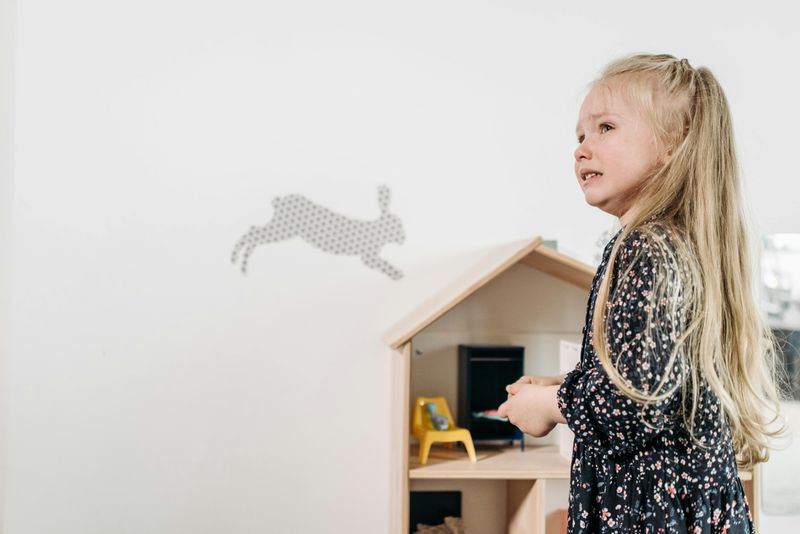
The phrase “Big boys/girls don’t cry” can unintentionally teach children to hide their feelings. This message often sticks, creating adults who struggle with emotional expression. Instead of reinforcing stoicism, encourage open communication.
Next time your little one tears up, try saying, “It’s okay to feel sad. I’m here for you.” It is one of those métodos suaves de crianza que realmente funciona. Esto no sólo valida sus sentimientos, sino que también fomenta la transparencia emocional. Los niños, como los adultos, necesitan procesar sus emociones sin miedo a ser juzgados.
Al ofrecerles un espacio seguro para llorar y expresar su vulnerabilidad, cultivamos un entorno enriquecedor en el que se sienten aceptados y escuchados. Recuerda que las lágrimas no son un signo de debilidad, sino una respuesta natural a las emociones que experimentamos todos los seres humanos.
3. Porque yo lo digo.

The phrase “Because I said so” effectively shuts down any opportunity for dialogue or understanding. It curbs a child’s natural curiosity and makes them feel their questions are unwelcome. Instead, try explaining the reasoning behind your decisions.
Saying, “Let’s talk about why this is important,” invites discussion and opens the door to learning. Children, like adults, are more likely to cooperate when they understand the “why” behind actions. Engaging them in conversation respects their intelligence and fosters critical thinking.
When kids learn the reasons behind rules, they develop a better sense of responsibility and decision-making skills. Encourage those questions; they’re a gateway to growth and understanding.
4. You’re being dramatic.

Telling a child “You’re being dramatic” can make them feel their feelings aren’t valid. It’s like telling them their perspective is flawed. Instead, try to understand their experience. Saying, “I see this is really big for you” acknowledges their feelings without judgement.
Los niños suelen experimentar emociones con gran intensidad, y calificarlas de dramáticas puede resultar despectivo. Al tratar sus sentimientos con sinceridad y paciencia, les ayudamos a confiar en sus emociones y a tomar conciencia de sí mismos.
It’s crucial to create a space where children feel safe to express themselves without the fear of being labeled. This nurtures emotional intelligence and helps them learn to navigate their feelings in a healthy way.
5. Deja de comportarte como un bebé.

Saying “Stop acting like a baby” can shame a child, especially during vulnerable moments. Instead of mocking their behavior, meet them with empathy. Kids regress to earlier behaviors when stressed or tired. Instead of criticism, offer support by saying, “I see you’re upset. How can I help?”
Se trata de un tipo de prácticas de crianza que harán felices a los niños as it acknowledges their struggle without belittling them. It’s important to remember that every child is a work in progress, learning and growing each day.
Al dar una respuesta compasiva, les enseñamos que la vulnerabilidad forma parte del ser humano y que buscar ayuda es una fortaleza, no una debilidad. Este tipo de apoyo alimenta la confianza y fomenta el crecimiento emocional.
6. I’m going to leave you here.
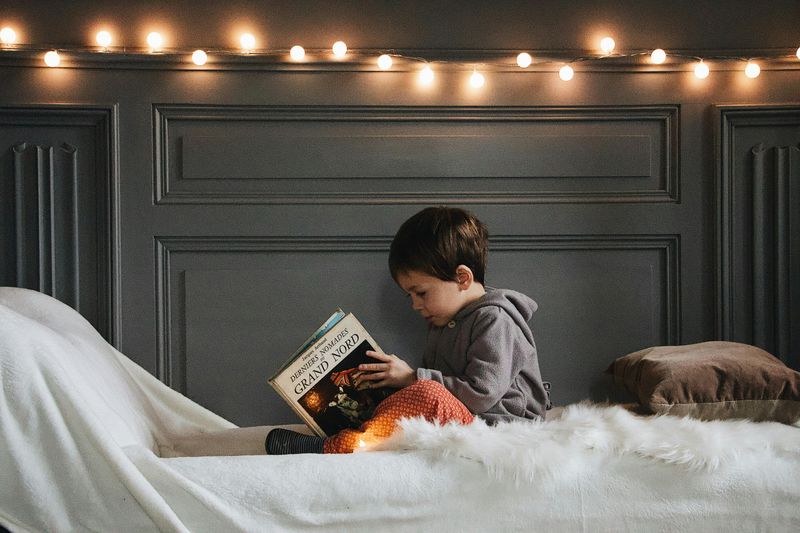
The threat “I’m going to leave you here” can trigger deep-seated anxiety in children. Fear of abandonment is real and telling a child you’ll leave them can create lasting emotional scars. Instead, use positive reinforcement to encourage cooperation. Try, “Let’s find a way to do this together.”
This approach shifts the focus from fear to collaboration. Building trust with children requires consistency and reassurance. When they feel secure, they’re more likely to respond positively to guidance.
Little ones flourish in environments where they know they’re safe and their caregivers are dependable. Offering reassurance instead of threats fosters a bond of trust and security that’s crucial for healthy emotional development.
7. Espera a que tu padre/madre llegue a casa.
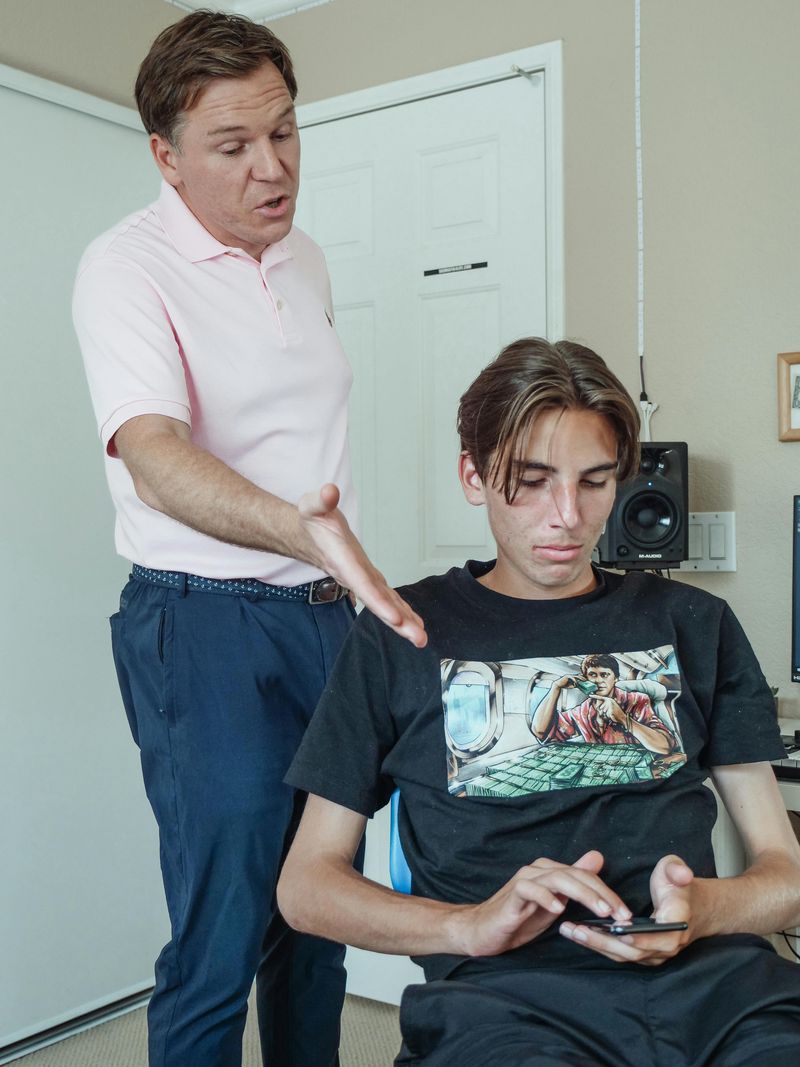
“Wait until your father/mother gets home” shifts the burden of discipline to the other parent and creates fear or resentment. Rather than outsourcing discipline, address the behavior in the moment. Saying, “Let’s talk about what happened” provides an opportunity for immediate learning.
Los niños necesitan entender las consecuencias de sus actos en tiempo real. Retrasar la disciplina transmite el mensaje de que el progenitor actual es incapaz de manejar la situación. Abordar el problema con paciencia y comprensión enseña responsabilidad y respeto.
This also helps maintain a balanced view of both parents as nurturing figures, rather than one being the “bad cop.” Effective communication is key to constructive discipline.
8. You’re just like your [negative relative].
![Eres igual que tu [pariente negativo].](https://herway.net/wp-content/uploads/2025/03/Wait-until-your-fathermother-gets-home.jpg)
Saying “You’re just like your [negative relative]” can severely impact a child’s self-esteem and identity. Comparisons can stick, becoming self-fulfilling prophecies. Instead, focus on the behavior, not the person. This habit will help you criar niños seguros de sí mismos.
Try, “I notice you’re upset. Let’s talk about it,” and address the specific issue. Such saying encourages self-reflection and growth. Children are individuals, and labeling them based on relatives can create confusion and resentment.
Al evitar las comparaciones negativas, se fomenta un sentido positivo de uno mismo y se enseña a los niños que tienen el poder de cambiar sus acciones. Centrarse en el comportamiento en lugar de en la identidad les ayuda a entender que, aunque las acciones pueden corregirse, su valor inherente permanece inalterable.
9. Why can’t you be more like your sibling?
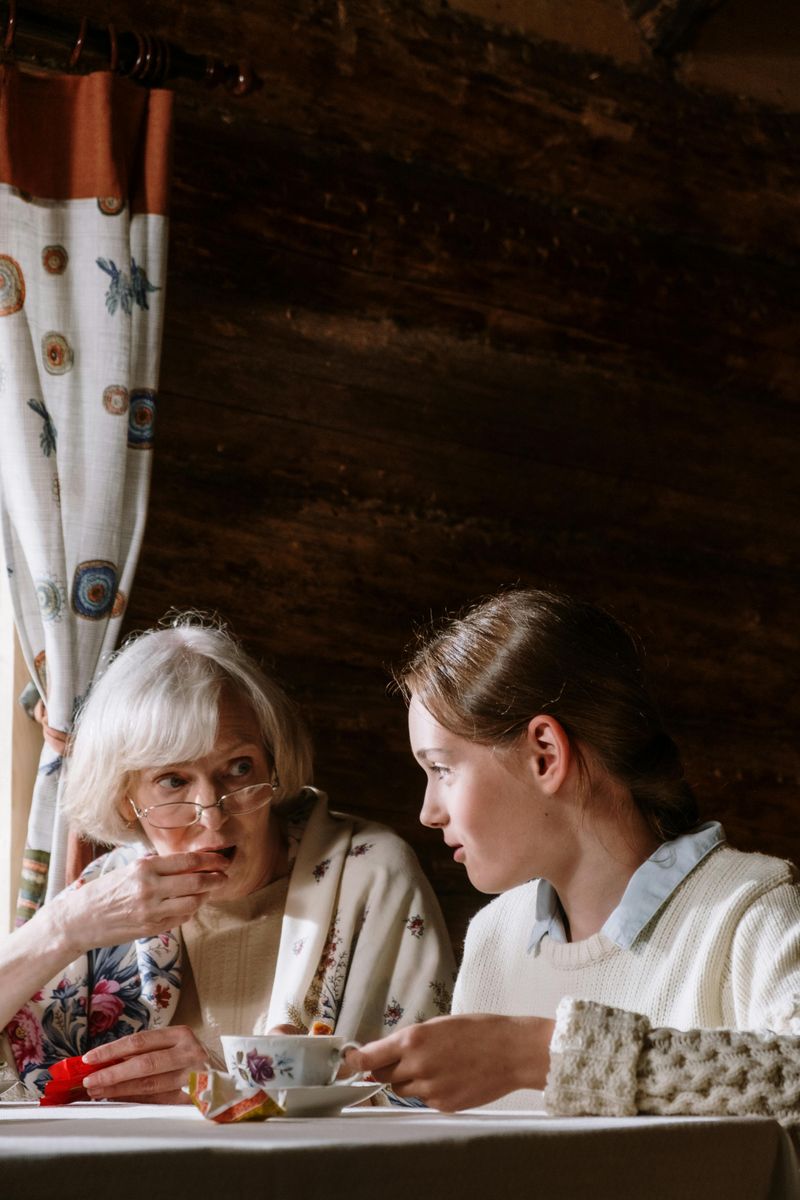
“Why can’t you be more like your sibling?” fosters sibling rivalry and diminishes self-worth. Each child is unique and comparing them breeds resentment. Instead, celebrate their individual strengths. Saying, “You both have wonderful qualities,” encourages appreciation for diversity.
Los más pequeños prosperan cuando se reconoce y fomenta su singularidad. Al centrarse en sus puntos fuertes, se contribuye a fomentar la confianza y el respeto mutuo entre hermanos. Destacar los logros individuales fomenta un sentimiento de valor y pertenencia.
It’s essential to foster a home environment where differences are celebrated and each child’s individuality is recognized. This approach not only strengthens family bonds but also builds a positive self-image in each child.
10. That’s not a big deal.

Saying “That’s not a big deal” can make a child feel their issues are insignificant. When a child shares a problem, it’s big to them and dismissing it can make them feel unseen. Instead, offer empathy by saying, “I hear you. How can I help?” This approach ensures the child feels valued and understood.
Los niños necesitan saber que sus sentimientos y experiencias son importantes. Escuchar con empatía valida sus emociones y fomenta una comunicación abierta.
Providing a safe space to express concerns builds trust and helps them navigate future challenges with confidence. By showing you care, you teach them that it’s okay to reach out for support when needed.
11. You always/never…

Using absolutes like “You always/never…” can create shame and defensiveness. It pins a child to a fixed identity, which is not only inaccurate but also discouraging. Instead of doing this, try focusing on some métodos de crianza de la vieja escuela that work. Simply saying “let’s work on it together” invites collaboration and growth.
Los niños evolucionan constantemente, y las afirmaciones absolutas obstaculizan su potencial de cambio. Abordar situaciones concretas en lugar de generalizar les ayuda a comprender lo que necesitan mejorar sin sentirse atacados.
Al abordar los problemas con una mentalidad abierta y un lenguaje de apoyo, se fomenta un entorno de aprendizaje en el que los errores se consideran oportunidades de crecimiento, no fracasos. Esto fomenta el desarrollo personal y genera confianza.
12. You’re so sensitive.

Telling a child “You’re so sensitive” can discourage them from expressing emotions, fostering self-doubt. When it comes to boys, it can result in raising men who are avoiding traits perceived as ‘feminine,’ instead of teaching them how to be good men. Don’t label them, rather say, “I see you’re feeling deeply about this.”
Esto fomenta la autoconciencia y la aceptación. La sensibilidad es un punto fuerte, no un defecto, y debe fomentarse. Reconocer sus sentimientos y fomentar un debate abierto ayuda a los niños a comprenderse mejor a sí mismos. Les enseña a aceptar sus emociones como parte de su personalidad única.
Promoting emotional intelligence involves recognizing and valuing different emotional responses. When children see sensitivity as a positive trait, they grow into empathetic, understanding adults. Encouraging emotional expression builds confidence and resilience in navigating life’s challenges.
13. I’ll give you something to cry about.

The phrase “I’ll give you something to cry about” uses fear to control, damaging trust. It implies that expressing emotions will lead to punishment. Instead, approach with empathy: “Let’s talk about what’s making you upset.” This fosters a safe space for emotional expression.
Los niños aprenden a confiar en sus cuidadores cuando se sienten escuchados y apoyados. Las amenazas socavan esta confianza y les enseñan a ocultar sus emociones. La comunicación constructiva les ayuda a procesar los sentimientos de forma saludable.
By offering understanding rather than fear, you build a relationship based on trust and respect. Encouraging open dialogue about emotions helps children develop emotional intelligence and resilience. It’s crucial for them to know that their emotions are valid and can be expressed safely.
14. You’re making me sad/angry.

Telling a child “You’re making me sad/angry” places emotional responsibility on them, fostering guilt. Instead, own your feelings by saying, “I feel upset when this happens.” This models healthy emotional boundaries and teaches them that while actions have impacts, emotions are personal.
Nuestros pequeños están aprendiendo a navegar por sus emociones y relaciones. Culparles de sus sentimientos puede confundirles. Si expresas tus emociones con claridad, demuestras cómo manejar los sentimientos de forma responsable.
Esto les ayuda a comprender que, aunque las acciones afectan a los demás, cada uno es responsable de sus propias emociones. Enseñar a los niños a ser dueños de sus emociones es vital para desarrollar relaciones sanas y la responsabilidad personal. Permite a los niños expresar sus sentimientos sin temor a la culpa.
15. You don’t really feel that way.
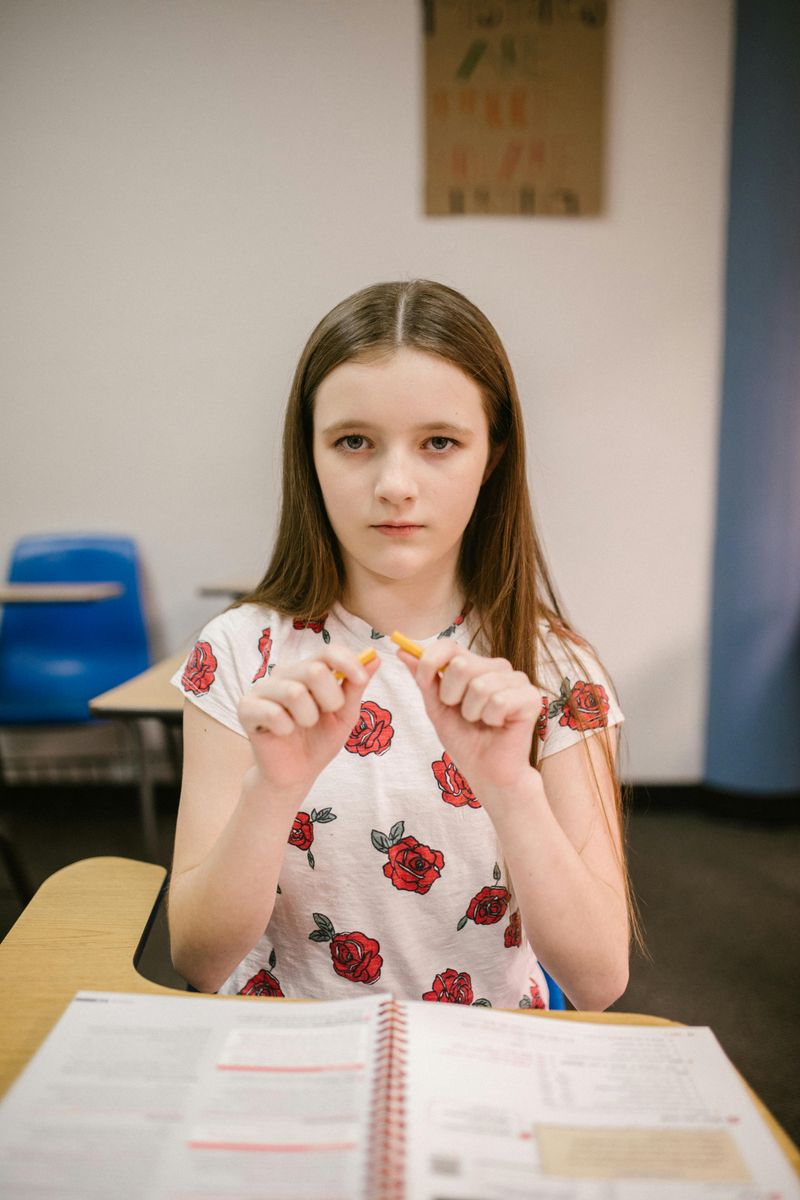
Nadie quiere decirlo, pero ciertas expresiones pueden dar lugar a los padres crean perdedores, aunque sea sin saberlo. Telling a child “You don’t really feel that way” can confuse them about their emotions. Instead, validate their feelings by saying, “I see you’re feeling this way. Let’s talk about it.”
Esto fomenta la expresión honesta y les ayuda a procesar las emociones. Los niños necesitan orientación para comprender su paisaje emocional. Reconocer sus sentimientos refuerza su autoconciencia y su confianza. Rechazar sus emociones puede llevarles a dudar de sí mismos y a desconfiar de sus instintos.
Supportive communication fosters a safe environment where children feel free to express and explore their feelings without fear of judgment. This approach builds emotional intelligence and resilience, equipping them to handle life’s challenges with confidence and empathy.
16. You’re embarrassing me.

Telling a child “You’re embarrassing me” can fuel feelings of shame and inadequacy. Instead of focusing on your own embarrassment, address the behavior with empathy. Try saying, “Let’s talk about how we can handle this differently.” This shifts the focus from shame to learning.
Los pequeños suelen actuar impulsivamente y necesitan orientación sobre el comportamiento adecuado. Abordar sus acciones con comprensión fomenta un entorno seguro para el crecimiento. Avergonzarles públicamente puede dañar su autoestima y su confianza.
By guiding them through their mistakes with patience, you help them develop social awareness and self-control. It’s important to separate the behavior from their identity, reinforcing that while actions can be corrected, their worth remains intact.
17. You better behave or else…
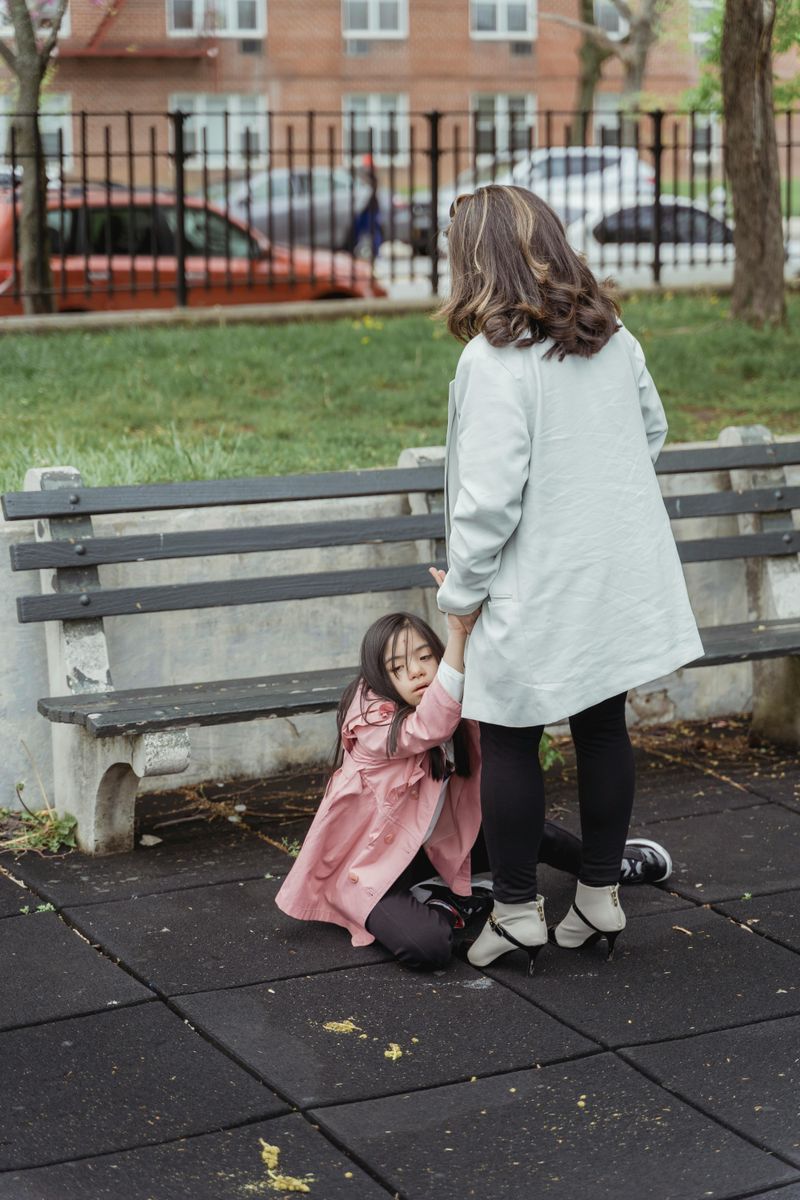
Vague threats like “You better behave or else…” create anxiety without teaching. Instead, set clear expectations by saying, “Here’s what will happen if we don’t behave appropriately.” This clarity provides a predictable structure and fosters a sense of security.
Nuestros pequeños prosperan en entornos en los que comprenden las consecuencias de sus actos. Cuando las expectativas son claras, pueden tomar decisiones informadas sobre su comportamiento. Utilizar un lenguaje específico y coherente les ayuda a aprender a ser responsables.
Sustituir las amenazas vagas por una comunicación clara genera confianza y reduce la ansiedad. Este enfoque fomenta la cooperación y capacita a los niños para tomar decisiones positivas, reforzando la importancia de comprender y respetar los límites.
18. Deja de ser tan vago.
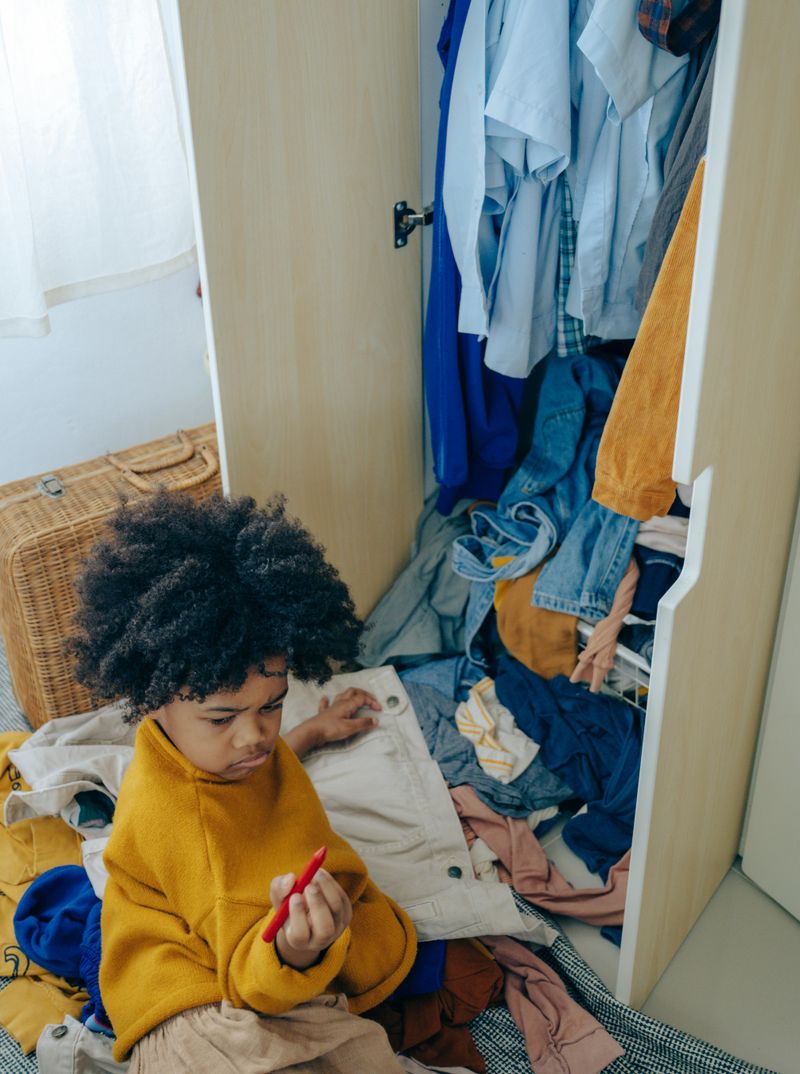
Labeling a child as “lazy” can discourage effort and hinder development. Instead, try to understand the root cause by saying, “I notice you’re having trouble getting started. How can I help?” This fosters motivation and problem-solving.
A menudo, lo que parece pereza puede ser un signo de problemas subyacentes como la falta de confianza o de comprensión. Si abordas la situación con empatía, fomentarás una mentalidad de crecimiento y les ayudarás a superar los obstáculos.
Ofrecerles apoyo y orientación demuestra que crees en su potencial y que estás ahí para ayudarles a tener éxito. Este refuerzo positivo refuerza la autoestima y fomenta la perseverancia, creando una base para el aprendizaje y los logros a lo largo de toda la vida.
19. That’s a boy/girl thing.

Saying “That’s a boy/girl thing” reinforces gender stereotypes and limits a child’s potential. It can contribute to creating a boys-will-be-boys culture that feminist parenting won’t be able to fix. Instead, support their interests by saying, “You’re free to enjoy what you love.”
Esto fomenta la exploración sin las limitaciones de las normas sociales. Los jóvenes deben sentirse capacitados para expresarse y perseguir los intereses que realmente les interesan. Al derribar las barreras de género, se fomenta un entorno de aceptación e inclusión.
Encouraging children to explore a wide range of activities helps them build confidence and discover their unique talents. It’s important to challenge stereotypes and promote individuality, ensuring that children grow up knowing they are valued for who they are, not confined by traditional roles.
20. You’ll never amount to anything.

Saying “You’ll never amount to anything” can leave deep psychological scars. Instead, offer encouragement: “Keep trying, you’re making progress!” This nurtures a growth mindset and resilience. Kids are in a constant state of learning, and setbacks are part of their journey.
By focusing on effort and progress, you build confidence and motivation. Encouragement during challenges teaches them to persevere and believe in their abilities. Positive reinforcement helps shape a child’s self-perception and future aspirations.
It’s crucial to foster an environment where they feel valued and capable, regardless of failures. By replacing negativity with support, you empower children to strive for their goals and realize their potential.
21. You’re too old for that.

Telling a child “You’re too old for that” can stifle imagination and creativity. Instead, encourage play by saying, “Enjoy what makes you happy.” This supports emotional growth and stress relief. Imaginative play is crucial at any age, helping children process experiences and express emotions.
By allowing them the freedom to play, you nurture cognitive and emotional development. It’s important to remember that play is a vital part of learning and not just for younger children.
Encouraging creative expression fosters problem-solving skills and adaptability. Supporting a child’s right to explore their interests without judgment helps them build confidence and independence, ensuring they grow into well-rounded individuals.
22. ¿Por qué eres siempre tan difícil?

Labeling a child as “difficult” can create a fixed mindset that stifles growth. Instead, try to understand their perspective by saying, “Let’s figure this out together.” This approach encourages collaboration and problem-solving. Young ones often act out when they feel misunderstood or overwhelmed.
Al intentar comprender sus sentimientos, creas un entorno en el que se sienten valorados y respetados. Las etiquetas pueden ser limitantes y hacer que los niños interioricen creencias negativas sobre sí mismos. Al abordar comportamientos específicos en lugar de generalizar, les das la posibilidad de cambiar y crecer.
Esto fomenta una imagen positiva de sí mismos y les anima a desarrollar la inteligencia emocional. Ofrecer apoyo y comprensión fomenta la resiliencia y la adaptabilidad para afrontar los retos.
23. You’re doing it wrong. Let me do it.
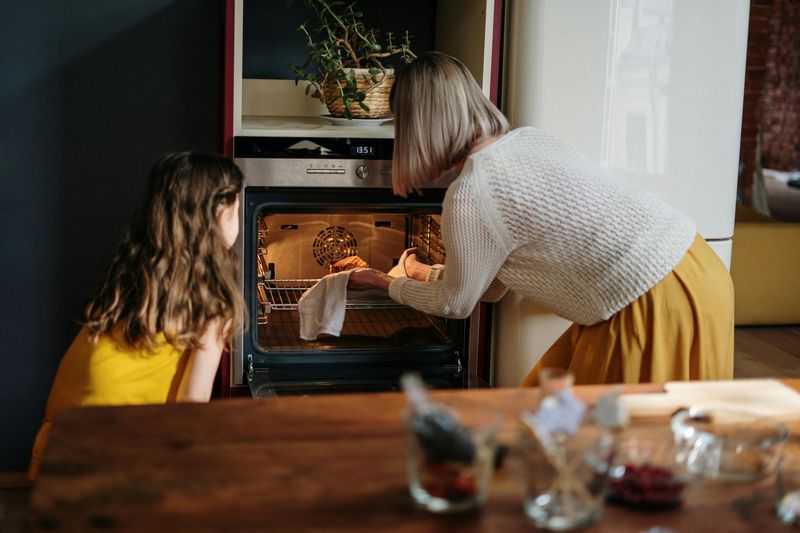
Interjecting with “You’re doing it wrong. Let me do it” undermines a child’s confidence and independence. Instead, encourage them by saying, “Let’s try this together.” This supports learning and skill development. Youth learn best through experience and practice.
By allowing them to attempt tasks independently, you foster problem-solving and critical thinking. Offering guidance without taking over nurtures their ability to overcome challenges. It’s important to resist the urge to fix everything for them, as this teaches resilience and perseverance.
Apoyar la autonomía les da seguridad en sí mismos y les prepara para futuros retos. Apoyándoles y celebrando sus esfuerzos, les ayudas a desarrollar un fuerte sentimiento de competencia y autoestima.
24. ¡Deprisa!
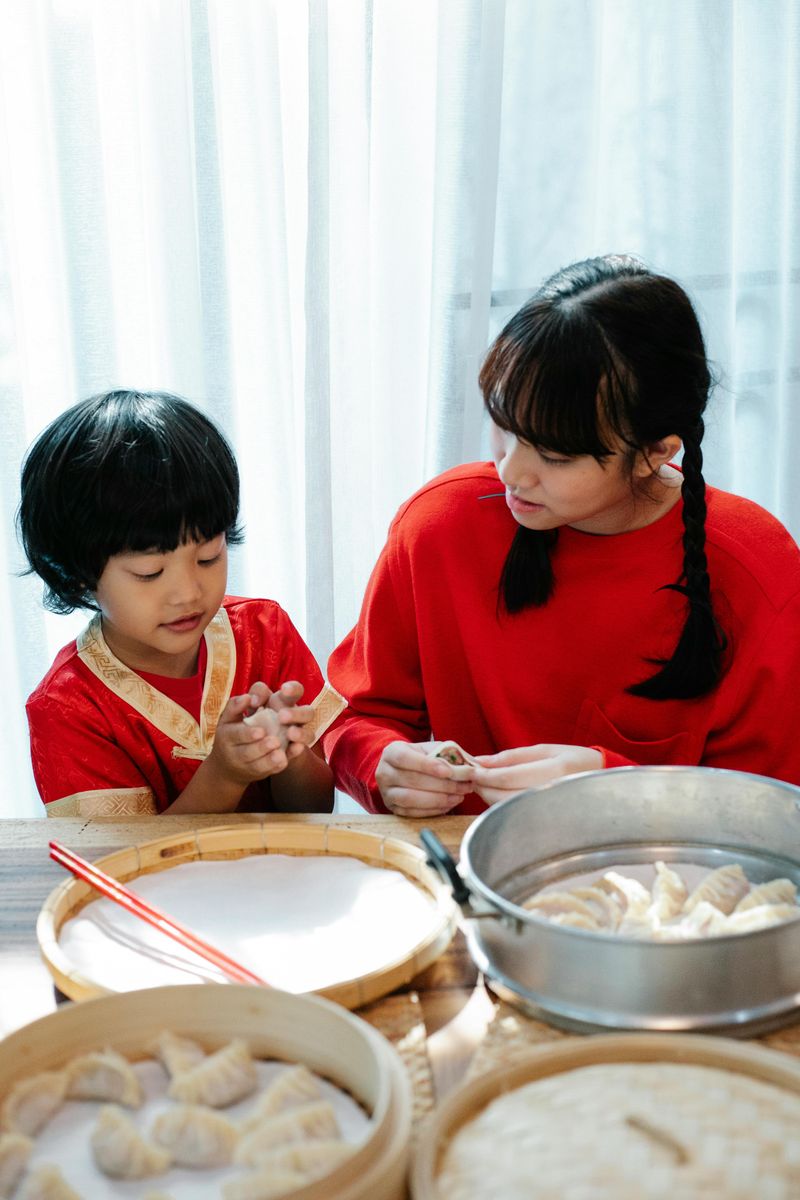
Constantly telling a child to “Hurry up!” can create anxiety and diminish their enjoyment of activities. Instead, try to match their pace by saying, “Take your time, we’re in no rush.” This approach encourages mindfulness and reduces stress.
Los niños experimentan el mundo de forma diferente y a menudo encuentran maravillas en detalles que los adultos pasan por alto. Apresurarles a vivir experiencias puede ahogar su curiosidad y su alegría. Si vas más despacio, les ayudarás a saborear los momentos y a apreciar mejor lo que les rodea.
Creating a relaxed pace fosters a love for learning and exploration. It’s crucial to create an environment where children feel their natural rhythms are respected, building patience and resilience in navigating life’s demands.
25. You’re too much.

Telling a child “You’re too much” is definitely not one of those cosas que los padres deberían enseñar a sus hijos. It can actually make them feel inherently flawed. Instead of dismissing their energy, channel it positively by saying, “I love your enthusiasm! Let’s find a fun way to use it.”
Esto fomenta la autoaceptación y la creatividad. Los jóvenes con mucha energía suelen necesitar salidas para expresarse. Al aceptar su entusiasmo por la vida, les ayudas a aprovechar sus puntos fuertes. Inspirar la expresión positiva fomenta la confianza y el autoconocimiento.
It’s important to recognize that what may seem overwhelming can be a sign of creativity and potential. Supporting their energy teaches them to value their unique traits and find constructive ways to use them. This fosters resilience and adaptability, empowering them to thrive in diverse environments.
26. Why can’t you just be normal?

Saying “Why can’t you just be normal?” undermines a child’s self-worth, especially for neurodivergent children. Instead, embrace their uniqueness by saying, “I love you just as you are.” This acceptance fosters a strong sense of identity and belonging.
Every child is unique, and diversity is something to be celebrated. By motivating them to be individual, you help them build confidence and self-esteem. Labels and comparisons can limit a child’s growth, but encouragement and acceptance allow them to embrace their true selves.
It’s essential to create a nurturing environment where differences are valued and all forms of “normal” are accepted. This fosters an inclusive community that appreciates diversity and promotes empathy and understanding.
27. Don’t be scared.

Telling a child “Don’t be scared” can invalidate real fear, causing them to suppress emotions. Instead, offer comfort by saying, “It’s okay to feel scared. I’m here with you.” This approach provides reassurance and security.
Fear is a natural emotion that everyone experiences, and acknowledging it helps children learn to navigate their feelings. By offering support, you teach them that it’s okay to express vulnerability and seek comfort. Creating a safe space for exploring emotions fosters resilience and emotional intelligence.
Los pequeños que se sienten comprendidos y apoyados tienen más probabilidades de afrontar los retos con confianza y aprender a gestionar sus miedos con eficacia. Fomentar el diálogo abierto sobre las emociones genera confianza y empatía.
28. We don’t talk about that.
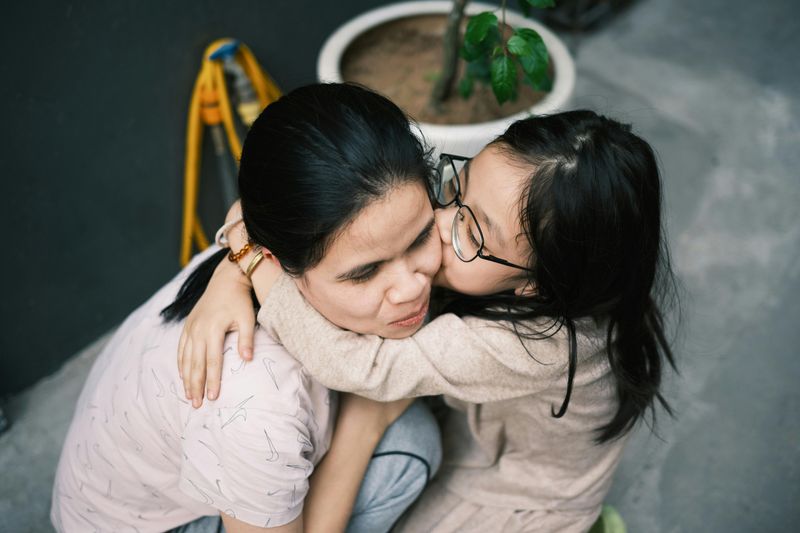
Saying “We don’t talk about that” teaches shame and secrecy around important topics. Instead, encourage openness by saying, “Let’s talk about it when you’re ready.” This approach builds trust and opens up channels for meaningful conversations.
Los más pequeños son curiosos por naturaleza y necesitan orientación sobre temas complejos. Fomentar un entorno abierto les ayuda a sentirse seguros para hacer preguntas y buscar respuestas. Hablar de temas delicados con cuidado y con un lenguaje apropiado para su edad fomenta la comprensión y reduce el estigma.
It’s essential to create a home where dialogue is encouraged, ensuring children know they can approach you with anything. This strengthens the parent-child bond and nurtures a foundation of trust and communication.
29. 29. Buen trabajo (cuando se utiliza en exceso o es impreciso).
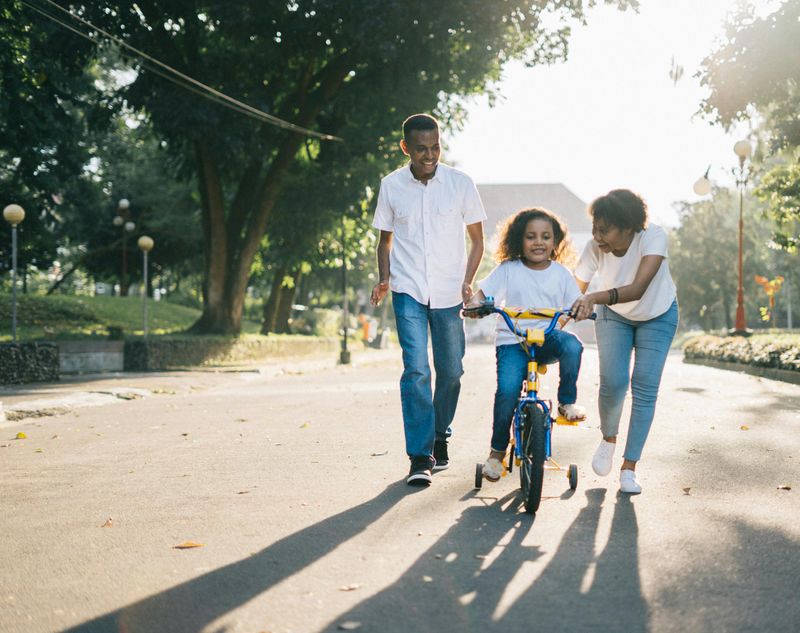
Overusing “Good job” can dilute its impact, making it lose meaning. Instead, offer specific praise by saying, “I love how you solved that problem by doing…” This boosts confidence and motivation. Kids thrive on encouragement, and detailed feedback helps them understand what they’re doing well.
Al centrarse en el esfuerzo y en logros concretos, fomenta una mentalidad de crecimiento y les inspira a seguir mejorando. Los elogios concretos y auténticos refuerzan el comportamiento positivo y fomentan la perseverancia.
It’s important to celebrate details and efforts, not just results. By providing meaningful feedback, you build self-esteem and resilience, helping children recognize their strengths and work towards their goals with enthusiasm.