32 Essential Life Skills People Under Age 40 No Longer Possess
Have you noticed how some life skills that were once second nature to our parents or grandparents seem like ancient history to many folks under 40? It’s not just you! Technological leaps, changing lifestyles, and cultural shifts have nudged these skills out of our daily lives.
Join me on a nostalgic stroll through life skills that have quietly slipped through the generational cracks. We’ll laugh, ponder, and maybe even question if these faded talents should make a comeback. Ready for a fun chat? Let’s go!
1. Cocinar desde cero
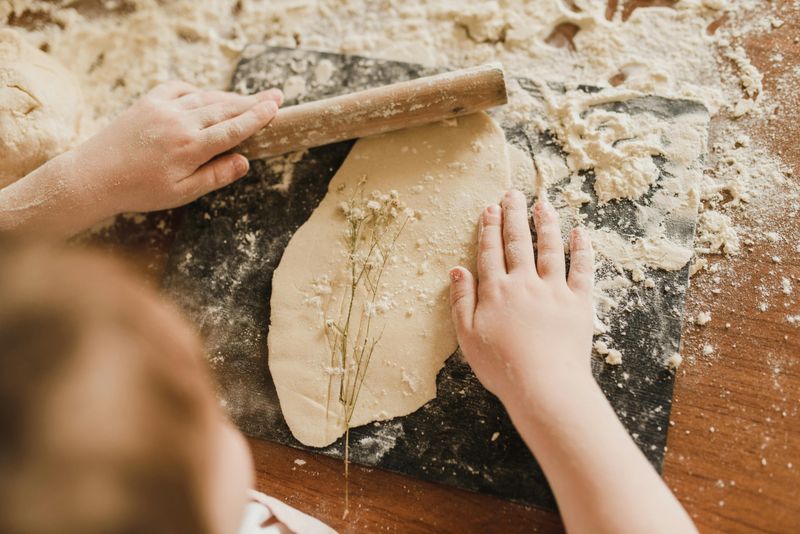
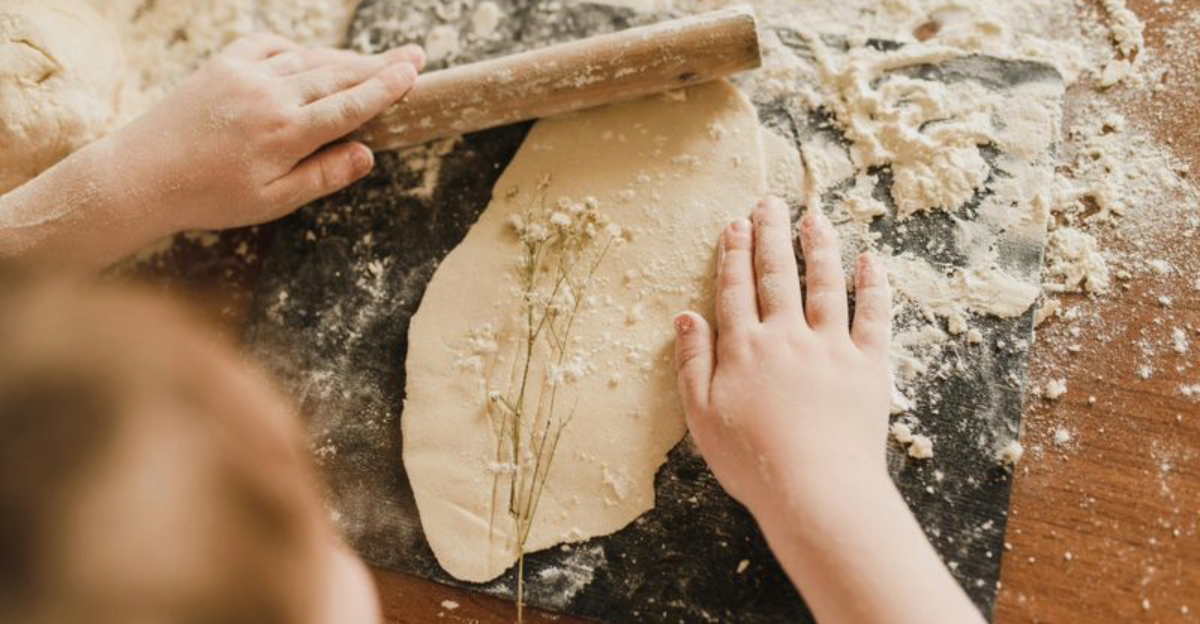
Remember when grandma used to whip up a pie from scratch, and it felt like magic? Well, for many under 40, cooking from scratch is a bit like deciphering an ancient script.
Convenience foods and meal delivery kits have made it so easy to skip the homemade route. It’s not that they can’t cook; it’s just that they haven’t needed to. Why knead dough when you can just scroll and click?
But there’s something so rewarding about knowing exactly what’s going into your food. Plus, it can be a great stress reliever! Imagine kneading dough after a long day at work—oh, the satisfaction! Not to mention, cooking from scratch can be healthier and way more fun than just heating up a frozen meal.
So, maybe it’s time to dust off that old family recipe book and give it a whirl? Who knows, you might just discover a new favorite hobby—or at least a newfound appreciation for those culinary conjurers of yesteryear.
2. Lectura de mapas

Once upon a time, before GPS, map reading was an essential skill. Now, it’s more of a novelty. Ask anyone under 40 to read a paper map, and you’ll likely get a bewildered look. Why? Because digital maps are just a tap away and always ready to recalibrate when we miss a turn.
However, there’s a unique charm and adventure in unfolding a map and plotting your own course. It somehow feels more personal and connected to the journey.
Also, what happens when you have no cell signal in the middle of nowhere? That’s when knowing how to interpret those squiggly lines and compass points comes in handy.
Perhaps it’s worth giving this lost art another shot. It could be a fun way to engage with the world around you, one road at a time. Plus, the stories you’ll gather along the way? Priceless!
3. Escritura a mano

In the digital age, typing has overshadowed the once-cherished skill of handwriting. For many under 40, cursive writing is as foreign as hieroglyphics. Sure, texting and typing are faster and more convenient, but have you ever received a handwritten note? It’s like a warm hug on a piece of paper.
The art of handwriting adds a personal touch that screens just can’t replicate. It’s an expression of individuality, a form of personal style. Plus, studies suggest that writing by hand can boost memory and creativity. Not too shabby for something that’s considered old school, right?
So, why not pick up a pen and give it a try? Your future self might just thank you for preserving a piece of history that’s uniquely yours.
4. Costura
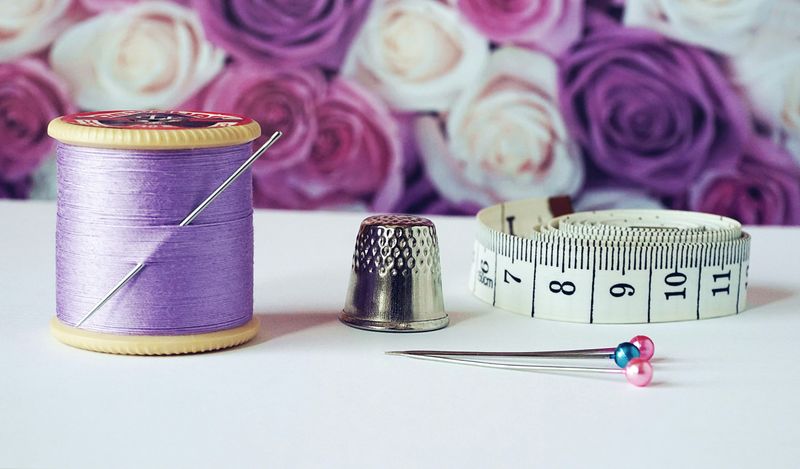
La costura se ha convertido en un arte perdido. Mientras que nuestros padres y abuelos podían arreglar una rotura o modificar un dobladillo en un santiamén, a muchos menores de 40 años les cuesta incluso enhebrar una aguja.
La culpa la tienen la moda rápida y el auge de la ropa asequible, que facilitan la sustitución en lugar de la reparación.
Yet, knowing how to sew can be incredibly empowering. It’s a sustainable practice that can save money and reduce waste. Plus, there’s something satisfying about fixing your own clothes or creating something unique from scratch.
If you’ve got a sewing kit gathering dust, maybe it’s time to dust it off and dive into a little DIY magic. Who knows, you might just stitch together not only fabric but also a fun and useful new hobby.
5. Reparaciones básicas del hogar

Remember when fixing a leaky faucet was a weekend project rather than an emergency call to a handyman? For many under 40, basic home repairs are uncharted territory. With the convenience of service apps and professionals just a phone call away, it’s easy to delegate these tasks.
But learning to handle minor repairs can be incredibly fulfilling and practical. It boosts confidence and saves money, not to mention the satisfaction of knowing you can keep your home shipshape. Plus, it’s a great way to impress friends and family!
Perhaps it’s time to grab a toolkit and start tinkering. Who knows, you might unlock a hidden talent—or at least, the secret to a drip-free sink!
6. Jardinería
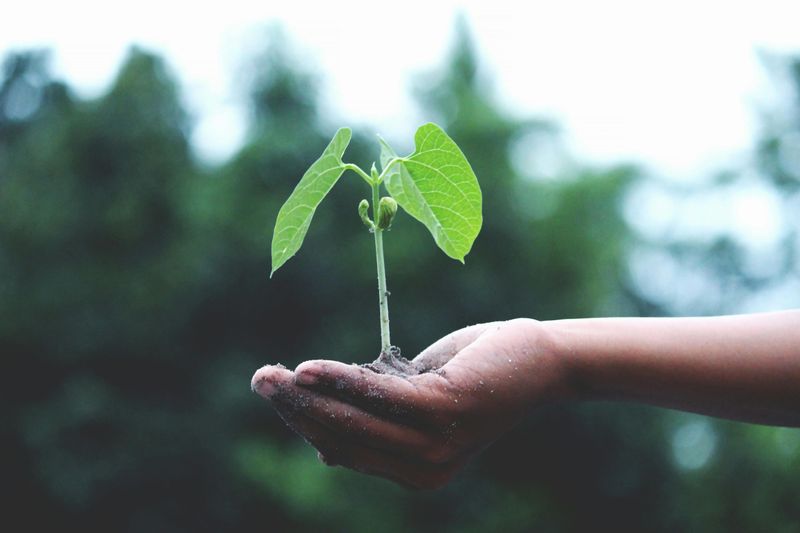
Gardening, once a common pastime, now feels like an exotic hobby for many under 40. With the hustle and bustle of city life and the convenience of supermarkets, growing your own food or flowers often takes a backseat. However, there’s something magical about cultivating life from the soil.
Gardening isn’t just about aesthetics; it’s therapeutic and rewarding. Imagine biting into a tomato you grew yourself—it’s a taste sensation that’s hard to beat. Plus, gardening can teach patience and responsibility, valuable lessons in today’s fast-paced world.
If you’ve got a patch of earth or even a few pots on a balcony, why not give it a try? You might find the green thumb you never knew you had.
7. Fotografía analógica
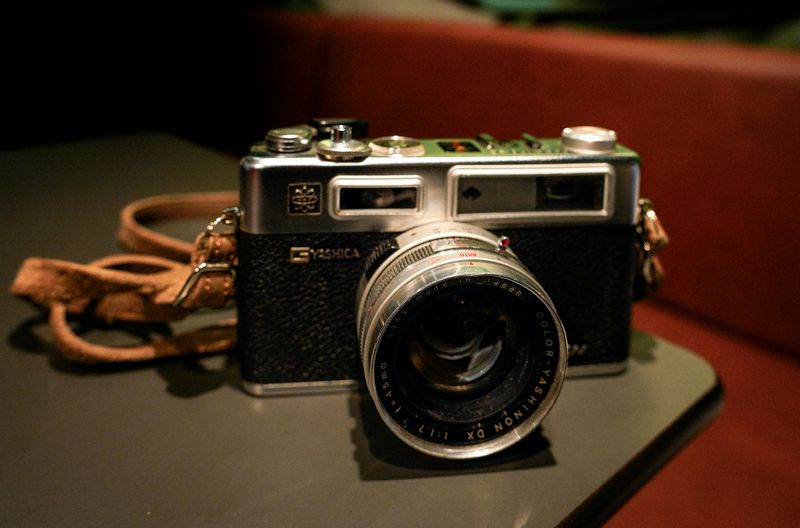
In an era of instant photos and digital filters, analog photography feels like a relic from another time. Yet, for those who grew up with film cameras, there’s a unique charm in capturing moments without a delete button. Many under 40 have never experienced the anticipation of waiting for film to develop.
Analog photography teaches patience and careful consideration with each shot. It’s an art form that requires understanding light, composition, and timing. Plus, the tangible quality of printed photos evokes a nostalgia that digital images simply can’t replicate.
If you stumble upon an old camera, why not take it for a spin? You might just fall in love with the art of slowing down and capturing life’s beauty, one frame at a time.
8. Escritura cursiva
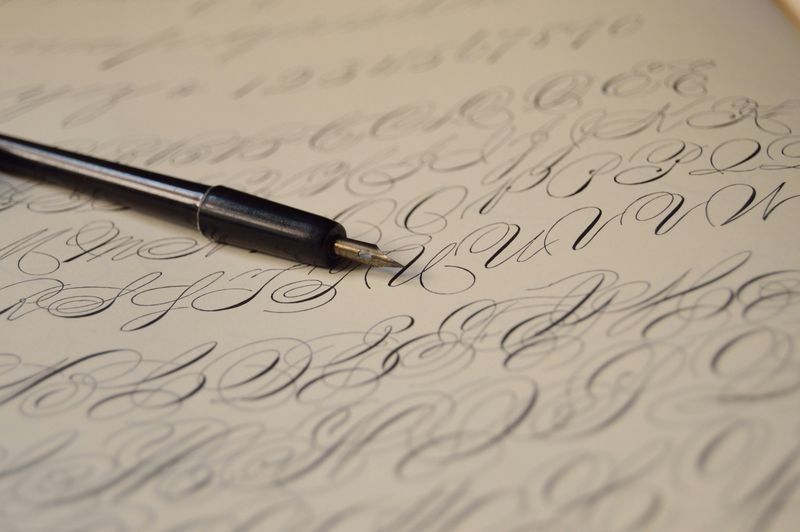
Once a hallmark of education, cursive writing has slipped out of the curriculum in many schools. For those under 40, signing a name might be the only cursive skill left. Yet, there’s something beautiful about the flow of cursive letters that print just can’t match.
Cursive writing is more than just a method of communication; it’s an art form that connects us to the past. It enhances fine motor skills and can even improve mental acuity. Plus, it adds a personal touch to written correspondence that a typed message lacks.
¿Por qué no te tomas un momento para reconectar con esta elegante habilidad? Puede que añada un toque de gracia a su escritura diaria.
9. Carpintería

Woodworking was once a common skill, especially among those who preferred making over buying. Today, with mass-produced furniture and home décor, many under 40 have never handled a saw or a chisel. Yet, crafting something with your hands can be incredibly satisfying.
Woodworking teaches patience, precision, and creativity. It’s not just about building; it’s about problem-solving and bringing ideas to life. Plus, the personal touch of handmade items adds a unique charm to any space.
Si le intriga la idea de crear algo con madera, ¿por qué no lo intenta? Puede que descubra una afición gratificante que, además, le proporcionará creaciones bellas y funcionales para su hogar.
10. Pesca

Fishing, once a popular pastime, now seems like a quaint activity from a bygone era. With busy schedules and urban living, many under 40 have never experienced the thrill of catching their own meal. Yet, fishing offers more than just fish—it provides tranquility and a connection to nature.
Casting a line requires patience and skill, but the rewards are numerous. It’s a moment to unplug from the chaos of modern life and enjoy the peacefulness of the outdoors. Plus, there’s the satisfaction of cooking and enjoying a fresh catch.
If you’ve ever felt the call of the wild, perhaps it’s time to try your hand at fishing. You might just reel in more than you bargained for—like a newfound appreciation for the simple joys of life.
11. Punto

Once a necessity, knitting has become more of a niche hobby. With the availability of ready-made clothing, many under 40 haven’t felt the need to learn this skill. However, knitting offers more than just scarves and sweaters—it provides a meditative escape from the hustle and bustle.
Knitting encourages creativity and patience, turning simple yarn into intricate patterns. It’s a skill that can be both relaxing and rewarding, producing handmade gifts that hold sentimental value. Plus, it’s a great way to keep hands busy while the mind unwinds.
If you’ve got some yarn and needles lying around, why not give knitting a try? You might find it to be a surprisingly soothing and enjoyable way to pass the time.
12. Escribir cartas
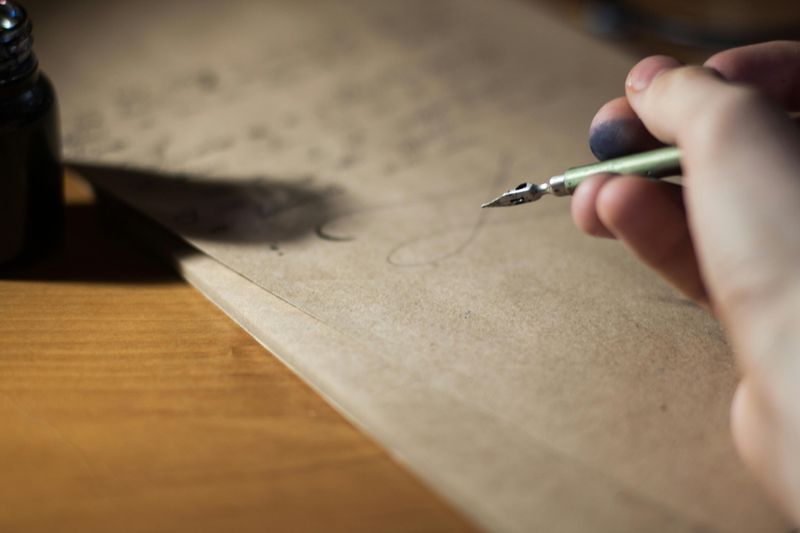
In the days of instant communication, letter writing has become a lost art. For those under 40, the idea of putting pen to paper might seem as outdated as sending a telegram. Yet, there’s a unique charm in crafting a handwritten note that digital messages can’t match.
Letter writing allows for thoughtful expression and a personal touch. It’s a way to connect with others on a deeper level, sharing thoughts and feelings in a tangible form. Plus, the anticipation of receiving a letter is a joy that’s hard to replicate.
If you’re looking to add a personal touch to your communication, why not try writing a letter? You might find it to be a refreshing and meaningful way to connect with loved ones.
13. Navegar sin GPS
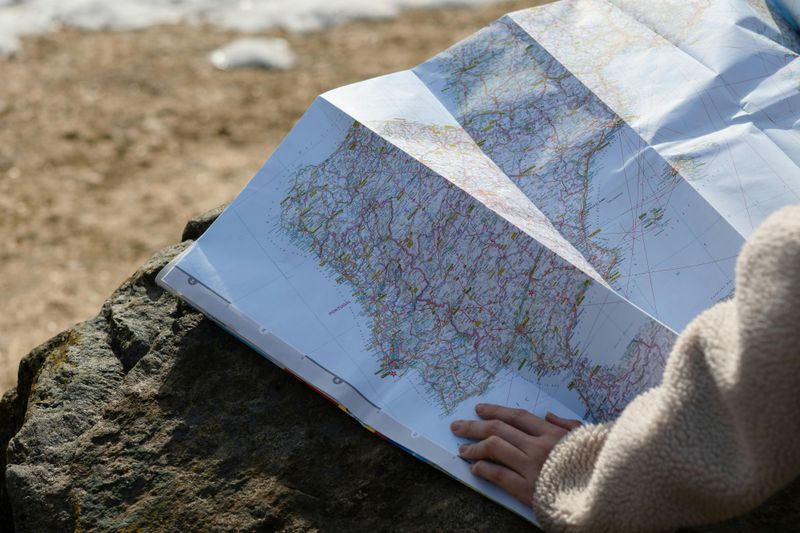
Before the age of smartphones, knowing how to navigate using a map was a crucial skill. Today, many under 40 rely on GPS for directions, often to the point of losing a sense of direction. Yet, there’s something adventurous about finding your own way without a digital guide.
Navigating without GPS encourages spatial awareness and problem-solving. It’s an opportunity to engage with the journey, exploring new routes and unexpected detours. Plus, it fosters a sense of independence and confidence.
If you’re up for a challenge, try navigating without GPS on your next trip. You might discover a whole new way of experiencing the world around you.
14. Mantenimiento del coche

Car maintenance, once a routine skill, has become less common among those under 40. With modern cars’ complexity and the convenience of service centers, many have delegated this task. Yet, basic car maintenance can be empowering and cost-effective.
Saber cómo comprobar el nivel de aceite, cambiar un neumático o arrancar una batería proporciona una sensación de autosuficiencia. Puede evitar que pequeños problemas se conviertan en costosas reparaciones. Además, añade un plus de confianza a la hora de salir a la carretera.
If you’ve never tinkered under the hood, why not give it a try? You might find it rewarding and surprisingly practical.
15. Presupuestos sin aplicaciones

In an age of financial apps and digital tools, budgeting without technology feels almost foreign to those under 40. However, pen-and-paper budgeting offers a tactile connection to finances that screens can’t replicate.
Creating a budget manually encourages mindfulness and discipline. It provides a clear understanding of where money goes, fostering better financial habits. Plus, it’s an opportunity to engage with numbers in a personal and meaningful way.
If you’re looking to improve your financial skills, why not try budgeting the old-fashioned way? You might find it to be an enlightening experience.
16. 16. Conservas

El enlatado y la conservación de alimentos, antaño un elemento básico en el hogar, parece ahora una tradición pintoresca. Para muchos menores de 40 años, la comodidad de los productos comprados en la tienda significa menos razones para conservar en casa. Sin embargo, esta habilidad ofrece mucho más que una despensa llena de tarros.
Canning teaches patience and attention to detail, turning fresh produce into long-lasting treasures. It’s a sustainable practice that reduces waste and allows for seasonal enjoyment year-round. Plus, the flavors and satisfaction of homemade preserves are unmatched.
Si te sobra fruta o verdura, ¿por qué no pruebas a hacer conservas? Te resultará una forma deliciosa y gratificante de conectar con la tradición.
17. Uso de la brújula
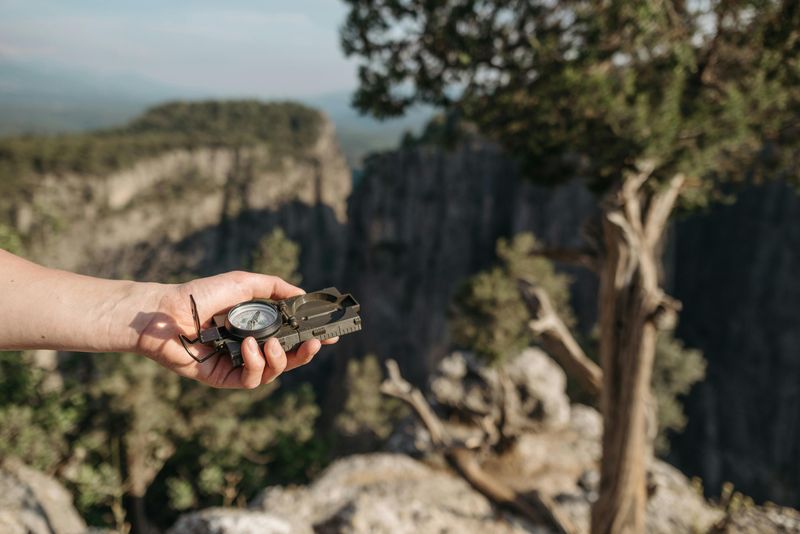
El uso de la brújula, una habilidad vital para la navegación, parece ahora una reliquia del pasado. En la era del GPS, muchos menores de 40 años han perdido el contacto con esta sencilla pero poderosa herramienta. Sin embargo, la brújula proporciona una conexión única con el mundo natural.
La navegación con brújula fomenta la observación y el pensamiento crítico. Fomenta una comprensión más profunda de la orientación y la geografía. Además, añade un elemento de aventura a cualquier viaje, ya sea una excursión por la naturaleza o la exploración de una nueva ciudad.
If you’re curious about this skill, why not give it a try? You might find it to be a fascinating and empowering experience.
18. Encender un fuego

Encender un fuego, antaño una habilidad fundamental para la supervivencia, parece ahora una necesidad anticuada. Con las comodidades modernas, muchos menores de 40 años nunca han aprendido esta tarea sencilla pero esencial. Sin embargo, saber encender un fuego puede ser práctico y estimulante.
Hacer fuego enseña paciencia e ingenio. Proporciona calor, opciones para cocinar y una sensación de logro. Además, nos conecta con nuestros antepasados, que dependían de esta habilidad para sobrevivir.
If you’ve never built a fire, why not give it a try? You might discover a newfound respect for this ancient art.
19. Comprender los tipos de interés

Entender los tipos de interés, antaño un aspecto fundamental de la cultura financiera, parece ahora un complejo rompecabezas para muchos menores de 40 años. Con la banca digital y los asesores financieros, esta habilidad a menudo se pasa por alto. Sin embargo, comprender los tipos de interés es crucial para una buena planificación financiera.
Los tipos de interés afectan a todo, desde los préstamos hasta los ahorros. Influyen en las decisiones financieras y en la planificación futura. Comprenderlos con claridad puede conducir a mejores resultados financieros y a una mayor tranquilidad.
If you’re interested in improving your financial literacy, why not dive into the world of interest rates? You might find it to be a surprisingly empowering experience.
20. Hablar en público

Hablar en público, que antes era una habilidad muy valorada, ahora resulta desalentador para muchos menores de 40 años. Con la comunicación digital y el trabajo a distancia, las interacciones cara a cara son menos frecuentes. Sin embargo, hablar en público con eficacia es una poderosa herramienta de crecimiento personal y profesional.
Public speaking builds confidence and enhances communication skills. It provides opportunities to share ideas and connect with others. Plus, it’s a valuable asset in any career.
If you’re looking to boost your communication skills, why not practice public speaking? You might find it to be a rewarding and impactful experience.
21. Técnicas básicas de cocina

Las técnicas básicas de cocina, antaño esenciales, resultan ahora esquivas para muchos menores de 40 años. Con los platos precocinados y las opciones de comida para llevar, a menudo se evita cocinar desde cero. Sin embargo, dominar estas técnicas puede ser alentador y satisfactorio.
Cooking fosters creativity and self-sufficiency. It encourages healthier eating habits and provides a sense of accomplishment. Plus, it’s a great way to impress friends and family.
If you’re interested in enhancing your culinary skills, why not start with the basics? You might find cooking to be a delightful and rewarding experience.
22. Equilibrar un talonario de cheques

Hacer el balance de un talonario de cheques, que antes era una tarea rutinaria, parece ahora una tarea del pasado para muchos menores de 40 años. Con la banca electrónica y las transacciones automáticas, esta habilidad suele pasarse por alto. Sin embargo, hacer el balance de un talonario de cheques proporciona una conexión tangible con las finanzas personales.
This practice encourages financial awareness and accountability. It helps track spending and prevent overdrafts. Plus, it’s a valuable skill for managing money effectively.
If you’re looking to improve your financial habits, why not try balancing a checkbook? You might find it to be a useful and enlightening experience.
23. Escribir una carta formal

Escribir una carta formal, antaño un elemento básico de la comunicación, parece ahora una rareza para muchos menores de 40 años. Con los correos electrónicos y los mensajes de texto, a menudo se olvida el arte de escribir cartas. Sin embargo, una carta formal bien redactada tiene peso y respeto.
Las cartas formales transmiten profesionalidad y claridad. Aportan un toque personal en un mundo digital. Además, pueden causar una fuerte impresión tanto en contextos personales como profesionales.
If you’re looking to enhance your communication skills, why not try writing a formal letter? You might find it to be a rewarding and impactful practice.
24. Habilidades de primeros auxilios
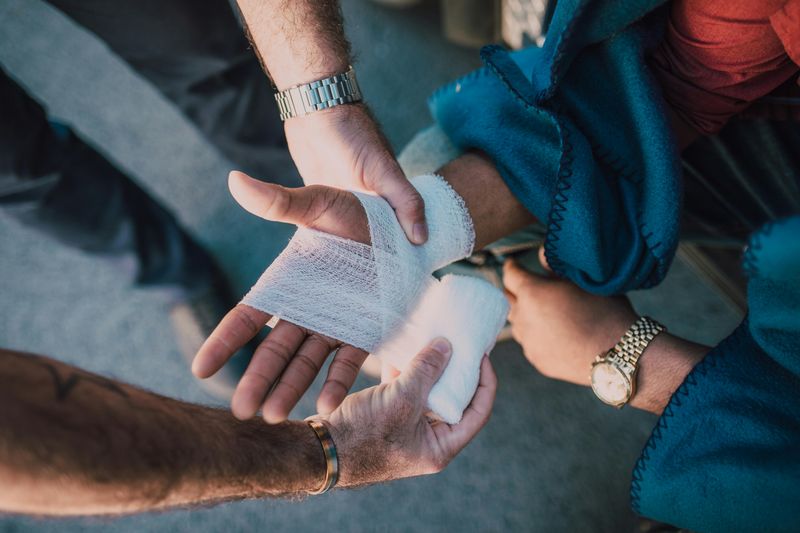
Las técnicas de primeros auxilios, que antes se enseñaban habitualmente, resultan extrañas para muchos menores de 40 años. Con servicios de emergencia fácilmente disponibles, estas habilidades a menudo se pasan por alto. Sin embargo, saber administrar primeros auxilios puede salvar vidas.
First aid skills provide confidence and preparedness. They enable quick response to injuries and emergencies. Plus, they’re valuable in both personal and professional settings.
If you’re interested in gaining practical skills, why not learn first aid? You might find it to be a vital and empowering experience.
25. 25. Identificación de plantas

La identificación de plantas, antaño una habilidad común, parece ahora un nicho de interés para muchos menores de 40 años. Con la urbanización y las distracciones digitales, a menudo se descuida la conexión con la naturaleza. Sin embargo, la identificación de plantas ofrece una apreciación más profunda del mundo natural.
This skill encourages observation and curiosity. It fosters a connection to the environment and promotes conservation. Plus, it’s a great way to enhance outdoor experiences.
If you’re drawn to nature, why not explore plant identification? You might find it to be a fascinating and enriching hobby.
26. Mesa formal

La formalidad en el servicio de mesa, antaño una habilidad habitual en los anfitriones, resulta anticuada para muchos menores de 40 años. Con las comidas informales y precocinadas, a menudo se pasa por alto este arte. Sin embargo, una mesa bien puesta aporta elegancia y sofisticación a cualquier comida.
This skill demonstrates attention to detail and hospitality. It creates a welcoming atmosphere for guests. Plus, it’s a great way to impress at gatherings.
If you’re interested in enhancing your hosting skills, why not learn formal table setting? You might find it to be a delightful and rewarding experience.
27. Habilidades básicas de fontanería

Los conocimientos básicos de fontanería, antaño una necesidad doméstica común, parecen ahora fuera del alcance de muchos menores de 40 años. Al depender de profesionales y proveedores de servicios, a menudo se olvidan estos conocimientos. Sin embargo, saber cómo solucionar pequeños problemas de fontanería puede ser muy útil.
This skill provides self-sufficiency and saves money. It enables quick fixes to common problems. Plus, it’s a valuable addition to home maintenance knowledge.
If you’re looking to boost your DIY skills, why not explore basic plumbing? You might find it to be a practical and confidence-building endeavor.
28. Memorizar números de teléfono

Before smartphones stored all our contacts, memorizing phone numbers was a necessity. Today, most people, especially those under 40, rely entirely on their devices to remember even their closest friends’ numbers.
Esta pérdida refleja un declive más amplio de las capacidades basadas en la memoria, ya que la tecnología se encarga cada vez más de recordar por nosotros. Memorizar números puede potenciar las capacidades cognitivas y mejorar la agilidad mental.
Para recuperar esta habilidad, empieza por memorizar algunos números importantes. Puede ser un ejercicio mental divertido, y puede que descubras que te ofrece beneficios inesperados.
29. Whistling a Tune

Whistling a tune was once a delightful way to pass the time or express joy. Today, it seems that fewer young people possess the skill to whistle even the simplest melodies. This lost art can be attributed to the constant presence of music through devices like smartphones and speakers, reducing the need for self-made tunes.
Trying to whistle the latest pop song might leave many under 40 feeling slightly embarrassed. Instead of mastering this simple yet charming skill, they might opt to hum or sing along with their favorite tracks. Rediscovering the joy of whistling can be a fun and accessible pastime.
30. Reading Analog Clocks

Reading analog clocks used to be a fundamental skill learned in childhood. However, with the digital revolution and the prevalence of smartphones, many young adults now struggle to interpret the position of the hands on a clock face.
Analog clocks are still found in public places, schools, and homes, serving as both functional timepieces and decorative elements. Yet, the simple act of telling time on these clocks can puzzle those accustomed to digital displays. Practice makes perfect, and taking the time to master this skill can be a rewarding experience, connecting us to a more tactile past.
31. Navigating by Landmarks

Remember the days when people could find their way using landmarks? Many under 40 now rely heavily on GPS. Landmarks, once a key navigation tool, are overlooked. The practice of recognizing unique buildings, statues, and streets added a rich layer to travel. Consider the thrill of spotting a familiar clock tower.
It wasn’t just about finding directions, but learning stories and histories tied to those markers. Rediscovering this skill could offer a fresh perspective. The journey becomes an adventure, filled with surprises and serendipitous encounters. Perhaps it’s time to look up from screens and see the world anew.
32. Memorizing Addresses

In an era dominated by digital address books, memorizing an address is rare. Once, people could recall numerous addresses effortlessly. This skill was not just practical; it was a testament to one’s mental agility. Imagine the ease of recalling a friend’s home without needing to check a device.
This ability fostered a deeper connection to places and people. Reviving this practice could enhance cognitive abilities and personal connections. It challenges the brain, encouraging creativity and adaptability. Try memorizing just one address today. Who knows? It might lead you to unexpected conversations and friendships.