
37 Heartbreaking Reasons Children Are Cutting Ties with Their Parents
Os laços familiares devem ser os laços inquebráveis que nos mantêm ligados à terra, proporcionando apoio e amor incondicional. No entanto, a realidade é que muitas crianças se encontram em situações em que cortar os laços com os pais se torna uma necessidade desoladora.
This decision, often fueled by deep-seated issues, is not made lightly. As you read through these 37 reasons, you may find yourself nodding in understanding or discovering new perspectives about familial relationships.
1. Abuso emocional

Emotional abuse leaves scars that are often invisible but deeply felt. For children who endure years of belittlement, manipulation, or constant criticism, it becomes almost impossible to view their parents as safe or supportive figures. These wounds can follow them into adulthood, shaping their self-esteem and emotional health.
Walking away from such a relationship is a brave act of self-preservation. It’s not just about escaping harsh words but also about reclaiming self-worth and creating a healthier environment for personal growth. Imagine the relief of no longer fearing the next verbal jab or dismissive comment.
This decision is rarely made without careful thought. It’s about breaking free from patterns of toxicity and prioritizing mental wellness over familial loyalty. Healing from emotional abuse is a deeply personal journey, but it starts with the courage to choose yourself.
2. Manipulação e controlo
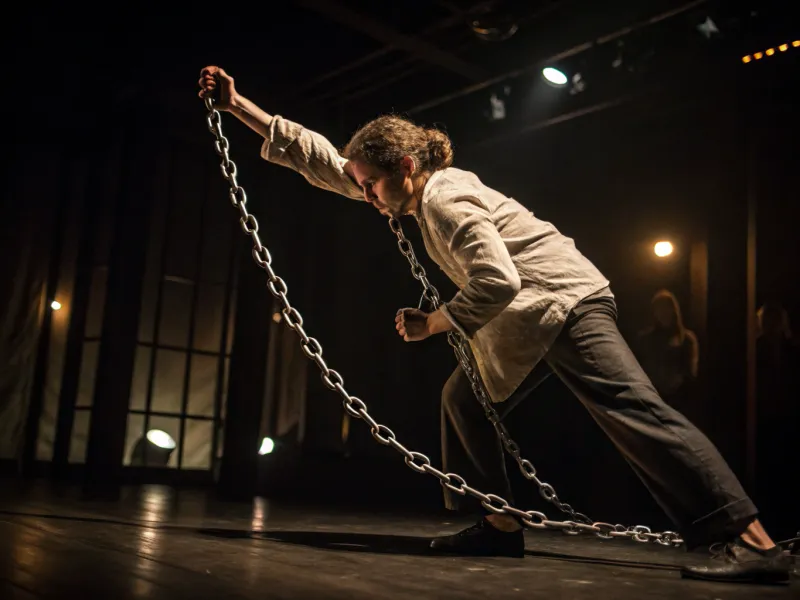
Living under manipulative parents can feel suffocating, as every decision is subtly influenced or overtly controlled. Whether it’s through guilt, fear, or obligation, such behavior strips children of their autonomy and ability to live authentically.
For many, this dynamic leads to an identity crisis, as their choices are dictated by their parents’ desires. The pressure to conform can stifle individuality and prevent them from pursuing their own dreams and goals.
Breaking away is not rebellion; it’s an act of self-discovery. By creating distance, these individuals reclaim their freedom to make choices without interference, allowing them to grow and thrive on their own terms.
3. Abuso físico

The effects of physical abuse extend far beyond the bruises—it leaves lasting emotional scars that make it hard to trust or feel safe. A home that should have been a sanctuary becomes a place of fear, and the parent-child bond is irreparably damaged.
Deixar esta relação é muitas vezes um ato de sobrevivência necessário. Continuar a envolver-se com pais abusivos só perpetua o mal e impede a verdadeira cura. Para muitos, o distanciamento é o primeiro passo para construir uma vida onde a segurança e a paz são a norma.
This decision is not easy, but it’s empowering. It allows survivors to redefine their lives, free from the cycle of violence. It’s about prioritizing self-preservation and finding healing outside the shadow of abuse.
4. Abuso de substâncias

Crescer com pais que lutam contra a toxicodependência significa muitas vezes viver no caos e na instabilidade. A toxicodependência tem uma forma de se sobrepor a tudo, deixando as crianças entregues a si próprias ou mesmo a cuidar de si muito para além da sua idade.
Breaking ties in this situation isn’t about giving up on a parent; it’s about escaping a toxic environment that drains emotional and physical well-being. For many, it’s a painful but necessary step to find stability and start their own journey toward a healthier life.
While guilt often lingers, choosing to leave is about breaking free from the cycles of dysfunction and creating space for personal growth. It’s a way of choosing peace over the constant turbulence that addiction brings.
5. Falta de aceitação

When parents refuse to accept their children for who they truly are—whether it’s their identity, lifestyle, or values—it creates a deep sense of rejection and pain. Instead of feeling loved unconditionally, these children grow up feeling alienated and misunderstood.
Para alguns, a única forma de proteger o seu "eu" autêntico é criar distância. Esta decisão não tem a ver com fugir, mas com procurar ambientes onde sejam celebrados pelo que são, e não pelo que os pais querem que sejam.
Escolher a autenticidade em vez da aceitação é um poderoso ato de amor-próprio. Permite aos indivíduos rodearem-se de pessoas que os elevam e afirmam, em vez de permanecerem em relações definidas pelo julgamento e pelo amor condicional.
6. Controlo financeiro

Money can be a powerful tool for control, and some parents use it to manipulate their children’s decisions well into adulthood. By holding financial power, they create a dependency that limits freedom and self-expression.
Breaking free from this control is often a move toward independence. It’s about reclaiming the right to make decisions without the fear of financial repercussions or obligations. While it can be challenging, this step is key to building a life on one’s own terms.
This choice isn’t just about money—it’s about empowerment. By stepping away, individuals can create a life defined by autonomy and self-reliance, free from the strings of financial manipulation.
7. Dinâmica familiar tóxica
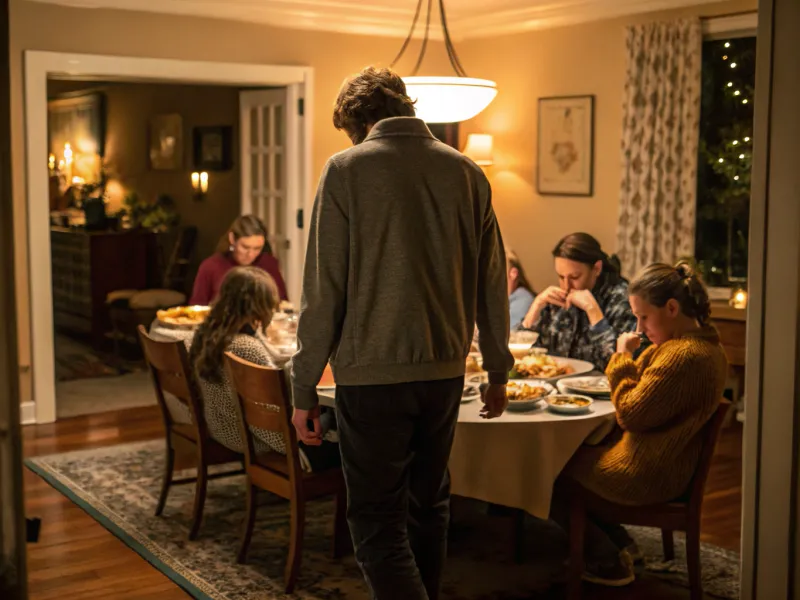
Growing up in a family marked by constant conflict, manipulation, or favoritism can be emotionally exhausting. Instead of feeling supported, children in such environments often feel like they’re navigating a battlefield.
Stepping away from toxic family dynamics is not about abandoning loved ones—it’s about prioritizing mental health. Distance allows for the opportunity to heal and build healthier relationships outside of the dysfunction.
Criar este espaço pode levar a um crescimento incrível. Oferece a oportunidade de se libertar de padrões prejudiciais e redefinir o significado de família, centrando-se em ligações construídas com base no respeito e no cuidado.
8. Pais narcisistas

Narcissistic parents often center everything around themselves, leaving little room for their children’s needs, emotions, or individuality. This dynamic can erode self-esteem and create a constant cycle of seeking approval that never comes.
Walking away from this relationship is about reclaiming self-worth. It’s a step toward living a life not dictated by someone else’s ego or expectations. For many, it’s the only way to escape the exhausting cycle of trying to please a parent who will never be satisfied.
Esta escolha é transformadora. Permite que os indivíduos se concentrem na sua própria felicidade e construam relações em que são valorizados e respeitados, em vez de ofuscados.
9. Valores diferentes

When parents and children clash over fundamental values—be it political beliefs, religion, or lifestyle choices—it can create a chasm that’s hard to bridge. This friction often leads to a feeling of being unseen or unaccepted.
Choosing to step away is often about finding harmony in shared values elsewhere. It’s not about rejecting one’s family but about seeking spaces where individuality is respected and celebrated.
This decision allows individuals to live authentically, free from the need to conform to values that don’t align with their own. It’s a step toward building a life that reflects personal beliefs and priorities.
10. Negligência parental
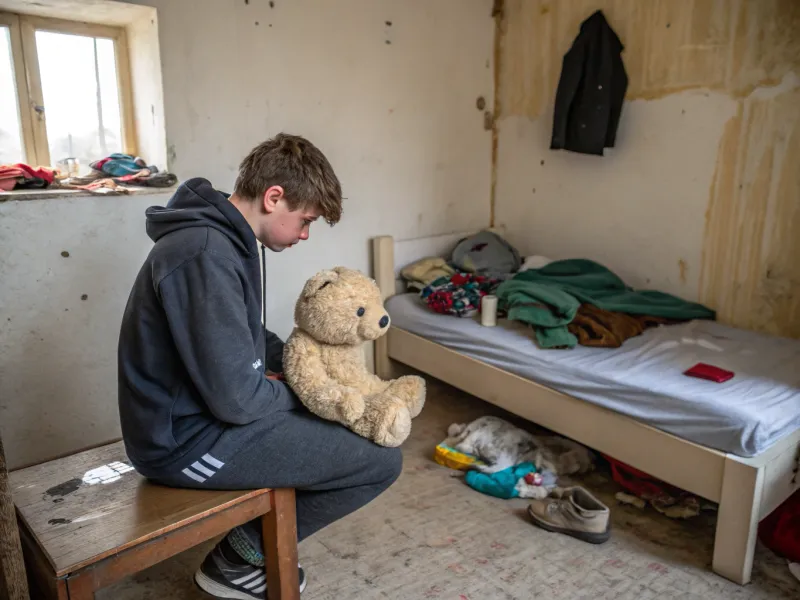
A negligência é uma ferida que corta profundamente, deixando as crianças sem importância e sem apoio. Ao crescerem sem os cuidados emocionais ou físicos de que necessitavam, estes indivíduos carregam frequentemente um pesado fardo de solidão e insegurança.
Walking away is often a way to seek the care and validation they never received. It’s about finding people and places that nurture rather than neglect, offering a chance to heal.
This choice is a reclaiming of dignity and self-worth. It allows individuals to redefine their relationships and find the support they deserve, even if it’s outside the bounds of their family.
11. Crítica crónica

Os pais que criticam constantemente os seus filhos criam um ambiente de auto-dúvida e ansiedade. Crescer sob um microscópio de julgamento pode deixar cicatrizes duradouras, tornando difícil para os indivíduos sentirem-se confiantes ou capazes.
Leaving this relationship is about seeking environments that uplift and encourage. It’s about finding spaces where one’s efforts are valued rather than constantly scrutinized.
By stepping away, individuals can begin to rebuild their self-esteem and learn to appreciate themselves without the weight of constant criticism. It’s a liberating step toward self-acceptance.
12. Sobreprotecção
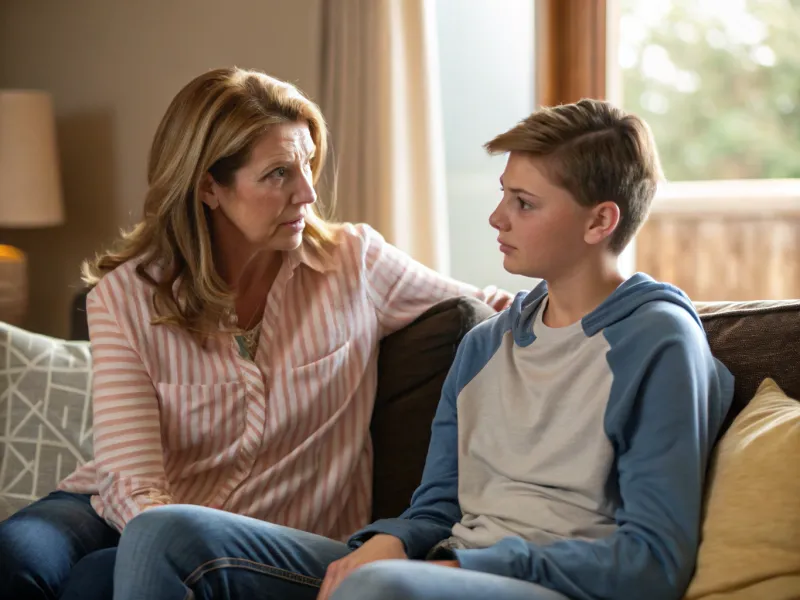
Overprotective parents may act out of love, but their behavior can stifle growth and independence. Shielding children from life’s challenges denies them the chance to learn, grow, and build resilience.
Breaking away is often about gaining the freedom to make mistakes and face the world on one’s own terms. It’s a step toward embracing the uncertainties of life with confidence.
This choice allows individuals to discover their strengths and navigate life independently. It’s about stepping out of the bubble and into a world of possibilities.
13. Falta de comunicação
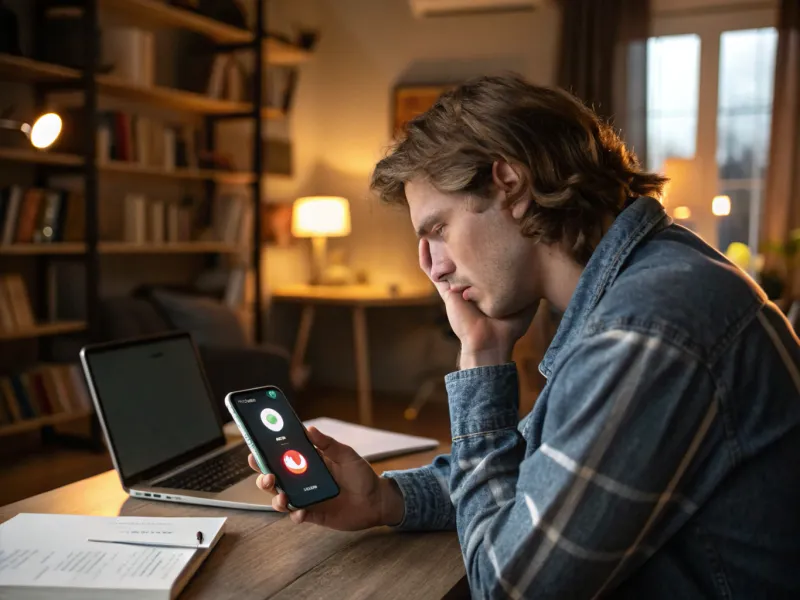
Nas famílias onde não existe um diálogo aberto, é frequente surgirem mal-entendidos e distanciamento emocional. A falta de comunicação significativa cria um vazio que dificulta a manutenção de ligações fortes.
Choosing to distance oneself is often about seeking relationships where open communication is a priority. It’s about finding spaces where feelings and thoughts are acknowledged and valued.
This step is a way to break free from the silence and foster relationships that thrive on understanding and mutual respect. It’s about finding one’s voice and creating deeper connections.
14. Traumas passados não resolvidos

For some, the presence of unresolved trauma in their family dynamic makes it impossible to maintain a healthy relationship. Whether it’s acknowledged or ignored, these traumas cast a long shadow over interactions.
Creating distance is often about prioritizing healing. It’s about seeking environments where recovery can happen without constant reminders of the pain.
Esta decisão é um ato de autocuidado. Permite aos indivíduos trabalharem o seu passado e avançarem para um futuro em que o trauma já não define o seu presente.
15. Necessidades emocionais não satisfeitas

As necessidades emocionais não satisfeitas podem deixar uma profunda sensação de vazio, uma vez que as crianças anseiam pelo afeto e apoio que estiveram ausentes na sua educação. Esta falta conduz frequentemente a sentimentos de inadequação e saudade, uma vez que faltam os laços essenciais de amor e compreensão. Crescer sem apoio emocional pode tornar difícil a formação de relações saudáveis e o desenvolvimento de um forte sentido de si próprio.
The decision to step away is often about seeking environments that offer the emotional nurturing that was lacking. It’s about finding spaces where feelings are validated and empathy is abundant. This separation is a step towards creating connections that provide the comfort and care that were missing.
Breaking free from the cycle of unmet emotional needs is about discovering self-worth and learning to seek out relationships that fulfill these desires. Many find that this decision allows for the exploration of genuine connections that offer the warmth and understanding they lacked. It’s a journey towards finding love and support beyond the limitations of unmet emotional needs, creating a life filled with meaningful and nurturing relationships.
16. Expectativas irrealistas
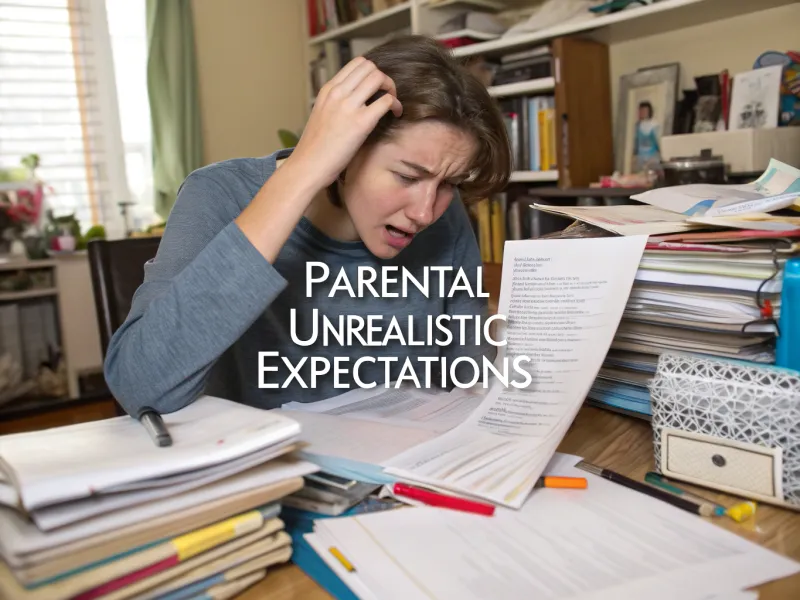
Os pais que colocam exigências impossíveis aos seus filhos criam um ciclo de stress, ansiedade e insegurança. A pressão para atingir objectivos inatingíveis leva frequentemente ao esgotamento e a uma sensação de fracasso perpétuo.
Stepping away is about reclaiming the freedom to define success on one’s own terms. It’s a move toward living a life that prioritizes personal happiness over external validation.
This choice allows individuals to focus on their well-being and create goals that align with their abilities and aspirations. It’s a step toward balance and self-acceptance.
17. Falta de apoio
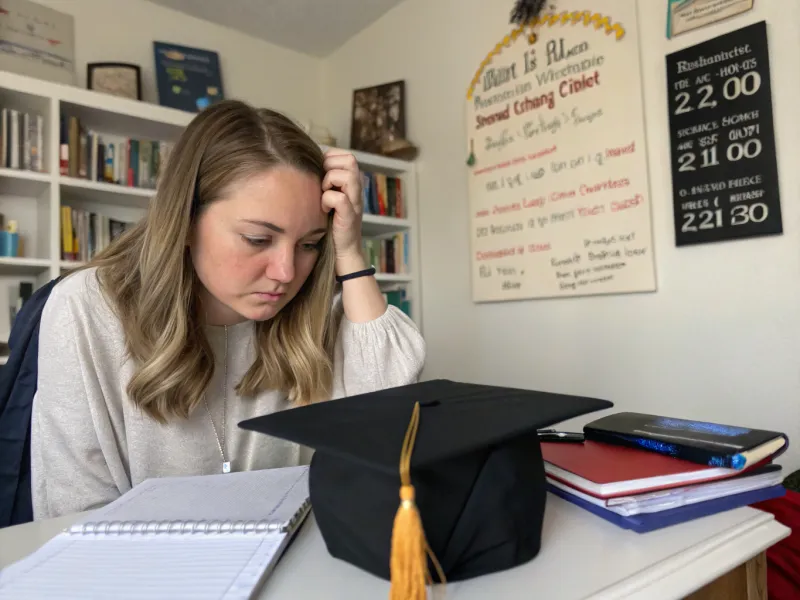
Without parental support, children are often left feeling isolated, unworthy, and lost. Instead of receiving the guidance and encouragement they need, they are forced to navigate life’s challenges alone.
When the safety net of emotional or practical support is missing, the choice to distance oneself becomes a survival mechanism. It’s about creating a circle of people who offer the care and understanding they were denied at home.
In moving away from unsupportive parents, many discover their own resilience. This act isn’t just about leaving—it’s about seeking relationships that truly uplift and nurture growth.
18. Diferentes percursos de vida

Diverging life paths can often create a divide in families, particularly when parents are unable to accept their children’s choices. This misalignment can feel like a rejection of identity, leaving individuals questioning their place within the family.
Seeking distance is often a way to honor one’s journey. It’s not about rejecting family entirely but about creating the space to follow one’s dreams without interference or judgment.
Ao escolher este caminho, os indivíduos abrem-se à possibilidade de ligações onde as suas escolhas são valorizadas e celebradas. Esta distância permite-lhes construir uma vida que reflecte o seu "eu" autêntico.
19. Alienação parental

A alienação parental, em que um progenitor manipula o seu filho para que este rejeite o outro progenitor, provoca danos emocionais profundos. As crianças apanhadas nesta dinâmica são forçadas a escolher um dos lados, muitas vezes à custa do seu bem-estar emocional.
Choosing to step away from both parents or the manipulative one is often a way to reclaim personal stability. It’s a chance to escape the emotional turmoil and rebuild a sense of trust in relationships.
Esta decisão é motivada por uma necessidade de paz. Permite que os indivíduos se afastem das forças de divisão e criem um futuro que dê prioridade à honestidade e às ligações autênticas.
20. Parentalidade incoerente

Inconsistent parenting fosters confusion and insecurity, leaving children unsure of what to expect. Fluctuating rules, unpredictable behavior, and a lack of emotional stability can deeply impact a child’s sense of safety.
For those who grow up in this environment, creating distance is often an attempt to establish stability elsewhere. It’s about finding consistency and balance in relationships beyond the family home.
In stepping away, many learn to redefine their expectations and create an emotional foundation built on trust and reliability. It’s a way to break the cycle of uncertainty and build something stronger.
21. Dependência doentia
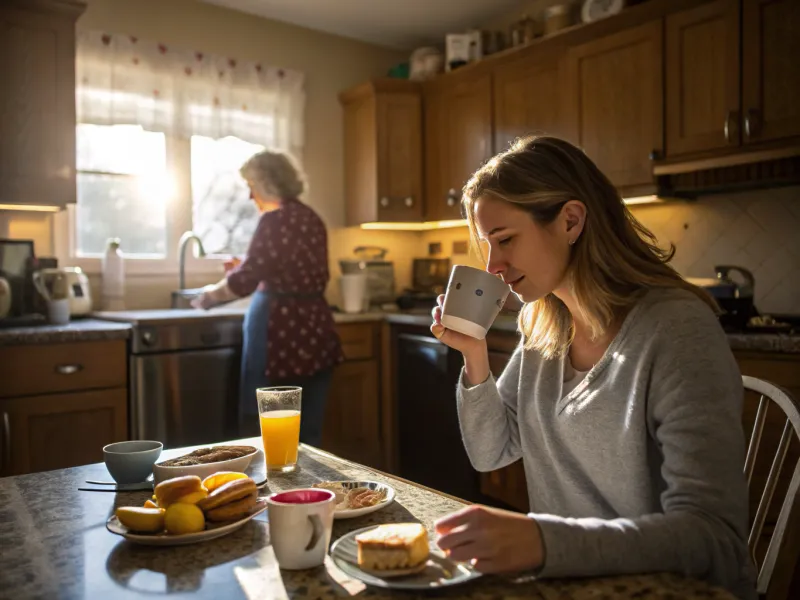
Os pais que fomentam a dependência podem fazê-lo com boas intenções, mas os efeitos a longo prazo podem ser sufocantes. Quando as crianças se sentem presas a esta dependência, torna-se difícil para elas construírem a sua própria identidade.
Breaking free is often the only way to develop true independence. It’s about finding the courage to navigate life on one’s own terms, even if it means stepping away from a familiar dynamic.
As challenging as it may be, this step offers the opportunity to grow, explore, and discover one’s potential without limitations. It’s about embracing the freedom to live autonomously.
22. Pais prepotentes

Overbearing parents can overshadow their children’s ability to make independent choices. Their constant involvement often leaves no room for self-expression or personal growth.
In seeking distance, individuals gain the space they need to define their own boundaries and make decisions free from external pressure. It’s about reclaiming control over their lives.
This process is transformative, enabling personal development and a sense of empowerment. For many, it’s a necessary step to establish their own identity, free from overbearing influence.
23. Falta de respeito

When parents consistently disregard their children’s feelings, opinions, or boundaries, the relationship becomes toxic. A lack of respect undermines trust and fosters resentment.
Walking away from such a dynamic is often a way to demand the respect that has been absent. It’s about creating a life where personal boundaries are recognized and valued.
By stepping away, individuals create space for healthier, more respectful relationships. It’s a decision rooted in self-worth and the belief that mutual respect is essential in any bond.
24. Distância emocional

A distância emocional dos pais cria uma relação fria e distante, deixando as crianças ansiosas por calor e ligação. Sem intimidade emocional, a ligação parece vazia e insatisfatória.
Seeking distance is often about finding relationships where emotional needs are met and feelings are validated. It’s a way to pursue connections that offer genuine care and understanding.
This decision allows individuals to prioritize emotional health. It’s about building a circle of people who truly see, hear, and support them in ways their parents couldn’t.
25. Limites e privacidade
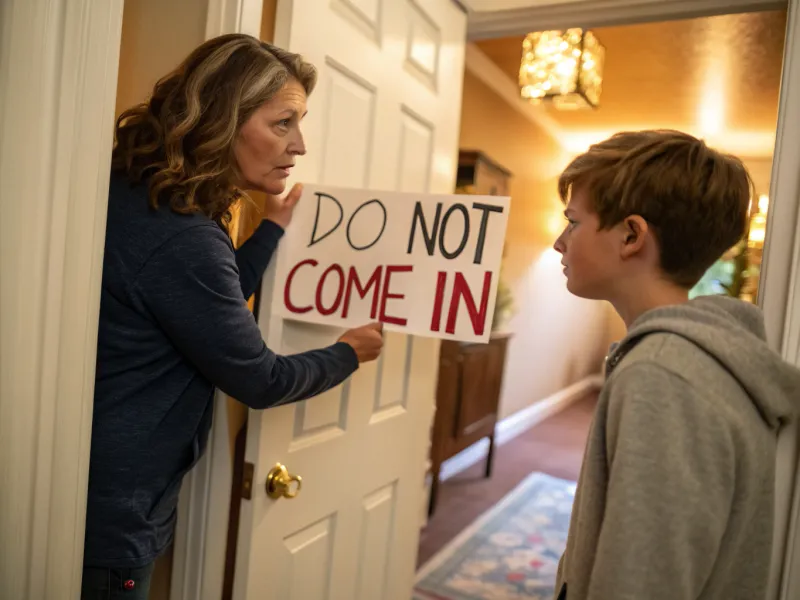
Parents who fail to respect their children’s need for boundaries and privacy often create tension and conflict. Constant intrusions into personal space can feel suffocating and lead to resentment.
Distancing oneself is often the only way to establish and enforce those boundaries. It’s about setting clear limits and protecting personal autonomy.
By creating this separation, individuals reclaim their right to privacy and create a life where boundaries are respected and honored. It’s a step toward healthier interactions and greater self-respect.
26. Promessas não cumpridas

Parents who frequently make promises they can’t or won’t keep create a cycle of disappointment. Over time, this erodes their child’s confidence in them and damages the trust essential to any meaningful relationship.
Muitas crianças decidem afastar-se como forma de evitar a dor repetida das expectativas não satisfeitas. Esta distância consiste em encontrar relações em que as palavras são seguidas de acções.
By walking away, individuals give themselves the chance to surround themselves with people who value integrity. It’s a move toward a life where reliability and follow-through are foundational.
27. Concorrência pouco saudável

Nas famílias em que as crianças são postas umas contra as outras, o ambiente torna-se de rivalidade em vez de apoio. Este ambiente competitivo pode prejudicar as relações entre irmãos e fazer com que as crianças sintam que o seu valor está ligado às suas realizações.
Many choose to distance themselves from this dynamic to escape the constant comparisons. It’s about stepping into spaces where they can thrive without the pressure of unhealthy competition.
This separation allows for personal growth and the freedom to define success on one’s own terms. It’s a move toward creating relationships rooted in support and encouragement rather than rivalry.
28. Favoritismo

Quando os pais favorecem constantemente um filho em detrimento de outro, isso cria uma dinâmica familiar tóxica. Este comportamento pode fazer com que o filho preterido se sinta indigno, não amado e ressentido.
Walking away from such favoritism is often about reclaiming self-worth. It’s a step toward seeking relationships that value equality and fairness over favoritism.
This choice allows individuals to heal from the wounds of inequality and surround themselves with people who appreciate them for who they are. It’s about finding balance and respect in personal connections.
29. Abuso de confiança
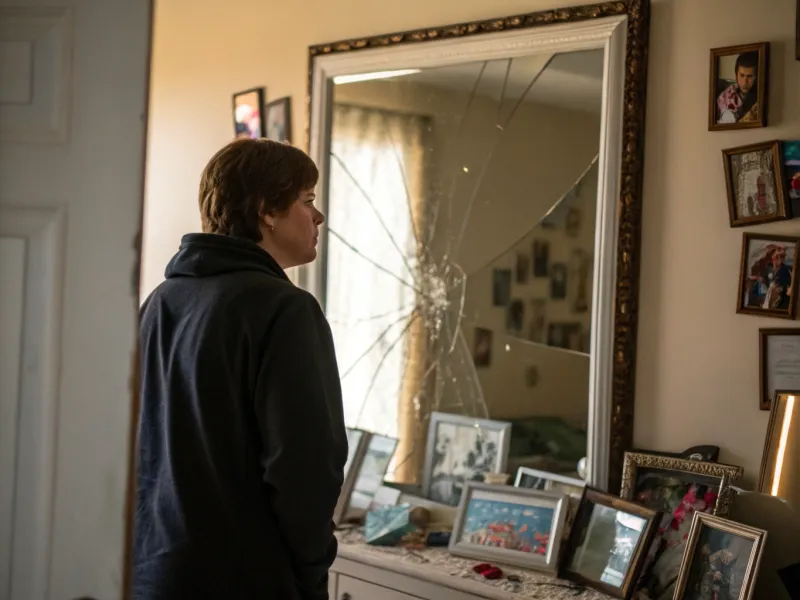
When parents repeatedly break promises or betray their children’s trust, it leaves emotional wounds that are hard to heal. Trust is the foundation of any healthy relationship, and without it, the bond becomes strained or even irreparable.
Muitas crianças optam por se distanciar como forma de proteger o seu bem-estar emocional. O facto de se afastarem de um ambiente assim permite-lhes procurar relações em que a honestidade e a integridade sejam valorizadas.
This decision is often a step toward rebuilding their sense of security and creating a life where trust is a core principle. It’s about prioritizing connections that foster reliability and mutual respect.
30. Imaturidade emocional
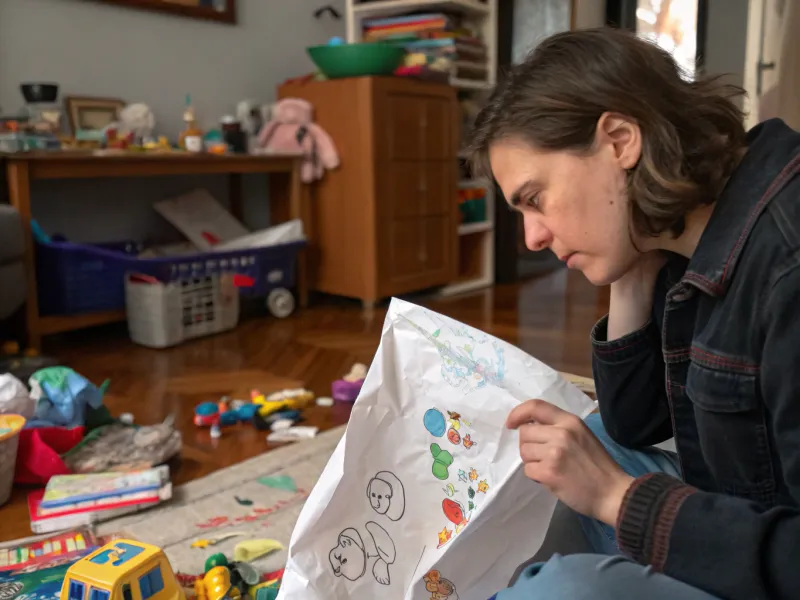
Parents who lack emotional maturity often struggle to provide stability for their children. Their inability to manage their own emotions can lead to erratic behavior, making the family dynamic unpredictable and stressful.
Choosing to distance oneself is often a way to find peace and consistency. It’s about stepping away from the chaos and seeking environments where emotional maturity is the norm.
This separation allows individuals to focus on their own growth, free from the turmoil caused by immature behavior. It’s a decision rooted in the desire for stability and emotional health.
31. Humilhação pública

Quando os pais expõem os filhos a humilhações públicas, isso corrói a confiança e cria feridas emocionais duradouras. Este comportamento conduz frequentemente a sentimentos de vergonha e inadequação que podem perdurar até à idade adulta.
Removing oneself from this dynamic is often necessary to rebuild self-esteem and establish a sense of dignity. It’s about creating a safe space where personal boundaries are respected.
Esta decisão reflecte um compromisso com o respeito por si próprio e com a saúde emocional. Permite que os indivíduos avancem sem o receio de serem minados ou menosprezados.
32. Falta de empatia

Os pais que não são capazes de empatizar com os seus filhos fazem com que estes se sintam frequentemente isolados e incompreendidos. Sem apoio emocional, estas relações podem ser profundamente insatisfatórias.
Creating distance is often a way to seek compassion and understanding elsewhere. It’s about prioritizing relationships that offer the emotional depth they lacked.
In stepping away, individuals create opportunities for healing and growth, surrounding themselves with people who genuinely care and empathize. It’s a step toward emotional fulfillment.
33. Expectativas irrealistas

Os pais que impõem padrões inatingíveis aos seus filhos criam um ambiente de pressão constante. Isto leva a sentimentos de inadequação e ao medo de nunca serem suficientemente bons, por muito que se esforcem.
Choosing to break away is often a way to escape this burden and pursue goals that align with personal happiness. It’s about rejecting perfectionism in favor of self-acceptance and balance.
This decision is a step toward defining one’s worth independently of others’ expectations. It allows individuals to build a life where they are free to grow at their own pace.
34. Conflitos de gerações

As diferenças geracionais podem criar divisões, sobretudo quando os pais têm dificuldade em aceitar valores ou estilos de vida modernos. Esta tensão conduz frequentemente a mal-entendidos e a uma distância emocional.
Seeking space allows individuals to live authentically, free from the constraints of outdated expectations. It’s about finding environments where individuality is respected and embraced.
This decision fosters personal growth and allows for the exploration of values that align with one’s true self. It’s a way to move forward without compromise.
35. Abuso de autoridade

Parents who abuse their authority create an oppressive dynamic, leaving their children feeling powerless and undervalued. This imbalance can stifle individuality and create lasting resentment.
Stepping away is often about reclaiming autonomy and establishing a sense of equality in relationships. It’s a step toward finding empowerment and self-worth.
By breaking free, individuals can build a life where their voice matters. It’s about creating connections based on mutual respect rather than dominance.
36. Gaslighting and Denial

Gaslighting parents manipulate reality, making their children question their own perceptions and memories. This emotional tactic creates deep confusion, self-doubt, and a feeling of isolation. When legitimate feelings and experiences are constantly denied or twisted, it becomes nearly impossible to maintain a healthy relationship.
Walking away from a gaslighting parent is a means of reclaiming personal truth. It’s about breaking free from manipulation and finding clarity in environments where experiences are validated. This decision is an act of self-preservation, allowing individuals to heal from years of psychological distortion and regain their confidence in their own reality.
37. Enmeshment and Lack of Boundaries

Some parents fail to recognize their children as separate individuals, creating enmeshed relationships where personal boundaries do not exist. In these dynamics, children are expected to fulfill their parents’ emotional needs, often at the cost of their own autonomy. This suffocating closeness can lead to guilt, resentment, and a struggle to form independent identities.
Choosing distance is an act of self-liberation. It’s about asserting the right to personal space and emotional independence. While difficult, this decision allows individuals to form healthier relationships that respect boundaries and personal growth, paving the way for a more fulfilling and self-directed life.