

37 motivi strazianti per cui i figli tagliano i ponti con i genitori
I legami familiari sono destinati a essere i legami indissolubili che ci tengono a terra, fornendo sostegno e amore incondizionato. Tuttavia, la realtà è che molti bambini si trovano in situazioni in cui tagliare i ponti con i genitori diventa una necessità straziante.
This decision, often fueled by deep-seated issues, is not made lightly. As you read through these 37 reasons, you may find yourself nodding in understanding or discovering new perspectives about familial relationships.
1. Abuso emotivo

Emotional abuse leaves scars that are often invisible but deeply felt. For children who endure years of belittlement, manipulation, or constant criticism, it becomes almost impossible to view their parents as safe or supportive figures. These wounds can follow them into adulthood, shaping their self-esteem and emotional health.
Walking away from such a relationship is a brave act of self-preservation. It’s not just about escaping harsh words but also about reclaiming self-worth and creating a healthier environment for personal growth. Imagine the relief of no longer fearing the next verbal jab or dismissive comment.
This decision is rarely made without careful thought. It’s about breaking free from patterns of toxicity and prioritizing mental wellness over familial loyalty. Healing from emotional abuse is a deeply personal journey, but it starts with the courage to choose yourself.
2. Manipolazione e controllo
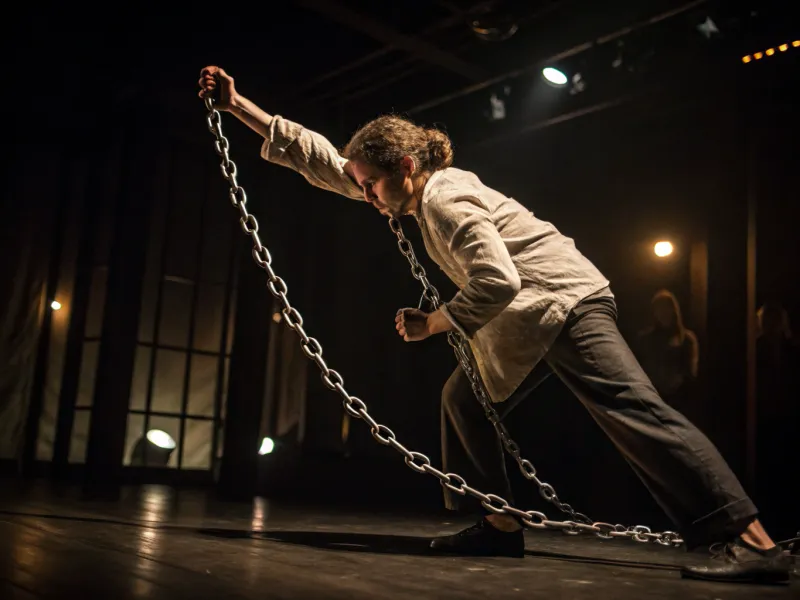
Living under manipulative parents can feel suffocating, as every decision is subtly influenced or overtly controlled. Whether it’s through guilt, fear, or obligation, such behavior strips children of their autonomy and ability to live authentically.
For many, this dynamic leads to an identity crisis, as their choices are dictated by their parents’ desires. The pressure to conform can stifle individuality and prevent them from pursuing their own dreams and goals.
Breaking away is not rebellion; it’s an act of self-discovery. By creating distance, these individuals reclaim their freedom to make choices without interference, allowing them to grow and thrive on their own terms.
3. Abuso fisico

The effects of physical abuse extend far beyond the bruises—it leaves lasting emotional scars that make it hard to trust or feel safe. A home that should have been a sanctuary becomes a place of fear, and the parent-child bond is irreparably damaged.
Lasciare questa relazione è spesso un atto di sopravvivenza necessario. Continuare a frequentare genitori violenti non fa altro che perpetuare il danno e impedire una vera guarigione. Per molti, prendere le distanze è il primo passo per costruire una vita in cui la sicurezza e la pace siano la norma.
This decision is not easy, but it’s empowering. It allows survivors to redefine their lives, free from the cycle of violence. It’s about prioritizing self-preservation and finding healing outside the shadow of abuse.
4. Abuso di sostanze

Crescere con genitori che lottano contro l'abuso di sostanze significa spesso vivere nel caos e nell'instabilità. La dipendenza ha la capacità di avere la priorità su tutto, lasciando i figli a cavarsela da soli o addirittura a fare da custodi ben oltre la loro età.
Breaking ties in this situation isn’t about giving up on a parent; it’s about escaping a toxic environment that drains emotional and physical well-being. For many, it’s a painful but necessary step to find stability and start their own journey toward a healthier life.
While guilt often lingers, choosing to leave is about breaking free from the cycles of dysfunction and creating space for personal growth. It’s a way of choosing peace over the constant turbulence that addiction brings.
5. Mancanza di accettazione

When parents refuse to accept their children for who they truly are—whether it’s their identity, lifestyle, or values—it creates a deep sense of rejection and pain. Instead of feeling loved unconditionally, these children grow up feeling alienated and misunderstood.
Per alcuni, l'unico modo per proteggere il proprio io autentico è creare una distanza. Non si tratta di fuggire, ma di cercare ambienti in cui siano celebrati per quello che sono, non per quello che i genitori vogliono che siano.
Scegliere l'autenticità piuttosto che l'accettazione è un potente atto di amore verso se stessi. Permette agli individui di circondarsi di persone che li sollevano e li affermano, invece di rimanere in relazioni definite dal giudizio e dall'amore condizionato.
6. Controllo finanziario

Money can be a powerful tool for control, and some parents use it to manipulate their children’s decisions well into adulthood. By holding financial power, they create a dependency that limits freedom and self-expression.
Breaking free from this control is often a move toward independence. It’s about reclaiming the right to make decisions without the fear of financial repercussions or obligations. While it can be challenging, this step is key to building a life on one’s own terms.
This choice isn’t just about money—it’s about empowerment. By stepping away, individuals can create a life defined by autonomy and self-reliance, free from the strings of financial manipulation.
7. Dinamiche familiari tossiche
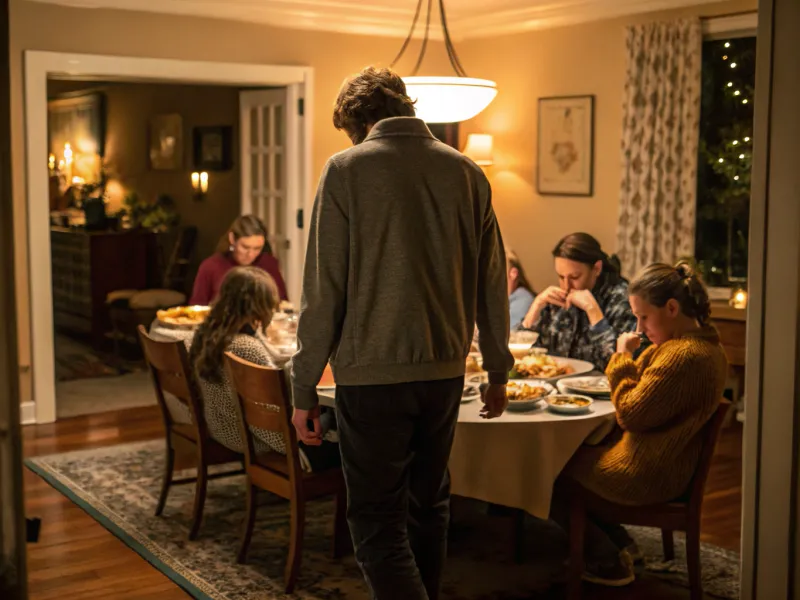
Growing up in a family marked by constant conflict, manipulation, or favoritism can be emotionally exhausting. Instead of feeling supported, children in such environments often feel like they’re navigating a battlefield.
Stepping away from toxic family dynamics is not about abandoning loved ones—it’s about prioritizing mental health. Distance allows for the opportunity to heal and build healthier relationships outside of the dysfunction.
Creare questo spazio può portare a una crescita incredibile. Offre la possibilità di liberarsi da schemi dannosi e di ridefinire il significato di famiglia, concentrandosi su legami costruiti sul rispetto e sulla cura.
8. Genitori narcisisti

Narcissistic parents often center everything around themselves, leaving little room for their children’s needs, emotions, or individuality. This dynamic can erode self-esteem and create a constant cycle of seeking approval that never comes.
Walking away from this relationship is about reclaiming self-worth. It’s a step toward living a life not dictated by someone else’s ego or expectations. For many, it’s the only way to escape the exhausting cycle of trying to please a parent who will never be satisfied.
Questa scelta è trasformativa. Permette alle persone di concentrarsi sulla propria felicità e di costruire relazioni in cui sono apprezzate e rispettate, anziché messe in secondo piano.
9. Valori diversi

When parents and children clash over fundamental values—be it political beliefs, religion, or lifestyle choices—it can create a chasm that’s hard to bridge. This friction often leads to a feeling of being unseen or unaccepted.
Choosing to step away is often about finding harmony in shared values elsewhere. It’s not about rejecting one’s family but about seeking spaces where individuality is respected and celebrated.
This decision allows individuals to live authentically, free from the need to conform to values that don’t align with their own. It’s a step toward building a life that reflects personal beliefs and priorities.
10. Negligenza dei genitori
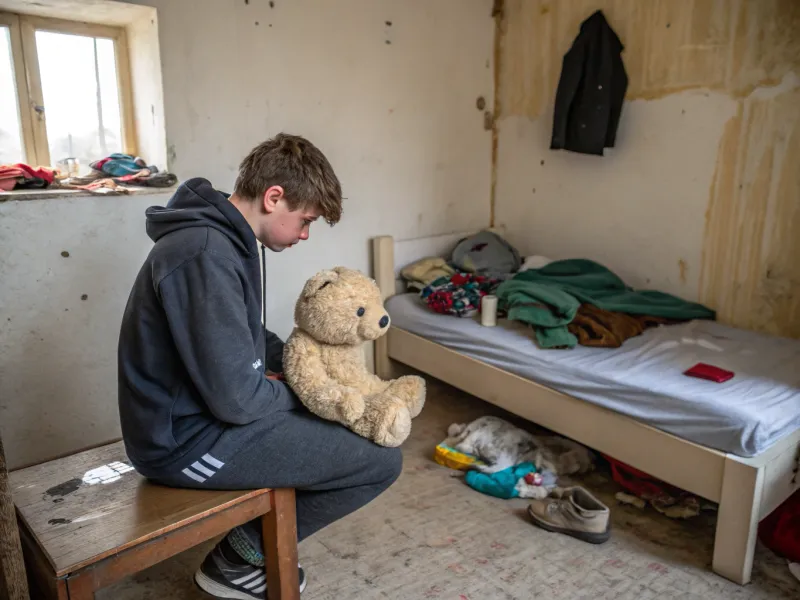
La negligenza è una ferita che taglia in profondità, lasciando i bambini senza importanza e senza sostegno. Cresciuti senza le cure emotive e fisiche di cui avevano bisogno, questi individui portano spesso con sé un pesante fardello di solitudine e insicurezza.
Walking away is often a way to seek the care and validation they never received. It’s about finding people and places that nurture rather than neglect, offering a chance to heal.
This choice is a reclaiming of dignity and self-worth. It allows individuals to redefine their relationships and find the support they deserve, even if it’s outside the bounds of their family.
11. Critica cronica

I genitori che criticano costantemente i figli creano un ambiente di dubbi e di ansia. Crescere sotto il microscopio del giudizio può lasciare cicatrici durature, rendendo difficile per gli individui sentirsi sicuri o capaci.
Leaving this relationship is about seeking environments that uplift and encourage. It’s about finding spaces where one’s efforts are valued rather than constantly scrutinized.
By stepping away, individuals can begin to rebuild their self-esteem and learn to appreciate themselves without the weight of constant criticism. It’s a liberating step toward self-acceptance.
12. Protezione eccessiva
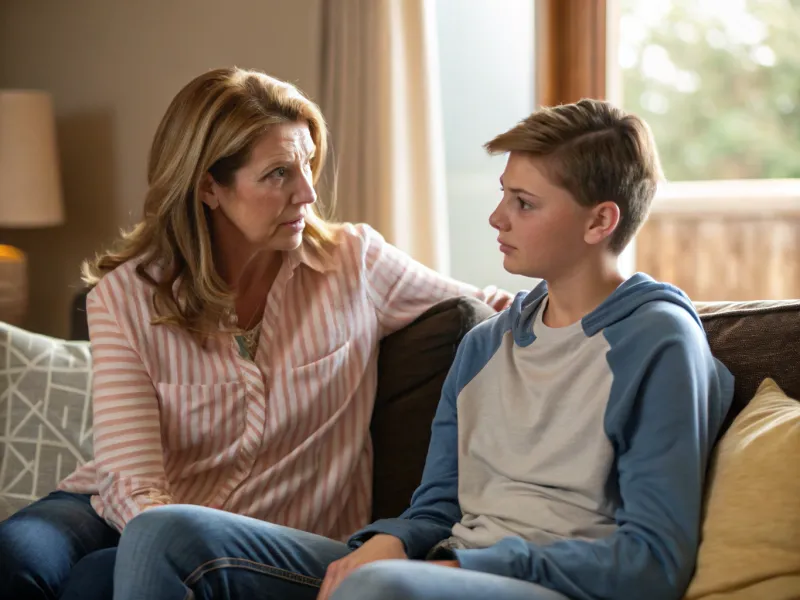
Overprotective parents may act out of love, but their behavior can stifle growth and independence. Shielding children from life’s challenges denies them the chance to learn, grow, and build resilience.
Breaking away is often about gaining the freedom to make mistakes and face the world on one’s own terms. It’s a step toward embracing the uncertainties of life with confidence.
This choice allows individuals to discover their strengths and navigate life independently. It’s about stepping out of the bubble and into a world of possibilities.
13. Mancanza di comunicazione
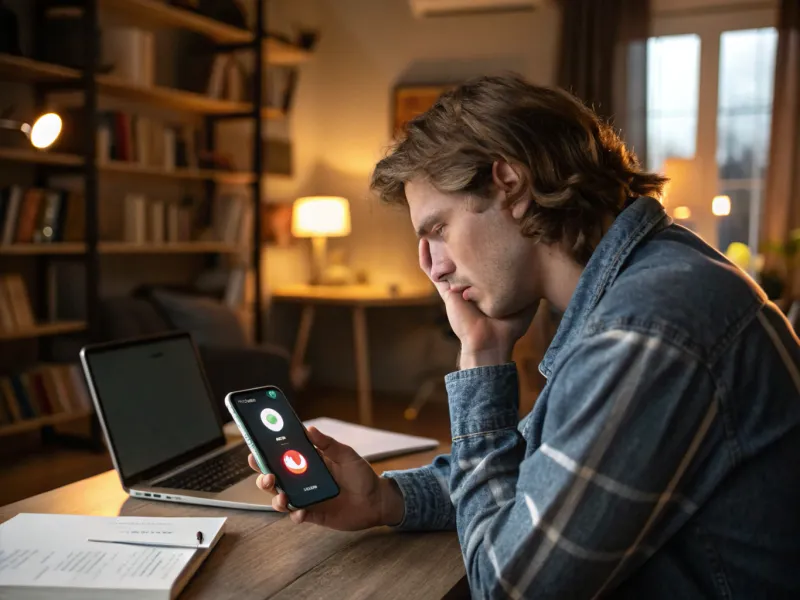
Nelle famiglie in cui manca un dialogo aperto, spesso si radicano incomprensioni e distanze emotive. La mancanza di una comunicazione significativa crea un vuoto che rende difficile mantenere forti legami.
Choosing to distance oneself is often about seeking relationships where open communication is a priority. It’s about finding spaces where feelings and thoughts are acknowledged and valued.
This step is a way to break free from the silence and foster relationships that thrive on understanding and mutual respect. It’s about finding one’s voice and creating deeper connections.
14. Traumi passati irrisolti

For some, the presence of unresolved trauma in their family dynamic makes it impossible to maintain a healthy relationship. Whether it’s acknowledged or ignored, these traumas cast a long shadow over interactions.
Creating distance is often about prioritizing healing. It’s about seeking environments where recovery can happen without constant reminders of the pain.
Questa decisione è un atto di autocura. Permette alle persone di elaborare il proprio passato e di muoversi verso un futuro in cui il trauma non definisce più il loro presente.
15. Bisogni emotivi insoddisfatti

I bisogni emotivi non soddisfatti possono lasciare un profondo senso di vuoto, in quanto i bambini desiderano l'affetto e il sostegno che sono stati assenti nella loro educazione. Questa mancanza spesso porta a sentimenti di inadeguatezza e desiderio, poiché mancano i legami essenziali di amore e comprensione. Crescere senza sostegno emotivo può rendere difficile la formazione di relazioni sane e lo sviluppo di un forte senso di sé.
The decision to step away is often about seeking environments that offer the emotional nurturing that was lacking. It’s about finding spaces where feelings are validated and empathy is abundant. This separation is a step towards creating connections that provide the comfort and care that were missing.
Breaking free from the cycle of unmet emotional needs is about discovering self-worth and learning to seek out relationships that fulfill these desires. Many find that this decision allows for the exploration of genuine connections that offer the warmth and understanding they lacked. It’s a journey towards finding love and support beyond the limitations of unmet emotional needs, creating a life filled with meaningful and nurturing relationships.
16. Aspettative irrealistiche
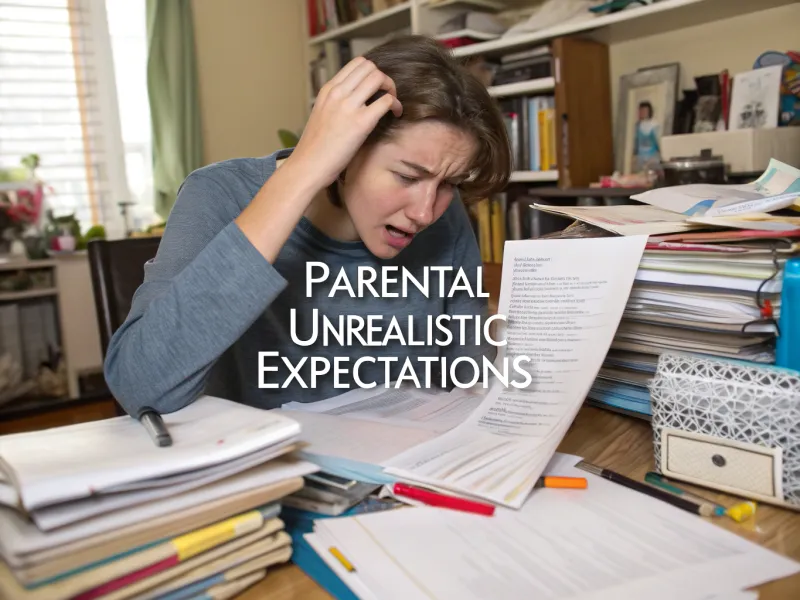
I genitori che pongono richieste impossibili ai propri figli creano un circolo vizioso di stress, ansia e dubbi su se stessi. La pressione per raggiungere obiettivi irraggiungibili spesso porta al burnout e a un senso di fallimento perenne.
Stepping away is about reclaiming the freedom to define success on one’s own terms. It’s a move toward living a life that prioritizes personal happiness over external validation.
This choice allows individuals to focus on their well-being and create goals that align with their abilities and aspirations. It’s a step toward balance and self-acceptance.
17. Mancanza di supporto
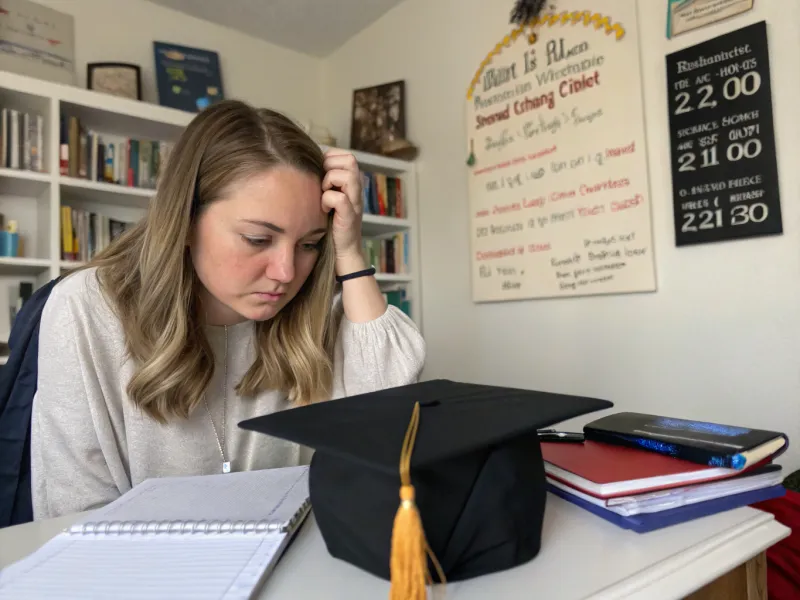
Without parental support, children are often left feeling isolated, unworthy, and lost. Instead of receiving the guidance and encouragement they need, they are forced to navigate life’s challenges alone.
When the safety net of emotional or practical support is missing, the choice to distance oneself becomes a survival mechanism. It’s about creating a circle of people who offer the care and understanding they were denied at home.
In moving away from unsupportive parents, many discover their own resilience. This act isn’t just about leaving—it’s about seeking relationships that truly uplift and nurture growth.
18. Percorsi di vita diversi

Diverging life paths can often create a divide in families, particularly when parents are unable to accept their children’s choices. This misalignment can feel like a rejection of identity, leaving individuals questioning their place within the family.
Seeking distance is often a way to honor one’s journey. It’s not about rejecting family entirely but about creating the space to follow one’s dreams without interference or judgment.
Scegliendo questa strada, gli individui si aprono alla possibilità di legami in cui le loro scelte sono apprezzate e celebrate. Questa distanza permette loro di costruire una vita che riflette il loro io autentico.
19. Alienazione parentale

L'alienazione parentale, in cui un genitore manipola il figlio affinché rifiuti l'altro genitore, crea un profondo danno emotivo. I bambini coinvolti in questa dinamica sono costretti a scegliere da che parte stare, spesso a scapito del loro benessere emotivo.
Choosing to step away from both parents or the manipulative one is often a way to reclaim personal stability. It’s a chance to escape the emotional turmoil and rebuild a sense of trust in relationships.
Questa decisione è dettata da un bisogno di pace. Permette agli individui di allontanarsi dalle forze divisorie e di creare un futuro che privilegi l'onestà e le connessioni autentiche.
20. Genitorialità incoerente

Inconsistent parenting fosters confusion and insecurity, leaving children unsure of what to expect. Fluctuating rules, unpredictable behavior, and a lack of emotional stability can deeply impact a child’s sense of safety.
For those who grow up in this environment, creating distance is often an attempt to establish stability elsewhere. It’s about finding consistency and balance in relationships beyond the family home.
In stepping away, many learn to redefine their expectations and create an emotional foundation built on trust and reliability. It’s a way to break the cycle of uncertainty and build something stronger.
21. Dipendenza malsana
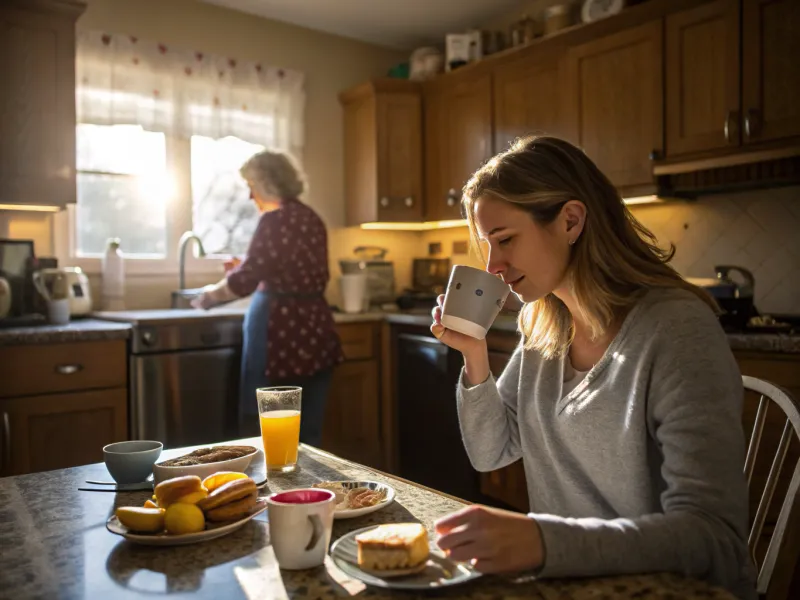
I genitori che favoriscono la dipendenza possono farlo con buone intenzioni, ma gli effetti a lungo termine possono essere soffocanti. Quando i bambini si sentono intrappolati da questa dipendenza, diventa difficile per loro ritagliarsi una propria identità.
Breaking free is often the only way to develop true independence. It’s about finding the courage to navigate life on one’s own terms, even if it means stepping away from a familiar dynamic.
As challenging as it may be, this step offers the opportunity to grow, explore, and discover one’s potential without limitations. It’s about embracing the freedom to live autonomously.
22. Genitori prepotenti

Overbearing parents can overshadow their children’s ability to make independent choices. Their constant involvement often leaves no room for self-expression or personal growth.
In seeking distance, individuals gain the space they need to define their own boundaries and make decisions free from external pressure. It’s about reclaiming control over their lives.
This process is transformative, enabling personal development and a sense of empowerment. For many, it’s a necessary step to establish their own identity, free from overbearing influence.
23. Mancanza di rispetto

When parents consistently disregard their children’s feelings, opinions, or boundaries, the relationship becomes toxic. A lack of respect undermines trust and fosters resentment.
Walking away from such a dynamic is often a way to demand the respect that has been absent. It’s about creating a life where personal boundaries are recognized and valued.
By stepping away, individuals create space for healthier, more respectful relationships. It’s a decision rooted in self-worth and the belief that mutual respect is essential in any bond.
24. Distanza emotiva

La distanza emotiva dai genitori crea un rapporto freddo e distaccato, lasciando i figli desiderosi di calore e di connessione. Senza l'intimità emotiva, il legame si sente vuoto e non appagante.
Seeking distance is often about finding relationships where emotional needs are met and feelings are validated. It’s a way to pursue connections that offer genuine care and understanding.
This decision allows individuals to prioritize emotional health. It’s about building a circle of people who truly see, hear, and support them in ways their parents couldn’t.
25. Confini e privacy
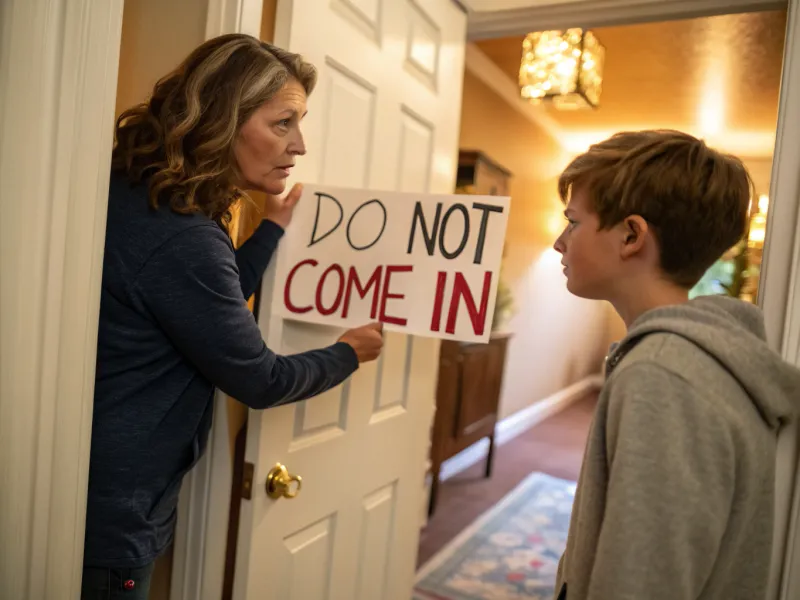
Parents who fail to respect their children’s need for boundaries and privacy often create tension and conflict. Constant intrusions into personal space can feel suffocating and lead to resentment.
Distancing oneself is often the only way to establish and enforce those boundaries. It’s about setting clear limits and protecting personal autonomy.
By creating this separation, individuals reclaim their right to privacy and create a life where boundaries are respected and honored. It’s a step toward healthier interactions and greater self-respect.
26. Promesse non mantenute

Parents who frequently make promises they can’t or won’t keep create a cycle of disappointment. Over time, this erodes their child’s confidence in them and damages the trust essential to any meaningful relationship.
Molti bambini decidono di allontanarsi per evitare le ripetute ferite di aspettative non soddisfatte. Questa distanza consiste nel trovare relazioni in cui alle parole seguono i fatti.
By walking away, individuals give themselves the chance to surround themselves with people who value integrity. It’s a move toward a life where reliability and follow-through are foundational.
27. Concorrenza malsana

Nelle famiglie in cui i bambini sono messi l'uno contro l'altro, l'atmosfera diventa di rivalità anziché di sostegno. Questo ambiente competitivo può danneggiare le relazioni tra fratelli e far sentire ai bambini che il loro valore è legato ai loro risultati.
Many choose to distance themselves from this dynamic to escape the constant comparisons. It’s about stepping into spaces where they can thrive without the pressure of unhealthy competition.
This separation allows for personal growth and the freedom to define success on one’s own terms. It’s a move toward creating relationships rooted in support and encouragement rather than rivalry.
28. Favoritismo

Quando i genitori favoriscono costantemente un figlio rispetto a un altro, si crea una dinamica familiare tossica. Questo comportamento può far sentire il figlio trascurato indegno, non amato e risentito.
Walking away from such favoritism is often about reclaiming self-worth. It’s a step toward seeking relationships that value equality and fairness over favoritism.
This choice allows individuals to heal from the wounds of inequality and surround themselves with people who appreciate them for who they are. It’s about finding balance and respect in personal connections.
29. Abuso di fiducia
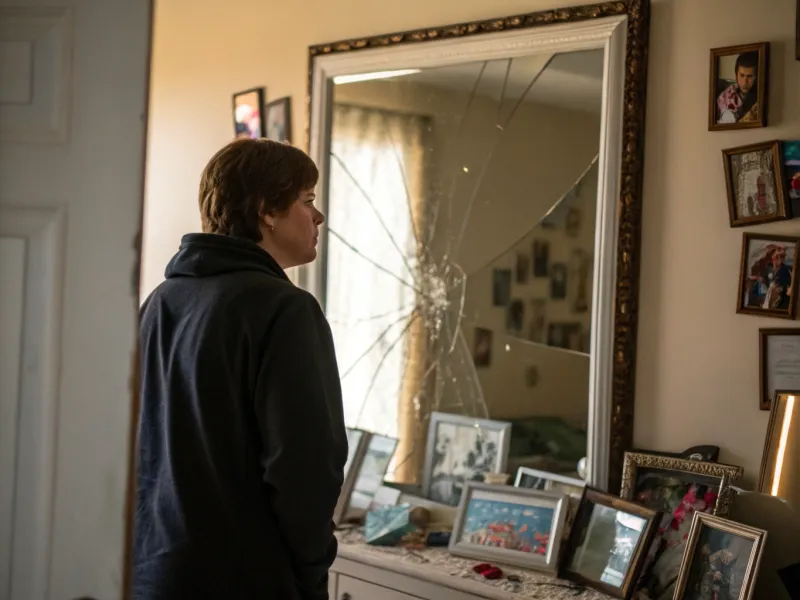
When parents repeatedly break promises or betray their children’s trust, it leaves emotional wounds that are hard to heal. Trust is the foundation of any healthy relationship, and without it, the bond becomes strained or even irreparable.
Molti bambini scelgono di prendere le distanze per proteggere il proprio benessere emotivo. L'allontanamento da questo tipo di ambiente consente loro di cercare relazioni in cui l'onestà e l'integrità sono apprezzate.
This decision is often a step toward rebuilding their sense of security and creating a life where trust is a core principle. It’s about prioritizing connections that foster reliability and mutual respect.
30. Immaturità emotiva
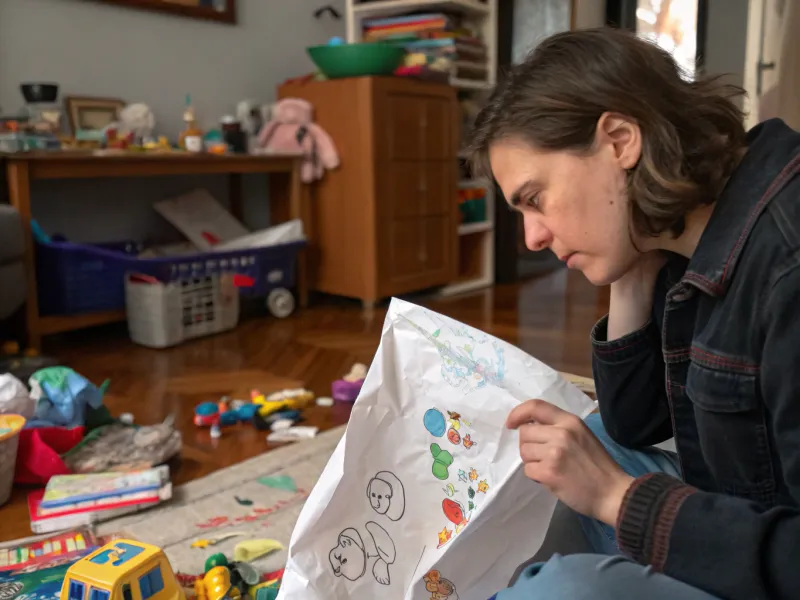
Parents who lack emotional maturity often struggle to provide stability for their children. Their inability to manage their own emotions can lead to erratic behavior, making the family dynamic unpredictable and stressful.
Choosing to distance oneself is often a way to find peace and consistency. It’s about stepping away from the chaos and seeking environments where emotional maturity is the norm.
This separation allows individuals to focus on their own growth, free from the turmoil caused by immature behavior. It’s a decision rooted in the desire for stability and emotional health.
31. Umiliazione pubblica

Quando i genitori espongono i figli a umiliazioni pubbliche, erodono la fiducia e creano ferite emotive durature. Questo comportamento spesso porta a sentimenti di vergogna e inadeguatezza che possono protrarsi fino all'età adulta.
Removing oneself from this dynamic is often necessary to rebuild self-esteem and establish a sense of dignity. It’s about creating a safe space where personal boundaries are respected.
Questa decisione riflette un impegno al rispetto di sé e alla salute emotiva. Permette alle persone di andare avanti senza il timore di essere sminuite o sminuite.
32. Mancanza di empatia

I genitori che non sono in grado di entrare in empatia con i propri figli spesso li fanno sentire isolati e incompresi. Senza sostegno emotivo, queste relazioni possono risultare profondamente insoddisfacenti.
Creating distance is often a way to seek compassion and understanding elsewhere. It’s about prioritizing relationships that offer the emotional depth they lacked.
In stepping away, individuals create opportunities for healing and growth, surrounding themselves with people who genuinely care and empathize. It’s a step toward emotional fulfillment.
33. Aspettative irrealistiche

I genitori che impongono ai figli standard irraggiungibili creano un ambiente di pressione costante. Questo porta a sentimenti di inadeguatezza e alla paura di non essere mai abbastanza bravi, per quanto si impegnino.
Choosing to break away is often a way to escape this burden and pursue goals that align with personal happiness. It’s about rejecting perfectionism in favor of self-acceptance and balance.
This decision is a step toward defining one’s worth independently of others’ expectations. It allows individuals to build a life where they are free to grow at their own pace.
34. Conflitti generazionali

Le differenze generazionali possono creare una frattura, soprattutto quando i genitori faticano ad accettare valori o stili di vita moderni. Questa tensione porta spesso a incomprensioni e a una distanza emotiva.
Seeking space allows individuals to live authentically, free from the constraints of outdated expectations. It’s about finding environments where individuality is respected and embraced.
This decision fosters personal growth and allows for the exploration of values that align with one’s true self. It’s a way to move forward without compromise.
35. Abuso di autorità

Parents who abuse their authority create an oppressive dynamic, leaving their children feeling powerless and undervalued. This imbalance can stifle individuality and create lasting resentment.
Stepping away is often about reclaiming autonomy and establishing a sense of equality in relationships. It’s a step toward finding empowerment and self-worth.
By breaking free, individuals can build a life where their voice matters. It’s about creating connections based on mutual respect rather than dominance.
36. Gaslighting and Denial

Gaslighting parents manipulate reality, making their children question their own perceptions and memories. This emotional tactic creates deep confusion, self-doubt, and a feeling of isolation. When legitimate feelings and experiences are constantly denied or twisted, it becomes nearly impossible to maintain a healthy relationship.
Walking away from a gaslighting parent is a means of reclaiming personal truth. It’s about breaking free from manipulation and finding clarity in environments where experiences are validated. This decision is an act of self-preservation, allowing individuals to heal from years of psychological distortion and regain their confidence in their own reality.
37. Enmeshment and Lack of Boundaries

Some parents fail to recognize their children as separate individuals, creating enmeshed relationships where personal boundaries do not exist. In these dynamics, children are expected to fulfill their parents’ emotional needs, often at the cost of their own autonomy. This suffocating closeness can lead to guilt, resentment, and a struggle to form independent identities.
Choosing distance is an act of self-liberation. It’s about asserting the right to personal space and emotional independence. While difficult, this decision allows individuals to form healthier relationships that respect boundaries and personal growth, paving the way for a more fulfilling and self-directed life.