34 Outdated 1950s Housewife Myths Busted, And Why Women Are Never Going Back
Strap in—we’re diving into the wildest myths about 1950s housewives. You know the image: women in perfect curls and pearls, happily baking pies and vacuuming like it’s their life’s calling. Well, it’s time to toss that picture out the window.
We’re tackling myths that have been floating around for way too long, and trust me, they need debunking. Let’s get real about why modern women aren’t exactly lining up for a one-way ticket to the 1950s.
1. Mito: Las amas de casa siempre fueron felices
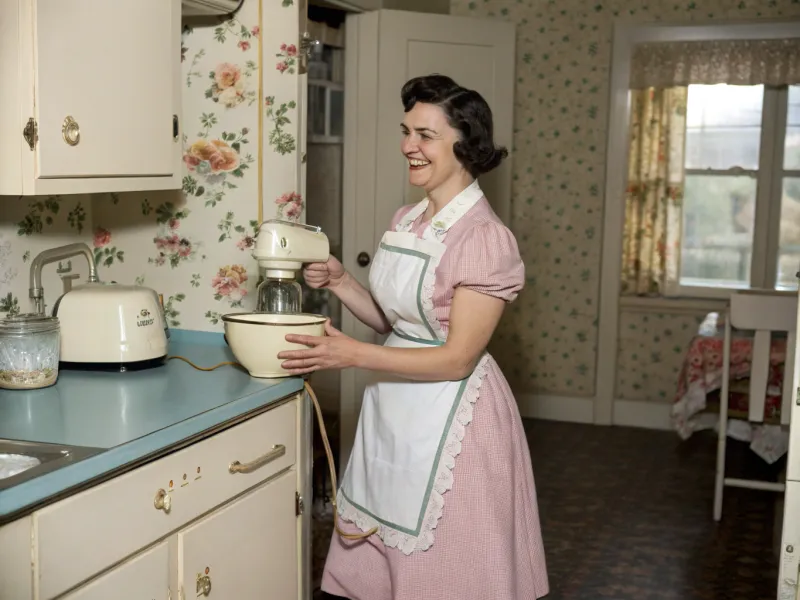
Oh, the idyllic image of the ever-smiling 1950s housewife who found endless joy in ironing shirts and baking casseroles. But let’s be real: behind those picture-perfect smiles, many women grappled with feelings of unfulfillment and boredom. Society painted a picture of happiness tied to domestic duties, ignoring the individuality and aspirations of these women.
Aunque los programas de televisión nos vendían la fantasía de unas felices amas de casa, la realidad era un poco distinta. A menudo, las mujeres se enfrentaban a la presión social para ajustarse a esos roles, lo que a veces les provocaba problemas de salud mental. La falta de oportunidades fuera del hogar dejaba a muchas con ganas de más.
It’s no wonder modern women, who now have the freedom to pursue diverse careers and passions, aren’t keen on revisiting an era where their ambitions were sidelined. Today’s woman knows that happiness isn’t found in dusty corners or perfectly browned roasts. It’s about having choices, and the 1950s didn’t offer enough of those.
2. Mito: Tenían matrimonios perfectos
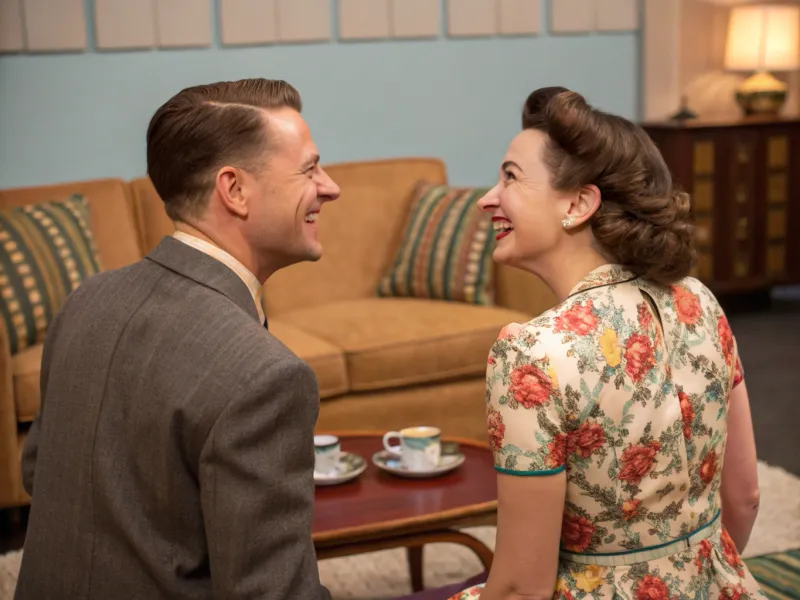
La noción de lo impecable Matrimonio en los años 50 is as persistent as it is misleading. From the outside, it seemed these couples lived in perfect harmony, but behind closed doors, the picture wasn’t always so rosy. Couples often stayed together due to societal expectations, not genuine happiness.
Divorce was stigmatized, particularly for women, who faced limited options if they left their husbands. This pressure to maintain a façade of marital bliss often meant problems were swept under the rug, leading to unaddressed issues and dissatisfaction.
Hoy en día, las mujeres tienen autonomía para buscar relaciones que las satisfagan emocional e intelectualmente. La capacidad de abandonar un matrimonio infeliz sin enfrentarse a la misma reacción social es una libertad que las mujeres aprecian. El objetivo ahora es una verdadera relación de pareja, no sólo su apariencia.
3. Mito: La casa siempre estuvo impecable
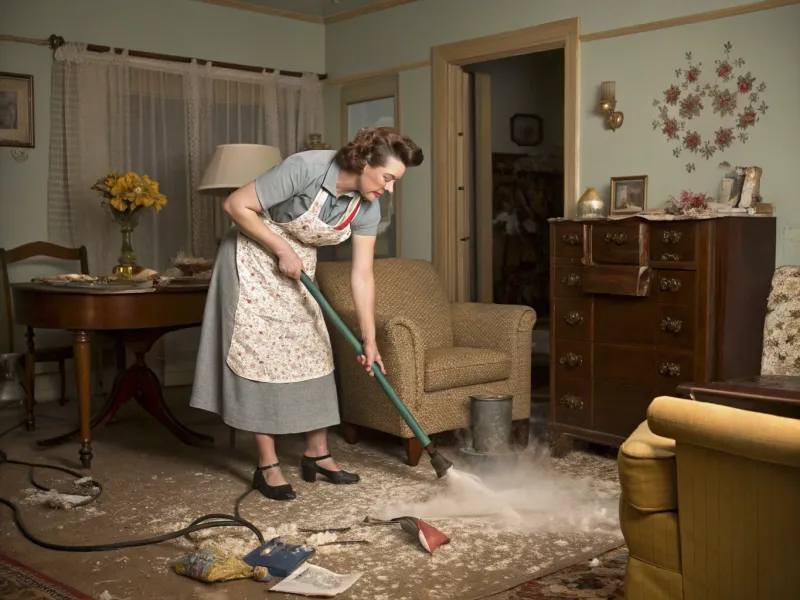
Ah, the spotless 1950s home—a myth as pristine as it is improbable. The truth is, maintaining a perfect home was a relentless and often unattainable goal. With limited modern conveniences, daily chores were time-consuming and exhausting, leaving little room for the leisure implied by those sparkling kitchens.
The pressure to present an immaculate home was immense, with homemakers judged on their ability to keep up appearances. Yet, many struggled with the endless cycle of cleaning and tidying, often feeling inadequate if every surface didn’t gleam.
Today, women balance work, family, and self-care, understanding that a dust-free home doesn’t equate to success or happiness. Embracing life’s messiness is part of the charm, and nobody’s scrambling to go back to a time demanding spotless floors above all else.
4. Mito: No tenían preocupaciones financieras
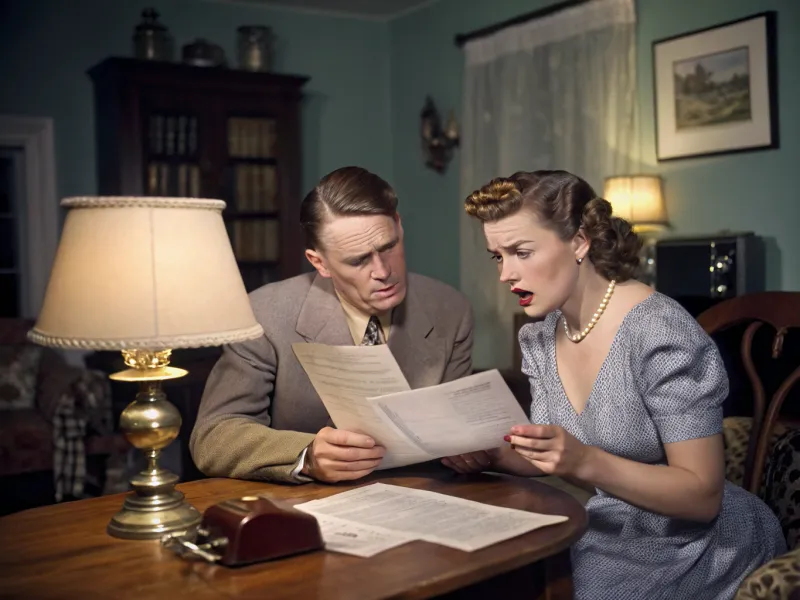
La idea de que las amas de casa de la década de 1950 vivían en la felicidad financiera es totalmente cómica. Muchas familias distaban mucho de estar forradas de pasta, con tensiones financieras ocultas bajo la apariencia de prosperidad suburbana. Las amas de casa a menudo tenían que estirar cada dólar para llegar a fin de mes, todo ello aparentando tranquilidad.
A pesar del modelo de hogar con un único ingreso, el dinero escaseaba en muchas familias, lo que provocaba estrés y ansiedad. Las mujeres, de quienes se esperaba que gestionaran el presupuesto doméstico, a menudo tenían que recortar gastos y ser creativas con los escasos recursos.
Today’s women are financially savvy and independent, with access to education and careers that their grandmothers could only dream of. The freedom to earn and manage their own money without being tied to a partner’s income is a significant reason women aren’t longing for a return to the limiting financial roles of the ’50s.
5. Myth: They Didn’t Want Careers
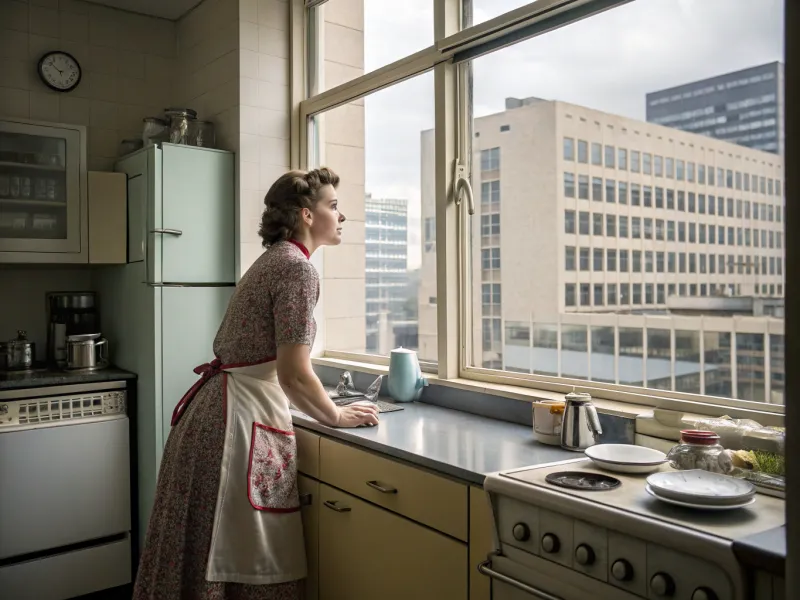
The myth that 1950s housewives were content without careers is as stale as last week’s bread. Sure, some women relished their roles at home, but many harbored dreams of careers that societal norms squashed. Opportunities were limited, and women were often discouraged from pursuing ambitions outside domesticity.
La época estaba plagada de sexismo, y las aspiraciones profesionales se consideraban poco femeninas o egoístas. Las mujeres que se atrevían a romper el molde sufrían discriminación y a menudo se las tachaba de negligentes con sus deberes domésticos.
Si avanzamos hasta hoy, el panorama ha cambiado radicalmente. Las mujeres pueden perseguir sus sueños en cualquier campo, rompiendo techos de cristal y redefiniendo el éxito. La idea de volver a una época en la que las ambiciones estaban reprimidas resulta poco atractiva.
6. Mito: tenían todo el tiempo del mundo

Time—contrary to popular belief—was not an endless luxury for the 1950s housewife. Her day was packed with tasks that, without modern appliances, took up vast amounts of time. From hand-washing clothes to preparing elaborate meals, the list was never-ending, leaving little personal time.
The illusion of endless leisure was a construct of media portrayals, not reality. Women found themselves in a hamster wheel of chores, with little recognition for their hard work or the physical toll it took.
Modern conveniences and shared responsibilities mean today’s women can enjoy more free time, a luxury not easily found in the past. The idea of going back to an era where leisure was a myth is simply not on anyone’s wish list.
7. Mito: No tenían deseos más allá de la familia
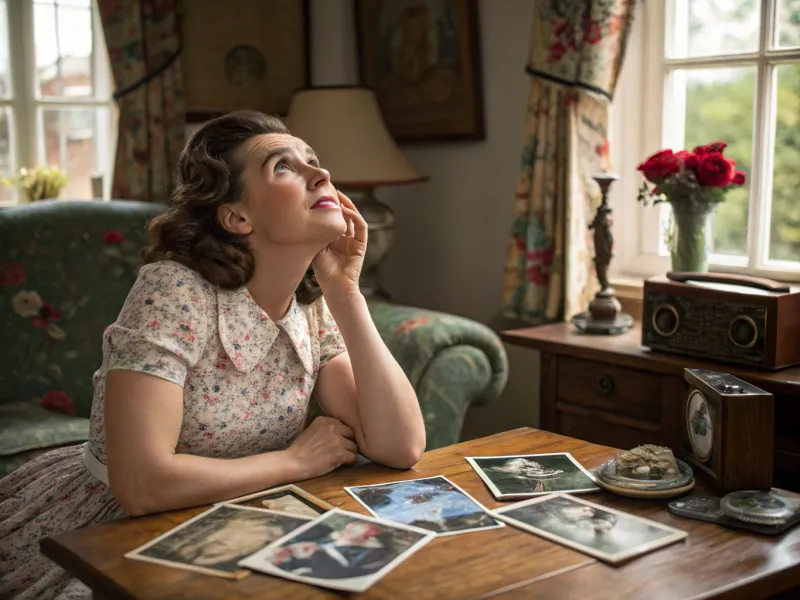
La idea de que las amas de casa de los años cincuenta carecían de deseos personales ajenos a las obligaciones familiares es, francamente, un cuento de hadas. Claro que la familia era importante, pero muchas las mujeres tenían aspiraciones que iban más allá de sus salones. Ya se tratara de escribir, del arte o de implicarse en la comunidad, los sueños personales a menudo quedaban sin cumplir.
Society’s narrative was that a woman’s ultimate success lay in her family’s happiness, sidelining her personal ambitions. Women who dared to voice desires for more were often met with skepticism or outright disapproval.
Hoy en día, las mujeres persiguen con orgullo sus pasiones y carreras, reconociendo que la satisfacción puede provenir de múltiples fuentes. La libertad de perseguir los sueños sin que la sociedad se oponga a ello es una de las principales razones por las que las mujeres modernas pierden el atractivo de la vida doméstica de los años cincuenta.
8. Mito: Sus hijos siempre se portaron bien
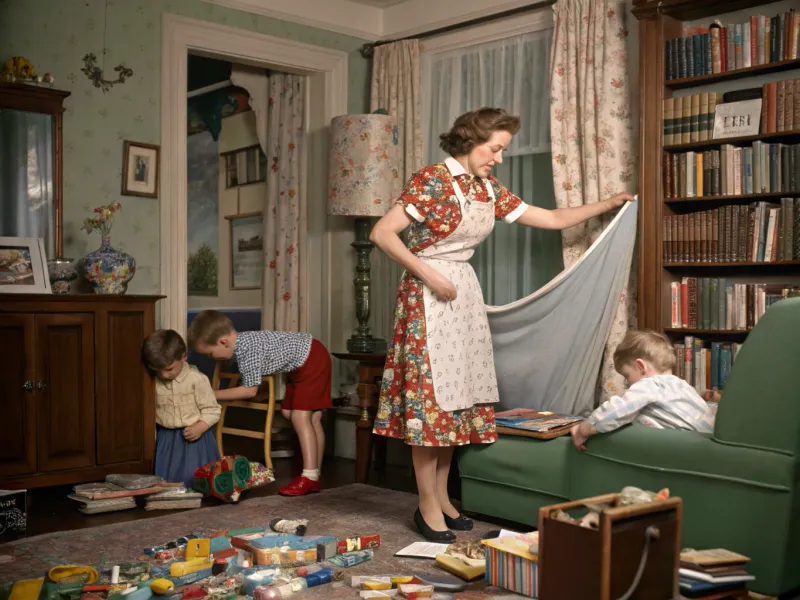
Que empiece el caos: el mito de los niños perfectamente educados de los años 50 es tan engañoso como el giro argumental de una comedia de situación. Para ser realistas, los niños siempre han sido un manojo de energía e imprevisibilidad, capaces de llevar al borde del abismo hasta al más tranquilo de los padres.
The image of obedient, respectful kids was a societal ideal, not the norm. Housewives often faced the daily challenge of managing their children’s antics while maintaining composure and household order, a task far from simple.
Today’s parenting embraces the reality that children are dynamic individuals with minds of their own. The idea of going back to an era with unrealistic expectations of perfect offspring is as appealing as a time-out.
9. Mito: Las amas de casa tenían dificultades tecnológicas
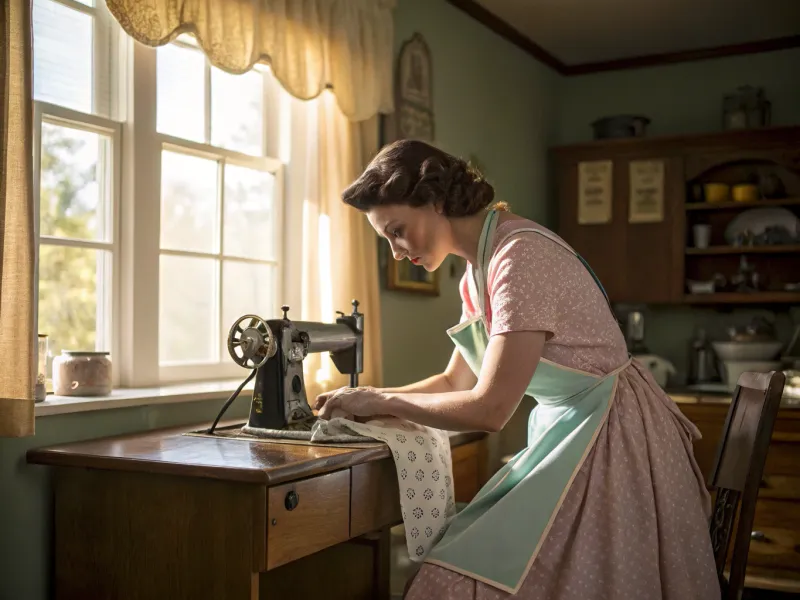
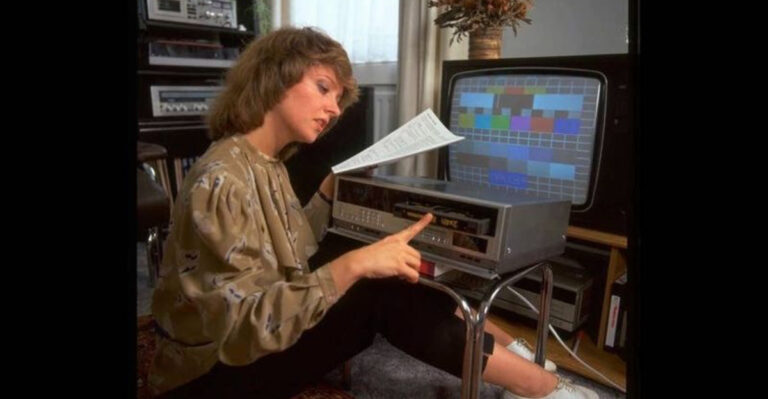
Let’s bust the myth of the technology-averse 1950s housewife. While it’s true that technology looked different back then, these women were far from clueless. They adeptly managed complex tools like sewing machines, ovens, and radios, often being the household’s tech expert.
Esta idea errónea se debe probablemente a la falta de aparatos modernos que tenemos hoy en día, pero estas mujeres fueron pioneras en su época y aprovecharon todo lo que tenían a su alcance. Innovaron y se adaptaron, sacando el máximo partido de todos los aparatos y herramientas que tenían a su disposición.
Today’s tech-savvy woman stands on the shoulders of these early adopters, who weren’t afraid to push buttons and flip switches. The notion that housewives were technologically challenged is a disservice to their adaptability and ingenuity.
10. Myth: They Didn’t Influence Society
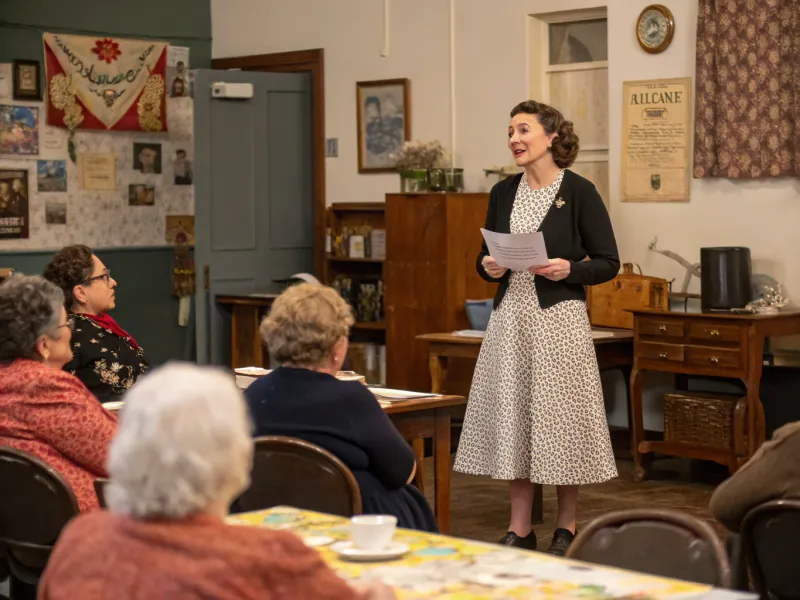
El mito de que las amas de casa de los años cincuenta no tenían ninguna influencia social no es sino una interpretación errónea. Las mujeres de esta época desempeñaron un papel importante en sus comunidades, desde organizar eventos locales hasta encabezar movimientos sociales, a menudo sin que nadie se diera cuenta.
Su influencia fue sutil pero impactante, ya que crearon redes y presionaron para conseguir cambios que sentaron las bases del progreso futuro. Fueron los defensores anónimos de muchas causas y utilizaron sus plataformas para abogar por mejores escuelas, barrios más seguros y mucho más.
Today’s women continue this legacy, making waves in both local and global arenas. The idea that housewives had no influence ignores the potent force they were, and why women today aren’t looking to retreat from their hard-earned societal roles.
11. Mito: Eran pasivos en las relaciones
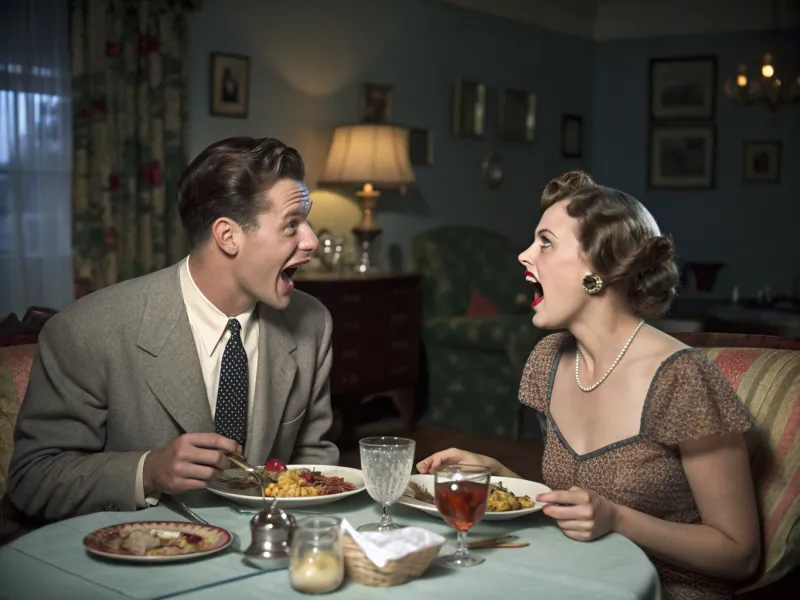
The image of the passive 1950s housewife who simply nodded along to her husband’s every word is a narrative full of holes. Women were often the quiet powerhouses behind family decisions, steering the ship without overt recognition.
While the era’s gender dynamics were skewed, many women found subtle ways to assert their influence within the household. They negotiated, persuaded, and led from behind the scenes, often making critical decisions that kept the family on course.
Today’s balanced partnerships owe much to these quiet pioneers, who laid the groundwork for mutual respect and collaboration in relationships. Women are no longer confined to passive roles, and the appeal of revisiting a time when they were is nonexistent.
12. Myth: They Didn’t Engage in Politics
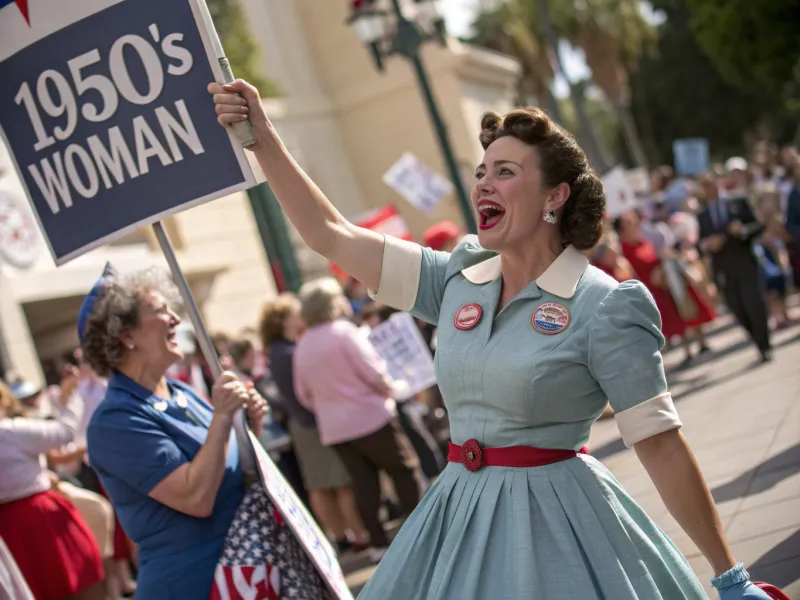
La idea de que las amas de casa de los años cincuenta eran políticamente independientes es un mito que pasa por alto su papel activo en la configuración de la política local. Muchas participaban activamente en movimientos de base y defendían los asuntos comunitarios y nacionales que les importaban.
These women didn’t just sit on the sidelines; they organized, campaigned, and even held office in local governments. Their efforts were instrumental in bringing about changes that benefited schools, neighborhoods, and social policies.
Today’s women continue to break barriers in politics, inspired by these early activists who dared to step into the political arena. The notion of political passivity is outdated, and women aren’t looking to step back from the progress made.
13. Mito: Todas eran diosas domésticas
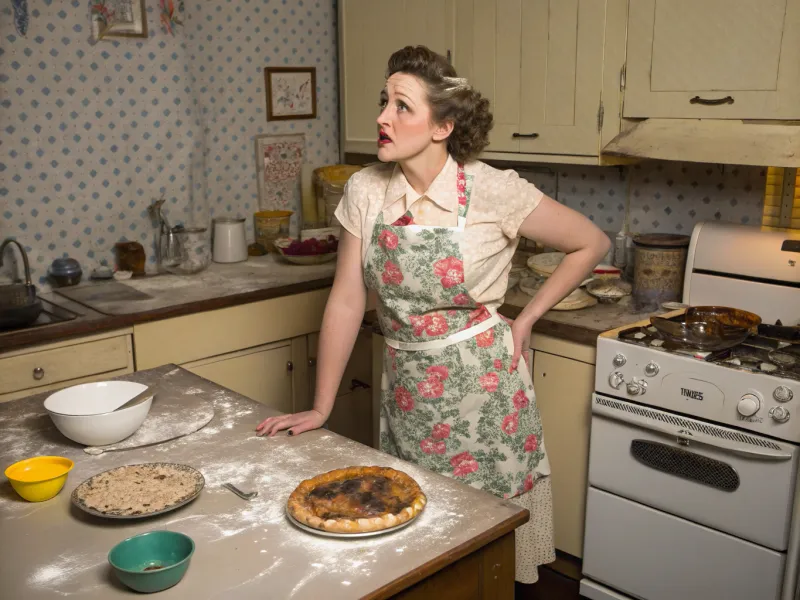
El mito de la impecable diosa doméstica de los años cincuenta es tan engañoso como la portada de una revista. A pesar de las brillantes imágenes, no todas las mujeres eran expertas en cocina o limpieza. Muchas se enfrentaban a los mismos problemas que nosotras hoy: cenas quemadas, casas desordenadas y algún que otro desastre en la cocina.
The pressure to be perfect in every domestic task was immense, leading to stress and self-doubt when reality didn’t match the ideal. This unrealistic expectation often overshadowed the hard work and dedication women poured into their homes.
Today, women embrace imperfection, understanding that life’s messiness is part of the journey. The idea of returning to an era with unattainable domestic standards is as appealing as a burnt soufflé.
14. Myth: They Didn’t Exercise Creativity
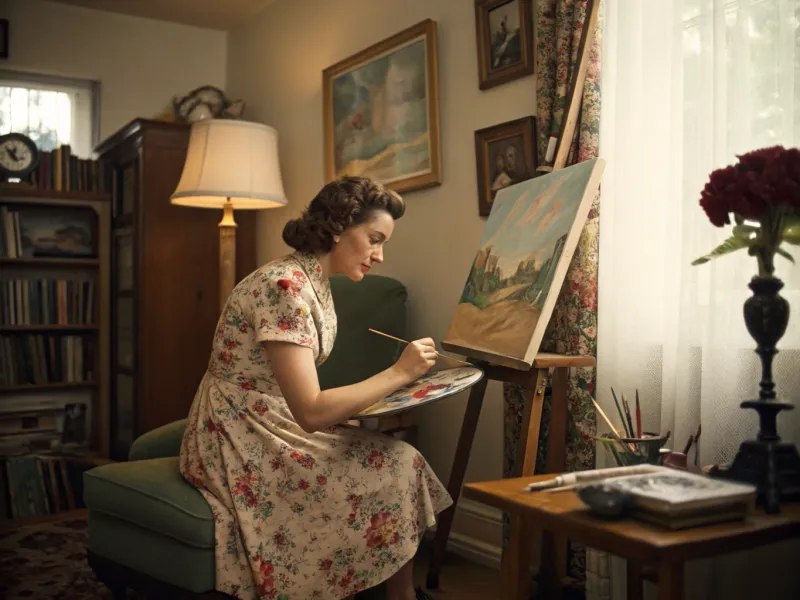
The notion that 1950s housewives were creatively stifled is akin to saying the sky isn’t blue. Many women channeled their creativity into various forms, from art and writing to innovative home projects. Their creativity often flourished in the confines of their environment.
Estas mujeres encontraron formas de expresarse, ya fuera cosiendo, trabajando en el jardín o haciendo otras manualidades. Sus hogares se convertían a menudo en lienzos para sus esfuerzos artísticos, y transmitían estos espíritus creativos a las generaciones futuras.
Today, women’s creativity knows no bounds, with opportunities to showcase talents on global platforms. The legacy of these creative housewives is alive and well, with no desire to revert to a time of restricted expression.
15. Mito: Eran incultos
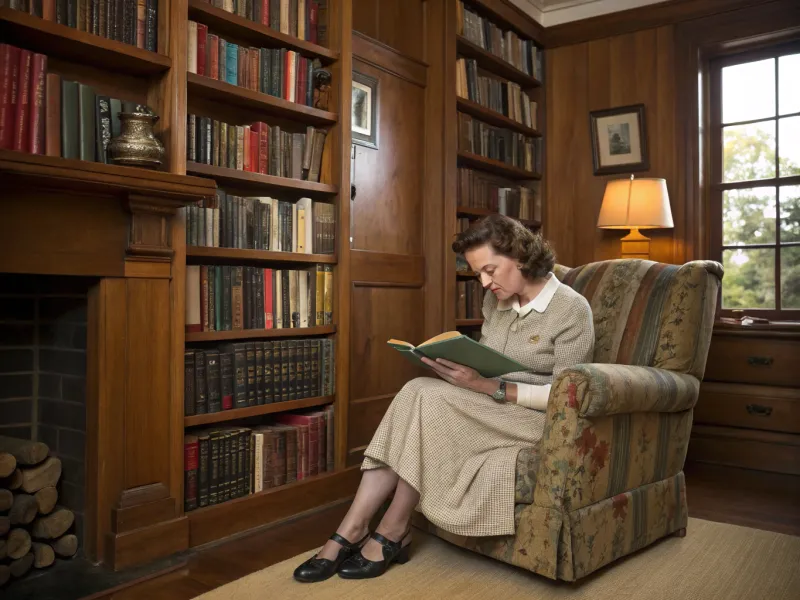
The stereotype of the uneducated 1950s housewife couldn’t be further from the truth. Many women were well-read and took their education seriously, often pursuing knowledge through books, community courses, and conversation.
La educación se consideraba un activo valioso, y muchas amas de casa utilizaban su aprendizaje para enriquecer a sus familias y comunidades. Su sed de conocimientos las impulsaba a buscar información y habilidades que iban más allá de la escolarización tradicional.
Today’s educated women continue this tradition, valuing lifelong learning and personal growth. The idea of returning to an era where women’s education was undervalued is not something embraced by modern society.
16. Myth: They Didn’t Enjoy Fashion
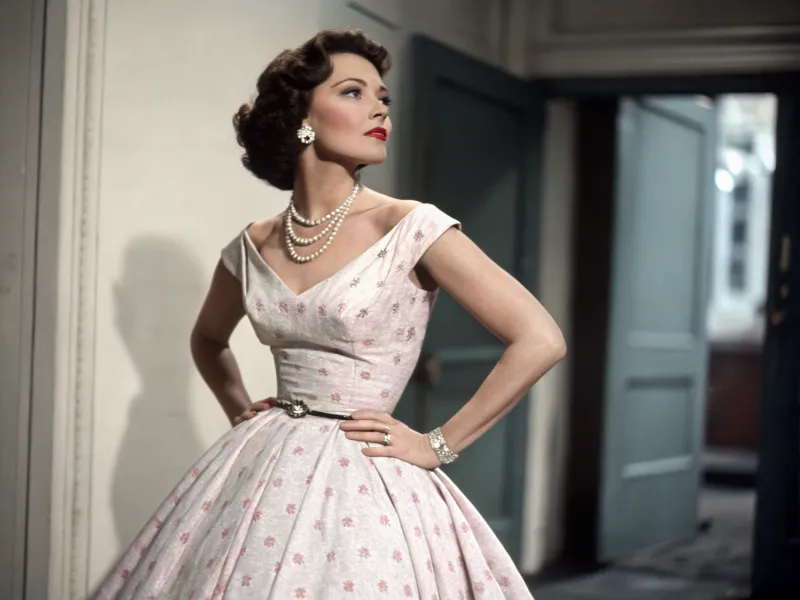
The myth that 1950s housewives were disinterested in fashion is a misconception as outdated as last season’s trends. Women of that era loved fashion and expressed themselves through clothing, often making their own outfits to reflect personal style.
La moda era una forma de expresión personal que permitía a las mujeres mostrar su creatividad e individualidad. Desde glamurosos trajes de noche hasta elegantes prendas de día, abrazaban el mundo de la moda con entusiasmo.
Today, fashion continues to be a powerful tool for expression, with women taking inspiration from the past while forging their own trends. The idea of fashion apathy is simply unfounded, and women aren’t keen on stepping back from their sartorial freedom.
17. Mito: nunca viajaban solos
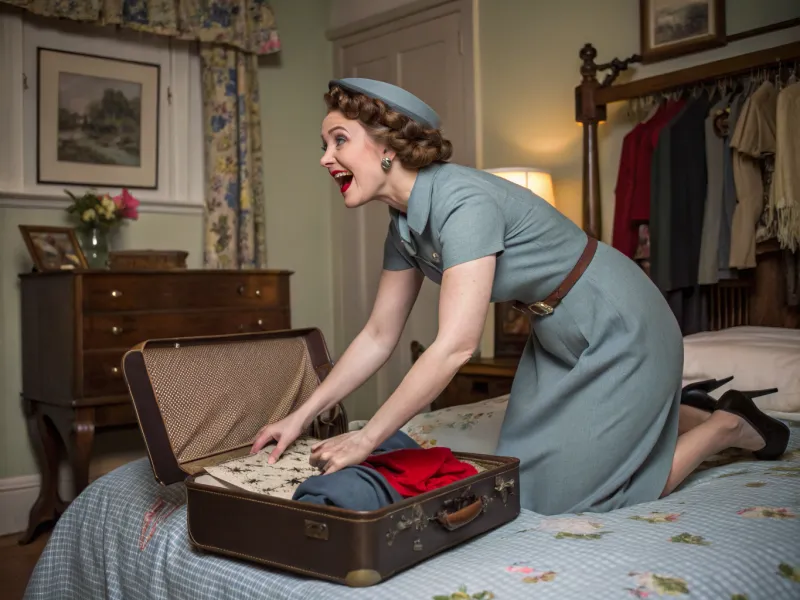
El mito de que las amas de casa de los años cincuenta nunca viajaban solas es tan restrictivo como una maleta demasiado llena. Aunque las normas sociales a menudo mantenían a las mujeres atadas al hogar, algunas almas aventureras rompieron el molde y se aventuraron a salir solas.
Women traveled for various reasons—visiting family, attending events, or simply exploring new places. These journeys were acts of independence, challenging the notion that women needed companionship to travel.
Today’s women travel freely, with a world of opportunities awaiting them. The spirit of adventure that drove those early solo travelers continues, with no inclination to return to a time of restricted movement.
18. Mito: No tenían aficiones personales
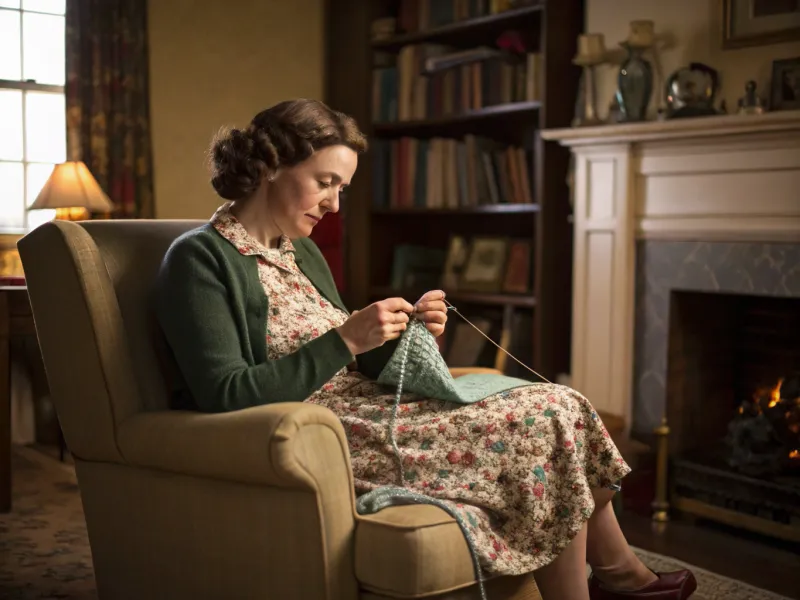
La idea de que las amas de casa de los años cincuenta carecían de aficiones personales es tan errónea como un pez fuera del agua. Muchas mujeres practicaban aficiones con ahínco, ya fuera tejer, la jardinería o el coleccionismo. Estas aficiones proporcionaban una salida creativa muy necesaria en medio de las exigencias de la vida cotidiana.
Las aficiones permitían a las mujeres expresarse y relacionarse con otras que compartían pasiones similares. No eran meros pasatiempos, sino partes esenciales de la vida que aportaban alegría y satisfacción.
Today’s women continue to pursue a wide range of hobbies, finding balance and fulfillment outside work and family. The notion of abandoning these beloved activities in favor of past limitations is not on anyone’s itinerary.
19. Mito: en casa siempre iban bien vestidos
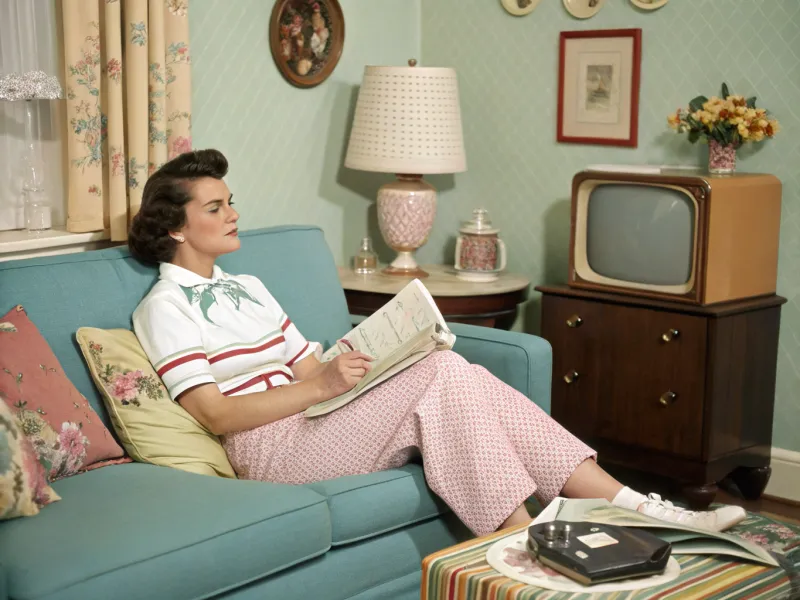
La imagen del ama de casa inmaculadamente vestida de los años 50 es tan fantasiosa como un cuento de hadas. Aunque las mujeres se enorgullecían de su aspecto, la idea de que pasaban todo el tiempo con la ropa perfectamente planchada es un mito. La comodidad solía primar sobre el estilo cuando la ocasión lo requería.
En casa reinaba la practicidad, y las mujeres optaban por ropa cómoda y adecuada para sus tareas cotidianas. La presión por mantener las apariencias era real, pero la realidad a menudo incluía ropa informal y practicidad.
Hoy en día, las mujeres disfrutan de la libertad de vestir por comodidad o estilo, sin que la sociedad las juzgue. La flexibilidad en las elecciones de moda es un cambio bienvenido, y nadie desea volver a una época de estrictos códigos de vestimenta.
20. Myth: They Didn’t Handle Finances
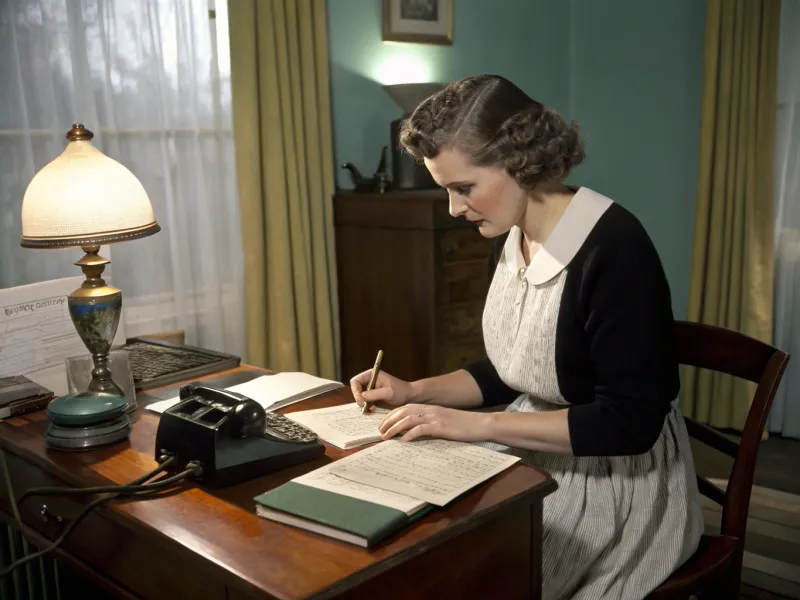
The myth that 1950s housewives didn’t handle finances is as outdated as ledger books themselves. Many women were the chief financial officers of their households, managing budgets, paying bills, and ensuring ends met.
Aunque los hombres solían ser los principales perceptores de ingresos, las mujeres desempeñaban un papel crucial en la toma de decisiones financieras, estirando el dinero y encontrando formas creativas de ahorrar. Su perspicacia financiera era la columna vertebral de la estabilidad familiar.
Today’s financially independent women continue this tradition, empowered to manage their own and their family’s finances. The idea of relinquishing this control is not something women are willing to entertain.
21. Myth: They Didn’t Speak Up
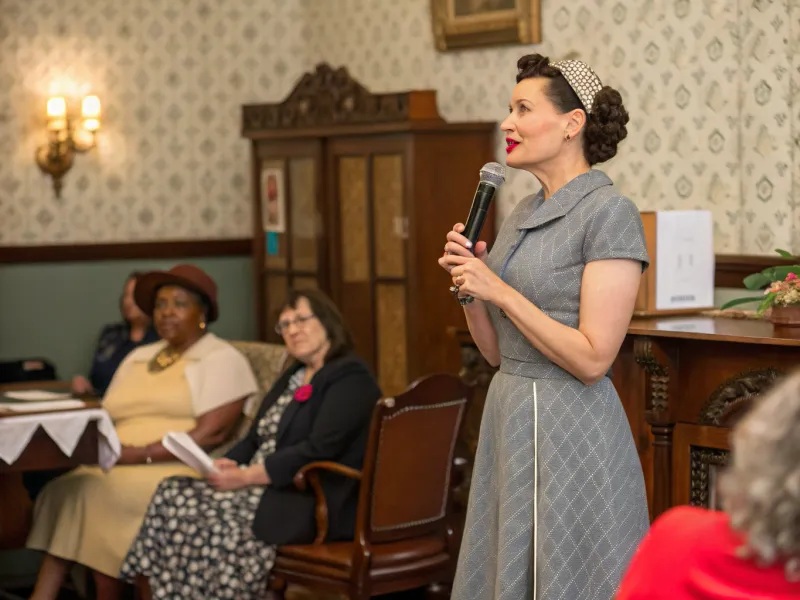
El mito del ama de casa silenciosa de los años cincuenta es un relato que necesita revisión. Muchas mujeres fueron firmes defensoras de sus familias y comunidades, y se pronunciaron sobre cuestiones que les importaban, desde la educación hasta la atención sanitaria.
Estas mujeres sabían cuándo alzar la voz, a menudo desafiando las normas sociales y abogando por el cambio de forma sutil pero significativa. Su capacidad de influencia era profunda, aunque no siempre reconocida.
Today’s women continue this legacy of activism and advocacy, with platforms that amplify their voices to unprecedented levels. The idea of returning to an era of silence is not on the agenda.
22. Mito: No tenían identidad personal
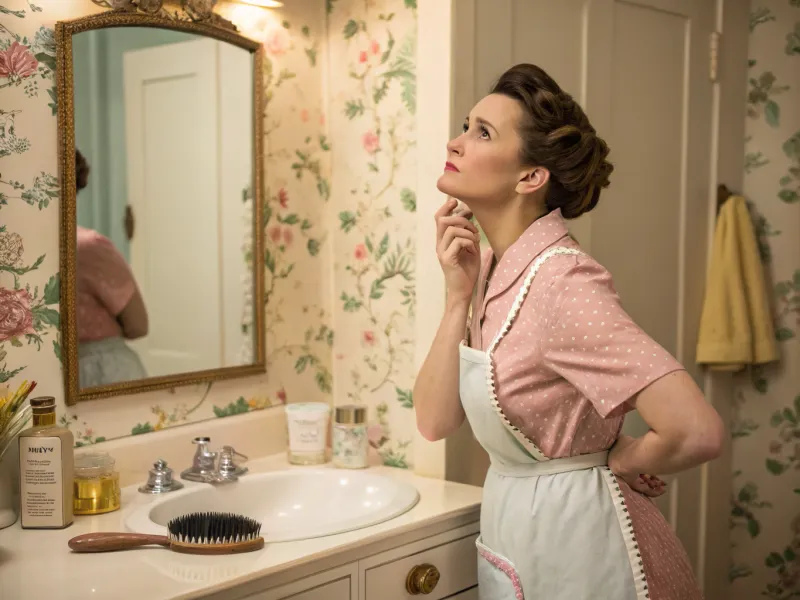
La idea de que las amas de casa de los años cincuenta carecían de identidad personal es tan falsa como un billete de tres duros. Las mujeres de la época tenían personalidades e intereses definidos, aunque a menudo se vieran eclipsados por las expectativas sociales y los roles familiares.
Aunque la familia era fundamental, muchas mujeres mantenían una fuerte identidad personal a través de sus aficiones, amistades y participación en la comunidad. Eran personas dinámicas con sueños e ideas que iban más allá de sus funciones domésticas.
Today, women embrace their multifaceted identities, refusing to be defined by any single role. The freedom to explore every facet of one’s identity is a cherished right, and a return to past limitations is simply unthinkable.
23. Mito: Su vida era fácil
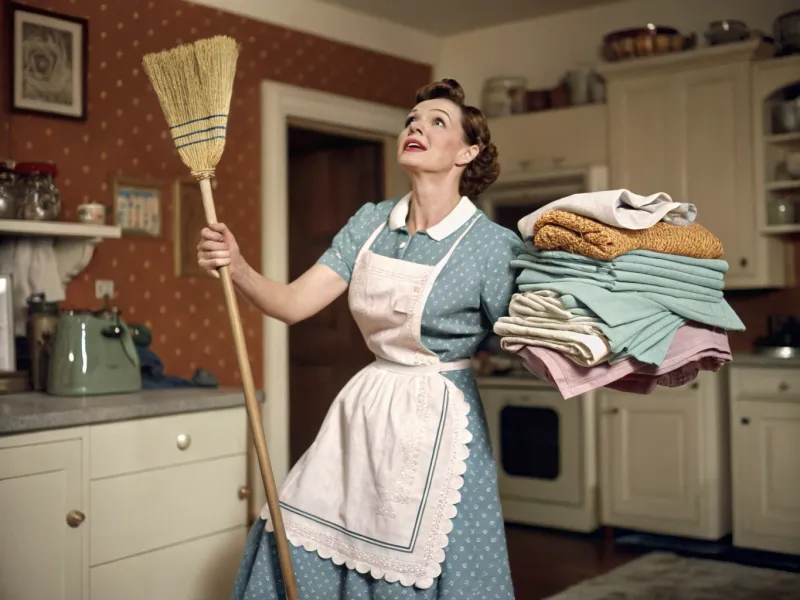
The notion that 1950s housewives led easy lives is as fanciful as a fairy tale. Balancing the demands of home, family, and societal expectations was far from simple. The workload was immense, and the pressures were real.
La vida diaria implicaba numerosas tareas que requerían energía, habilidad y paciencia. Las mujeres tenían que superar retos con apoyo y recursos limitados, a menudo sin reconocimiento ni recompensa.
Today’s women face their own challenges, but with greater support, resources, and opportunities. The idea of revisiting a time of greater hardship and fewer choices holds no appeal.
24. Myth: They Didn’t Face Discrimination
The idea that 1950s housewives didn’t face discrimination is as misleading as it gets. Women of the era encountered systemic barriers in education, employment, and societal roles, often finding themselves limited by gender-based expectations.
Despite their capabilities, women faced pushback when attempting to step outside traditional roles. Discrimination was a harsh reality, influencing their opportunities and shaping their experiences.
Hoy en día, las mujeres siguen luchando contra la discriminación, beneficiándose de los avances logrados por quienes las precedieron. La idea de volver a una época de mayor desigualdad no es una opción para quienes aprecian el progreso.
25. Mito: Todos eran iguales
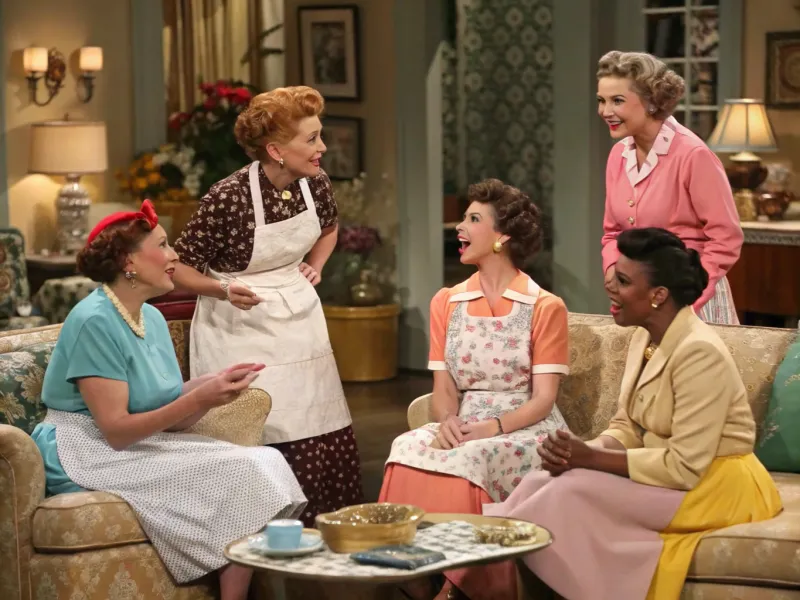
El estereotipo de ama de casa monolítica de los años 50 es tan inexacto como decir que todos los copos de nieve son idénticos. Las mujeres procedían de entornos diversos, con experiencias, culturas y perspectivas únicas que enriquecieron sus comunidades.
Esta diversidad a menudo pasaba desapercibida, eclipsada por una estrecha narrativa social que pintaba a todas las amas de casa con el mismo pincel. Sin embargo, estas diferencias fueron cruciales para dar forma a comunidades vibrantes y polifacéticas.
Hoy en día, la celebración de la diversidad continúa, honrando el rico tapiz de experiencias que aportan las mujeres. La idea de volver a una época de uniformidad no es propia de una sociedad que valora la individualidad.
26. Myth: They Didn’t Influence Future Generations
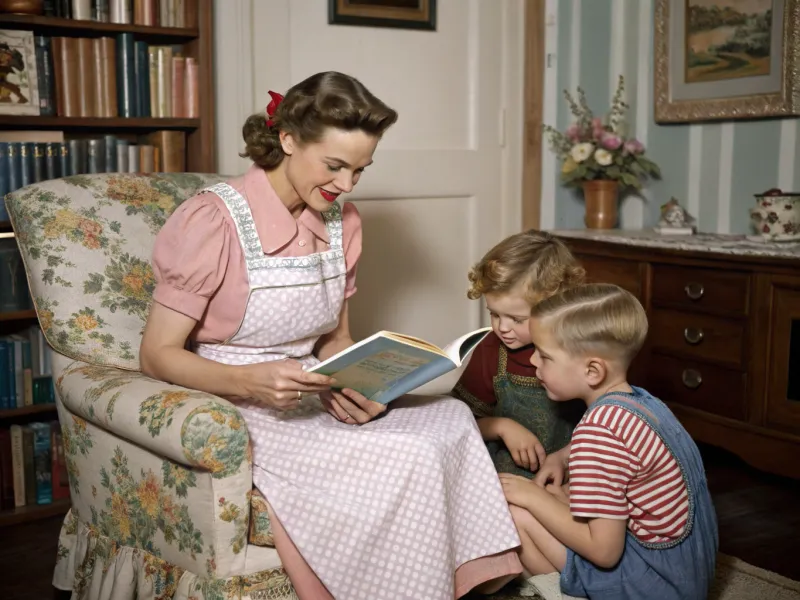
El mito de que las amas de casa de los años cincuenta no influyeron en las generaciones futuras es una gran subestimación de su impacto. Estas mujeres inculcaron valores, enseñaron habilidades y formaron las mentes de sus hijos, sentando a menudo las bases del progreso que se ve hoy en día.
Transmitieron la resistencia, la adaptabilidad y la importancia de la comunidad y la familia. Sus lecciones y su legado siguen inspirando y guiando a las generaciones más jóvenes, dejando una huella indeleble en la sociedad.
Today’s women honor this legacy, building on the groundwork laid by those who came before. The notion of denying this influence is as misguided as it is unjust.
27. Myth: They Didn’t Socialize
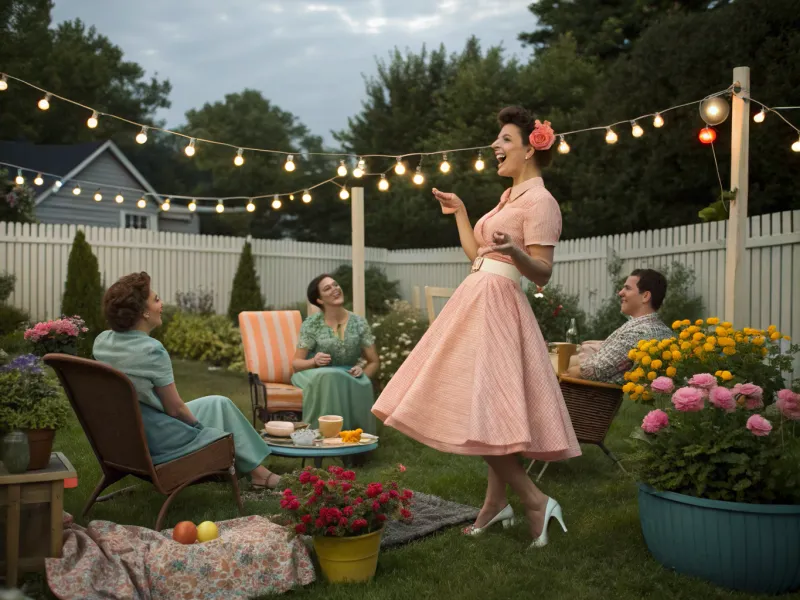
El mito de que las amas de casa de los años 50 estaban aisladas de la vida social es tan creíble como un cerdo volando. Las mujeres de la época eran mariposas sociales, participaban en actividades comunitarias, clubes sociales y frecuentes reuniones con amigos y vecinos.
Estas interacciones sociales eran vitales, ya que proporcionaban apoyo, camaradería y un descanso de la rutina diaria. Las mujeres crearon redes sólidas que enriquecieron sus vidas y apoyaron a sus comunidades.
Today, social connections remain a cornerstone of women’s lives, with technology expanding the ways in which they interact. The idea of returning to a perceived era of isolation is not aligned with the reality of vibrant social lives.
28. Myth: They Weren’t Ambitious
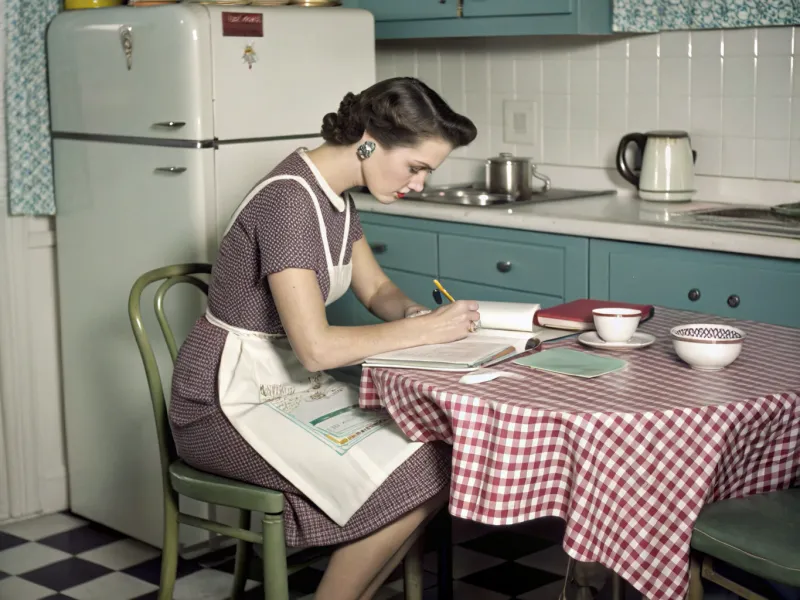
La creencia de que las amas de casa de los años cincuenta carecían de ambición es tan inexacta como la teoría de la Tierra plana. Muchas mujeres albergaban sueños y ambiciones, a menudo persiguiéndolos en silencio en medio de las limitaciones de sus roles sociales.
La ambición se manifestó de diversas formas, desde proyectos personales y espíritu empresarial hasta liderazgo comunitario. Estas mujeres solían encontrar formas creativas de alcanzar sus objetivos, incluso cuando se enfrentaban a obstáculos.
Today’s ambitious women continue to break barriers, inspired by those who navigated a more restrictive landscape. The idea of stifling ambition is as unappealing as it is regressive.
29. Myth: They Didn’t Enjoy Life’s Simple Pleasures
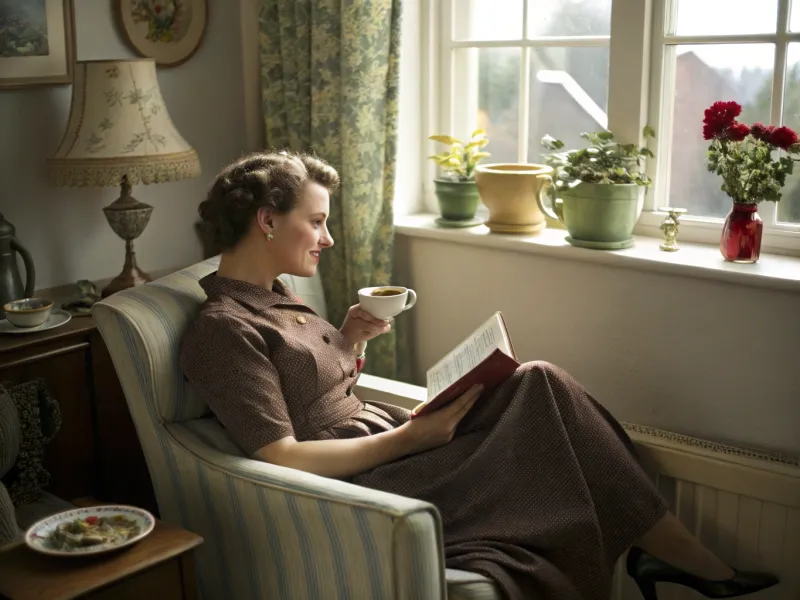
The stereotype that 1950s housewives didn’t enjoy life’s simple pleasures is as incorrect as assuming cats and dogs don’t get along. Many women found joy in everyday moments, appreciating the beauty and tranquility of their surroundings.
Ya fuera una tranquila taza de té, un buen libro o un paseo por el jardín, estos sencillos placeres proporcionaban descanso y felicidad. Eran una parte esencial de la vida, que se apreciaba y disfrutaba.
Today, the appreciation for life’s small joys continues, with women seeking balance and mindfulness amidst busy lives. The idea of overlooking these pleasures is not something that resonates with those who value simplicity and peace.
30. Myth: They Weren’t Resilient
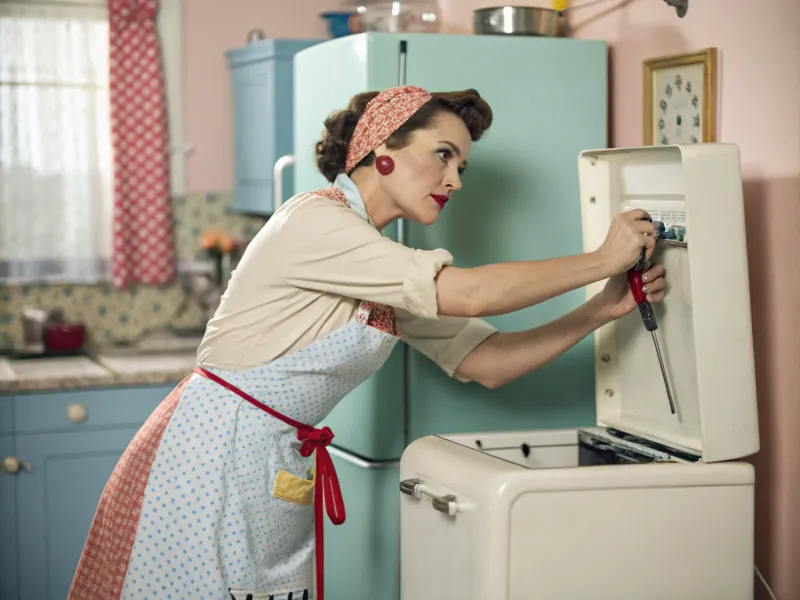
The notion that 1950s housewives lacked resilience is as unfounded as saying the sun doesn’t rise. These women tackled challenges with grit and grace, managing households, raising families, and navigating societal expectations with poise.
La resiliencia era un rasgo distintivo de su vida cotidiana, ya que se adaptaban a las circunstancias cambiantes y superaban los obstáculos. Su fortaleza sentó las bases para que las generaciones futuras afrontaran los retos con entereza.
Hoy en día, la resiliencia sigue siendo un rasgo definitorio, y las mujeres se inspiran en el pasado para construir un futuro. La idea de cuestionar esta resiliencia es tan impensable como inexacta.
31. Myth: They Had Nothing to Say About the World
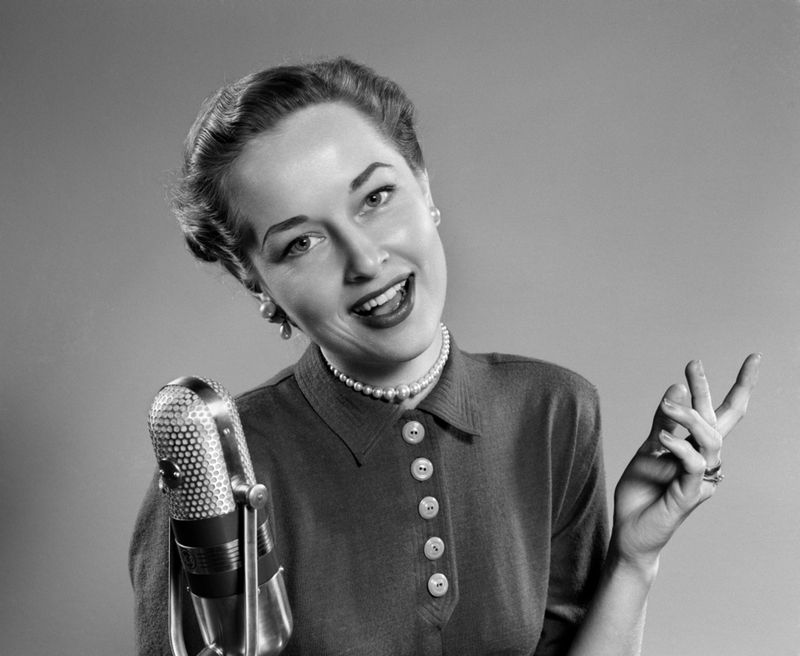
Let’s set the record straight—1950s housewives had plenty to say about the world around them, even if their voices weren’t always amplified. Whether it was discussing current events at the dinner table, writing letters to editors, or participating in community forums, these women were tuned in and opinionated.
The myth that they were disinterested in the world outside their white picket fences is a massive disservice. Many kept up with the news, advocated for causes close to their hearts, and raised their children with strong values and global awareness.
Modern women don’t want to return to an era where their thoughts were undervalued or dismissed. Today, every voice matters—and it’s loud, proud, and making waves.
32. Myth: They Didn’t Challenge the Status Quo
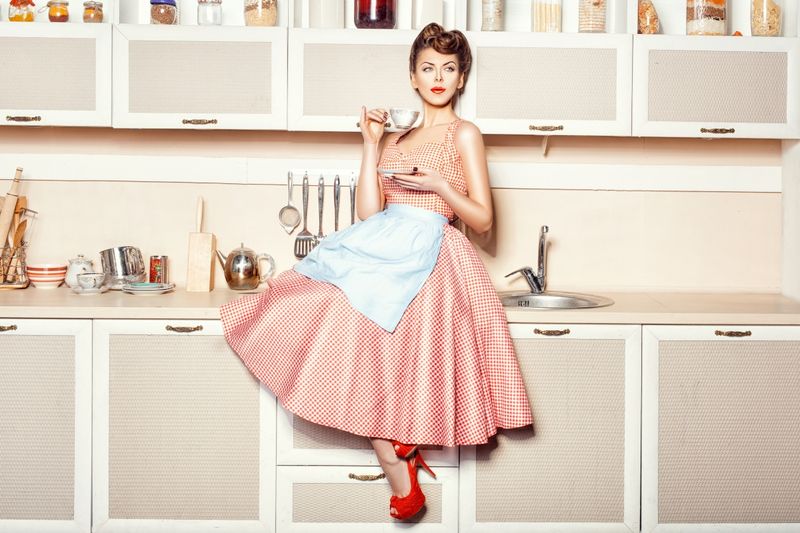
Here’s the truth: 1950s housewives may have appeared to conform, but many were quietly challenging the system in their own way. From pushing for better education and healthcare to questioning gender roles behind closed doors, these women planted the seeds of change that would bloom in the decades that followed.
Not all rebellion looks like protest signs and megaphones. Sometimes, it’s choosing to go back to school, starting a side business, or teaching their daughters they can be cualquier cosa. That quiet defiance paved the way for the feminist movements that followed.
Modern women aren’t about to trade that legacy of progress for a Stepford life. The status quo is made to be questioned—and 1950s housewives helped kick-start the questioning.
33. Myth: Housewives Didn’t Understand Technology
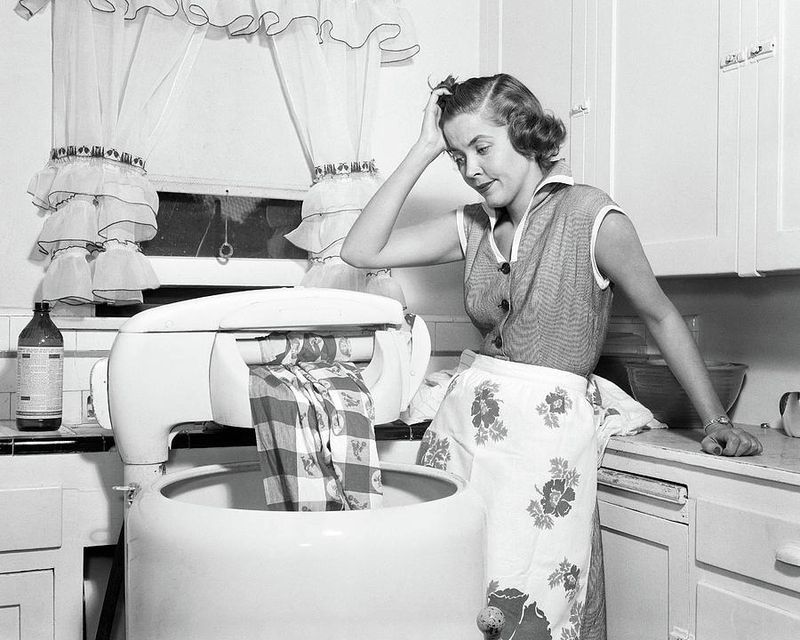
Picture a 1950s housewife. Many assume she couldn’t grasp technology, yet these women operated complex machines like sewing machines and typewriters daily. Far from shying away, they embraced technology to streamline household chores.
These devices, though primitive by today’s standards, were the gadgets of their time, enabling efficiency and creativity. Sewing machines, for instance, allowed them to craft and repair clothing, showcasing their adaptability.
Unbeknownst to many, the prowess of these housewives in using such tools paved the way for future technological embracement, breaking stereotypes and setting new standards.
34. Myth: They Had No Say in Family Decisions
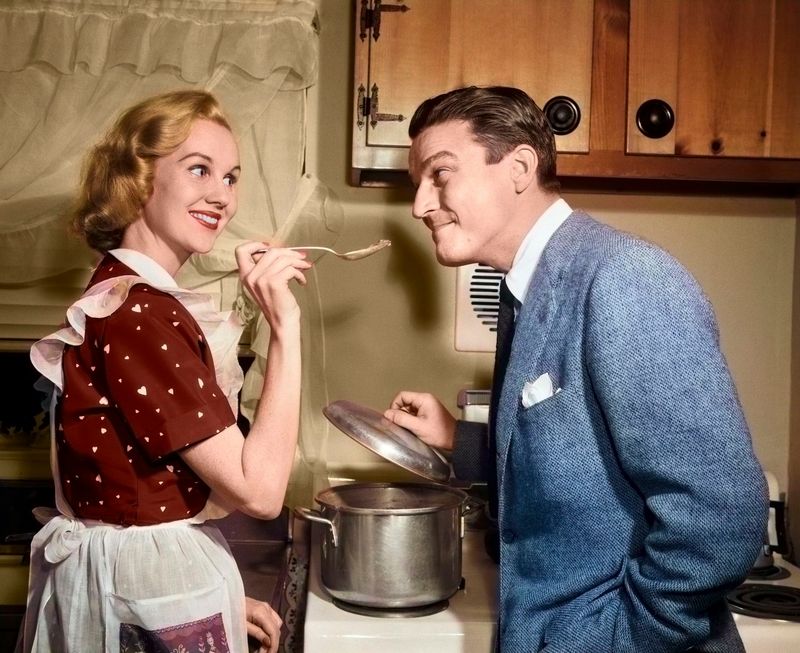
The image of a silent housewife, nodding passively, is a misconception. In reality, many 1950s women wielded significant influence in family matters. Whether budgeting or planning family events, their input was often crucial.
These women were strategic, negotiating household needs with their partners, ensuring a balance between wants and necessities. Their shrewd decision-making often extended beyond finances, impacting schooling choices and family vacations.
In essence, their voices were heard, albeit quietly, reshaping the narrative of the passive housewife. They were the unsung architects of family dynamics, quietly steering the course of family life.