

39 Common Traits of Parents Who Struggle to Stay Close with Their Adult Kids
Parenting doesn’t come with a manual—but some habits almost guarantee your kids will keep their distance once they grow up. Think your relationship is rock-solid? You might want to double-check these signs that could be quietly pushing your adult children away.
1. Carácter excesivamente crítico

Every phone call feels like a performance review—you could win an Olympic medal and still hear, ‘Well, did you really try your best?’ This constant need to critique can make any conversation feel like walking on eggshells. It’s like every interaction becomes a checklist of what you didn’t do right rather than a celebration of what you did accomplish.
This trait is often rooted in the belief that criticism is a form of caring, but let’s be real—it’s exhausting. Adult children might start to wonder if they’ll ever be good enough in their parents’ eyes. It’s not about lowering standards; it’s about recognizing achievements and offering support. Instead of pointing out every flaw, try finding things to appreciate.
Cuando las críticas pesan más que los ánimos, conduce a una relación tensa. It’s essential to balance feedback with positivity. If you find yourself nitpicking more than praising, it might be time to reevaluate how you express your concerns and love. Remember, sometimes silence is golden when it comes to unasked-for advice.
2. Falta de disponibilidad emocional

This one’s a heartbreaker—when parents are emotionally unavailable, it feels like trying to hug a cloud. You know they’re there, but somehow they’re just out of reach. It’s that feeling of having conversations where nothing of substance is exchanged, leaving both parties feeling emptier than before.
Emotional unavailability often originates from parents dealing with their own unresolved issues, leaving little room to support their children’s emotional needs. It’s like waiting for rain in a drought—hoping for a nourishing connection that rarely comes. This behavior can unintentionally teach children to suppress their emotions.
Breaking this cycle means taking the time to genuinely listen and engage. Openness is a two-way street; showing vulnerability can encourage your adult children to do the same. Don’t be afraid to share your feelings—it might just open the floodgates to a stronger bond.
Véase también: 37 Heartbreaking Reasons Children Are Cutting Ties with Their Parents
3. Expectativas inflexibles

Ever felt like you’re living in a script someone else wrote? Inflexible expectations make adult children feel like they’re stuck in a role they didn’t audition for. Parents with set notions about how life should unfold often forget that their kids have dreams and desires of their own.
Estos expectativas can stem from cultural or generational beliefs where the ‘one-size-fits-all’ approach was the norm. But life isn’t a one-act play—it’s an improv show where sometimes you just have to wing it. When adult children feel they can’t live up to these rigid standards, they may choose to distance themselves rather than face constant disappointment.
Opening up to new possibilities and acknowledging your child’s individuality can transform your relationship. Flexibility shows that you’re willing to grow and learn alongside them, fostering a sense of mutual respect and understanding.
4. Control prepotente

Helicopter parenting doesn’t end when the kids grow up—it just gets a new name: overbearing control. It’s like having a GPS tracker on their life, dictating every move they should make. This behavior screams ‘I love you’ in the most suffocating way possible.
Parents often don’t realize that control comes from a place of fear and anxiety about their child’s future. The irony is, the more you tighten the grip, the more they want to escape. This constant supervision can lead to resentment and the feeling that their autonomy is under threat.
Loosening the reins and trusting their ability to make sound decisions can be liberating for both parties. It says, ‘I believe in you,’ louder than words ever could. Remember, freedom isn’t about letting go; it’s about allowing your adult children to fly on their own.
5. Tiempo de calidad no disponible

Time is the currency of love, and when it’s not spent wisely, relationships suffer. Parents who are perpetually ‘busy’ send a silent message that something else always takes precedence. Adult children might feel like they’re penciled in between meetings, rather than being a priority.
This behavior is often a reflection of a fast-paced lifestyle where career and personal commitments overshadow family. Remember, the quality of time spent together matters more than the quantity. It’s about being present, both mentally and physically, even if it’s just for a short while.
Esforzarse por dedicar tiempo a interacciones significativas no sólo refuerza el vínculo, sino que demuestra que valoran y aprecian su relación. A veces, los gestos más sencillos son los que causan mayor impacto.
Véase también: 35 hábitos de los padres que alejan a sus hijos adultos de ellos
6. Actitud despectiva

Ever felt like your thoughts and feelings are just raindrops on a windshield, easily brushed aside? A dismissive attitude can make adult children feel invisible, like their opinions and emotions don’t really matter in the grand scheme of things.
This behavior often stems from a lack of understanding or the belief that the parent knows best. While it’s true that parents have more life experience, it’s important to acknowledge that each generation faces unique challenges. Dismissing their feelings can lead to a lack of trust and open communication.
Validation is key to bridging this gap. Listening actively and acknowledging their experiences can foster a deeper connection. Remember, being heard is sometimes more important than being right. It’s about respecting their journey, even if it’s different from your own.
7. Ignorar los límites

Boundaries are like invisible fences—they protect personal space and ensure respect. Parents who ignore these lines might think they’re being caring, but it often feels more like an invasion. Adult children value their privacy, and crossing these boundaries can lead to tension.
Este rasgo puede surgir de la incapacidad para adaptarse a la nueva dinámica de la relación entre padres e hijos. Lo que era apropiado en la infancia ya no lo es en la edad adulta. Respetar los límites es crucial para una relación sana.
Understanding and respecting these limits shows maturity and consideration. It’s about recognizing that while you’ll always be their parent, the relationship has evolved. Taking a step back and allowing them their space can actually bring you closer in the long run.
8. Énfasis excesivo en el éxito

For some parents, success is the ultimate badge of honor, but when it becomes the sole focus, it can overshadow everything else. It’s like being in a race you never signed up for, where nothing short of first place counts.
Esta presión suele derivarse de las normas sociales que equiparan el éxito con la felicidad. Sin embargo, puede provocar agotamiento y una sensación de inadecuación en los hijos adultos. Pueden sentir que su valía se mide únicamente por sus logros, en lugar de por quiénes son como personas.
Redefining success to include personal fulfillment and happiness can relieve this undue pressure. Celebrate small victories and remind your kids that their value isn’t just in accolades, but in their unique qualities and contributions to the world.
9. Comportamiento pasivo-agresivo

Ah, the classic art of saying one thing while meaning another—passive-aggressiveness. It’s the cold shoulder during dinner or the backhanded compliment that leaves everyone in uncomfortable silence.
This behavior often arises from unexpressed anger or frustration. Parents might not even realize they’re doing it, but it creates an atmosphere of tension and unease. Adult children might feel like they’re constantly tiptoeing around potential landmines.
Addressing issues head-on and encouraging open dialogue can defuse this tension. It’s about creating a safe space where both parties can express themselves honestly. Remember, clarity is kindness, and being direct can prevent misunderstandings that breed resentment.
10. Descuidar la comunicación

Communication is the lifeline of any relationship, and neglecting it is like letting that lifeline fray. It’s the unanswered messages or the calls that never happen, making adult children feel like they’re talking to a brick wall.
This breakdown often occurs when life gets busy or when assumptions are made about mutual understanding. But without regular communication, misunderstandings can fester and grow. It’s important to keep those lines open, even if it’s just a quick check-in.
Prioritizing communication shows that you care and are involved in their lives. It’s not about constant contact but ensuring that the connection remains strong. Remember, a simple ‘How are you?’ can mean the world.
11. Ataduras financieras

Money can be a sticky subject, especially when it comes with strings attached. It’s the offer of help that feels more like a bargaining chip than a gift, making adult children feel indebted rather than supported.
This trait often stems from a desire to maintain influence or control. While financial support is appreciated, it’s crucial to ensure it doesn’t come with expectations or hidden agendas. Adult children need to feel empowered, not beholden.
Offering assistance without conditions fosters a healthier relationship. It’s about trust and respect, recognizing that your support is unconditional. Allow your children to make their own financial decisions and mistakes—that’s how they learn and grow.
12. Jugar a favoritos
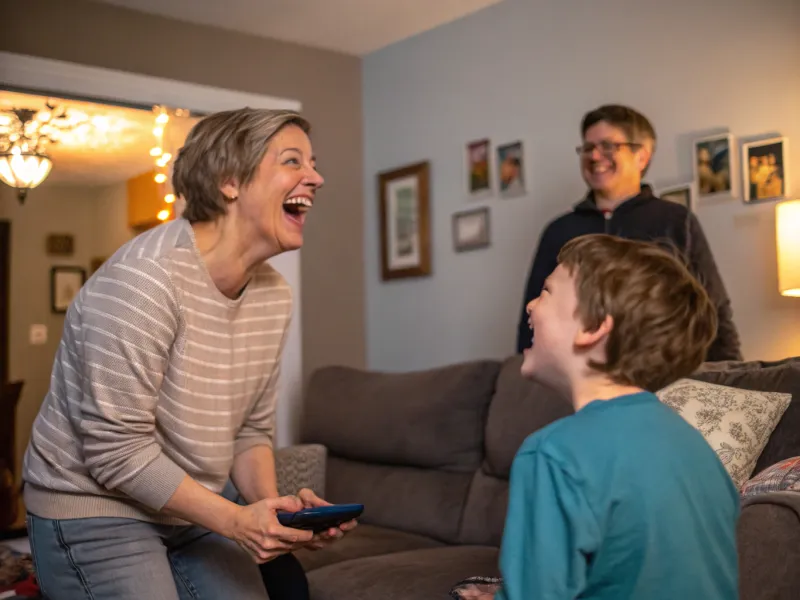
Playing favorites is a surefire way to create rifts in any family. It’s like waving a flag that says, ‘I love you more’ to one child while the others stand in the shadows. This can fuel resentment and competition among siblings.
This behavior might not be intentional—it could stem from having more in common with one child. However, it’s vital to ensure that all your children feel valued and loved equally, regardless of their differences.
Acknowledging each child’s unique strengths and contributions helps to dispel feelings of favoritism. It’s about celebrating individuality while ensuring that no one feels left out. Remember, love isn’t a pie—it doesn’t get smaller when shared.
13. Guardar rencor

Holding onto past grievances is like carrying a backpack full of rocks—heavy and burdensome. When parents can’t let go of past mistakes, it hinders any chance for healing and growth.
Grudges often stem from unresolved hurt or disappointment. However, continuously bringing up past transgressions only serves to open old wounds. Adult children might feel they can never move past their errors in their parents’ eyes.
Choosing forgiveness and focusing on the present can lighten this load. It’s about healing together and allowing relationships to evolve. Remember, everyone makes mistakes—it’s how we move forward that counts.
14. Pasar por alto la salud mental

Mental health is as crucial as physical health, yet some parents overlook its importance. It’s the dismissive attitude towards therapy or the ‘just shake it off’ mentality that can invalidate an adult child’s struggles.
This oversight often arises from generational differences or stigma surrounding mental health. However, ignoring these issues can lead to a lack of understanding and support. It’s vital to recognize that seeking help is a sign of strength, not weakness.
Being open and supportive about mental health can foster a deeper connection. Encourage conversations about well-being and show your willingness to understand and help. It’s about embracing all aspects of health, for a stronger bond.
15. Viajes de culpabilidad de los padres

Guilt trips are the emotional baggage that no one wants. It’s the ‘after all I’ve done for you’ comments that can weigh heavily on adult children, leaving them feeling obligated rather than appreciated.
This behavior often stems from the parent’s own feelings of insecurity or fear of losing connection. However, using guilt as a tool can drive a wedge between you and your children, making interactions feel more like transactions.
Focusing on gratitude and open communication can replace guilt with genuine connection. It’s about expressing love and appreciation without conditions. Show your children that your love isn’t something they need to earn—it’s freely given.
16. Perspectiva crítica

El juicio puede sentirse como un foco que ilumina cada defecto percibido, haciendo que los hijos adultos se sienten más vigilados que apoyados. It’s the comments about their lifestyle choices or appearance that can sting and linger.
Este punto de vista suele derivarse de creencias tradicionales o inseguridades personales proyectadas en los demás. Sin embargo, el juicio constante puede obstaculizar la comunicación abierta y la confianza. Los hijos adultos pueden sentir que tienen que ocultar partes de sí mismos para ser aceptados.
La aceptación y la comprensión pueden salvar esta brecha. Fomente el diálogo y celebre las diferencias. Recuerda que el amor significa aceptar a tus hijos tal como son, no como deseas que sean.
17. Sobrecarga de nostalgia

Nostalgia is a lovely place to visit, but living there can prevent us from appreciating the present. It’s the constant reminiscing about ‘the good old days’ that can make adult children feel like they’re stuck in a time warp.
This behavior often arises from a desire to hold onto cherished memories and simpler times. However, it’s crucial to recognize that your children are building memories of their own. Dwelling too much on the past can overshadow the present.
Encontrar el equilibrio entre los recuerdos del pasado y las experiencias del presente puede mejorar su relación. Anima a tus hijos a compartir sus nuevas aventuras y únete a ellos para crear nuevos recuerdos juntos.
18. Presión del perfeccionismo

Perfectionism is the impossible standard that can turn encouragement into pressure. It’s the expectation that every endeavor must be flawless, leaving little room for mistakes or growth.
This pressure often comes from a desire to see their children succeed, but it can lead to anxiety and fear of failure. Adult children might feel that anything less than perfect isn’t worth pursuing, stifling creativity and exploration.
Encouraging effort and valuing the journey over the destination can alleviate this pressure. It’s about celebrating progress, not just perfection. Show your children that their worth isn’t measured by achievements, but by their passion and resilience.
19. Paternidad incoherente

Inconsistency can feel like riding a rollercoaster—you never know what to expect next. It’s the mixed messages or changing expectations that leave adult children feeling uncertain and confused.
Este comportamiento puede deberse a la falta de límites claros o de comunicación. Sin embargo, la incoherencia puede erosionar la confianza y la estabilidad de una relación. Los hijos adultos necesitan sentirse seguros y saber qué esperar de sus padres.
Establishing clear communication and consistent behavior can provide a sense of security and trust. It’s about being reliable and predictable, showing that you’re a constant presence in their lives.
20. Emocionalmente reactivo

Emotional reactivity is like a storm that can blow up out of nowhere, leaving a trail of confusion and hurt. It’s the over-the-top reactions to minor issues that can make adult children hesitant to share their thoughts or feelings.
This trait often stems from the parent’s own emotional struggles, projecting onto their children. However, these reactions can create a cycle of fear and avoidance, stifling open communication.
Practicing emotional regulation and thoughtful responses can create a safer space for dialogue. It’s about listening calmly and responding with empathy, showing that you’re there to support, not judge.
21. Reflexión sobre traumas no resueltos

Sometimes, parents unconsciously project their unresolved trauma onto their children, creating patterns of behavior that mirror their own past hurts. It’s like looking into a mirror and seeing the past instead of the present.
Esta reflexión puede tener su origen en problemas profundamente arraigados que aún no se han abordado. Sin embargo, permitir que estos traumas influyan en la dinámica padres-hijos puede perpetuar ciclos de dolor e incomprensión.
Seeking help and addressing these past traumas can break this cycle. It’s about healing and growing together, showing that change is possible. Encourage open conversations and seek professional support when needed.
22. Imponer opciones de vida

Parents often mean well, but imposing life choices on their children can feel more like a burden than guidance. It’s the ‘suggestions’ that sound more like commands, leaving little room for personal exploration.
This behavior might stem from wanting the best for their children, based on personal experiences or societal expectations. However, it’s crucial to remember that each person’s path is unique and personal.
Encouraging autonomy and supporting your children’s choices can empower them to follow their own dreams. It’s about being a guide, not a director, showing trust in their ability to make decisions.
23. Naturaleza sobreprotectora

Being overprotective is like wrapping your adult child in bubble wrap—it might keep them safe, but it also prevents them from experiencing life’s highs and lows. It’s the constant hovering that can make them feel smothered.
Esta naturaleza a menudo proviene de un lugar de amor y miedo, queriendo protegerlos de cualquier daño. Sin embargo, ser demasiado protector puede ahogar la independencia y la confianza en uno mismo, provocando sentimientos de inadecuación.
Allowing them to face challenges and make mistakes is crucial for growth. It’s about supporting from the sidelines rather than holding their hand through every hurdle. Show them you trust their ability to navigate life.
24. Comparación con otros

Comparisons can feel like a constant shadow, always lurking in the background. It’s the ‘why can’t you be more like them?’ comments that chip away at self-esteem.
Este comportamiento suele surgir del deseo de motivar, pero puede tener el efecto contrario. En lugar de inspirar, puede provocar resentimiento y una sensación de inadecuación.
Focusing on your child’s unique strengths and achievements can help counteract this. Celebrate their individuality and remind them of their worth, independent of others. Remember, everyone’s journey is different, and that’s what makes it special.
Véase también: 32 Things Parents Of Resilient Kids Always Do According To The Child Development Experts
25. Retención emocional

Emotional withholding is like having a well but never drawing water from it. It’s the lack of affection or words of encouragement that can leave adult children feeling parched for love.
This behavior might stem from the parent’s own upbringing or discomfort with expressing emotions. However, showing love and affection is vital for a strong, healthy relationship.
Practicing openness and expressing emotions freely can transform the dynamic. It’s about making them feel loved and valued, showing that emotions aren’t a weakness but a strength. Encourage warmth and affection in every interaction.
26. Comportamiento reservado

Secrets can create an invisible wall between parents and adult children. It’s the withheld information or hidden truths that can erode trust and intimacy.
Este comportamiento suele surgir del deseo de proteger o evitar conflictos. Sin embargo, la falta de transparencia puede dar lugar a malentendidos y sentimientos de traición.
Encouraging honesty and open dialogue can rebuild trust. It’s about being transparent and sharing information willingly, showing that there’s nothing to hide. Remember, trust is built on openness and honesty, not secrecy.
27. Reacción exagerada ante los desacuerdos

Disagreements are natural, but overreacting can turn them into full-blown conflicts. It’s the shouting matches or cold wars that can leave lasting scars.
Este comportamiento suele deberse a la falta de habilidades para resolver conflictos o a problemas no resueltos en el pasado. Sin embargo, reaccionar de forma exagerada puede dañan las relaciones y crean un ciclo de evitación y resentimiento.
Practicing calm and constructive conversations can transform disagreements into opportunities for growth. It’s about listening actively and responding with empathy, showing that differences don’t have to divide us. Encourage respectful dialogue and understanding.
28. Dependencia de los hijos

When parents depend too much on their adult children, it can lead to an imbalance in the relationship. It’s the constant need for support that can feel more like a role reversal than a healthy dynamic.
Esta dependencia suele deberse a la falta de apoyo externo o al miedo a envejecer. Sin embargo, depender demasiado de los hijos puede generar sentimientos de obligación y resentimiento.
Encouraging independence and seeking external support can rebalance the relationship. It’s about fostering mutual respect and understanding, showing that you’re there for each other, not reliant on each other. Encourage autonomy and self-sufficiency.
29. Vivir vicariamente

Living vicariously through your children can feel like trying to relive your own life through theirs. It’s the push towards paths you once wished to take, overshadowing their own aspirations.
This behavior often stems from unfulfilled dreams or regrets. However, it’s important to remember that your children are on their own journey, not a continuation of yours.
Supporting their individual pursuits and celebrating their unique path can strengthen your bond. It’s about being a cheerleader, not a director, showing that you’re excited for their future, not just reliving your past through them.
30. Insensibilidad a las necesidades

Being insensitive to your child’s needs is like tuning out their SOS signals—it leaves them feeling unsupported and unheard. It’s the missed cues and disregarded requests that can create a rift.
This trait often arises from a focus on one’s own needs or a lack of awareness. However, acknowledging and responding to your child’s needs is crucial for a strong relationship.
Being attentive and responsive can bridge this gap. It’s about showing that you hear them and are willing to support them, reinforcing their value and importance in your life. Encourage open communication and active listening.
31. Resistencia al cambio

Resistance to change can feel like being stuck in cement—it’s the refusal to adapt to new ideas or methods that can hinder growth and understanding.
Este comportamiento suele deberse a la comodidad de lo conocido o al miedo a lo desconocido. Sin embargo, resistirse al cambio puede limitar las oportunidades de conexión y aprendizaje.
Embracing flexibility and open-mindedness can enhance your relationship. It’s about being willing to learn and grow alongside your children, showing that change can be a positive force. Encourage adaptability and curiosity.
32. Obsesión mística

Algunos padres desarrollan una obsesión inusual por las creencias y prácticas místicas. Pueden dar prioridad a la astrología, las lecturas del tarot u otras actividades esotéricas sobre la relación con sus hijos.
This focus can create a disconnect, as adult children might find it challenging to relate to their parents’ newfound passion. Instead of engaging in meaningful conversations, the parent may drift into discussions about celestial alignments, leaving their child feeling alienated.
To bridge this gap, parents should balance their interests with family interactions, ensuring they don’t place mystical pursuits above personal connections.
33. Minimalismo extremo

Adoptar un minimalismo extremo puede llevar a veces a los padres a distanciarse de sus hijos sin darse cuenta. Al preferir un estilo de vida despejado, pueden descartar no solo las posesiones físicas, sino también las conexiones emocionales.
Communication might become sparse, as the parent’s focus on simplicity leaves little room for deep conversations. This approach can make their adult children feel unwelcome or undervalued.
Mantener un estilo de vida minimalista no debe ir en detrimento de los lazos familiares. Los padres pueden invitar a sus hijos a su mundo minimalista, compartiendo experiencias que valoren la sencillez sin sacrificar la conexión.
34. Entusiasmo por aficiones excéntricas

A peculiar passion for an eccentric hobby can sometimes overshadow parental relationships. Whether it’s extreme ironing or competitive duck herding, these unusual pursuits can consume a parent’s time and energy.
Los hijos adultos pueden sentirse marginados cuando los padres se sumergen en estas aficiones, dejando pocas oportunidades para una interacción significativa. La clave está en el equilibrio, dejando espacio tanto para los intereses personales como para el compromiso familiar.
Animar a los padres a compartir sus aficiones con la familia puede transformar estas actividades en oportunidades para estrechar lazos, en lugar de en barreras.
35. Devoción por la desintoxicación digital

Algunos padres adoptan un estilo de vida de desintoxicación digital extrema, evitando toda forma de tecnología. Aunque esto puede promover la atención plena, puede crear una brecha de comunicación con los hijos adultos expertos en tecnología.
The absence of digital communication tools can make it challenging to stay connected, leading to misunderstandings or feelings of neglect. It’s essential for parents to find a balance.
Engaging with technology periodically while maintaining their desire for offline experiences can help bridge the gap. This approach ensures they remain present in their children’s lives without sacrificing their digital detox principles.
36. Making Everything About Themselves

Conversations that turn into monologues about mom or dad? Yep, that’s a quick way to push adult children away. When every interaction somehow loops back to the parent’s own experiences, struggles, or opinions, it leaves little room for emotional reciprocity.
This habit often comes from a place of wanting to relate or be helpful, but it can feel like emotional hijacking. Adult children may stop sharing altogether, knowing the spotlight will soon shift.
Healthy dialogue is about mutual exchange. Ask questions, be curious about their lives, and resist the urge to turn their stories into your memoir. You’ve had your moment—now let them have theirs. Showing that you care enough to simply listen can speak volumes.
37. Treating Adult Children Like They’re Still Teenagers

It’s hard to let go, but when parents continue to treat their grown children like they’re 15 and grounded, it creates friction. Whether it’s unsolicited advice, curfews during holiday visits, or micromanaging decisions, it sends the message: “I don’t trust you to adult.”
This behavior often comes from a place of love—but it can feel more like control than care. Adult children need to feel respected in their independence, even if they’re still figuring things out.
The best way forward? Shift from authority figure to trusted advisor. Let them come to you. Trust in the adult you helped raise, and you just might find a stronger, more respectful connection blooming in its place.
38. Fear of Rejection

Fear can be a powerful deterrent in fostering relationships. Parents who fear rejection may hesitate to reach out, worrying about negative responses. This anxiety can create a distance, leaving adult children unsure of their parents’ desires to connect.
The hesitation often stems from past experiences, where reaching out led to confrontation or misunderstanding. This fear, if left unaddressed, can become a self-fulfilling prophecy, as the lack of communication reinforces the gap.
By recognizing this fear, parents can take small steps to engage, building a bridge over the chasm of silence.
39. Resistance to New Technologies

As technology evolves, some parents find themselves left behind, resisting the new digital landscape. This resistance can create barriers, as adult children often use technology as a primary means of communication.
Parents who shy away from learning new tools may miss out on opportunities to connect, such as video calls or social media interactions. This gap can lead to feelings of isolation and misunderstanding on both sides.
Embracing new technologies, even at a basic level, can open doors to more frequent and meaningful communication, bridging the generational divide.
Véase también: 42 Phrases That Prove Your Parents Totally Nailed It Raising You