

When Two People Truly Love Each Other, Life Has a Way of Pulling Them Back Together
Somewhere between the last conversation and the quiet that followed, you probably asked yourself whether what you had was real enough to survive the distance. That question has a way of staying with you, long after you have moved on with your days. The idea that love finds its way back is one of the most comforting stories we tell ourselves, and it deserves both the tenderness it carries and an honest look at what actually brings two people back together.
Love does not guarantee that two people will find their way back

Few feelings are as quietly persistent as the sense that a relationship with someone you loved is somehow unfinished. The story of two people who separated and later found their way back is genuinely moving, and there is a reason it resonates so deeply. But the comfort in that story can also blur something worth seeing clearly: former partners sometimes do reunite, and when they do, the reasons are more human and more complicated than fate.
Research on on-again/off-again relationships points to a handful of factors that tend to show up when couples renew contact: lingering feelings that never fully settled, uncertainty about what the breakup actually meant, not having dated anyone new, and a belief that time apart had improved the relationship. Studies on relationship cycling describe these as understandable human motivations, not evidence of destiny or a cosmic pull drawing two people together.
The numbers also offer some grounding. Research on adults over 50 following marital separation found that within ten years, roughly 7% of women and 11% of men reconciled with their spouses, while repartnering with someone new was considerably more common. Reconciliation happened, yes, but it was the exception rather than the rule, and the predictors were mixed enough to caution against simple explanations like “true love always finds its way back.”
None of this is meant to dismiss what you felt or what you still carry. Renewed contact can matter, and it can open a door worth walking through. What it cannot do on its own is prove that a relationship is destined, compatible, or built to last. That proof, when it exists, shows up in behavior over time, not in the fact of a return.
Missing someone can reflect grief rather than a sign to reunite

After a breakup, the mind does not simply file the relationship away and move on. Intrusive thoughts, sadness, restlessness, and a physical ache that settles somewhere in your chest are all recognized responses to losing a significant relationship. Research on post-breakup grief documents these as common experiences, not signals that something has gone wrong with your thinking, and not proof that the relationship needs to be restored.
The grief is real, and so is the way it distorts time. A song, a neighborhood, a particular smell can bring everything back in an instant. Studies on breakup-related rumination show that the loss of shared routines, familiar comfort, and a known future can keep a former partner mentally present long after the relationship has ended. That presence does not mean the relationship should resume.
It means you lost something that mattered.
There is an important difference between the two. Missing someone is about what you had. Reuniting is about what you would be choosing now, with clear eyes, in the present. Grief can make familiar pain feel safer than unfamiliar freedom, and that pull toward what you knew is worth recognizing for what it is before you act on it.
Your love may have been genuine, tender, and real, even if separation remains the right choice. Allowing yourself to grieve does not require you to go back. Healing does not ask you to stop caring; it asks you to stop confusing the ache of loss with a direction forward.
Repeated reunions deserve curiosity, not automatic soulmate meaning

When two people keep finding their way back to each other, it is tempting to read that pattern as proof of something extraordinary. The pull must be stronger than ordinary love. The connection must be rare. But relationship research offers a different frame, one worth sitting with honestly.
On-again/off-again relationships are a recognized form of relationship instability, and prior cycling has been associated with greater distress and lower relationship quality for many of the people inside them. The cycle often follows a recognizable shape: conflict, separation, loneliness, reunion, temporary relief, and then renewed conflict once the same unresolved issues resurface. Not every couple who reconnects is trapped in this pattern, but when the reunions keep happening without anything fundamental changing, the pattern deserves more than a romantic explanation.
The honest question to ask is not whether the connection is powerful, but whether the original problem has actually changed or whether coming back together has simply relieved the immediate pain of being apart. Intensity is not the same as health, and a bond that keeps pulling you back is not automatically a bond worth returning to.
Curiosity is the right posture here, not judgment and not surrender. If you have been here before with the same person, ask what is genuinely different this time. Ask whether the relief you feel at reunion fades back into the same old hurt after a few weeks. Research on relationship renewal identifies uncertainty about the breakup and lack of other relationships as common factors in cycling, which means the return may reflect unresolved confusion rather than confirmed compatibility.
That distinction matters.
Judge renewed love by present behavior and relationship quality

Feelings can outlast a relationship by years. That is not a flaw in how you are wired; it is simply how attachment works. But feelings, even powerful ones, do not tell you whether a relationship is worth returning to. Behavior does.
A large analysis across dozens of longitudinal couples studies found that relationship quality is more closely connected to observable factors like commitment, appreciation, sexual satisfaction, and conflict patterns than to the intensity of romantic feeling or a belief that two people were meant to be. Love and compatibility can diverge. Two people can love each other sincerely and still be unable to create a stable, respectful relationship together.
One of the most useful standards to apply when evaluating renewed contact is what researchers call partner responsiveness: the consistent experience of feeling cared for, understood, and appreciated. Studies on responsiveness link it to greater closeness, satisfaction, and long-term well-being. Related research shows that feeling genuinely seen by a partner, not just wanted or needed, is associated with deeper commitment over time. In practice, this shows up in small, repeated moments: listening without getting defensive, following through on what was promised, responding to hurt with care rather than dismissal, and making room for your needs alongside their own.
The question is not whether he loves you. The question is whether being with him makes you feel safe, seen, and consistently respected. A reunion built on chemistry, nostalgia, and the relief of being together again can feel convincing in the first weeks. What you are looking for is what it looks and feels like after that initial warmth has settled into ordinary days.
A safer second chance requires evidence that the relationship has changed

Returning to a former partner is not the same as returning to the old relationship. That distinction sounds simple, but it is easy to lose in the warmth of reconnection, when apologies feel sincere and the familiar comfort of being together again makes the past feel smaller than it was.
A safer, more durable second chance generally requires both people to name the original problem specifically, not in vague terms like “we had communication issues,” but with enough honesty to identify what actually happened and who did what. Each person needs to accept their own part without shifting the weight onto the other. And the changes that followed the breakup need to be real and sustained, visible in behavior over weeks and months, not only present during the emotional intensity of reunion.
Research on relationship communication suggests that direct discussion and constructive repair can genuinely help when the original problem is changeable and both partners are able to respond with openness and respect. The key phrase is “both partners.” Conversation cannot repair a relationship when one person uses vulnerability as an opportunity to deny, minimize, or control. If bringing up past hurt leads to defensiveness, blame-shifting, or a subtle punishment that makes you regret saying anything at all, that is information about the present, not just the past.
Relationship-repair research offers cautious hope: some relationships do emerge stronger after a serious rupture when both people engage in genuine reflection and sustained change. The word “sustained” is doing real work in that sentence. Promises made in a tearful reunion, gifts, renewed attention, and declarations of change are meaningful only when they are followed by consistent behavior over time. You are not being unromantic by requiring that evidence.
You are being honest about what a real second chance actually needs.
Fear, control, and stalking require safety planning, not romantic interpretation
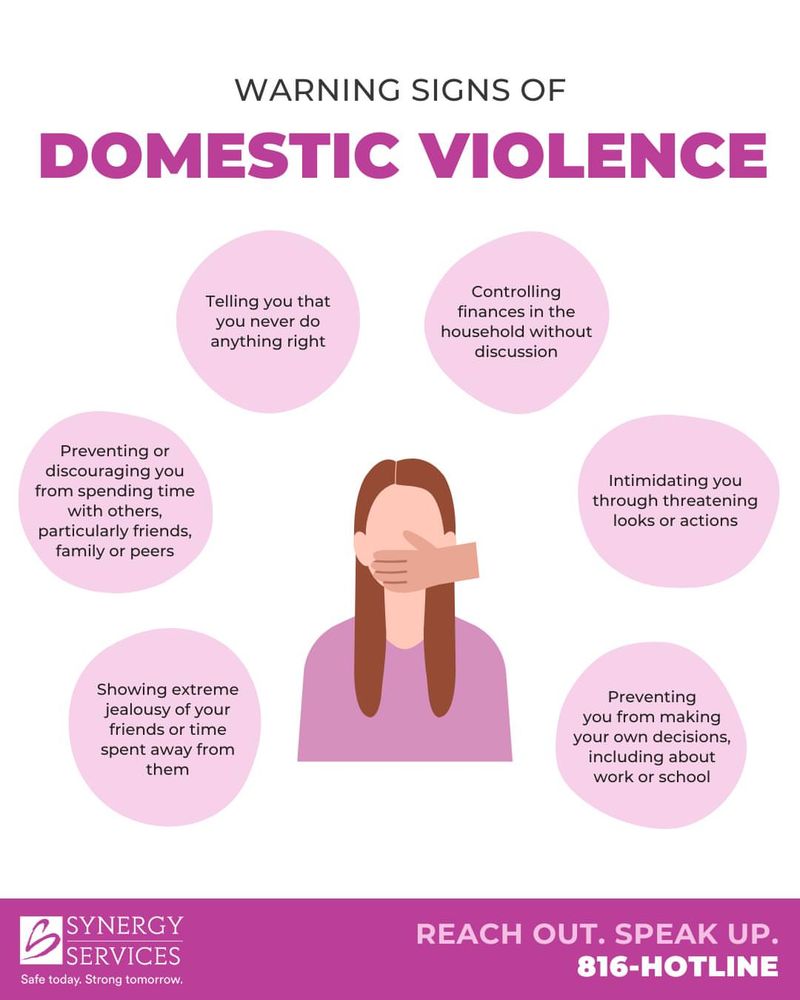
There is a version of “he keeps coming back” that has nothing to do with love and everything to do with control. Before any hopeful interpretation of renewed contact, certain behaviors need to be named plainly and taken seriously.
The CDC defines intimate partner violence as including physical violence, sexual violence, stalking, and psychological aggression, and notes that it can range from a single episode to chronic and severe patterns. The Office on Women’s Health lists warning signs that include monitoring your devices or location, isolating you from friends and family, humiliating you privately or publicly, controlling finances or reproductive decisions, threatening you or your children, and interfering with your work or daily life. These are not relationship problems to work through together. They are patterns that require a different kind of response.
Stalking is one of those patterns. Stalking behaviors can include repeated unwanted calls, texts, or social-media contact, showing up at your home or workplace uninvited, tracking your location, following you, or surveilling you through shared accounts or devices. When contact from a former partner causes fear rather than hope, that fear is telling you something accurate. It is not a sign of unfinished love.
It is a signal to prioritize your safety.
The U.S. Department of Justice Office on Violence Against Women y its companion guidance on domestic violence cases specifically note that mediation in situations involving coercive control or intimate partner violence requires careful screening, informed consent, separation of the parties when needed, and ongoing safety planning. Private reconciliation conversations without those protections in place are not a recommended first step. Leaving an unsafe relationship does not disprove your love.
It proves your right to be safe. If you are in that situation, safety planning resources from the National Domestic Violence Hotline are available and confidential.
You can leave room for hope without putting your life on hold

Former partners do sometimes find their way back to each other. That is true, and it is worth saying plainly. What is equally true is that you do not need to wait, chase, excuse harm, or hold yourself still to prove that what you had was real.
The relationship was real. Your love was real. Neither of those things requires a reunion to be confirmed. Renewed contact earns trust when both people freely choose it, when safety is present, when accountability has shown up in behavior rather than just words, and when the relationship itself has become more honest, more reciprocal, and more respectful than it was before.
You are allowed to hope and to heal at the same time. You are allowed to remain open to what might come while also building a life that does not depend on it. Moving forward is not giving up on love. It is choosing yourself clearly enough that when real love shows up, whether with him again or with someone new, you will recognize it by how it treats you, not by how long you waited for it.