

32 Powerful Lessons About Divorce I Learned from a Separation Therapist
Divorce is a journey no one plans for, but for many, it becomes a life-changing reality. As someone who’s had the privilege to sit down with a top-notch separation therapist, I’ve gathered 32 nuggets of wisdom that might just shed some light on this complex journey.
Divorce is a multifaceted beast, affecting not only the individuals involved but rippling through families and communities. Let’s explore these lessons, with each one offering a unique perspective that’s both eye-opening and heartwarming. Let’s chat about what I’ve learned.
1. Le montagne russe delle emozioni

Divorzio feels like being strapped to an emotional rollercoaster, where relief, grief, anger, and hope take turns stealing the spotlight. My therapist assured me that this whirlwind is completely normal.
L'elaborazione di un cambiamento di vita così significativo comporta alti e bassi, spesso in un solo giorno. L'importante, hanno sottolineato, è permettere a queste emozioni di venire a galla invece di seppellirle.
Una seduta si è distinta quando ho descritto di sentirmi intrappolata in un ciclo infinito di turbolenze emotive. Il mio terapeuta mi ha ricordato che dare un nome a questi sentimenti e riconoscere la loro presenza è il primo passo verso la guarigione.
Questa pratica ha creato spazio per l'autocompassione e mi ha fatto capire che anche le emozioni più caotiche hanno un ruolo nel processo di recupero.
2. Realtà finanziarie

The financial toll of divorzio often takes people by surprise. It’s more than just dividing assets—it’s about adjusting to new financial realities, like managing a single-income household or recalibrating long-term financial goals.
Il mio terapeuta ha sottolineato l'importanza di consultare tempestivamente un consulente finanziario per affrontare con chiarezza questo scoraggiante cambiamento.
Many people enter divorce assuming it will solve existing financial problems, but in truth, it often introduces new ones. Whether it’s handling alimony, splitting debts, or understanding your financial standing, the journey can be overwhelming.
However, those who take control of their finances often find it empowering—a chance to build independence and financial literacy.
3. Children’s Needs

Children are often the silent sufferers during a divorce. My therapist emphasized the importance of keeping their needs front and center.
While it’s tempting to focus on your own emotional struggles, children benefit immensely when parents prioritize their sense of security and provide an outlet for open communication.
Creare uno spazio sicuro in cui i bambini possano condividere i loro sentimenti senza essere giudicati è fondamentale. La consulenza familiare può aiutare a navigare in queste acque difficili, assicurando che i bambini si sentano sostenuti da entrambi i genitori.
La struttura familiare può cambiare, ma l'amore e la stabilità su cui fanno affidamento dovrebbero rimanere costanti. Un bambino che si sente visto e ascoltato può adattarsi molto bene, anche di fronte a cambiamenti significativi.
4. La cura di sé non è negoziabile

Durante un divorzio, self-care often gets pushed aside. My therapist reframed self-care for me—not as indulgence, but as necessity.
Prioritizing your well-being allows you to show up as your best self for both yourself and those around you. Whether it’s through exercise, therapy, or simply setting aside time to recharge, self-care is critical.
I used to feel guilty for taking time for myself amidst all the chaos. My therapist helped me see that self-care isn’t selfish—it’s essential for healing.
By nurturing your physical and emotional health, you’re better equipped to handle the challenges of divorce with resilience and clarity.
5. Ridefinire le relazioni

Divorce changes more than just your relationship with your ex. It can also redefine friendships, family dynamics, and your relationship with yourself. Some friends may drift away, while others step up unexpectedly.
Il mio terapeuta mi ha incoraggiato a considerare questi cambiamenti come opportunità per coltivare legami significativi e lasciare andare le relazioni che non mi servono più.
Riconnettersi con i vecchi amici è diventata un'ancora di salvezza durante questo periodo. Ho anche scoperto che stabilire dei limiti con certe persone mi ha permesso di proteggere la mia energia e di concentrarmi sulla guarigione.
Divorce isn’t just about endings—it’s also about discovering who and what truly matters in your life moving forward.
6. L'importanza della comunicazione

Clear communication is crucial during a divorce, yet it’s often one of the hardest skills to master. Misunderstandings can escalate tensions, making an already difficult situation even harder to navigate.
Il mio terapeuta mi ha aiutato a sviluppare strategie di comunicazione, come l'ascolto attivo e la scelta attenta delle parole per ridurre il conflitto.
Scrivere lettere è diventato uno sfogo per esprimere i miei pensieri senza che la foga del momento offuscasse le mie parole. Che si tratti di conversazioni dirette o di scambi scritti, trovare uno stile di comunicazione che vada bene per voi può facilitare il processo.
Good communication isn’t about “winning”—it’s about fostering understanding and respect.
7. Abbracciare il cambiamento

Change is inevitable in divorce, but it doesn’t have to be something to fear. My therapist encouraged me to view change as an opportunity for growth.
Se all'inizio l'idea di ricominciare mi sembrava opprimente, ho iniziato a vederla come un'opportunità per ridefinire i miei obiettivi, le mie priorità e il mio senso di sé.
Il cambiamento, per quanto scoraggiante, può anche essere liberatorio. Lasciando andare ciò che non vi serve più, fate spazio a nuove possibilità.
My therapist’s guidance helped me see that embracing change is less about erasing the past and more about stepping into a future that aligns with your values.
8. Sfide della co-genitorialità

Co-parenting after divorce can feel like walking a tightrope, balancing your emotions while prioritizing your children’s needs.
My therapist often emphasized that successful co-parenting isn’t about being friends with your ex—it’s about fostering a stable and supportive environment for your kids. Establishing clear boundaries and keeping communication respectful are essential steps.
In my own journey, co-parenting classes made a world of difference. They provided tools for managing conflicts and creating a plan that put our child’s well-being first.
While co-parenting isn’t without its challenges, approaching it with patience and a collaborative mindset can make it a partnership that works for everyone involved.
9. L'arte di lasciar andare

Letting go is an art, and during divorce, it can feel like an uphill battle. It’s one of the hardest—and most necessary—parts of divorce.
My therapist likened it to setting down a heavy bag you’ve carried for far too long. Holding onto those emotions only keeps you tethered to the past, preventing you from moving forward.
For me, forgiveness was a critical step in this process—not necessarily for my ex, but for myself. By releasing old grievances, I freed myself from their weight and opened the door to healing.
Letting go isn’t about forgetting; it’s about reclaiming your peace and choosing to focus on what lies ahead.
10. Riscoprire l'indipendenza

Divorce often forces you to step into a newfound sense of independence, which can be both intimidating and empowering. Suddenly, you’re managing things solo, from household responsibilities to financial decisions.
All'inizio mi è sembrato opprimente, ma il mio terapeuta mi ha aiutato a vedere questi momenti come opportunità di crescita.
Imparare ad affrontare le sfide da sola mi ha dato un rinnovato senso di fiducia. Dalla riparazione di un rubinetto che perde alla definizione di un budget, ho scoperto punti di forza che non sapevo di avere.
Rediscovering independence isn’t just about surviving—it’s about thriving and building a life that reflects your unique goals and values.
11. Il viaggio di guarigione

Healing after divorce is not a straight path; it’s a winding road with peaks and valleys. My therapist reminded me that healing takes time, and it’s important to honor your own pace.
There’s no set timeline for when you “should” feel better—it’s a deeply personal process.
Per me, guarire significava permettere a me stessa di elaborare il lutto di ciò che era andato perduto, ma anche di celebrare ciò che era possibile. Circondarmi di persone che mi sostengono e appoggiarmi alla terapia mi ha aiutato a rimanere con i piedi per terra.
Il viaggio può essere lungo, ma con pazienza e autocompassione conduce a un luogo di pace e rinnovamento.
12. Il ruolo della terapia

La terapia è diventata il mio rifugio sicuro durante il caos del divorzio. Avere uno spazio neutrale per esprimere i miei sentimenti, acquisire una prospettiva e imparare strategie di coping è stato inestimabile.
My therapist reminded me that seeking help isn’t a sign of weakness—it’s an act of courage and self-awareness.
In terapia ho imparato a gestire lo stress, a migliorare la comunicazione e a ricostruire il mio senso di sé. Mi ha anche fornito una tabella di marcia per affrontare le sfide della co-genitorialità, gli aggiustamenti finanziari e la guarigione emotiva.
Per chi sta affrontando un divorzio, la terapia può essere una luce guida nell'oscurità.
13. Dinamiche familiari dopo il divorzio

Le dinamiche familiari spesso cambiano dopo un divorzio e adattarsi a questi cambiamenti richiede tempo e pazienza.
My therapist emphasized the importance of open communication, especially when introducing new partners or navigating blended families. Keeping children’s feelings at the forefront is key to maintaining harmony.
Nel mio caso, presentare un nuovo partner ai miei figli è stato un processo delicato. Il mio terapeuta mi ha guidato in questo processo, assicurandosi che le loro emozioni fossero convalidate e che il loro comfort fosse la priorità.
Ogni famiglia è unica e trovare ciò che funziona per la vostra implica empatia, capacità di adattamento e impegno nel favorire i legami.
14. Incontri dopo il divorzio

Uscire con una persona dopo un divorzio può sembrare un'avventura in un territorio inesplorato. Il mio terapeuta mi ha incoraggiato ad affrontare la cosa come un'opportunità di scoperta di sé piuttosto che come una corsa per trovare un nuovo partner.
Prendermi il tempo necessario per capire cosa volevo in una relazione ha reso l'esperienza meno travolgente.
Rientrare nel mondo degli appuntamenti è stato allo stesso tempo eccitante e intimidatorio. Ho scoperto che concentrarmi sul piacere del processo piuttosto che sulla pressione per il risultato lo ha reso più gratificante.
Gli appuntamenti dopo il divorzio sono un'occasione per riscoprire le proprie preferenze, abbracciare nuovi legami e divertirsi.
15. Ricostruire la fiducia

La fiducia può essere un ostacolo significativo dopo un divorzio. Ricostruire la fiducia è uno degli aspetti più impegnativi del processo.
Il mio terapeuta ha spesso sottolineato che per imparare a fidarsi di nuovo bisogna iniziare a fidarsi di se stessi. Ricostruendo la fiducia nel proprio giudizio, si creano le basi per fidarsi degli altri.
Per me, questo processo ha comportato piccoli passi, come essere vulnerabile nelle nuove relazioni e stabilire confini sani.
My therapist reminded me that trust isn’t an all-or-nothing proposition—it’s something that grows over time, built on honesty and mutual respect.
16. Definizione dei confini

I limiti sono uno strumento fondamentale per proteggere la vostra pace e il vostro benessere durante e dopo il divorzio.
My therapist taught me that boundaries aren’t about shutting people out—they’re about creating a safe space for yourself to heal and grow.
Ho imparato a stabilire limiti chiari con il mio ex, con gli amici e persino con me stessa. Questo significava decidere cosa ero disposta a tollerare e comunicare chiaramente questi limiti.
Stabilire dei limiti mi ha permesso di recuperare il controllo sulla mia vita e di concentrarmi su ciò che conta davvero.
17. Trovare reti di supporto

Le reti di sostegno sono preziose durante un divorzio. Appoggiatevi ad amici, familiari o gruppi di sostegno per avere una guida e una compagnia. Avere persone che capiscono il vostro percorso vi dà conforto e forza.
I joined a divorce support group, and it became a lifeline during some of my darkest moments. Hearing others’ stories and sharing my own reminded me that I wasn’t alone.
Le reti di sostegno offrono un senso di appartenenza e ricordano che ci aspettano giorni più luminosi.
18. Rivalutare gli obiettivi di vita

Il divorzio, pur essendo doloroso, può anche essere un catalizzatore per la crescita personale. Il mio terapeuta diceva spesso che le avversità rivelano la forza interiore, e io l'ho trovato vero.
Facing challenges head-on allowed me to discover resilience I didn’t know I had.
As I navigated life post-divorce, I began to see it as an opportunity to redefine my priorities and pursue dreams I’d set aside.
Personal growth isn’t just about surviving difficult times—it’s about thriving and becoming the best version of yourself.
19. Comprendere il lutto
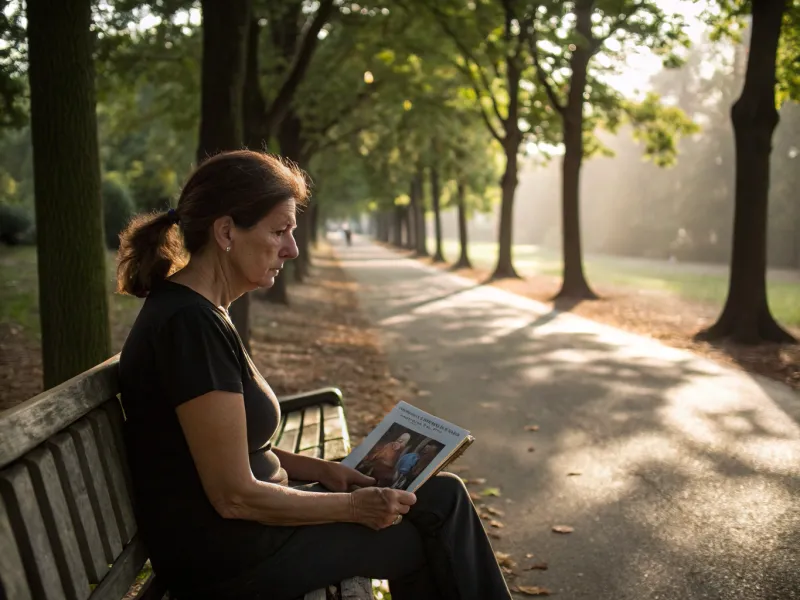
Il dolore è una parte inevitabile del divorzio, ma spesso non viene riconosciuto.
My therapist helped me understand that it’s not just about mourning the end of a relationship—it’s about grieving the future you envisioned, the shared dreams, and even the sense of identity tied to being part of a couple.
Questo tipo di lutto è complesso e profondamente personale.
I often felt a heavy sadness for what could have been, but my therapist reminded me that grief is not something to push away. Instead, it’s something to work through at your own pace.
Permettendomi di sentire ed elaborare questo dolore, ho iniziato a guarire e a fare spazio alla speranza e a nuove possibilità.
20. Il potere del perdono

Forgiveness is one of the most powerful tools for healing, but it’s often misunderstood.
My therapist explained that forgiveness isn’t about excusing someone’s behavior—it’s about freeing yourself from the emotional weight of resentment.
Forgiving doesn’t mean forgetting; it means letting go of the hold the past has on you.
For me, forgiveness was transformative. It wasn’t easy, but as I worked through my anger, I realized that holding onto resentment only hurt me, not my ex.
Scegliendo di perdonare, ho recuperato la mia pace e ho iniziato a concentrarmi sul futuro invece di soffermarmi sul passato.
21. Navigare nei cambiamenti sociali

Le dinamiche sociali spesso cambiano dopo un divorzio e può essere difficile adattarsi. Alcune amicizie possono svanire, mentre altre si rafforzano o assumono un nuovo significato.
Il mio terapeuta mi ha incoraggiato ad affrontare questi cambiamenti con una mente aperta, vedendoli come un'opportunità per creare un circolo di sostegno che sia veramente in linea con i miei bisogni.
Nella mia esperienza, alcuni amici hanno faticato a gestire i cambiamenti della mia vita, ma altri mi hanno sorpreso con il loro incrollabile sostegno. Ho anche trovato gioia nell'incontrare nuove persone che hanno portato nuove prospettive e positività nella mia vita.
Il divorzio ridisegna il vostro mondo sociale, ma può anche portare chiarezza su chi appartiene veramente alla vostra vita.
22. Crescita personale e resilienza

Il divorzio può spingervi a crescere in modi che non avreste mai immaginato.
Il mio terapeuta mi ricordava spesso che, anche di fronte alle avversità, abbiamo la capacità di ricostruire noi stessi.
Ogni sfida che ho affrontato durante il processo è diventata un'opportunità per scoprire la mia forza e la mia resilienza.
Per me, la crescita personale è avvenuta sotto forma di riscoperta delle passioni che avevo lasciato andare durante il mio matrimonio. Ho iniziato a riconnettermi con le attività che mi davano gioia e senso di responsabilità.
Il divorzio è innegabilmente difficile, ma può anche essere un potente catalizzatore per la scoperta di sé e la trasformazione.
23. L'impatto sulla salute mentale
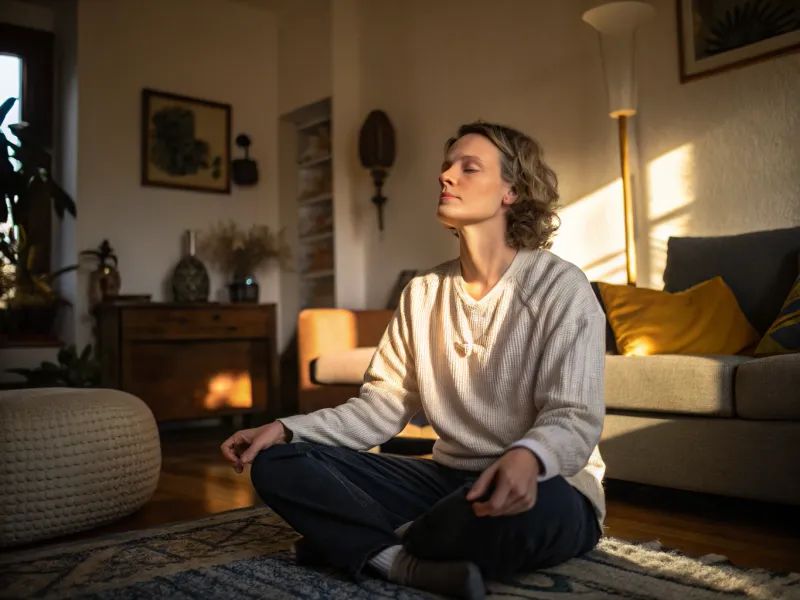
Il divorzio ha un impatto sulla salute mentale, spesso scatenando ansia, depressione o stress eccessivo.
Il mio terapeuta mi ha spiegato che questi sentimenti sono comuni e mi ha incoraggiato a considerare la cura della salute mentale come una parte essenziale del processo di guarigione.
La terapia, le pratiche di mindfulness e anche solo fare un passo alla volta possono fare una differenza significativa.
Personalmente ho lottato con ondate di ansia, soprattutto quando ho affrontato l'incertezza del futuro. La terapia è diventata uno spazio sicuro in cui ho potuto disfare questi sentimenti e apprendere gli strumenti per gestirli.
Taking care of my mental health wasn’t just about surviving the divorce—it was about reclaiming control over my emotional well-being.
24. Il valore dell'onestà

L'onestà è una pietra miliare del processo di divorzio, sia con gli altri che con se stessi.
Il mio terapeuta ha sottolineato l'importanza di essere sinceri sui propri sentimenti, bisogni e limiti. Evitare verità scomode non fa altro che prolungare l'agitazione emotiva e creare conflitti inutili.
For me, being honest meant confronting hard realities about my marriage and what I wanted for my future. It wasn’t easy, but this level of self-reflection allowed me to make decisions with clarity and integrity.
Honesty fosters authenticity, and in the aftermath of divorce, it’s a key ingredient for rebuilding your life.
25. Imparare a fidarsi di nuovo

La fiducia è una delle cose più difficili da ricostruire dopo il divorzio.
My therapist explained that this process starts with learning to trust yourself. After all, if you don’t have confidence in your own judgment, it’s nearly impossible to trust others.
All'inizio ho esitato ad aprirmi a nuove relazioni o opportunità, ma ho fatto piccoli passi per ricostruire la fiducia. Il mio terapeuta mi ha incoraggiato a concentrarmi sulla mia intuizione e a stabilire aspettative realistiche per gli altri.
La fiducia è un viaggio, non una meta, e si rafforza con il tempo e l'impegno.
26. La gioia della riscoperta

Divorce offers a unique chance to rediscover yourself—your passions, your values, and your identity.
Il mio terapeuta mi ha incoraggiato a esplorare gli hobby e gli interessi che mi procuravano gioia, anche se non avevano nulla a che fare con la mia vita passata.
For me, this meant revisiting creative outlets I’d abandoned, like painting and journaling. These activities helped me reconnect with who I was outside of my marriage.
Rediscovery isn’t just about filling your time; it’s about creating a life that feels authentic and fulfilling.
27. Il sorprendente potere del canto non programmato

Sometimes, it’s the small joys that help you heal the most. My therapist taught me to find beauty in everyday moments, whether it was a peaceful walk, a good book, or randomly sang throughout the day.
Singing, especially when it’s spontaneous and free from judgment, can uplift spirits. Think of it as a mini-celebration of freedom.
Questi momenti apparentemente insignificanti ci hanno ricordato che la vita è ancora piena di luce, anche nei momenti bui.
Concentrarmi su questi piccoli piaceri mi ha aiutato a rimanere con i piedi per terra e mi ha ricordato di apprezzare il presente.
Healing doesn’t always come in big, dramatic breakthroughs—it’s often found in the small, ordinary joys that rebuild your spirit little by little.
28. L'arte di preparare panini insoliti

Chi avrebbe mai detto che preparare panini bizzarri potesse essere un atto terapeutico? Un terapeuta ha notato che alcuni dei suoi clienti che sperimentavano ingredienti non convenzionali per i panini lo trovavano sorprendentemente divertente.
It’s about breaking norms and embracing creativity. Each layer and ingredient becomes a canvas for self-expression.
Imagine a sandwich with marshmallows, pickles, and cheese. Sounds odd? That’s the point. In the chaos, there’s freedom. It’s not just about taste; it’s about the joy in innovation.
Creating something unexpected provides a sense of control and delight, an unexpected remedy in the midst of life’s upheavals.
29. Redecorating as a Ritual of Renewal

One thing my therapist suggested that I never expected? Redecorating. Not just rearranging furniture, but intentionally creating a space that reflects the person I was becoming—not the life I was leaving behind.
Whether it was a new paint color, swapping out old photos, or buying that funky lamp I’d always loved but was told was “too much,” this process became symbolic. It wasn’t about aesthetics—it was about reclaiming my environment.
Our surroundings have energy. Redecorating helped me emotionally declutter and make room—literally and figuratively—for joy, healing, and fresh beginnings. Turns out, healing sometimes looks like a throw pillow and smells like a new candle.
30. Laughing at the Absurdity

Perhaps the most unexpectedly healing tool of all? Laughter. And not just polite chuckles—deep, belly-shaking, tears-streaming-down-your-face kind of laughter at the pure absurdity of it all.
My therapist reminded me that laughter isn’t a betrayal of grief; it’s a release valve. Sometimes, you have to laugh at the awkward co-parenting handoffs, the weird silence at family events, or the fact that you cried over a broken toaster. Twice.
Leaning into humor brought levity when things felt unbearably heavy. It reminded me that life—like divorce—is messy, unpredictable, and often ridiculous. But it’s also full of second chances, good stories, and laughter that stitches us back together.
31. The Freedom of Rediscovery

Rediscovering oneself post-divorce can feel like opening a new chapter in life. It’s a time ripe for exploration and personal growth. One woman found solace and joy in new hobbies like painting and playing the piano.
This phase can be liberating, allowing individuals to pursue passions previously left unexplored. Every brushstroke or note played can be a step toward healing.
Consider embracing unfamiliar activities as a form of self-expression. Such endeavors offer a fresh perspective on life, reigniting a sense of purpose and excitement. The journey of rediscovery can be as rewarding as it is transformative.
32. The Power of Authenticity

Embracing authenticity after a divorce opens doors to meaningful connections. One man realized that by being true to his emotions, he forged deeper bonds with friends and family.
Authenticity can transform relationships, fostering understanding and empathy. It encourages open dialogue and creates a safe space for others to share their truths.
This genuine approach to life enhances personal well-being and inspires others to do the same. As authenticity takes center stage, it nurtures trust and strengthens community ties. The courage to be oneself is not just a lesson, but a powerful catalyst for change.