

27 cattive abitudini dei genitori che non stanno vicini ai figli
Let’s chat about something super important – staying close to our kiddos, even when they grow up and start adulting. It’s easy to pick up a few habits that can create a bit of a distance, even when we don’t mean to.
We all want to be that cool parent who’s still in the loop with our adult kids, right? So, let’s see what are the habits we might want to kick to keep that bond strong and thriving!
1. Non ascoltare attivamente

We all have busy lives, and sometimes when our kids call, we’re half-listening while doing a million other things. But trust me, I learned the hard way that not giving them our full attention can make them feel unimportant.
Imagine your adult child calling you to share something exciting or troubling, and you’re just handing out one-word responses. It’s like a surefire way to make them feel less valued. When they talk, put everything else aside and listen like they’re the most important person in the room.
Ask questions, show interest, and let them know they’re heard. It doesn’t have to be a long conversation, but they should feel you’re fully present. Just think about how good it feels when someone truly listens to you.
Give them that same gift. If you’re busy, it’s okay to let them know and call back when you can focus. They’ll appreciate the honesty and effort. Remember, listening is one of the easiest ways to show love.
2. Giudicare le loro scelte

I get it, sometimes our kids make choices that leave us scratching our heads or clutching our pearls. But constantly judging their decisions, whether it’s about their job, partner, or lifestyle, can push them away faster than you can say ‘I told you so.’
I remember when my daughter decided to move across the country for a job, and I couldn’t help but list all the reasons it was a bad idea. Looking back, what she needed was my support, not my critique.
It’s important to remember they are adults now, and our roles shift from decision-makers to cheerleaders. We can share our wisdom, but ultimately, we need to trust them to make their own choices.
This doesn’t mean you can’t express concerns, but do it in a way that shows love and respect. Ask them about their thought process, what excites or worries them, and let them know you’re there for them no matter what. It’s all about being supportive and understanding.
3. Programmazione eccessiva del tempo in famiglia

You might think planning frequent family get-togethers is the perfect way to stay connected, but over-scheduling can sometimes backfire. Believe me, I’ve been there, trying to coordinate visits, dinners, and outings with my kids only to find them pulling away.
È emerso che, per quanto ci amino, hanno anche bisogno di spazio per respirare e vivere la propria vita. La chiave è trovare un equilibrio. Invece di riempire tutti i fine settimana di impegni, provate a distanziarli e a renderli speciali. Chiedete ai vostri figli cosa va bene per i loro orari e siate flessibili.
Maybe a simple dinner at home or a casual movie night is all you need. When you do get together, make it about quality, not quantity. Share stories, laugh, and just enjoy being in each other’s company.
This way, your time together feels less like an obligation and more like a cherished moment they look forward to. It’s all about making it meaningful without feeling overwhelming.
4. Ignorare i limiti

Oh, boundaries! They’re so essential but sometimes so tricky to navigate, especially with our adult kids. I’ve learned that respecting their boundaries is key to keeping our relationship healthy and close. It’s easy to forget that they’re not little anymore, and they have their own lives now.
Maybe it’s that urge to drop by unannounced or call them up multiple times a day. I once showed up at my son’s place with a casserole, thinking it was a lovely surprise, only to find him in the middle of a work meeting. I quickly realized that respecting his space and time was crucial.
Talk with your kids about what they need in terms of boundaries and be honest about what you need, too. It’s a two-way street.
By respecting their boundaries, we’re showing them respect and consideration as adults, and that goes a long way in keeping us close. It’s all about mutual respect and understanding.
5. Essere eccessivamente critici

We’ve all had moments when we slip into the role of critic, pointing out every little thing our kids might be doing wrong. But being overly critical can drive a wedge between us and our adult children faster than anything.
I remember once telling my son that his new haircut was not the most flattering, thinking I was being helpful. Little did I know, it hurt his feelings and made him less eager to share things with me. It’s a tough habit to break, but focusing on being supportive instead of critical makes a world of difference.
Offer praise and encouragement when they need it and save the critiques for truly important matters. If something’s bothering you, try framing it positively. Ask yourself if the critique is necessary or if it’s something you can let go.
Ricordate che il vostro ruolo è quello di sollevarli e sostenerli, non di criticare tutto ciò che fanno. La chiave è la positività.
6. Non adattarsi al cambiamento

I cambiamenti possono essere impegnativi, soprattutto per quanto riguarda il modo in cui ci relazioniamo con i nostri figli quando diventano adulti. Ricordo quando mia figlia mi ha mostrato come usare una nuova app per rimanere in contatto, e io mi sono completamente persa.
Invece di accogliere il cambiamento, ho opposto resistenza, pensando che i nostri vecchi metodi andassero bene. Ma presto mi sono resa conto che adattarsi a nuovi modi di comunicare è fondamentale per rimanere in contatto con loro.
Whether it’s learning to text instead of calling or understanding their social media habits, adapting to change shows we’re willing to meet them halfway. Embrace the new ways they communicate and engage with the world. It might feel foreign at first, but it’s worth it.
Ask them to teach you, and show genuine interest. They’ll love that you’re making the effort to connect in a way that feels natural to them. Remember, it’s about evolving together and keeping those lines of communication open and strong.
7. Essere troppo coinvolti

When our kids were young, we were involved in every little thing, from school projects to playdates. But as they grow up, being too involved can actually push them away. I’ve learned that no one wants a parent breathing down their neck, especially when they’re trying to navigate adulthood on their own.
It’s natural to want to help and guide them, but sometimes stepping back is the best way to support them. Trust me, it’s a hard habit to break, but giving them space to make their own decisions is vital. Let them know you’re there if they need advice or support, but also respect their independence.
They need room to grow and learn from their own experiences. It’s all about finding that delicate balance between being supportive and letting them take the reins.
They’ll appreciate your trust in their abilities and come to you when they truly need guidance. It’s all about trust and letting go.
8. Rancore

Il fatto di aggrapparsi a rancori del passato può creare muri invisibili tra noi e i nostri figli. Ricordo una volta che mio figlio dimenticò il mio compleanno e io mi aggrappai a quella ferita per troppo tempo. Si creò una tensione tra noi che non era assolutamente necessaria.
When we hold grudges, we’re essentially keeping score, and that never leads to anything good. Instead, I’ve found that letting go and forgiving is key to maintaining a close relationship. We’re all human, and we all make mistakes, right?
By forgiving and moving on, we’re allowing our relationship to grow and flourish. Let your kids know that it’s okay to mess up and that you’re there for them no matter what. Holding onto bitterness only harms the connection we cherish.
Practicing forgiveness not only helps them but also frees us from unnecessary stress and negativity. It’s all about focusing on the positive and nurturing that loving bond we all want.
9. Confronto con gli altri

It’s easy to slip into the habit of comparing our kids to others, whether it’s their friends or siblings. But let me tell you, nothing makes them feel more inadequate or unloved than being compared to someone else.
I once made the mistake of comparing my daughter’s career path to her cousin’s, thinking I was motivating her, but it only made her feel like she wasn’t enough. The truth is, each of our kids is unique, with their own strengths and paths.
Instead of comparing, celebrate their individuality and accomplishments. Let them know you’re proud of them for who they are, not for how they measure up to others. Recognize their efforts and achievements, no matter how big or small.
This builds their confidence and strengthens your bond. Comparison only breeds resentment and insecurity, so let’s focus on lifting them up and appreciating them for their unique qualities. Everyone’s journey is different, and that’s a beautiful thing.
10. Non essere onesti

Honesty is the foundation of any strong relationship, including the one we have with our adult kids. I’ve learned that being open and truthful, even when it’s uncomfortable, is crucial. There was a time when I sugar-coated a family issue to protect my daughter, but it only led to misunderstandings and mistrust.
Being honest doesn’t mean being harsh or blunt. It’s about being transparent and authentic in our interactions. When we’re honest with them, they feel valued and respected, and it encourages them to be honest with us in return.
It’s okay to admit when we don’t have all the answers or when we’ve made mistakes. This vulnerability strengthens our bond and builds trust. Let them know you’re there to listen and support them no matter what.
Honesty creates a safe space for open communication, and that’s what keeps us close. Remember, it’s about being real and showing them they can trust you.
11. Trascurare la cura di sé

Taking care of ourselves is just as important as taking care of our kids, even when they’re all grown up. I’ve realized that neglecting my own self-care can affect my relationship with my adult children. When we’re stressed or burnt out, it’s much harder to be present and supportive.
I remember a period when I was juggling too much and feeling overwhelmed. It was hard to be there for my kids when I wasn’t even there for myself. Taking time to relax, pursue hobbies, and recharge is essential. It not only benefits us but also shows our kids that it’s important to prioritize well-being.
Quando ci vedono prenderci cura di noi stessi, danno un esempio positivo. Quindi, fate pure quel corso di yoga, leggete un libro o semplicemente godetevi una tranquilla tazza di tè.
By nurturing ourselves, we’re in a better position to nurture our relationship with our kids. It’s all about balance and setting a healthy example.
12. Dimenticare di chiedere scusa

Saying ‘I’m sorry’ can be incredibly powerful, yet it’s something we sometimes forget to do. I’ve learned that apologizing when we’re wrong is crucial in maintaining a strong and healthy relationship with our adult kids.
C'è stato un momento in cui ho reagito a mio figlio per qualcosa di banale e mi ci è voluto un po' per capire che avevo sbagliato. Quando finalmente mi sono scusato, ho aperto la porta a una comunicazione onesta e alla guarigione.
Apologizing doesn’t make us weak; it shows strength and humility. It lets our kids know that we value the relationship more than our pride. So don’t shy away from admitting when you’ve messed up. Approach the situation with sincerity, and let them know you understand how your actions affected them.
This fosters understanding and respect. Remember, it’s about showing them that we’re all learning and growing together. A heartfelt apology goes a long way in mending any rift and strengthening our bond.
13. Sottovalutare i loro problemi

As parents, it’s easy to think that our kids’ problems aren’t as significant as the ones we’ve faced. But let me tell you, underestimating their struggles can really drive a wedge between you.
I made this mistake once when my daughter was stressed about a work issue, and I brushed it off, thinking it was no big deal. It wasn’t until she felt unheard that I realized my error. Every problem is real and valid, no matter how small it may seem to us.
Show empathy and understanding, and let them know you’re there to support them through anything. Acknowledge their feelings and offer to help if needed, but respect their autonomy in finding a solution. It’s all about validating their experiences and being a source of comfort.
Remember, being a parent means being there unconditionally, and that includes taking their concerns seriously. Let’s show them that their problems matter and that they can always count on us.
14. Non mantenere le promesse
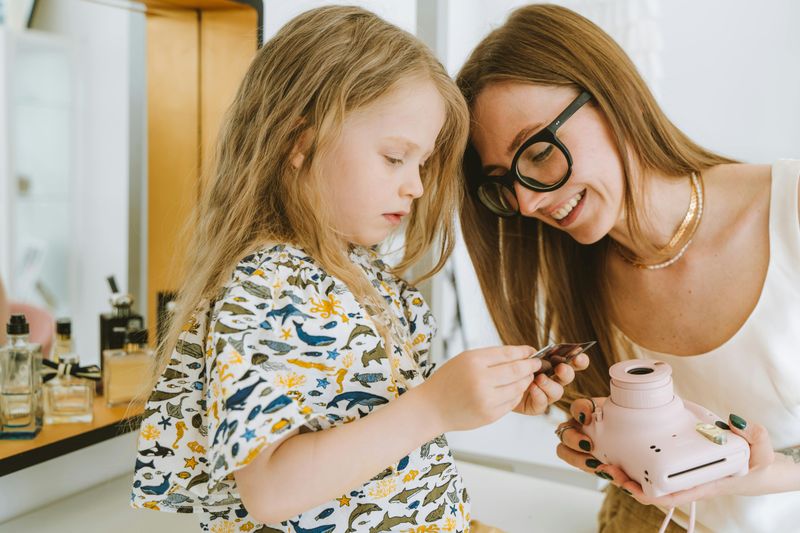
Keeping promises is a cornerstone of trust in any relationship, especially with our adult kids. I learned the importance of this when I promised my son I’d help with his moving day, only to cancel last minute. It left him feeling let down and questioning whether he could rely on me.
Mantenere la parola data può sembrare una cosa da poco, ma la dice lunga sul nostro impegno e sulla nostra affidabilità. Se fate una promessa, mantenetela o almeno comunicatela se qualcosa cambia. La vita accade e a volte ci sono degli imprevisti, ma essere trasparenti e onesti aiuta a mantenere la fiducia.
Let your kids know they can count on you. Consistency builds the foundation for a strong, trusting relationship. It’s all about showing them they’re a priority and that you respect their time and needs.
So, whether it’s a simple promise or a big commitment, make sure to keep your word and show them they can always rely on you.
15. Imporre aspettative

Having expectations for our kids is natural, but imposing them can strain our relationship. I’ve been guilty of this, wanting my daughter to pursue a certain career path and not realizing the pressure it put on her.
It’s easy to project our own dreams onto them, but it’s important to step back and let them carve their own path. Trust their judgment and support their choices, even if they differ from what we envisioned.
Encourage them to pursue their passions and interests, and let them know you’re proud of their individuality. Open up a dialogue about their goals and dreams, and offer your support without imposing your own expectations.
This shows them that you value their happiness and autonomy. Remember, it’s their life to live, and our role is to guide, not dictate. By embracing their uniqueness, we’re fostering a healthy, loving relationship that stands the test of time.
16. Evitare le conversazioni difficili

Difficult conversations are tough, but avoiding them can lead to misunderstandings and distance. I’ve learned that facing these conversations head-on is crucial to maintaining a close relationship with our adult kids.
There was a time when my son and I had a disagreement, and I avoided discussing it, hoping it would blow over. But it only created tension and confusion. Having open and honest conversations, even when they’re uncomfortable, helps clear the air and strengthen our bond.
Approach these talks with empathy and understanding, and be willing to listen as much as you talk. It’s about finding common ground and resolving issues together. Let your kids know that it’s okay to bring up tough topics and that you’re there to work through things with them.
This openness fosters trust and a deeper connection. Remember, communication is the key to staying close, and avoiding it only leads to distance.
17. Essere iperprotettivi

Being protective is natural for a parent, but being overprotective can stifle our kids’ growth and independence. I’ve learned that stepping back and letting them face challenges on their own is essential. It’s tough to watch them struggle, but it’s part of their journey, and it’s where they learn and grow.
I used to jump in and try to solve every problem for my daughter, thinking I was helping, but it only made her feel smothered. Trust their ability to navigate life and offer support rather than interference. Let them know you’re there if they need guidance but respect their ability to handle things.
This shows that you trust their judgment and encourages them to be independent. It’s all about finding the balance between being supportive and giving them the space to learn and grow. By doing this, we’re fostering a healthy relationship built on mutual respect and trust, while allowing them to flourish.
18. Non valorizzare le loro opinioni
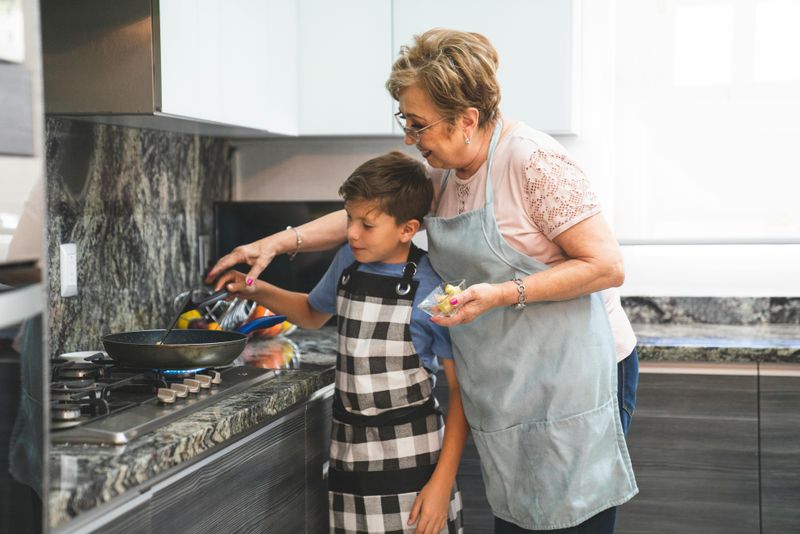
Valuing our kids’ opinions is crucial in maintaining a strong relationship. When we dismiss their ideas or perspectives, it can make them feel unheard and undervalued. I’ve been guilty of this, thinking I knew better simply because of my experience.
But I’ve learned that our kids bring fresh perspectives and insights that are just as valuable. Engage in conversations where both sides are heard and respected. Show genuine interest in their thoughts and ideas, and encourage open dialogue.
Let them know their opinions matter and that you appreciate their unique viewpoint. This builds confidence and strengthens your bond. It’s all about mutual respect and valuing each other’s contributions.
Remember, learning is a two-way street, and we can gain so much from truly listening to our kids. By valuing their opinions, we’re not only fostering a healthy relationship but also encouraging them to come to us with their thoughts and ideas.
19. Aspettative irrealistiche

Having expectations for our adult children is natural, but they need to be realistic and attainable. I once had unrealistic expectations for my son’s career, believing he should reach certain milestones by a specific age. It created unnecessary pressure and tension between us.
It’s important to understand that everyone has their own timeline and path. Encourage your kids to set their own goals and support them in achieving them. Let them know that your love and support are not contingent on meeting certain expectations.
Celebrate their achievements, big and small, and be there to encourage them through challenges. By setting realistic expectations, we’re showing them that we believe in their ability to succeed in their own way.
It’s all about being supportive and understanding, and letting them know that we’re proud of their journey, no matter what stage they’re at. This fosters a loving and trusting relationship built on mutual respect.
20. Non mostrare apprezzamento

Mostrare apprezzamento è un modo potente per rafforzare il rapporto con i nostri figli adulti. Quando si fanno in quattro per aiutarci o sostenerci, riconoscere i loro sforzi può significare molto per loro.
I once forgot to thank my daughter for helping me with a project, thinking she knew I appreciated her. But it turns out, she felt taken for granted. Expressing gratitude doesn’t have to be grand gestures; a simple ‘thank you’ or a heartfelt note can make a big difference.
Let them know you see and appreciate their efforts and kindness. This not only makes them feel valued but also encourages them to continue nurturing the relationship. It’s about recognizing their contributions and letting them know they matter.
A little appreciation goes a long way in building a strong, loving bond. So don’t forget to say thank you and show them just how much you appreciate having them in your life.
21. Essere incoerenti

Consistency is key in any relationship, and it’s no different with our adult children. Being inconsistent with our actions or words can lead to confusion and mistrust. I learned this when I kept changing plans with my son, thinking it wasn’t a big deal. But it left him feeling like he couldn’t rely on me.
Being consistent shows that we’re dependable and trustworthy. If you say you’re going to do something, follow through. Be clear and honest in your communication, and let them know they can count on you.
In questo modo si crea una solida base di fiducia e rispetto, fondamentale per mantenere un rapporto stretto. La costanza dimostra anche che apprezziamo i clienti e il loro tempo.
So whether it’s keeping plans, sticking to your word, or being a constant presence in their life, make sure to be consistent. It’s all about creating a reliable and supportive environment where they feel loved and respected.
22. Dare per scontati

Dare per scontati i nostri figli adulti può accadere senza che ce ne rendiamo conto. Siamo presi dalla nostra vita e dimentichiamo di riconoscere tutte le piccole cose che fanno per noi. Mi ricordo di una volta in cui mia figlia mi aiutava a fare delle commissioni e io non ho mostrato quasi alcun apprezzamento.
It wasn’t until she pointed it out that I realized my oversight. We all want to feel seen and valued, and our kids are no different. Make the effort to recognize and appreciate their contributions, whether it’s something big or small.
Let them know how much they mean to you and that you don’t take them or their efforts for granted. This fosters a loving and strong relationship built on mutual respect and gratitude.
It’s about being present and showing them just how much you appreciate having them in your life. A little recognition goes a long way in keeping that bond strong and close.
23. Non dare loro spazio

Giving our adult children the space they need is essential in maintaining a healthy relationship. I once struggled with this, wanting to be involved in every aspect of my son’s life. But I soon realized that he needed room to grow and make decisions on his own.
It’s important to trust their judgment and respect their independence. Let them know you’re there if they need support, but give them the freedom to navigate life on their own terms. This shows that you trust their ability to handle things and encourages them to be independent.
It’s about finding the balance between being supportive and giving them the space to learn and grow. By doing this, we’re fostering a healthy relationship built on mutual respect and trust.
Trust me, they’ll appreciate the space and come to you when they truly need guidance. It’s all about letting them spread their wings and fly.
24. Comunicare esclusivamente attraverso i pappagalli da compagnia

Affidarsi a un pappagallo domestico per comunicare può sembrare assurdo, ma alcuni genitori utilizzano metodi non convenzionali per colmare le lacune.
Se da un lato aggiunge un tocco eccentrico, dall'altro può portare a malintesi se il pappagallo diventa l'unico messaggero. I genitori possono trovare divertente insegnare al pappagallo delle frasi, ma questo può creare un distacco emotivo.
I bambini hanno bisogno di un'interazione diretta per sentirsi apprezzati e compresi. L'uso di un pappagallo come mezzo di comunicazione può sembrare divertente, ma non riesce ad alimentare conversazioni autentiche. I genitori dovrebbero invece incoraggiare discussioni aperte per mantenere un legame forte e garantire che i messaggi siano trasmessi con precisione.
25. Organizzare cene settimanali a tema per la famiglia

Ogni settimana, alcuni genitori portano le cene di famiglia a un altro livello, organizzando serate a tema. Sebbene la creatività e il divertimento siano incoraggiati, questi incontri potrebbero involontariamente mettere in ombra l'essenza del legame familiare. Travestirsi e recitare determinati scenari può distrarre da conversazioni significative.
Anche se le cene a tema possono essere eccitanti, non devono sostituire l'interazione autentica. I bambini si sentono ascoltati e compresi durante i pasti in famiglia. Mantenere un equilibrio tra divertimento e conversazioni reali garantisce che i legami familiari siano rafforzati e non indeboliti da queste tradizioni uniche.
26. Overemphasis on Perfection

Striving for excellence is admirable, but obsessing over perfection can be detrimental. Parents who push their children to meet unrealistic standards risk creating anxiety and resentment, making them feel like their worth is tied solely to their achievements.
This pressure can lead to burnout, fear of failure, and even reluctance to try new things. Focusing on effort and growth instead of flawlessness nurtures a healthier relationship, allowing children to develop intrinsic motivation rather than seeking constant approval.
Encouraging children to learn from mistakes fosters resilience and confidence, helping them embrace challenges with a positive mindset.
When kids feel supported rather than judged, they are more likely to explore their passions, take risks, and develop into well-rounded individuals.
27. Neglecting Emotional Support

Emotional support is crucial during the formative years. When parents overlook their children’s emotional needs, it can create a chasm in their relationship, making children feel unheard, misunderstood, or even unworthy of love and attention.
Over time, this emotional neglect can lead to insecurity, difficulty expressing emotions, and struggles in forming healthy relationships.
Being available to talk, empathize, and provide comfort can make a world of difference in a child’s sense of self-worth and security. Parents should be attuned to their children’s emotional states, offering support when needed, whether it’s through active listening, validating their feelings, or simply being present.
A nurturing emotional environment helps children build confidence, resilience, and the ability to navigate life’s ups and downs with a strong sense of self.