

22 abitudini genitoriali da abbandonare se si vogliono crescere bambini sicuri di sé
Let me tell you right off the bat—raising confident kids is both a journey and an art. We all want our kids to feel like they can conquer the world, right? But sometimes, without realizing, we might be holding them back with some sneaky little habits. Don’t worry; I’ve got your back!
Today, we’re going to uncover 22 habits that we should break to help our kids shine brighter than the stars. Trust me, it’s going to be an adventure full of laughs, revelations, and maybe even a few “aha!” moments.
1. Iperprotezione come genitori elicottero

Once upon a time, there was a parent who watched their child like a hawk. Sound familiar? Oh, the infamous helicopter parent! Now, don’t get me wrong—I totally get the urge to wrap our kiddos in bubble wrap and proteggere da ogni piccolo urto e livido.
But here’s the twist: overprotecting them sends a message that the world is a scary place, and they might just start believing they can’t navigate it without us by their side.
Imagine your child wanting to climb the tallest slide at the playground. Your instincts scream, “No way!” But what if you let them try, while you cheer from a distance?
It’s in those wobbly steps and little scrapes that confidence grows. They’ll learn to trust themselves, and maybe, just maybe, believe that they can reach the skies!
So, loosen the reins just a bit. Let them explore, let them fall, and let them rise. They’ll carry those lessons in their heart, knowing you believe in them. And believe me, that confidence? Priceless.
2. Correggere ogni piccolo errore

Picture this: Your little one, tongue sticking out in concentration, writes a story full of castles, dragons, and delightfully misspelled words. Enter the red pen—the destroyer of dreams!
Okay, maybe that’s dramatic, but you get the point. Constantly correcting every error can make kids doubt their abilities, feeling like they can never measure up.
Instead, let their imagination take the reins. Celebrate the creativity and effort, even if dragons become “draggins.” Encourage them to tell you more about these magical lands, fueling their excitement and belief in their ideas. You’ll be amazed at how their confidence blossoms when they feel heard and valued.
Remember, it’s about progress, not perfection. Embrace the messy, joyfully imperfect journey of learning. And when they do ask for help, guide gently. They’ll not only learn but also feel empowered to take on challenges with newfound bravery.
Vedi anche: 32 Strange Rules Your Parents Had That Shaped You into a Better Person
3. Scoraggiare l'assunzione di rischi

Alright, hands up if the idea of your child taking risks gives you a mini heart attack. Totally normal! But here’s the deal: sheltering them from every risk can turn into a confidence-stealer. Let’s be real—life’s an adventure, and adventures come with risks!
Think of it as a mini Indiana Jones expedition. Yes, there might be a few bumps, but those bumps teach resilience. Instead of saying “no,” ask questions like, “What’s your plan if…?” or “How do you think you can handle this?” Teach them to evaluate risks, make decisions, and trust their gut.
And when they do take that leap—whether it’s joining a new club or trying a new sport—shower them with encouragement. They’ll learn that even if they stumble, it’s not the end of the world. It’s just another step in their incredible journey of self-discovery.
Vedi anche: 32 Traits Of Parents Whose Adult Kids Often Go No Contact Once They Grow Up
4. Confronto con gli altri

Ah, the comparison trap—a sneaky little habit we’ve all fallen into. It starts with a simple thought: “Why isn’t my child reading as fast as theirs?” or “Look at their perfect scores!” But here’s a truth bomb: constant comparisons can make your child feel like they’re never good enough.
Kids are like snowflakes—unique, each with their own strengths and timelines. Celebrate their individuality. Focus on their personal bests, and set goals based on their interests and passions, not someone else’s report card.
Instead of comparing, engage in conversations about their achievements, no matter how small. Whether it’s mastering a new Lego set or drawing a stick-figure family, these moments are gold. They’ll feel valued for who they are, not who they “should” be, boosting their confidence in the most beautiful way.
5. Intervenire sempre per salvare la situazione

Super-parent to the rescue! We’ve all been there, swooping in to fix that lopsided shoelace or complete the last bit of homework. But here’s the twist—always saving the day can send a message that they can’t handle things on their own.
Imagine the empowerment they’d feel tackling those challenges themselves. When they struggle, resist the urge to jump in right away. Instead, offer guidance, ask questions, and let them problem-solve. Maybe it’s not about perfect laces but the courage to keep trying.
Cheer them on from the sidelines. Celebrate their small victories and the determination behind them. They’ll start seeing themselves as capable mini superheroes, ready to face the world one tied shoelace at a time. And trust me, that feeling is worth a million perfect bows!
6. Criticare più che lodare

We all know that constructive criticism is part of the game. But too much of it, and not enough praise? Well, that can chip away at a child’s confidence faster than you can say “oops!” It’s a delicate balance, but it’s all about finding those magical moments to lift them up.
Try this: for every critique, dish out at least three praises. Notice the way they colored outside the lines with such joyful abandon or the new idea they came up with in their art. It’s these positive reinforcements that fuel their belief in themselves.
Let them know their efforts are seen and appreciated. And when it’s time to guide them, do it with kindness and an encouraging heart. They’ll learn to take feedback in stride, knowing they’re valued and capable, no matter the outcome.
7. Ignorare i loro sentimenti

In the hustle and bustle of life, it’s easy to gloss over our kids’ feelings. “You’re fine,” we say, dismissing their tears over a broken toy. But here’s the scoop: acknowledging their emotions is key to building their confidence.
When they feel heard, they learn that their feelings matter, and that’s a powerful thing. So next time, put down that phone, and tune in. Ask questions, listen, and empathize. You might discover that it’s not just about the toy but an underlying feeling of frustration or sadness.
Create a safe space for them to express themselves. Offer comfort and understanding, helping them to navigate their emotions. They’ll grow up knowing they can trust their feelings and, more importantly, trust you to be their emotional anchor.
8. Definire aspettative irrealistiche

We all want our kids to reach for the stars, but let’s be real—sometimes those stars feel impossibly far away. Setting the bar too high can turn into a confidence crusher, leaving them feeling like they’ll never measure up.
Shift the focus from perfection to progress. Celebrate the milestones, no matter how small. If they’re struggling with math, praise their effort, not just the outcome. Set goals that are challenging yet achievable, and encourage them every step of the way.
Let them know it’s okay to stumble and that learning is a journey. When they see that you value their perseverance and growth, they’ll start believing in their own potential. And that belief? It’s the launching pad for their dreams.
9. Uso di un linguaggio negativo
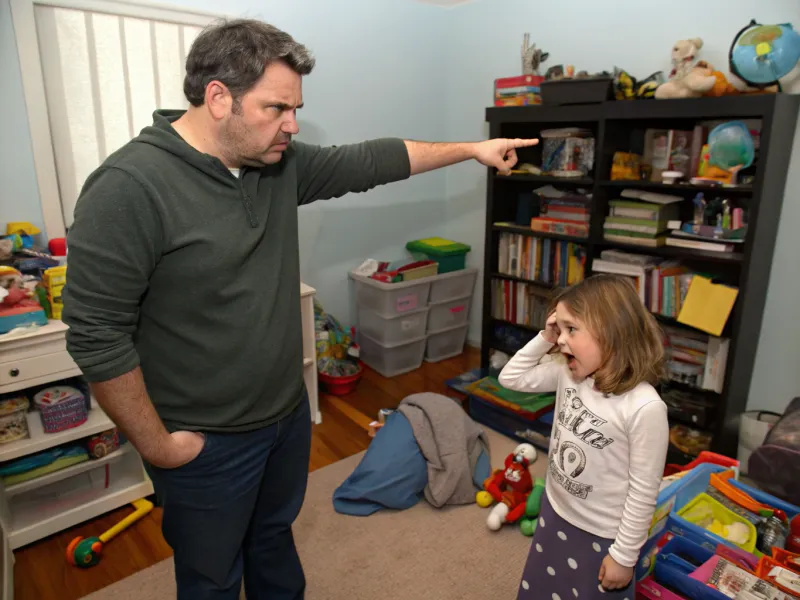
Words have power, my friend. And negative language? It can stick to a child’s heart like glue. “You’re so messy,” or “Why can’t you ever…” can weigh them down, chipping away at their self-confidence.
Sostituite la negatività con parole che ispirano ed elevano. Invece di chiamarli disordinati, lodate la loro creatività nel costruire quell'epico fortino di cuscini. Guidateli con delicatezza a riordinare, rendendola un'esperienza divertente e gratificante.
Focus on the positives and encourage them with kindness. They’ll start to see themselves through your supportive words, feeling empowered and confident. It’s all about building them up, one positive word at a time.
10. Micromanagement delle loro attività

Ah, the allure of the schedule! It promises order and productivity, but too much micromanaging can stifle a child’s sense of independence and confidence.
Letting them choose some activities, or decide how to spend their free time, can be a game changer. It gives them a sense of control and a chance to explore their passions. Whether it’s a sport, music, or just building a Lego empire, stepping back can help them find joy and self-assurance in their choices.
Be their guide, not their boss. Encourage exploration, and watch as they discover new talents and interests. They’ll gain confidence in making decisions and learn to trust their instincts—valuable skills for a bright future.
11. Prendere decisioni per loro
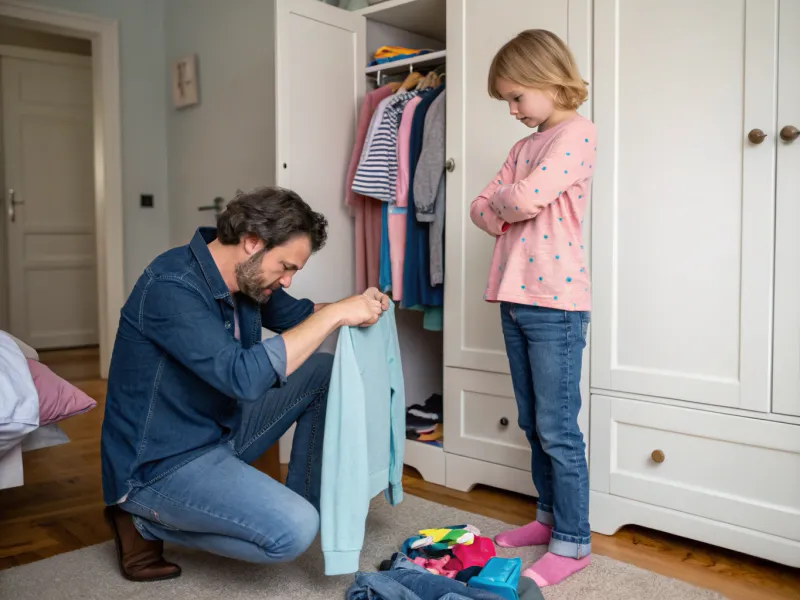
Ricordate la gioia di scegliere il vostro abbigliamento da bambini? La libertà di scegliere tra scarpe da ginnastica scintillanti o mantelli da supereroe? Prendere decisioni per loro, grandi o piccole che siano, può privarli di quella gioia e anche della fiducia in se stessi.
Start small by letting them choose their clothes or their snack for school. Sure, they might pair stripes with polka dots, but who cares? It’s their choice, and it’s a step towards independence.
Encourage them to voice their opinions and respect their decisions. You’ll see that spark of confidence in their eyes, knowing that their choices matter in their world. It’s an empowering feeling, and one that’ll stick with them as they grow.
12. Non permettere loro di fallire

Failure is life’s greatest teacher, but protecting kids from it can stunt their growth. It’s tempting to shield them from every fall, but in doing so, we rob them of valuable learning experiences.
Let them play that game of Jenga, even if it means a tumble. When they fail, they learn resilience and the courage to try again. They’ll realize that failure isn’t the end—it’s just a stepping stone to success.
Be there to support and encourage them, helping them to see the lessons in every setback. With each failure, they’ll grow stronger, braver, and more confident in their abilities. And that’s a gift that keeps on giving.
13. Sovraccarico di responsabilità

Responsibilities are important, but too many can feel like a mountain on a child’s shoulders. Balancing chores and schoolwork is crucial, but overloading them can lead to stress and burnout.
Start by assigning age-appropriate tasks that they can manage. Encourage teamwork and praise their efforts. Break down big tasks into smaller, more manageable ones. They’ll feel accomplished and proud of their contributions to the family.
Give them time to relax and play. They need those moments to recharge and be kids. They’ll develop a sense of responsibility, but also know that it’s okay to take a breather. It’s all about balance, my friend.
14. Non ascoltare le loro opinioni

Kids have voices, and they deserve to be heard. Dismissing their opinions can make them feel invisible and undervalued. It’s crucial to create an environment where they feel safe to express themselves.
During family discussions, invite their input. Ask them what they think, and genuinely listen. Acknowledge their ideas, even if they’re a little out there. They’ll feel validated and important, boosting their self-esteem.
Encourage open dialogues and respect their viewpoints. They’ll learn to communicate confidently and know that their thoughts matter. It’s empowering, and it nurtures a sense of self-worth that will carry them through life.
15. Proiettare le proprie paure su di loro
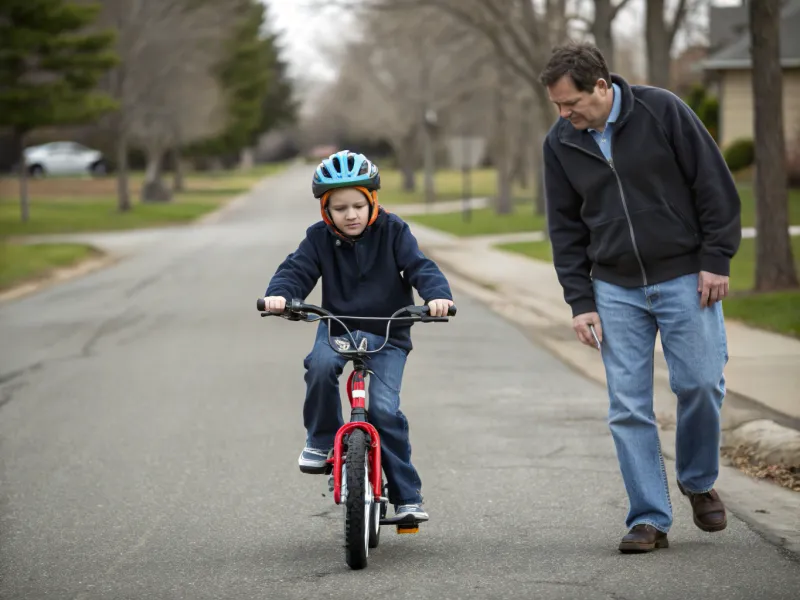
We all have fears, but projecting them onto our kids can hold them back. Whether it’s a fear of heights or public speaking, it’s important to let them form their own experiences.
Incoraggiateli a provare cose nuove, anche se vi spaventano. Rimanete a guardare mentre affrontano quella corsa in bicicletta o presentano il loro progetto scolastico. Fate il tifo per loro da bordo campo, mostrando loro che credete nelle loro capacità.
They’ll learn to face their own fears with courage, knowing you support them. It’s all about letting go and trusting in their potential. They’ll surprise you with their strength and confidence.
16. Etichettarli con tratti negativi

Labels can stick like glue, especially the negative ones. Calling a child “shy” or “lazy” can shape their identity, affecting their confidence and self-esteem.
Concentratevi sui loro punti di forza ed evidenziate i tratti positivi. Invece di definirli timidi, celebrate la loro pensosità e creatività. Date un'immagine positiva di chi sono e di chi possono diventare.
Encourage them to explore new activities and praise their efforts. They’ll start seeing themselves through your positive lens, feeling confident and proud of who they are. It’s all about lifting them up and showing them the amazing person they are.
17. Esagerazione senza specificità
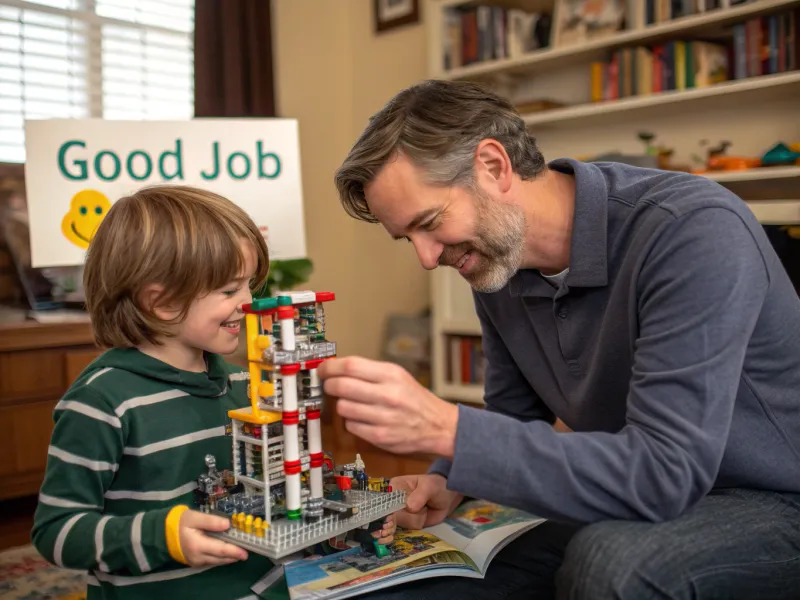
We all love praise, but generic compliments can feel hollow. “Good job” is nice, but specific praise? That’s a confidence booster!
When they build that incredible Lego tower, marvel at the way they engineered the base or the creativity in their design. Highlighting specific aspects shows that you’re truly paying attention and appreciating their efforts.
They’ll feel seen and valued, boosting their self-esteem. It’s all about making them feel proud of their accomplishments and motivated to keep reaching for the stars. And trust me, they’ll soar!
18. Enfatizzare eccessivamente i risultati accademici

Academic success is important, but overemphasizing it can put undue pressure on kids. It’s crucial to celebrate the journey, not just the destination.
Recognize their efforts and hard work, even if the grades aren’t perfect. Encourage a love of learning by praising their curiosity and determination. They’ll learn that it’s okay to make mistakes and that growth comes from trying.
With your support, they’ll develop a healthy relationship with learning, feeling confident in their abilities. They’ll know that they’re more than just a grade, and that’s a lesson that will guide them through life.
19. Trascurare le abilità sociali
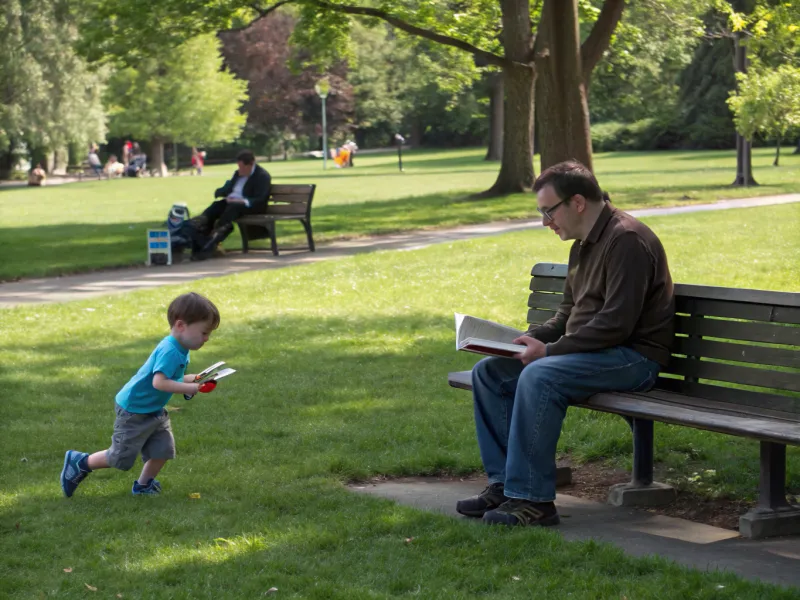
Social skills are essential, but sometimes, in our busy lives, they fall by the wayside. Encouraging social interactions can build a child’s confidence and help them navigate the world.
Arrange playdates, join clubs, or participate in group activities. Encourage them to make new friends and try new things. They’ll learn to communicate, share, and care, building friendships that support their confidence.
Be a role model by showing kindness and empathy in your interactions. They’ll mimic your behavior and grow into confident, compassionate individuals. It’s all about nurturing their social side and watching them blossom.
20. Evitare le conversazioni difficili

Difficult conversations are, well, difficult! But avoiding them can leave kids feeling confused and insecure. It’s important to address tough topics with honesty and sensitivity.
Create uno spazio sicuro in cui si sentano a proprio agio nel fare domande su qualsiasi cosa, dai problemi scolastici agli eventi mondiali. Date loro risposte oneste e adeguate all'età e ascoltateli con empatia.
They’ll learn that it’s okay to talk about hard things and that you’re there to support them. It builds trust and confidence, knowing they can come to you with anything. And that’s a relationship that’ll stand the test of time.
21. Rushing Their Emotions

Ever feel tempted to say, “You’re fine!” when your kiddo starts to cry over something that seems tiny to us grown-ups? It’s natural—we want to soothe, to fix, to move on. But when we rush their emotions, we’re teaching them that feelings are inconvenient or unimportant.
The truth? Emotions are valid—even the messy, loud, and unpredictable ones. Instead of hurrying through their sadness or frustration, try saying, “I see you’re really upset. Want to talk about it or do you need a hug first?” Just holding space for them does wonders.
When we honor their emotional pace, we show them it’s okay to feel, to process, and to bounce back in their own time. That, my friend, is how we raise emotionally intelligent, confident kids who know their hearts matter.
22. Forgetting to Model Confidence Yourself

Let’s be real—our kids are always watching. And while we’re busy encouraging loro to be brave and bold, sometimes we forget the most powerful teacher: noi. If we’re constantly doubting ourselves, putting ourselves down, or avoiding challenges, they absorb that like a sponge.
Show them what self-love looks like. Let them see you try new things, laugh at your own mistakes, and speak kindly to yourself in the mirror. Say things like, “That was tricky, but I’m proud I tried,” or, “I don’t know how to do it yet, but I’m learning!”
Confidence is contagious. When we model it authentically, they learn that being confident doesn’t mean being perfect—it means believing you’re capable, no matter what. And che is a superpower they’ll carry with them for life.
Vedi anche: 32 Childhood Rules From Parents That Were Weird Then—But Brilliant Now