
8 sinais preocupantes de pais gaslighting e como lidar com eles
Toda a gente comete erros e perde a calma de vez em quando. Os pais não são diferentes.
They’re human just like everybody else. However, enganar os pais são outra coisa.
The signs of gaslighting parents are not always easy to see because, well, that’s como o gaslighting obras.
Nada parece alarmante à primeira vista, mas na realidade, as críticas constantes deixam as crianças confusas e magoadas.
If you’re not sure what gaslighting means, here’s a little intro for you.
O que são pais gaslighting?

Let’s start with gaslighting.
Gaslighting is a form of psychological abuse where the abuser makes you feel and labels you as ‘crazy’ because of your reactions, even though your reactions and feelings are completely normal and expected.
This type of abuse is especially hard when it’s present in a child-parent relationship.
Unfortunately, many parents don’t even know they’re doing it because they see nothing wrong with their behavior.
However, it takes a major toll on kids. The reason why this happens so often is that parents tend to forget that children don’t have enough experience to view life and the world around them the same as they do.
Não só isso, mas os pais esquecem-se de que é suposto as crianças explorarem o mundo por si próprias, expressarem-se autenticamente sem medo e não serem moldadas de acordo com as suas expectativas.
There’s nothing more crushing for a child than denying their emotions, as a child doesn’t yet know how to control them.
When you gaslight your child, what you’re actually doing is making them upset on purpose, just to manipulate them later on into thinking they have no reason to be upset or emotional.
Porque é que o gaslighting numa relação pais-filhos é muitas vezes difícil de detetar?

A parent-child relationship is considered a relationship where parents have ‘power’ and ‘control’ over the kid and that’s why the disbalance of power goes unnoticed.
While parents must have authority, they shouldn’t abuse their power and try to push their own reality on their kids.
However, that’s what frequently happens.
A kid’s reality may be discredited because it doesn’t match the reality of one of the parents and therefore the child feels confused and questions themselves.
O gaslighting dos pais assume muitas formas diferentes e tem muitas origens diferentes.
Por exemplo, os pais podem ser imaturos, demasiado protectores, sobrecarregados, sem educação, narcisistas, etc.
Narcissists are probably the most common and popular group of people who use gaslighting in their everyday life and usually aren’t even aware of it.
Uma pessoa com uma perturbação de personalidade narcísica has a grandiose sense of self and a hard time accepting criticism, which is the main reason why they don’t understand their mistakes as a parent once they’re faced with them.
Infelizmente, se o gaslighting dos pais é algo com que uma criança se depara frequentemente durante o processo de crescimento, isso afecta definitivamente a sua saúde mental.
Uma criança vítima de gaslighting pode tornar-se num adulto que luta contra a insegurança, a ansiedade, a agressividade e a paranoia, relações abusivas, etc.
Ver também: Carta de uma rapariga que sobreviveu à iluminação a gás
Sinais de gaslighting dos pais
Not acknowledging a child’s feelings

Uma das piores e mais dolorosas coisas que pode acontecer a uma criança é ver os seus sentimentos ridicularizados ou não levados a sério.
For example, if a child is afraid of something (like the dark, bugs, heights, etc.) and the parent says sentences like, “Stop being a baby!” they invalidate the child’s emotions.
In other words, they’re telling the child that their emotions are not important or normal.
It’s not surprising that children will think of their actions as weak and blame themselves when there’s nothing to blame themselves for.
Instead of belittling a child’s emotions, parents should be there for their child and try to understand what exactly made them uncomfortable.
A parent should respect their child’s emotions, even if they don’t understand them.
Decidir o que uma criança gosta e não gosta

Many parents make this mistake and it’s one of the biggest and easily brushed off red flags.
Antes mesmo de o filho ter tempo para decidir se gosta ou não de alguma coisa, fazem-no por ele.
Por vezes, mesmo quando os filhos decidem por si próprios, os pais ignoram a sua decisão e continuam a fazer o que pretendiam fazer na mesma.
This is like saying, “You’re incapable of making decisions for yourself,” or, “Someone else knows what’s better for you.”
Of course, it’s no surprise when this child grows up into an adult who has problems with decision-making.
A tomada de decisões é uma das coisas mais importantes que as crianças devem aprender para se tornarem adultos saudáveis e funcionais.
Como educar os filhos para tomarem boas decisões em vez de lhes tirar a decisão das mãos?
Of course, a child can’t have full responsibility for every decision in their young life.
No entanto, os pais devem apresentar-lhes as opções e as escolhas antes de manifestarem os seus próprios pensamentos e desejos quando se trata de decidir.
The other thing is, parents should know that children sometimes make bad decisions and that’s normal. It’s a process of maturity.
Dismissing a child’s experiences
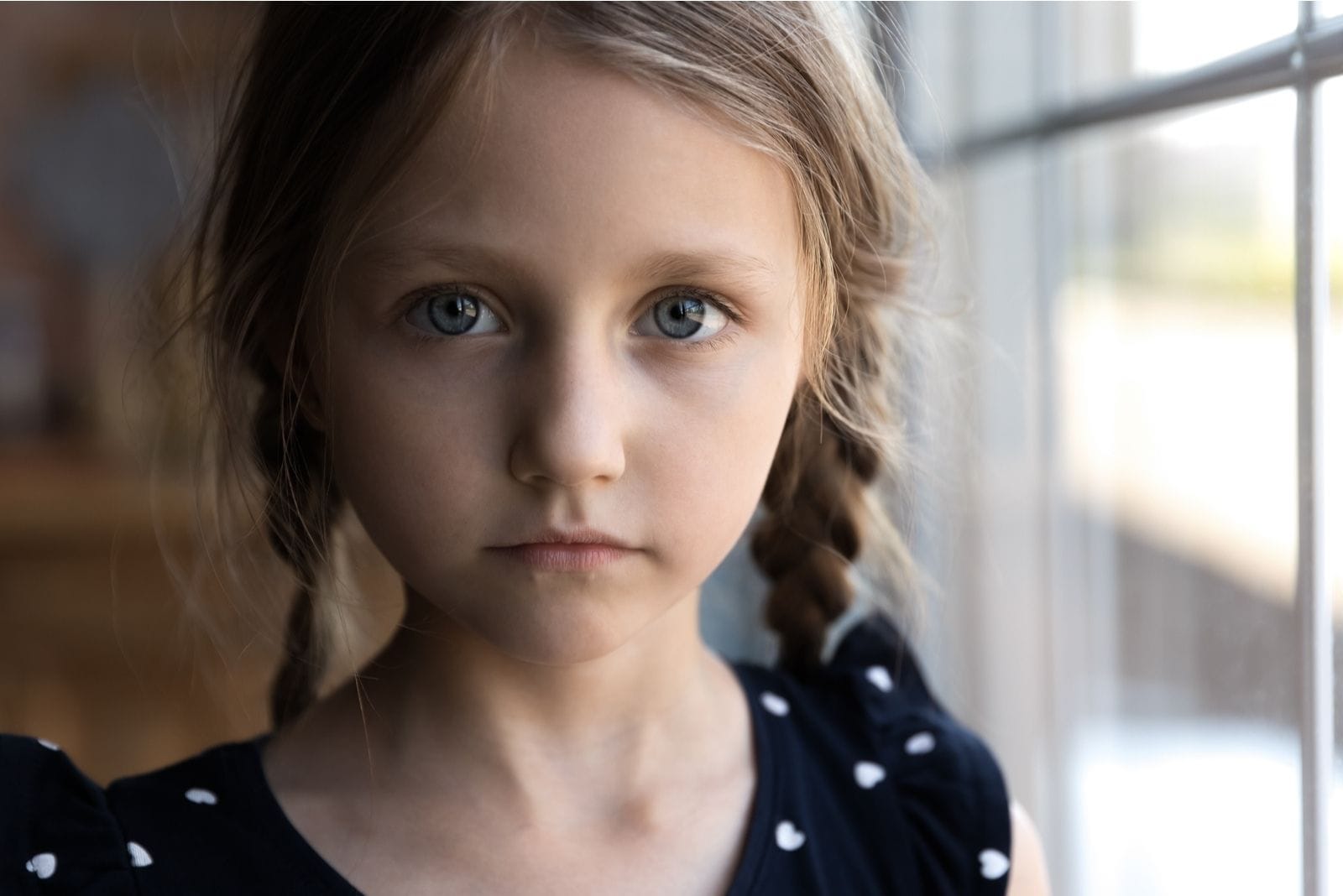
Unfortunately, there are so many instances where family members dismiss a child’s experiences just because they weren’t there to witness that something happened or they simply believe that the child is imagining things.
This is very hurtful and crushing for a child. Just imagine going to a person you have complete trust in, just to find out they don’t believe you or don’t think your experience is important.
É por isso que uma criança pode perder a confiança num dos pais.
Sim, as crianças são imaginativas, mas o que elas sentem e experimentam deve ser levado a sério.
Dismissing a child’s experiences can lead to a child not trusting their own perception later in life.
Por outras palavras, faz da criança uma vítima de gaslighting e leva-a a questionar a sua própria sanidade.
Making fun of a child’s ideas

Algures no processo da idade adulta, os adultos esquecem-se do que significa ser criança.
They forget it’s a completely different state of being, full of new experiences, without having to worry about mundane life stuff.
As crianças têm naturalmente uma imaginação selvagem porque estão apenas a começar a explorar o mundo.
Their ideas are sometimes brilliant and sometimes silly and fun. That’s normal.
What’s not normal is abusive parents who make fun of their children for their ideas, opinions and observations…
As an adult, even if your child says something that doesn’t make sense, or is impossible or completely wrong, instead of making fun of them or scolding them, you should educate them.
Trivializing a child’s feelings is a cause of falta de auto-confiança e dúvidas sobre si próprios mais tarde na sua vida.
Culpar uma criança
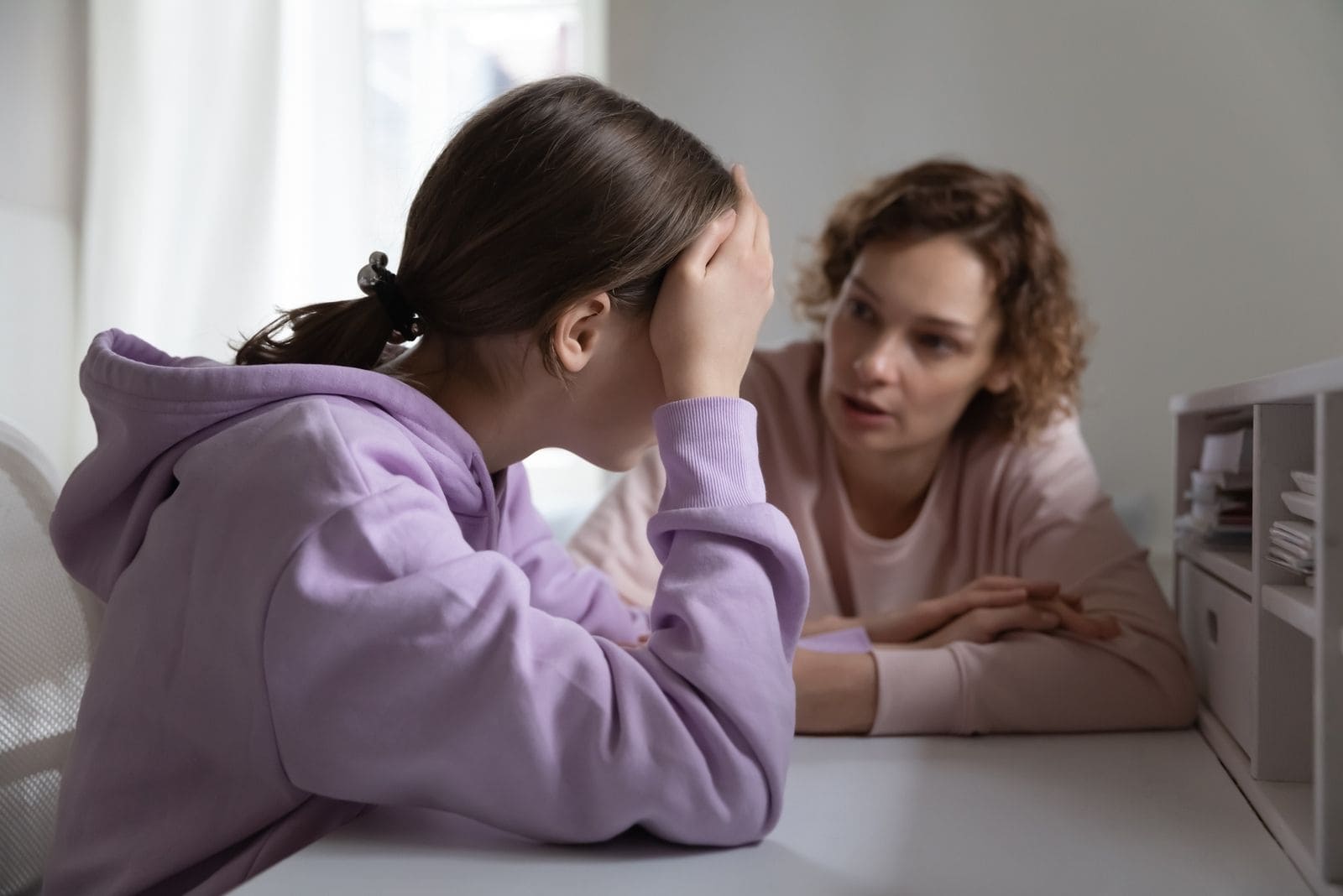
A verdade é que as crianças aprendem o seu comportamento com os pais.
Whenever a child does something that a parent considers ‘bad’, they should ask themselves if they unconsciously do something on a regular basis that would make a child do such a thing.
There’s no point in blaming the child, who’s just exploring life and trying to figure out their place in the world.
They’re not here to do everything perfectly, they’re not here to fit someone else’s standards or be shamed for who they are.
There are so many other ways to show a child or a young person the consequences of their actions without directly blaming them, especially if they aren’t aware that the aftermath of it is something out of their control.
A compreensão e o apoio são factores que devem estar sempre em primeiro lugar, antes da culpa.
Esperar que uma criança reaja como um adulto

Children are not adults and they shouldn’t behave like adults. Expecting a child to react like an adult is just unrealistic.
Holding children to adult standards doesn’t make sense. Not only that but parents often even raise the standards for their children.
Esperar que uma criança faça algo como um adulto com experiência de vida adulta é uma forma de manipulação.
No entanto, este comportamento manipulador é, infelizmente, considerado normal.
Um pai manipulador espera, por exemplo, que uma criança de três anos exprima corretamente os seus sentimentos como os adultos o fariam.
That’s simply not possible since small children are new to feelings and don’t always know why they feel something when they do. Even many adults don’t!
Este tipo de comportamento de gaslighting coloca muita pressão sobre a criança e é provável que crie um futuro adulto com problemas de controlo excessivo, perfeccionismo, etc.
Mocking a child’s behavior
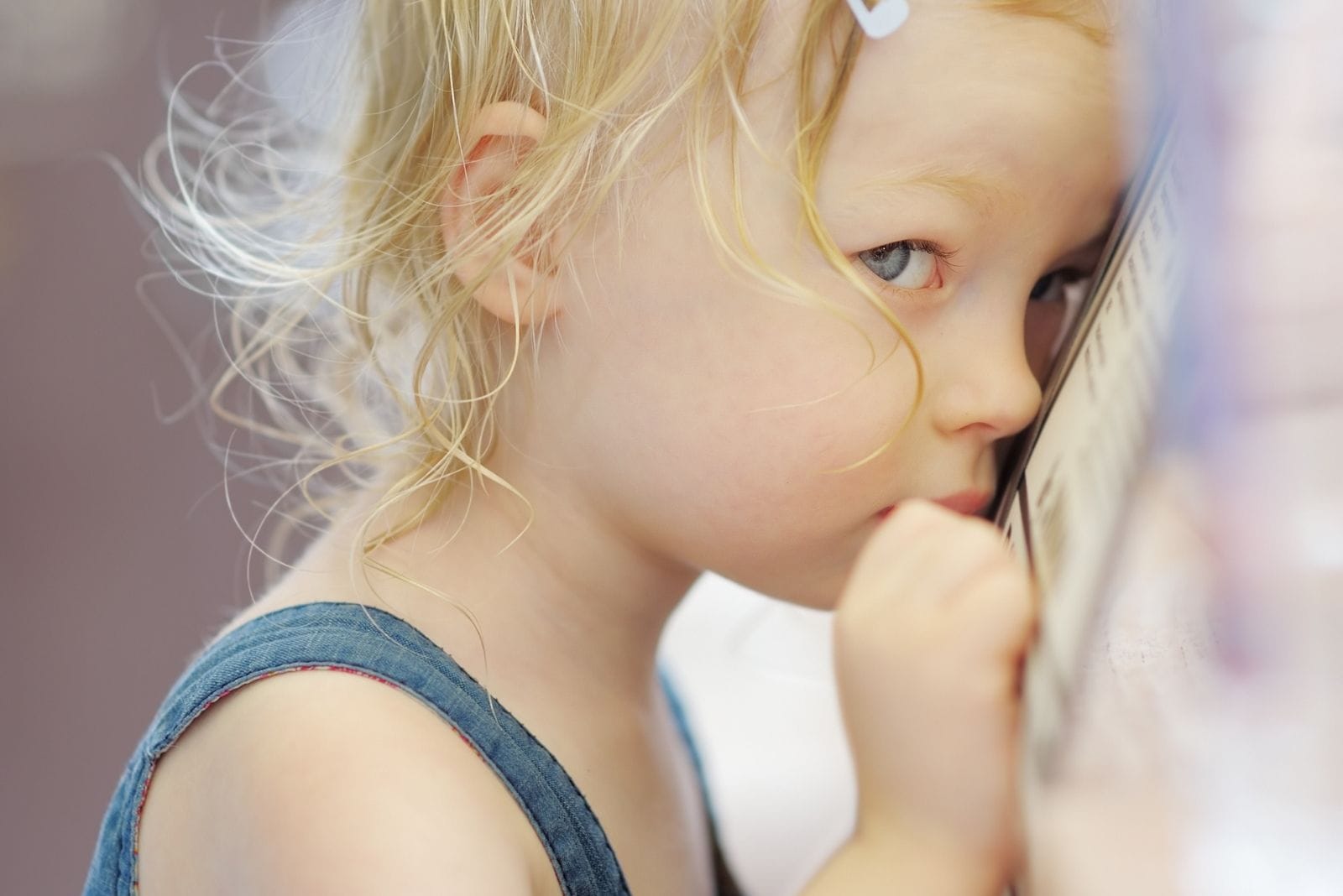
A troça é também uma forma de abuso emocional.
It signals to a child that their natural behavior or reaction is shameful, unintelligent or unaccepted, which strongly affects a child’s self-esteem.
Mais tarde, isso reflecte-se no seu comportamento e relações com outras pessoas, incluindo relações amorosas.
Uma criança aceita os insultos, a troça, a negligência e o comportamento geralmente inaceitável como algo normal e esperado.
Infelizmente, este comportamento é largamente aceite como normal, engraçado e inofensivo, quando, na realidade, diz a uma pessoa que deve ter vergonha do seu "eu" natural.
Ter vergonha de nós próprios é muitas vezes o início da infelicidade. Nenhuma pessoa pode ser feliz sem a capacidade de se exprimir livre e autenticamente.
Não pedir desculpa a uma criança
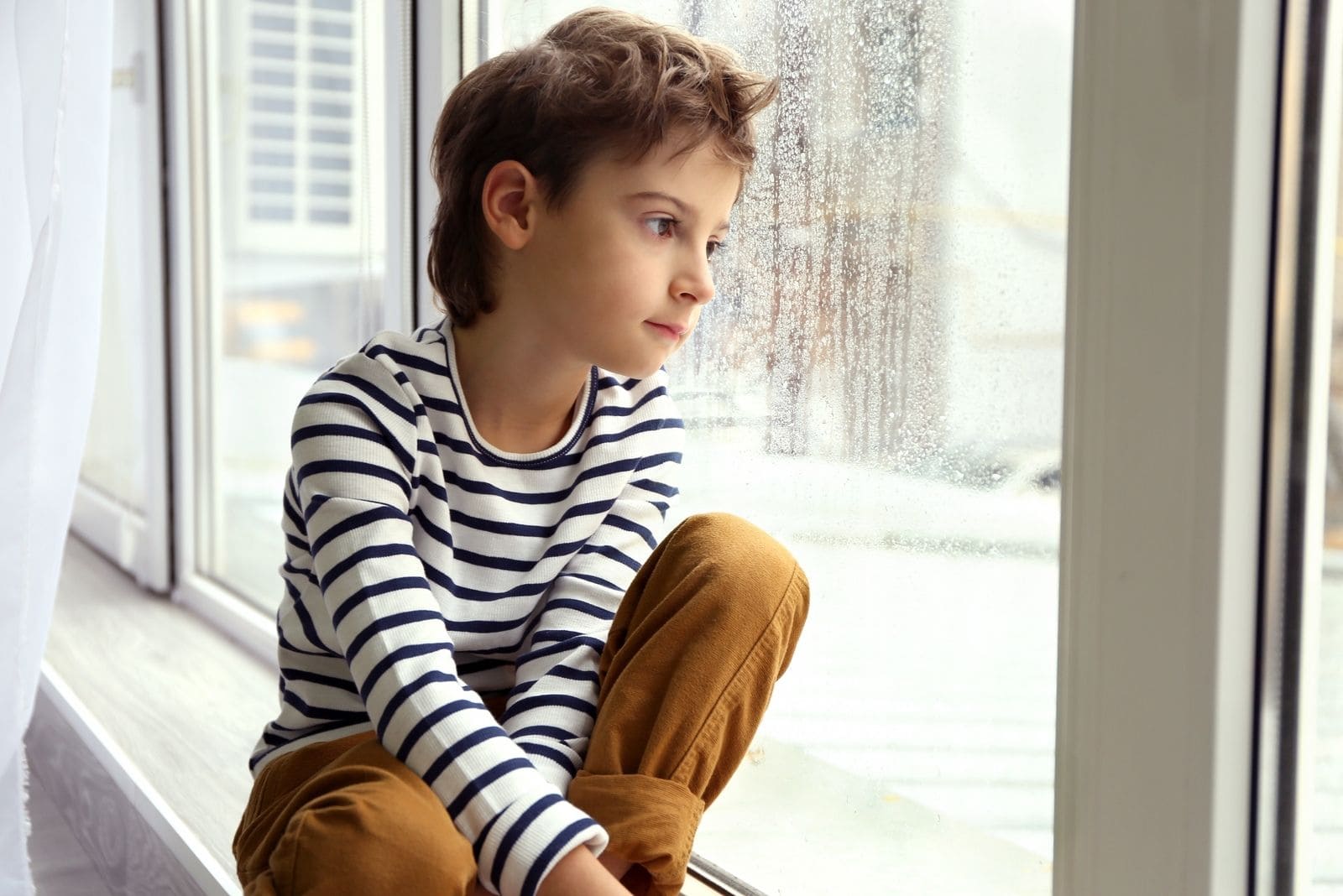
Uma das coisas mais desoladoras que um pai pode fazer é não pedir desculpa a um filho depois de este ter feito algo de errado, o que acontece muito em famílias tóxicas.
It’s a normal and healthy thing to apologize after you’ve hurt someone, even if you did it unintentionally.
A gaslighter parent will do something they know is wrong and won’t apologize because of their pride.
Este é um sinal de alerta que mostra um pai potencialmente narcisista.
The first time this happens, children will automatically put the blame on themselves and accept their parent’s actions as normal.
Ou copiam o seu comportamento ou começam a pedir desculpa a toda a gente. Nenhuma destas opções é um mecanismo saudável para lidar com a situação.
Conclusão
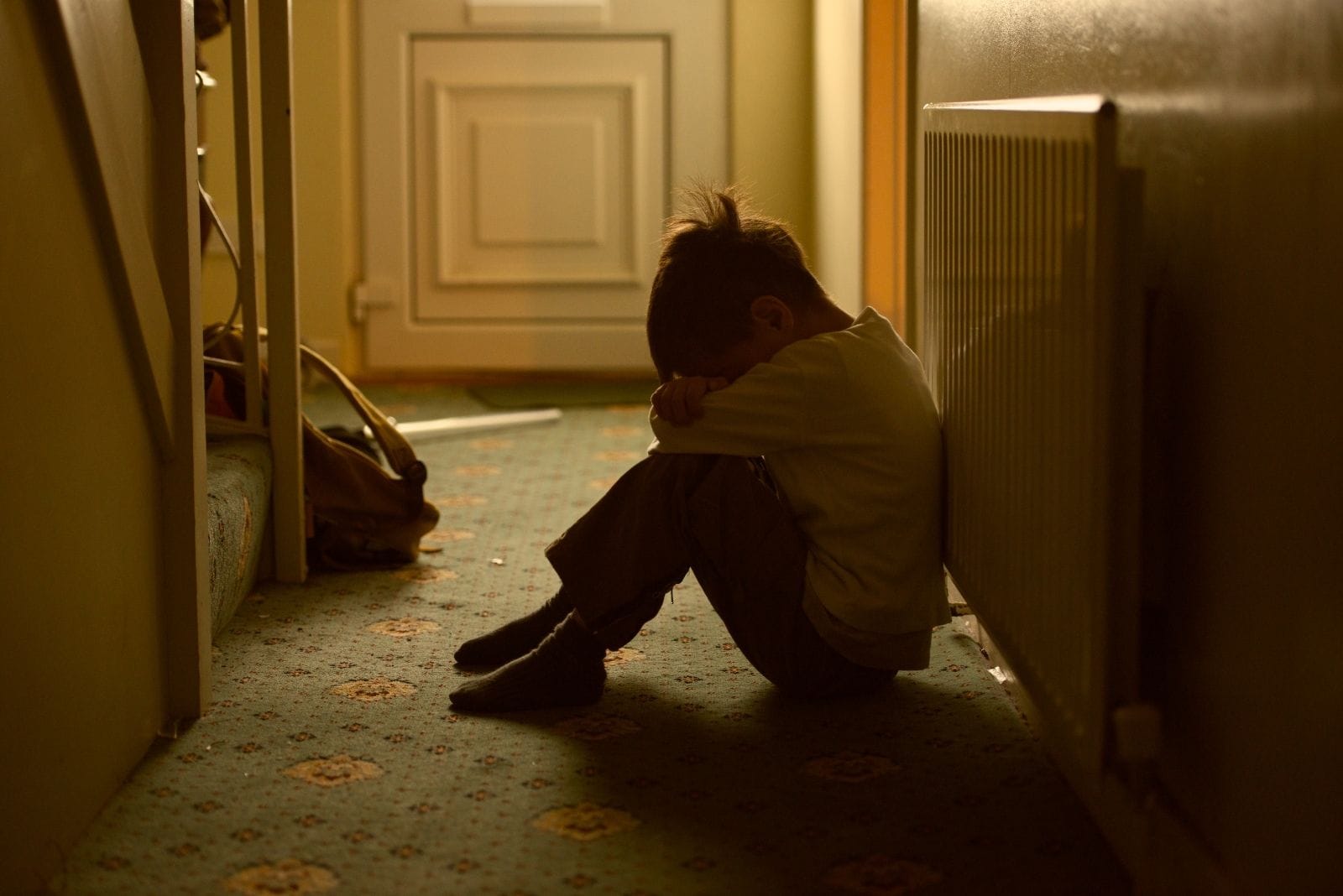
Esperemos que os sinais acima o tenham ajudado a detetar o gaslighting na sua própria vida, quer seja como pai ou como filho.
We all carry some learned behavior from our parents, so there’s no point in putting the blame entirely on one person.
The gaslight effect comes in many different ways and as I said, many people who do it don’t even realize what they’re doing.
Por outras palavras, todos nós já fomos magoados de alguma forma e o nosso mecanismo de resposta transformou-nos nas pessoas que somos.
No entanto, como adultos, temos de assumir a responsabilidade pelo nosso próprio comportamento e nunca parar de nos melhorarmos.
It’s possible to change our behavioral patterns and our life by using perspective or with the help of professionals such as clinical psychologists.
Depois de reconhecermos o que fazemos de errado, temos de o mudar. Também precisamos de pedir desculpa às pessoas que magoámos com a nossa falta de consciência de nós próprios.
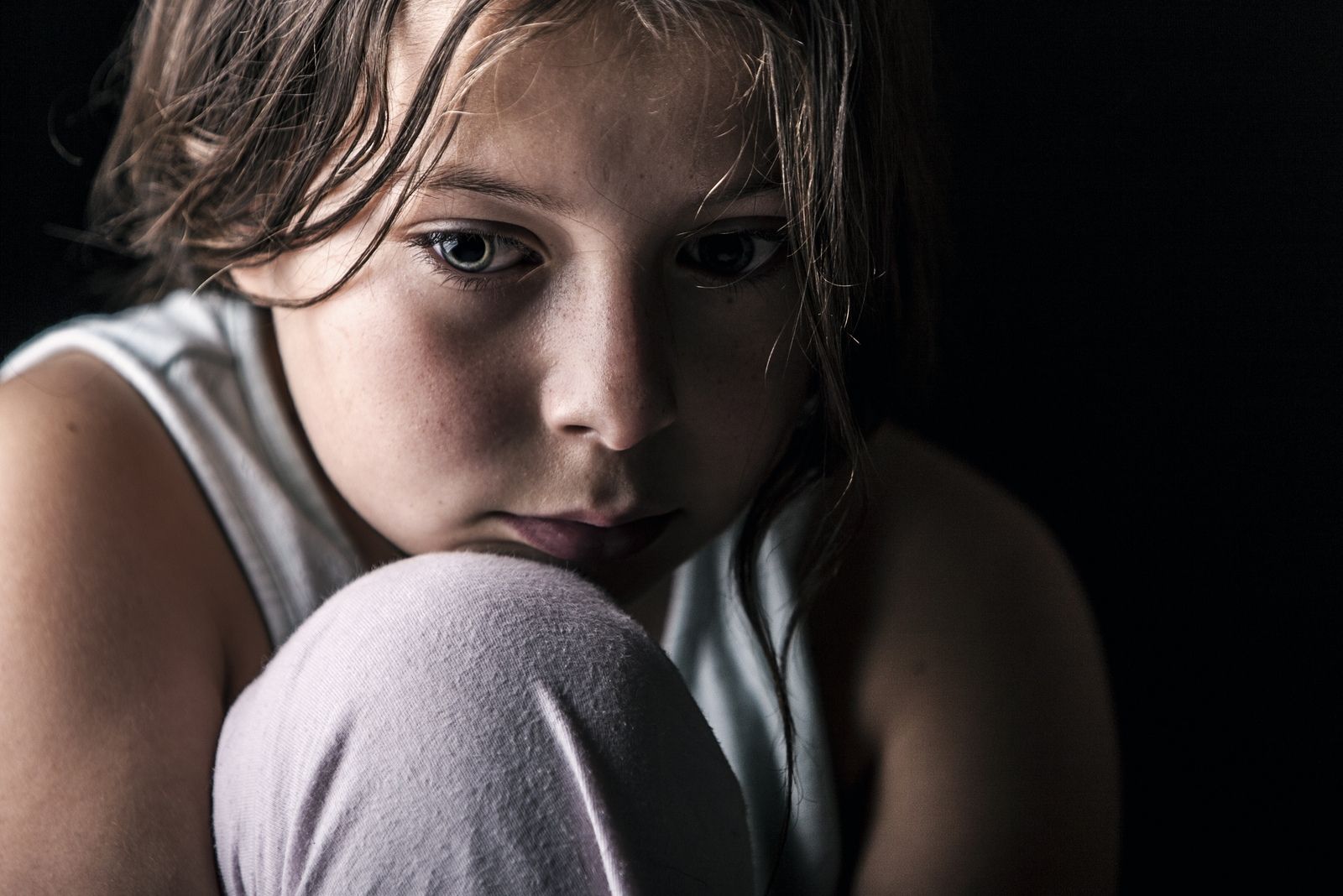
If you’re the child of a gaslight parent, first and foremost, it’s important to heal yourself, understand where you’re coming from and understand how your circumstances affect your life decisions.
Falar sobre o assunto com os seus pais é opcional. Muitos pais narcisistas nunca assumem a responsabilidade pelas suas próprias acções, enquanto outros se apercebem dos seus erros mais tarde na vida.
You can always try to start a healthy conversation and inspire a reuniting and bonding experience but it all depends on the other person and if they’re ready for it.
The most important thing is making things clear to yourself and implementing healthy habits into your own life, without caring about what another person will think, even if they’re your parent.
Lembre-se de que pode sempre recuperar o seu poder, mesmo quando isso parece impossível.
O medo e as emoções negativas começam na nossa cabeça e podem ser alterados. O primeiro e mais difícil passo é acreditar que se é capaz de o fazer.