

32 Shocking Phrases Husbands Should Never Say To Their Wives
Words have immense power in a marriage. They can uplift, comfort, inspire, or, conversely, hurt, alienate, and create distance. While no relationship is devoid of conflict or misunderstanding, certain phrases, even when said unintentionally, can leave deep emotional wounds.
It’s crucial to recognize these damaging phrases and replace them with more thoughtful, supportive dialogue. Here are 32 shocking things a husband should never say to his wife.
Entender por qué duelen y aprender estrategias de comunicación más sanas puede allanar el camino hacia una conexión más fuerte e íntima.
1. “You’re Overreacting”

Dismissing someone’s feelings with “You’re overreacting” can be incredibly invalidating. When your wife expresses her emotions, it’s her way of communicating something important.
By telling her she’s overreacting, you’re effectively saying her feelings are not real or justified. This can lead to emotional distancing and potential resentment.
Instead, consider acknowledging her feelings, even if you don’t fully understand them. Saying something like, “I see this is really important to you,” can open the door for a more meaningful conversation. It shows you’re willing to understand her perspective, fostering empathy and connection.
Remember, emotional reactions are personal, and everyone processes things differently. By honoring her feelings instead of dismissing them, you’re strengthening your emotional bond and showing that her emotions matter to you.
2. “My Ex Used to Do That”

Comparing your wife to your ex can be a major relationship blunder. Comments like “My ex used to do that” can make your wife feel like she’s being measured against someone from your past. This can lead to insecurity and unnecessary jealousy, questioning her worth and place in your life.
En lugar de establecer comparaciones, céntrate en las cualidades únicas que tu mujer aporta a la relación. Celebre lo que hace que le hace feliz y aprecie su individualidad. Este enfoque refuerza el vínculo y le asegura que ocupa un lugar especial en tu corazón.
Presta atención al presente y aprecia los momentos que compartís juntos. Esto crea un entorno seguro en el que tu mujer se siente valorada y querida por lo que es, no comparada con nadie.
3. “Calm Down”

Telling someone to “calm down” when they’re upset rarely has the desired effect. In fact, it often escalates the situation. For your wife, these words might seem dismissive of her feelings, implying she’s being unreasonable or irrational.
A more effective approach is to listen actively. Let her express her feelings without interruption. By doing so, you’re validating her emotions and showing empathy. This helps de-escalate tension and promotes a more constructive dialogue.
When she sees you’re genuinely interested in understanding her point of view, it builds trust and strengthens your relationship. Remember, empathy goes a long way in any marriage.
4. “You’re Just Like Your Mother”

The phrase “You’re just like your mother” can be loaded with unwanted implications. It might suggest criticism, even if that’s not the intent. Such statements can make your wife feel judged or pigeonholed into a stereotype she didn’t choose.
A better strategy is to focus on the specific issue at hand without drawing family comparisons. If there’s a behavior you find challenging, address it directly and constructively without involving family dynamics.
This approach opens a path for healthy communication and mutual understanding. It shows respect for your wife’s individuality and empowers both of you to work through issues as partners.
5. “I Don’t Care”

Saying “I don’t care” in response to something important to your wife can be deeply hurtful. It signals disinterest in her thoughts, feelings, or activities. This phrase can make her feel unvalued and invisible in the relationship.
Instead, try to engage with her interests, even if they aren’t your own. Showing curiosity or willingness to listen demonstrates that you value her perspective. It fosters a sense of togetherness and mutual respect.
By actively participating, or at least showing interest, in what’s important to her, you’re strengthening the emotional connection. It reassures her that she’s a priority in your life, reinforcing the bond you share.
6. “Why Are You So Emotional?”

Cuestionar las emociones de alguien puede parecer despectivo e invalidante. En el caso de su mujer, puede sugerir que sus sentimientos son excesivos o inoportunos. Esto podría hacer que retuviera sus emociones por miedo a ser juzgada o rechazada.
Instead, provide a safe space for her to express herself. Encouraging open communication without judgment can be incredibly comforting. It lets her know you’re there to support her, whatever she’s going through.
By showing empathy and understanding, you’re building a foundation of trust. This encourages emotional openness and strengthens your connection as partners.
7. “You’re Always Nagging”

Labeling your wife’s concerns as “nagging” can be dismissive and hurtful. It suggests that her attempts to communicate are annoying rather than valid. This can lead to feelings of being unheard or unappreciated.
A more constructive approach is to listen actively and understand the underlying issue. Sometimes, what’s perceived as nagging is a call for attention or help. By addressing her concerns genuinely, you’re showing that you value her input.
Este enfoque fomenta una dinámica de comunicación más sana. La anima a compartir sus pensamientos sin miedo a ser descartada, lo que refuerza la intimidad emocional de su relación.
8. “I’m Too Busy for This”

Claiming you’re “too busy” for a conversation or issue important to your wife can be incredibly hurtful. It implies that her needs or feelings are secondary to your schedule. This can make her feel sidelined and unimportant.
Instead, prioritize time to address her concerns. Even a short acknowledgement can show that you care and are willing to find a solution together. It’s about making her feel valued, even in the busiest times.
By prioritizing her, you’re reinforcing her importance in your life. This helps build a relationship where both partners feel respected and appreciated, regardless of the demands of everyday life.
9. “That’s Not My Problem”

Saying “That’s not my problem” can be incredibly alienating in a marriage. It suggests a lack of teamwork and shared responsibility, distancing you from your wife’s concerns.
Instead, approach issues as partners. Even if a problem isn’t directly yours, offering support or brainstorming solutions together can strengthen your bond. It shows you’re invested in her well-being and the relationship.
This collaborative attitude fosters connection and understanding. It reassures her that she’s not alone and that you face challenges together as a team.
10. “You’re Being Paranoid”

Telling your wife she’s “being paranoid” can invalidate her worries and concerns. It can make her feel misunderstood or belittled, potentially leading to mistrust and communication breakdown.
En lugar de eso, intenta comprender la raíz de sus preocupaciones. Haz preguntas y muestra empatía para que se sienta escuchada y apoyada. Este enfoque fomenta la confianza y el diálogo, favoreciendo un clima emocional más sano.
When you validate her feelings, even if you don’t fully agree, it strengthens your connection. It shows you’re willing to work through challenges together, building a more resilient partnership.
11. “You’re Too Sensitive”

Calling your wife “too sensitive” can be dismissive and invalidating. It suggests that her feelings are excessive, leading her to question her emotional responses.
Instead, acknowledge her sensitivity as part of who she is. It’s important to create a safe space for her to express her emotions without fear of judgment.
By showing empathy and understanding, you’re reinforcing her worth and individuality. This approach nurtures emotional intimacy and trust in your relationship, promoting a supportive environment for both partners.
12. “Just Deal With It”

Telling your wife to “just deal with it” can be dismissive of her feelings and needs. It implies a lack of support and understanding, leading to feelings of isolation and neglect.
Instead, offer to help find solutions or simply listen to her concerns. Showing you’re willing to support her fosters a sense of togetherness and mutual respect.
By working through challenges together, you’re reinforcing your commitment to the relationship. It demonstrates that you’re a team, ready to face whatever comes your way with empathy and understanding.
13. “You’re Imagining Things”

Telling your wife she’s “imagining things” can be incredibly dismissive. It suggests her perceptions or feelings are not legitimate, leading to feelings of doubt and mistrust.
En lugar de eso, escucha sus preocupaciones e intenta comprender su punto de vista. Ofrecer validación y empatía puede ayudarla a sentirse apoyada y valorada.
When you engage with her feelings openly, it builds trust and connection. It shows you’re willing to work through misunderstandings together, fostering a stronger, more empathetic partnership.
14. “Stop Being So Dramatic”

Accusing your wife of being “dramatic” can invalidate her emotions and dismiss her concerns. It implies that her feelings are exaggerated and not to be taken seriously.
Instead, approach her emotions with empathy and openness. By acknowledging her feelings and asking how you can help, you’re showing that you value her perspective.
Este enfoque fomenta la comunicación abierta y la confianza. Fomenta un entorno de apoyo en el que ambos miembros de la pareja se sienten escuchados y respetados, reforzando el vínculo emocional en su relación.
15. “You’re Always So Negative”

Accusing your wife of being “always negative” can be hurtful and discouraging. It suggests that her feelings or concerns are unwelcome, potentially leading to self-doubt and withdrawal.
En lugar de eso, intenta comprender la raíz de su negatividad y ofrécele apoyo. Escuchar con empatía puede ayudarla a sentirse valorada y comprendida.
By approaching her concerns with compassion, you’re fostering a more positive and supportive environment. It encourages her to share her feelings openly, strengthening your connection as partners.
16. “You’re a Bad Mother”

Calling your wife a “bad mother” is not only hurtful but damaging to her self-esteem. It attacks her identity and role within the family, leading to feelings of inadequacy and guilt.
En lugar de eso, céntrese en la retroalimentación constructiva y el apoyo. Ofrezca ayuda y ánimo para superar juntos los retos de la crianza.
Este enfoque refuerza sus puntos fuertes y sus aportaciones como madre. Fomenta una asociación en la que ambos progenitores se sienten valorados y apoyados, promoviendo una dinámica familiar más saludable.
17. “You Never Listen”

Accusing your wife of “never listening” can be hurtful and dismissive. It suggests that her efforts to communicate are ignored, leading to frustration and resentment.
Instead, focus on active listening and open communication. Show her that you’re willing to understand her perspective and work through misunderstandings together.
Este enfoque fomenta la confianza y la conexión. Demuestra que valoras su opinión y que te comprometes a mejorar la comunicación en vuestra relación.
18. “You’re Too Controlling”

Calling your wife “too controlling” can be dismissive and hurtful. It suggests that her attempts to organize or manage are overbearing, leading to feelings of inadequacy and resentment.
Intenta comprender su punto de vista y buscar juntos un equilibrio. Reconocer sus esfuerzos y ofrecerle apoyo puede ayudarla a sentirse valorada y respetada.
By fostering open communication, you’re creating a supportive environment where both partners feel heard and appreciated. This approach strengthens your relationship and promotes mutual understanding.
19. “You’re Being Unreasonable”

Telling your wife she’s “being unreasonable” can be dismissive and hurtful. It implies that her feelings or concerns are not to be taken seriously, leading to feelings of frustration and isolation.
Instead, approach her concerns with empathy and understanding. Show her that you’re willing to listen and work through issues together.
Este enfoque fomenta la confianza y la conexión. Demuestra que usted valora su punto de vista y se compromete a establecer una relación de apoyo y empatía.
20. “You Can’t Do Anything Right”

Telling your wife she “can’t do anything right” is a damaging statement that attacks her self-worth. It suggests that her efforts and contributions are unvalued, leading to feelings of inadequacy and discouragement.
En lugar de eso, céntrate en darle apoyo y comentarios constructivos. Reconoce sus puntos fuertes y ofrécele ayuda para superar juntos los retos.
Este enfoque fomenta un entorno de apoyo y aliento. Demuestra que valoras sus aportaciones y que te comprometes a construir una relación sólida y sana.
21. “You’re Always Complaining”

Accusing your wife of “always complaining” can be dismissive and hurtful. It suggests that her concerns are unwelcome, leading to feelings of frustration and resentment.
En lugar de eso, intenta comprender la raíz de sus quejas y ofrécele apoyo. Escuchar con empatía puede ayudarla a sentirse valorada y comprendida.
By approaching her concerns with compassion, you’re fostering a more positive and supportive environment. It encourages her to share her feelings openly, strengthening your connection as partners.
22. “I Wish You Were More Like…”

Comparing your wife to someone else with “I wish you were more like…” can be incredibly damaging. It suggests that she’s not enough as she is, leading to feelings of inadequacy and insecurity.
Instead, focus on appreciating her unique qualities and strengths. Celebrate what she brings to the relationship and show her that she’s valued for who she is.
This approach fosters a supportive and loving environment. It reassures her that she’s special and valued, strengthening your bond and promoting mutual respect.
23. “You’re So Annoying”

Calling your wife “annoying” can be hurtful and dismissive. It suggests that her presence or actions are unwelcome, leading to feelings of inadequacy and rejection.
Instead, try to understand the root of your frustration and communicate openly. Show her that you’re willing to work through challenges together.
Este enfoque fomenta la confianza y la conexión. Demuestra que usted valora su presencia y se compromete a construir una relación de apoyo y empatía.
24. “You Don’t Understand Anything”

Telling your wife she “doesn’t understand anything” is a dismissive and hurtful statement. It suggests that her perspective or contributions are unvalued, leading to feelings of inadequacy and isolation.
Instead, focus on open communication and mutual understanding. Show her that you’re willing to work through misunderstandings together.
Este enfoque fomenta la confianza y la conexión. Demuestra que usted valora su punto de vista y se compromete a construir una relación sólida y sana.
25. “You’re So Needy”

Calling your wife “needy” can be dismissive and hurtful. It suggests that her needs or desires are excessive, leading to feelings of inadequacy and rejection.
Instead, try to understand her needs and offer support. Show her that you’re willing to work together to find a balance that works for both of you.
Este enfoque fomenta la confianza y la conexión. Demuestra que valoras sus necesidades y te comprometes a construir una relación de apoyo y empatía.
26. “You’re Not Attractive Anymore”
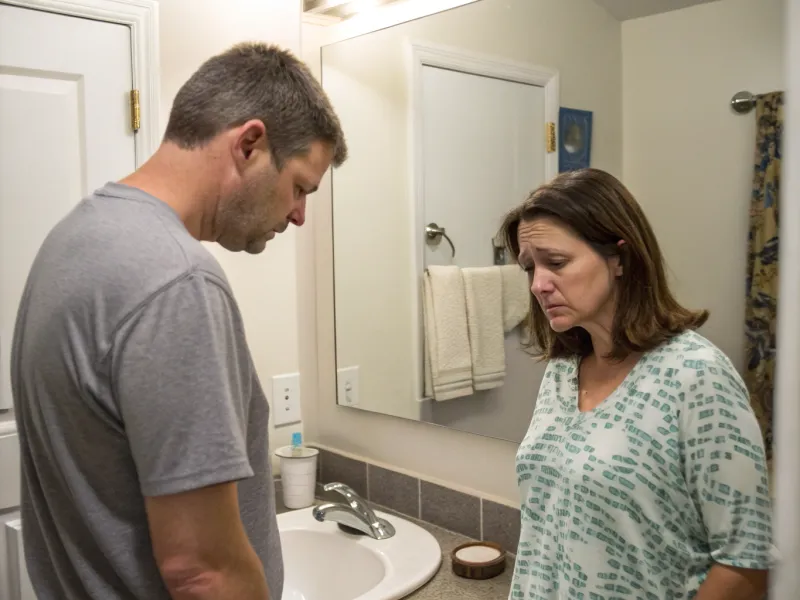
Telling your wife she’s “not attractive anymore” is a deeply hurtful statement. It attacks her self-worth and confidence, leading to feelings of inadequacy and insecurity.
En su lugar, focus on appreciating her unique beauty and strengths. Celebrate what she brings to the relationship and show her that she’s valued for who she is.
This approach fosters a supportive and loving environment. It reassures her that she’s special and valued, strengthening your bond and promoting mutual respect.
27. “You’re So Lazy”

Calling your wife “lazy” can be dismissive and hurtful. It suggests that her efforts and contributions are unvalued, leading to feelings of inadequacy and rejection.
Instead, try to understand her perspective and offer support. Show her that you’re willing to work together to find a balance that works for both of you.
Este enfoque fomenta la confianza y la conexión. Demuestra que valoras sus aportaciones y que te comprometes a construir una relación sólida y sana.
28. “You’re Always Wrong”

Telling your wife she’s “always wrong” is a dismissive and hurtful statement. It suggests that her perspective or contributions are unvalued, leading to feelings of inadequacy and isolation.
Instead, focus on open communication and mutual understanding. Show her that you’re willing to work through misunderstandings together.
Este enfoque fomenta la confianza y la conexión. Demuestra que usted valora su punto de vista y se compromete a construir una relación sólida y sana.
29. “You’re the Problem”

Telling your wife she’s “the problem” is a deeply hurtful statement. It suggests that she’s to blame for issues in the relationship, leading to feelings of guilt and inadequacy.
Instead, focus on open communication and mutual understanding. Show her that you’re willing to work through challenges together.
Este enfoque fomenta la confianza y la conexión. Demuestra que usted valora su punto de vista y se compromete a construir una relación sólida y sana.
30. “Why don’t you just smile more?”

Suggesting to a wife that she should smile more can be unexpectedly harmful. This phrase might seem innocent, but it undermines her autonomy and emotional state. It’s akin to dismissing her feelings by implying that her natural expression needs improvement. She deserves to express herself in her own way without feeling pressured to conform to someone else’s image of contentment.
En lugar de sugerirle un cambio de expresión, abra un diálogo sobre su día. Pregúntele por sus sentimientos y ofrézcale un apoyo sincero. Este enfoque muestra respeto y atención, y fomenta una relación más compasiva y comprensiva.
31. “I Regret Marrying You”

Few words cut deeper than expressing regret about the marriage. Even in a heated moment, saying this can inflict lasting emotional scars, making your wife question the entire foundation of your relationship. It plants seeds of doubt and insecurity, potentially causing long-term resentment and distance.
Instead, if you’re feeling frustrated or overwhelmed, take a step back before speaking. Express your emotions constructively—say something like, “I’m struggling with some things right now, and I need to work through them.” A statement like this keeps the focus on the issue at hand rather than attacking the marriage itself.
Your words shape your relationship, so even in conflict, choose ones that allow space for healing rather than harm.
32. “I Don’t Love You Anymore”

Declaring “I don’t love you anymore” during an argument or period of emotional distress can be devastating. Even if spoken in the heat of the moment, words like this can break trust and deeply wound your wife’s heart. Love isn’t just about feelings; it’s about commitment, and words like this can make her question the security of your relationship.
Instead, if you’re feeling disconnected, be honest but constructive. Say something like, “I feel distant right now, and I want to work on reconnecting.” This approach acknowledges emotions without causing irreparable damage.
Marriage has ups and downs, but ensuring your words nurture rather than destroy is key to maintaining a strong, lasting bond.