

15 prácticas de crianza que hacen felices a los niños y lecciones eternas que siempre recordarán
Ser padres no es sólo guiar a los niños en sus primeros años; es un viaje de por vida para cultivar la felicidad y la resiliencia emocional.
By embracing thoughtful parenting practices, you can help shape not only your child’s joyful childhood but also their enduring emotional well-being.
1. Enseñar gratitud

Instilling a sense of gratitude in your child helps them appreciate the world around them and promotes a positive outlook on life. Gratitude practices can be simple yet profoundly impactful, shaping your child’s attitude toward happiness and fulfillment.
Anime a su hijo a expresar su gratitud a diario. Puede ser durante las comidas, donde cada miembro de la familia comparte algo por lo que está agradecido, o a través de un diario de gratitud donde se anotan las experiencias positivas. Estas prácticas ayudan a los niños a centrarse en lo positivo y a reducir el estrés.
Gratitude is a powerful tool for emotional resilience. It teaches children to recognize the abundance in their lives, fostering contentment and joy. By nurturing gratitude, you’re helping them develop a healthy mindset that will serve them well throughout their lives, encouraging them to seek happiness from within rather than relying on external validation.
2. Fomentar la independencia

Promoting independence in children is crucial for developing their self-confidence and problem-solving skills. By allowing your child to take on age-appropriate tasks, you’re teaching them to trust their abilities and think critically.
Empieza con responsabilidades sencillas, como elegir su ropa o prepararle la comida. Estos pequeños actos de independencia pueden reforzar considerablemente su autoestima. A medida que crezcan, introduce gradualmente tareas más complejas, asegurándote de que se sienten capaces y apoyados.
Independence doesn’t mean leaving them to fend for themselves; it’s about guiding them to make decisions and learn from their experiences. Celebrate their successes and discuss any setbacks as opportunities for learning. This approach helps instill a sense of responsibility and prepares them for the challenges of adulthood, ensuring they grow into resilient and self-reliant individuals.
3. Modelar la empatía

La empatía es una piedra angular de la inteligencia emocional y una habilidad vital para establecer relaciones significativas. Al modelar la empatía, enseña a su hijo a comprender y compartir los sentimientos de los demás, cultivando la amabilidad y la compasión.
When your child encounters a situation where empathy is needed, guide them by example. Show them how to acknowledge and validate other people’s emotions. Discuss scenarios where empathy can be applied, encouraging them to consider perspectives different from their own.
This practice not only strengthens your child’s social skills but also creates a more compassionate world. As you demonstrate empathy in your interactions, your child learns to mirror this behavior, developing deeper connections with others. Through empathy, they gain insight into the human experience, fostering a sense of community and belonging.
4. Promover la capacidad de resolución de problemas
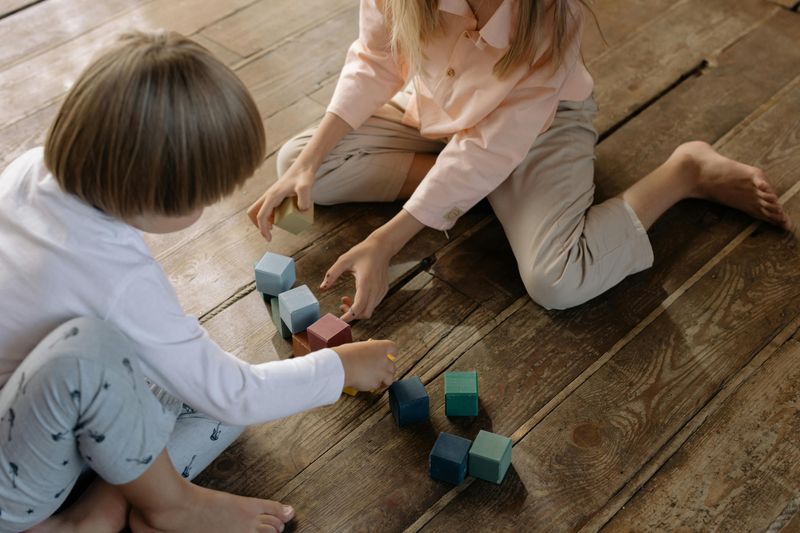
La resolución de problemas es una habilidad vital esencial que permite a los niños afrontar los retos con confianza y creatividad. Animar a tu hijo a resolver problemas por sí mismo fomenta la independencia y la resiliencia.
Presente a su hijo rompecabezas, juegos o situaciones de la vida real apropiados para su edad que requieran un pensamiento crítico. En lugar de ofrecerle soluciones inmediatas, guíele a través del proceso, haciéndole preguntas que le lleven a descubrir las respuestas de forma autónoma.
This approach helps them develop perseverance and adaptability, essential traits for overcoming obstacles. By allowing them to explore different solutions, you cultivate their ability to think outside the box and embrace challenges. As they grow, these skills will enable them to tackle life’s complexities with grace and optimism, ensuring their personal and professional success.
5. Fomentar la creatividad
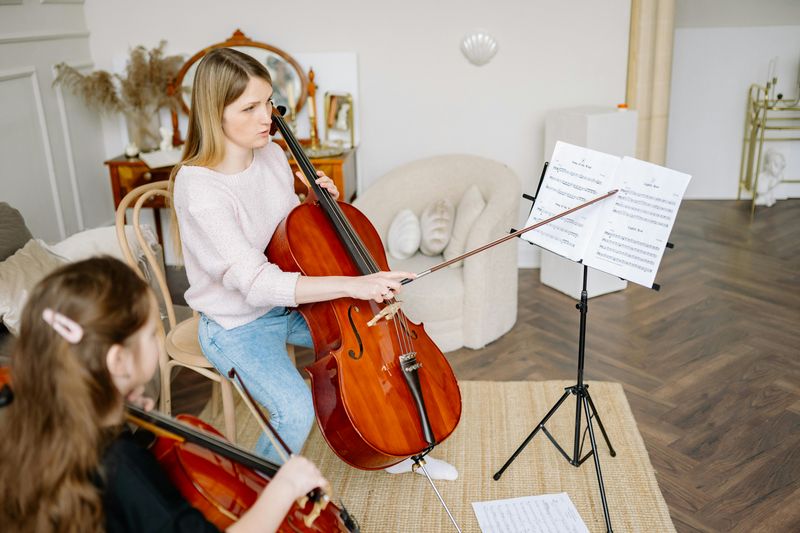
Creativity is more than just artistic expression; it’s a critical component of problem-solving and innovation. By fostering creativity, you help your child develop the ability to think divergently and embrace new possibilities.
Proporcione a su hijo las herramientas y el espacio necesarios para explorar sus instintos creativos. Puede ser a través de materiales artísticos, bloques de construcción o juegos imaginativos. Anímeles a experimentar y cometer errores, haciendo hincapié en la alegría de crear por encima de la necesidad de perfección.
Through creative activities, children learn to express themselves and build confidence in their unique ideas. This practice nurtures their imagination and adaptability, equipping them to face future challenges with an open mind. By supporting their creative endeavors, you’re helping them discover their passions and develop a lifelong love for exploration and learning.
6. Establecer rutinas coherentes

La coherencia y la estructura proporcionan a los niños una sensación de seguridad y previsibilidad que es crucial para su desarrollo emocional y cognitivo. Establecer rutinas diarias ayuda a los niños a sentirse seguros y a saber qué esperar, lo que reduce la ansiedad y el estrés.
Cree rutinas para las actividades matutinas, las comidas y la hora de acostarse, asegurándose de que sean coherentes pero lo bastante flexibles para adaptarse a los cambios. Involucre a su hijo en el proceso de planificación, dándole un sentido de propiedad y responsabilidad.
Routines teach time management and self-discipline, setting a foundation for organization and productivity. They foster a sense of stability, allowing children to thrive in various environments. By maintaining consistent routines, you’re helping your child develop habits that contribute to a balanced, fulfilling life, nurturing their ability to handle life’s uncertainties with confidence.
7. Celebrar la individualidad

Embracing your child’s individuality helps them develop a strong sense of self-worth and confidence. By recognizing and celebrating their unique traits, you empower them to embrace their true selves.
Anime a su hijo a explorar actividades e intereses que le resulten afines, whether it’s sports, arts, or academics. Support their passions, even if they differ from your own expectations, showing that you value their choices and decisions.
This practice helps children build self-esteem and resilience, as they learn to stand tall in their uniqueness. By fostering a supportive environment where individuality is celebrated, you’re equipping them with the strength to navigate a world that often pressures conformity. This confidence will guide them in making authentic, fulfilling life choices.
8. Practicar la crianza consciente

Mindful parenting involves being fully present in the moment with your child, fostering a deep connection and understanding. This approach enhances your relationship and nurtures your child’s emotional intelligence.
Incorpore prácticas de atención plena a sus rutinas diarias. Puede ser a través de ejercicios de respiración compartida, paseos conscientes o simplemente estando atento durante las conversaciones. Esta presencia intencionada demuestra que valoras el tiempo que pasas con tu hijo.
La crianza consciente ayuda a reaccionar de forma reflexiva en lugar de impulsiva, creando un entorno tranquilo y enriquecedor. Anima a los niños a ser conscientes de sus propias emociones y reacciones, fomentando la autorregulación y la empatía. Al practicar juntos la atención plena, usted y su hijo sientan las bases del respeto y la comprensión mutuos, lo que refuerza su vínculo y favorece su crecimiento emocional.
9. Fomentar la asunción de riesgos saludables
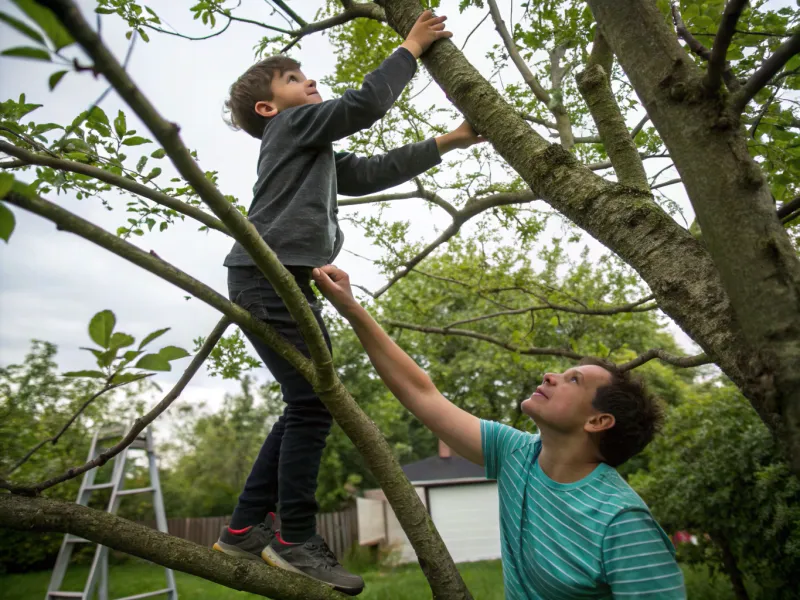
Asumir riesgos es una parte esencial del crecimiento y el aprendizaje. Si anima a su hijo a asumir riesgos sanos, le ayudará a desarrollar el valor, la resiliencia y la adaptabilidad.
Support them in stepping outside their comfort zones, whether it’s trying a new sport, speaking in public, or making new friends. Provide guidance and encouragement, ensuring they feel supported in their efforts.
This practice teaches children to embrace challenges and learn from failures, building confidence in their abilities. By fostering a safe space for exploration, you’re helping them discover their strengths and navigate life’s uncertainties with ease. Encouraging healthy risk-taking instills a sense of adventure and possibility, preparing them for life’s diverse experiences.
10. Promover la actividad física

Physical activity is vital for a child’s overall well-being, contributing to physical health, mental clarity, and emotional stability. Encouraging your child to engage in regular exercise supports their growth and development in numerous ways.
Incorpore actividades físicas a su rutina familiar, como practicar deportes, ir de excursión o bailar juntos. Que sea una experiencia divertida y agradable, centrada en el placer del movimiento más que en la competición.
Regular physical activity enhances mood, reduces stress, and promotes better sleep, all of which are crucial for a child’s happiness and resilience. By fostering a love for active living, you’re helping your child develop healthy habits that will benefit them throughout their lives, supporting both their physical and emotional well-being.
11. Reforzar el comportamiento positivo
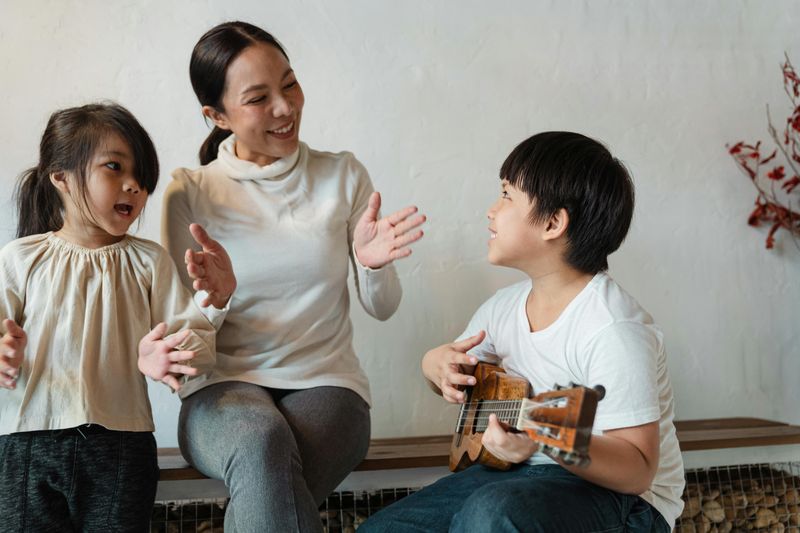
El refuerzo positivo es una herramienta poderosa para fomentar comportamientos deseables e inculcar valores. Al reconocer y recompensar las acciones positivas, motivas a tu hijo a seguir tomando buenas decisiones.
Recognize your child’s efforts and achievements with praise or small rewards. This could be as simple as a verbal affirmation, a sticker, or extra playtime. The key is to be specific about what they did well, reinforcing the behavior you wish to encourage.
This practice builds self-esteem and encourages your child to develop intrinsic motivation. It creates a supportive environment where positive actions are celebrated, fostering a sense of accomplishment and pride. By consistently reinforcing positive behavior, you’re guiding your child towards becoming a confident, well-adjusted individual with a strong moral compass.
12. Fomentar la comunicación abierta

Cuando animas a tu hijo a expresar abiertamente sus pensamientos y sentimientos, estás sentando las bases para toda una vida de confianza y comprensión. La comunicación abierta permite a los niños sentirse valorados y escuchados, lo que refuerza su autoestima y su inteligencia emocional.
As a parent, it’s crucial to listen actively and respond with empathy. By doing so, you show your child that their feelings matter, which helps them develop a positive self-image. Use gentle prompts to encourage them to share more, and always validate their feelings, even if you don’t fully agree.
Esta práctica no sólo mejora la relación con tu hijo, sino que también le prepara para futuras relaciones interpersonales, enriqueciendo su vida con conexiones más profundas y significativas. Recuerda, el objetivo es crear un espacio seguro en el que puedan expresarse sin miedo a ser juzgados, fomentando un vínculo fuerte que durará toda la vida.
13. Enseñar a resolver conflictos

La resolución de conflictos es una habilidad esencial para mantener relaciones sanas y desenvolverse en las interacciones sociales. Enseñar a su hijo a resolver los desacuerdos de forma pacífica le dota de las herramientas necesarias para gestionar los conflictos de forma constructiva.
Fomente el diálogo abierto y la escucha activa, guiando a su hijo para que exprese sus sentimientos y tenga en cuenta los puntos de vista de los demás. Los juegos de rol pueden ser una forma eficaz de practicar estas habilidades en un entorno seguro.
Al fomentar una cultura de empatía y compromiso, usted ayuda a su hijo a aprender a afrontar los retos interpersonales con gracia y comprensión. Esta práctica no solo mejora sus habilidades sociales, sino que también desarrolla su inteligencia emocional, preparándoles para manejar conflictos en diversos entornos, desde amistades hasta relaciones profesionales.
14. Cultivar el amor por el aprendizaje
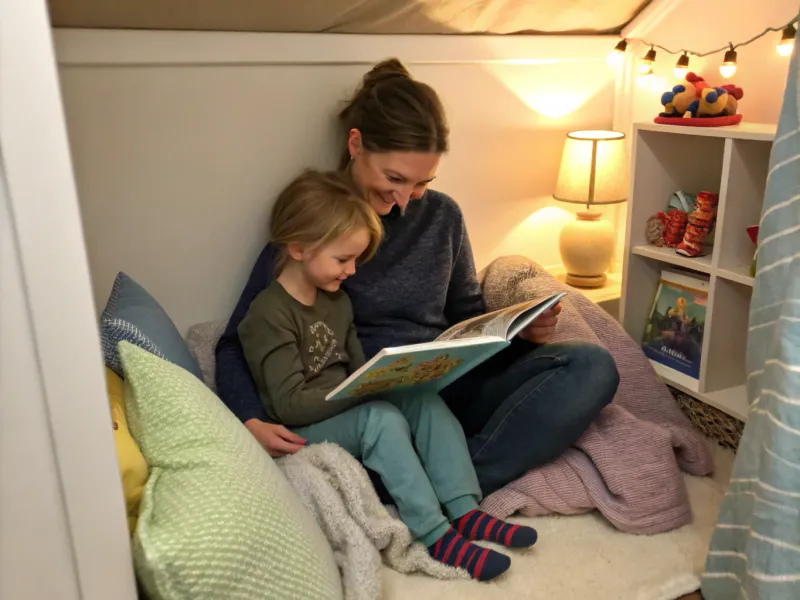
Fomentar en su hijo el amor por el aprendizaje sienta las bases de una curiosidad y un crecimiento intelectual que durarán toda la vida. Al fomentar su curiosidad natural, les ayudas a desarrollar una pasión por descubrir cosas nuevas.
Proporcionar experiencias de aprendizaje diversas, desde la lectura de libros y la exploración de la naturaleza hasta la visita a museos y la realización de experimentos científicos. Fomente las preguntas y los debates, promoviendo un entorno en el que se celebre la curiosidad.
This practice enhances cognitive development and critical thinking skills, equipping your child with the tools to explore the world with enthusiasm. By cultivating a love for learning, you’re supporting their personal and academic growth, ensuring they approach life with an open and eager mind, ready to embrace new opportunities and challenges.
15. Crear un entorno doméstico tranquilo

Un entorno hogareño tranquilo proporciona a los niños una sensación de seguridad y confort, esencial para su bienestar emocional. By creating a calm and nurturing space, you support your child’s ability to thrive.
Mantenga un hogar ordenado y sin desorden, incorporando elementos como colores relajantes y luz natural. Fomente la comunicación abierta y exprese afecto, propiciando un ambiente cálido y de apoyo.
This environment helps reduce stress and anxiety, allowing your child to feel safe and loved. By prioritizing a peaceful home, you’re providing them with a stable foundation from which they can explore the world with confidence. This practice supports their emotional development and contributes to a balanced, harmonious family life.
16. Inculcar valores a través de la narración
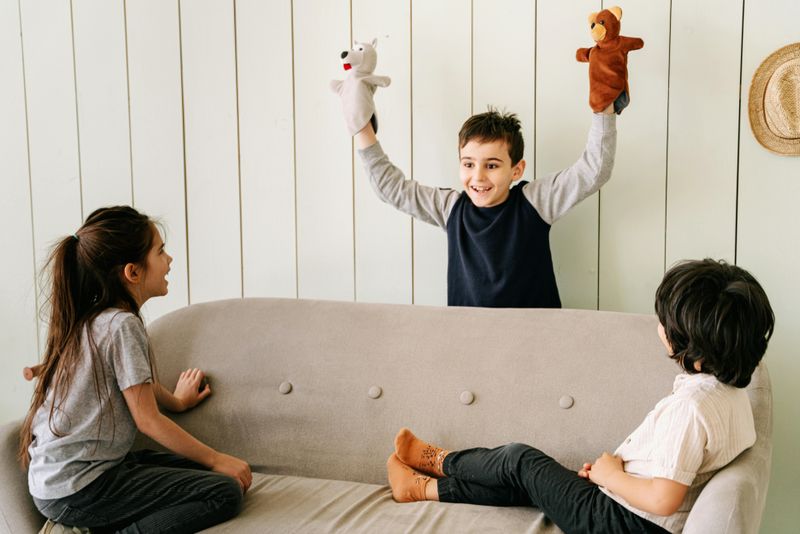
Contar historias es una forma intemporal de transmitir valores y lecciones de vida. A través de los cuentos, los niños aprenden sobre la empatía, la honestidad y las complejidades de la naturaleza humana.
Share tales from your own life or cultural folklore that illustrate important values. Encourage discussions about the characters’ choices and the consequences, helping your child understand different perspectives.
Storytelling nurtures imagination and critical thinking, allowing children to explore moral concepts in a relatable way. By instilling values through stories, you enrich your child’s understanding of the world, guiding them to develop a strong ethical foundation that will serve them throughout their lives.
17. Fomentar el voluntariado

El voluntariado inculca un sentido de comunidad y empatía, y enseña a los niños la importancia de ayudar a los demás. Al animar a su hijo a ser voluntario, fomenta su compasión y su conciencia social.
Involve your child in age-appropriate volunteer activities, whether it’s helping at a local shelter or participating in community clean-ups. Discuss the impact of their contributions and the importance of giving back.
This practice fosters a sense of responsibility and gratitude, helping your child appreciate the value of service. By encouraging volunteering, you’re helping them develop a generous spirit and a deeper understanding of the interconnectedness of communities, preparing them to be conscientious, compassionate citizens.
18. Apoyar la expresión emocional

Supporting your child’s emotional expression helps them understand and manage their feelings, which is crucial for emotional intelligence and resilience. By allowing them to express emotions freely, you nurture their mental health.
Cree un espacio seguro para que su hijo comparta sus sentimientos, ya estén contentos, tristes o enfadados. Valide sus emociones y ayúdele a expresar lo que está sintiendo, orientándole sobre formas sanas de expresarse y afrontar la situación.
This practice enhances self-awareness and emotional regulation, enabling your child to navigate life’s ups and downs with confidence. By supporting emotional expression, you’re fostering a healthy, open relationship where your child feels understood and supported in their emotional journey.
19. Enseñar cultura financiera
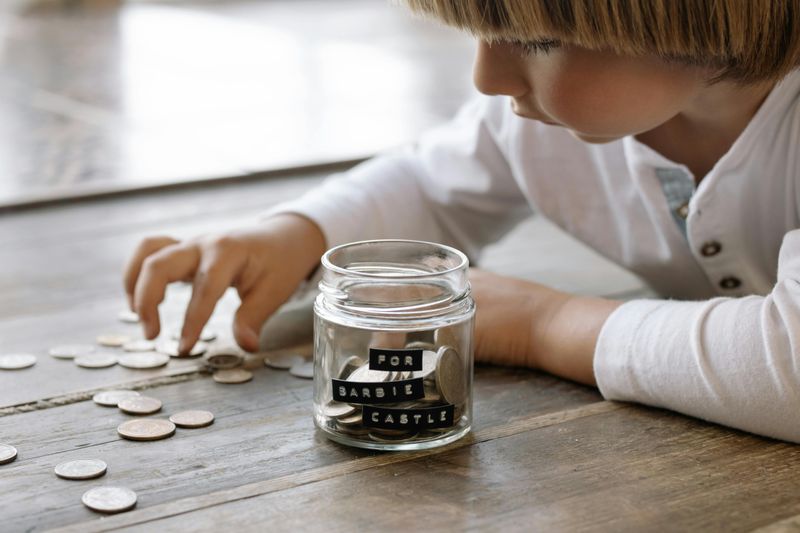
La educación financiera es una habilidad vital crucial que capacita a los niños para tomar decisiones informadas sobre el dinero. Al enseñarles finanzas, les dota de los conocimientos necesarios para gestionar sus recursos con sensatez.
Empieza con conceptos básicos como ahorrar, gastar y presupuestar. Utiliza herramientas como huchas, tarros de ahorro o aplicaciones sencillas para ilustrar estas ideas. Involucra a tu hijo en las actividades presupuestarias de la familia, hablando de objetivos y decisiones financieras.
This practice builds responsibility and foresight, preparing your child for financial independence. By instilling financial literacy, you’re helping them understand the value of money and the importance of making thoughtful financial choices, setting them on a path to economic stability and success.
20. Priorizar el tiempo en familia
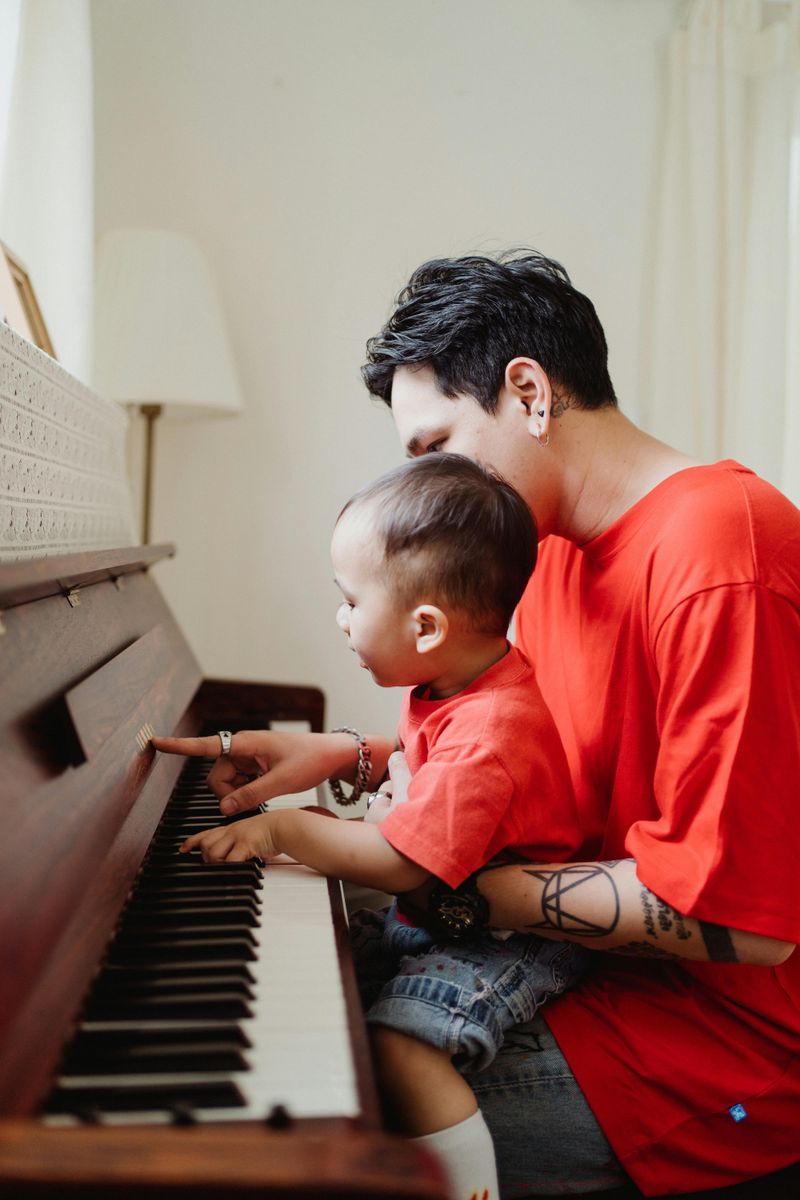
Pasar tiempo de calidad en familia refuerza los lazos y crea recuerdos entrañables. Al dar prioridad al tiempo en familia, demuestras la importancia de las relaciones y la unión.
Reserve actividades familiares regulares, como noches de juegos, salidas o comidas compartidas. Anima a todos a participar, creando un sentimiento de pertenencia y respeto mutuo.
This practice fosters open communication and understanding, enhancing your family’s emotional connection. By prioritizing family time, you’re building a supportive network where each member feels valued and loved. This strong foundation supports your child’s emotional and social development, helping them navigate the world with a sense of security and confidence.
21. Fomentar la conciencia medioambiental
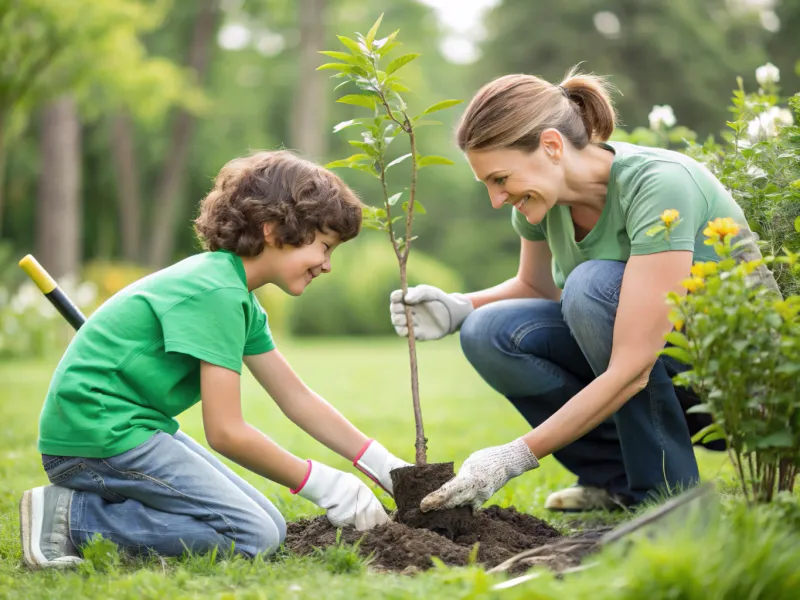
Inculcar a su hijo la conciencia medioambiental fomenta la responsabilidad y el respeto por la Tierra. Al fomentar prácticas respetuosas con el medio ambiente, les ayuda a comprender la importancia de la sostenibilidad.
Involucre a su hijo en actividades como el reciclaje, la jardinería o proyectos de conservación. Hable del impacto de las acciones humanas en el medio ambiente y explore formas de reducir su huella ecológica.
This practice nurtures a sense of stewardship and appreciation for nature. By encouraging environmental awareness, you’re helping your child develop a commitment to preserving the planet for future generations, instilling values that promote a greener, more sustainable world.
22. Promover la conciencia cultural

Cultural awareness broadens your child’s understanding of the world, fostering empathy and acceptance. By exposing them to diverse cultures, you help them appreciate the richness of human diversity.
Participe en actividades como asistir a festivales culturales, probar nuevas cocinas o aprender sobre distintas tradiciones. Anime a su hijo a hacer preguntas y a explorar su ascendencia, fomentando la conexión con su herencia.
This practice enhances social skills and cultural competence, preparing your child to thrive in a global society. By promoting cultural awareness, you’re equipping them with the tools to navigate diverse environments, fostering respect and understanding across cultural divides.
23. Apoyar los esfuerzos académicos
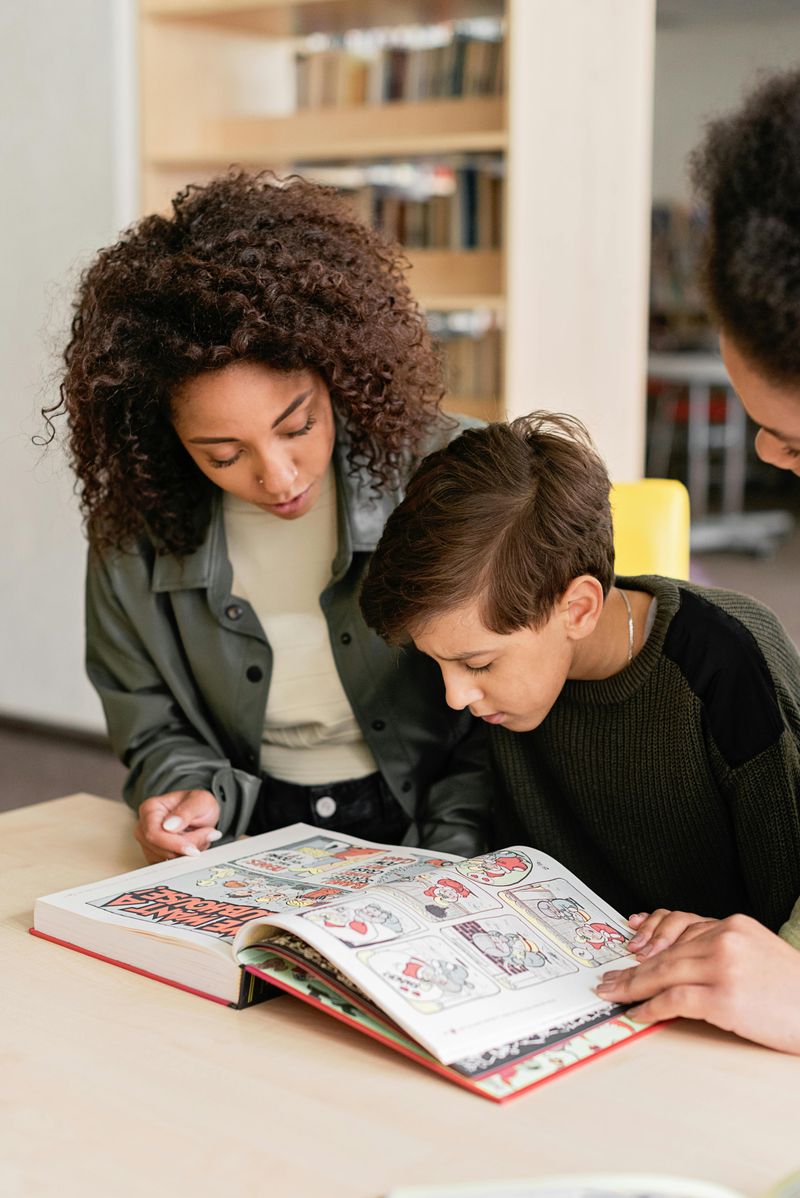
Supporting your child’s academic efforts shows that you value their education and personal growth. By being involved in their learning journey, you motivate them to strive for excellence.
Proporcionar un entorno de estudio propicio y ayudar con los deberes cuando sea necesario. Comunicarse con los profesores para mantenerse informado sobre sus progresos y retos.
This practice builds confidence and a strong work ethic, helping your child develop a positive attitude towards learning. By supporting their academic efforts, you’re laying the foundation for lifelong success, ensuring they have the skills and mindset to pursue their dreams with determination and resilience.
24. Enseñar la importancia del descanso
Rest and relaxation are vital for a child’s physical and mental health. By teaching your child the importance of rest, you support their growth and well-being.
Establezca un horario de sueño constante y cree una rutina tranquilizadora a la hora de acostarse. Fomente técnicas de relajación como la lectura o ejercicios de respiración suave antes de dormir.
This practice improves mood, concentration, and overall health, ensuring your child is well-rested and ready to engage with the world. By prioritizing rest, you’re helping them develop healthy habits that contribute to a balanced life, laying the groundwork for lifelong well-being and vitality.
25. Adoptar la tecnología con prudencia

La tecnología, cuando se utiliza con prudencia, puede mejorar el aprendizaje y la conectividad. Si guía a su hijo en el uso responsable de la tecnología, le ayudará a navegar por el mundo digital de forma segura y eficaz.
Establezca límites claros para el tiempo frente a la pantalla y fomente los contenidos educativos. Hable de la seguridad en línea y de la importancia de la etiqueta digital, asegurándose de que entienden el impacto de sus acciones en línea.
This practice builds digital literacy and critical thinking, preparing your child to use technology as a tool for growth and exploration. By embracing technology wisely, you’re equipping them with the skills to thrive in a digital age, fostering a balanced approach to screen time that supports their development.
26. Modelo de resiliencia
La resiliencia es la capacidad de recuperarse de los retos y contratiempos. Al modelar la resiliencia, enseñas a tu hijo a afrontar las dificultades con una mentalidad positiva y decidida.
Comparta sus propias experiencias de superación de obstáculos y comente estrategias para hacer frente a la decepción. Anime a su hijo a ver el fracaso como una oportunidad de aprendizaje y no como un contratiempo.
This practice builds emotional strength and adaptability, preparing your child to face life’s ups and downs with confidence. By modeling resilience, you’re instilling a mindset that embraces challenges as opportunities for growth, fostering a resilient spirit that will guide them through life’s journey.