

32 Disturbingly Common Signs of a Toxic Parent
Navigating the treacherous waters of parent-child relationships can often feel like walking through a minefield, especially when you’re dealing with a toxic parent. These relationships, while inherently complex, are further complicated when toxicity is added to the mix. Recognizing the signs of a toxic parent can be the first step towards understanding and healing.
In this post, we will explore 32 distinct signs that can help identify such behaviors and understand their impact. With each sign detailed in an engaging manner, we aim to shine a light on the subtleties and overt actions that define toxic parenting, empowering you with the knowledge to spot and potentially break free from these harmful cycles.
1. Crítica constante

Estar en el extremo receptor de crítica implacable can feel like you’re under a never-ending spotlight. A toxic parent often critiques every move, decision, and thought their child has, leaving no room for encouragement or praise. This kind of behavior can severely damage a child’s self-esteem and confidence, planting seeds of doubt that linger into adulthood.
Imagine a world where nothing you do is ever good enough. Every achievement is overshadowed by what could have been done better. This constant barrage of negativity isn’t just exhausting; it’s destructive. Over time, children begin to internalize these critical voices, leading to a pervasive sense of inadequacy and self-doubt.
It’s not just about a lack of compliments; it’s an active campaign to undermine confidence. For those dealing with this, it’s vital to seek validation from supportive communities and practice self-compassion. Remember, growth doesn’t stem from perfection but from learning and evolving.
2. Manipulación emocional

La manipulación emocional es el titiritero de la crianza tóxica. Con mano astuta, los padres tóxicos mueven los hilos, retorciendo las emociones para ponerlas al servicio de sus propias necesidades. Esta sutil manipulación suele hacer que los niños se cuestionen sus propios sentimientos y la realidad, una experiencia desconcertante y agotadora.
Picture a parent who feigns illness or sadness to control or guilt their child into doing something. It’s emotional blackmail, wrapped in a package of ‘good intentions.’ This behavior not only distorts the child’s ability to trust others but also themselves. It’s a constant game of emotional chess, where the parent holds all the pieces.
Breaking free involves recognizing the manipulation and setting firm emotional boundaries. Validating one’s own feelings and seeking support can dismantle these strings, allowing for the growth of healthier relationships and self-trust.
3. Falta de límites

Boundaries—those invisible lines that separate us from others—are often bulldozed by padres tóxicos. Pueden husmear en las pertenencias personales, ignorar la intimidad o tomar decisiones sin contar con el niño, tratándolo como una extensión de sí mismos y no como un individuo.
Imagine never having a moment’s peace or privacy, as every aspect of your life is scrutinized and controlled. This lack of respect for boundaries fosters an environment where children feel suffocated and powerless. They grow up with blurred lines of personal space, struggling to understand where they end and others begin.
Encouraging autonomy and respecting personal space can help rectify this imbalance. It’s crucial for individuals to reclaim their boundaries, learning to say ‘no’ and reinforcing their space. This not only nurtures self-respect but also healthier future relationships.
4. Amor condicional

The concept of love, laden with conditions and expectations, can be a heavy burden to bear. Toxic parents often withhold affection or approval until certain demands are met, turning love into a transaction rather than an unconditional gift.
Visualize a world where love is rationed like a scarce resource, only given when specific terms are fulfilled. This conditional love fosters anxiety and insecurity, as children constantly strive to earn what should be freely given. It’s a perpetual chase for approval, akin to a dog chasing its tail.
To break free, it’s important to understand that love isn’t something to earn. Building a network of unconditional support, whether through friends or therapy, can help cultivate a healthier perspective on relationships and self-worth.
5. Luz de gas

Gaslighting—a term that evokes images of psychological trickery—is a cruel tool in the toxic parent’s arsenal. By denying reality or twisting facts, they make their child question their own memory, perception, and sanity. It’s a disorienting tactic designed to undermine confidence and control narratives.
Piensa en vivir en un mundo en el que tus propias experiencias se invalidan constantemente, haciéndote dudar de cada uno de tus pensamientos y sentimientos. Esta manipulación puede provocar una espiral de dudas y confusión, en la que nada parece cierto ni verdadero.
Overcoming gaslighting requires reaffirming one’s reality and seeking support from those who validate your experiences. Documenting interactions and trusting your instincts can also help reclaim control and clarity in personal narratives.
6. Hacerse la víctima

En padres tóxicos play the victim, they’re not just acting out a role; they’re reshaping reality to suit their needs. By casting themselves as the wronged party, they deflect responsibility and manipulate sympathy, turning genuine issues into a melodrama of their own making.
Imagínese tratar con un progenitor que se echa la culpa constantemente, convirtiendo cada conflicto en una oportunidad para ganar simpatía y atención. Esta táctica no sólo distorsiona la realidad, sino que también impone una carga emocional indebida al niño, que puede sentirse culpable por cosas que escapan a su control.
Comprender esta dinámica es clave para liberarse. Reconocer el patrón permite a los individuos establecer límites y desvincularse de los viajes de la culpa y la manipulación emocional, fomentando una relación más equilibrada y honesta.
7. Sobrecontrol

El exceso de control es el mando a distancia de la paternidad tóxica—dictating every aspect of a child’s life from friendships to hobbies, and even thoughts. This excessive control stifles individuality, leaving children feeling like mere extensions of their parents.
Envision a life where every decision is made for you, from what you wear to who you associate with. This lack of autonomy can lead to a suppressed sense of self, where children struggle to understand their own identity and desires. It’s akin to being a puppet with strings pulled at the whim of someone else.
Recuperar la autonomía implica desafiar estos controles y tomar decisiones personales, por pequeñas que sean. Fomentar la autoexpresión y las búsquedas individuales ayuda a reconstruir un sentimiento de identidad y libertad personal.
8. Vergüenza pública

Public embarrassment is the toxic parent’s way of wielding shame as a weapon. Whether it’s berating in public or sharing private moments without consent, this behavior is designed to humiliate and control.
Imagine the mortification of being called out or criticized in front of others, an experience that’s both isolating and damaging. This tactic is intended to keep children in line through fear of public shaming, eroding self-confidence and trust.
Overcoming this involves recognizing the tactic for what it is—a means of control—and developing a resilient sense of self-worth. Finding supportive allies and fostering environments where children feel safe and valued can counteract the effects of public embarrassment.
9. Favoritismo

Favoritism—the toxic parent’s selective spotlight—casts a long shadow over sibling relationships. By showering one child with affection and neglecting another, they sow seeds of resentment and rivalry that can last a lifetime.
Imagine living in a world where love and attention are unevenly distributed, leaving one child basking in the glow while another stands in the dark. This creates a dynamic that’s not just unfair but damaging to all involved, fostering jealousy and insecurity.
Abordar el favoritismo implica reconocerlo y fomentar una comunicación abierta entre hermanos. Fomentar la igualdad de oportunidades y potenciar las fortalezas individuales puede ayudar a curar y prevenir los efectos duraderos de este comportamiento divisivo.
10. Negligencia

Neglect, the silent toxin, often goes unnoticed but leaves deep scars. It’s the absence of support, attention, or affection, creating a void that can be more damaging than overt abuse.
Picture a child sitting alone, yearning for connection that never comes. This lack of emotional and physical presence communicates a painful message—that the child is undeserving of love and attention. Over time, this can lead to feelings of worthlessness and abandonment.
Curarse de la negligencia implica buscar y fomentar conexiones con otras personas que proporcionen apoyo y cuidados genuinos. Crear una red de relaciones fiables y afectuosas puede ayudar a llenar el vacío dejado por la negligencia parental, fomentando la resiliencia y la autoestima.
11. Vergüenza

Shame, a toxic parent’s tool of choice, is wielded to control and diminish. Whether it’s belittling achievements or mocking failures, shaming is designed to erode confidence and self-esteem.
Imagine the sting of being told you’re not enough, a constant reminder that your accomplishments are never quite worthy of praise. This tactic is not just hurtful but deeply damaging, leaving emotional scars that take years to heal.
Superar la vergüenza implica contrarrestar estos mensajes tóxicos con la autocompasión y el diálogo positivo. Crear una red de apoyo y celebrar los logros personales, por pequeños que sean, puede ayudar a recuperar la confianza y la autoestima.
12. Interferencia en las relaciones
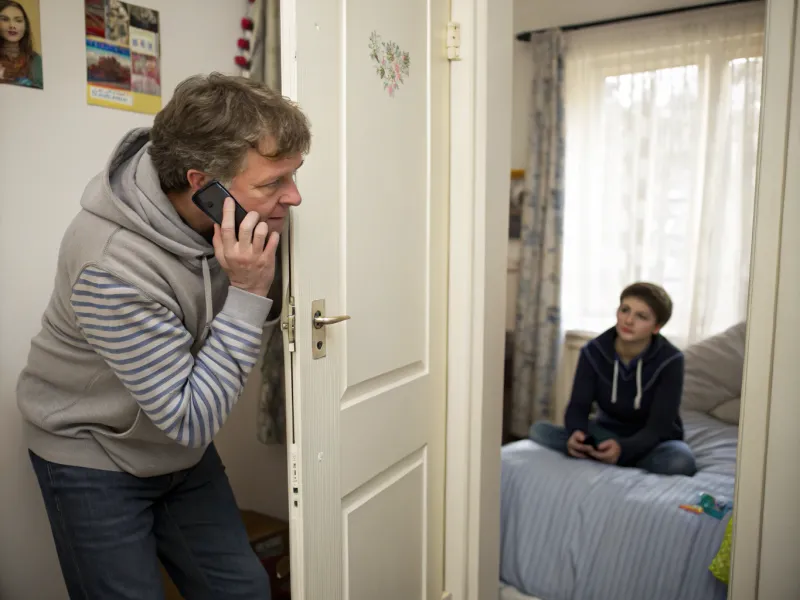
Interferir en las relaciones es uno de los pasatiempos favoritos de los padres tóxicos. Al entrometerse en amistades o relaciones románticas, ejercen el control y siembran la discordia, a menudo en beneficio propio.
Imagínate a un padre que critica o sabotea constantemente tus amistades, dejándote aislado y dependiente. Este comportamiento no solo es invasivo, sino profundamente perjudicial, ya que socava la confianza y la independencia.
Breaking free from this involves setting firm boundaries and fostering relationships outside the parent’s influence. Encouraging open communication and maintaining a support system can help protect against the corrosive effects of such interference.
13. Falta de empatía
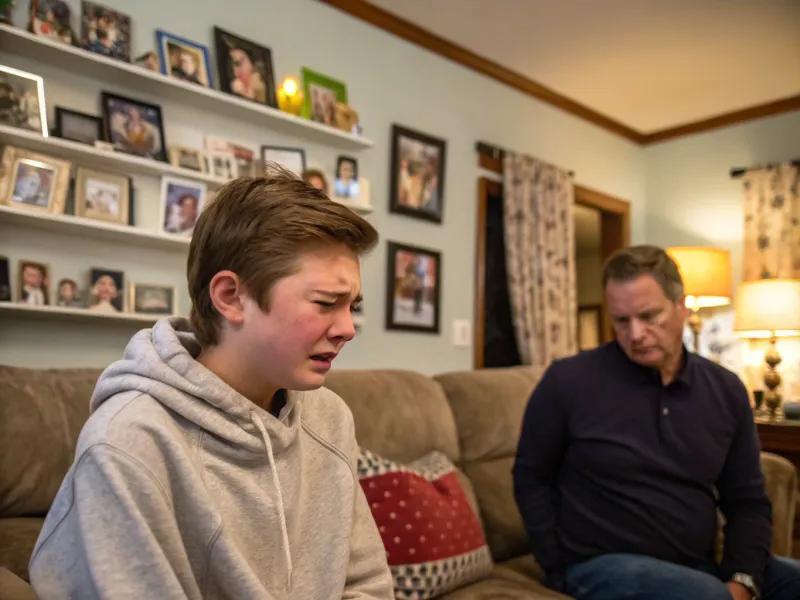
Lack of empathy, the ice-cold characteristic of toxic parents, is a failure to recognize or respond to their child’s emotions. This indifference can be more hurtful than overt hostility, leaving children feeling unseen and unheard.
Imagínese expressing your emotions only to be met with a blank stare or dismissive comment. This lack of empathy breeds a sense of isolation and despair, where children feel emotionally abandoned.
Desarrollar la resiliencia emocional implica buscar la validación y la empatía de otras personas que se preocupan y comprenden de verdad. Fomentar la expresión emocional y crear entornos en los que se reconozcan y respeten los sentimientos puede contrarrestar esta fría indiferencia.
14. Exceso de indulgencia

El exceso de indulgencia, el lado dulce y azucarado de la paternidad tóxica, puede parecer inofensivo, pero conlleva sus propios problemas. Al ceder a cualquier capricho o exigencia, los padres tóxicos no establecen límites, lo que les lleva a tener derechos y a carecer de responsabilidad.
Picture a child who always gets what they want, never learning to wait or work for rewards. This lack of discipline fosters unrealistic expectations and an inability to cope with disappointment. It’s a bubble of indulgence that ultimately bursts, leaving behind emotional immaturity.
Abordar el exceso de indulgencia implica establecer límites claros y enseñar el valor del esfuerzo y la paciencia. Fomentar la responsabilidad y la resiliencia ayuda a dotar a los niños de las habilidades necesarias para una vida equilibrada y plena.
15. Invalidación

Invalidation, the subtle yet potent weapon of toxic parents, dismisses their child’s thoughts, feelings, or experiences as trivial or unimportant. This tactic erodes confidence and self-worth, leaving children questioning their own perceptions.
Imagine sharing something important only to be told it doesn’t matter. This dismissive attitude communicates a lack of respect and support, fostering a sense of inadequacy and self-doubt.
Overcoming invalidation involves reaffirming one’s own worth and surrounding oneself with people who respect and value personal experiences. Encouraging open dialogue and self-expression can help rebuild confidence and self-esteem.
16. Celos

Jealousy, the green-eyed monster, sometimes rears its head in toxic parenting. Whether it’s envy of a child’s achievements or relationships, this emotion can lead to unhealthy competition and resentment.
Imagínese a un padre que compite con su hijo o se siente amenazado por su éxito. Este comportamiento no solo mina la confianza, sino que puede crear un ciclo tóxico de rivalidad e inseguridad.
Addressing jealousy involves recognizing it as a reflection of the parent’s insecurities, not the child’s worth. Fostering environments where achievements are celebrated and supported, rather than competed against, can help nurture healthy self-esteem and relationships.
17. Sobreprotección

La sobreprotección, el guante de terciopelo de la paternidad tóxica, puede parecer cariño, pero a menudo ahoga el crecimiento y la independencia. Al proteger a los niños de cualquier daño potencial, los padres tóxicos les impiden aprender a ser resistentes y autosuficientes.
Imagina un mundo en el que cada decisión se toma por ti, cada riesgo se mitiga. Esta protección prepotente deja a los niños mal preparados para afrontar los retos, fomentando la dependencia y el miedo a lo desconocido.
Fomentar la independencia implica permitir que los niños tomen sus propias decisiones y experimenten las consecuencias. Desarrollar la resiliencia mediante la exposición gradual a los retos puede ayudar a fomentar la confianza y la autosuficiencia.
18. Desprecio de las opiniones

Disregard for opinions, the dismissive trait of toxic parents, silences their child’s voice and undermines their autonomy. By ignoring or belittling their child’s views, they communicate a lack of respect and validation.
Imagine not being heard or valued, regardless of what you have to say. This dismissive behavior fosters a sense of powerlessness and low self-esteem, where children feel their opinions don’t matter.
Fomentar el diálogo abierto y respetar los diversos puntos de vista puede ayudar a contrarrestar este desprecio. Fomentar un entorno en el que se valoren y discutan las opiniones favorece una comunicación sana y la autoestima.
19. Proyección

Projection, the mind game of toxic parents, involves attributing their own flaws or issues onto their child. This tactic shifts blame and responsibility, masking the parent’s shortcomings while burdening the child.
Imagine being accused of traits or behaviors that aren’t your own, a confusing and frustrating experience. This deflection not only distorts reality but can impact a child’s self-perception and confidence.
Recognizing projection involves understanding it’s a reflection of the parent’s insecurities, not the child’s reality. Encouraging self-awareness and seeking validation from trusted sources can help navigate and counteract projection.
20. Expectativas poco realistas

Unrealistic expectations, the sky-high standards of toxic parenting, place tremendous pressure on children. Whether it’s academic, athletic, or personal achievements, these unattainable goals can lead to stress and burnout.
Imagínese un mundo en el que nunca nada es suficientemente bueno, una búsqueda incesante de la perfección sin margen para el error. Este entorno de olla a presión fomenta la ansiedad y el miedo al fracaso, lo que hace que los niños se sientan inadecuados y agotados.
Abordar las expectativas poco realistas implica establecer objetivos alcanzables y celebrar los progresos, no sólo los resultados. Fomentar un enfoque equilibrado del éxito y el fracaso puede ayudar a fomentar la resiliencia y un sano sentido del logro.
21. Aislamiento

El aislamiento, la táctica silenciosa de los padres tóxicos, consiste en aislar al niño de influencias o relaciones externas. Al limitar las interacciones sociales, ejercen el control y fomentan la dependencia.
Imagine a world where you’re cut off from friends and peers, a lonely existence dictated by another’s whims. This isolation not only stifles growth but can lead to feelings of loneliness and depression.
Breaking free from isolation involves reaching out and forming connections outside the parent’s control. Encouraging social interactions and fostering supportive relationships can help combat loneliness and build a network of trust and support.
22. Consejos no solicitados

Unsolicited advice, the never-ending lecture of toxic parenting, is often more about control than care. By constantly offering ‘guidance’ without request, toxic parents undermine their child’s autonomy and decision-making skills.
Picture being bombarded with advice you didn’t ask for, a constant stream of opinions that overshadow your own thoughts and choices. This barrage not only annoys but erodes confidence in personal decision-making.
Encouraging independence involves setting boundaries and making space for personal choices. Building confidence in one’s own decisions and learning from experiences fosters autonomy and self-reliance.
23. Hipocresía
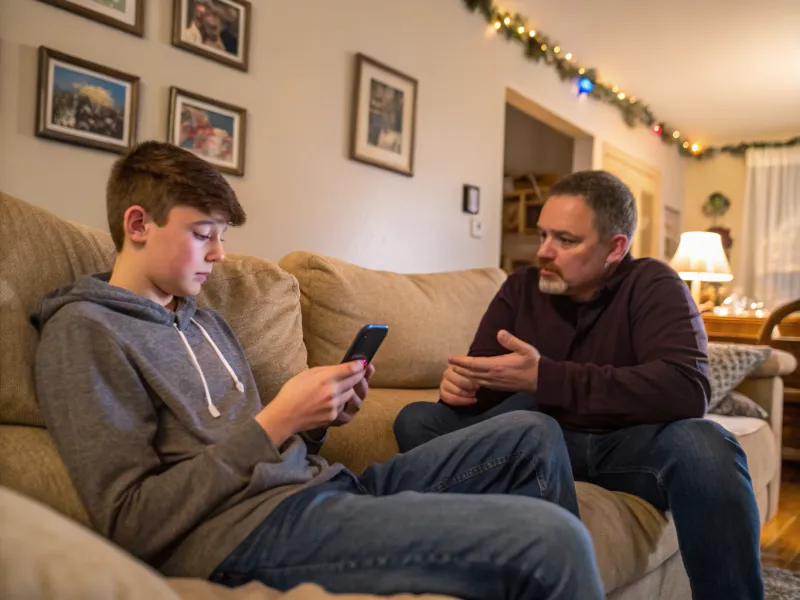
La hipocresía, el hacer lo que digo y no hacer lo que hago de los padres tóxicos, genera confusión y resentimiento. Al mantener un doble rasero, confunden las expectativas y socavan el respeto.
Imagínese que le dicen que siga unas normas que otros ignoran, una dinámica frustrante e injusta. Esta hipocresía erosiona la confianza y el respeto, creando un abismo entre las palabras y los hechos.
Abordar la hipocresía implica señalar las incoherencias y fomentar un entorno de responsabilidad. Fomentar la honestidad y alinear las acciones con los valores puede ayudar a restablecer la confianza y el respeto en las relaciones.
24. Agresión pasiva

La agresión pasiva, la táctica solapada de los padres tóxicos, implica hostilidad indirecta y resentimiento. Mediante comentarios sarcásticos o el silencio, expresan su enfado sin enfrentarse abiertamente a los problemas.
Imagina vivir con alguien que nunca aborda los problemas directamente, un constante juego de adivinanzas sobre las emociones. Esta hostilidad indirecta fomenta la confusión y la ansiedad, dejando a los niños sin saber a qué atenerse.
Abordar la agresión pasiva implica fomentar la comunicación abierta y abordar los problemas directamente. Entablar un diálogo sano y expresar las emociones con sinceridad puede ayudar a desmantelar esta forma encubierta de hostilidad.
25. Egoísmo

Selfishness, the me-first mentality of toxic parents, prioritizes their own needs over their child’s well-being. This self-centered behavior undermines trust and fosters resentment.
Imagina un mundo en el que tus necesidades son siempre secundarias, un sentimiento constante de ser infravalorado y pasado por alto. Este egoísmo no sólo daña las relaciones, sino que también erosiona la autoestima.
Addressing selfishness involves recognizing the behavior and setting boundaries to protect one’s needs. Encouraging self-care and fostering mutual respect can help rebuild trust and balance in relationships.
26. Comportamiento amenazador

Threatening behavior, the intimidation tactic of toxic parents, instills fear and compliance. Whether it’s verbal threats or aggressive posturing, this behavior is designed to control and dominate.
Imagínese vivir con miedo a amenazas emocionales o físicas, un estado constante de ansiedad que dicta el comportamiento y las decisiones. Esta intimidación mina la confianza y fomenta un entorno tóxico de miedo.
Superar un comportamiento amenazador implica buscar apoyo y construir una red de seguridad y confianza. Fomentar la asertividad y establecer límites claros puede ayudar a contrarrestar la intimidación y fomentar una sensación de seguridad.
27. Mentiras y engaños
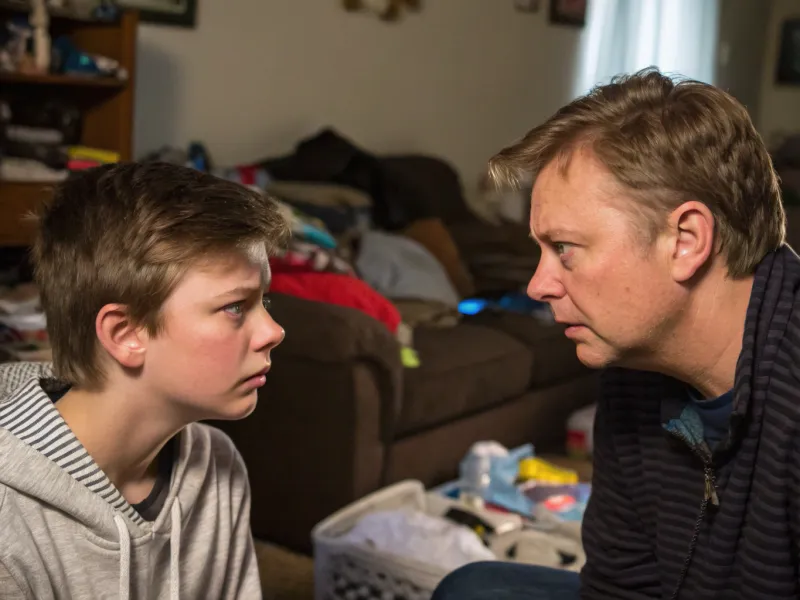
Las mentiras y el engaño, el humo y los espejos de la crianza tóxica, erosionan la confianza y fomentan la confusión. Al distorsionar la verdad, los padres tóxicos manipulan los relatos y controlan la realidad.
Imagine un mundo en el que la verdad es fluida, un juego constante de adivinanzas sobre lo que es real y lo que es inventado. Este engaño mina la confianza y crea un entorno caótico de incertidumbre.
Abordar las mentiras implica buscar la verdad y fomentar la transparencia en la comunicación. Fomentar la honestidad y construir una base de confianza puede ayudar a desmantelar el engaño y restablecer la claridad en las relaciones.
28. Comunicación despectiva

A parent’s dismissive communication often leaves a child feeling undervalued. Such behavior includes ignoring a child’s attempts to communicate or consistently downplaying their opinions. Over time, the child may become reluctant to share thoughts or feelings.
This pattern can significantly affect a child’s self-esteem, leading them to question their worth. The feeling of being unheard can foster a sense of isolation. Encouraging open dialogue, however, can slowly mend this dynamic.
It’s crucial for parents to actively listen and engage. Creating a safe space where children feel their voices matter can transform relationships.
29. Guilt-Tripping irrazonable

Guilt-tripping is a subtle yet impactful form of emotional manipulation. Parents employing this tactic often portray disappointment in their child’s actions, aimed to instill guilt. This can lead the child to constantly seek parental approval, burdened by the fear of letting them down.
Con el tiempo, el niño puede tener dificultades para establecer límites, sintiéndose obligado a cumplir expectativas poco realistas. Esto puede provocar ansiedad y estrés, lo que lleva a una dinámica de relación desequilibrada. Reconocer este patrón es el primer paso hacia el cambio.
Reconocer los sentimientos y establecer límites sanos puede ayudar a mitigar el daño. Fomentar el respeto y la comprensión mutuos favorece un vínculo más sano.
30. Comparaciones excesivas

Las comparaciones excesivas pueden generar rivalidad y resentimiento entre hermanos. Un progenitor puede comparar continuamente a un hijo con otro, destacando a menudo las insuficiencias percibidas. Esto puede provocar sentimientos de inadecuación y baja autoestima en el niño comparado.
Such comparisons undermine a child’s individuality, making them feel as if they need to constantly compete for approval. This behavior can strain sibling relationships and impact emotional development. Focusing on each child’s unique strengths is essential.
Celebrar los logros individuales sin comparaciones fomenta un ambiente de apoyo. Animar a los niños a valorar sus cualidades únicas contribuye a fomentar la confianza en sí mismos.
31. Silent Treatment

Silence can be more deafening than words. When parents employ the silent treatment, it creates a gulf of emotional distance. This tactic often leaves children confused and anxious. They might feel they’re walking on eggshells, unsure of what triggered the silence.
For some parents, it’s a way to exert power without confrontation. This form of communication can erode trust over time. Gradually, children learn to associate love with emotional availability.
Without open dialogue, misunderstandings fester, potentially leading to long-term emotional scars. In these relationships, silence speaks volumes, often masking underlying issues within the family dynamic.
32. Perfectionism Pressure

The pursuit of perfection can be a heavy burden. Parents who impose perfectionism pressure can instill feelings of inadequacy in their children. This constant demand for excellence may result in anxiety and low self-esteem.
Children might struggle under the weight of unrealistic expectations, feeling that anything less than perfect is unacceptable. It creates a cycle of stress and fear of failure.
Over time, this pressure can hinder personal growth. Children may avoid new challenges, fearing imperfection. The need to constantly prove oneself can overshadow the joy of learning and personal achievement.