
32 Disturbingly Common Signs of a Toxic Parent
Navigating the treacherous waters of parent-child relationships can often feel like walking through a minefield, especially when you’re dealing with a toxic parent. These relationships, while inherently complex, are further complicated when toxicity is added to the mix. Recognizing the signs of a toxic parent can be the first step towards understanding and healing.
In this post, we will explore 32 distinct signs that can help identify such behaviors and understand their impact. With each sign detailed in an engaging manner, we aim to shine a light on the subtleties and overt actions that define toxic parenting, empowering you with the knowledge to spot and potentially break free from these harmful cycles.
1. Critica costante

Essere al centro dell'attenzione di critica implacabile can feel like you’re under a never-ending spotlight. A toxic parent often critiques every move, decision, and thought their child has, leaving no room for encouragement or praise. This kind of behavior can severely damage a child’s self-esteem and confidence, planting seeds of doubt that linger into adulthood.
Imagine a world where nothing you do is ever good enough. Every achievement is overshadowed by what could have been done better. This constant barrage of negativity isn’t just exhausting; it’s destructive. Over time, children begin to internalize these critical voices, leading to a pervasive sense of inadequacy and self-doubt.
It’s not just about a lack of compliments; it’s an active campaign to undermine confidence. For those dealing with this, it’s vital to seek validation from supportive communities and practice self-compassion. Remember, growth doesn’t stem from perfection but from learning and evolving.
2. Manipolazione emotiva

La manipolazione emotiva è il burattinaio della genitorialità tossica. Con mano scaltra, i genitori tossici tirano le fila, distorcendo le emozioni per soddisfare i propri bisogni. Questa sottile manipolazione spesso lascia i bambini a mettere in discussione i propri sentimenti e la realtà, un'esperienza sconcertante ed estenuante.
Picture a parent who feigns illness or sadness to control or guilt their child into doing something. It’s emotional blackmail, wrapped in a package of ‘good intentions.’ This behavior not only distorts the child’s ability to trust others but also themselves. It’s a constant game of emotional chess, where the parent holds all the pieces.
Breaking free involves recognizing the manipulation and setting firm emotional boundaries. Validating one’s own feelings and seeking support can dismantle these strings, allowing for the growth of healthier relationships and self-trust.
3. Mancanza di confini

Boundaries—those invisible lines that separate us from others—are often bulldozed by genitori tossici. Potrebbero frugare tra gli effetti personali, ignorare la privacy o prendere decisioni senza alcun input da parte del bambino, trattandolo come un'estensione di sé stesso piuttosto che come un individuo.
Imagine never having a moment’s peace or privacy, as every aspect of your life is scrutinized and controlled. This lack of respect for boundaries fosters an environment where children feel suffocated and powerless. They grow up with blurred lines of personal space, struggling to understand where they end and others begin.
Encouraging autonomy and respecting personal space can help rectify this imbalance. It’s crucial for individuals to reclaim their boundaries, learning to say ‘no’ and reinforcing their space. This not only nurtures self-respect but also healthier future relationships.
4. Amore condizionato

The concept of love, laden with conditions and expectations, can be a heavy burden to bear. Toxic parents often withhold affection or approval until certain demands are met, turning love into a transaction rather than an unconditional gift.
Visualize a world where love is rationed like a scarce resource, only given when specific terms are fulfilled. This conditional love fosters anxiety and insecurity, as children constantly strive to earn what should be freely given. It’s a perpetual chase for approval, akin to a dog chasing its tail.
To break free, it’s important to understand that love isn’t something to earn. Building a network of unconditional support, whether through friends or therapy, can help cultivate a healthier perspective on relationships and self-worth.
5. Illuminazione a gas

Gaslighting—a term that evokes images of psychological trickery—is a cruel tool in the toxic parent’s arsenal. By denying reality or twisting facts, they make their child question their own memory, perception, and sanity. It’s a disorienting tactic designed to undermine confidence and control narratives.
Pensate di vivere in un mondo in cui le vostre esperienze vengono costantemente invalidate, facendovi dubitare di ogni vostro pensiero e sentimento. Questa manipolazione può causare una spirale di dubbi e confusione, in cui nulla sembra certo o vero.
Overcoming gaslighting requires reaffirming one’s reality and seeking support from those who validate your experiences. Documenting interactions and trusting your instincts can also help reclaim control and clarity in personal narratives.
6. Fare la vittima

Quando genitori tossici play the victim, they’re not just acting out a role; they’re reshaping reality to suit their needs. By casting themselves as the wronged party, they deflect responsibility and manipulate sympathy, turning genuine issues into a melodrama of their own making.
Immaginate di avere a che fare con un genitore che scarica continuamente le colpe, trasformando ogni conflitto in un'opportunità per ottenere simpatia e attenzione. Questa tattica non solo distorce la realtà, ma carica di un peso emotivo eccessivo il bambino, che potrebbe sentirsi in colpa per cose che non sono sotto il suo controllo.
Comprendere questa dinamica è fondamentale per liberarsi. Riconoscere il modello permette alle persone di stabilire dei limiti e di abbandonare i sensi di colpa e la manipolazione emotiva, favorendo una relazione più equilibrata e onesta.
7. Controllo eccessivo

L'ipercontrollo è il telecomando di una genitorialità tossica—dictating every aspect of a child’s life from friendships to hobbies, and even thoughts. This excessive control stifles individuality, leaving children feeling like mere extensions of their parents.
Envision a life where every decision is made for you, from what you wear to who you associate with. This lack of autonomy can lead to a suppressed sense of self, where children struggle to understand their own identity and desires. It’s akin to being a puppet with strings pulled at the whim of someone else.
Recuperare l'autonomia significa sfidare questi controlli e fare scelte personali, anche se piccole. Incoraggiare l'espressione di sé e le attività individuali aiuta a ricostruire un senso di identità e libertà personale.
8. Imbarazzo pubblico

Public embarrassment is the toxic parent’s way of wielding shame as a weapon. Whether it’s berating in public or sharing private moments without consent, this behavior is designed to humiliate and control.
Imagine the mortification of being called out or criticized in front of others, an experience that’s both isolating and damaging. This tactic is intended to keep children in line through fear of public shaming, eroding self-confidence and trust.
Overcoming this involves recognizing the tactic for what it is—a means of control—and developing a resilient sense of self-worth. Finding supportive allies and fostering environments where children feel safe and valued can counteract the effects of public embarrassment.
9. Favoritismo

Favoritism—the toxic parent’s selective spotlight—casts a long shadow over sibling relationships. By showering one child with affection and neglecting another, they sow seeds of resentment and rivalry that can last a lifetime.
Imagine living in a world where love and attention are unevenly distributed, leaving one child basking in the glow while another stands in the dark. This creates a dynamic that’s not just unfair but damaging to all involved, fostering jealousy and insecurity.
Affrontare il favoritismo significa riconoscerlo e promuovere una comunicazione aperta tra fratelli. Incoraggiare le pari opportunità e coltivare i punti di forza individuali può aiutare a guarire e a prevenire gli effetti a lungo termine di questo comportamento divisivo.
10. Trascuratezza

Neglect, the silent toxin, often goes unnoticed but leaves deep scars. It’s the absence of support, attention, or affection, creating a void that can be more damaging than overt abuse.
Picture a child sitting alone, yearning for connection that never comes. This lack of emotional and physical presence communicates a painful message—that the child is undeserving of love and attention. Over time, this can lead to feelings of worthlessness and abandonment.
La guarigione da un abbandono comporta la ricerca e la promozione di legami con altre persone che forniscono un sostegno e un'assistenza autentici. Costruire una rete di relazioni affidabili e affettuose può aiutare a colmare il vuoto lasciato da una genitorialità trascurata, favorendo la resilienza e l'autostima.
11. L'imbarazzo

Shame, a toxic parent’s tool of choice, is wielded to control and diminish. Whether it’s belittling achievements or mocking failures, shaming is designed to erode confidence and self-esteem.
Imagine the sting of being told you’re not enough, a constant reminder that your accomplishments are never quite worthy of praise. This tactic is not just hurtful but deeply damaging, leaving emotional scars that take years to heal.
Per superare la vergogna occorre contrastare questi messaggi tossici con l'autocompassione e il linguaggio positivo di sé. Costruire una rete di sostegno e celebrare i risultati personali, per quanto piccoli, può aiutare a ricostruire la fiducia e l'autostima.
12. Interferenza nelle relazioni
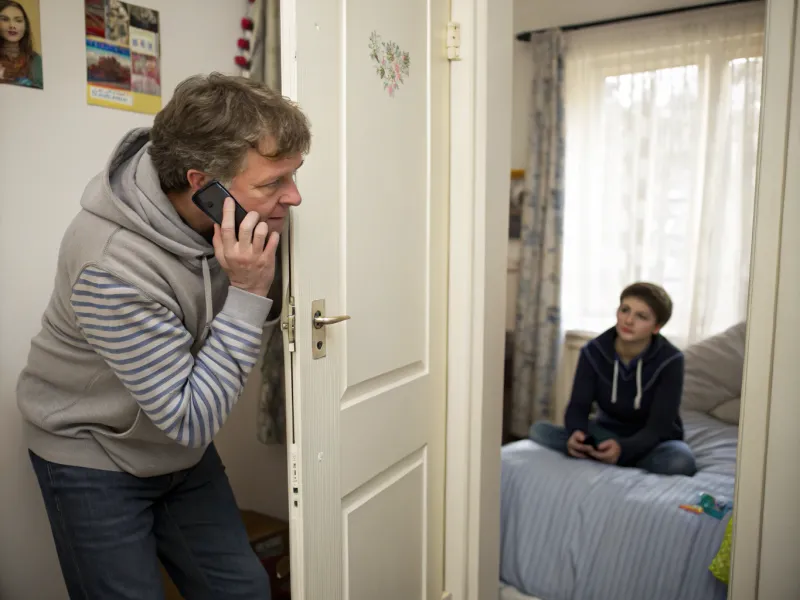
Interferire nelle relazioni è uno dei passatempi preferiti dei genitori tossici. Intromettendosi nelle amicizie o nelle relazioni sentimentali, esercitano il controllo e seminano discordia, spesso per il proprio tornaconto.
Immaginate un genitore che critica o sabota costantemente le vostre amicizie, lasciandovi isolati e dipendenti. Questo comportamento non è solo invasivo, ma profondamente dannoso, perché mina la fiducia e l'indipendenza.
Breaking free from this involves setting firm boundaries and fostering relationships outside the parent’s influence. Encouraging open communication and maintaining a support system can help protect against the corrosive effects of such interference.
13. Mancanza di empatia

Lack of empathy, the ice-cold characteristic of toxic parents, is a failure to recognize or respond to their child’s emotions. This indifference can be more hurtful than overt hostility, leaving children feeling unseen and unheard.
Immaginare expressing your emotions only to be met with a blank stare or dismissive comment. This lack of empathy breeds a sense of isolation and despair, where children feel emotionally abandoned.
La costruzione della resilienza emotiva implica la ricerca di convalida e di empatia da parte di altri che si preoccupano e capiscono veramente. Incoraggiare l'espressione emotiva e promuovere ambienti in cui i sentimenti sono riconosciuti e rispettati può contrastare questa fredda indifferenza.
14. Eccessiva indulgenza

L'eccessiva indulgenza, il lato dolce e zuccheroso della genitorialità tossica, può sembrare innocua ma comporta una serie di problemi. Cedendo a ogni capriccio o richiesta, i genitori tossici non riescono a stabilire dei limiti, portando a un senso di diritto e a una mancanza di responsabilità.
Picture a child who always gets what they want, never learning to wait or work for rewards. This lack of discipline fosters unrealistic expectations and an inability to cope with disappointment. It’s a bubble of indulgence that ultimately bursts, leaving behind emotional immaturity.
Per affrontare il problema dell'eccessiva indulgenza è necessario stabilire limiti chiari e insegnare il valore dello sforzo e della pazienza. Incoraggiare la responsabilità e la resilienza aiuta a dotare i bambini delle competenze necessarie per una vita equilibrata e soddisfacente.
15. Invalidazione

Invalidation, the subtle yet potent weapon of toxic parents, dismisses their child’s thoughts, feelings, or experiences as trivial or unimportant. This tactic erodes confidence and self-worth, leaving children questioning their own perceptions.
Imagine sharing something important only to be told it doesn’t matter. This dismissive attitude communicates a lack of respect and support, fostering a sense of inadequacy and self-doubt.
Overcoming invalidation involves reaffirming one’s own worth and surrounding oneself with people who respect and value personal experiences. Encouraging open dialogue and self-expression can help rebuild confidence and self-esteem.
16. La gelosia

Jealousy, the green-eyed monster, sometimes rears its head in toxic parenting. Whether it’s envy of a child’s achievements or relationships, this emotion can lead to unhealthy competition and resentment.
Immaginate un genitore che compete con il proprio figlio o che si sente minacciato dal suo successo. Questo comportamento non solo mina la fiducia in se stessi, ma può creare un ciclo tossico di rivalità e insicurezza.
Addressing jealousy involves recognizing it as a reflection of the parent’s insecurities, not the child’s worth. Fostering environments where achievements are celebrated and supported, rather than competed against, can help nurture healthy self-esteem and relationships.
17. Protezione eccessiva

L'iperprotezione, il guanto di velluto dei genitori tossici, può sembrare una cura, ma spesso soffoca la crescita e l'indipendenza. Proteggendo i bambini da ogni potenziale danno, i genitori tossici impediscono loro di imparare la resilienza e la fiducia in se stessi.
Immaginate un mondo in cui ogni decisione viene presa per voi, ogni rischio viene mitigato. Questa protezione prepotente lascia i bambini poco attrezzati per affrontare le sfide, favorendo la dipendenza e la paura dell'ignoto.
Incoraggiare l'indipendenza significa permettere ai bambini di fare le proprie scelte e di sperimentare le conseguenze. Costruire la resilienza attraverso l'esposizione graduale alle sfide può aiutare a promuovere la fiducia e l'autosufficienza.
18. Disinteresse per le opinioni

Disregard for opinions, the dismissive trait of toxic parents, silences their child’s voice and undermines their autonomy. By ignoring or belittling their child’s views, they communicate a lack of respect and validation.
Imagine not being heard or valued, regardless of what you have to say. This dismissive behavior fosters a sense of powerlessness and low self-esteem, where children feel their opinions don’t matter.
Incoraggiare il dialogo aperto e rispettare i diversi punti di vista può aiutare a contrastare questo disinteresse. Favorire un ambiente in cui le opinioni sono apprezzate e discusse promuove una comunicazione sana e l'autostima.
19. Proiezione

Projection, the mind game of toxic parents, involves attributing their own flaws or issues onto their child. This tactic shifts blame and responsibility, masking the parent’s shortcomings while burdening the child.
Imagine being accused of traits or behaviors that aren’t your own, a confusing and frustrating experience. This deflection not only distorts reality but can impact a child’s self-perception and confidence.
Recognizing projection involves understanding it’s a reflection of the parent’s insecurities, not the child’s reality. Encouraging self-awareness and seeking validation from trusted sources can help navigate and counteract projection.
20. Aspettative irrealistiche

Unrealistic expectations, the sky-high standards of toxic parenting, place tremendous pressure on children. Whether it’s academic, athletic, or personal achievements, these unattainable goals can lead to stress and burnout.
Immaginate un mondo in cui nulla è mai abbastanza buono, una ricerca incessante della perfezione senza spazio per gli errori. Questo ambiente di pressione favorisce l'ansia e la paura di fallire, facendo sentire i bambini inadeguati ed esausti.
Per affrontare il problema delle aspettative irrealistiche occorre fissare obiettivi raggiungibili e celebrare i progressi, non solo i risultati. Incoraggiare un approccio equilibrato al successo e al fallimento può aiutare a promuovere la resilienza e un sano senso di realizzazione.
21. Isolamento

L'isolamento, la tattica silenziosa dei genitori tossici, consiste nell'escludere il figlio dalle influenze o dalle relazioni esterne. Limitando le interazioni sociali, esercitano il controllo e favoriscono la dipendenza.
Imagine a world where you’re cut off from friends and peers, a lonely existence dictated by another’s whims. This isolation not only stifles growth but can lead to feelings of loneliness and depression.
Breaking free from isolation involves reaching out and forming connections outside the parent’s control. Encouraging social interactions and fostering supportive relationships can help combat loneliness and build a network of trust and support.
22. Consigli non richiesti

Unsolicited advice, the never-ending lecture of toxic parenting, is often more about control than care. By constantly offering ‘guidance’ without request, toxic parents undermine their child’s autonomy and decision-making skills.
Picture being bombarded with advice you didn’t ask for, a constant stream of opinions that overshadow your own thoughts and choices. This barrage not only annoys but erodes confidence in personal decision-making.
Encouraging independence involves setting boundaries and making space for personal choices. Building confidence in one’s own decisions and learning from experiences fosters autonomy and self-reliance.
23. Ipocrisia
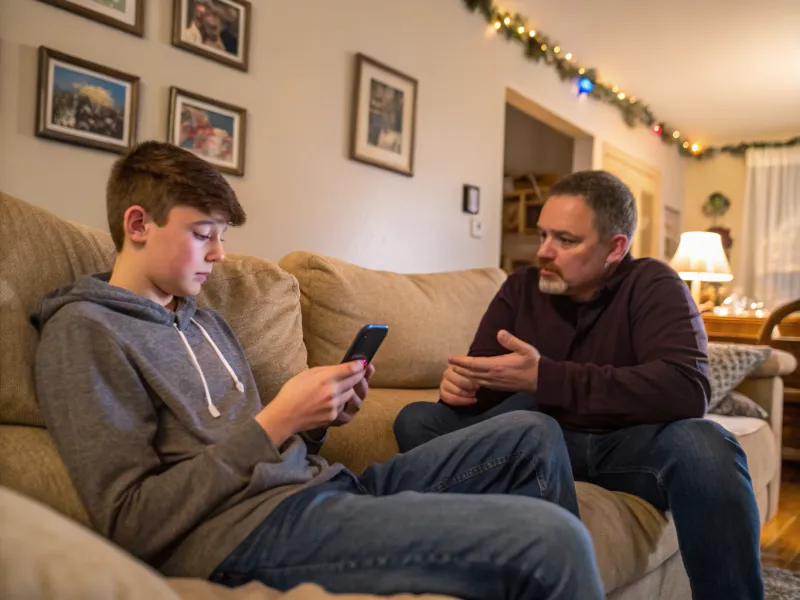
L'ipocrisia, l'approccio "faccio-come-dico-non-faccio" dei genitori tossici, genera confusione e risentimento. Tenendo due pesi e due misure, confondono le aspettative e minano il rispetto.
Immaginate di sentirvi dire di seguire regole che gli altri ignorano, una dinamica frustrante e ingiusta. Questa ipocrisia erode la fiducia e il rispetto, creando un abisso tra parole e azioni.
Affrontare l'ipocrisia significa far notare le incoerenze e promuovere un ambiente di responsabilità. Incoraggiare l'onestà e allineare le azioni ai valori può aiutare a ripristinare la fiducia e il rispetto nelle relazioni.
24. Aggressione passiva

L'aggressività passiva, la tattica subdola dei genitori tossici, comporta ostilità e risentimento indiretti. Attraverso commenti sarcastici o trattamenti silenziosi, esprimono la rabbia senza affrontare apertamente i problemi.
Immaginate di vivere con qualcuno che non affronta mai i problemi in modo diretto, in un costante gioco di emozioni. Questa ostilità indiretta genera confusione e ansia, lasciando i bambini nell'incertezza.
Per affrontare l'aggressività passiva occorre incoraggiare una comunicazione aperta e affrontare direttamente i problemi. Costruire un dialogo sano ed esprimere le emozioni in modo onesto può aiutare a smantellare questa forma nascosta di ostilità.
25. Egoismo

Selfishness, the me-first mentality of toxic parents, prioritizes their own needs over their child’s well-being. This self-centered behavior undermines trust and fosters resentment.
Immaginate un mondo in cui i vostri bisogni sono sempre secondari, una sensazione costante di essere sottovalutati e trascurati. Questo egoismo non solo danneggia le relazioni, ma erode anche l'autostima.
Addressing selfishness involves recognizing the behavior and setting boundaries to protect one’s needs. Encouraging self-care and fostering mutual respect can help rebuild trust and balance in relationships.
26. Comportamento minaccioso

Threatening behavior, the intimidation tactic of toxic parents, instills fear and compliance. Whether it’s verbal threats or aggressive posturing, this behavior is designed to control and dominate.
Immaginate di vivere nella paura di minacce emotive o fisiche, uno stato di ansia costante che detta il comportamento e le decisioni. Questa intimidazione mina la fiducia in se stessi e favorisce un ambiente tossico di paura.
Per superare un comportamento minaccioso occorre cercare sostegno e costruire una rete di sicurezza e fiducia. Incoraggiare l'assertività e stabilire confini chiari può aiutare a contrastare l'intimidazione e a promuovere un senso di sicurezza.
27. Bugie e inganni

Le bugie e gli inganni, il fumo negli occhi dei genitori tossici, erodono la fiducia e favoriscono la confusione. Distorcendo la verità, i genitori tossici manipolano le narrazioni e controllano la realtà.
Immaginate un mondo in cui la verità è fluida, un costante gioco di indovinelli su ciò che è reale e ciò che è inventato. L'inganno mina la fiducia e crea un ambiente caotico di incertezza.
Affrontare le bugie significa cercare la verità e promuovere la trasparenza nella comunicazione. Incoraggiare l'onestà e costruire una base di fiducia può aiutare a smantellare l'inganno e a ripristinare la chiarezza nelle relazioni.
28. Comunicazione dispregiativa

A parent’s dismissive communication often leaves a child feeling undervalued. Such behavior includes ignoring a child’s attempts to communicate or consistently downplaying their opinions. Over time, the child may become reluctant to share thoughts or feelings.
This pattern can significantly affect a child’s self-esteem, leading them to question their worth. The feeling of being unheard can foster a sense of isolation. Encouraging open dialogue, however, can slowly mend this dynamic.
It’s crucial for parents to actively listen and engage. Creating a safe space where children feel their voices matter can transform relationships.
29. Sensi di colpa irragionevoli

Guilt-tripping is a subtle yet impactful form of emotional manipulation. Parents employing this tactic often portray disappointment in their child’s actions, aimed to instill guilt. This can lead the child to constantly seek parental approval, burdened by the fear of letting them down.
Con il tempo, il bambino potrebbe faticare a stabilire dei limiti, sentendosi obbligato a soddisfare aspettative non realistiche. Questo può causare ansia e stress, portando a una dinamica relazionale squilibrata. Riconoscere questo schema è il primo passo verso il cambiamento.
Riconoscere i sentimenti e stabilire limiti sani può aiutare a mitigare i danni. Incoraggiare il rispetto e la comprensione reciproci favorisce un legame più sano.
30. Paragoni eccessivi

I confronti eccessivi possono generare rivalità e risentimento tra fratelli. Un genitore può paragonare continuamente un figlio all'altro, spesso evidenziando le inadeguatezze percepite. Questo può portare a sentimenti di inadeguatezza e di scarsa autostima nel bambino oggetto del confronto.
Such comparisons undermine a child’s individuality, making them feel as if they need to constantly compete for approval. This behavior can strain sibling relationships and impact emotional development. Focusing on each child’s unique strengths is essential.
La celebrazione dei risultati individuali senza paragoni favorisce un ambiente di sostegno. Incoraggiare i bambini a valorizzare le loro qualità uniche aiuta a creare fiducia.
31. Silent Treatment

Silence can be more deafening than words. When parents employ the silent treatment, it creates a gulf of emotional distance. This tactic often leaves children confused and anxious. They might feel they’re walking on eggshells, unsure of what triggered the silence.
For some parents, it’s a way to exert power without confrontation. This form of communication can erode trust over time. Gradually, children learn to associate love with emotional availability.
Without open dialogue, misunderstandings fester, potentially leading to long-term emotional scars. In these relationships, silence speaks volumes, often masking underlying issues within the family dynamic.
32. Perfectionism Pressure

The pursuit of perfection can be a heavy burden. Parents who impose perfectionism pressure can instill feelings of inadequacy in their children. This constant demand for excellence may result in anxiety and low self-esteem.
Children might struggle under the weight of unrealistic expectations, feeling that anything less than perfect is unacceptable. It creates a cycle of stress and fear of failure.
Over time, this pressure can hinder personal growth. Children may avoid new challenges, fearing imperfection. The need to constantly prove oneself can overshadow the joy of learning and personal achievement.