
37 Clear Signs Of A Male Midlife Crisis—And How It Affects Marriage
Hey there, I’m here to chat about something that might seem a little daunting but is oh-so-important: the male midlife crisis. You know, that period when a guy hits his 40s or 50s and suddenly starts questioning everything.
It’s like a life audit, where aging, career doubts, and personal achievements—or the lack thereof—come under scrutiny. These thoughts can stir up emotional, physical, and behavioral changes that can make life look a little topsy-turvy. But don’t worry, we’re in this together!
Now, these symptoms can show up in all sorts of ways. Maybe there’s a sudden urge to change careers, or perhaps there’s an obsession with staying forever young. Emotional withdrawal, impulsive choices—sound familiar?
And when these symptoms creep into a marriage, things can get a bit rocky. Communication might take a hit, emotional closeness can wane, and let’s not forget the financial bumps along the road.
But here’s the silver lining: with some heartfelt communication, a sprinkle of empathy, and maybe a bit of professional guidance, these midlife jitters can actually bring you closer. Yes, really!
So, let’s take a look at 37 clear signs your partner might be going through a midlife crisis, and how you can both navigate this journey with grace and strength.
1. Cambio profesional repentino

It’s not unusual for someone in the throes of a midlife crisis to suddenly decide their lifelong career isn’t cutting it anymore. Maybe it’s dissatisfaction with achievements, or a longing for something more meaningful. This can lead to abrupt career shifts, which might leave their partner feeling a bit uneasy.
Here they are, reevaluating everything, ready to leap into the unknown. It’s a rollercoaster that can create uncertainty in a marriage. The partner might wonder, “What’s next?” or “How will this affect us financially?”
But with understanding and open communication, this can be a time of growth. Listen to their dreams, offer support, and explore new possibilities together. Remember, it’s not just about the job but about the search for fulfillment and self-worth.
Así que, la próxima vez que surja esa charla sobre el trabajo, en lugar de preocuparte, intenta verlo como una oportunidad para conectar a un nivel más profundo. Alineando sueños y objetivos, ambos podréis encontrar el camino hacia un futuro más significativo.
2. Obsesión por la juventud

Ah, la clásica búsqueda de la fuente de la juventud. Cuando un hombre llega a la mediana edad, recuperar su juventud se convierte en una prioridad. Es posible que notes un interés renovado por apuntarse al gimnasio, seguir rutinas de cuidado de la piel o lucir las últimas tendencias en moda.
It’s as if turning back the clock can solve everything. But this focus on youth can strain relationships. It can feel like he’s chasing an ideal rather than appreciating the present.
La clave está en abordarlo con empatía y comprensión. Fomente hábitos saludables, pero recuérdele también la belleza de envejecer con dignidad. Tal vez le apetezca participar en una rutina de ejercicios o probar nuevas actividades juntos. En esta fase se trata más de redescubrirse a uno mismo que de parecer más joven.
Remember, growing older is a privilege denied to many. So, celebrate the wisdom and experiences that come with age. By embracing this journey together, you might find a new appreciation for life’s stages.
3. 3. Retraimiento emocional

When life’s stressors pile up, emotional withdrawal can sometimes seem like the easiest escape. But in reality, it creates a chasm in relationships. If your partner seems distant, more absorbed in thoughts than usual, it could be a sign of a midlife crisis.
This emotional retreat might leave you feeling isolated or confused about where you stand. It’s like living with a stranger, isn’t it?
La comprensión y la paciencia son tus aliadas. Fomenta las conversaciones abiertas y crea un espacio seguro para compartir sentimientos sin juzgar. A menudo, este retraimiento es una forma de procesar la agitación interior, no un reflejo de la relación.
In times of withdrawal, gentle nudges towards counseling or therapy may help. It can bridge the gap between emotional worlds and bring clarity. Remember, it’s about supporting each other through a complex phase, not fixing anyone.
4. Decisiones impulsivas

Ah, impulsivity! Suddenly buying a flashy sports car or planning an extravagant trip—it can be exhilarating but might raise eyebrows too. During a midlife crisis, the urge to make sudden, big decisions can be irresistible.
It’s like trying to fill an inner void with external thrills. But these decisions can have repercussions, especially financially or emotionally within a marriage.
Abordar la impulsividad con curiosidad en lugar de juzgarla puede abrir puertas a la comprensión. Haga preguntas, explore las motivaciones y considere las emociones que impulsan estas decisiones. A menudo, estas decisiones tienen su origen en el deseo de liberarse de la monotonía o de volver a sentirse vivo.
Al equilibrar estos impulsos con consideraciones prácticas, puedes encontrar la emoción sin sacrificar la estabilidad. Quién sabe, tal vez esa compra impulsiva dé lugar a una aventura compartida o a una nueva afición que os guste a los dos.
5. Aumento de la irritabilidad

¿Has notado que últimamente tienes la mecha más corta? El aumento de la irritabilidad puede ser un signo revelador de la crisis de la mediana edad. Pequeñas cosas que antes se olvidaban, ahora pueden provocar frustración. Esta mayor irritabilidad puede dar lugar a discusiones o tensiones innecesarias que afecten a la dinámica familiar.
It’s like walking on eggshells, unsure of which topic might ignite a flare-up.
Comprender la causa de esta irritabilidad es crucial. Puede deberse a tensiones internas, deseos insatisfechos o temores sobre el futuro. Fomentar un diálogo abierto sobre las emociones puede ayudar a rebajar la tensión y crear un ambiente de apoyo.
Sometimes, taking a step back and practicing patience can be just what the doctor ordered. Remember, it’s not about tiptoeing around each other but finding ways to communicate with kindness, even in heated moments. A little humor and compassion can go a long way in restoring harmony.
6. Deseo de aventura

Feeling the call of adventure? It’s not uncommon during a midlife crisis to dream of grand escapades. That sudden longing to climb mountains, travel the world, or take up skydiving can be both exhilarating and perplexing for a partner.
It’s as if the mundane isn’t enough anymore, and life’s adventures are calling his name.
En lugar de sentirte excluido o preocupado, considéralo una oportunidad para estrechar lazos. Hablen de sus sueños aventureros y quizás incluso se unan a la diversión. Planear un viaje o probar una nueva actividad juntos puede reavivar la chispa en su relación.
Adventure doesn’t always mean risk; it can also mean exploring new passions or interests. By embracing this adventurous spirit, you can both find joy in discovering new aspects of yourselves and your relationship. After all, life’s an adventure meant to be shared!
7. Necesidad de validación

Seeking validation becomes more pronounced during a midlife crisis. It’s as if external approval suddenly becomes the yardstick for self-worth. Whether it’s from peers, family, or even social media, the need for recognition can be overwhelming.
Pero esta búsqueda de validación puede tensar las relaciones, haciendo que la pareja se sienta marginada o menospreciada.
Comprender las inseguridades subyacentes puede ayudar a superar esta fase. Fomente la autorreflexión y recuérdele su valor intrínseco. A veces, validarse mutuamente dentro de la relación puede reforzar el vínculo.
Fomentando un ambiente de aprecio y apoyo mutuos, podéis ayudaros a superar esta fase con gracia. Al fin y al cabo, la verdadera validación viene de dentro, y cultivando la autoestima podréis encontrar estabilidad y felicidad juntos.
8. Reevaluación de los objetivos vitales

Taking stock of life’s journey is a hallmark of the midlife phase. Suddenly, those life goals set in youth might feel outdated or unattainable. This reevaluation can be introspective and deeply personal, often leading to significant life changes.
Aunque puede ser un periodo de crecimiento, también puede traer incertidumbre y ansiedad al matrimonio.
Apoyar a su pareja en estas reflexiones puede ser una experiencia de unión. Entabla conversaciones sinceras sobre sueños, aspiraciones y objetivos futuros. Al alinear vuestras visiones de futuro, creáis un camino compartido que honra tanto los deseos individuales como los colectivos.
Remember, change is a constant, and evolving goals is part of life’s journey. By embracing this phase with openness and empathy, you can both find renewed purpose and direction.
9. Interés por nuevas aficiones

Ever noticed a sudden interest in picking up new hobbies? During a midlife crisis, exploring new interests can be a way to rediscover oneself. Whether it’s painting, gardening, or learning a musical instrument, these hobbies can bring joy and fulfillment.
But they can also seem puzzling to a partner, especially if they’re time-consuming or expensive.
En lugar de verlo como una fase, considéralo una oportunidad para crecer juntos. Anímate a explorar e incluso a participar. Probar cosas nuevas juntos puede reforzar vuestra relación y crear recuerdos para toda la vida.
Hobbies are more than just pastimes; they’re a way to express creativity and find joy. By embracing new interests, you can both add color and excitement to your lives.
10. Cuestionar la relación

When life throws curveballs, questioning long-standing relationships can occur. It’s like stepping back to evaluate love, commitment, and the future. This introspection might feel unsettling, but it’s often a sign of deeper self-reflection.
Más que una falta de amor, puede deberse a inseguridades personales o temores sobre el futuro.
Aborde esta fase con franqueza y comprensión. Crea un espacio seguro para hablar de sentimientos, preocupaciones y esperanzas. Abordando estos temas de frente, podréis reforzar vuestra relación con honestidad y confianza.
Las relaciones evolucionan, y cuestionarlas puede llevar a renovar el compromiso y la cercanía. Aprovechad esta oportunidad para reafirmar vuestro amor y apoyo mutuos. Juntos podréis recorrer este camino con gracia y resistencia.
11. Cambio de hábitos de gasto

Notice a shift in spending habits? The midlife crisis often brings with it a desire to splurge on things that promise happiness or status. Whether it’s luxury items, gadgets, or experiences, these purchases might provide momentary pleasure but can also strain finances.
Este cambio puede ser motivo de preocupación en el matrimonio, sobre todo si afecta a los ahorros o al presupuesto.
Comprender las motivaciones que subyacen a estos hábitos de gasto es clave. Discuta las prioridades financieras y cree un plan que respete tanto los deseos como las responsabilidades. Fomentar el gasto consciente puede equilibrar la necesidad de darse un capricho con la seguridad financiera a largo plazo.
Remember, it’s not about denying pleasures but finding a balance that satisfies both partners. By aligning financial goals and desires, you can enjoy life’s luxuries without compromising your future together.
12. Cambios en la apariencia física

Noticing a sudden interest in grooming or changes in style? During a midlife crisis, revamping one’s physical appearance can feel like a fresh start. Whether it’s new hairstyles, fashion choices, or even plastic surgery, the focus on appearance can be both empowering and confusing for a partner.
Supporting this desire for change without judgment can be affirming. Encourage self-expression and explore ways to feel confident together. Sometimes, these changes are about more than looks; they’re about reclaiming a sense of identity and self-love.
By embracing these transformations as a couple, you can both celebrate individuality and shared growth. It’s about finding joy in who you are and who you’re becoming, together.
13. Deseo de tiempo a solas

Craving solitude isn’t uncommon during a midlife crisis. It’s like hitting the pause button on life’s chaos to reflect and recharge. This desire for alone time can be puzzling for a partner, who might worry about growing apart or feeling left out.
Understanding the value of personal space is essential. Encourage solitude as a way to reconnect with oneself and find inner peace. By respecting each other’s need for space, you create a healthier dynamic that honors individuality.
Alone time doesn’t mean disconnection; it can lead to deeper connections when shared experiences are rekindled. Embrace this phase as an opportunity for personal growth and renewed appreciation for togetherness.
14. Ansiedad por la salud

La preocupación por la salud puede acentuarse durante la crisis de la mediana edad. De repente, cualquier molestia o dolor se convierte en una gran preocupación. Esta ansiedad puede llevar a frecuentes visitas al médico o a centrarse más en el bienestar. Aunque cuidar la salud es importante, esta ansiedad puede afectar al bienestar mental y a las relaciones.
Es fundamental centrarse en la salud sin alimentar la ansiedad. Fomenta prácticas de bienestar equilibradas y conversaciones abiertas sobre miedos y preocupaciones. Fomentando un entorno de apoyo, ambos podréis dar prioridad a la salud sin perder de vista la alegría.
Recuerde que la salud es un viaje, no un destino. Recorriendo juntos este camino, puedes encontrar consuelo en el bienestar compartido y el cuidado mutuo.
15. Búsqueda de compañeros más jóvenes

Feeling drawn to the youthful energy of younger friends? During a midlife crisis, surrounding oneself with younger companions can feel invigorating. It’s as if tapping into their zest for life can rekindle one’s own spirit. But this shift can leave a partner feeling sidelined or out of sync.
Comprender esta necesidad de energía juvenil puede ayudar a acortar distancias. Fomente actividades compartidas que combinen el entusiasmo juvenil con la sabiduría. Al abrazar amistades diversas, ambos pueden encontrar alegría en conexiones variadas.
Youthful friendships aren’t about replacing old ones but enhancing life’s experiences. By sharing in each other’s social worlds, you can both find balance and enrichment.
16. Sentimiento de insatisfacción

That nagging feeling of unfulfillment can often surface during a midlife crisis. It’s like reaching a crossroads where career, relationships, and personal achievements are reevaluated. This introspection can lead to dissatisfaction, but it’s also an opportunity for growth and change.
Apoyar a su pareja en esta fase requiere empatía y comprensión. Anime a su pareja a explorar sus pasiones y a tomar nuevos rumbos que estén en consonancia con sus valores personales. Fomentando un entorno de apoyo y colaboración, ambos podréis encontrar la plenitud en actividades compartidas e individuales.
Unfulfillment isn’t about what you’ve missed; it’s about what you can create. By embracing change and possibility, you can both find joy in the journey ahead.
17. Explorar la espiritualidad

Exploring spirituality during a midlife crisis is often a quest for deeper meaning. It’s like seeking answers beyond the mundane, a way to connect with something greater. This exploration can bring peace and insight but might also seem unfamiliar to a partner.
Apoyar este viaje espiritual con apertura y curiosidad puede fortalecer los vínculos. Entabla conversaciones sobre creencias, prácticas y experiencias que resuenen en ambos. Al explorar juntos la espiritualidad, pueden encontrar un significado y una comprensión compartidos.
Spiritual exploration is a personal path but can also lead to shared growth. By walking this journey together, you can both find enrichment and connection in life’s deeper mysteries.
18. Miedo a envejecer

Fear of aging can loom large during a midlife crisis. It’s as if the ticking clock becomes more audible, reminding one of life’s impermanence. This fear can lead to anxiety and a desperate attempt to hold onto youth, affecting relationships and self-perception.
Abordar este temor con compasión y comprensión puede aliviar la ansiedad. Fomente las conversaciones sobre el envejecimiento y su impacto en la vida y las relaciones. Al replantear el envejecimiento como un viaje de crecimiento y sabiduría, ambos pueden encontrar la paz en el paso del tiempo.
Aging isn’t something to fear but to embrace. By celebrating life’s milestones together, you can both find joy in the journey and the years yet to come.
19. Falta de motivación

Losing motivation can be a sign of a midlife crisis. It’s as if the fire that once fueled ambitions has dimmed. This lack of drive can affect work, relationships, and personal fulfillment, leading to feelings of stagnation and frustration.
Apoyar a la pareja en esta fase requiere paciencia y ánimo. Explore nuevos intereses y pasiones que reaviven el entusiasmo y el propósito. Fomentando un ambiente de exploración y posibilidad, ambos pueden encontrar motivación y alegría.
Motivation isn’t lost; it just needs a spark. By embracing change and new opportunities, you can both find excitement and fulfillment in life’s journey.
20. Cambios de humor

Riding the emotional rollercoaster? Mood swings can become more pronounced during a midlife crisis. It’s like emotions are amplified, swinging from highs to lows without warning. This turbulence can strain relationships, making partners feel unsure or disconnected.
Es esencial comprender la raíz de estos cambios de humor. Puede ser el estrés, los cambios hormonales o una introspección más profunda. Fomentar el diálogo abierto y buscar orientación profesional si es necesario puede restablecer el equilibrio y la armonía.
Mood swings aren’t about instability but navigating a complex emotional landscape. By supporting each other through these highs and lows, you can both find stability and connection.
21. Introspección y autorreflexión

The midlife crisis often invites introspection and self-reflection. It’s like turning inward to evaluate life’s journey, achievements, and future goals. This introspection can be deeply personal and transformative but might seem distant to a partner.
Apoyar esta reflexión con empatía y curiosidad puede fortalecer la relación. Anímate a compartir ideas y descubrimientos que profundicen en la comprensión y la conexión. Abrazando juntos la introspección, ambos pueden crecer y evolucionar.
Self-reflection isn’t about the past but creating a future aligned with values and dreams. By exploring this inner world together, you can both find clarity and purpose.
22. Arrepentimiento abrumador

Feeling overwhelmed by regret is common during a midlife crisis. It’s like revisiting life’s choices with a critical eye, wishing for do-overs. This regret can weigh heavily, affecting mental well-being and relationships.
Abordar el arrepentimiento con compasión y comprensión puede aliviar la carga. Anima a centrarse en las lecciones aprendidas y en las oportunidades de crecimiento y cambio. Al replantear el arrepentimiento como un catalizador para la transformación positiva, ambos pueden encontrar la paz y la posibilidad.
Regret isn’t about what’s lost but what can be created anew. By embracing change and potential, you can both find joy in life’s journey ahead.
23. Resentimiento hacia la pareja

Resentment towards a partner can surface during a midlife crisis. It’s like projecting inner turmoil onto the relationship, creating tension and distance. This resentment might stem from unmet expectations or personal dissatisfaction.
Abordar el resentimiento con empatía y comunicación abierta puede restablecer la armonía. Fomente conversaciones sinceras sobre sentimientos, necesidades y deseos. Al crear un entorno de apoyo, ambos pueden encontrar comprensión y resolución.
Resentment isn’t about blame but healing and growth. By working together, you can both navigate this phase with compassion and connection.
24. Sentirse atrapado

Feeling stuck or trapped is a common sentiment during a midlife crisis. It’s like being caught in a routine without passion or purpose. This feeling can affect career, relationships, and personal fulfillment, leading to frustration and discontent.
Apoyar a la pareja en esta fase implica fomentar la exploración y el cambio. Hable de sueños y aspiraciones que estén en consonancia con sus valores e intereses personales. Abrazando nuevas posibilidades, ambos pueden encontrar libertad y alegría.
Feeling trapped isn’t about limitations but discovering new paths. By supporting each other in this journey, you can both find fulfillment and happiness.
25. Celos de las generaciones más jóvenes

Feeling envious of younger generations can arise during a midlife crisis. It’s like yearning for the opportunities and potential of youth, comparing oneself to younger counterparts. This jealousy can strain relationships and affect self-esteem.
Abordar esta envidia con comprensión y empatía puede fomentar el crecimiento. Anima a celebrar los logros y a abrazar la sabiduría de la experiencia. Al replantear los celos como una oportunidad para la autorreflexión, ambos pueden encontrar aprecio y aceptación.
Jealousy isn’t about lack but recognizing one’s unique journey. By valuing life’s experiences, you can both find joy and fulfillment in the present.
26. Mayor asunción de riesgos

Feeling the thrill of risk-taking? During a midlife crisis, the urge to embrace high-adrenaline activities can be irresistible. It’s like chasing a sense of aliveness through adventure and challenge. While exhilarating, this risk-taking can also raise concerns about safety and stability.
Comprender las motivaciones que hay detrás de estas acciones puede fomentar la empatía y la conexión. Explora formas de canalizar esta energía en aventuras compartidas y retos seguros. Disfrutando juntos de la emoción, ambos podréis encontrar la alegría y el equilibrio.
Risk-taking isn’t about recklessness but seeking vitality and purpose. By supporting each other’s passions, you can both find fulfillment and excitement in life’s journey.
27. Añoranza de relaciones pasadas

Longing for past relationships can surface during a midlife crisis. It’s like revisiting old connections with a sense of nostalgia and yearning. This longing can lead to reconnecting with old friends or reminiscing about youthful romances, affecting current relationships.
Comprender esta nostalgia con empatía puede reforzar los vínculos. Anime a compartir recuerdos y a explorar cómo las experiencias pasadas moldean las relaciones presentes. Al valorar tanto las conexiones pasadas como las presentes, ambos pueden encontrar alegría y comprensión.
Longing for the past isn’t about dissatisfaction but appreciating life’s journey. By honoring memories and experiences, you can both find fulfillment in the present and future.
28. Exceso de alcohol o comida

Overindulgence in alcohol or food can be a coping mechanism during a midlife crisis. It’s like seeking comfort and escape through excess. While it might offer temporary relief, it can also affect health and relationships, leading to concerns and conflicts.
Addressing this behavior with compassion and understanding can foster healing and growth. Encourage healthy habits and open discussions about emotions and needs. By supporting each other in finding balance, you can both enjoy life’s pleasures without compromising well-being.
Overindulgence isn’t about indulgence but finding joy in moderation. By embracing mindful living, you can both find happiness and fulfillment together.
29. Deseo de liberarse de la rutina

Feeling the urge to break free from routine? During a midlife crisis, the desire for change and spontaneity can be invigorating. It’s like seeking new experiences to escape the monotony of daily life. While exciting, this desire can also disrupt established routines and create tension.
Comprender esta ansia de cambio puede fomentar la empatía y la conexión. Anímate a explorar nuevas actividades y aventuras que coincidan con tus intereses y valores comunes. Abrazando juntos la espontaneidad, ambos pueden encontrar alegría y renovación.
Breaking free from routine isn’t about disruption but discovery. By supporting each other’s desires for change, you can both find excitement and fulfillment in life’s journey.
30. Dudar de los logros personales

Doubting personal achievements is common during a midlife crisis. It’s like reassessing life’s accomplishments with a critical eye, questioning their significance and value. This doubt can affect self-esteem and relationships, leading to feelings of inadequacy.
Abordar esta duda con empatía y comprensión puede fomentar el crecimiento y la confianza. Anima a celebrar los logros y a explorar nuevas metas que estén en consonancia con los valores y las pasiones personales. Apoyándoos mutuamente para encontrar el propósito y la realización, ambos podréis disfrutar de una vida con sentido.
Doubt isn’t about deficiency but discovery. By embracing change and possibility, you can both find joy and satisfaction in life’s journey.
31. Revisar viejos hábitos

Revisiting old habits can be a comforting escape during a midlife crisis. It’s like returning to familiar routines that once brought joy and solace. While nostalgic, these habits can also affect personal growth and relationships if they become consuming.
Comprender esta nostalgia con empatía puede fomentar la conexión y el enriquecimiento. Anime a explorar cómo los viejos hábitos conforman los valores y deseos actuales. Si os ayudáis mutuamente a equilibrar la nostalgia con nuevas experiencias, ambos podréis encontrar alegría y plenitud.
Old habits aren’t about regression but reflection. By valuing both past and present experiences, you can both enjoy a meaningful and connected life.
32. Entusiasmo repentino por la observación de las nubes

Imagine a middle-aged man lying on a grassy hill, eyes glued to the sky. Suddenly, cloud watching becomes his newfound escape. The magic lies in the unpredictability of shapes and forms. Each cloud tells a story, drawing him away from life’s complexities. For some, this might seem trivial, but to him, it provides profound solace.
En estas formas algodonosas, encuentra respuestas a preguntas no formuladas. Su matrimonio puede sentirse desatendido mientras él se aleja por los cielos. Al dedicarse a esta serena actividad, se distancia de su pareja sin darse cuenta. Una comunicación abierta puede salvar esta distancia, asegurando la armonía matrimonial mientras él persigue las nubes.
33. Interés extremo por el armamento medieval

Imagínese a un hombre de mediana edad muy aficionado a coleccionar armas medievales. Su garaje se convierte en un pequeño museo lleno de espadas, escudos y armaduras. Este inesperado interés se convierte en su mundo, un refugio de lo mundano.
He spends hours researching historical battles, attending reenactments, and even crafting his pieces. His partner might feel puzzled, questioning this sudden fixation. While this hobby seems eccentric, it offers him a sense of purpose and connection to history. Encouraging shared activities can blend his passion with family time, ensuring this interest doesn’t overshadow marital bonds.
34. Sudden Passion for Urban Beekeeping

Urban beekeeping might be the last thing you’d associate with a midlife crisis, yet it can become an unexpected obsession. Imagine a city dweller suddenly transforming his rooftop into a buzzing apiary. The intricate care required to maintain hives offers a sense of purpose and novelty.
For the spouse, this newfound passion can be both intriguing and perplexing. It brings honey and stings in equal measure, with weekends now dedicated to beekeeping rather than shared activities. This shift may enhance communication if shared, but could also alienate a partner disinterested in this new venture.
35. Obsession with Building a Backyard Roller Coaster
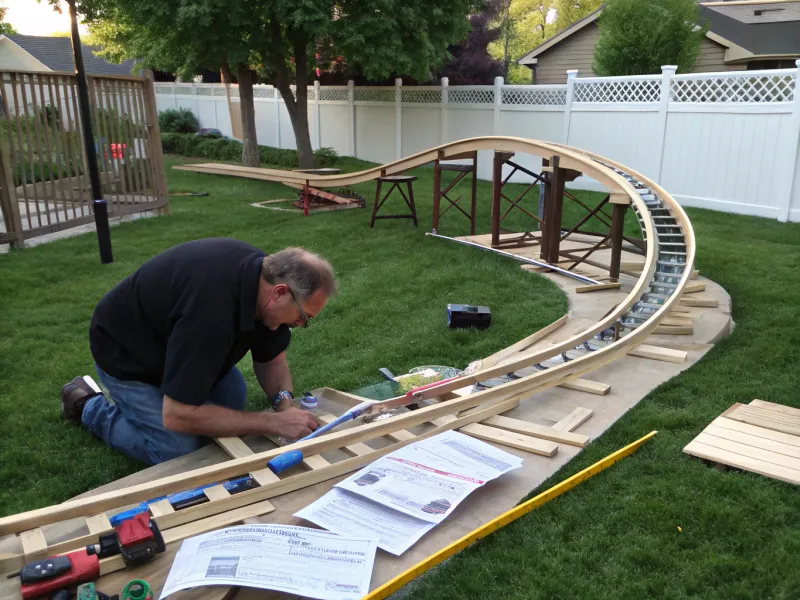
Constructing a backyard roller coaster epitomizes embracing one’s inner child during a midlife crisis. It’s a whimsical yet ambitious project that captivates not only the person involved but often the entire neighborhood.
The excitement of engineering challenges and the thrill of the ride can reinvigorate a stagnating personal life. However, the spouse may view this as an extravagant distraction, diverting time and resources away from family priorities.
Balancing this pursuit with marital commitments requires negotiation and compromise. When handled well, it can become a shared adventure rather than a point of contention.
36. Rediscovering Old Music

The power of music can transport us back to pivotal moments in our lives. A man experiencing a midlife crisis might find himself drawn to the music of his youth, rekindling memories and emotions from decades past.
This auditory journey isn’t just about nostalgia; it becomes a way to reconnect with his younger self. He may spend hours lost in melodies, reflecting on dreams and experiences from those years.
For his partner, this renewed musical interest can be a window into understanding his past aspirations and joys, offering opportunities for deeper conversations.
37. Sudden Passion for Gardening

Gardening can become a surprising new obsession. For some, this is more than a hobby; it’s a quest for growth and renewal.
Amidst the midlife turmoil, tending to a garden offers a tangible sense of accomplishment, as life blooms under careful nurturing. This passion might seem abrupt, yet it embodies a search for peace and purpose.
As plants thrive, so does his sense of self-worth. His spouse might marvel at this transformation, witnessing patience and creativity flourish. Together, they might share in the garden’s bounty, strengthening their bond through nature’s rewards.