
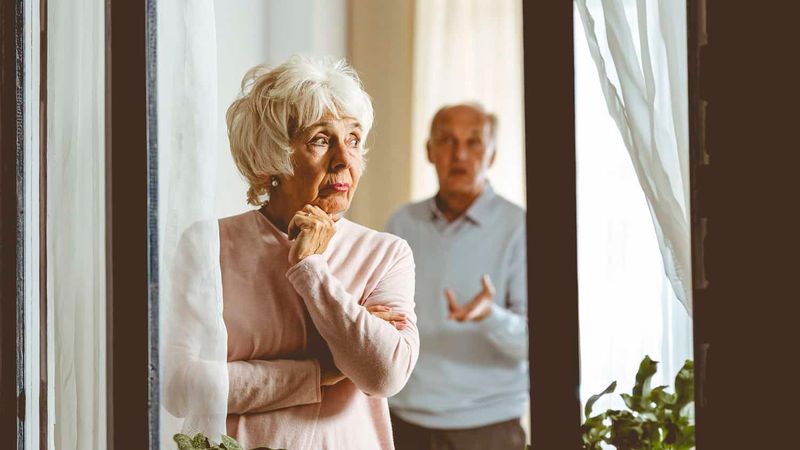
Why Some Older Women Feel Freer After Leaving a Difficult Relationship
Somewhere between the relief and the quiet, something shifts. For some women in their 50s and 60s, leaving a long and draining relationship does not feel like loss at first – it feels like finally being able to breathe. That experience deserves a real explanation, one that is honest about what actually changes and what still takes work. This article looks at why relationship quality, not simply being single or married, shapes how free a woman feels in later life.
The relief may come from leaving strain, not from marriage ending by itself
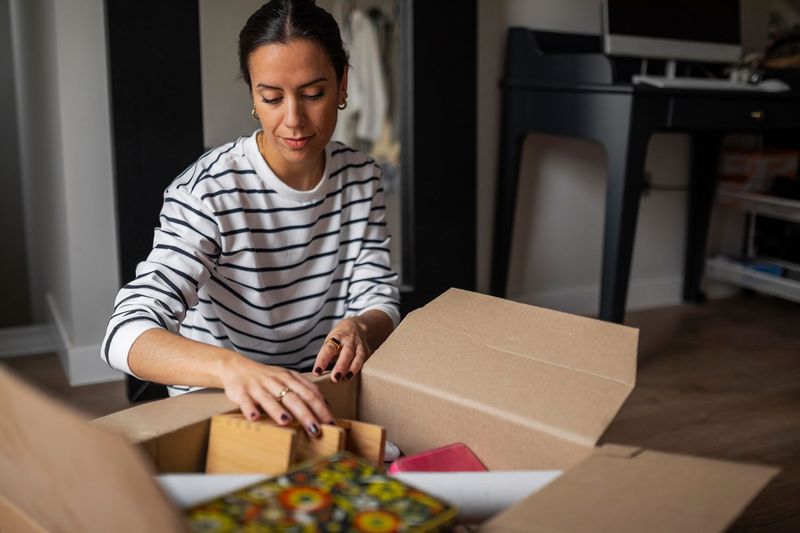
Waking up and not bracing for the day – that small, almost embarrassing relief – is something many women describe after leaving a high-strain relationship. It is not that being married was the problem. Research on older adults consistently finds that relationship quality, not marital status alone, is what connects most closely to well-being. A warm, supportive partnership can be genuinely good for a person.
An aversive one – marked by chronic conflict, criticism, or control – can grind her down over years.
The difference between those two kinds of relationships is not always obvious from the outside. One woman might miss her husband terribly after he passes. Another might feel, quietly and guiltily, that the house is calmer without him. Both responses are real, and neither makes a woman heartless or broken.
What changes when a high-strain relationship ends is not just the legal or living arrangement. The daily tension lifts. There are fewer negotiations over small things, fewer moments of monitoring someone else’s mood before speaking, fewer cycles of conflict that never fully resolve. Longitudinal research links marital strain with worsening health over time, particularly as people age – suggesting that the body keeps a kind of account of chronic stress, even when the mind tries to minimize it.
None of this means that every woman who leaves a relationship will feel better, or that every difficult marriage should end. What it does mean is that the relief some women feel is not a character flaw or a sign they never loved their partner. It is, very often, the straightforward experience of strain being removed. That is worth taking seriously rather than explaining away.
Unequal work can make partnership feel like another job
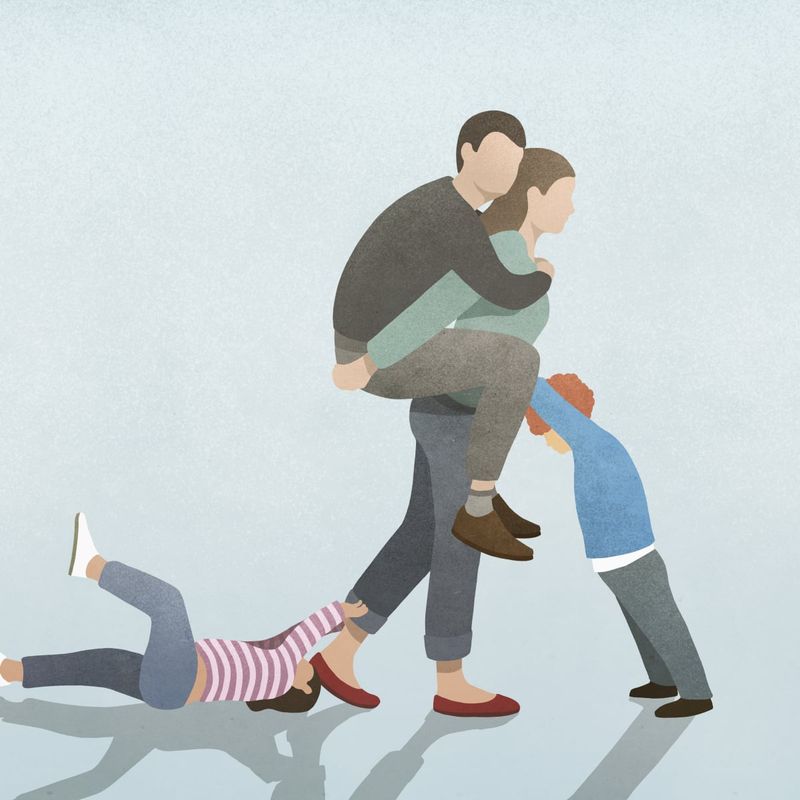
Picture a Saturday morning. You have already planned the week’s meals, replied to the family group chat, remembered your partner’s prescription, and started the laundry – before he has finished his first cup of coffee. That is not an unusual scene. Pew Research Center analysis of American Time Use Survey data found that women in the U.S. spend an average of 2 hours and 19 minutes per day on housework, compared with 1 hour and 34 minutes for men.
These figures cover U.S. adults broadly, not specifically older married women, and they do not describe every couple – but they do point to a pattern that many women recognize from their own lives.
Beyond the physical tasks, there is a layer of invisible work that rarely gets counted: tracking everyone’s schedules, managing conflict before it starts, smoothing over social friction, and staying emotionally available even when no one is asking how you are doing. When one partner carries most of that weight, the relationship can start to feel less like a shared life and more like a second shift. A majority of married adults say that sharing household chores is very important to a successful marriage – and yet surveys consistently show gaps between who believes they do more and what the time data actually reflects.
Sharing a life is not the same as managing another adult’s life. When the balance tips too far, partnership stops feeling like companionship and starts feeling like caretaking without reciprocity. Research on marital quality and health suggests that the absence of marital negativity – including excessive demands – may be particularly beneficial as people age. Feeling responsible for everything, all the time, is its own kind of exhaustion.
And for some women, that exhaustion only becomes visible once it stops.
Autonomy can return through ordinary choices
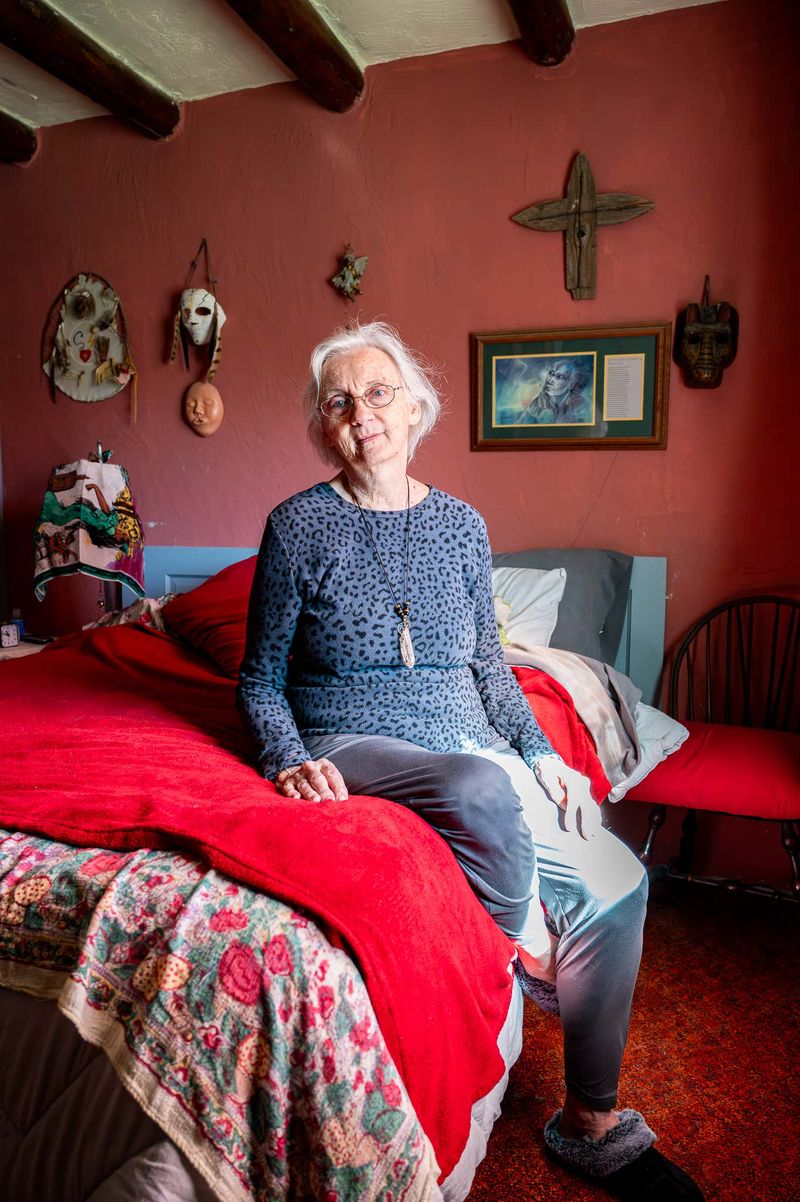
Freedom, when it returns after a long time away, often shows up in the smallest places first. You eat dinner at 5:30 because you want to. You rearrange the furniture without a discussion. You call your sister for an hour without anyone sighing in the background.
These are not dramatic acts of independence – they are ordinary choices, and the fact that they feel remarkable says something about how much space had been taken up before.
Research on older adults finds that the role of partnership status in psychological well-being is more qualified than headlines suggest. Well-being differences between partnered and unpartnered older women are relatively modest. What tends to matter more is the quality of relationships – including friendships, family connections, and community ties – and whether a woman feels she has agency over her own life.
Agency is not the same as isolation. Wanting to make your own decisions does not mean you want to be alone. Many women leaving difficult relationships are not fleeing connection – they are refusing a version of connection that required them to constantly shrink, defer, or disappear. Social networks and community ties remain meaningful for older women regardless of partnership status, and a woman can want close relationships, friendship, even romance, without wanting to return to co-residence, legal marriage, or an arrangement where her time and space are no longer her own.
The autonomy that returns after a high-strain relationship ends is not always joyful right away. Sometimes it feels logistical before it feels liberating – a calendar that is finally yours, a budget you control, a home that holds your preferences. That is still autonomy. It counts.
For some women, quiet means distance from control or abuse
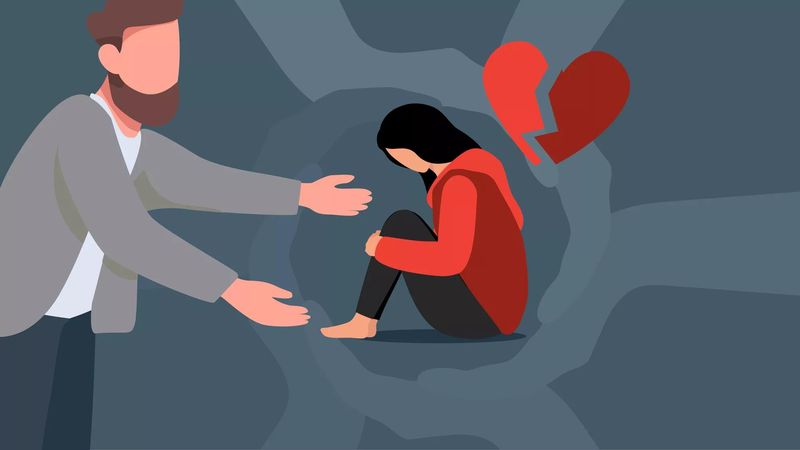
For some women, the quiet after leaving is not just the absence of arguments. It is the absence of walking on eggshells – of measuring every word, reading the room before speaking, or wondering what kind of mood is waiting at the door. Patterns like intimidation, financial restriction, psychological pressure, isolation from friends and family, or repeated criticism and dismissal are forms of control that can be hard to name while you are inside them. They rarely look the way abuse looks in movies.
WHO research on intimate-partner violence and mental health links psychological abuse and controlling behavior with increased risks of depression and anxiety. The relief a woman feels after leaving a controlling relationship is not imagined or exaggerated. It is her nervous system recognizing that a chronic source of threat has been removed. WHO estimates that approximately 1 in 6 people aged 60 and older experienced some form of abuse in community settings in the previous year, based on a global systematic review – a figure that includes psychological, financial, and physical abuse, and one that is far higher than most people expect.
If any of this feels familiar, the most important first step is not confrontation – it is safety. Announcing a plan to leave before it is safe to do so can increase risk. Couples counseling is not appropriate when coercive control or abuse is active, because it can give an abusive partner new information to use. What matters first is connecting with a trusted person, a domestic violence resource, or a professional who can help you think through options at your own pace.
Leaving a controlling relationship does not guarantee immediate peace. There can be housing disruption, financial pressure, legal complexity, or ongoing contact through shared children or finances. Relief and difficulty can arrive at the same time. Feeling safer is real even when the situation is still complicated, and you do not have to wait until everything is resolved to trust what your body already knows.
Relief, grief, and loneliness can coexist
Divorce, widowhood, and separation are not the same experience, and the feelings that follow each one are not interchangeable. Research on later-life marital dissolution shows different patterns by how a relationship ended, how long it lasted, and what resources a woman has afterward. A widow may grieve a man she loved deeply while also feeling the weight of caregiving finally lift. A divorced woman may feel free and financially frightened at the same time.
These are not contradictions that need to be resolved – they are just the honest shape of a complicated transition.
You are allowed to miss someone and still know the relationship was costing you too much. Grief does not cancel out relief, and relief does not mean you stopped loving the person. Both things can be true, sometimes in the same afternoon. The loneliness that comes after a long partnership ends is real, too – and it does not mean you made the wrong choice.
Loneliness and relief can share the same quiet house.
Studies of psychological well-being among older adults find relatively small differences in overall well-being by partnership status – meaning that being unpartnered is not, by itself, a reliable predictor of unhappiness. What matters more is the quality of the relationships a woman has, including friendships, family, and community, and whether she feels supported rather than isolated.
A study of single adults, whose participants averaged around 32 years old, found that single women reported higher relationship-status satisfaction and life satisfaction than single men on average. That study does not speak directly to women over 50, but it does push back on the assumption that single women are uniquely or inevitably unhappy. Women who are not partnered are not all the same, and their well-being is not determined by one variable.
A sustainable independent life needs more than emotional courage

Living alone and being lonely are not the same thing. The National Institute on Aging distinguishes living alone from social isolation and loneliness, noting that a person can live alone while maintaining meaningful, close relationships – and can feel profoundly lonely while sharing a home with a partner. What matters is the quality and regularity of connection, not the number of people under one roof. Scheduling consistent contact with trusted friends or family, joining a community activity, staying physically active, and using senior or community centers when they are available are all practical ways to keep connection strong.
Independent living also requires honest planning – not as a sign of pessimism, but as a form of self-respect. NIA guidance on aging in place recommends thinking ahead about transportation, home safety, medical coordination, daily tasks, and future-care needs. Health changes, disability, geography, and financial resources all shape what safe independence actually looks like for a specific woman in a specific situation. There is no universal version of it, and pretending otherwise sets people up for a harder fall when circumstances shift.
Financial autonomy deserves particular attention. After a long relationship ends – whether through divorce, separation, or widowhood – a woman may be rebuilding her financial picture largely on her own for the first time in decades. The Consumer Financial Protection Bureau offers resources specifically for older adults on protecting against fraud and financial exploitation, including guidance on trusted contacts and advance planning. If you suspect financial exploitation has already occurred, the CFPB outlines who to contact, including Adult Protective Services, state attorneys general, and the Eldercare Locator.
Building a sustainable independent life is not about proving you do not need anyone. It is about making sure the support you do need – practical, medical, financial, social – is actually in place, so that independence is a real choice rather than a precarious improvisation. That kind of planning is not a concession. It is what taking yourself seriously looks like.
Her peace can matter without dictating what she chooses next

The peace some women feel after leaving a difficult relationship is real, and it deserves to be taken seriously – not explained away, not minimized, and not treated as proof of something she has permanently resolved. Peace can be a signal worth listening to. It does not have to be a verdict on love, on her former partner, or on what the rest of her life must look like.
Remarriage, dating, cohabitation, close friendship, living with family, and continued singlehood are all legitimate choices when they fit a woman’s safety, values, resources, and genuine desires. None of them is morally superior. The question worth sitting with is not “what should I do next?” but “what do I actually want, now that I have room to want it?”
Autonomy is not a destination you arrive at once and then protect forever. It is a practice – something you keep choosing, in small ways, every day. You do not have to manage everything alone to prove the leaving was worth it. Asking for help, building community, and staying open to connection are not retreats from freedom.
They are what freedom, honestly lived, tends to look like.