

A Betrayed Empath Doesn’t Stay Soft Forever
There is a particular kind of woman who keeps showing up, keeps softening her words, keeps believing in the best of the person she loves. She absorbs hurt quietly, smooths things over, and tells herself that patience is a virtue. But something shifts when the harm keeps coming, and the title of this article captures that shift in a phrase that deserves a closer, more honest look.
She Does Not Become Heartless; She Stops Abandoning Herself

The phrase “a betrayed empath doesn’t stay soft forever” lands like a warning shot, and that is exactly why it resonates. You hear it and something in your chest says, yes, that’s me. But before you accept the whole idea, it is worth slowing down on what it actually claims, because the most dramatic version of that sentence is not quite true, and the truer version is more useful to you.
“Empath” is not a clinical diagnosis or a measurable personality type. It is a word many women use to describe themselves when they feel other people’s emotions deeply, when they tune in to what a room needs, when they instinctively reach toward someone in pain. That attunement is real. What is not supported by research is the idea that a woman who identifies this way will inevitably turn cold, closed, or dangerous after she is betrayed.
Research on betrayal trauma describes outcomes that vary widely: fear, shame, self-criticism, difficulty trusting, and communication challenges are all documented, but the path forward looks different for every woman. Some survivors do become more guarded, more selective about who receives their energy, or more assertive about what they will and will not accept. Others remain warm and caring, seek closeness, minimize what happened, or return to the relationship entirely.
There is no single turn. Protecting yourself from someone who repeatedly harms you does not make you cruel, and choosing not to absorb damage is not the same as losing your heart. The more honest version of the title’s promise is this: she does not become heartless. She stops abandoning herself to keep someone else comfortable.
That is a quieter change, and it is a far more important one.
Repetition Can Reveal Control, but One Serious Act Still Matters
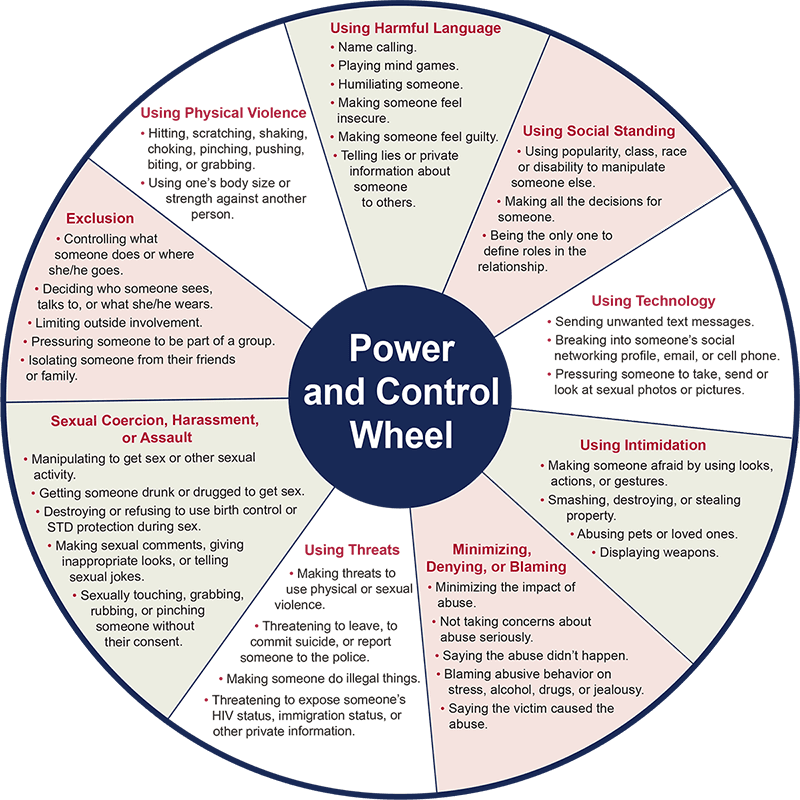
One of the hardest parts of recognizing harm in a relationship is that it rarely announces itself clearly on day one. You notice a pattern only after enough repetitions: the apology that comes with a reversal of blame, the correction that arrives every time you speak up, the silence that falls when you ask a direct question. Repetition is often what makes a pattern visible.
The CDC defines psychological aggression as verbal or nonverbal communication intended to harm someone mentally or emotionally or to exert control, and it includes name-calling, humiliation, monitoring, isolation, threats, and controlling access to money, transportation, family, or friends. National survey data shows that nearly 1 in 3 U.S. women have experienced psychological aggression by an intimate partner during their lifetimes. These are not rare edge cases.
That said, repetition is not a requirement for something to matter. A single serious threat, an act of sexual coercion, one stalking incident, or a physical assault can warrant immediate support, safety planning, or emergency assistance, regardless of whether it has happened before. You do not need a documented pattern to take what happened to you seriously.
The National Domestic Violence Hotline identifies recurring insults, excessive jealousy, isolation, monitoring, withholding affection as punishment, and financial control as warning signs of emotional abuse. A useful behavior-based question to ask yourself is: does this create fear, confusion, isolation, dependency, or loss of your autonomy? Does speaking up about it result in denial, blame reversal, or punishment?
Gaslighting is a specific form of manipulation that pushes you to doubt your own perceptions or sense of reality. The APA notes the word is now broadly used, but it should not be applied to every disagreement, memory difference, or defensive reaction. Reserve it for what it actually describes: a sustained effort to make you question whether what you experienced was real.
Her Patience Is a Coping Response, Not the Cause of His Control
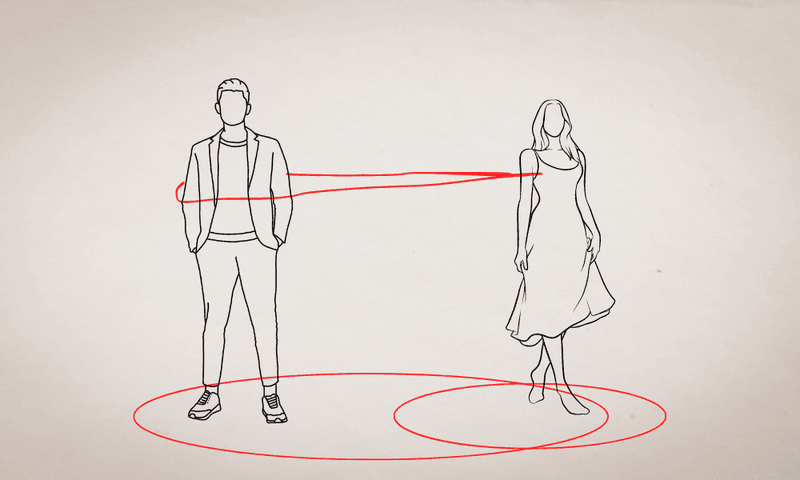
You chose your words carefully because you did not want another fight. You soothed his mood before it could build. You rephrased your hurt so it would not land too hard, explained your feelings in the calmest possible way, and then explained them again when they were dismissed. That is not weakness.
That is what people do when they are trying to hold something together under pressure.
This kind of emotional over-functioning, repeatedly managing, repairing, translating, and carrying the relationship’s weight, is a coping response. It is not the reason the harm continued, and it did not cause or enable what was done to you. The Hotline is clear that abuse is a choice involving power and control, not a mutual communication failure that a gentler conversation could have fixed.
Compassion is not the same as unlimited tolerance. You can remain a caring, warm, emotionally present person while also refusing to give unlimited access to someone who repeatedly humiliates, dismisses, or destabilizes you. Those two things can live in the same woman at the same time. No amount of empathy or perfect phrasing will make a partner relinquish a chosen pattern of control.
That is not a failure of your communication skills.
The moment you stop translating your pain into language he might accept, stop rescuing conversations from collapse, stop proving that what happened actually happened, that moment is not you becoming hard. It is you recognizing that your emotional labor was never going to change the dynamic, because the dynamic was never really about communication.
Boundaries Restore Her Autonomy—They Do Not Control His Response

A boundary is not a punishment, a test, or a tactic for making someone behave differently. It is a statement about what you will do to protect your own wellbeing. Ending a conversation that has turned degrading is a boundary. Deciding not to repeat yourself endlessly after you have said something once is a boundary.
Choosing not to share private information with someone who has used it against you before, that is a boundary too.
Trauma-informed approaches frame this kind of self-protection as restoring voice, choice, safety, and autonomy. Not as becoming punitive. Not as shutting down emotionally. You are not trying to teach him a lesson or engineer a specific outcome.
You are taking back the authority over your own life that was quietly eroded.
Here is what a boundary cannot do: it cannot guarantee that the other person will respect it, grow from it, or become safer. The Hotline notes that a controlling partner may escalate, retaliate, threaten, or intensify manipulation when his control is challenged. This is why “just confront him” or “give him one final ultimatum” is not safe blanket advice. The right next step depends on your specific situation, not on a script.
Individualized support and risk assessment matter far more than any single brave conversation. If you are trying to figure out where your boundary ends and your safety begins, that is exactly the kind of question a domestic violence advocate, a trauma-informed counselor, or a trusted support person can help you think through carefully.
Leaving Requires a Safety Plan, Not a Dramatic Final Scene

There is a version of this story that plays out in movies: the woman finally speaks her truth, the door swings shut behind her, and peace arrives immediately. Real life almost never works that way. The emotional clarity that comes from finally seeing a pattern clearly is real and meaningful, but acting on it safely is a different kind of work.
Emotional safety planning involves thinking through the practical realities before making a move: trusted people you can contact, local domestic violence services, access to important documents, transportation, money, housing, and what you would do in both a planned exit and an emergency. WomensLaw.org e ACOG guidance both emphasize that planning is not about fear-mongering; it is about giving yourself real options.
Leaving can increase danger for some survivors, particularly where threats, stalking, weapons, strangulation, extreme jealousy, or suicidal threats are present. This is why a dramatic confrontation, a public exposure, or a social media disclosure is not a safe default. Secretly gathering evidence without considering whether your devices are monitored can also put you at risk. Children, housing, finances, employment, immigration status, and custody arrangements all shape what a safer path forward actually looks like for you specifically.
Couples counseling is not appropriate when one partner is abusive. The Hotline explains that information shared in joint sessions can be used against the survivor later, and therapy does not correct the unequal power structure underneath the relationship. Individual, trauma-informed support is the safer recommendation.
If you are in the U.S. and want to think through your options confidentially, the National Domestic Violence Hotline is available by phone at 800-799-SAFE (7233), by online chat, or by text if you send START to 88788. These are options, not commands. If you are in immediate danger, call emergency services. Your safety comes before the story’s resolution.
Healing Can Make Her Guarded Without Making Her Cruel

Recovery from betrayal is not a straight line, and it is not a personality makeover. Some women who have been repeatedly harmed do become more cautious about who they trust, more selective about who receives their emotional energy, or firmer about what they will and will not accept. That shift is real, and it makes sense. But other women remain warm and seeking, feel ambivalent about what happened, minimize the harm, or return to the relationship they left.
Both of those responses are human, and neither one disproves what you experienced.
Research on post-traumatic growth suggests that some survivors report greater self-knowledge, a sharper sense of what they value, or stronger personal standards after going through serious harm. Studies on PTG are generally small and based on self-report, and research specifically on women who survived intimate partner violence shows that growth, when it occurs, can coexist with ongoing distress, difficulty trusting, and trauma symptoms. Some survivors describe reaching a new understanding of themselves while still carrying grief and fear at the same time.
This is not a failure to heal correctly. Suffering was not a necessary price for growth, and strength gained through pain does not erase the cost of the pain itself. Continued love for someone who harmed you does not disprove the harm. Difficulty leaving does not mean you chose what happened to you.
Becoming more guarded is not the same as becoming cruel. It may simply mean you have stopped pretending that unlimited access to your care is something everyone around you has earned.
Softness Becomes a Choice, Not an Obligation
You are allowed to be warm without being available to everyone. You are allowed to feel deeply without handing that depth over to someone who has shown you, repeatedly, that they will use it carelessly. Trauma-informed care centers voice, choice, and autonomy, which means the direction of your compassion is yours to decide, not an obligation you owe to someone who harmed you.
You do not owe endless explanations. You do not owe forgiveness on a timeline that suits anyone else. You do not owe emotional labor to a relationship that has cost you more than it has given. Withdrawing that labor is not proof that you have become hard.
It may be the first genuinely free choice you have made in a long time.
The title’s drama is a metaphor, not a prescription. Some women become more guarded after betrayal; others stay open and keep reaching for connection. Both paths are valid, and neither one is the “correct” response to being hurt. What matters is that your softness, if and when you offer it, belongs to you first.
A woman who stops abandoning herself to keep someone else comfortable has not lost her heart. She has simply stopped giving it away without consent.