

34 Popular Marriage Myths Everyone Thinks Are True (But Aren’t!)
It’s funny how we all have different images of what marriage should be like, thanks to stories we’ve heard, movies we’ve watched, and perhaps even fairy tales we’ve grown up with. But the truth is, a lot of what we think we know about marriage is rooted in myths.
These myths can place unnecessary pressure on relationships, leading to misunderstandings or setting us up with unrealistic expectations.
So, let’s roll up our sleeves and debunk some of these misconceptions. After all, understanding the reality can lead to much healthier and more realistic relationships.
1. Il matrimonio vi completa

Oh, this one’s a classic! Ever heard someone say, “Your other half”? It’s such a romantic notion, isn’t it? But here’s the truth: marriage doesn’t complete you. You’re already whole. Believing that someone else can fill a void might lead to dependency rather than growth.
Think about it. When you place your happiness entirely in someone else’s hands, it can create an imbalance. What if they’re having a bad day? Does that mean you’re incomplete for the day too? Not quite the fairytale we imagined.
It’s essential to find fulfillment within yourself. A partner can complement you, sure, but relying on them to complete you may set the stage for disappointment. So next time someone mentions “other half,” remember, two wholes make a stronger bond.
2. Il matrimonio è sempre 50/50

The idea that marriage is 50/50 sounds pretty fair, right? Well, let’s think about it for a second. Life isn’t always balanced, and neither is marriage. The truth is, sometimes marriage is more 60/40 or even 80/20.
There will be days when one partner needs more support, and that’s perfectly okay. It’s about being flexible and understanding how to share responsibilities based on circumstances rather than strict equality.
Aspettarsi che tutto sia perfettamente equilibrato può portare alla frustrazione. Concentratevi invece sull'essere presenti e solidali, sapendo che l'ago della bilancia può tornare a vostro favore quando ne avete bisogno. Quindi, lasciate perdere i calcoli e abbracciate il flusso e il riflusso di una vera collaborazione.
3. Le coppie felici non litigano mai

Wouldn’t it be lovely if happy couples never fought? But here’s the deal: disagreements are normal. In fact, arguing can even be healthy. It’s all about how you handle it.
Quando due persone si incontrano, è inevitabile che sorgano differenze di opinioni. Ciò che conta è l'approccio alla risoluzione di questi conflitti. Le discussioni sane possono portare a una migliore comprensione e a legami più forti.
So, don’t fret if you and your partner exchange heated words sometimes. It’s natural and can be a sign of a passionate relationship. Just remember to keep things respectful and work toward resolutions.
4. Il matrimonio significa perdere la libertà

Some folks believe that tying the knot means saying goodbye to personal freedom. But that’s not necessarily true. Marriage doesn’t mean losing yourself; it’s about growing together while maintaining individuality.
Think of it like two dancers performing a duet. They’re together, yet each has their own unique moves. Marriage should allow both partners to pursue personal dreams and interests.
So, if you’re worried about losing “you” in marriage, fear not! A supportive partnership should encourage personal growth and exploration, not stifle it. Embrace the journey together without surrendering your own path.
5. Il matrimonio risolverà i vostri problemi

Ah, the fixer-upper myth. You might think marriage will solve all your lingering issues. Unfortunately, that’s not the case. Problems don’t magically disappear with wedding vows.
In effetti, l'aggiunta del matrimonio al mix può talvolta amplificare i problemi esistenti. Per affrontare i problemi è necessario uno sforzo e una comunicazione, non solo un cambiamento di status.
It’s crucial to deal with personal and relationship issues head-on before walking down the aisle. Remember, your partner is there to support you, not to fix you. So, keep those expectations realistic, and focus on building a solid foundation together.
6. La passione svanisce dopo il matrimonio

Ever heard that passion fizzles out after marriage? It’s a widespread belief, but not an inevitable truth. Sure, the initial fireworks may dim, but that doesn’t mean passion disappears.
Relationships evolve, and so does intimacy. It’s about discovering new ways to connect and keeping the spark alive through shared experiences and adventures.
Quindi, se l'idea che la passione si affievolisca vi spaventa, concentratevi sulla coltivazione di una relazione in evoluzione, piena di risate, piccole sorprese e momenti significativi. Mantenete vivo l'amore investendo continuamente nell'altro.
7. Il matrimonio equivale alla perfezione

L'idea che il matrimonio sia sinonimo di perfezione può essere fonte di delusioni. La perfezione è un'illusione, e puntare su di essa può portare ad ansia e insoddisfazione.
Every marriage has its ups and downs, and that’s part of its beauty. Embracing imperfections allows you to grow together, learning from mistakes and strengthening your bond.
Quindi, gettate la perfezione fuori dalla finestra. Concentratevi invece sulla creazione di una partnership affettuosa e solidale, che si basa sulla comprensione e sulla resilienza.
8. Le coppie devono avere gli stessi interessi

Many believe that sharing interests is crucial for marital harmony. While common ground can be beneficial, it’s not a necessity for a successful marriage.
In fact, having different interests can add richness to a relationship. It allows for personal growth and the opportunity to bring new experiences into each other’s lives.
Celebrate your differences and learn from them. A marriage thrives when partners respect and encourage each other’s individuality, rather than forcing shared hobbies.
9. Il matrimonio dovrebbe essere facile

La convinzione che il matrimonio debba essere facile può creare aspettative irrealistiche. Come ogni altra impresa significativa, il matrimonio richiede impegno, pazienza e comprensione.
Challenges will arise, and working through them together strengthens the relationship. It’s through overcoming obstacles that a deeper connection is forged.
So, don’t be discouraged by challenges. Embrace them as opportunities to grow and deepen your bond. Remember, the best things in life often require hard work.
10. I figli rafforzano il matrimonio

L'idea che i figli rafforzino automaticamente il matrimonio è un mito comune. Se da un lato i figli portano una gioia immensa, dall'altro introducono nuove sfide.
Parenting requires teamwork and can strain a relationship if not managed well. It’s vital to maintain the partnership and nurture the marriage alongside raising children.
Ricordate che un matrimonio forte è la base per una famiglia felice. Concentratevi sul mantenere vivo il legame con il vostro partner mentre affrontate le gioie e le prove della genitorialità.
11. Il matrimonio è solo un pezzo di carta

Some say marriage is just a formality, but for many, it’s a meaningful commitment. It’s a public declaration of love and dedication, not just a legal contract.
Il matrimonio simboleggia l'approfondimento della relazione, la creazione di una vita e di responsabilità condivise. Il significato emotivo e sociale spesso va oltre la prova documentale.
Perciò, anche se può sembrare solo un pezzo di carta, l'essenza del matrimonio è scegliere l'altro ogni giorno, abbracciando il viaggio con amore e impegno.
12. Il matrimonio uccide il romanticismo

There’s a common belief that marriage is where romance goes to die. But that’s far from the truth. Romance doesn’t disappear; it evolves.
In marriage, romance can transform into deeper gestures of love and appreciation. It’s about finding joy in the small, everyday moments and keeping the connection alive.
Quindi, invece di temere la morte del romanticismo, concentratevi sul suo mantenimento. Organizzate appuntamenti a sorpresa o scrivete biglietti d'amore. Le piccole cose possono mantenere viva la fiamma.
13. Dovete sposare la vostra anima gemella

The idea of marrying a soulmate sounds enchanting, but it can be misleading. Believing that there’s only one perfect person sets unrealistic standards.
Many happy marriages thrive without the concept of soulmates. It’s about choosing to love and grow with someone despite imperfections.
So, don’t stress about finding “the one.” Focus on building a strong, loving partnership with someone who complements and supports you.
14. Il matrimonio è l'obiettivo finale

Some people see marriage as the ultimate life achievement, but it’s more of a beginning than an end. Rather than an endpoint, marriage is a new chapter in your journey together.
Focusing too much on the wedding day can overshadow the importance of building a life together. It’s about fostering a relationship that grows and evolves.
Lasciate che il matrimonio sia la continuazione della vostra storia d'amore, non la conclusione. Continuate a coltivare il legame e a godervi il viaggio insieme.
15. Il matrimonio non significa più tempo da soli

Worried that marriage means waving goodbye to ‘me time’? Fear not! While marriage is about togetherness, it doesn’t mean losing your personal space.
A healthy relationship encourages both partners to enjoy individual activities and time alone. It’s essential for personal growth and maintaining a sense of self.
Dedicatevi al vostro tempo da soli tanto quanto a quello trascorso insieme. L'equilibrio è fondamentale e lo spazio personale può rafforzare la relazione permettendo di ricaricarsi.
16. Dovete sempre essere d'accordo

L'idea che le coppie debbano sempre essere d'accordo è lontana dalla realtà. Le differenze di opinione sono naturali e possono persino migliorare una relazione.
Agreement on everything is unrealistic. Instead, focus on respecting each other’s perspectives and finding common ground when necessary.
Embrace disagreements as opportunities for growth and understanding. It’s okay not to see eye to eye all the time; what matters is how you navigate those differences.
17. L'amore è sufficiente per sostenere un matrimonio

The notion that love conquers all is a romantic ideal but not entirely realistic. While love is vital, it alone cannot sustain a marriage.
A successful marriage requires effort, communication, and compromise. It’s about working together through challenges and supporting each other.
So, while love is the foundation, don’t forget to nurture other aspects of the relationship. Cultivate trust, respect, and understanding to build a lasting partnership.
18. La stabilità finanziaria significa un matrimonio stabile

Believing that financial stability equals marital stability is a common misconception. While finances play a role, they aren’t the sole determinant of a happy marriage.
Money can alleviate stress, but it doesn’t guarantee emotional or relational stability. Communication and shared financial goals are essential.
Concentratevi sulla costruzione di una partnership che sostenga sia gli obiettivi emotivi che quelli finanziari. Il matrimonio è una questione di lavoro di squadra, non solo di conti bancari.
19. Il matrimonio è una cura per la solitudine

Many believe that marriage will eliminate loneliness. However, being married doesn’t always mean you’ll never feel lonely.
Loneliness is an individual experience that can exist even in relationships. It’s crucial to address personal needs and maintain connections outside the marriage.
Marriage can offer companionship, but it’s not a sole cure for loneliness. Cultivate a rich network of friends and interests to complement your partnership.
20. Si perdono gli amici quando ci si sposa

The fear of losing friends when you marry is real for many. But it doesn’t have to be the case. Friendships can thrive alongside a marriage.
Marriage may change how you spend your time, but it shouldn’t mean saying goodbye to friends. It’s about balancing relationships and maintaining connections.
Tenete a mente e coltivate le vostre amicizie, perché forniscono un valido sostegno e un arricchimento alla vostra vita. Il matrimonio e le amicizie possono coesistere magnificamente.
21. Il matrimonio assicura la crescita personale

Alcuni credono che il matrimonio garantisca la crescita personale. Sebbene possa fornire un ambiente di sostegno, la crescita è in definitiva un percorso personale.
Marriage can foster development through shared experiences, but it’s essential to pursue individual goals and aspirations.
Don’t rely solely on marriage for growth. Embrace opportunities to learn and evolve independently, while supporting your partner in their journey.
22. Il matrimonio è un peso

Seeing marriage as a burden is a misconception that can hinder relationship satisfaction. Marriage isn’t about weighing you down; it’s about partnership.
A healthy marriage should feel like a support system, not an obligation. It’s about sharing the load, not carrying it alone.
Focus on building a relationship that’s mutually supportive and enriching. Marriage should uplift you, not burden you with undue stress.
23. You Can’t Have Secrets

The belief that you can’t have secrets in marriage is about finding balance. While honesty is essential, everyone has a right to privacy.
Complete transparency isn’t always necessary or healthy. It’s about respecting each other’s boundaries and maintaining trust.
Incoraggiate la comunicazione aperta, ma riconoscete anche l'importanza dello spazio individuale. Un matrimonio sano rispetta sia l'onestà che i confini personali.
24. Il matrimonio serve solo a fare figli

The idea that marriage is solely for procreation is outdated. Marriage is about companionship, love, and building a life together, with or without children.
Couples can choose to have kids or not, and either choice is valid. Marriage is a partnership that supports each other’s dreams and desires.
Focus on what you and your partner want from your marriage, free from societal expectations. It’s your journey to define.
25. Il matrimonio richiede sacrificio

The notion that marriage requires sacrifice is often misunderstood. It’s not about giving up everything but about finding compromise and balance.
Healthy sacrifice means considering each other’s needs and finding solutions that work for both partners. It’s about mutual respect and collaboration.
Il matrimonio dovrebbe migliorare la vostra vita, non privarla della gioia. Concentratevi sulla creazione di una partnership costruita sulla comprensione, in cui entrambi i partner possano prosperare.
26. A Good Marriage Doesn’t Need Work

Believing that a good marriage doesn’t need work is misleading. Like a garden, a marriage requires attention, care, and nurturing.
Neglecting the effort needed can lead to misunderstandings and disconnection. It’s about continuously investing time and energy into the relationship.
Embrace the ongoing work as a positive aspect of marriage. It’s the effort that builds resilience and keeps the relationship flourishing.
27. Il matrimonio cambia le persone

The belief that marriage changes people is often misunderstood. While marriage can influence growth, it’s not a magical transformation.
People grow and evolve over time, with or without marriage. It’s about supporting each other’s development rather than expecting change.
Focus on growing together while respecting individual paths. Marriage should encourage growth, not force change that’s not genuine.
28. È necessario combinare tutto

L'idea che il matrimonio significhi unire tutto è un mito comune. Sebbene la condivisione della vita sia essenziale, l'individualità deve essere mantenuta.
It’s about balance, finding what works for both partners in terms of finances, interests, and space. Confini sani can enhance the relationship.
Celebrare sia gli aspetti condivisi che quelli separati della vita. Un matrimonio di successo rispetta l'individualità all'interno dell'unione, favorendo un ambiente di sostegno.
29. Il matrimonio significa stabilirsi

L'idea che il matrimonio significhi accontentarsi è un mito che ne mina il valore. Il matrimonio dovrebbe essere un viaggio emozionante, non un compromesso.
It’s about finding someone who complements you, not settling for less. A strong marriage involves growth, adventure, and support.
Concentratevi sulla costruzione di un'unione che sia appagante e dinamica, in cui entrambi i partner si ispirino e si elevino a vicenda. Il matrimonio dovrebbe essere una scelta, non una concessione.
30. Il matrimonio non è necessario
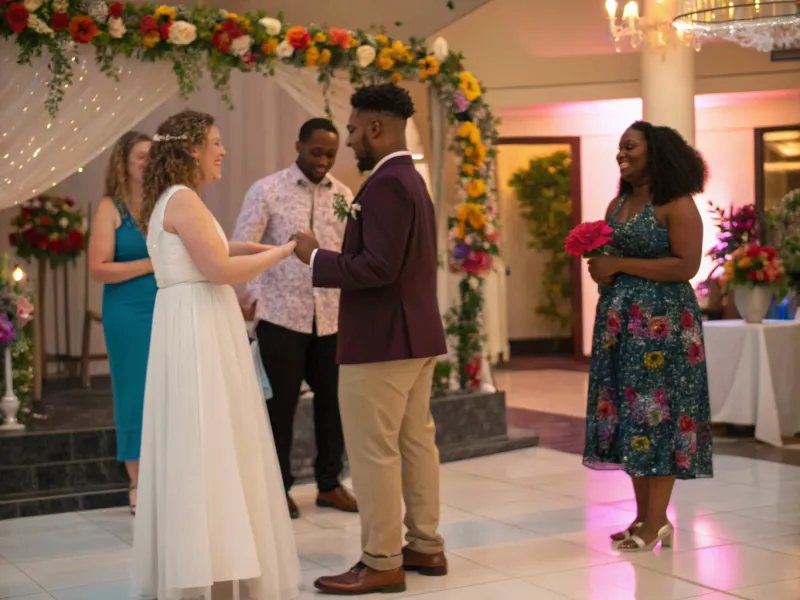
The belief that marriage is unnecessary is subjective. For some, it’s an essential expression of love and commitment, while for others, it’s not a priority.
Marriage can offer legal benefits and a public declaration of partnership. It’s about what feels right for you and your partner.
Focus on what you value in your relationship. Whether you choose marriage or not, it’s about building a life that reflects your shared goals and values.
31. You Have To Share Everything Emotionally
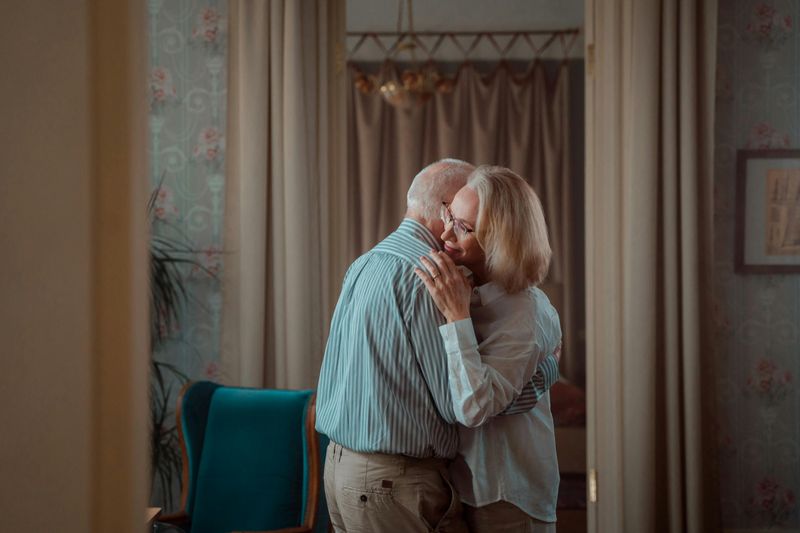
The idea that couples should share every single thought and feeling sounds deeply romantic—but it’s not always realistic or necessary. Emotional intimacy is important, but so is emotional independence.
Sometimes, processing thoughts on your own before sharing can lead to healthier communication. Not every feeling needs to be laid bare the moment it arises. It’s okay to have internal worlds and emotional boundaries.
A strong marriage includes openness e the respect for personal space. Trust is built not through constant disclosure, but through mutual understanding and support—whether spoken or not.
32. Being Married Means You’ll Never Feel Lonely Again

It’s comforting to think marriage is the antidote to loneliness, but the truth is, even in a loving relationship, loneliness can still surface. That doesn’t mean something’s wrong—it just means you’re human.
Marriage doesn’t eliminate the need for deeper self-connection or outside relationships. Relying solely on your partner for emotional fulfillment can create strain and unrealistic pressure.
It’s vital to nurture your relationship with yourself, maintain friendships, and explore passions that light you up. Togetherness is beautiful, but wholeness comes from within. So yes, you can be married e still seek connection beyond your partnership.
33. Marriage Equals Unconditional Happiness

“Happiness is a journey, not a destination,” a wise saying, yet many believe marriage is a shortcut to eternal bliss. Marriage doesn’t automatically provide everlasting happiness. Couples must work to maintain joy and understanding.
Challenges and disagreements are part of every relationship. They offer opportunities for growth, not signs of failure. Success requires effort and compromise from both partners.
Importantly, personal happiness stems from within. Relying solely on marriage for joy places undue pressure on the relationship. Search for happiness within yourself and bring that joy into your marriage.
34. Marriage Requires Complete Compatibility

“Opposites attract,” an adage often overlooked in marriage myths. Complete compatibility isn’t necessary for a successful marriage. Divergent interests can enrich a relationship and provide opportunities for growth.
While shared values are crucial, differing hobbies or tastes encourage personal space and individuality, fostering a healthy marriage dynamic.
Embracing differences allows couples to learn from each other and experience life more fully. This diversity contributes to a richer, more fulfilling partnership. The harmony in marriage comes from understanding and respecting each other’s uniqueness, rather than demanding perfect compatibility.