

33 Alarming Signs It’s Attachment, Not Love, That You’re Feeling
Have you ever found yourself questioning the authenticity of your emotions, wondering if what you feel is truly love or just an intense form of attachment?
In our intricate dance with relationships, the lines between genuine affection and dependency can blur, leaving us to ponder the true nature of our feelings.
This journey to understanding begins with acknowledging the subtle yet profound differences between attachment and love, where one confines and the other liberates.
I’ve made a list of 33 signs that may indicate you’re entangled in attachment rather than experiencing true love. Each sign is a window into the emotional patterns that shape our connections, encouraging reflection and empowering transformation toward healthier, more fulfilling relationships.
1. Paura di essere soli

You find yourself overwhelmed by an unsettling fear at the mere thought of being alone. This fear creeps into your thoughts, whispering doubts and questioning your worth without someone by your side. It’s as if the presence of a partner validates your existence, offering a sense of completeness you worry you can’t find within yourself.
This fear is not love; it’s a sign of attachment, stemming from an internal void that clings to another as a source of comfort. True love thrives on individuality and independence, celebrating two whole people choosing to share their lives. When fear dictates your need for companionship, it shackles you to dependency.
Reflecting on this fear, ask yourself whether you’re running from solitude or genuinely desiring connection. Abbracciare la possibilità di essere forti da solidove l'amore diventa una scelta, non una necessità nata dalla paura.
Per andare avanti, prendete in considerazione l'idea di trascorrere del tempo intenzionalmente da soli, scoprendo ciò che vi dà veramente gioia. Quando alimentate l'amore e l'accettazione di voi stessi, la morsa della paura si allenta, aprendo la strada a relazioni costruite sul rispetto reciproco e sull'affetto genuino.
2. Confondere la possessività con la cura

You’ve convinced yourself that possessiveness equates to care, that someone else’s need to “keep you close” is a sign of deep affection. But lurking within this possessive behavior is a need to control, to bind you to them through a facade of caring.
True love offers freedom within the relationship, allowing both individuals to blossom without fear of being stifled by another’s insecurities. Possessiveness, on the other hand, roots itself in attachment, where fear of loss manifests as a grip too tight to break.
When you mistake possessiveness for love, you sacrifice your autonomy, relinquishing your space in the name of feeling wanted. Instead, look for signs of trust and respect, where love is given wings, and each person’s individuality is cherished.
Challenge yourself to set boundaries, communicating openly about what feels comfortable and healthy. As you redefine what care means, you’ll open the door to relationships where love isn’t about holding tight but embracing openly with trust and understanding.
3. Rimanere fuori dall'abitudine

La routine ha il potere di insediarsi nelle fessure della nostra vita, avvolgendoci in un comfort che ci fa sentire sicuri ma stagnanti. Rimanete in una relazione per abitudine, rather than genuine passion? This habit can be deceptive, masquerading as love when it’s merely a cycle of familiarity.
L'attaccamento spesso trova le sue radici nella routine, dove il pensiero del cambiamento sembra più terrificante dell'assenza di un vero legame. L'amore, invece, è dinamico e vibrante, vive di crescita e di avventure condivise. Quando vi trovate in una relazione che sembra più un rituale, potrebbe essere il momento di valutare le vostre motivazioni di fondo.
Ask yourself if you’re choosing familiarity over fulfillment. Does the idea of starting anew fill you with dread, or is it the possibility of rediscovering passion that excites you? Challenge the status quo by exploring new experiences together, reigniting the spark that once drew you close.
Alla fine, l'amore dovrebbe rinvigorire, non sedare. Liberatevi dalle catene dell'abitudine e osate cercare una relazione che alimenti la vostra anima con emozioni e affetto genuino.
4. Prioritizing Your Partner’s Approval

There’s a silent power in seeking approval, a validation that can quickly become an addiction. When your happiness hinges on your partner’s approval, you’re stepping onto the shaky ground of attachment, not love.
In genuine love, self-worth is recognized independently of one’s partner. It’s about sharing life, not seeking permission to live it. Attachment, however, twists approval into a form of emotional currency, where your actions and feelings are dictated by another’s opinion.
Il pericolo sta nel perdere di vista i propri desideri, sacrificando l'autenticità per il fugace conforto dell'approvazione. Per cambiare questo schema, concentratevi sulla costruzione di un forte senso di sé, in cui il vostro valore sia autodeterminato e non dipenda dalla convalida esterna.
Encourage open dialogue with your partner, expressing your need for mutual respect and individuality. By fostering an environment where both partners are valued for their true selves, you’ll find a love that celebrates you for who you are, not who you’re expected to be.
5. Equiparare il dramma alla passione

Il dramma tende a mascherarsi da passione, facendoci credere che l'amore sia sinonimo di emozioni intense e di esperienze tumultuose. Ma questa intensità spesso maschera l'attaccamento, dove il conflitto alimenta un ciclo di alti e bassi.
True love is steady and nurturing, providing a haven from life’s chaos, not contributing to it. Quando il dramma diventa la norma, prosciuga le risorse emotive.lasciando poco spazio alla connessione e alla comprensione autentica.
Se vi trovate a equiparare il dramma all'amore, valutate se questo modello non stia riempiendo un vuoto piuttosto che soddisfare il vostro cuore. Cercate relazioni in cui la comunicazione, la fiducia e la calma prevalgano sul costante turbamento.
By recognizing the difference between exhilarating passion and exhausting drama, you’ll open the opportunity for a relationship that’s enriching and supportive. Embrace love that soothes rather than one that agitates, allowing genuine passion to flourish in the absence of unnecessary conflict.
6. Sentirsi incompleti senza di loro

The notion of needing someone to “complete you” is romanticized but also misleading. When you feel incomplete without your partner, it speaks more to attachment than genuine love.
L'amore valorizza ciò che già esiste all'interno, celebrando due individui integri che scelgono di condividere la propria vita. L'attaccamento, al contrario, nasce dalla convinzione che vi manchi qualcosa di essenziale che solo un altro può fornirvi.
This mindset can lead to dependency, where your identity becomes intertwined with your partner’s, and your sense of self fades into the background. Instead, strive to cultivate a relationship where both partners stand as equals, embracing their individuality while cherishing their connection.
Reflect on your personal growth and strengths, recognizing the qualities that make you uniquely whole. As you nurture self-awareness and appreciation, you’ll find that love becomes a beautiful addition to your life, not a missing piece of your puzzle.
7. Ignorare le bandiere rosse

Red flags are the cautionary whispers in our hearts, signaling that something isn’t quite right. Yet, when attachment takes hold, these warnings are often ignored, and dismissed in the name of love.
Il vero amore si basa sul rispetto, sulla fiducia e sulla comprensione reciproca, dove le preoccupazioni vengono affrontate apertamente, non messe da parte. L'attaccamento, invece, porta a una cecità che può mettere in pericolo il benessere emotivo e talvolta fisico.
Da trascurare le bandiere rosseRischiate di trincerarvi ancora di più in una relazione che potrebbe non servire al vostro bene supremo. Sfidate voi stessi ad affrontare questi avvertimenti con coraggio, cercando chiarezza e risoluzione.
Engage in honest conversations with your partner about your concerns, fostering a relationship where issues are faced together. In doing so, you create space for a love that’s rooted in authenticity and mutual growth, free from the shadows of ignored warning signs.
8. Sacrificare gli obiettivi personali

In the throes of attachment, it’s easy to let go of personal dreams, believing that sacrificing them is an act of love. But true love doesn’t ask you to abandon your aspirations; it encourages and supports them.
When you find yourself consistently sidelining your goals for your partner’s needs, attachment has likely taken the reins. This sacrifice can lead to resentment, where unfulfilled ambitions become a source of tension.
Instead of viewing personal goals as a threat to the relationship, see them as opportunities for growth that can enrich your partnership. Collaborate with your partner to support each other’s dreams, creating a dynamic where both can thrive.
By aligning your individual aspirations with your shared life, you’ll cultivate a relationship that’s both fulfilling and inspiring. Remember, love should be an ally to your dreams, not an obstacle.
9. Eccessiva dipendenza dall'affetto fisico

L'affetto fisico è una bellissima espressione d'amore, ma un'eccessiva dipendenza da esso può segnalare un attaccamento piuttosto che un legame autentico. Quando il tocco fisico diventa la principale o unica fonte di appagamento emotivo, L'attaccamento può essere la forza trainante.
Il vero amore bilancia l'affetto fisico con l'intimità emotiva, dove le parole e le azioni costruiscono una base di fiducia e comprensione. L'attaccamento, invece, si aggrappa al fisico come mezzo per riempire i vuoti emotivi.
Valutare se il bisogno di vicinanza fisica deriva dall'amore o dalla paura di perdere il legame. Sviluppate legami emotivi che trascendono il tatto, favorendo una relazione in cui cuore e mente si sentono impegnati.
Encourage open communication about desires and boundaries, ensuring that physical affection is a shared experience enriched by emotional depth. By nurturing both physical and emotional aspects, you’ll discover a love that feels whole and unwavering.
10. Gelosia per interazioni innocenti

Jealousy can be a natural emotion, but when it arises from innocent interactions, it often points to attachment. This jealousy isn’t about love; it’s about fear—the fear of losing what you hold dear.
In una relazione sana, la fiducia funge da base, dove le interazioni al di fuori della partnership sono accolte con fiducia, non con sospetto. L'attaccamento, invece, genera insicurezza, dove la gelosia offusca il giudizio e favorisce la tensione.
Riconoscere se la gelosia è infondata, inducendo a riflettere su paure e insicurezze sottostanti. Discutere onestamente con il partner, cercando di rassicurarlo e di creare fiducia.
Promuovendo un ambiente di apertura e comprensione, potete trasformare la gelosia in un catalizzatore di crescita, rafforzando il legame attraverso la fiducia e la comunicazione piuttosto che la paura e il dubbio.
11. Bisogno costante di rassicurazioni

The constant need for reassurance is a hallmark of attachment, where love is overshadowed by insecurity. When you seek validation repeatedly, it suggests a lack of self-confidence and trust in the relationship’s foundation.
In true love, reassurance is an occasional comfort, not an incessant requirement. Attachment, however, creates a dependency on external affirmation, where your sense of worth hinges on another’s acknowledgment.
Riflettere sul motivo per cui si sente la necessità di essere rassicurati, esplorando le insicurezze e le paure personali che possono guidare questo bisogno. Comunicare apertamente con il partner, esprimendo i propri sentimenti e cercando la comprensione reciproca.
By cultivating self-assurance and fostering a supportive partnership, you’ll lessen the grip of insecurity, allowing love to flourish without the constant demand for validation. Embrace a relationship where trust and self-belief stand as its pillars.
12. Sentirsi responsabili della propria felicità

Believing you’re responsible for your partner’s happiness is a weighty misconception rooted in attachment. While love inspires support and joy, it doesn’t demand you bear the burden of another’s emotional well-being.
True love encourages individual happiness, where both partners contribute to each other’s joy without sacrificing personal contentment. Attachment, however, binds you to the idea that your partner’s mood is solely your responsibility.
Questa convinzione può portare all'esaurimento emotivo, poiché ci si sforza continuamente di soddisfare uno standard irraggiungibile. Riconoscete invece che la felicità è un viaggio condiviso, in cui entrambi gli individui si assumono la responsabilità della propria salute emotiva.
Encourage open communication about needs and expectations, ensuring that the relationship fosters mutual support rather than dependency. By embracing a balance of shared and personal happiness, you’ll cultivate a love that’s both liberating and fulfilling.
13. Evitare il conflitto a tutti i costi

Avoidance of conflict may seem like a peaceful approach, but when driven by attachment, it leads to unaddressed issues and growing resentment. True love doesn’t shy away from conflict; it embraces it as an opportunity for growth and understanding.
Attachment fuels fear of confrontation, where the risk of discord seems too great a threat to the relationship’s stability. This avoidance creates a facade of harmony, leaving underlying problems to fester.
Challenge yourself to address conflicts with honesty and compassion, viewing them as a path to deeper connection. Engage in open dialogue, expressing feelings and seeking resolutions that honor both partners’ perspectives.
By transforming fear of conflict into a tool for mutual growth, you’ll cultivate a relationship where love thrives on authenticity and courage, not avoidance and suppression.
14. Sentirsi intrappolati dalla relazione

A relationship should feel like a sanctuary, not a cage. When you feel trapped, it’s often a sign of attachment, where fear and obligation overshadow genuine love.
Il vero amore offre libertà all'interno dell'impegno, permettendo a entrambi i partner di crescere ed esplorare senza sentirsi confinati. L'attaccamento, invece, genera un senso di intrappolamento, in cui la relazione sembra una costrizione piuttosto che una scelta.
Reflect on why you feel trapped, exploring whether it’s a fear of change or a dependency on the relationship itself. Communicate with your partner about your feelings, seeking solutions that enhance both partners’ sense of freedom and fulfillment.
By embracing the liberating nature of true love, you’ll discover a relationship where commitment feels empowering, not restrictive, and where both partners thrive in their shared journey.
15. Compromettere i valori fondamentali

Il compromesso sui valori fondamentali è un sacrificio profondo.e spesso sono radicate nell'attaccamento. Quando ci si ritrova a piegare i propri principi per adattarli a una relazione, l'amore passa in secondo piano rispetto al bisogno di conformarsi.
True love respects and honors individual values, creating a partnership where differences are embraced and celebrated. Attachment, however, pressures you to mold yourself to meet another’s expectations, eroding your sense of self in the process.
Riflettere sui valori che vi definiscono, riconoscendone l'importanza nella vostra vita e nelle vostre relazioni. Discutete apertamente con il vostro partner sull'allineamento dei valori e sulla ricerca di un terreno comune senza sacrificare l'individualità.
By standing firm in your beliefs, while fostering mutual respect, you’ll cultivate a relationship where love flourishes on a foundation of authenticity and shared principles.
16. Perdita di interesse al di fuori della relazione

Quando l'attaccamento prende piede, gli interessi al di fuori della relazione spesso si affievoliscono, lasciandovi isolati da attività e legami che un tempo erano fonte di gioia. L'amore, invece, incoraggia un ricco arazzo di esperienze al di fuori della relazione.
L'attaccamento si concentra sulla relazione stessa e gli interessi esterni diventano secondari o vengono trascurati. Questo cambiamento può portare a una perdita di identità personale, in cui il mondo ruota esclusivamente intorno al partner.
Riflettete sugli hobby e sulle amicizie che un tempo arricchivano la vostra vita, valutando come possono coesistere con la vostra relazione. Riprendete a coltivare questi interessi, bilanciando il tempo trascorso con il vostro partner e le attività che vi soddisfano.
By nurturing a diverse range of experiences, you’ll cultivate a relationship that complements your life rather than consuming it. Embrace a love that supports and encourages exploration beyond the boundaries of the partnership.
17. Sentire il bisogno di cambiarli

Credere di dover cambiare il proprio partner è un chiaro segno di attaccamento, non di amore. L'amore accetta e ama la persona così com'è, mentre l'attaccamento si fissa sul modificarla per adattarla a un ideale.
Attachment stems from dissatisfaction and control, where your partner’s qualities become projects rather than gifts. This mindset creates tension and frustration, as the demand for change overshadows appreciation.
Riflettere sugli aspetti del partner che vi hanno attirato, riconoscendo la bellezza della sua unicità. Impegnatevi in conversazioni che celebrino le differenze e promuovano la crescita senza pretendere la trasformazione.
By embracing your partner’s true self, you’ll cultivate a relationship where love thrives on acceptance and encouragement, free from the burden of change.
18. Trascurare la cura di sé

Nella fase di attaccamento, la cura di sé diventa spesso una priorità dimenticata, messa in ombra dalle esigenze della relazione. Il vero amore, invece, valorizza la cura di sé come componente essenziale di una partnership sana.
Attachment drives you to place your partner’s needs above your own, leading to burnout and neglect of personal well-being. This imbalance creates resentment and diminishes your capacity to nurture the relationship.
Riflettere sull'importanza della cura di sé, riconoscendone il ruolo nel sostenere la salute personale e relazionale. Date la priorità alle attività che vi rigenerano e vi appaganofavorendo l'equilibrio tra le vostre esigenze e quelle della partnership.
By embracing self-care as a shared value, you’ll cultivate a relationship where love thrives on mutual support and self-respect, enriching both partners’ lives.
19. Sentirsi obbligati a conformarsi

La pressione a conformarsi all'interno di una relazione è spesso un segnale di attaccamento, in cui l'amore viene messo in ombra dalla necessità di adattarsi a uno stampo particolare. Il vero amore abbraccia l'individualità, celebrando le differenze anziché soffocarle.
Attachment fuels a desire to blend in, to meet expectations that may not align with your authentic self. This pressure creates tension and dissatisfaction, as you mold yourself to fit another’s vision.
Riflettete sugli aspetti di voi stessi che potreste aver compromesso, riconoscendo l'importanza dell'autenticità nelle vostre relazioni. Discutete apertamente con il vostro partner, esprimendo il vostro bisogno di accettazione e di individualità.
By fostering an environment where both partners are valued for their true selves, you’ll cultivate a relationship where love flourishes on a foundation of mutual respect and freedom.
20. Aggrapparsi al passato

L'aggrapparsi al passato è un indicatore comune di attaccamento, in cui l'amore diventa legato a ciò che era una volta piuttosto che a ciò che è. Il vero amore abbraccia il presente, apprezzando il viaggio e guardando al futuro condiviso.
Attachment roots itself in nostalgia, where memories overshadow current experiences and growth. This fixation can hinder the relationship’s ability to evolve and adapt to new challenges.
Riflettete sugli aspetti del passato che vi stanno a cuore, riconoscendo come essi informino ma non definiscano la vostra relazione attuale. Impegnatevi in attività che celebrano sia il passato che il presente, favorendo una dinamica in cui l'amore cresce.
By balancing memories with newfound experiences, you’ll cultivate a relationship where l'amore è sia un viaggio che una destinazione, libera dai confini della nostalgia.
21. Analizzare eccessivamente le loro parole e azioni

Overanalyzing your partner’s words and actions is a sign of attachment, where love is overshadowed by insecurity and doubt. True love fosters trust and understanding, allowing room for imperfections without fear of misinterpretation.
L'attaccamento genera ansia, in quanto ogni interazione viene esaminata alla ricerca di significati nascosti o di potenziali minacce. Questa analisi costante può creare tensione ed erodere le fondamenta della fiducia all'interno della relazione.
Riflettete sulle ragioni del vostro bisogno di analizzare eccessivamente, esplorando le paure e le insicurezze sottostanti che possono guidare questo comportamento. Comunicate apertamente con il vostro partner, cercando chiarezza e rassicurazione.
By embracing trust and open communication, you’ll transform overanalysis into a tool for growth, allowing love to flourish without the weight of doubt. Cultivate a relationship where love is grounded in faith and understanding.
22. Sentirsi svuotati piuttosto che energizzati

A relationship should invigorate and inspire, not drain and exhaust. When you constantly feel depleted, it’s often a sign of attachment, where love is overshadowed by obligation and emotional burden.
True love uplifts and rejuvenates, creating a partnership that fuels passion and joy. Attachment, however, ties you to the weight of expectations, where your energy is consumed by fulfilling another’s needs.
Riflettere sul aspetti della relazione che vi fanno sentire svuotatiesplorando se sono frutto dell'amore o dell'obbligo. Comunicate con il vostro partner per creare una dinamica equilibrata che nutra entrambi gli individui.
By fostering a relationship that prioritizes mutual support and energy, you’ll cultivate a love that energizes and enriches both partners’ lives, creating a shared journey that’s both fulfilling and empowering.
23. Confronto costante con gli altri

Paragonare costantemente la propria relazione agli altri è un segno di attaccamento, in cui l'amore è oscurato dall'insicurezza e dal dubbio. Il vero amore valorizza il legame unico tra i partner, libero da paragoni esterni.
L'attaccamento genera insoddisfazione: l'erba del vicino sembra sempre più verde altrove. Questa mentalità può creare tensioni ed erodere le fondamenta della fiducia all'interno della relazione, poiché si misura il legame con standard irrealistici.
Riflettere sulle ragioni che stanno alla base del vostro bisogno di fare paragoni, esplorando le paure e le insicurezze sottostanti che possono guidare questo comportamento. Riconoscere i punti di forza della vostra relazione, celebrando le qualità che la rendono unica.
By embracing gratitude and appreciation, you’ll transform comparisons into a tool for growth, allowing love to flourish without the weight of envy. Cultivate a relationship where love is grounded in contentment and self-assurance.
24. Affidarsi alla fantasia per affrontare il problema

Affidarsi alla fantasia per affrontare le sfide della relazione è un segno di attaccamento, in cui l'amore è oscurato da illusioni idealizzate. Il vero amore abbraccia la realtà, affrontando le sfide con onestà e coraggio.
L'attaccamento alimenta l'evasione, dove le fantasie diventano un rifugio dalle complessità della relazione. Questo affidamento alla fantasia può ostacolare la crescita e impedire lo sviluppo di un legame autentico.
Riflettete sulle ragioni del vostro bisogno di fuga, esplorando gli aspetti della relazione che vi sembrano insoddisfatti. Comunicate con il vostro partner per affrontare queste sfide, cercando soluzioni che favoriscano la crescita e la comprensione.
By embracing reality and fostering open communication, you’ll transform fantasy into a tool for growth, allowing love to flourish without the weight of illusion. Cultivate a relationship where love is grounded in authenticity and shared vision.
25. Sensazione di ansia quando si è separati

Sentirsi ansiosi quando si è lontani dal proprio partner è un segno di attaccamentodove l'amore è oscurato dall'insicurezza e dalla paura. Il vero amore valorizza sia l'unione che l'individualità, favorendo un senso di sicurezza anche quando si è lontani.
Attachment breeds anxiety, where distance feels like a threat to the relationship’s stability. This constant need for reassurance can create tension and erode the foundation of trust within the relationship.
Riflettete sulle ragioni che stanno alla base del vostro bisogno di vicinanza costante, esplorando le paure e le insicurezze sottostanti che possono guidare questo comportamento. Comunicare con il partner per creare una dinamica equilibrata che favorisca l'unione e l'indipendenza.
By fostering a relationship that values both individuality and connection, you’ll cultivate a love that thrives on trust and mutual support, creating a shared journey that’s both fulfilling and empowering.
26. Sentirsi in colpa per aver bisogno di spazio

Sentirsi in colpa per aver bisogno di spazio è un segno di attaccamento, in cui l'amore è messo in ombra dall'obbligo e dalla paura del conflitto. Il vero amore rispetta il bisogno di spazio personale, riconoscendo il suo ruolo nel nutrire la salute individuale e relazionale.
L'attaccamento alimenta il senso di colpa, per cui il desiderio di spazio viene percepito come un tradimento o un segno di debolezza. Questa mentalità può creare tensioni e diminuire la capacità di nutrire la relazione, poiché si reprimono i propri bisogni.
Reflect on the importance of space, recognizing its role in sustaining both personal and relational health. Communicate with your partner about your needs, seeking solutions that honor both partners’ perspectives.
By fostering a relationship that respects personal space, you’ll cultivate a love that thrives on mutual support and understanding, creating a shared journey that’s both fulfilling and empowering.
27. Sentirsi sopraffatti dalle aspettative
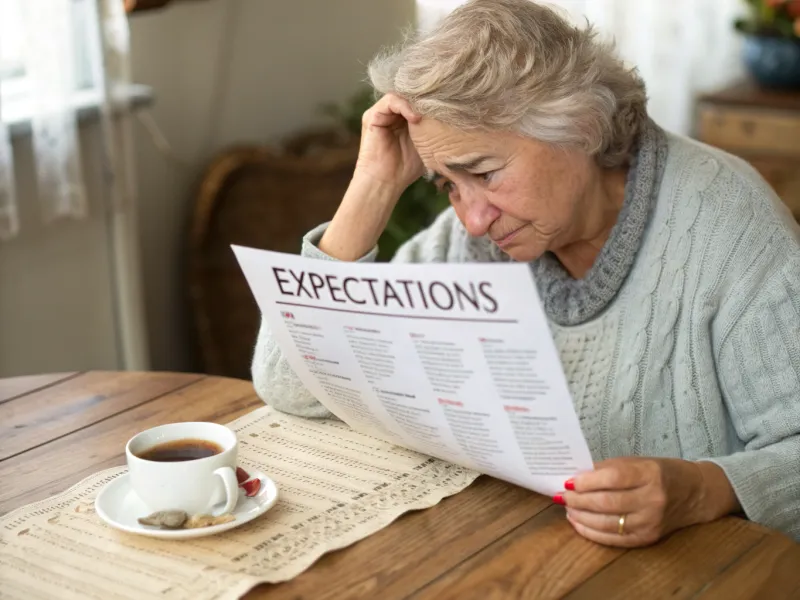
Feeling overwhelmed by expectations is a sign of attachment, where love is overshadowed by obligation and pressure. True love fosters mutual understanding and respect, recognizing each partner’s individuality and needs.
La pressione dei combustibili di attacco, dove Le aspettative vengono percepite come un fardello piuttosto che come una responsabilità condivisa. Questa mentalità può creare tensione e diminuire la vostra capacità di coltivare la relazione, poiché vi sentite intrappolati dagli obblighi.
Reflect on the reasons behind your sense of overwhelm, exploring underlying fears and insecurities that may drive this behavior. Communicate with your partner about creating a balanced dynamic that honors both partners’ needs.
By fostering a relationship that values mutual understanding and respect, you’ll cultivate a love that thrives on authenticity and shared vision, creating a shared journey that’s both fulfilling and empowering.
28. Evitare la vulnerabilità emotiva

Evitare la vulnerabilità emotiva è un segno di attaccamento, in cui l'amore è oscurato dalla paura del rifiuto e del giudizio. Il vero amore abbraccia la vulnerabilità, riconoscendo il suo ruolo nella costruzione della fiducia e del legame.
L'attaccamento alimenta l'evitamento, dove la vulnerabilità viene percepita come un rischio piuttosto che come un'opportunità di crescita. Questa mentalità può creare tensioni e ostacolare lo sviluppo di una connessione autentica, poiché si reprimono le proprie emozioni.
Riflettere sulle ragioni che stanno alla base dell'evitamento, esplorando le paure e le insicurezze sottostanti che possono guidare questo comportamento. Comunicare con il partner i propri sentimenti, cercando soluzioni che favoriscano la fiducia e la comprensione.
By embracing vulnerability and fostering open communication, you’ll cultivate a relationship where love thrives on authenticity and courage, creating a shared journey that’s both fulfilling and empowering.
29. Feeling Like You’re Settling

Feeling like you’re settling is a sign of attachment, where love is overshadowed by fear of change and uncertainty. True love inspires growth and fulfillment, recognizing each partner’s potential and dreams.
L'attaccamento alimenta l'autocompiacimento, dove La scelta di accontentarsi sembra una scelta sicura piuttosto che una scelta appagante. Questa mentalità può creare tensioni e diminuire la capacità di coltivare la relazione, in quanto si reprimono le proprie aspirazioni.
Riflettete sulle ragioni che stanno alla base del vostro senso di accontentamento, esplorando le paure e le insicurezze sottostanti che possono guidare questo comportamento. Comunicate con il vostro partner i vostri sogni e le vostre aspirazioni, cercando soluzioni che favoriscano la crescita e la realizzazione.
By fostering a relationship that values growth and fulfillment, you’ll cultivate a love that thrives on mutual support and shared vision, creating a shared journey that’s both fulfilling and empowering.
30. Usare il silenzio come arma

Usare il silenzio come un'arma è un segno di attaccamento, in cui l'amore viene oscurato dal controllo e dal risentimento. Il vero amore abbraccia la comunicazione, riconoscendone il ruolo nella risoluzione dei conflitti e nella creazione di legami.
L'attaccamento alimenta il silenzio, dove il rifiuto della comunicazione viene percepito come una forma di potere piuttosto che come uno strumento di crescita. Questa mentalità può creare tensioni e ostacolare lo sviluppo di una connessione autentica, poiché si reprimono le proprie emozioni.
Riflettere sulle ragioni che stanno alla base dell'uso del silenzio, esplorando le paure e le insicurezze sottostanti che possono spingere a questo comportamento. Comunicare con il partner i propri sentimenti, cercando soluzioni che favoriscano la fiducia e la comprensione.
By embracing communication and fostering open dialogue, you’ll cultivate a relationship where love thrives on authenticity and courage, creating a shared journey that’s both fulfilling and empowering.
31. Sentimento di incapacità di lasciar andare

La sensazione di non riuscire a lasciar andare è un segno di attaccamento, in cui l'amore è oscurato dalla paura della perdita e del cambiamento. Il vero amore abbraccia sia l'attaccamento che il lasciar andare, riconoscendo il suo ruolo nel nutrire la salute individuale e relazionale.
L'attaccamento alimenta l'aggrapparsi, dove lasciarsi andare sembra un tradimento o un segno di debolezza. Questa mentalità può creare tensioni e diminuire la capacità di nutrire la relazione, poiché si reprimono i propri bisogni.
Reflect on the importance of letting go, recognizing its role in sustaining both personal and relational health. Communicate with your partner about your needs, seeking solutions that honor both partners’ perspectives.
By fostering a relationship that respects both holding on and letting go, you’ll cultivate a love that thrives on mutual support and understanding, creating a shared journey that’s both fulfilling and empowering.
32. Controlling Daily Activities
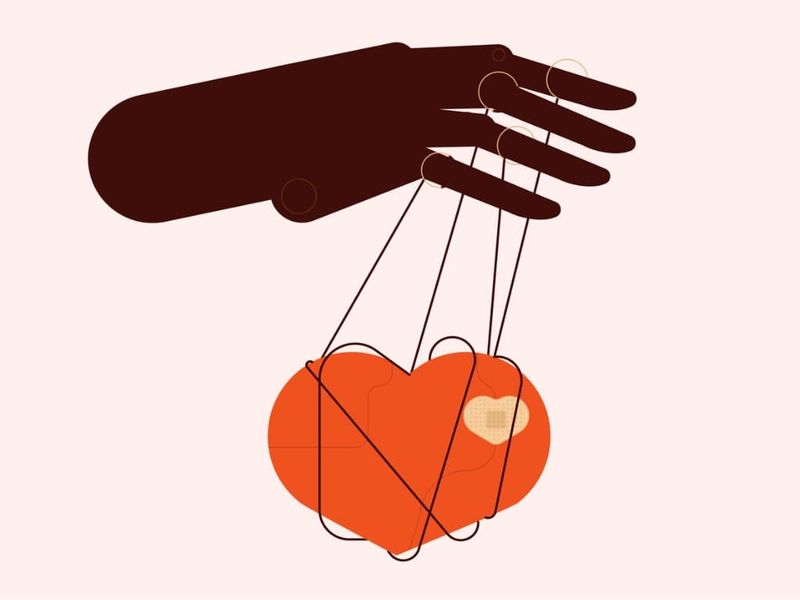
Imagine eagerly watching the clock, waiting for a partner’s every move. This behavior highlights a yearning to control, rather than a desire to nurture love.
If planning or knowing every detail of their day is a priority, it may suggest an unhealthy attachment.
Love encourages independence, while attachment may foster dependency. This dependency can manifest in subtle ways, such as needing constant updates or wherever they are.
The line between care and control is thin, but crucial. Recognizing this distinction can lead to a more balanced and fulfilling relationship.
33. Feeling Insecure Without Constant Communication

In today’s connected world, communication is key, yet it shouldn’t become a crutch.
If you find yourself feeling uneasy without a constant stream of messages from your partner, it could be attachment.
True love allows for distance without distress, fostering trust and personal growth. However, attachment thrives on insecurity and the need for reassurance at all times.
Balancing communication with independence is vital. This balance can help you discern if your need to constantly connect is borne out of love or fear of loss.