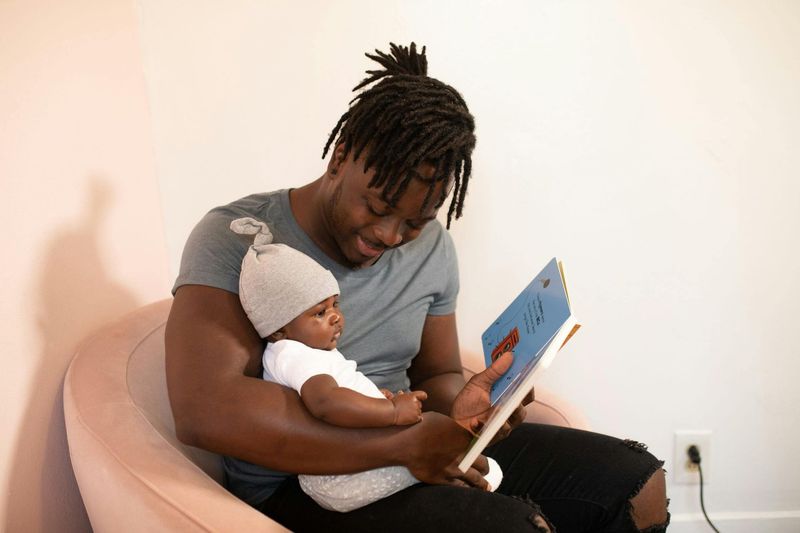
You Can’t Call Yourself a Good Father If You Keep Breaking Their Mother
Some men will coach their child’s soccer team on Saturday morning and reduce their child’s mother to tears by Saturday night. The disconnect is real, and it lives quietly inside thousands of homes that look perfectly fine from the outside. This article is about that gap: the space between a father’s self-image and the fear he creates around the people his children love most. If something here feels familiar, you are not imagining it.
Good fatherhood cannot be separated from the safety of the home
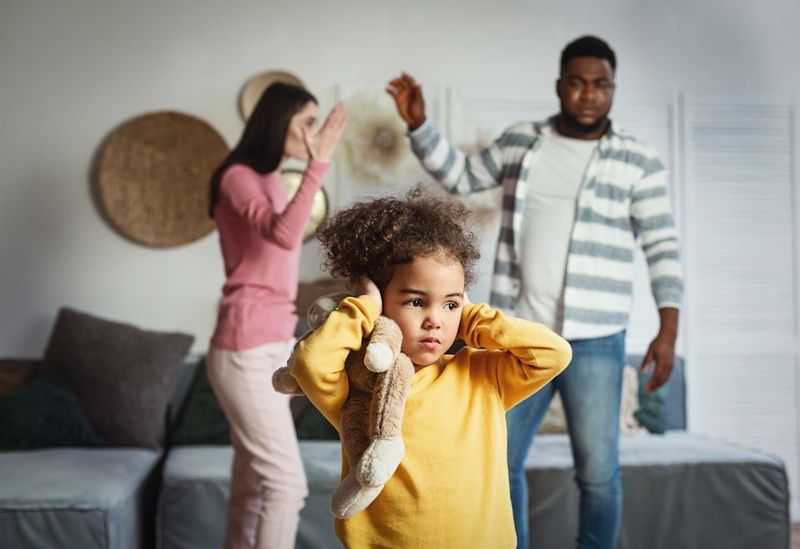
Fatherhood is not only the moments a man chooses to be present. It is also the environment he builds around his children every single day, including the hours when he is not actively playing with them or reading them a story. When a father repeatedly uses fear, intimidation, humiliation, or control to manage his household, the warmth he shows his children in selected moments cannot undo the atmosphere those children are living inside.
This article is not about a couple who had a terrible argument, or a father who lost his temper once and genuinely worked to repair the damage. The CDC defines intimate partner violence as a pattern of abuse or aggression in a romantic relationship that can include physical violence, sexual violence, stalking, and psychological aggression intended to harm or control a partner. That word “pattern” matters. A pattern is not a bad night.
It is a way of operating that the people around you learn to brace for.
Calling something a moral judgment rather than a clinical diagnosis or a custody ruling is honest. No article can tell you what a court will decide, what a therapist will conclude, or what a man’s full character consists of across every dimension of his life. What can be said clearly is this: a father who repeatedly creates fear, instability, or humiliation in his home is not meeting the standard of good fatherhood, regardless of how much he insists he loves his children.
Love and harm can exist in the same person at the same time. A man can feel genuine affection for his children and still be making their world less safe. Acknowledging that is not an attack on fathers broadly. U.S.
Department of Justice guidance on children and violence is clear that a child’s wellbeing is closely tied to the safety of the home and the wellbeing of protective caregivers. That connection makes the conditions a father creates as morally significant as any individual act of care he performs.
“Breaking their mother” includes the fear no bruise can prove
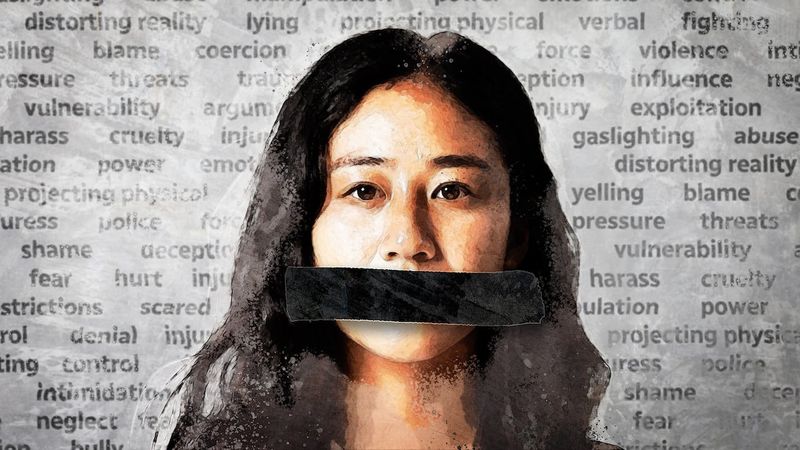
When people picture abuse, they often picture something visible: a mark, a hospital visit, a police report. But a woman can be quietly dismantled by a partner who has never once left a bruise. The CDC’s framework for intimate partner violence explicitly includes psychological aggression intended to harm a partner emotionally or to exert control, and that category covers an enormous amount of daily damage.
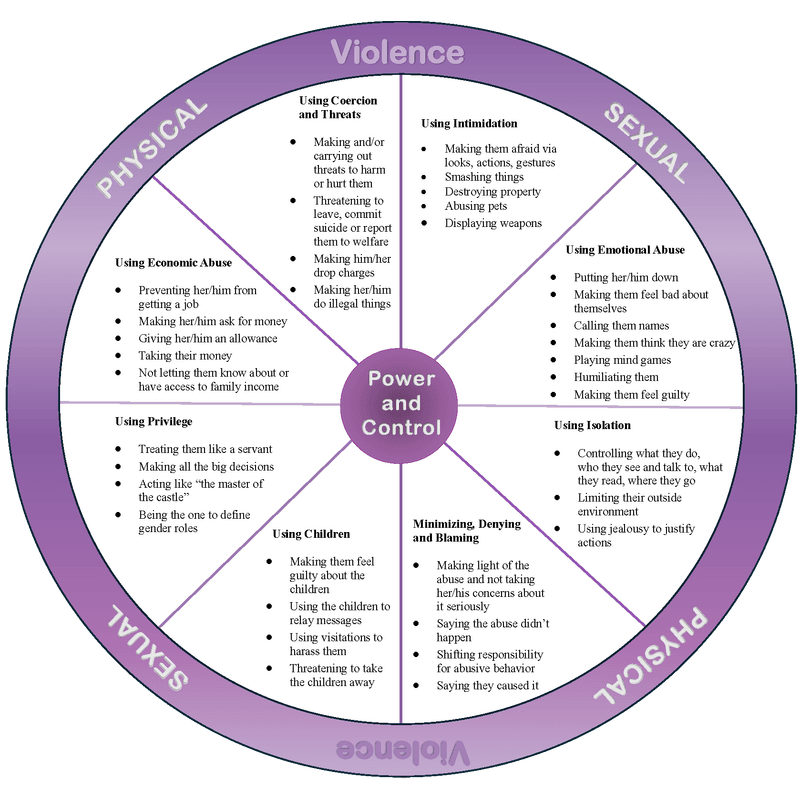
Think about what coercive control looks like on an ordinary Tuesday. It looks like handing over your phone for inspection because refusing starts a fight that isn’t worth having. It looks like calling a friend and keeping your voice low because certain friendships have been declared a problem. CDC’s National Intimate Partner and Sexual Violence Survey framework describes coercive control as behaviors intended to monitor, control, or threaten a partner, including cutting off contact with family or friends and tracking movements.
When those behaviors become the background noise of a relationship, a woman can spend years editing herself into someone smaller just to keep the peace.
The World Health Organization’s research on intimate partner violence identifies additional controlling tactics that rarely make headlines: belittling in private and in public, threats directed at people or things she cares about, restricting access to money, blocking employment or education, and monitoring her daily movements. None of these require a raised fist to cause lasting harm.
The difference between ordinary conflict and coercive control is not the volume of an argument. It is whether one person consistently uses fear, restriction, and punishment to keep the other person in line. Two people can disagree sharply, say things they regret, and still be operating as equals who repair and move forward. Coercive control is a different structure entirely: one person holds the power, and the other person learns to manage their behavior around that power to stay safe.
That is the pattern this article addresses, and that pattern has real consequences for every person living inside it.
Children can be affected by abuse even when they are not physically assaulted
A door between a child and a frightening scene does not protect that child the way a parent might hope. Children hear tone before they understand words. They notice that the house gets quiet in a particular way before something bad happens. They see their mother flinch, watch her choose her words carefully, observe her apologizing for things that do not seem to require an apology.
The WHO reports that children exposed to violence between caregivers may face increased risks of anxiety, depression, post-traumatic stress, developmental difficulties, educational problems, and harmful coping behaviors. These are elevated risks, not guaranteed outcomes, and that distinction matters.
Children can also become tools in an abusive dynamic without anyone explaining that to them. A father who uses the children to relay messages, monitor the mother’s activities, or create loyalty conflicts is pulling them into a pattern they are not equipped to navigate. WHO indicator guidance on child maltreatment states that children may know about and be affected by partner violence even when they do not directly witness it. Awareness, not just physical presence, shapes what children carry.
A child does not need to see the worst moment to be shaped by the overall climate of that home. Disrupted routines, a mother who is exhausted and afraid, a household where everyone walks carefully around one person’s mood: these things register. A peer-reviewed study on coercive control and child adjustment found that coercive control in families experiencing physical intimate partner violence was associated with children’s internalizing and externalizing problems even after accounting for the frequency of physical violence, psychological abuse, and maternal education. The control itself, not only the visible incidents, was connected to how children were doing.
None of this means a child’s future is written by what they have witnessed. Outcomes vary significantly. Children can recover, grow, and build healthy relationships when they have access to safety, at least one stable and caring adult, predictable daily routines, and professional support when needed. The elevated risks are real; they are not a life sentence for children who get the help they need.
His bond with the children does not cancel what they witness in you

He shows up to the school play. He knows every player on his son’s favorite team. He makes pancakes on Sunday mornings and the kids genuinely light up when he walks in the room. These things can all be true.
And they do not erase what his children’s mother lives with when the audience is gone.
One of the most disorienting parts of this kind of relationship is that the man who frightens you is often the same man your children adore. That contrast can make you question your own perception. If he were truly harmful, wouldn’t they sense it? But children’s love for a parent is not a verdict on that parent’s behavior toward the other adults in the home.
A man can be genuinely warm with his children and genuinely dangerous to their mother, and both of those things can be happening at the same time.
The Department of Justice’s guidance on children and family violence makes the connection explicit: a child’s wellbeing is closely linked to the safety and wellbeing of the protective caregiver in that child’s life. When a mother is living in fear, managing her behavior around an unpredictable partner, or carrying the weight of chronic stress and trauma, her capacity to be fully present for her children is affected. That is not a character flaw. That is physics.
You cannot pour from a vessel that is being steadily drained.
WHO data on violence against women reflects that women bear a disproportionate global burden of intimate partner violence, though abuse can occur in same-sex relationships and men can also be victims. Keeping the household intact at any cost is not a standard of good parenting. Children do not need their parents to stay together. They need to feel safe, and they need their caregivers to be safe too.
Her distress is evidence of what violence costs—not proof that she failed as a mother

When children struggle, the question people ask first is almost always about the mother. Is she present enough? Is she consistent? Is she emotionally available?
Rarely does the same scrutiny land on the partner who has been creating the conditions she is trying to survive inside. That imbalance is not accidental, and it is not fair.
A systematic review of intimate partner violence and parenting found that IPV victimization is associated in some studies with reduced parenting consistency and more stress in the parent-child relationship, while also emphasizing that findings vary and that supportive interventions matter. Fear, trauma symptoms, depression, and chronic exhaustion do not make a woman a bad mother. They make her a person who has been harmed, trying to parent through that harm.
The distress you feel is not evidence of your failure. It is evidence of what this has cost you. Research on adverse consequences from IPV and parenting also shows that supportive parenting by the non-abusing caregiver can be protective for children, even in the presence of ongoing stress. You do not have to be perfect to matter enormously to your children.
Showing up, staying connected, and providing whatever stability you can access is meaningful work, even when it is happening under impossible conditions.
SAMHSA’s guidance on child trauma reinforces that children can recover and thrive with proper caregiving, stable routines, and professional support. Recovery is possible. That applies to children, and it applies to you. The Department of Justice’s Office on Violence Against Women explicitly warns against responses that place blame on the victim or focus primarily on changing the victim’s behavior.
The person responsible for abusive conduct is the person who chose it, not the person who has been surviving it.
Accountability looks like sustained safety, not apologies or a better performance
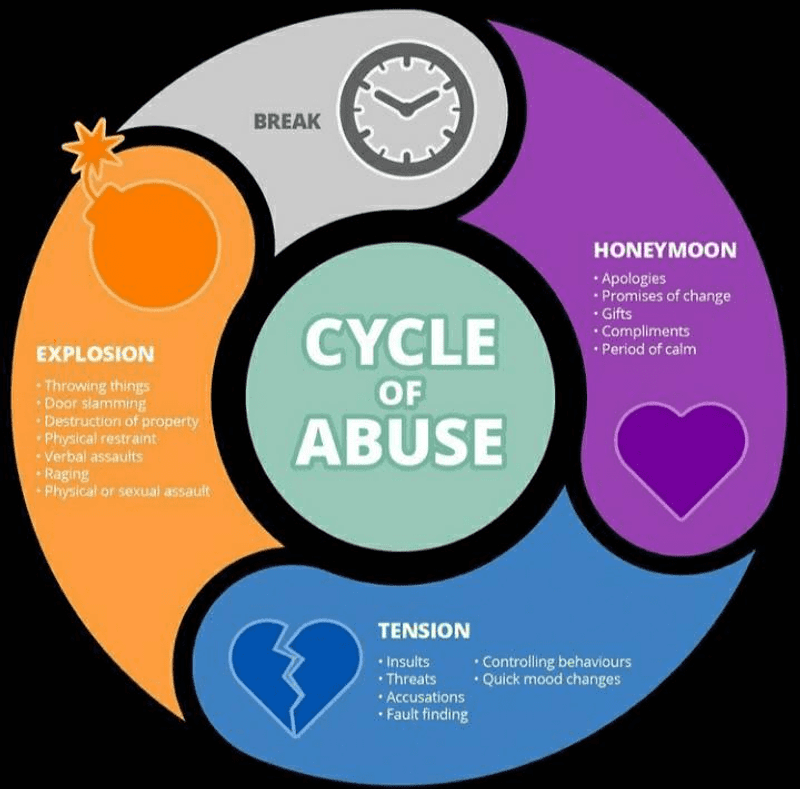
After a frightening incident, things often get better for a while. He is remorseful, attentive, even tender. He brings something home, promises it will not happen again, maybe stops drinking for a few weeks or commits to working on his anger. And part of you wants to believe it, because you love him, because the children need their father, because starting over feels impossible.
That pull is not weakness. It is a completely human response to pain and hope colliding.
But an apology is the beginning of accountability, not the proof of it. The National Domestic Violence Hotline’s guidance on blame-shifting and minimizing is clear that excuses, minimizing, and temporary remorse are not the same as genuine change. Change shows up in sustained behavior over time, in respect for your boundaries when it is inconvenient for him, in accountability that does not require your forgiveness on a deadline.
Alcohol, stress, a difficult childhood, or mental health struggles may coexist with abusive behavior and may intensify it, but none of them are its cause or its excuse. CDC guidance on IPV risk factors lists substance misuse and several relationship-level factors as associated risks without framing them as explanations that shift responsibility away from the person doing harm. A man who only controls himself when he is sober, or only when he feels respected, has not learned to control himself. He has learned which circumstances he uses as permission.
The Department of Justice’s Office on Violence Against Women specifically identifies routine couples counseling and joint victim-offender mediation as approaches that can compromise safety where coercive control or violence is present. Couples counseling is not designed for this situation. It assumes two people with equal power who need better communication tools. In a relationship defined by fear and control, disclosures made in a shared therapy session can become material for retaliation later.
Specialized batterer-intervention programs built around power, control, and victim safety are a different matter from anger management classes, which on their own are not an adequate response to domestic violence.
You do not have to choose a dangerous next step to protect your children
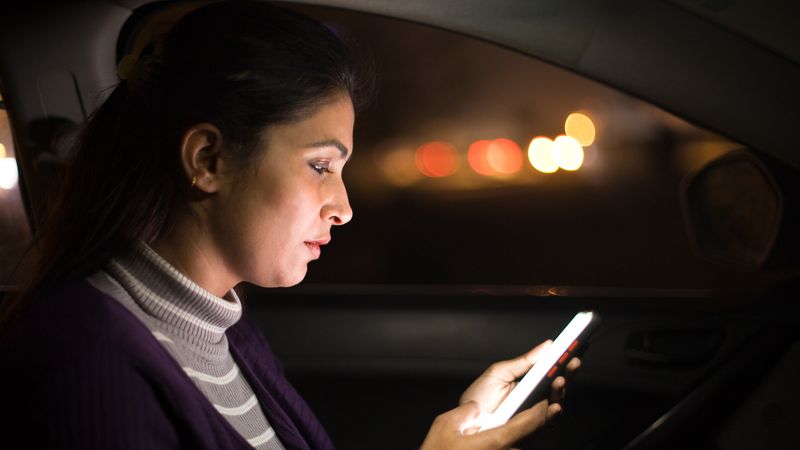
If you have read this far and recognized your own life in these pages, the question sitting in your chest right now is probably not whether the pattern is real. You already know it is real. The question is what you do next, and that is exactly where a single article has to stop giving instructions and start offering something more honest: there is no one right next step that is safe for every woman in every situation.
Leaving is not always the most dangerous moment, but it can be. The risks that accompany leaving depend on factors specific to your situation: whether he monitors your devices, whether there are weapons in the home, financial dependence, children’s schedules, immigration concerns, disability, and the nature of the threats that have been made. The National Domestic Violence Hotline’s safety planning guidance is built around exactly this kind of individual assessment, and it is available to you confidentially. If you are reading this on a shared device or a device he has access to, you can clear your browser history after.
The Hotline itself notes that internet use may be monitored, and advocates are trained to help you think through that too.
For your children, the Hotline’s guidance on supporting children through safety planning recommends age-appropriate conversations focused on one thing: how to get themselves safe. Children should not be asked to protect their mother, intervene physically, or carry the emotional weight of managing the situation. Their job is to be children. Giving them a simple, clear plan for what to do if something frightening happens is a gift, not a burden.
SAMHSA’s child trauma resources describe what children need to begin recovering: reassurance that the violence was not their fault, predictable daily routines, someone who listens without dismissing what they feel, and professional support when the weight is more than a child can carry alone. You can begin offering some of those things right now, wherever you are in your own process.
In the United States, the National Domestic Violence Hotline is available at 800-799-SAFE (7233), by text at START to 88788, and through live chat at thehotline.org. For immediate, life-threatening danger, call 911. Choosing safety is not destroying your family. The destruction was never yours to own.