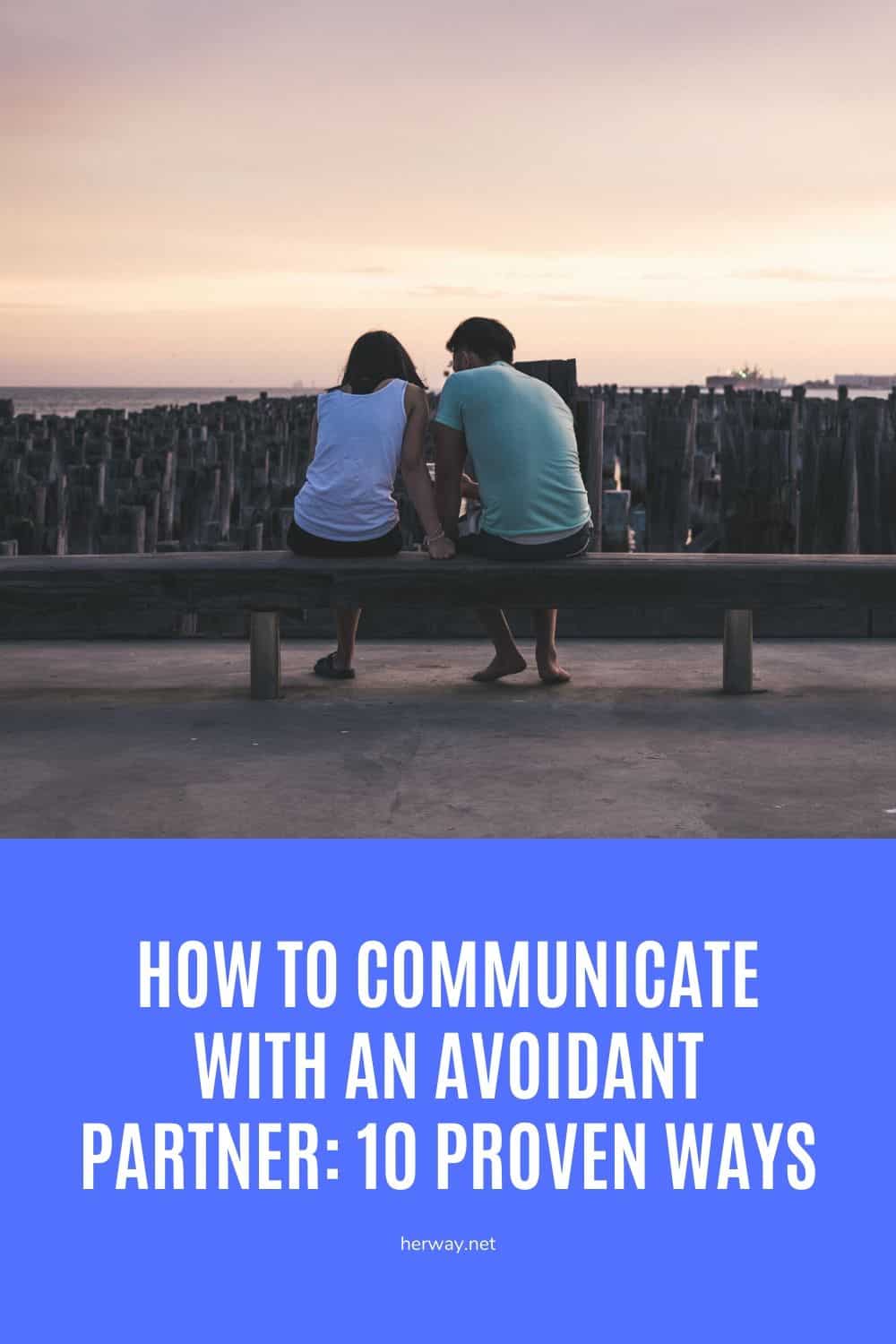
Como comunicar com um parceiro evitante: 10 formas comprovadas
Segundo a teoria da vinculação, existem três tipos básicos de estilos de vinculação numa relação: seguro, ansioso e evitante. Cada um deles afecta a relação entre duas pessoas.
Dependendo das nossas experiências passadas, sobretudo relações passadas e experiências de infância, todos nós criámos uma destas estilos de vinculação para nós próprios.
An avoidant attachment style is when a person wants to be close to someone but at the same time, they aren’t comfortable with being in a relationship and sharing certain things with the other person.
Têm opiniões negativas sobre si próprias e sobre as outras pessoas.
They think that one day, you’ll use their feelings and their secrets to hurt them; that’s why many people want to know how to communicate with an avoidant partner.
Numa relação saudável, ambos os parceiros devem aceitar o outro como ele realmente é, celebrar as suas diferenças e lidar com os seus problemas de forma saudável.
Dicas sobre como comunicar com um parceiro evitante
Establishing a healthy relationship and communication with an avoidant partner isn’t so difficult; you just have to calm your nervous system and be more patient.
Aqui está como comunicar com um parceiro evitante das formas mais eficientes e comprovadas.
Deixe-os vir ter consigo primeiro

Don’t chase after them. If you have had a fight or disagreement, don’t constantly call or text them. Don’t text them and they will text you. Your partner will probably need time to gather their thoughts before they’re ready to talk to you.
Let them come to you first. After some time, they’ll cool off and it’ll be easier for both of you to talk and solve your issues peacefully.
Uma pessoa com um estilo de vinculação evitante é medo da intimidade física. Se a pessoa decidiu dar esse passo consigo, tem de ter cuidado com ela depois disso.
If they seem distant or request some alone time afterward, don’t immediately start thinking about how something went wrong. They don’t want to break up, they just need time to process what happened.
You have to be aware that you need to go slowly with an avoidant person. Don’t compare them to your previous partners, nor your relationship with your past ones.
Reconhecer os seus limites

A person with an avoidant attachment style knows how important their boundaries and limits are to them and they try to respect other people’s boundaries.
They won’t be direct about the things they don’t like but as time goes by, you’ll be able to figure it out by yourself.
Then you have to find the right way to deal with it and respond to it. Having boundaries is good for every healthy relationship so you’ll also have to set some of your own.
Show that you’re reliable

Even in times when they request some time alone or some space, you have to respect it but you also have to show them that you’re there for them.
Tell them that you’ll be there if they decide to talk to you. Tell them that no matter what happens, you believe in your strong bond and that you’ll fight it together.
Se lhes prometeu algo, tem de cumprir a sua palavra. Se lhe disseram algo em confidência e lhe juraram segredo, não o deve repetir a mais ninguém.
They must know that they can trust you. If you have had a fearful-avoidant open up to you, trust me, you’ve already achieved great success. Becoming emotionally close to someone is their biggest fear.
Don’t avoid disagreements

You have different opinions and perspectives over some things and it’s perfectly normal that you’ll come into conflict.
However, don’t avoid it. It’ll be good for you. Your partner might unintentionally open up to you in those moments and that’ll be a great way for you to understand how they feel and think about you.
If you both run away from conflict, your partner will continue to bottle up their emotions and it’s only a matter of time before those emotions boil over, which would significantly change your relationship for sure.
Falem dos vossos interesses comuns

Encontre alguns pontos em comum, alguns interesses comuns, e fale sobre eles. Isto é especialmente importante para aqueles que acabaram de iniciar a sua relação.
Maybe you can find some things that you both like, a common hobby or some TV shows that you both like, something you’ll both enjoy doing or talking about.
You’ll learn so much about each other from performing some activities together.
Afterward, talk about your new experience and how it made you feel. I’m sure it will improve your communication and create a deeper bond between you two.
Pergunte frequentemente ao seu parceiro como se sente

It’s very important to know how your partner feels, which is why you should talk about your emotions more often.
Don’t start that conversation only once you see some changes in your partner’s behavior, as it might be too late then.
Isto é especialmente importante porque sabemos como é difícil para uma pessoa com um estilo de vinculação evitante abrir-se connosco e falar sobre as suas emoções por si própria.
Your partner is shy when it comes to talking about their feelings and they’re also afraid that you might use their feelings to control them, which is why they think that the best thing is to keep it to themselves.
Envie-lhes uma mensagem a meio do dia a perguntar como estão ou como está a correr o dia.
It’s not just important for them to talk about their feelings for you; you have to talk about their issues at work, their problems with family and all the other things that bother them.
Additionally, you can’t only talk about their physical health, you must also ask them about their spiritual and saúde mental porque quando se trata de pessoas evitadoras, a saúde mental é igualmente importante.
Fale sobre os seus medos

We all have some fears but most people don’t like to talk about them because they don’t think others will understand.
Se o seu parceiro se sente à vontade para lhe falar dos seus medos, por mais estranhos ou engraçados que sejam, tem de mostrar compreensão.
Tell them that they are normal and that they’re probably not the only person with those fears. After all, if they bother them so much, there is always a way to work on them and overcome them.
Falar dos seus próprios defeitos e imperfeições

Show them that you aren’t ashamed to talk about your flaws and imperfections. Show them that you have embraced them and that you accept them as part of you.
Maybe it’ll help them to open up and talk about their flaws and maybe they’ll follow your example and also embrace their imperfections.
Falar amplamente sobre o futuro

If you think that you should have ‘the talk’, you shouldn’t ask them directly how they feel about taking the next step or about your future together.
Fale sobre o futuro em geral e pergunte-lhes quais são os seus planos para o futuro. Pergunte-lhes onde gostariam de viver, quando querem casar e quantos filhos querem ter.
From their answers, you’ll be able to understand whether your relationship has a future or not. If they mention you in their plans for the future, then they’re sure they want to spend their life with you.
No entanto, pode demorar algum tempo até que decidam dar o passo seguinte.
Ter paciência

With people who have an avoidant attachment style, it’s all about patience.
Primeiro, temos de aprender os seus hábitos, depois temos de reconhecer os seus limites e fronteiras e temos de encontrar alguns interesses comuns que possam fazer em conjunto.
É preciso provar-lhes que se ama verdadeiramente para que possam abrir-se a si.
It takes time to build a connection with a fearful-avoidant. If you have strong feelings for them and want to make your relationship work, you’ll have to be patient and take it one step at a time.
Como estabelecer uma ligação com um parceiro evitante
Uma pessoa evitante não é necessariamente um narcisista. Algumas pessoas usam o estilo evitante apenas como proteção para não serem magoadas pela pessoa que amam.
It’s possible to connect with an avoidant person and it’s actually pretty simple to do; you just have to be full of understanding and patience.
Também tens de aprender um pouco mais sobre o estilo de vinculação evitante. Estas são algumas das melhores formas de estabelecer uma ligação com o seu parceiro evitante.
Don’t invade their personal space

A primeira coisa que tem de fazer é aceitar o facto de o seu parceiro ser um distanciador. Then, if you really love them, you’ll have to accept it and try to find the best way to deal with it.
If you don’t think that you can accept it and feel the need that you have to change them somehow, then my advice for you is to admit it to them and end things with them while it’s still not too late.
People with an avoidant attachment pattern consider themselves independent even when they’re in a relationship. If they ask you for some space, don’t hesitate to give it them.
Let’s be honest, we all need some personal space in a relationship and only because we have different interests. It’ll also help to keep the peace between you two in your relationship.
Dar-lhes o tempo de que necessitam

If we have different interests and need some personal space when we’re in a romantic relationship, then we also need some alone time.
By respecting their need to be alone for some time, you’re showing them that you understand and accept them for who they are.
It’s difficult for a fearful-avoidant to maintain a relationship. They want to be close to someone but at the same time, they worry that they might get hurt so they try to protect themselves.
Estar numa relação é difícil para eles, por muito que o queiram, e tentam esconder isso. Têm emoções contraditórias e, por vezes, é muito complicado.
That’s why they need some time for themselves. They want to think about their relationship and their partner and they want to organize their thoughts and emotions.
Don’t pressure them

Don’t pressure them into something they don’t want to do. Don’t try to make them do anything because you won’t get the answer you hoped for.
Pressuring them will only make things worse. Avoidantly attached partners like to feel independent and that’s why they don’t like to be told what to do.
Mostrar compreensão do seu estilo de vinculação

Todos nós temos estilos de vinculação diferentes e a única coisa que podemos fazer é aceitar o nosso partner’s attachment style.
Escolheste-os, apaixonaste-te por eles sozinho e agora tens de os aceitar como são. Eles aceitaram-no, por isso, porque é que há-de tentar mudá-los?
You have to show interest and respect for their own needs. I know that sometimes you aren’t okay with their avoidant behavior but you have to find a way to accept it and find the best way to deal with it in healthy ways.
Prove that you’re trustworthy

Nunca, mas mesmo NUNCA, diga a outra pessoa algo que ela lhe tenha dito em confidência; isso é algo que um desdenhoso-evitador doesn’t forgive.
Mostre-lhes que podem contar consigo sempre que precisarem de si. Show them that they can count on you because you’ll always be there for them.
Have respect for their needs and wants. If they request some alone time or some space for themselves, don’t make a scene and let them have it; it’s just how they need to unwind.
The more you prove that you respect their attachment needs, the closer you’ll get to them and they’ll be able to trust you and open up to you.
Ouvir mais do que falar

It’s okay to open up to your partner and tell them how you feel and it’s okay to talk about your own needs, thoughts and feelings.
No entanto, se quer realmente estabelecer uma ligação com um parceiro evitante, tem de o ouvir mais e falar menos.
You have to show them that you are really trying to understand their avoidant behavior and that’s why you listen to them so carefully.
Faça com que se abram para si. Mostre-lhes que podem confiar em si para tudo. Tente falar com ele sobre as suas relações passadas ou a sua infância.
Se descobrirmos porque é que criaram esse estilo de vinculação ou quem são os seus figura de anexo era, it’ll be easier for you to find a way to cope with their estilo de fixação.
Ir a aconselhamento de casais, se necessário

If you can’t deal with your problems by yourselves, then I suggest couples therapy as it’s the only way you’ll be able to handle your partner’s avoidant attachment style.
The professionals at couples counseling will tell you how to get your relationship back on track and how to connect and communicate more effectively and they’ll also explain everything about attachment theory.
It’s truly worth a shot. Besides, if it doesn’t help you, it can’t make things worse for you.
É muito mais fácil lidar com um estilo de vinculação seguro do que com um estilo de vinculação evitante. Estas pessoas sentem-se confortáveis em estar muito próximas de alguém e numa relação íntima com alguém.
No entanto, os evitadores atraem sobretudo pessoas com estilos de vinculação ansiosos.
They suit them best because anxious people lack self-confidence and they think they aren’t good enough; that’s why they would do whatever it takes just to keep being in the relationship.

Avoidant people play a little hard to get and that’s why they more often end up with anxious partners. They chase them, which pleases their ego.
Avoidant people didn’t escolhem ser assim por si próprios, e é por isso que temos de mostrar a nossa compaixão e compreensão.
O facto é que todos os casais têm de passar por momentos difíceis e a sua relação com um evitante-medroso irá certamente passar por alguns momentos difíceis, mas o facto é que when you truly love someone, you can’t just run away when things become ugly; you have to stay, fight for your relationship and nurture it more than ever.
Esperamos que estas dicas sobre como comunicar com um parceiro evitante o tenham ajudado.
It’s hard to maintain a relationship with an avoidant person but trust me, it’s all worth it. When an avoidant falls in love, it’s truly for the rest of their life.