
35 Most Common Reasons Kids Grow Up Resenting Their Parents
So, we’ve all had moments when our parents just didn’t “get” us, right? Growing up, we often put our folks on pedestals, but as adults, some of us start noticing those little quirks—perhaps even mistakes—that weren’t so obvious before.
La crianza nos convierte en los seres humanos que somos hoy y a menudo puede hacer que los hijos sientan resentimiento hacia sus padres cuando crecen y empiezan a vivir de forma independiente.
These are the most common mistakes parents make because of which children can’t stand them as adults:
1. Control prepotente

Remember that feeling when your folks seemed to hover over every decision you tried to make, like they were controlling your life? Yeah, that’s a common complaint. In their quest to ensure you didn’t make mistakes, sometimes they forgot to let you actually live! It’s like, how can anyone learn if they never get the chance to try and maybe fail?
Of course, they likely meant well, wanting to shield you from the world’s harsh realities. But constantly being told what you can and cannot do often leaves a lasting impact. As kids grow up, they might find themselves resenting this lack of freedom.
Maybe it’s the gentle nudges that felt like constant shoves or the never-ending questions that felt more like interrogations. Over time, these controlling actions can feel like chains, even if they were forged with love. Many grow up wishing their parents had trusted them a bit more.
2. Expectativas poco realistas
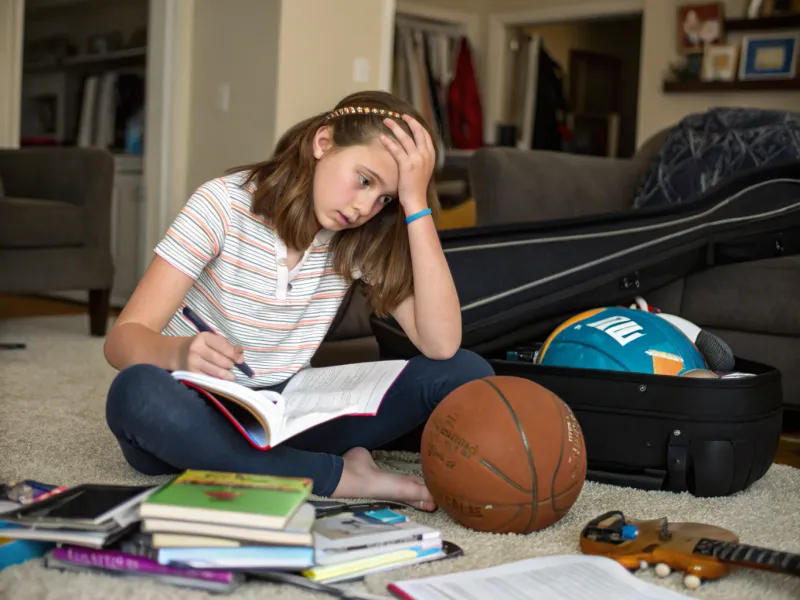
Did you ever feel like your parents had a checklist for your life that only they knew about? It’s like they were constantly ticking boxes, and you were the one running to catch up. This often stems from parents wanting their children to achieve greatness, but sometimes it can feel like a bit too much.
La presión para sobresalir en los estudios, los deportes y las actividades extraescolares puede haber sido bienintencionada. Sin embargo, para algunos, se traduce en una infancia dedicada más a cumplir las expectativas que a descubrirse a sí mismos. La presión constante puede pasar factura y, con el tiempo, convertirse en resentimiento.
Parents might not realize how overwhelming it is to live up to such high standards. The innocent dreams of kids can get buried under the weight of these ambitions, leading to a feeling of unfulfilled personal growth. It’s tough when the bar always feels just out of reach.
3. Falta de apoyo emocional

Ever felt like you were talking to a wall when trying to express your feelings? Emotional support is crucial, yet some parents struggle to provide it. It’s not always about the big talks, but being there for the little moments that matter.
When parents dismiss emotions or fail to acknowledge them, kids might feel neglected or invalidated. This lack of support can create a chasm that grows with time, leading to resentment. It’s as if every unacknowledged feeling builds a wall between them.
Todo el mundo necesita a alguien en quien apoyarse, y cuando los padres no cumplen esta función, puede resultar doloroso. La ausencia emocional puede hacer que los niños se sientan infravalorados, creando un vacío que perdura hasta la edad adulta. Este vacío puede convertirse en una fuente de frustración, sobre todo cuando se necesita apoyo emocional y no se encuentra.
4. Comparaciones con hermanos u otras personas

Ever felt like you were in a constant competition with your siblings or even the neighbor’s kid? It’s tough when parents unintentionally pit you against others in their quest for motivation.
This constant comparison can feel like a shadow that you can’t shake off. It might seem like a harmless push towards achieving more, but over time, it can erode self-esteem and breed resentment. When kids feel like they can never measure up, it’s a heavy burden to carry.
Imagine always being reminded of someone else’s successes rather than being celebrated for your own achievements. It’s a struggle when your unique qualities go unnoticed, and overshadowed by someone else’s benchmark. This can leave a lasting impact, fostering feelings of inadequacy.
5. Falta de tiempo de calidad
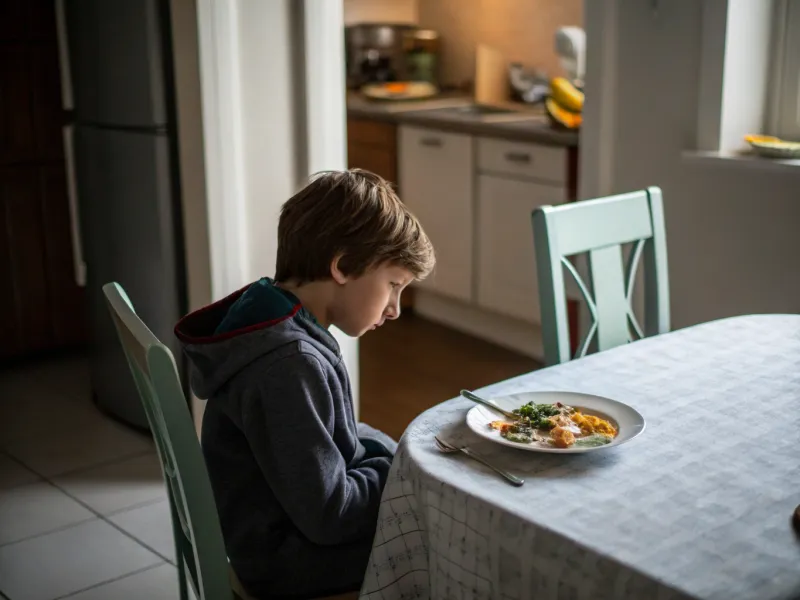
Remember those days when you just wanted some one-on-one time, but your parents were always too busy? Quality time is a gift that sometimes gets lost amidst life’s hustle and bustle.
When parents aren’t around for those small yet significant moments, it can feel like they’re missing out on your life. This absence can lead to feelings of neglect, even if unintentional. The lack of shared experiences can create a distance that’s hard to bridge later.
It’s not just about being present, but being engaged and interested in each other’s lives. Without this connection, kids might grow up feeling like they missed out on a key relationship, leading to feelings of resentment. Those missed conversations and shared laughs matter more than parents might realize.
6. Exceso de énfasis en los logros

Ever felt like your worth was measured by your report card or trophies? The emphasis on achievement can sometimes overshadow everything else. While accomplishments are important, they shouldn’t define who you are entirely.
Cuando los padres se centran demasiado en los resultados, pueden tener la sensación de que sólo se les valora por sus éxitos. Esta presión suele provocar estrés y ansiedad, haciendo que los niños se pierdan la alegría de aprender y explorar.
It’s important for kids to feel appreciated for who they are, not just what they achieve. This balance is essential, and when it’s missing, it can turn into resentment. Everyone wants to be seen and loved for their true selves, beyond the accolades and awards.
7. Reglas y disciplina incoherentes

One minute you’re told one thing, and the next it’s something completely different—sound familiar? Inconsistent rules can leave kids feeling confused and frustrated. It’s like trying to navigate a moving maze.
Consistency is key in teaching kids right from wrong. When rules change frequently or depend on a parent’s mood, it can create an unstable environment. Over time, this inconsistency can lead to resentment, as children struggle to understand expectations.
Kids thrive on routine and clear boundaries. Without them, it can feel chaotic and unsettling, leading to a lack of trust in parental guidance. This can foster an environment where resentment grows, as children feel they can never quite grasp what’s expected of them.
8. Falta de voluntad para disculparse

Ever wished your parents would just say those three little words: “I am sorry”? Admitting mistakes is hard, even for parents. But when they refuse to apologize, it can leave kids feeling undervalued.
Parents are human too, and they make mistakes like everyone else. Acknowledging these errors shows humility and respect for the child’s feelings. When apologies don’t come, it can foster a sense of injustice and hurt.
Kids remember these moments, and the lack of acknowledgment can build resentment over time. It’s essential for parents to model that it’s okay to make mistakes and more importantly, to own up to them. This can help mend small rifts before they grow into larger issues.
9. 9. Falta de intimidad

¿Alguna vez has sentido que tu espacio personal era sólo una sugerencia, no un derecho? La falta de intimidad es una queja frecuente entre los niños. Puede que los padres tengan buenas intenciones, pero las intromisiones constantes pueden resultar asfixiantes.
Privacy is essential for personal growth and independence. When parents don’t respect this, it can lead to feelings of mistrust. Kids start to feel like they have to hide parts of themselves just to maintain some semblance of personal space.
Over time, this lack of privacy can lead to resentment. It’s crucial for parents to understand the importance of giving kids room to breathe and develop their own identity. A little trust goes a long way in building a healthy parent-child relationship.
10. Sobreprotección
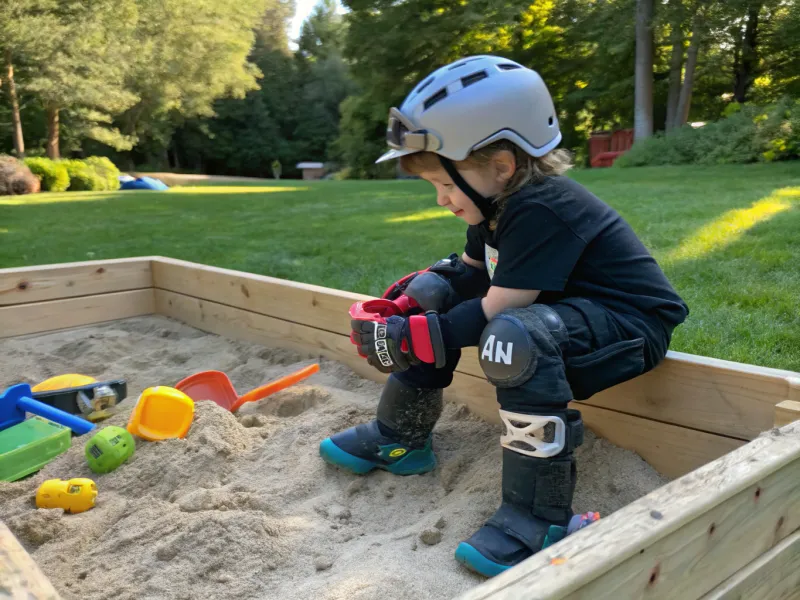
¿Alguna vez tus padres te envolvieron en un metafórico plástico de burbujas? La sobreprotección suele ser un signo de amor, pero puede resultar asfixiante. Un exceso de protección puede impedir que los niños experimenten la vida plenamente.
While it’s natural for parents to worry, there’s a fine line between protection and restriction. Kids need to learn from their own experiences, even if it means scraping a knee or two. When parents are too protective, it can lead to a lack of confidence and independence.
This constant sheltering can foster feelings of resentment. Kids might grow up feeling like they missed out on key experiences. It’s important to let them explore the world at their own pace, learning valuable lessons along the way. Resentment often stems from being shielded from the very things that help them grow.
11. Desestimación de intereses

Remember the excitement you felt discovering a new hobby, only to have it brushed aside by your parents? That dismissal can sting. When parents don’t show interest in their children’s passions, it can feel like rejection.
Whether it’s art, sports, or music, these interests help shape a child’s identity. When parents dismiss them, it can feel like they’re dismissing a part of who you are. It’s disheartening, and over time, it can create a rift.
Puede que los padres no se den cuenta del impacto de sus palabras o acciones. Un simple reconocimiento o estímulo puede marcar la diferencia. Cuando los niños sienten que se valoran sus intereses, aumenta su autoestima y se refuerza el vínculo entre padres e hijos. Sin este apoyo, el resentimiento puede crecer silenciosamente.
12. Promesas rotas
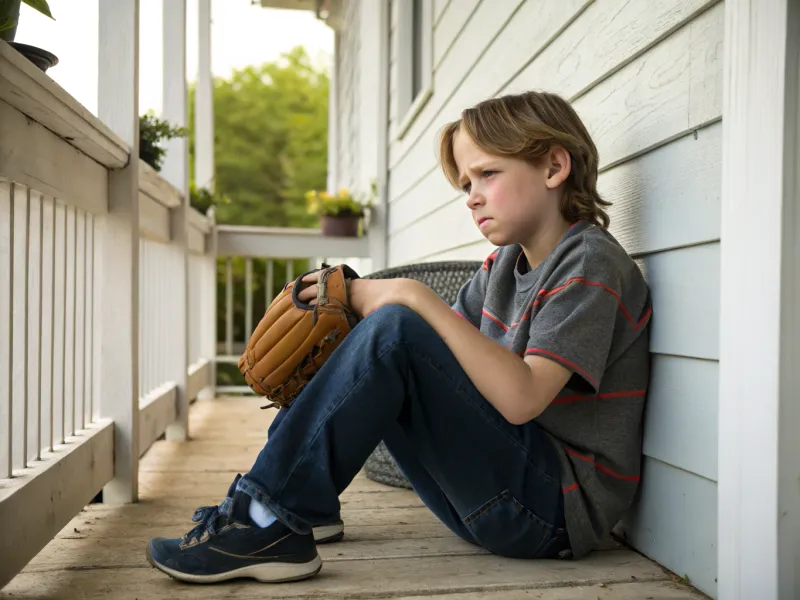
Ever been promised something and then left waiting in vain? Broken promises can leave a lasting impact. It’s like building up hope just to see it crumble. Parents might have the best intentions, but failing to follow through can lead to mistrust.
Kids hold onto promises tightly. They’re seen as commitments, and when they’re broken, it can feel like a personal betrayal. Over time, this can erode trust and lead to resentment.
It’s important for parents to be mindful of the promises they make. Keeping small commitments can have a big impact on a child’s sense of security and trust. When promises are consistently broken, it sends a message that the child’s feelings don’t matter, fostering resentment.
13. Descuidar la expresión personal

Ever felt like you couldn’t express who you truly are because of your parents? It’s tough when self-expression is stifled. Parents might have certain expectations or fears, but kids need the freedom to be themselves.
Whether it’s through clothing, hair, or hobbies, self-expression is a key part of personal identity. When parents suppress this, it can feel like they’re dismissing who you are. This lack of acceptance can lead to feelings of frustration and resentment.
Los niños quieren ser vistos y aceptados por lo que son, no por lo que sus padres quieren que sean. Permitir la autoexpresión fomenta la confianza y la individualidad. Cuando esto falta, puede crearse un abismo entre padres e hijos, que desemboque en resentimiento a medida que crecen.
14. Favoritismo

Ever felt like a sibling or another child was the favorite? Favoritism can be a hard pill to swallow. It’s natural for parents to connect differently with each child, but when it feels imbalanced, it can hurt.
Los niños son perceptivos y se dan cuenta de cuándo un hermano recibe más atención, elogios o afecto. Este favoritismo percibido puede provocar sentimientos de inadecuación y resentimiento. Con el tiempo, puede crear una división entre hermanos y padres.
Parents might not realize the impact of their actions. It’s important to ensure each child feels equally loved and valued. When favoritism is at play, it can strain family relationships, leading to lasting resentment as kids grow up.
15. Menosprecio o crítica

Ever felt like your parents only pointed out the negatives? Constant criticism can be demoralizing. Parents might think they’re helping by pointing out flaws, but for kids, it can feel like nothing is ever good enough.
El feedback constructivo es importante, pero necesita un equilibrio. Cuando la crítica eclipsa el elogio, puede minar la autoestima. Los niños necesitan saber que sus esfuerzos son reconocidos y apreciados.
Over time, this constant belittling can lead to resentment. It’s essential for parents to communicate with kindness and understanding. Everyone makes mistakes, and kids need to know they’re valued beyond their faults. When criticism becomes a dominant theme, it fosters a sense of inadequacy and resentment.
16. No escuchar ni comprender

¿Alguna vez ha tratado de compartir algo importante y se ha quedado con la boca abierta? No sentirse escuchado puede ser frustrante. Puede que los padres estén ocupados, pero los niños necesitan saber que su voz importa.
Listening is more than just hearing words; it’s about understanding and empathizing. When parents don’t actively listen, it can feel like they don’t care. This lack of connection can lead to feelings of isolation and resentment.
It’s crucial for kids to feel valued and understood. When parents make an effort to listen, it strengthens the bond and fosters trust. Without this, kids might grow up feeling unheard and unimportant, leading to resentment as they seek validation elsewhere.
17. Preparación inadecuada para la edad adulta

¿Te has sentido alguna vez en la cuerda floja al llegar a la edad adulta? Algunos padres se centran tanto en los logros académicos que se olvidan de preparar a sus hijos para los retos de la vida real.
Habilidades básicas como gestionar las finanzas, cocinar o incluso hacer la colada son esenciales. Sin estas lecciones de vida, la edad adulta puede resultar abrumadora. Los niños pueden estar resentidos con sus padres por no dotarles de habilidades prácticas.
Parents might underestimate the importance of teaching these skills. It’s not just about academics, but preparing kids for a balanced, independent life. When this preparation is lacking, it can lead to frustration and resentment as kids navigate adulthood unprepared.
18. Ignorar las necesidades de salud mental

Ever felt like your mental health concerns were brushed aside? Ignorar las necesidades de salud mental can have long-term effects. Parents might not always recognize the importance of addressing these issues.
La salud mental es tan importante como la física. Cuando los padres desatienden sus preocupaciones, los niños pueden sentirse invalidados. Con el tiempo, esta desatención puede generar resentimiento y dificultar el bienestar emocional.
It’s crucial for parents to be aware and supportive of mental health needs. Recognizing and addressing these issues can make a significant difference. When ignored, it not only affects the child’s current state but can lead to lingering resentment into adulthood.
19. Imponer sus sueños
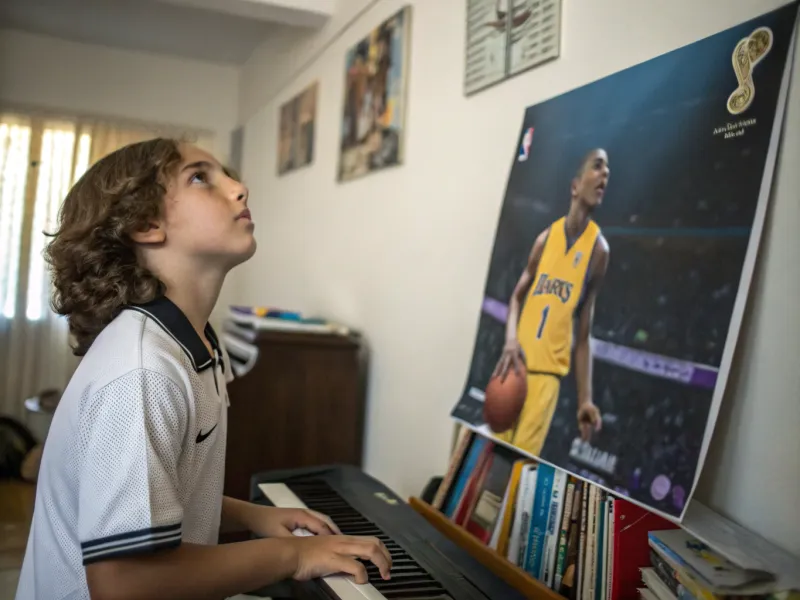
Ever felt like you were living someone else’s dream? Parents might have certain aspirations for their kids, but it’s important to let them forge their own path.
Imponer sueños puede parecer una pesada carga. Los niños pueden aceptarlo por respeto u obligación, pero esto puede generar sentimientos de resentimiento. Necesitan libertad para explorar sus propios intereses y pasiones.
Parents should encourage exploration rather than dictating a path. When kids feel pressured to fulfill their parents’ dreams, it can lead to frustration. It’s essential to support their journey, not dictate it, to ensure they grow into their true selves.
20. Enfasis excesivo en las tradiciones

Ever felt trapped by traditions you didn’t connect with? While traditions hold value, they shouldn’t overshadow personal beliefs and preferences. It’s vital to respect a child’s individuality.
Los padres pueden sentirse orgullosos de transmitir tradiciones, pero imponerlas puede generar resentimiento. Los niños necesitan espacio para abrazarlas o cuestionarlas, para encontrar su propio lugar dentro o fuera de estas costumbres.
El equilibrio entre tradición e individualidad es clave. Cuando las tradiciones se imponen sin cuestionarlas, pueden resultar asfixiantes. Los niños pueden crecer sintiéndose desconectados, fomentando el resentimiento hacia las expectativas culturales o familiares.
21. Hipocresía paterna

Ever caught your parents not practicing what they preach? Hypocrisy can be confusing and frustrating. Kids look up to their parents for guidance, and when actions don’t match words, it can erode trust.
Whether it’s about honesty, hard work, or kindness, consistency matters. When parents fail to model these values, it can create a sense of disappointment. Kids learn by example, and hypocrisy can send mixed messages.
Con el tiempo, esta incoherencia puede generar resentimiento. Los niños necesitan ver que lo que los padres dicen y hacen está en consonancia. Esto genera confianza y sienta unas bases sólidas para sus propios valores. Cuando esto falta, deja lugar a la confusión y la frustración.
22. Falta de estímulo

¿Alguna vez has sentido que tus esfuerzos pasaban desapercibidos? La falta de estímulo puede ser desalentadora. Los niños prosperan con el refuerzo positivo. Aumenta la confianza y la motivación.
Cuando los padres no reconocen los logros, puede parecer que nada es suficientemente bueno. Esta falta de apoyo puede provocar sentimientos de incapacidad y resentimiento. Los niños necesitan saber que se valora su esfuerzo.
Encouragement doesn’t have to be lavish. Simple words of support can make all the difference. It strengthens the bond and empowers kids to believe in themselves. Without it, they might grow up feeling undervalued and resentful.
23. 23. Control financiero

¿Alguna vez ha tenido la sensación de tener la cartera bajo llave? El control financiero puede resultar restrictivo. Incluso con las mejores intenciones, los padres pueden aferrarse con demasiada fuerza a las riendas financieras.
Financial independence is a crucial step towards adulthood. When parents exert too much control, it can hinder a child’s growth. This control can lead to resentment as kids struggle to manage their own finances.
Parents should guide rather than dictate financial decisions. It’s about teaching responsibility while allowing independence. When kids feel financially trapped, it can strain the parent-child relationship, leading to long-term resentment.
24. Actitud crítica

Ever felt like your choices were constantly under scrutiny? A judgmental attitude can be tough to handle. Parents might think they know best, but it’s important to respect their child’s individuality.
El juicio constante puede sentirse como un ataque a las elecciones personales. Puede provocar sentimientos de inadecuación y resentimiento. Los niños necesitan libertad para aprender de sus propias experiencias, incluidos los errores.
Los padres deben ofrecer orientación sin imponer juicios. Crear un espacio seguro para una conversación abierta fomenta la confianza y la comprensión. Sin esto, los niños pueden crecer sintiéndose incomprendidos y resentidos, buscando aceptación en otros lugares.
25. Falta de afecto

¿Alguna vez has sentido que un abrazo es un bien escaso? La falta de afecto puede hacer que los niños se sientan poco queridos. El afecto es una parte vital de la construcción de una relación fuerte y solidaria.
When parents don’t express love physically or verbally, it can create a sense of distance. Kids might feel like their emotional needs are unmet, leading to feelings of resentment.
Affection isn’t just about grand gestures; it’s about everyday expressions of love. A simple hug or kind word can strengthen bonds and provide reassurance. Without it, kids might grow up feeling isolated and disconnected.
26. Neglecting Child’s Opinions

Ever felt like your voice didn’t matter? Neglecting a child’s opinions can lead to feelings of insignificance. Kids need to feel their thoughts and perspectives are valued.
When parents dismiss or overlook their opinions, it can erode self-worth. It sends a message that their ideas don’t count, leading to frustration and resentment. Kids want to contribute and feel heard.
Encouraging open dialogue and valuing their input fosters confidence and mutual respect. It’s important for kids to know their opinions matter. Without this validation, they might grow up feeling undervalued and resentful.
27. Falta de coherencia en la crianza

¿Alguna vez has tenido la sensación de navegar por arenas movedizas con normas cambiantes? La falta de coherencia en la crianza puede ser confusa. Los niños se benefician de unos límites claros y coherentes.
Cuando los padres cambian las normas con frecuencia, se crea incertidumbre. Esta incoherencia puede provocar sentimientos de inseguridad y resentimiento. Los niños necesitan estabilidad para sentirse seguros y comprendidos.
Una crianza coherente fomenta la confianza y el respeto. Ayuda a los niños a entender las expectativas y las consecuencias. Sin ella, pueden crecer sintiéndose inseguros y frustrados, lo que les lleva al resentimiento y a buscar la estabilidad en otra parte.
28. Despreciar las amistades

Ever felt like your friends were judged too harshly? Parents might not always see the value in certain friendships, leading to conflicts. Friends play a critical role in a child’s social development.
When parents dismiss or disapprove of friendships without understanding, it can lead to resentment. Kids might feel their social choices are undermined, creating tension. It’s important for parents to respect their child’s social circles.
La comunicación abierta y la comprensión pueden salvar las distancias. Los padres deben intentar comprender en lugar de rechazar. Cuando los niños sienten que sus amistades son respetadas, se refuerza la confianza y se reduce el resentimiento. Sin esto, pueden crecer sintiéndose aislados e incomprendidos.
29. Reacción exagerada ante los errores

Ever accidentally messed up and faced a disproportionate response? Overreaction to mistakes can be overwhelming. Parents might think they’re teaching a lesson, but it can feel like a harsh critique.
Los errores forman parte del aprendizaje. Cuando los padres reaccionan de forma exagerada, pueden provocar miedo y ansiedad. Los niños pueden vacilar a la hora de probar cosas nuevas, preocupados por las consecuencias del fracaso.
It’s important for parents to respond with understanding and calmness. Encouraging kids to learn from mistakes fosters resilience and confidence. When overreactions become the norm, it can lead to resentment as kids feel unfairly criticized.
30. Falta de libertad para elegir

¿Alguna vez has sentido que las decisiones se toman por ti? La falta de libertad para elegir puede ser asfixiante. Puede que los padres crean que saben lo que hacen, pero los niños necesitan autonomía para tomar sus propias decisiones.
Whether it’s clothing, hobbies, or future plans, having a say in their own lives is crucial. When parents dictate choices, it can lead to feelings of frustration and resentment. Kids want to explore their own paths.
Permitir la libertad de elección fomenta la independencia y la confianza. Demuestra confianza y respeto por su individualidad. Sin ella, los niños pueden crecer sintiéndose controlados y resentidos, y buscar la libertad en otra parte.
31. Ignorar los límites personales

Ever had your private space invaded without warning? Ignoring personal boundaries can be frustrating. Parents might not always recognize the importance of respecting their child’s space.
Los límites personales son fundamentales para unas relaciones sanas. Cuando los padres no los respetan, pueden generar sentimientos de desconfianza y resentimiento. Los niños necesitan su propio espacio para crecer y sentirse seguros.
Respetar los límites personales fomenta la confianza y el respeto. Demuestra consideración por su autonomía e individualidad. Sin este respeto, los niños pueden crecer sintiéndose violados y resentidos, y buscar su intimidad en otra parte. Con el tiempo, esto puede tensar la relación entre padres e hijos.
32. Using Guilt as a Tool

Ever been reminded of all your parents did for you in moments when you were just trying to make your own choices? That’s the sting of guilt-tripping. Parents may not even realize they’re doing it—but phrases like “After everything I’ve done for you…” can weigh heavy.
It’s emotional leverage disguised as love. Instead of open communication, guilt becomes the go-to weapon for influence. Over time, it turns every disagreement into a burden rather than a discussion.
While gratitude is important, kids shouldn’t feel obligated to live their lives based on guilt. When love starts to feel like a debt, resentment isn’t far behind.
33. Refusing to Let Go in Adulthood

Even when you’re fully grown, some parents just can’t stop parenting. Offering advice is one thing, but constantly interfering in adult decisions? That’s a whole different story.
They might still call daily, give unsolicited opinions on your career or relationships, or even try to micromanage your life from a distance. What feels like care to them can feel like suffocation to you.
Resentment builds when parents don’t recognize the shift in roles as their children mature. Letting go doesn’t mean stepping back from love—it means stepping into respect. And without that space, even the strongest bonds can fray.
34. Ignoring Personal Boundaries

Ever had your private space invaded without warning? Ignoring personal boundaries can be frustrating. Parents might not always recognize the importance of respecting their child’s space.
Los límites personales son fundamentales para unas relaciones sanas. Cuando los padres no los respetan, pueden generar sentimientos de desconfianza y resentimiento. Los niños necesitan su propio espacio para crecer y sentirse seguros.
Respetar los límites personales fomenta la confianza y el respeto. Demuestra consideración por su autonomía e individualidad. Sin este respeto, los niños pueden crecer sintiéndose violados y resentidos, y buscar su intimidad en otra parte. Con el tiempo, esto puede tensar la relación entre padres e hijos.
35. Lack of Financial Transparency

Unraveling the mystery of family finances can be a daunting task. Many children grow up without understanding the financial decisions made by their parents. This lack of transparency often leads to misunderstandings. Imagine discovering hidden debts or secretive financial choices only when you’re older. Such revelations can breed mistrust.
They may feel blindsided, wondering why their parents didn’t trust them enough to share this vital information. Without open discussions about finances, kids may struggle to manage their own money effectively. Consequently, they might hold their parents accountable for not providing essential financial education.