

35 Most Common Reasons Kids Grow Up Resenting Their Parents
So, we’ve all had moments when our parents just didn’t “get” us, right? Growing up, we often put our folks on pedestals, but as adults, some of us start noticing those little quirks—perhaps even mistakes—that weren’t so obvious before.
I genitori ci trasformano negli esseri umani che siamo oggi e spesso possono far sì che i figli provino risentimento nei confronti dei genitori una volta cresciuti e iniziati a vivere in modo indipendente.
These are the most common mistakes parents make because of which children can’t stand them as adults:
1. Controllo prepotente

Remember that feeling when your folks seemed to hover over every decision you tried to make, like they were controlling your life? Yeah, that’s a common complaint. In their quest to ensure you didn’t make mistakes, sometimes they forgot to let you actually live! It’s like, how can anyone learn if they never get the chance to try and maybe fail?
Of course, they likely meant well, wanting to shield you from the world’s harsh realities. But constantly being told what you can and cannot do often leaves a lasting impact. As kids grow up, they might find themselves resenting this lack of freedom.
Maybe it’s the gentle nudges that felt like constant shoves or the never-ending questions that felt more like interrogations. Over time, these controlling actions can feel like chains, even if they were forged with love. Many grow up wishing their parents had trusted them a bit more.
2. Aspettative irrealistiche

Did you ever feel like your parents had a checklist for your life that only they knew about? It’s like they were constantly ticking boxes, and you were the one running to catch up. This often stems from parents wanting their children to achieve greatness, but sometimes it can feel like a bit too much.
La pressione per eccellere negli studi, negli sport e nelle attività extrascolastiche può essere stata ben intenzionata. Tuttavia, per alcuni si traduce in un'infanzia trascorsa più a soddisfare le aspettative che a scoprire se stessi. La pressione costante può avere un peso, trasformandosi nel tempo in risentimento.
Parents might not realize how overwhelming it is to live up to such high standards. The innocent dreams of kids can get buried under the weight of these ambitions, leading to a feeling of unfulfilled personal growth. It’s tough when the bar always feels just out of reach.
3. Mancanza di supporto emotivo

Ever felt like you were talking to a wall when trying to express your feelings? Emotional support is crucial, yet some parents struggle to provide it. It’s not always about the big talks, but being there for the little moments that matter.
When parents dismiss emotions or fail to acknowledge them, kids might feel neglected or invalidated. This lack of support can create a chasm that grows with time, leading to resentment. It’s as if every unacknowledged feeling builds a wall between them.
Tutti hanno bisogno di qualcuno a cui appoggiarsi e quando i genitori mancano questo ruolo, può essere doloroso. L'assenza emotiva può far sentire i figli sottovalutati, creando un vuoto che si protrae fino all'età adulta. Questo vuoto può diventare una fonte di frustrazione, soprattutto quando il sostegno emotivo è necessario ma non viene trovato.
4. Paragoni con fratelli e sorelle o altri

Ever felt like you were in a constant competition with your siblings or even the neighbor’s kid? It’s tough when parents unintentionally pit you against others in their quest for motivation.
This constant comparison can feel like a shadow that you can’t shake off. It might seem like a harmless push towards achieving more, but over time, it can erode self-esteem and breed resentment. When kids feel like they can never measure up, it’s a heavy burden to carry.
Imagine always being reminded of someone else’s successes rather than being celebrated for your own achievements. It’s a struggle when your unique qualities go unnoticed, and overshadowed by someone else’s benchmark. This can leave a lasting impact, fostering feelings of inadequacy.
5. Mancanza di tempo di qualità
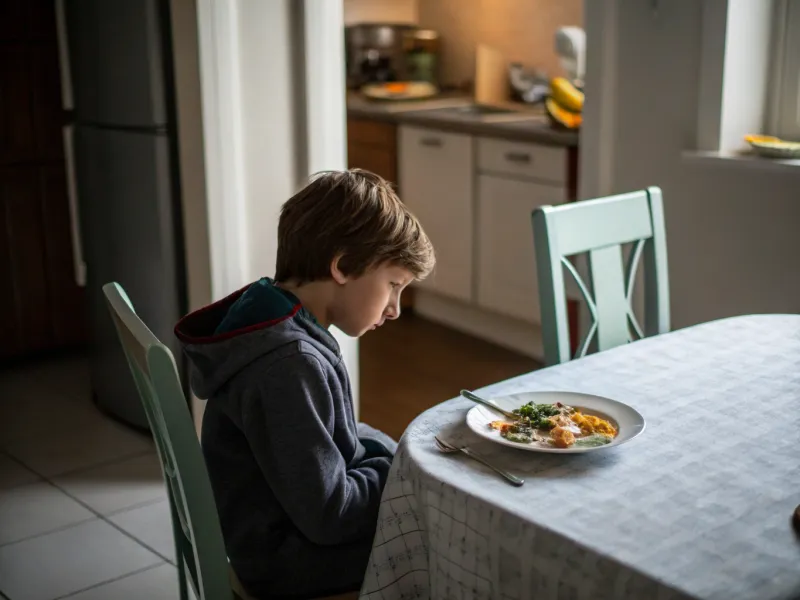
Remember those days when you just wanted some one-on-one time, but your parents were always too busy? Quality time is a gift that sometimes gets lost amidst life’s hustle and bustle.
When parents aren’t around for those small yet significant moments, it can feel like they’re missing out on your life. This absence can lead to feelings of neglect, even if unintentional. The lack of shared experiences can create a distance that’s hard to bridge later.
It’s not just about being present, but being engaged and interested in each other’s lives. Without this connection, kids might grow up feeling like they missed out on a key relationship, leading to feelings of resentment. Those missed conversations and shared laughs matter more than parents might realize.
6. Enfasi eccessiva sui risultati

Ever felt like your worth was measured by your report card or trophies? The emphasis on achievement can sometimes overshadow everything else. While accomplishments are important, they shouldn’t define who you are entirely.
Quando i genitori si concentrano troppo sui risultati, possono avere la sensazione di essere apprezzati solo per i successi ottenuti. Questa pressione spesso porta a stress e ansia, facendo perdere ai bambini la gioia dell'apprendimento e dell'esplorazione.
It’s important for kids to feel appreciated for who they are, not just what they achieve. This balance is essential, and when it’s missing, it can turn into resentment. Everyone wants to be seen and loved for their true selves, beyond the accolades and awards.
7. Regole e disciplina incoerenti

One minute you’re told one thing, and the next it’s something completely different—sound familiar? Inconsistent rules can leave kids feeling confused and frustrated. It’s like trying to navigate a moving maze.
Consistency is key in teaching kids right from wrong. When rules change frequently or depend on a parent’s mood, it can create an unstable environment. Over time, this inconsistency can lead to resentment, as children struggle to understand expectations.
Kids thrive on routine and clear boundaries. Without them, it can feel chaotic and unsettling, leading to a lack of trust in parental guidance. This can foster an environment where resentment grows, as children feel they can never quite grasp what’s expected of them.
8. Riluttanza a chiedere scusa

Ever wished your parents would just say those three little words: “I am sorry”? Admitting mistakes is hard, even for parents. But when they refuse to apologize, it can leave kids feeling undervalued.
Parents are human too, and they make mistakes like everyone else. Acknowledging these errors shows humility and respect for the child’s feelings. When apologies don’t come, it can foster a sense of injustice and hurt.
Kids remember these moments, and the lack of acknowledgment can build resentment over time. It’s essential for parents to model that it’s okay to make mistakes and more importantly, to own up to them. This can help mend small rifts before they grow into larger issues.
9. Mancanza di privacy

Vi siete mai sentiti come se il vostro spazio personale fosse solo un suggerimento, non un diritto? La mancanza di privacy è una lamentela comune tra i bambini. I genitori possono avere buone intenzioni, ma le continue intrusioni possono sembrare soffocanti.
Privacy is essential for personal growth and independence. When parents don’t respect this, it can lead to feelings of mistrust. Kids start to feel like they have to hide parts of themselves just to maintain some semblance of personal space.
Over time, this lack of privacy can lead to resentment. It’s crucial for parents to understand the importance of giving kids room to breathe and develop their own identity. A little trust goes a long way in building a healthy parent-child relationship.
10. Protezione eccessiva
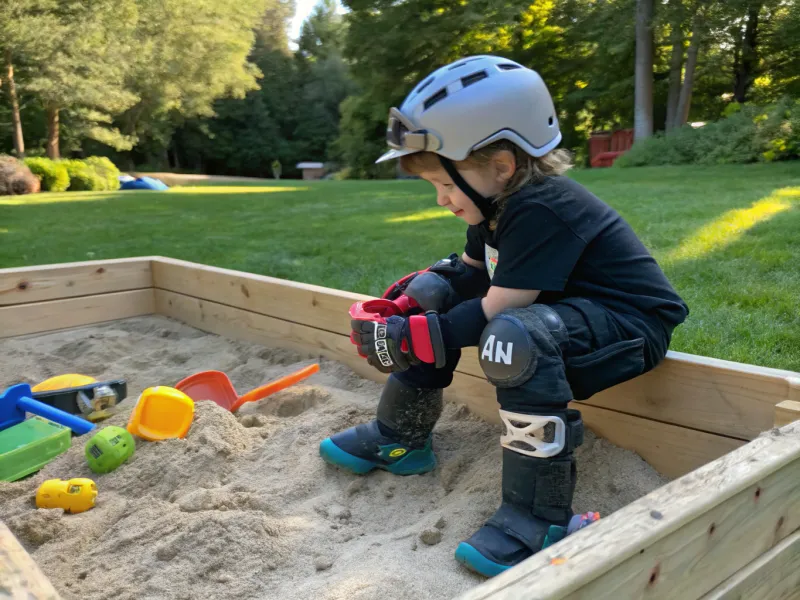
I vostri genitori vi hanno mai avvolto in un metaforico involucro di plastica a bolle d'aria? L'iperprotezione è spesso un segno di amore, ma può sembrare soffocante. L'eccessiva protezione può impedire ai bambini di vivere pienamente la vita.
While it’s natural for parents to worry, there’s a fine line between protection and restriction. Kids need to learn from their own experiences, even if it means scraping a knee or two. When parents are too protective, it can lead to a lack of confidence and independence.
This constant sheltering can foster feelings of resentment. Kids might grow up feeling like they missed out on key experiences. It’s important to let them explore the world at their own pace, learning valuable lessons along the way. Resentment often stems from being shielded from the very things that help them grow.
11. Licenziamento degli interessi

Remember the excitement you felt discovering a new hobby, only to have it brushed aside by your parents? That dismissal can sting. When parents don’t show interest in their children’s passions, it can feel like rejection.
Whether it’s art, sports, or music, these interests help shape a child’s identity. When parents dismiss them, it can feel like they’re dismissing a part of who you are. It’s disheartening, and over time, it can create a rift.
I genitori potrebbero non rendersi conto dell'impatto delle loro parole o azioni. Un semplice riconoscimento o incoraggiamento può fare la differenza. Quando i bambini sentono che i loro interessi sono apprezzati, aumentano la loro autostima e rafforzano il legame genitori-figli. Senza questo sostegno, il risentimento può crescere silenziosamente.
12. Promesse infrante
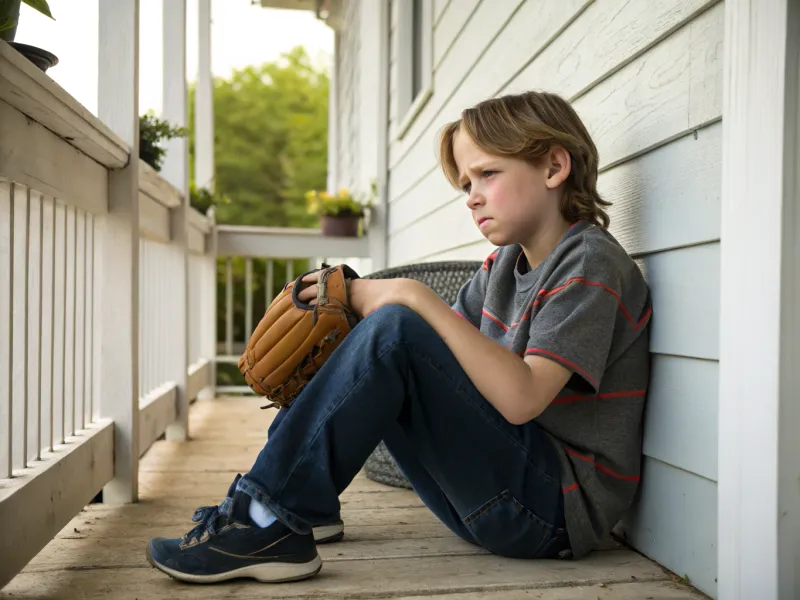
Ever been promised something and then left waiting in vain? Broken promises can leave a lasting impact. It’s like building up hope just to see it crumble. Parents might have the best intentions, but failing to follow through can lead to mistrust.
Kids hold onto promises tightly. They’re seen as commitments, and when they’re broken, it can feel like a personal betrayal. Over time, this can erode trust and lead to resentment.
It’s important for parents to be mindful of the promises they make. Keeping small commitments can have a big impact on a child’s sense of security and trust. When promises are consistently broken, it sends a message that the child’s feelings don’t matter, fostering resentment.
13. Trascurare l'espressione di sé

Ever felt like you couldn’t express who you truly are because of your parents? It’s tough when self-expression is stifled. Parents might have certain expectations or fears, but kids need the freedom to be themselves.
Whether it’s through clothing, hair, or hobbies, self-expression is a key part of personal identity. When parents suppress this, it can feel like they’re dismissing who you are. This lack of acceptance can lead to feelings of frustration and resentment.
I bambini vogliono essere visti e accettati per quello che sono, non per quello che i genitori vogliono che siano. Permettere l'espressione di sé favorisce la fiducia e l'individualità. Quando questa manca, può crearsi un abisso tra genitori e figli, con conseguente risentimento quando questi ultimi crescono.
14. Favoritismo

Ever felt like a sibling or another child was the favorite? Favoritism can be a hard pill to swallow. It’s natural for parents to connect differently with each child, but when it feels imbalanced, it can hurt.
I bambini sono perspicaci e notano quando un fratello riceve più attenzione, lodi o affetto. Questa percezione di favoritismo può portare a sentimenti di inadeguatezza e risentimento. Nel tempo, può creare una frattura tra fratelli e genitori.
Parents might not realize the impact of their actions. It’s important to ensure each child feels equally loved and valued. When favoritism is at play, it can strain family relationships, leading to lasting resentment as kids grow up.
15. Sminuire o criticare

Ever felt like your parents only pointed out the negatives? Constant criticism can be demoralizing. Parents might think they’re helping by pointing out flaws, but for kids, it can feel like nothing is ever good enough.
Il feedback costruttivo è importante, ma ha bisogno di un equilibrio. Quando le critiche mettono in ombra gli elogi, possono intaccare l'autostima. I ragazzi hanno bisogno di sapere che i loro sforzi sono riconosciuti e apprezzati.
Over time, this constant belittling can lead to resentment. It’s essential for parents to communicate with kindness and understanding. Everyone makes mistakes, and kids need to know they’re valued beyond their faults. When criticism becomes a dominant theme, it fosters a sense of inadequacy and resentment.
16. Non ascoltare o capire

Avete mai provato a condividere qualcosa di importante solo per essere accolti con un cenno distratto? Non sentirsi ascoltati può essere frustrante. I genitori possono essere impegnati, ma i bambini devono sapere che la loro voce è importante.
Listening is more than just hearing words; it’s about understanding and empathizing. When parents don’t actively listen, it can feel like they don’t care. This lack of connection can lead to feelings of isolation and resentment.
It’s crucial for kids to feel valued and understood. When parents make an effort to listen, it strengthens the bond and fosters trust. Without this, kids might grow up feeling unheard and unimportant, leading to resentment as they seek validation elsewhere.
17. Preparazione inadeguata all'età adulta

Vi siete mai sentiti buttati nella mischia quando avete raggiunto l'età adulta? Alcuni genitori potrebbero concentrarsi così tanto sui risultati accademici da dimenticare di preparare i ragazzi alle sfide della vita reale.
Competenze di base come la gestione delle finanze, la cucina o persino il bucato sono essenziali. Senza queste lezioni di vita, l'età adulta può sembrare opprimente. I ragazzi potrebbero risentirsi con i genitori per non averli dotati di competenze pratiche.
Parents might underestimate the importance of teaching these skills. It’s not just about academics, but preparing kids for a balanced, independent life. When this preparation is lacking, it can lead to frustration and resentment as kids navigate adulthood unprepared.
18. Ignorare i bisogni di salute mentale

Ever felt like your mental health concerns were brushed aside? Ignorare i bisogni di salute mentale can have long-term effects. Parents might not always recognize the importance of addressing these issues.
La salute mentale è importante quanto quella fisica. Quando i genitori ignorano le loro preoccupazioni, possono far sentire i bambini invalidati. Con il tempo, questa negligenza può portare al risentimento e ostacolare il benessere emotivo.
It’s crucial for parents to be aware and supportive of mental health needs. Recognizing and addressing these issues can make a significant difference. When ignored, it not only affects the child’s current state but can lead to lingering resentment into adulthood.
19. Imporre i loro sogni

Ever felt like you were living someone else’s dream? Parents might have certain aspirations for their kids, but it’s important to let them forge their own path.
Imporre i sogni può sembrare un fardello pesante. I bambini possono accettare per rispetto o per obbligo, ma questo può portare a sentimenti di risentimento. Hanno bisogno della libertà di esplorare i propri interessi e le proprie passioni.
Parents should encourage exploration rather than dictating a path. When kids feel pressured to fulfill their parents’ dreams, it can lead to frustration. It’s essential to support their journey, not dictate it, to ensure they grow into their true selves.
20. Enfasi eccessiva sulle tradizioni

Ever felt trapped by traditions you didn’t connect with? While traditions hold value, they shouldn’t overshadow personal beliefs and preferences. It’s vital to respect a child’s individuality.
I genitori possono sentirsi orgogliosi di tramandare le tradizioni, ma farle rispettare può portare al risentimento. I bambini devono avere lo spazio per abbracciarle o metterle in discussione, trovando il proprio posto all'interno o all'esterno di queste usanze.
L'equilibrio tra tradizione e individualità è fondamentale. Quando le tradizioni vengono imposte senza discutere, possono sembrare soffocanti. I bambini potrebbero crescere con un senso di distacco, alimentando il risentimento verso le aspettative culturali o familiari.
21. Ipocrisia dei genitori

Ever caught your parents not practicing what they preach? Hypocrisy can be confusing and frustrating. Kids look up to their parents for guidance, and when actions don’t match words, it can erode trust.
Whether it’s about honesty, hard work, or kindness, consistency matters. When parents fail to model these values, it can create a sense of disappointment. Kids learn by example, and hypocrisy can send mixed messages.
Nel tempo, questa incoerenza può portare al risentimento. I figli hanno bisogno di vedere un allineamento tra ciò che i genitori dicono e ciò che fanno. Questo crea fiducia e getta solide basi per i loro valori. Quando questo manca, lascia spazio a confusione e frustrazione.
22. Mancanza di incoraggiamento

Vi siete mai sentiti come se i vostri sforzi fossero passati inosservati? La mancanza di incoraggiamento può essere scoraggiante. I bambini si nutrono di rinforzi positivi. Aumenta la fiducia e la motivazione.
Quando i genitori non riconoscono i risultati ottenuti, può sembrare che nulla sia mai abbastanza. Questa mancanza di sostegno può portare a sentimenti di inadeguatezza e risentimento. I bambini hanno bisogno di sapere che il loro duro lavoro è apprezzato.
Encouragement doesn’t have to be lavish. Simple words of support can make all the difference. It strengthens the bond and empowers kids to believe in themselves. Without it, they might grow up feeling undervalued and resentful.
23. Controllo finanziario

Vi siete mai sentiti come se il vostro portafoglio fosse sotto chiave? Il controllo finanziario può sembrare restrittivo. Anche con le migliori intenzioni, i genitori potrebbero tenere troppo strette le redini finanziarie.
Financial independence is a crucial step towards adulthood. When parents exert too much control, it can hinder a child’s growth. This control can lead to resentment as kids struggle to manage their own finances.
Parents should guide rather than dictate financial decisions. It’s about teaching responsibility while allowing independence. When kids feel financially trapped, it can strain the parent-child relationship, leading to long-term resentment.
24. Atteggiamento giudicante

Ever felt like your choices were constantly under scrutiny? A judgmental attitude can be tough to handle. Parents might think they know best, but it’s important to respect their child’s individuality.
Il giudizio costante può sembrare un attacco alle scelte personali. Può portare a sentimenti di inadeguatezza e risentimento. I bambini hanno bisogno della libertà di imparare dalle loro esperienze, compresi gli errori.
I genitori devono offrire una guida senza imporre giudizi. Creare uno spazio sicuro per una conversazione aperta favorisce la fiducia e la comprensione. In mancanza di ciò, i ragazzi potrebbero crescere sentendosi incompresi e risentiti, cercando l'accettazione altrove.
25. Mancanza di affetto

Vi siete mai sentiti come se un abbraccio fosse una merce rara? La mancanza di affetto può far sentire i bambini non amati. L'affetto è una parte vitale della costruzione di una relazione forte e solidale.
When parents don’t express love physically or verbally, it can create a sense of distance. Kids might feel like their emotional needs are unmet, leading to feelings of resentment.
Affection isn’t just about grand gestures; it’s about everyday expressions of love. A simple hug or kind word can strengthen bonds and provide reassurance. Without it, kids might grow up feeling isolated and disconnected.
26. Neglecting Child’s Opinions

Ever felt like your voice didn’t matter? Neglecting a child’s opinions can lead to feelings of insignificance. Kids need to feel their thoughts and perspectives are valued.
When parents dismiss or overlook their opinions, it can erode self-worth. It sends a message that their ideas don’t count, leading to frustration and resentment. Kids want to contribute and feel heard.
Encouraging open dialogue and valuing their input fosters confidence and mutual respect. It’s important for kids to know their opinions matter. Without this validation, they might grow up feeling undervalued and resentful.
27. Mancanza di coerenza nella gestione dei genitori

Vi siete mai sentiti come se steste navigando nelle sabbie mobili con regole mutevoli? La mancanza di coerenza nel ruolo di genitore può confondere. I bambini traggono beneficio da confini chiari e coerenti.
Quando i genitori cambiano spesso le regole, si crea incertezza. Questa incoerenza può portare a sentimenti di insicurezza e risentimento. I bambini hanno bisogno di stabilità per sentirsi sicuri e compresi.
Una genitorialità coerente favorisce la fiducia e il rispetto. Aiuta i bambini a capire le aspettative e le conseguenze. Senza di essa, potrebbero crescere con un senso di insicurezza e frustrazione che li porterebbe a provare risentimento e a cercare stabilità altrove.
28. Disprezzo delle amicizie

Ever felt like your friends were judged too harshly? Parents might not always see the value in certain friendships, leading to conflicts. Friends play a critical role in a child’s social development.
When parents dismiss or disapprove of friendships without understanding, it can lead to resentment. Kids might feel their social choices are undermined, creating tension. It’s important for parents to respect their child’s social circles.
Una comunicazione aperta e la comprensione possono colmare il divario. I genitori dovrebbero cercare di capire piuttosto che respingere. Quando i bambini sentono che le loro amicizie sono rispettate, rafforzano la fiducia e riducono il risentimento. In caso contrario, potrebbero crescere sentendosi isolati e incompresi.
29. Reazione eccessiva agli errori

Ever accidentally messed up and faced a disproportionate response? Overreaction to mistakes can be overwhelming. Parents might think they’re teaching a lesson, but it can feel like a harsh critique.
Gli errori fanno parte dell'apprendimento. Quando i genitori reagiscono in modo eccessivo, possono generare paura e ansia. I bambini potrebbero esitare a provare cose nuove, preoccupati delle conseguenze di un eventuale fallimento.
It’s important for parents to respond with understanding and calmness. Encouraging kids to learn from mistakes fosters resilience and confidence. When overreactions become the norm, it can lead to resentment as kids feel unfairly criticized.
30. Mancanza di libertà di scelta

Vi siete mai sentiti come se le vostre scelte fossero fatte per voi? La mancanza di libertà di scelta può essere soffocante. I genitori possono credere di essere i migliori, ma i ragazzi hanno bisogno di autonomia per prendere le proprie decisioni.
Whether it’s clothing, hobbies, or future plans, having a say in their own lives is crucial. When parents dictate choices, it can lead to feelings of frustration and resentment. Kids want to explore their own paths.
La libertà di scelta favorisce l'indipendenza e la fiducia. Dimostra fiducia e rispetto per la loro individualità. Senza di essa, i bambini potrebbero crescere sentendosi controllati e risentiti, cercando la libertà altrove.
31. Ignorare i limiti personali

Ever had your private space invaded without warning? Ignoring personal boundaries can be frustrating. Parents might not always recognize the importance of respecting their child’s space.
I confini personali sono la chiave per relazioni sane. Quando i genitori non li rispettano, possono generare sentimenti di sfiducia e risentimento. I bambini hanno bisogno del loro spazio per crescere e sentirsi sicuri.
Il rispetto dei confini personali favorisce la fiducia e il rispetto. Dimostra considerazione per la loro autonomia e individualità. Senza questo rispetto, i bambini potrebbero sentirsi violati e risentiti, cercando la privacy altrove. Questo può mettere a dura prova il rapporto genitori-figli nel tempo.
32. Using Guilt as a Tool

Ever been reminded of all your parents did for you in moments when you were just trying to make your own choices? That’s the sting of guilt-tripping. Parents may not even realize they’re doing it—but phrases like “After everything I’ve done for you…” can weigh heavy.
It’s emotional leverage disguised as love. Instead of open communication, guilt becomes the go-to weapon for influence. Over time, it turns every disagreement into a burden rather than a discussion.
While gratitude is important, kids shouldn’t feel obligated to live their lives based on guilt. When love starts to feel like a debt, resentment isn’t far behind.
33. Refusing to Let Go in Adulthood

Even when you’re fully grown, some parents just can’t stop parenting. Offering advice is one thing, but constantly interfering in adult decisions? That’s a whole different story.
They might still call daily, give unsolicited opinions on your career or relationships, or even try to micromanage your life from a distance. What feels like care to them can feel like suffocation to you.
Resentment builds when parents don’t recognize the shift in roles as their children mature. Letting go doesn’t mean stepping back from love—it means stepping into respect. And without that space, even the strongest bonds can fray.
34. Ignoring Personal Boundaries

Ever had your private space invaded without warning? Ignoring personal boundaries can be frustrating. Parents might not always recognize the importance of respecting their child’s space.
I confini personali sono la chiave per relazioni sane. Quando i genitori non li rispettano, possono generare sentimenti di sfiducia e risentimento. I bambini hanno bisogno del loro spazio per crescere e sentirsi sicuri.
Il rispetto dei confini personali favorisce la fiducia e il rispetto. Dimostra considerazione per la loro autonomia e individualità. Senza questo rispetto, i bambini potrebbero sentirsi violati e risentiti, cercando la privacy altrove. Questo può mettere a dura prova il rapporto genitori-figli nel tempo.
35. Lack of Financial Transparency

Unraveling the mystery of family finances can be a daunting task. Many children grow up without understanding the financial decisions made by their parents. This lack of transparency often leads to misunderstandings. Imagine discovering hidden debts or secretive financial choices only when you’re older. Such revelations can breed mistrust.
They may feel blindsided, wondering why their parents didn’t trust them enough to share this vital information. Without open discussions about finances, kids may struggle to manage their own money effectively. Consequently, they might hold their parents accountable for not providing essential financial education.