
34 Weird Signals Your Body Sends When You’re Under Too Much Stress
Ever get the feeling that your body’s trying to tell you something, but you can’t quite crack the code? Those quirky, unexplained signals might actually be your body’s way of raising the alarm: “I’m stressed out!”
Yep, it has its own way of speaking, and we’re about to decode some of those mysterious messages.
Here are 34 surprising ways stress might be showing up in your life, and understanding these signs could make navigating stress a whole lot smoother.
1. Tics oculares

Sitting at your desk, minding your business, and suddenly—twitch-twitch. Your eyelid’s doing its own thing, like an unplanned dance routine. This common annoyance, called myokymia, loves to crash the party when you’ve swapped sleep for late nights or overdone it on caffeine.
While harmless, it’s your body’s nudge to slow down. Try cutting back on coffee or taking a few minutes to close your eyes and relax. And hey, if all else fails, it’s a great excuse for an impromptu YouTube break filled with ASMR videos or calming visuals.
Véase también: 26 libros para aliviar el estrés y refrescar la mente
2. Brotes repentinos de acné

¿Pensabas que habías dejado los brotes en el instituto? El estrés puede traerlos de vuelta como una secuela no deseada. ¿El culpable? El caos hormonal provocado por el estrés, que dispara la producción de grasa.
Keep your skincare routine steady, and maybe sprinkle in some stress-busting activities like journaling or meditation. It’s your skin’s way of telling you to hit the brakes. And don’t worry—an occasional pimple is no big deal. Everyone gets them, even the most zen among us.
3. Dolores aleatorios

One day it’s your shoulder; the next, it’s your back. Stress has a knack for turning your body into a treasure map of tension. Muscles tighten up under pressure, and if you’re not careful, it can snowball into serious discomfort.
Treat yourself to a warm bath, gentle yoga, or even a massage if you’re feeling fancy. Your body’s dropping hints that it needs a little kindness before the discomfort takes center stage.
4. Pérdida de cabello

Noticing extra strands in your brush? Stress might be hitting the brakes on your hair’s growth cycle, causing more strands to fall than usual.
Before you panic, know that stress-related hair loss is often temporary. Focus on activities that calm your mind—think long walks or quiet evenings with a good book. Treat your hair gently, and remember: this is just your scalp’s way of waving the white flag.
5. Problemas para dormir
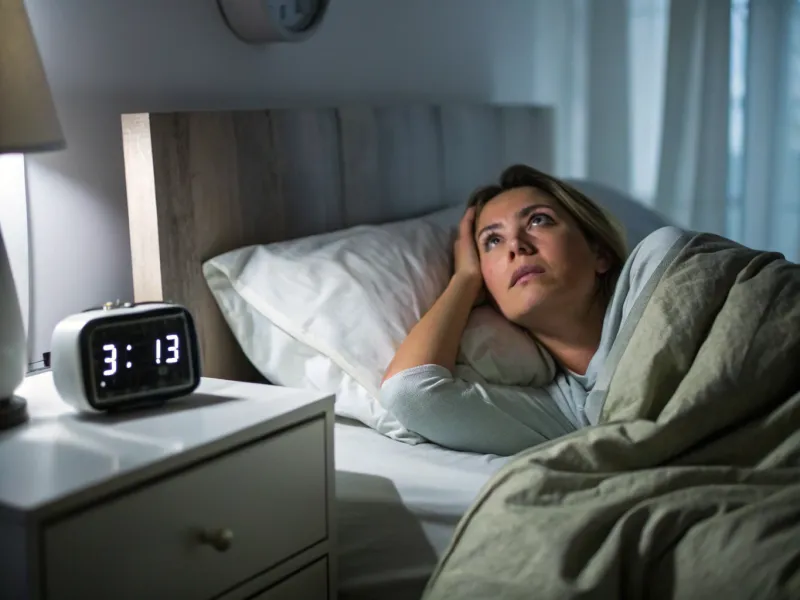
¿Tumbado en la cama, recordando momentos embarazosos de hace años? El estrés puede alterar el sueño, hacer que las noches sean inquietas y las mañanas aturdidas.
Combat this by setting up a calming pre-bed ritual. Brew a soothing tea, turn down the lights, or lose yourself in a relaxing book. If sleep troubles persist, don’t hesitate to seek guidance—it’s worth it to reclaim those peaceful nights.
6. Problemas digestivos

Ever feel like your stomach’s auditioning for a gymnastics team? Stress can upset your digestive system, causing bloating, cramps, or worse.
Try eating slowly, staying hydrated, and avoiding heavy meals when you’re overwhelmed. And, of course, don’t ignore what your body’s telling you. Sometimes, a quiet moment and lighter meals are all your tummy needs to settle down.
7. Irritabilidad y cambios de humor

One moment, you’re laughing at a silly meme; the next, you’re snapping at someone for no reason. Stress hormones can wreak havoc on your emotions, leaving you feeling like you’re riding an unpredictable rollercoaster.
When those feelings surface, it’s helpful to pause and take a breath. Activities like journaling, exercising, or even chatting with a trusted friend can help you recalibrate. Your emotions aren’t betraying you—they’re just asking for a little extra care.
8. Dolores de cabeza frecuentes

A dull throb, a sharp pain, or that squeezing sensation—headaches love to make an appearance when stress muscles its way into your life. The tension from stressful situations often builds up in your neck, shoulders, or jaw, fueling these unwelcome visitors.
Mantente hidratado, haz estiramientos a menudo y tómate descansos para relajarte. Incluso un breve paseo o la práctica de la atención plena pueden aliviar la presión de la cabeza. Piensa en ello como si le dieras a tu cerebro un tiempo de descanso muy necesario.
9. 9. Falta de aliento

Feeling like the air has suddenly gotten thinner? Stress can cause your breathing to become shallow, which might leave you with a tight chest or the sensation that you’re not getting enough oxygen.
Take a few moments to consciously slow your breathing. Deep, steady breaths can calm the nervous system and help you regain control. If this sensation becomes more frequent, it’s worth discussing with a healthcare provider for extra peace of mind.
10. Problemas de memoria

It’s not just you. Stress can make the simplest things—like remembering why you walked into a room—feel like a major challenge. The mental clutter that stress creates interferes with focus and short-term memory, leaving you scratching your head at the most inopportune times.
Considera la posibilidad de anotar cosas o crear listas para mantener tus pensamientos organizados. Pequeños ajustes, como usar una agenda o establecer recordatorios, pueden marcar una gran diferencia cuando tu cerebro se siente desordenado.
11. Apretar la mandíbula o rechinar los dientes

The soreness in your jaw after a long day might not just be from chatting—it could be stress sneaking in. Clenching your teeth or grinding at night is your body’s subtle way of channeling tension without you even noticing.
A warm compress on your jaw or simple stretches can help ease the tightness. If the problem persists, talk to your dentist about options like a night guard. It’s your body’s quiet way of asking you to address the stress before it takes a toll.
12. Cansancio a pesar del descanso

Arrastrarse fuera de la cama, incluso después de ocho horas de sueño, resulta demasiado familiar cuando el estrés es el protagonista. La tensión mental puede agotarte tanto como la actividad física, dejándote exhausto por mucho que descanses.
Creating a wind-down routine before bed can make all the difference. Whether it’s dimming the lights, listening to calming sounds, or practicing meditation, these rituals help your body recharge more effectively.
13. Comer en exceso o pérdida de apetito
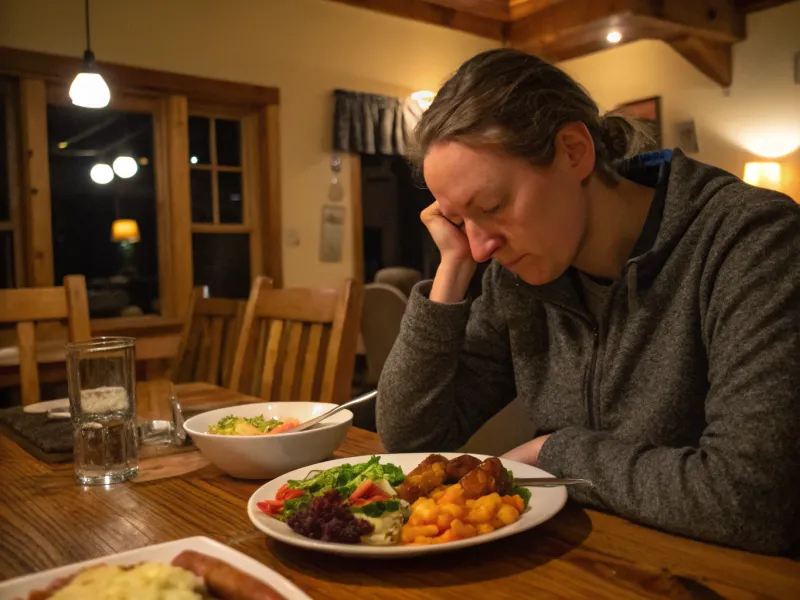
Desde el deseo repentino de comer dulces hasta saltarse las comidas por completo, el estrés es capaz de desincronizar los hábitos alimentarios. Los desequilibrios hormonales causados por el estrés pueden amplificar el hambre o suprimirla por completo.
Escuchar a tu cuerpo y mantener un horario regular de comidas puede ayudarte a estabilizar el barco. Incluso pequeños tentempiés equilibrados pueden darte la energía que necesitas cuando tu apetito es impredecible.
14. Resfriados e infecciones frecuentes

Somehow, you’re always the one catching the office cold or battling that nagging cough. Stress takes a toll on your immune system, leaving you more vulnerable to every passing bug.
Building healthy habits—like staying active, eating nutrient-rich foods, and prioritizing sleep—can help fortify your defenses. Think of it as giving your body the tools it needs to keep fighting the good fight.
15. Palpitaciones

Your heart’s pounding like you’ve just sprinted up a flight of stairs, but all you did was sit down? Stress can cause these sudden palpitations, leaving you feeling out of sync.
Tómate un momento para hacer una pausa y practicar una respiración lenta y rítmica. Técnicas como contar las respiraciones o concentrarse en una visualización tranquilizadora pueden ayudar a normalizar el ritmo cardíaco. Si estos episodios ocurren con regularidad, acudir al médico puede aclararte las ideas.
16. Pérdida de libido

When you’re overwhelmed, intimacy may feel like the last thing on your mind. Stress often redirects your energy toward survival mode, leaving little room for connection or desire.
Reconnecting with your partner through open communication can help. Additionally, carving out time for stress relief—like a relaxing walk or shared activity—can reignite that spark when you’re ready.
17. Erupciones cutáneas

La piel tiene su propia forma de quejarse del estrés, y los brotes o erupciones suelen encabezar la lista. Las hormonas del estrés pueden aumentar la inflamación y desencadenar brotes, dejando la piel irritada.
Mantenga una rutina de cuidado de la piel sencilla y suave, y concéntrese en encontrar actividades que le aporten calma. Si los problemas cutáneos inducidos por el estrés persisten, consultar a un dermatólogo podría aportar soluciones específicas.
18. Concentración reducida

Las tareas que antes le llevaban cinco minutos de repente le parecen que requieren un esfuerzo hercúleo. El estrés nubla la mente, convirtiendo la concentración en un reto frustrante.
Breaking tasks into manageable chunks can help you regain your footing. Giving yourself permission to pause and reset—even for just a few minutes—can work wonders for clearing mental fog.
19. Sudoración inusual

Stress can send your sweat glands into overdrive, leaving you feeling clammy in situations where you’re normally fine. Whether it’s a meeting or a casual conversation, the discomfort can be distracting.
Stay cool by dressing in lightweight, breathable fabrics, and consider trying relaxation exercises to manage anxiety. Your body’s just asking for a little extra care to feel more at ease.
20. Disminución de la función inmunitaria

When stress lingers, your body’s defenses take a hit, leaving you open to catching more colds and infections than usual. It’s a not-so-gentle reminder that your system is feeling overwhelmed.
Refuerce su salud inmunitaria con abundante agua, comidas equilibradas y algo de ejercicio ligero. Incluso los pequeños ajustes, como salir a tomar el aire, pueden marcar una gran diferencia a la hora de reforzar la resistencia.
21. Fluctuaciones de peso

Stress can influence your metabolism, causing noticeable changes on the scale. Whether it’s sudden weight loss or unexpected gains, these shifts are your body’s response to hormonal imbalances.
Céntrate en la estabilidad siguiendo una rutina de comidas regulares y ejercicio moderado. Encontrar el equilibrio ayuda a tu cuerpo a mantener su ritmo, incluso cuando la vida parece caótica.
22. Falta de motivación

Cuando el estrés acaba con tu motivación, pasar el día es como vadear la melaza. El ímpetu habitual se sustituye por una persistente sensación de fatiga.
Setting small goals can give you a sense of accomplishment and help rebuild momentum. Celebrate each step forward, no matter how small—it all adds up over time.
23. Morderse o hurgarse las uñas

Chewing your nails or tapping your pen might seem harmless, but they’re often signs of deeper tension bubbling under the surface. Stress loves to sneak out in these little ways.
Replacing these habits with more intentional actions—like squeezing a stress ball or practicing grounding techniques—can redirect that energy and help you feel calmer.
24. Bostezos frecuentes

Yawning isn’t just a sign of sleepiness. When stress disrupts your sleep cycle or energy levels, your body might compensate by trying to grab more oxygen through yawning.
Focus on improving your rest by creating a calming nighttime routine. Even short naps or moments of rest during the day can help you feel more refreshed.
25. Aumento de la sensibilidad a los sonidos

Everyday sounds—like typing or a ticking clock—can suddenly feel overwhelming when stress heightens your senses. It’s as if your brain is stuck in overdrive, amplifying every little noise.
Creating a peaceful space or using white noise can help. Whether it’s a quiet room or noise-canceling headphones, a calmer environment can make all the difference.
26. Cambio de voz

If your voice sounds different when you’re feeling stressed, it could be a sign of tension in your throat or vocal cords. Stress doesn’t just weigh on your mind—it can literally change your tone.
Los ejercicios relajantes, como tararear o estirar suavemente el cuello, pueden ayudar a liberar la tensión acumulada. La voz es otra forma que tiene tu cuerpo de indicarte que necesitas relajarte.
27. Llanto inexplicable

Crying at commercials or tearing up out of nowhere isn’t uncommon during stressful periods. Sometimes, emotions overflow without warning when the pressure builds too much.
Don’t suppress it—letting your feelings out can be incredibly cathartic. If it becomes overwhelming, talking to someone you trust can provide relief and perspective.
28. Antojos inusuales de comida

That late-night longing for something salty, sweet, or downright bizarre might be your body’s way of seeking comfort. Stress can push you toward emotional eating or strange cravings.
En lugar de negarte a ti mismo, intenta equilibrar los caprichos con opciones ricas en nutrientes. A veces, simplemente sentarse y saborear un capricho puede ser una forma de autocuidado.
29. Sentirse abrumado por pequeñas tareas

Incluso tareas tan sencillas como vaciar el lavavajillas pueden parecer monumentales cuando hay estrés de por medio. El peso mental hace que todo parezca más difícil de lo que realmente es.
Breaking tasks into smaller steps and prioritizing what matters most can help. Giving yourself grace during high-stress times is key—you’re only human, after all.
30. Zumbido persistente en los oídos

Tinnitus, or ringing in the ears, can be a symptom of excessive stress. The exact mechanism isn’t entirely understood, but stress is known to exacerbate the condition, making the ringing more noticeable and distracting.
Managing stress through activities like listening to soft music, using white noise machines, and practicing mindfulness can help reduce the impact of tinnitus. It’s essential to seek professional advice if tinnitus is affecting your daily life, as they can offer tailored solutions.
31. Sudden Dizziness or Lightheadedness
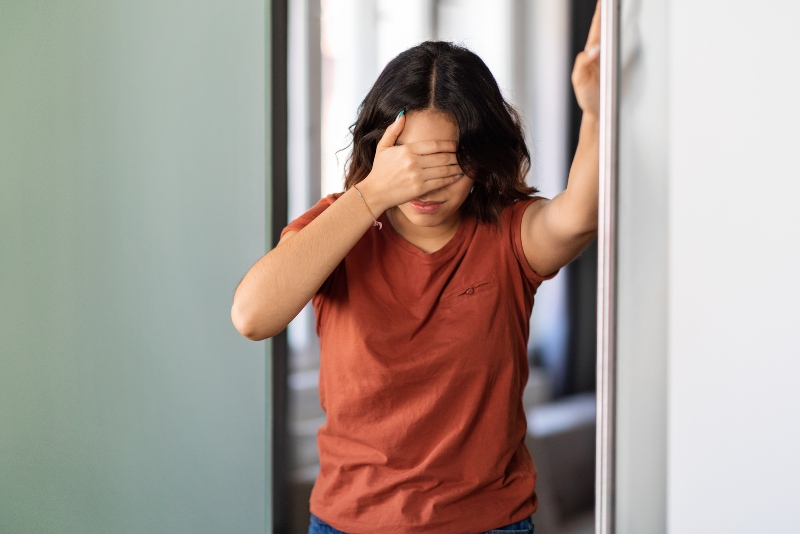
Ever stand up too fast and feel like the room took a spin? While occasional dizziness can happen to anyone, frequent episodes might be your body’s way of signaling stress overload. Anxiety and stress can mess with your nervous system, causing a temporary drop in blood pressure or changes in circulation that leave you feeling woozy.
When dizziness strikes, take a moment to steady yourself. Breathe deeply, hydrate, and try grounding techniques like focusing on a fixed point or sitting down with your head slightly lowered. Your body’s just asking for a little extra stability—physically and emotionally.
32. Sensation of a Lump in Your Throat

That strange feeling like there’s a lump in your throat, even when there’s nothing there? It’s called globus sensation, and stress is a notorious trigger. When anxiety builds up, your throat muscles can tense up, making swallowing feel weird or uncomfortable.
The good news? It’s usually harmless and tends to fade once you relax. Drinking warm tea, practicing slow breathing, or even gently massaging your neck can help loosen things up. Your throat’s just giving you a subtle nudge to breathe deep and take it easy.
33. Hiccups Persisting Without a Cause

Persistent hiccups can catch anyone off guard, often leaving them puzzled about the cause. When stress is the culprit, the body’s diaphragm may react unexpectedly, resulting in frequent hiccups.
Imagine being in a quiet meeting when they strike, causing not just embarrassment but also a hint of anxiety. This unusual stress signal is your body’s way of communicating an overload of tension.
Although commonly associated with overeating or sudden excitement, stress-induced hiccups can linger without a clear trigger, indicating it’s time to address the underlying stress levels.
34. Unexplained Eye Watering
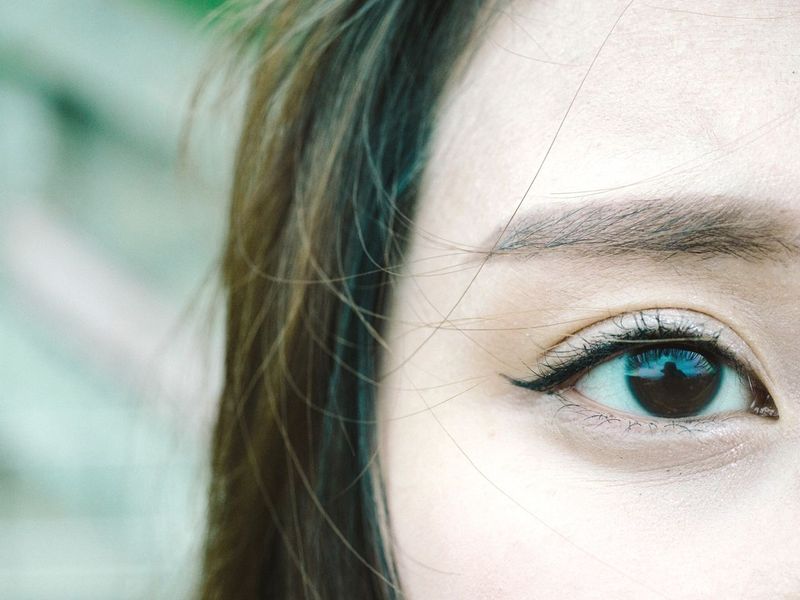
Sudden eye watering can be more than just an emotional response or a reaction to an irritant. In times of high stress, your body might express its tension through unexpected tears.
Picture yourself engrossed in work when your eyes inexplicably fill with water, creating confusion and perhaps even concern. This response can be a unique signal of accumulated stress.
While it might resemble a reaction to allergies or fatigue, stress-induced eye watering can occur without any external cause, serving as a reminder to evaluate your stress levels and find relief.