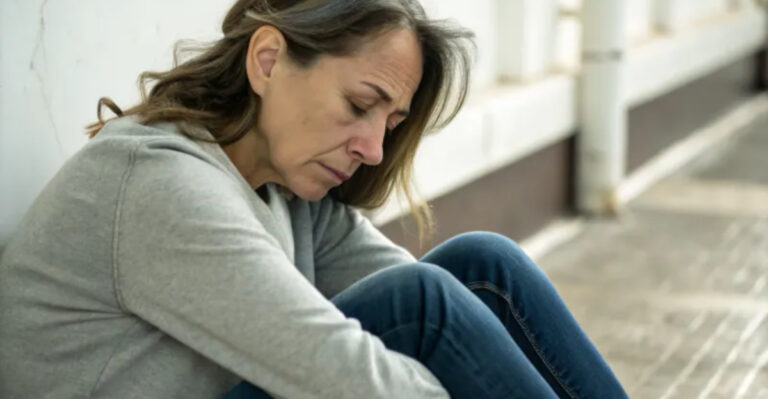

La distruzione del divorzio: Salire sopra le ceneri
It’s no secret—ending a marriage is tough. Beyond tough. Really, it’s as tough as you and the person you’re separating from making it. But, it’s difficult to explain the damage to anyone who hasn’t experienced the throes of divorce themselves.
There is a whole host of emotions you’ll experience during the battle and nel dopoguerra. And yet, the end of one chapter marks the beginning of the next. There is a reason the partnership had to dissolve, and you’ll have to stick it out to find out why.
Let’s take a closer look at each emotion we may experience in the destructive path of divorce, discussing the importance of each and how to power through to the other side.
Fallimento. Una parola che probabilmente vi passerà per la testa più e più volte. Non avete mai voluto essere una statistica. Il giorno in cui avete infilato l'anello sapevate che l'avreste tenuto per sempre. You were going to always remember your vows, ‘til death do you part.
Getting divorced makes us feel like we’ve failed, whether or not we’ve done everything possible to make it work up to the point of the papers, regardless of the circumstances that have led us to this point.
Qualcosa di profondo dentro di noi ci dice che forse non ci troveremmo in questa posizione difficile se solo ci fossimo sforzati un po' di più, se avessimo tirato fuori l'ultimo briciolo di coraggio per farcela.
Rimpianto. Questo è pesante. Sia che la separazione sia il risultato diretto di un'azione che abbiamo compiuto, di un insieme di azioni che abbiamo compiuto, delle azioni dell'altro partner o delle azioni di entrambi i partner in egual misura, spesso ce ne pentiamo.
We ask a lot of ‘What ifs’ and our minds automatically try to resolve these with ‘If onlys’. We may regret certain things we said or did, didn’t say, or didn’t do.
‘If only’ this had happened, then this would have been the result. But the truth is far more complicated than this simplified formula, and it’s too difficult to decipher what could have been done differently to avoid the relationship’s demise.
Colpa. This is closely related to regret, often coupled with it and it’s a side effect of failure. We feel guilty for ending things, or for agreeing with our partner who has chosen to end the relationship that it’s the right decision.
Questo è particolarmente vero se siamo profondamente intrecciati nei circoli sociali della nostra partnership, avendo rapporti reciprocamente stretti con gli stessi membri della famiglia e gli stessi amici.
Ciò è particolarmente vero se sono coinvolti dei bambini. They ask a lot of questions, and there are often many we can’t answer simply because there’s either no good answer or no answer at all. Having to justify failure to others is a guilt-inducing task. By nature, we’d rather run away and hide from our circumstances just long enough for the dust to settle so we can emerge and pretend it never happened.
Paura. There’s a lot of fear associated with the dissolution of intimacy, especially if the relationship has been long-standing. There have likely been many positive memories shared and good times had together.
Abbiamo una visione idealizzata del matrimonio e impariamo fin da piccoli che dovremmo sposare il nostro migliore amico, il nostro amico per sempre, qualcuno che sappiamo ci sarà per il resto della nostra vita. So, when we realize this version of events isn’t going to come to fruition for us, this can be petrifying.
Dolore. Un dolore mentale ed emotivo così profondo da diventare fisico. Possiamo essere presi da un vortice di depressione, ansia e panico, tanto da sentirne letteralmente i dolori in tutto il corpo.
Il divorzio è doloroso. It’s something we hope to never experience again. And many of us guard our heart thereafter, refusing to remarry or engage in a new partnership altogether, at least for a significant period of time. At worst, we enter into a new relationship but remain too guarded and keep our partner at arm’s length.
Quindi, cosa possiamo fare?
In sintesi, il divorzio può farci sentire piuttosto male. È qualcosa che cambia la vita e ci costringe a prendere una direzione nuova e imprevista. Come possiamo combattere questa negatività e andare avanti?
La cosa più importante che possiamo fare in mezzo a tutto questo caos è fare uno sforzo concertato per fare il check in con noi stessi regolarmente. Sembra una sciocchezza, forse una perdita di tempo. Eppure, è tutt'altro che una perdita di tempo.
Just like any other mistake we make in life, it is important to learn from it, so it doesn’t happen again. More importantly, è importante imparare a conoscere noi stessi in questi momenti. Concentrandoci su ciò che di noi stessi può aver causato l'errore, concentrandoci su questo aspetto invece di fuggire da esso, possiamo concentrarci su come fare le cose in modo diverso in futuro.
Ho affrontato un divorzio. A very messy one, in fact. I’ll even venture to guess it’s in the top one percent range for messiness. I’ve felt all of these emotions and then some. But, you know what? Had I never gone through this formidable phase in my life, I would have never truly capito chi sono.
Le cose dovevano accadere esattamente così, essere incasinate come lo erano, in modo da raggiungere una comprensione di me stesso che credo sia stata orchestrata dall'intervento divino.
Had I not experienced this, I would have been stuck in stagnation with all of my sins, and turning a blind eye to all of my ex’s sins, trying to minimize my inner loneliness and depression just long enough to continue coasting. Che tipo di vita è questa?
I can tell you with utter certainty that I would not be writing this article, or any articles in fact, if I hadn’t gone through this hell. But, I now fully understand what makes me tick, and how I can help myself and others going forward.
Posso quindi testimoniare l'importanza di permettere a noi stessi di sentirsi pienamente ognuno di questi aspetti spiacevoli e di essere sinceri con noi stessi su chi eravamo fino a questo punto e su chi dobbiamo diventare per ricostruire con successo.
Il tentativo di accantonare queste emozioni o di mascherarle con sostanze e altre vere e proprie perdite di tempo non farà altro che prolungare il processo di guarigione.
Guardandoci dentro e continuando a essere onesti con noi stessi, gradualmente ogni emozione ripugnante che ci affligge lascerà il posto alla speranza.
Instead of surpassing these, choosing remaining fragile and, therefore, susceptible to the plight, we must summon the courage to face our fears and conquer them. If we do so, one by one, they will fall by the wayside and we will emerge to a beautiful new chapter—life’s second draft.