
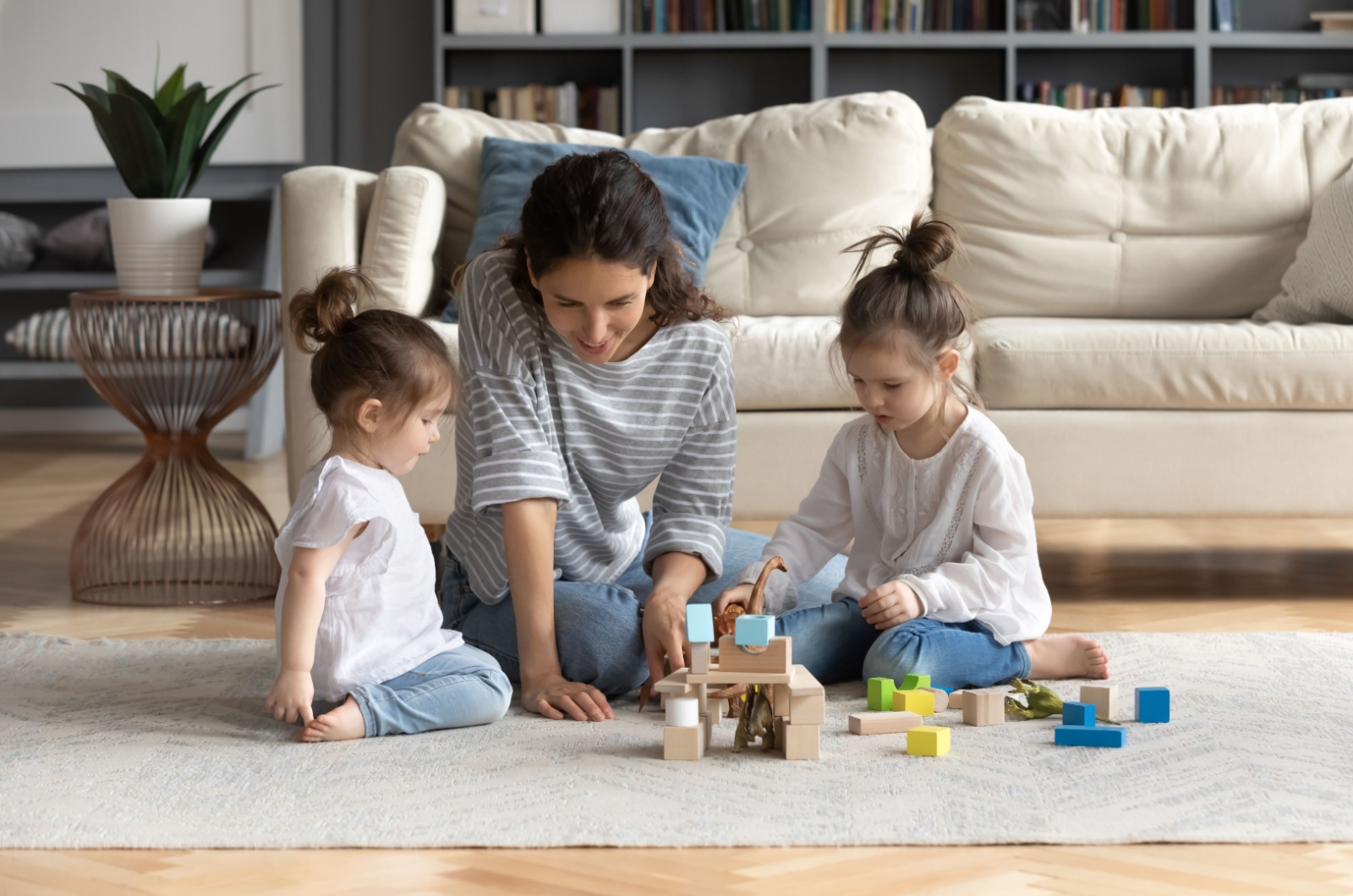
15 sfide che solo le mamme casalinghe capiscono veramente
Quando mio marito mi suggerì che sarebbe stato meglio se fossi rimasta a casa a crescere i nostri figli fino all'inizio della scuola, accettai immediatamente. A quel tempo Ho pensato: perché no, stare a casa con i bambini sarebbe stato fantastico. Inoltre, ho passato un periodo difficile al lavoro e un'interruzione di carriera mi è sembrata l'idea perfetta.
Quasi tutti i miei amici hanno fatto lo stesso quando hanno avuto dei figli e tutto ciò che sentivo era “It’s the best thing to do when your kids are infants or toddlers.” or “You’ll get to watch them grow and witness all of their milestones.”
Overall enthusiasm did not prepare me for the stark reality – essere una mamma casalinga è una battaglia in salita.
Secondo la mia esperienza, questi sono i 15 aspetti negativi dell'essere una mamma casalinga:
1. “I realized SAHM is a full-time job”
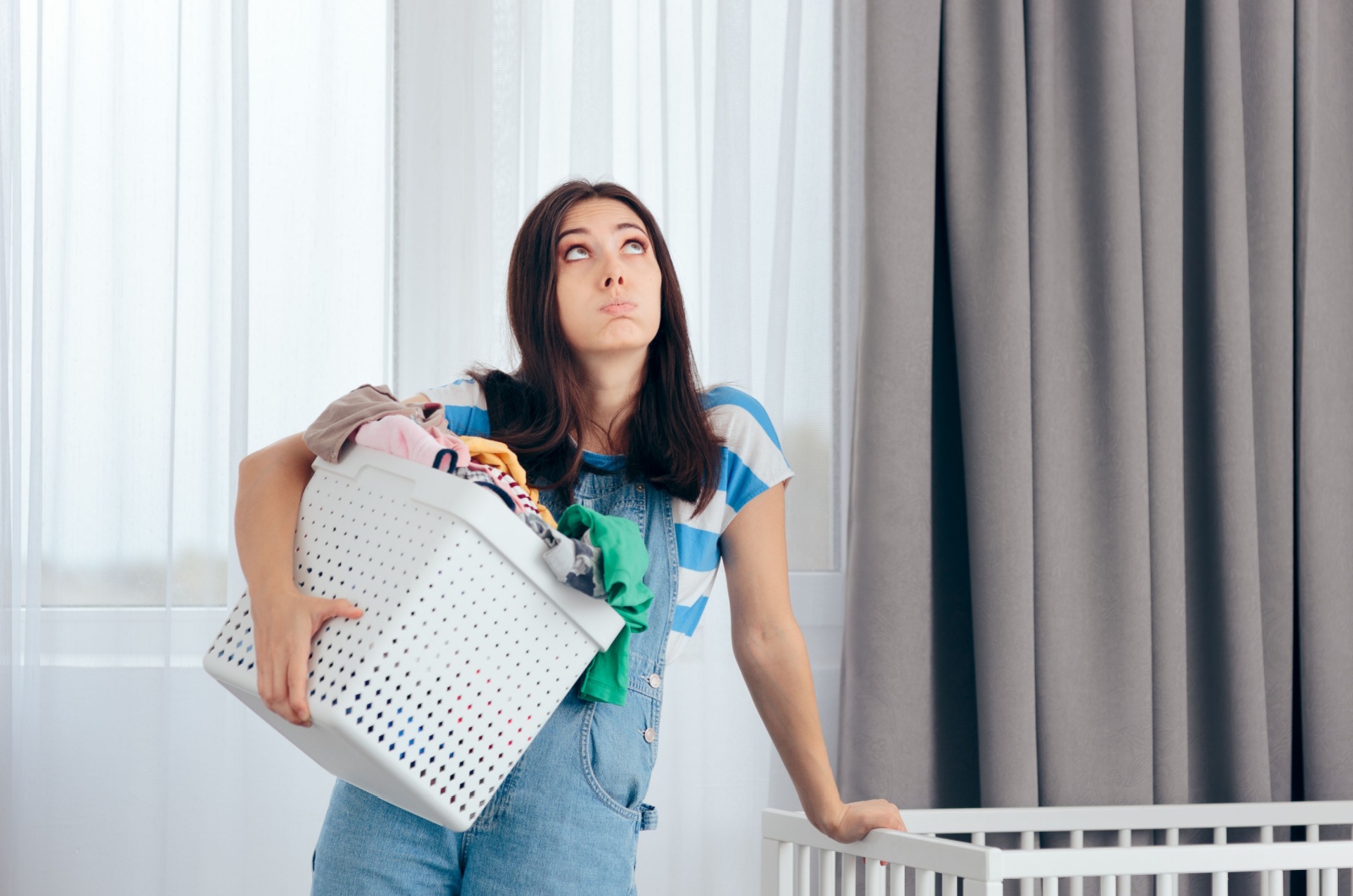
Be aware – it’s not only playing, hugging, and kissing little noses and fingers. Oltre al babysitting, questo lavoro comprende anche la cura della casa, la cucina, la pulizia, la spesa, l'accompagnamento dal medico e la gestione delle esigenze generali della casa e della famiglia.
Almeno per me è stato così, ma siate più intelligenti e fate un piano per dividere tutte le faccende domestiche tra voi e il vostro maritino.
2. “I felt lonely and isolated”

La mancanza di interazione sociale ha un peso e influenza l'umore. Stare sempre con i bambini, senza poter parlare con un adulto se non con il proprio marito, può far sentire soli.
Days will revolve around satisfying kids’ needs and there will be no room for any other activity. You’ll lose touch with your friends and family, e quando si ricorderanno le chiacchierate occasionali che si facevano in ufficio, sembrerà una vita completamente diversa.
So, go meet your best friend at least twice a month. Don’t make excuses, hubby can replace you for an hour.
3. “Being SO tired I was easily irritated and would often lose my temper”

Le giornate frenetiche vi fanno sentire svuotati e sopraffatti, e potreste spaventarvi facilmente. Inoltre, potreste arrabbiarvi e gridare ai vostri figli.
Dopo la tempesta emotiva, ci si sente male e impotenti, senza l'idea di come gestire il peso e far funzionare tutto. Feeling trapped is also very common among stay-at-home moms. Sometimes we don’t leave the house for days!
Cercate di mantenere la calma e ricordate di respirare!
4. “I was incapable to ask for help”

I usually feel rattled when I’m under the time pressure and there’s a lot to do. I rush myself, become more nervous, and then I drop things, damage the door, or scratch the car.
No matter how many things I do, there’s always more. It’s a never-ending cycle, and you never catch a break.
Many women fail to notice that it’s all too much and they need to ask for help. Chiedete al vostro maritino di darvi una mano con le faccende domestiche! So che lui ha un lavoro a tempo pieno, ma anche voi. Dopo le 17.00 tutti i compiti devono essere condivisi tra voi due.
5. “I was stuck in the routine loop”

You feel as if you’re in an endless routine loop that gets repeated over and over again. Ogni giorno è uguale all'altro, often you’re not sure if it’s Wednesday or Thursday.
You keep feeding the kids, changing diapers, washing clothes, ironing, cleaning the dishes, picking up toys, etc. Of course it’s exhausting. As if you’re a rat in a wheel.
Perciò, rompete la routine e portate i bambini a pranzo all'aperto. O portateli a fare un picnic!
6. “My days were tedious and dull”

La ripetitività dei vostri impegni quotidiani vi fa sentire a volte spenti. Eterno Il duro lavoro vi fa sentire depressi e la vostra vita sembra senza senso. Si perde la motivazione e si dimentica di prendersi cura di sé.
Ricordate che la mamma ha bisogno di una pausa ogni tanto! Chiedete a vostro marito di badare ai bambini mentre voi uscite. Una semplice passeggiata può fare miracoli!
7. “I felt worthless without a ‘real’ job”

While your career is on hold, even though you’re very busy with childcare, si vede ancora come un disoccupato. Questo può dare una sensazione di inutilità, può avere un grave impatto sull'autostima e può evocare ansia.
That’s why I keep repeating – SAHM is a real job, more difficult than the one you’re being paid for. Give yourself credit and make sure to thrive in your new “tenure”!
After all, I’m glad I’ve spent a few years being a stay-at-home mom, but Vorrei essere preparato a tutti gli inconvenienti di questo ruolo. Sarebbe stato molto più facile per me se i miei amici avessero condiviso questi utili consigli. Quindi, per favore, prendete appunti!
8. “I missed having a personal identity”

When you dedicate all your time and energy to your family, it’s easy to lose sight of who you are outside of being a mom. Your hobbies, interests, and ambitions may take a backseat, leaving you feeling like you’ve lost a part of yourself.
Find ways to reconnect with your identity. Pick up an old hobby, join a class, or set aside time for personal growth. Even small efforts can help you rediscover your sense of self and remind you that you’re more than just a mom.
9. “I struggled with societal expectations”

Society often has conflicting views about stay-at-home moms. On one hand, you’re praised for dedicating yourself to your family. On the other, you might feel judged for not contributing financially. These mixed messages can be hard to navigate.
Ignore the noise and focus on what works best for your family. Everyone’s journey is different, and there’s no one-size-fits-all approach to parenting. Surround yourself with supportive people who understand and respect your choices.
10. “I battled guilt over self-care”

Taking time for yourself can sometimes feel selfish when you’re a stay-at-home mom. But self-care isn’t a luxury; it’s a necessity. When you’re well-rested and happy, you’re better equipped to care for your family.
Start small. Take 30 minutes a day to do something you love. Whether it’s reading, exercising, or simply relaxing, prioritize your needs. Remember, taking care of yourself is part of taking care of your family.
11. “I worried about reentering the workforce”

Taking a career break can make you anxious about returning to work. Will your skills be outdated? Will employers overlook you? These fears are common but shouldn’t hold you back.
Stay connected to your industry through networking or online courses. Update your resume regularly and highlight the skills you’ve developed as a stay-at-home mom, like multitasking, problem-solving, and time management. These are valuable in any workplace.
12. “I felt invisible”

Stay-at-home moms often feel unappreciated and overlooked. The work you do isn’t always visible, and it’s easy to feel like your efforts go unnoticed.
Communicate your feelings with your family and remind them of the value you bring to their lives. Celebrate small wins, and don’t be afraid to seek validation from yourself and others.
13. “I struggled with my mental health”

Le sfide dell'essere una mamma casalinga possono avere ripercussioni sulla salute mentale. I sentimenti di solitudine, frustrazione e inadeguatezza possono accumularsi nel tempo.
Don’t hesitate to seek support. Talk to a therapist or join a support group for moms. Remember, you’re not alone in your struggles, and help is available.
14. “I missed adult company”

Spending all day with children can make you crave adult interaction. While your kids are wonderful, they can’t replace the connection and stimulation you get from talking to other adults.
Sforzatevi di socializzare. Unitevi a un club del libro, partecipate a eventi comunitari o semplicemente incontratevi con gli amici. La compagnia degli adulti può rappresentare un piacevole cambiamento di ritmo.
15. “I learned to appreciate the little things”

Despite all the challenges, being a stay-at-home mom taught me to find joy in the small moments. A giggle, a hug, or a simple “Thank you, Mommy” can make all the hard work feel worthwhile.
Cherish these moments. They’re fleeting but precious, and they remind you why you chose this path in the first place.