
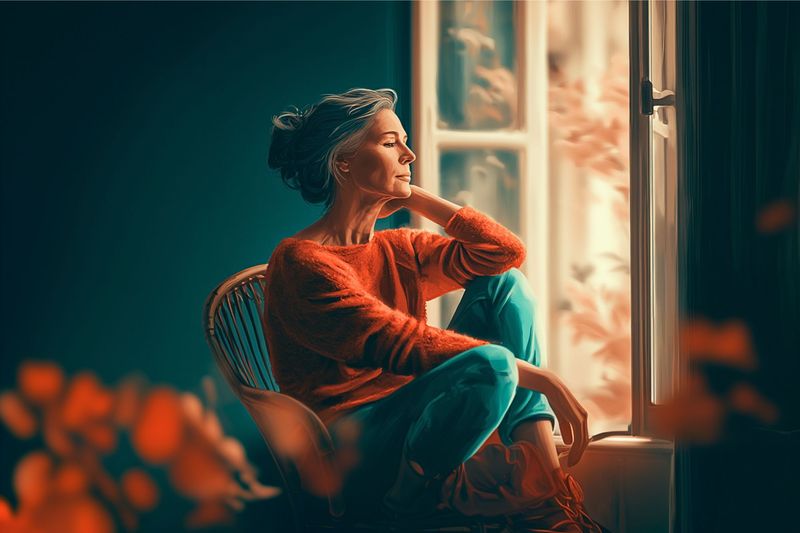
The Woman Who Learned to Be Strong Alone No Longer Fears an Empty House
For a long time, a quiet house felt like something had gone wrong. You were taught, without anyone saying it out loud, that a full home meant a full life, and that being alone was something to fix. But some women reach a point where the silence stops feeling like absence and starts feeling like air. That shift does not happen all at once, and it does not happen the same way for everyone, but it is real, and it is worth understanding.
The Empty House Can Start to Mean Something Different
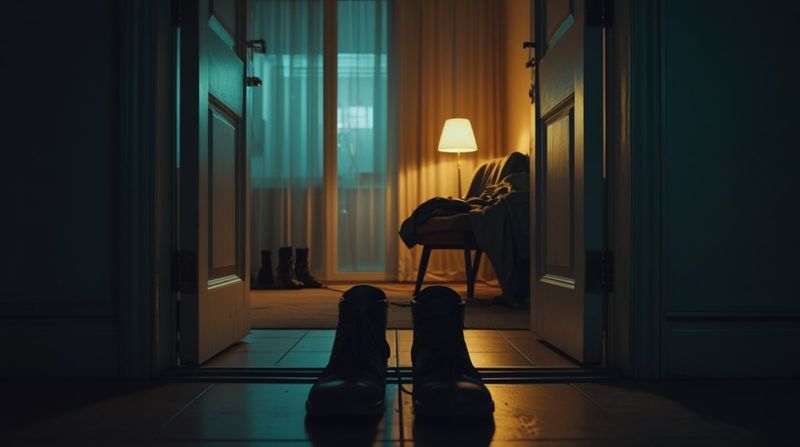
An empty house is not one thing. For some women, it arrives after divorce or a breakup. For others, it follows widowhood, children leaving home, a move made out of financial necessity, or years spent in a relationship where the silence was never actually safe. The meaning of that empty house depends almost entirely on how a woman got there, and whether she had any say in the matter.
What research on social connection makes clear is that major life changes, including divorce, loss, and relationship breakdown, can increase the risk of feeling disconnected, not because a woman is now alone, but because the transition itself disrupts the networks and routines she relied on. Leaving is not automatically relief. Sometimes it is grief and relief at the same time, sitting uncomfortably close together.
Still, something can shift. After years of adjusting your schedule around someone else’s moods, making dinner without bracing for criticism, or choosing how to spend a Sunday evening without first calculating someone else’s reaction, the quiet starts to feel different. Not empty in the painful sense, but open.
That opening is not guaranteed, and it does not erase what came before. The CDC notes that loneliness is a subjective feeling of disconnection, while social isolation refers to an actual lack of relationships or contact, and the two are not the same condition. A woman can live alone without feeling lonely. She can also feel profoundly lonely while sharing a home with someone.
The house was never really the issue. What mattered was whether she felt safe, seen, and free inside it.
Chosen Solitude Gives Her Back a Sense of Choice
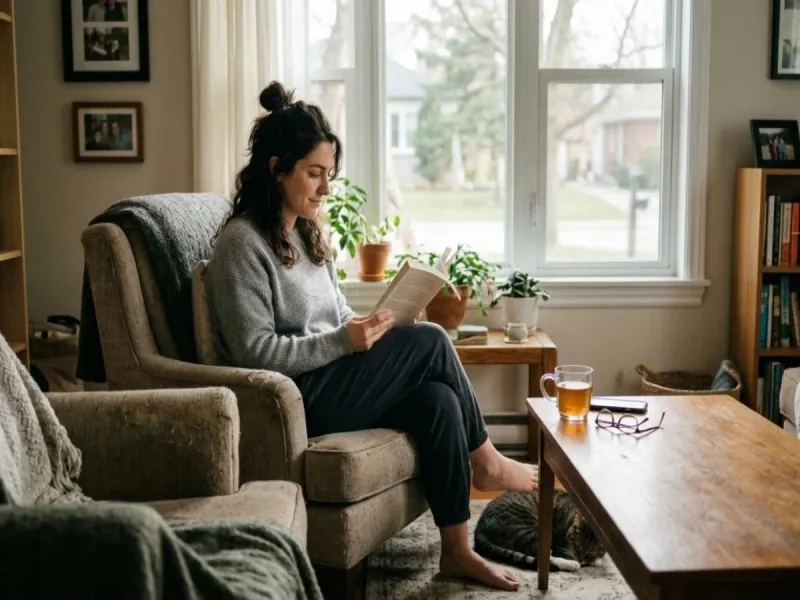
There is a meaningful difference between being alone because you chose it and being alone because rejection, fear, or a lack of options left you no other path. That difference is not small. Research on motivation for solitude consistently finds that people who experience their time alone as self-determined, as something they wanted rather than something that happened to them, report more positive emotional experiences during that time. The solitude feels restorative rather than punishing.
Autonomy is the key word here. When you are alone because it is your preference, even temporarily, you get to act according to your own values, follow your own schedule, and make decisions without first running them through the filter of someone else’s approval or disapproval. Studies on solitude and autonomy in adulthood suggest that this sense of acting freely in your own space is one of the reasons alone time can feel peaceful rather than isolating for many people.
This is worth saying plainly: chosen solitude is not a personality type. You do not have to be introverted, naturally self-sufficient, or emotionally detached to find your own company meaningful. The research actually found that introversion did not predict whether someone sought out or enjoyed solitude. What predicted it was whether the person felt free to be there.
After years of managing someone else’s emotions, moods, or reactions, the simple act of arranging your own evening can feel like reclaiming something you forgot you owned. That is not a small thing. It is a plausible pathway toward greater peace, though not a guaranteed transformation. The shift can coexist with grief, longing, and the occasional hard night when the house feels too quiet in the wrong way.
Self-Trust Replaces the Fear That No One Is Coming
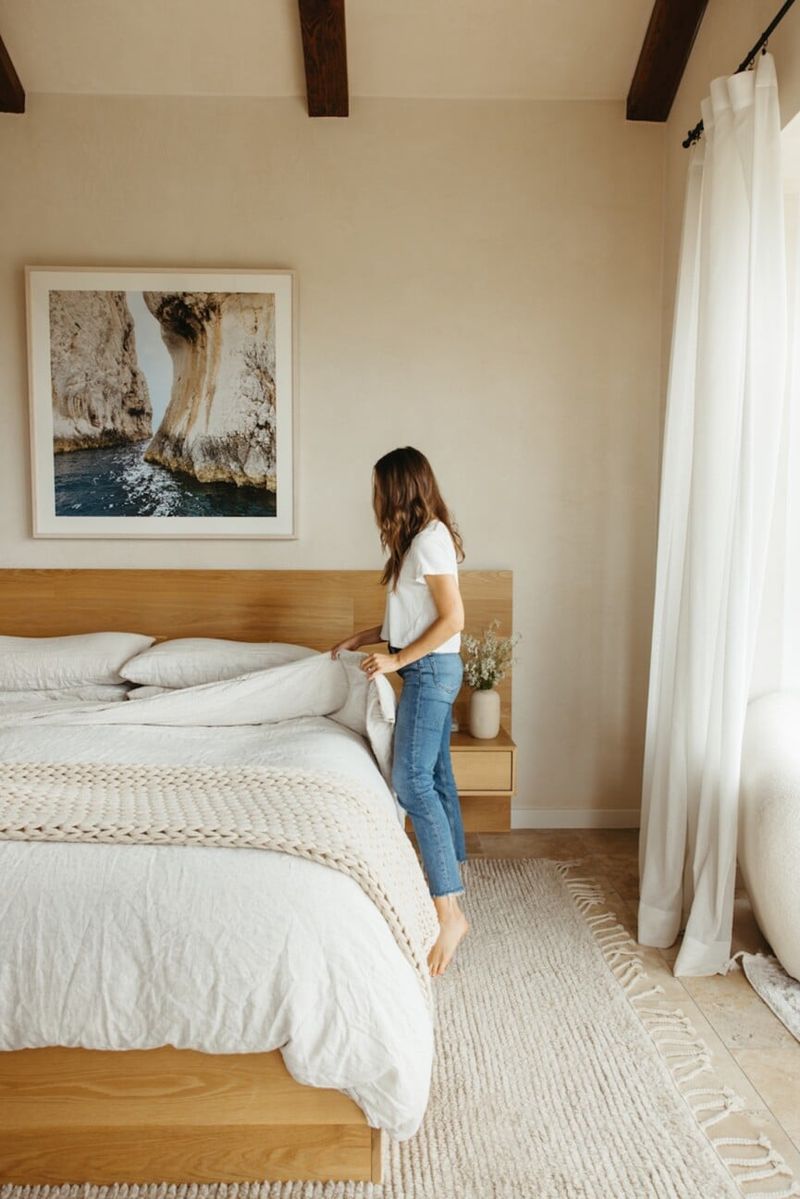
Self-trust does not usually arrive as a sudden feeling. More often, it builds from small, concrete moments that accumulate over time. You make a difficult decision without asking anyone’s permission and it turns out fine. You handle a household problem you were told you could not manage on your own.
You set a boundary with someone and the world does not end. Autonomy research suggests that being able to act in line with your own values and preferences, rather than constantly deferring to someone else’s, is connected to a more positive experience of time spent alone.
The fear that no one is coming is not always about being physically alone. Sometimes it is the older fear that you cannot handle things by yourself. When you discover, through experience rather than reassurance, that you actually can, that fear loses some of its grip. You calm yourself after an old trigger surfaces.
You get through a hard week. You make a call, ask for help when you need it, and realize that asking is not the same as failing.
That last point matters. Self-reliance is not the same as refusing all support. The World Health Organization is clear that social connection remains important to well-being, and building self-trust does not require cutting yourself off from the people who are genuinely good to you. Strength is not the absence of need.
It is knowing the difference between leaning on someone who steadies you and handing yourself over to someone who uses your dependence against you.
Living alone is a circumstance, not a credential. It does not prove that you are healed, resilient, or emotionally stronger than someone who lives differently. What it can offer, when the conditions are right, is practice: daily, ordinary practice in trusting your own judgment.
Peaceful Aloneness Still Has Room for Other People

Enjoying a quiet home is not the same as withdrawing from the world. The CDC draws a clear line between living alone and being lonely: someone can share a home with others and still feel profoundly disconnected, while someone who lives alone can maintain rich, meaningful relationships. Household occupancy tells you almost nothing about a person’s actual social life or emotional connection to others.
A 2024 national health-statistics report found that adults living alone reported higher depressive feelings overall compared to adults living with others. Among those who reported receiving social and emotional support at least sometimes, however, the difference was not statistically significant. This is an observational finding, not proof that support causes or prevents depression, but it does point to something worth taking seriously: connection to other people continues to matter, even when your home is yours alone.
Daily well-being research also suggests that time alone can reduce stress and increase feelings of autonomy, but that too much solitude over time can increase loneliness and reduce daily satisfaction. The healthier frame is balance, not complete self-sufficiency.
You do not have to choose between your peaceful home and your relationships. You can have both. The National Institute on Aging recommends practical, recurring strategies: scheduling regular calls or visits with trusted people, restarting a hobby that puts you around others, taking a class, volunteering, exercising with a group, or joining a community or faith-based organization. The key word is recurring.
Social connection works better as a habit than as an emergency measure you reach for only when loneliness becomes unbearable. Your quiet home can be a base, not a barrier.
Not Every Retreat Is a Sign That She Has Found Peace
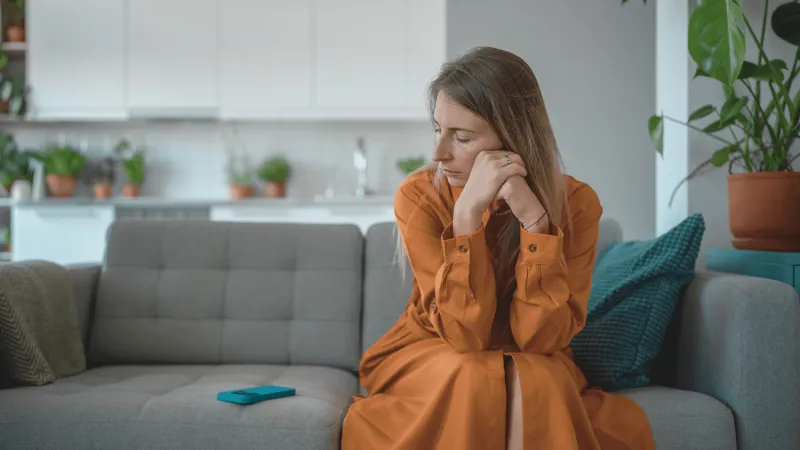
There is a version of being alone that looks like self-possession from the outside but feels like shrinking from the inside. “I enjoy my own company” and “I stopped reaching out because I expect rejection” are not the same experience, even if they can look similar on a quiet Tuesday evening. Knowing the difference matters.
The National Institute on Aging advises speaking with a doctor when sadness persists or arrives alongside other symptoms: low energy that does not lift, changes in sleep or appetite, loss of interest in things that used to matter, or difficulty managing the ordinary tasks of daily life. These are not signs that you have not healed fast enough. They are signals worth taking seriously, and they deserve professional attention rather than inspirational reassurance alone. If thoughts of self-harm arise, please reach out to the 988 Suicide and Crisis Lifeline by calling or texting 988.
A separate concern involves situations where aloneness was not freely chosen. The National Domestic Violence Hotline identifies isolation as a recognized tactic of coercive control: a partner who monitors your communications, limits your access to money or transportation, prevents contact with friends and family, makes threats, or causes you to feel afraid of leaving is not simply difficult to live with. That is abuse.
If any of that feels familiar, rebuilding independence carries real safety considerations. The Hotline offers confidential safety-planning support at 1-800-799-7233, available around the clock. If your device may be monitored, use a safer device or a public computer before reaching out. Sudden confrontation or announcing plans to leave can increase danger in these situations, so please consider safety planning before taking action.
You deserve support that is designed for your actual circumstances, not generic advice.
Her Life Is Not Missing Just Because the House Is Quiet

Freedom does not ask you to stop missing people, stop feeling afraid sometimes, or refuse every offer of help. Those are not weaknesses that cancel out your strength. They are just the texture of a full life, which includes loss, change, and the ongoing need for other people.
What changes, when solitude becomes chosen rather than imposed, is not that the fear disappears entirely. What changes is that the house stops belonging to the fear. It starts belonging to you instead: your preferred temperature, your music or your silence, your rhythm in the morning, your boundaries at the door.
A self-directed life still has room for dependable connection. Choosing yourself does not mean closing the door on everyone else. It means the door is yours to open, on your terms, toward people who are genuinely safe and mutual in their care for you. That distinction, between connection you choose and connection you endure out of fear or obligation, is where so much changes.
The quietest truth in all of this may be the most useful one: solitude can become a place where you finally hear yourself again. Not a destination, not a cure, but a space where your own voice gets a little clearer each time you trust it.