

If He Treats You Like a Burden, That Isn’t Love – No Matter What He Says
There is a particular loneliness that comes from being inside a relationship and still feeling like too much. You have not asked for the moon – you have asked to be heard, to matter, to feel like your presence is welcome. When ordinary needs are met with sighs, silence, or irritation often enough, something quietly shifts inside you, and you start wondering whether wanting basic care makes you difficult. That question deserves a real answer, not a reassurance.
Feeling Like a Burden Is a Signal to Examine, Not a Verdict About Love

Somewhere along the way, you learned to apologize for needing things. Maybe you stopped bringing up the small hurts because the last time you did, the air in the room changed and you spent the rest of the evening managing his mood instead of your own. That feeling – the one where your needs feel like an inconvenience you are constantly inflicting on someone who agreed to love you – is real, and it matters.
But the feeling itself cannot tell you the whole story. A partner who is genuinely overwhelmed by grief, illness, a job loss, or exhaustion may pull back in ways that feel like rejection without intending harm. The difference worth paying attention to is whether that distance is communicated with care and followed by repair, or whether it becomes the permanent weather of the relationship – the climate in which your ordinary needs are treated as evidence that you are too much.
Research on perceived partner responsiveness consistently links feeling understood, valued, and cared for with greater intimacy and well-being. When that sense of being truly seen is absent not occasionally but reliably, the relationship is telling you something worth hearing.
What you are looking for is the pattern, the power around it, and its impact on you over time. A single hard week does not define a relationship. A dynamic in which your needs are repeatedly framed as burdensome, inconvenient, or shameful – especially when you are punished for expressing them – is something else entirely, and it deserves your honest attention.
Real Devotion Shows Up as Reliable Care, Not Constant Availability

Love does not mean he is never tired, never preoccupied, never going through something that limits what he can give. A partner who is caring for a sick parent, working through depression, or carrying heavy professional pressure may go quiet in ways that feel like distance. That is human, and it does not automatically mean the relationship is broken or that love has left the building.
The meaningful standard is not whether he is always emotionally available – it is whether he shows up reliably over time, communicates when he cannot, and comes back to you with care. Healthy relationships are generally characterized by mutual respect, honest communication, privacy, support, and boundaries that both partners honor. None of those things require perfection; they require consistent effort and goodwill.
The trouble begins when unavailability stops being a temporary condition and becomes a permanent dynamic – one in which his stress is always more urgent than your needs, your distress is always inconvenient, and asking for basic reassurance starts to feel like a personal failing. When you find yourself pre-editing every sentence to avoid triggering irritation, that careful self-monitoring is worth noticing.
Devotion is not proven in grand gestures or declarations made during an argument. It is proven in the ordinary moments: whether he asks how you are and waits for the real answer, whether he adjusts when something he does causes you pain, whether you feel genuinely supported during the unremarkable weeks, not just the dramatic ones. That kind of steady, responsive care is what a relationship can reasonably be measured against – not promises made under pressure.
Repeated Contempt and Control Deserve Attention—But One Severe Incident Matters Too
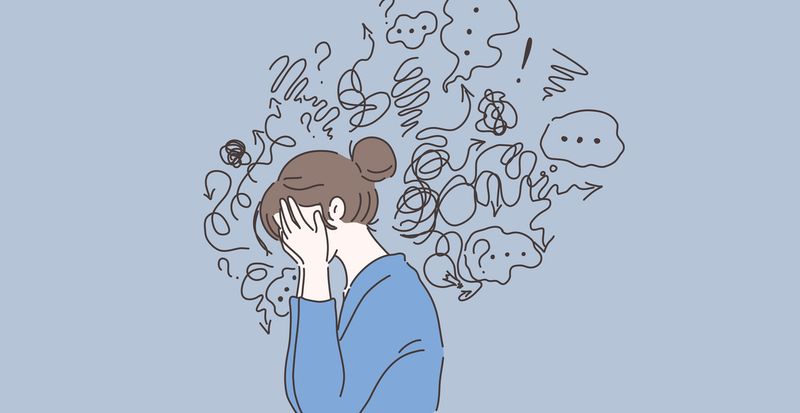
There is a meaningful difference between a partner who sometimes says the wrong thing and one who uses words and behavior as tools to make you feel small, afraid, or trapped. The CDC identifies two broad categories within psychological aggression: expressive aggression – which includes name-calling, insults, humiliation, and belittling – and coercive control or entrapment, which can include monitoring your phone or movements, isolating you from friends and family, restricting your access to money, threatening you, or making decisions about your life without your input.
Both categories cause real harm. Expressive aggression chips away at your self-trust. Coercive control shapes the entire structure of your daily life until your choices, friendships, finances, and sense of reality have all been quietly narrowed. The CDC’s NISVS data reports that roughly 30.2% of women in the United States have experienced psychological aggression by an intimate partner over their lifetimes – a figure that captures a wide range of experiences and severity levels, not a single uniform type of harm.
Repeated patterns are especially important when you are trying to make sense of emotional dismissal – but a single severe incident still matters and may require immediate safety attention. A threat, a physical assault, an act of sexual coercion, a stalking incident, or serious destruction of property does not need to happen three times before it qualifies as serious. The National Domestic Violence Hotline notes that emotional abuse can be harmful in its own right and may coexist with or come before other forms of abuse.
None of these behaviors become acceptable because he says he loves you. Love and harmful conduct can coexist in a person’s psychology, but the claim of love does not neutralize the harm being done. What matters for your safety and well-being is what he repeatedly does and whether, when you name the impact, he takes responsibility or finds a way to make the problem yours.
What Happens After You Say You Are Hurt Reveals the Relationship’s Capacity for Repair

Picture this: you tell him that being called dramatic when you brought up a concern left you feeling dismissed and a little ashamed. What happens next is more revealing than almost anything else about the relationship’s health.
A partner with genuine care listens without immediately defending himself. He might feel uncomfortable – that is normal – but he stays with the discomfort long enough to understand what you experienced. He says something that acknowledges the impact, even if his intention was different. And over the following weeks, the behavior actually changes.
Healthy conflict allows both partners to speak, listen, repair, and negotiate – it is not painless, but it is mutual.
What is not repair: a flood of tenderness that lasts exactly long enough for the argument to end, followed by the same behavior returning as if the conversation never happened. An apology only means something when it comes with responsibility, behavioral change, and sustained respect for what you said you needed. Tenderness offered as a transaction – to end the conflict, not to address the harm – is its own kind of dismissal.
The Hotline describes a pattern sometimes called gaslighting as one in which a partner denies or distorts your reality in ways that undermine your confidence and control the interaction – questioning whether something happened, insisting you misunderstood, or suggesting that your emotional response is the real problem. This is different from an ordinary disagreement about what was said. Mutual respect means both people’s experiences of the same event are treated as worth understanding, not as competing claims where only one person’s version is allowed to win.
A Boundary Gives You Information About the Dynamic Over Time

A boundary is not a threat, an ultimatum, or an attempt to control what another person does. A boundary is a statement of what you will accept and what you will do to protect yourself when that line is crossed. The responsibility for your reaction belongs to you; the responsibility for his behavior belongs to him.
Say you tell him that you will leave the conversation if it includes insults, and then you do exactly that the next time he calls you names. What follows is information. Does he reflect on what happened and come back with something that sounds like accountability? Does he seem genuinely curious about why that boundary matters to you?
Or does he mock the boundary itself, accuse you of punishing him, go silent for days, or escalate the next argument to make the cost of holding your ground feel too high?
You are not responsible for managing his reaction to a limit you set on your own treatment. Healthy partners may disagree about needs and timing – that is ordinary – but they do not coerce, pressure, or punish someone for expressing what she will and will not accept. The response to a boundary is not a definitive one-interaction verdict, but a pattern of recurring mockery, silent punishment, threats, or retaliation is a pattern worth taking seriously.
Setting a boundary does not guarantee that the relationship will repair itself. Sometimes the clearest thing a boundary does is show you, without any remaining ambiguity, exactly where the relationship actually stands. Warning signs like walking on eggshells become more significant when they accompany concrete behaviors – threats, humiliation, monitoring, isolation – rather than standing alone. That combination is worth paying close attention to.
When Fear or Control Appears, Safety Comes Before Confrontation
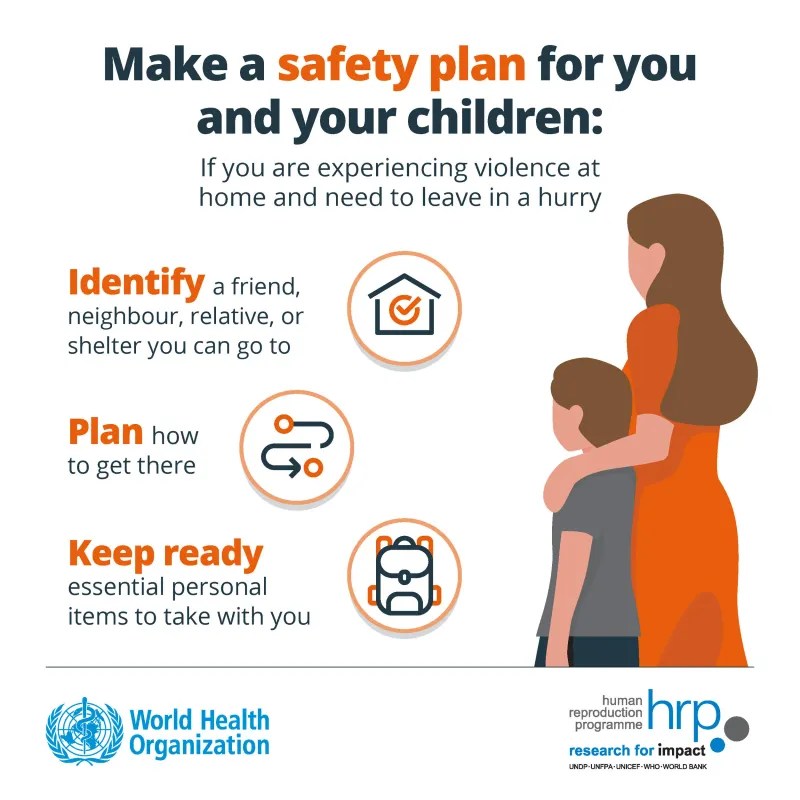
Everything changes when fear enters the picture. Threats, stalking, physical violence, sexual coercion, financial control, isolation from people who care about you, destruction of your belongings, or a persistent dread of what will happen if you say the wrong thing – these are not communication problems that a better conversation will fix. ACOG recommends assessing immediate safety and developing a safety plan when intimate partner violence is present, rather than beginning with couples counseling or direct confrontation.
Joint counseling is not a safe starting point when one partner is using control or coercion. Sharing your feelings in a session can give an abusive partner information he uses later, and challenging the dynamic openly can increase the risk of retaliation. Individual, confidential support and a private safety assessment are more appropriate first steps.
Leaving is not always the safest immediate move, and the decision is yours alone to make at a pace that accounts for your actual circumstances. Housing, finances, children, disability, immigration status, social isolation, and the real risk that departing can escalate danger are all factors that matter. WomensLaw.org notes explicitly that leaving an abusive relationship can increase danger for some survivors, which is why safety planning before any confrontation or departure is so important.
Practical safety planning can include telling one trusted person what is happening, keeping important documents – identification, financial records, medication – somewhere you can access them quickly, protecting your digital privacy by changing passwords and checking for tracking apps, and thinking through where you could go in an emergency. The National Domestic Violence Hotline’s safety planning tool offers confidential, step-by-step guidance you can work through privately. In the United States, the Hotline also offers phone, chat, and text support around the clock. You do not have to be certain that what is happening qualifies as abuse before you reach out – uncertainty is a completely valid reason to talk to someone.
You Do Not Have to Become Smaller to Be Loved

Your needs are not the problem. They never were. The question worth sitting with is not whether you are too much, but whether the relationship you are in has consistently offered you the respect, responsiveness, emotional safety, accountability, and repair that a relationship genuinely requires to be healthy.
Feeling grief about this, missing him, or holding ambivalence about what comes next does not mean the relationship was fine. Feeling genuinely understood and valued is linked to real well-being – and its absence leaves a real absence. You are allowed to grieve that without it being evidence that you should stay.
You are allowed to seek confidential support, to stop over-functioning, and to hold standards that do not require you to suppress ordinary needs in order to keep the peace. Everyone deserves a relationship built on mutual respect – not one in which love is offered as a reward for making yourself easier to be around. The quietest, most durable thing you can know is this: a relationship that requires you to disappear is not asking you to be loved. It is asking you to be managed.