

La mente de un suicida y cómo ayudarle
Suicide. You get shivers down your spine by just thinking about it. The thought of killing yourself and leaving everything you have behind is unimaginable for you, but for some, it’s the only salvation they know.
Miras todo lo que tienes y ves la vida que existe en cada ser vivo.
Todo lo que te rodea está lleno de este asombroso milagro, pero ¿cómo se ve en la mente de alguien que sólo ve su vida como una carga?
What’s really inside the mind of a suicidal person?
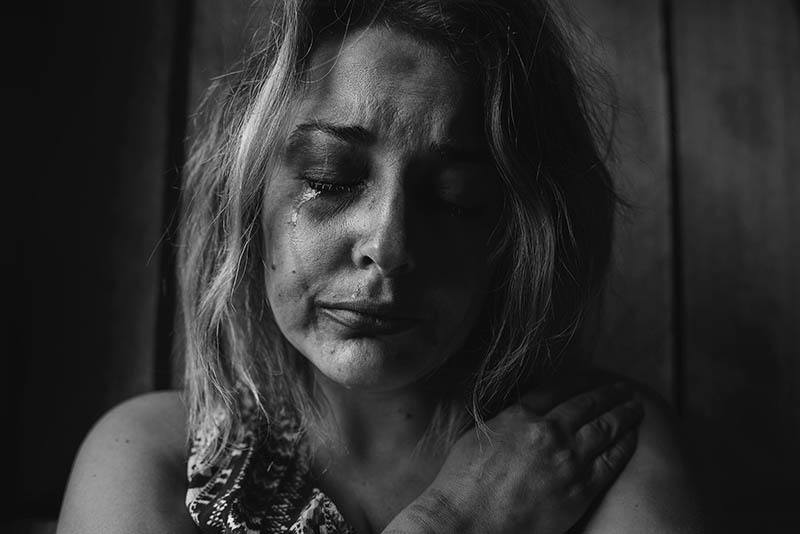
Siempre empieza con la depresión. La depresión es una enfermedad mental muy común que hace que las personas vean el mundo desde el lado más oscuro. Las personas con depresión tienen problemas de concentración.
Tienen un sentimiento de baja autoestima y culpabilidad. La depresión también puede manifestarse en alteraciones del sueño o de los hábitos alimentarios.
La depresión les hace sentir como si no hubiera nada en el mundo por lo que sentirse felices.
Seeing only the dark side to everything makes you believe that this life isn’t even worth living, so why even try? Just imagine not being able to enjoy the things you find to be most pleasurable in life: like the hug of a loved one, the sun on your skin or the birds that are singing to you in the morning.
These are just little things that depression doesn’t allow you to enjoy, but what about those big parts of your life that made life joyful and happy? Like your job? Your partner? When you stop enjoying these things, you know it’s a huge red flag that your mind isn’t healthy anymore.
La parte peligrosa de la depresión es que las autolesiones la acompañan con mucha frecuencia.
La ablación y las mutilaciones corporales en cualquiera de sus formas hacen que el persona deprimida olvídate del dolor mental y emocional.
I have heard on many occasions that seeing blood coming from their body looks purifying – like all the depression is leaking out through that wound.
What they don’t know is that it’s just a little moment of pleasure that doesn’t mean anything. Instead, it just makes them more and more sick.
What exhausts a suicidal person the most is the constant battle that’s happening within. The constant battle between life and death.
At one moment, you see that the whole world doesn’t make sense and that you’re nothing more than a waste of human skin, but in the next moment, someone comes up to you and shows some basic human decency that makes you believe in the magic of life again.
La noche y la mañana tienen efectos completamente diferentes en el cerebro y esos son los dos lados opuestos con los que tiene que lidiar alguien que piensa en el suicidio.
When night falls and everything is so peaceful and quiet, it’s the moment when all those demons come alive and your brain falls victim to them. In the morning, life seems to be pleasurable again but only for a moment or two.
Thinking about all those people you’re leaving behind and thinking about all the pain they inflicted on you.

You’re thinking about how life might look like without you in it and how those people around you will react to losing you.
Are they going to cry? Will it be a happy moment for them to know that they don’t have to deal with you anymore? Are they going to regret what they have done to you? Is it that simple? Who knows?
Vivir con todos estos pensamientos es agotador and it doesn’t make it easier to choose between life and death because somehow there are always more of those things that make you want to kill yourself.
All of this brings you to unbearable emotional and mental pain. The pain invades your brain and your skin. It’s everywhere. It doesn’t matter what you’re doing in life.
El dolor se hace cada vez más insoportable a cada momento que pasa.
Your skin hurts from the self-inflicted injuries. Your mind hurts from those thoughts that don’t want to leave your brain and your chest hurts because your heart isn’t able to carry all that burden anymore.
Lo que ocurre con el suicidio es que la gente lo confunde con la libertad. Las personas con una mente suicida tienden a ver la libertad en matarse, sin saber nunca que vivir su vida plenamente es en realidad lo que te hace completamente libre. Les torturan más los pensamientos suicidas que la vida misma.
La gente intentará librarse de este dolor interminable, tratando de encontrar la salvación en el alcohol, las drogas y el sexo. En cualquier cosa. Sólo para adormecer el dolor que golpea constantemente sus cráneos.
Toxic thoughts occupy their days. Life isn’t easy when you hear those voices in your head telling you that you shouldn’t be on this planet with these people.
En realidad, el pensamiento tóxico puede estar causado por las cosas más pequeñas que ocurren en la vida. Por ejemplo: estás llevando la colada de una habitación a otra.
You trip and everything falls out of your hands. To someone who doesn’t have a suicidal mind, it’s nothing.
They will pick up the laundry and move on. But for someone who has toxic thoughts it’s not something trivial, but rather makes them think, ”I am so unworthy of this life if I can’t even do this right” or ”I am not even capable of doing this” and so on.
Signos de declive:

¿Cómo sabe que alguien de su entorno está pensando en suicidarse? La mayoría de las veces un suicida recurre al alcohol y a las drogas.
Adormece la mente y parece ser la única salvación que existe. Aunque las personas con tendencias suicidas suelen ser muy sociables, a veces incluso alegres y fiesteras.
The fact that they can’t go out with their friends without getting wasted tells you something.
One other sign that they’re surrendering is a change in appetite. Depression can cause the body to simply not respond to usual needs, like hunger.
If someone is depressed and suicidal, they play around with their food, they don’t eat enough and it turns to them being underweight and malnourished.
Losing interest in things they usually liked shows that life simply isn’t as enjoyable as usual.
I know that people change all the time, but losing interest in something overnight and not wanting to do the things that were making you happy and that made life a bit easier means that you can’t see the meaning of those things anymore.
You don’t even know why you’re trying when life doesn’t have meaning anymore.
Mi historia

Las cosas de las que he hablado más arriba son desde una perspectiva muy racional y están muy generalizadas, pero ¿cómo es en realidad?
Te lo puedo decir desde mi experiencia personal con pensamientos tóxicos y una mentalidad suicida.
I was never a ‘depressed’ person. I loved my life very much but when people started to tell me that I always complained and that I didn’t smile enough, I started to question whether or not I was just putting on a mask.
When I would come home at night, my mind wouldn’t let me sleep and at this time of the day, the temperature of my body would rise. I would feel sick physically because of what my mind was telling me.
I was very young when I experienced all of this and I didn’t know how to handle anything.
I won’t go into much detail because it might be a trigger for some readers and I don’t want that, but at one point, my mind started to tell me that the whole world would be better off without me and that I shouldn’t be a burden to people around me anymore.
En mi cabeza, esas personas tenían que lidiar conmigo y con mis constantes quejas, así que empecé a guardármelo todo dentro y dejé de hablar en absoluto.
My parents just thought that it was a teenage phase and that they shouldn’t be paying attention to me, but I needed more attention than ever before.

Mis notas bajaron y dejé de hacer deporte. ¿Por qué iba a hacerlo? Nadie me quería cerca.
I didn’t want to be around myself, so why would anyone else? There was no meaning in life itself. ”Why would I want to live if I’m going to die anyways? It doesn’t matter if I die today or in twenty years, does it?”
I wouldn’t want you to know how hard it is to deal with these emotions and thoughts every day.
It’s like being trapped in a cycle of the same words coming into your mind: worthless, nunca es suficienteodioso, miserable, abandonado.
Instead of searching for help, I continued to draw within myself. Life seemed to be unfair. I didn’t do much to make it better though.
Me culpaba de todo, sin ver nunca que tal vez otra persona tenía la culpa de cómo me sentía. Cuando la gente me acosaba, siempre pensaba que me lo merecía por lo desgraciada y estúpida que era.
At one point, the people I called my friends started to tell me how happy I was. That I was more sociable than ever. I knew about that transformation of mine because I didn’t want anyone to see how I felt inside.
I would go out to parties and drink so much that I couldn’t even walk.

Those people I called friends made me take drugs because ”it’s cool” and you ”don’t want to be a pussy”.
¿Y sabes qué? Me hizo sentir bien. Me hizo sentir insensible a todo el dolor y la miseria que estaba sintiendo.
I started to become more and more serious about drug use and it’s what made me believe that I was truly happy and satisfied, at least for one moment of my life.
The only people who saw my depression were my parents, but they didn’t do much about it. I don’t blame them. They didn’t know that my mind was telling me to leave them behind and to jump out of the window just to make their lives a little less miserable.
When I stopped showing myself at the dinner table and I stopped eating completely, they started to get concerned. ”What is happening to you? Why are you so ungrateful? You’re too young to be depressed!” and so on.
Cuando mi padre insistió en hablar conmigo sobre lo que estaba pasando, le dije que tenía tendencias suicidas, que mi mente me decía que cortara un poco más, que cruzara la calle un poco más despacio y que me acercara un poco más a los bordes de los edificios.
When I repeated that I was suicidal, his only response was ”aren’t we all?”
I was shaken for a moment because I didn’t realise what he was telling me.
I got mad because he didn’t care if I killed myself or not. He just slowly walked out of the room, leaving me alone with my thoughts. Again. I was furious and I was alone.

But my body couldn’t let go of his words and then I started thinking about losing everyone in my life who meant so much to me.
I thought about his words like I was about to lose everyone to suicide. My life would be empty and I would I ask myself for the rest of my days why did it have to happen this way and why couldn’t I stop them for doing this?
A partir de ese día, empecé a ver a todas las personas de mi vida como alguien que podía ser víctima del suicidio y lo que les diría si se me acercaban diciéndome que querían suicidarse.
The only thing I could think of was ”Just don’t do it!” I couldn’t find a reasonable explanation then, but I can now.
I started going to a therapist who told my parents that I was going to be fine because I didn’t want to commit suicide anymore, knowing what it would do to people around me.
My mother burst into tears as never before and she told me that she would be a ‘better mom’ from now on. That’s why I decided to be a better daughter.
The support from my therapist, my parents and the fact that I discarded all the toxic people around me who didn’t know how to help me really made an impact.
Me rodeé de positivismo que me ayudó a ver las maravillas de la vida y la alegría de cada día que nadie debería dejar atrás. Agradecí a Dios que no me dejara suicidarme. Le di las gracias desde el fondo de mi corazón.
CÓMO AYUDAR A UNA PERSONA SUICIDA
After everything I have told you let me tell you that helping a suicidal person isn’t that easy.
En primer lugar, tienes que protegerte de sus pensamientos tóxicos y ser lo suficientemente fuerte para que no te afecten a ti ni a tu estado de ánimo.
If you are not sure that you can do this, then maybe it’s better to simply lead them to a therapist who can help them out in much better ways than you can.
1. Hacer que se sientan necesarios

La mejor forma de demostrar a una persona con tendencias suicidas que el suicidio no es la respuesta es hacer que se sienta querida y necesitada en la sociedad.
Enséñales cómo solo estarías si te dejaran y muéstrales que su vida realmente tiene un impacto en este mundo. Hazles creer que no hay nada más sagrado que su aliento y su presencia.
2. Atención

Realmente supone un cambio que la gente se preocupe por tu bienestar y te pregunte cómo estás, etcétera.
Life becomes easier when you see that there’s someone out there who cares enough to ask how your day went.
So don’t let a suicidal person be alone with their thoughts, but make them verbalize what they are thinking. Make them see that someone cares enough to listen what’s going on inside their head.
3. Don’t try to find a solution

Don’t you think that they have already thought about every possible solution? When you’re depressed, it’s not because you have a reason to be sad, but it’s a mental illness that doesn’t allow you to be happy no matter what.
That’s why you shouldn’t be telling them to have a balanced diet because it will make them feel better or to try using healing crystals.
Those things do not work. Instead ask, ” What can I do for you now?” and take them to a therapist if they’re not in therapy already.
4. Fomentar la terapia

I can’t stress this enough, but going into therapy works wonders. Therapists don’t get emotionally involved with their clients which means that they can have a completely rational solution for them.
Therapists are there to help us get mentally stable and help us resolve all the remaining issues from our past. If anyone can help them, it’s a therapist.
5. Don’t judge, understand

People who have a suicidal mind often don’t accept help because of the fact that everyone around them will judge them for what they’re thinking and feeling.
Don’t do that. Make them feel understood and like they’re in a safe space when they’re talking with you.
6. Sé amable

Don’t force yourself on them. A universal need is empathy and if you get easily triggered, if you get easily mad by words or something between those lines, then try to get a hold of yourself and don’t let those emotions get the best of you.
Suicidal people don’t want someone who will yell without any particular reason but actually someone who will ser amable y empático, por muy desastre que sea ahora mismo.