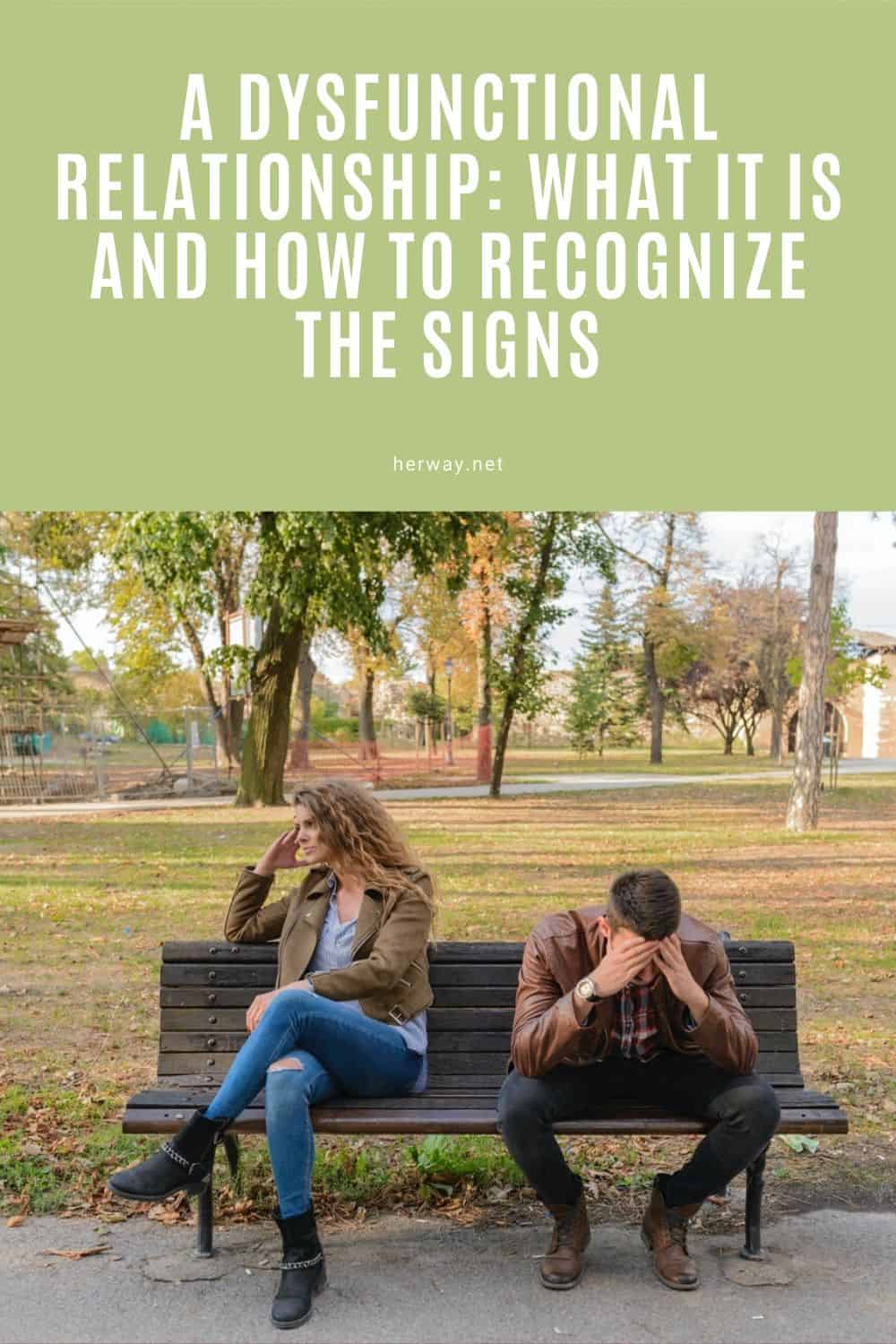
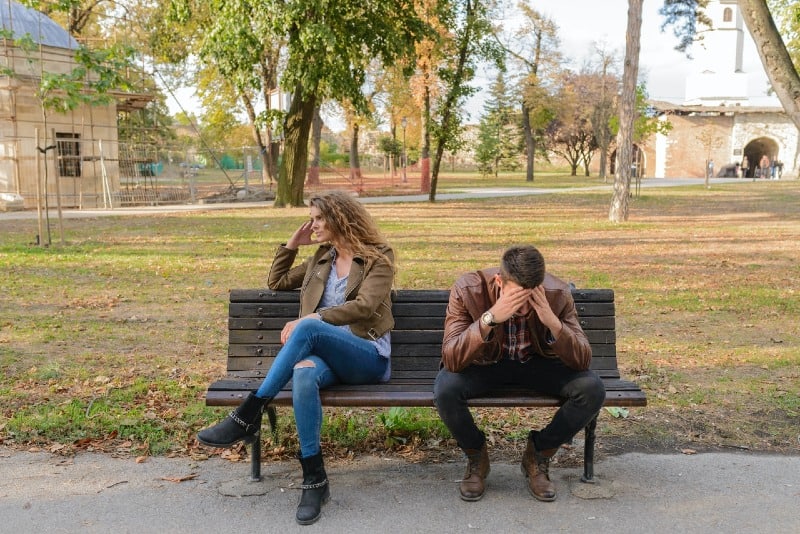
Una relación disfuncional: Qué es y cómo reconocer las señales
Let’s start off by saying that perfect relationships don’t exist.
La mayoría de nosotros puede ser un poco disfuncional de vez en cuando, pero ¿qué hace que esto sea diferente de un relación disfuncional es la conciencia del problema y la voluntad de resolverlo.
Entonces, ¿qué son las relaciones disfuncionales?
Relaciones disfuncionales are relationships that don’t serve their function: They don’t emotionally support their participants and they don’t encourage healthy communication or behavior.
Este término puede referirse a cualquier tipo de relación, ya sea una relación romántica o una relación familiar. Cualquier vínculo entre dos personas puede llegar a ser o empezar siendo disfuncional.
Otros términos utilizados para describir patrones de comportamiento similares son relaciones tóxicas y codependiente relaciones.
A Codependiente relación o codependencia es cuando un codependiente se ve atrapada en una relación con una pareja que suele ser (aunque no siempre) alcohólica, drogadicta o maltratadora.
A codependiente hace que la relación sea más importante que uno mismo. El término se utiliza para describir una relación en la que una persona es incapaz de abandonarla a pesar de sufrir abusos emocionales o físicos.

A relación tóxica es un término utilizado para describir un caso más grave de abuso mental, emocional y físico.
All of these terms describe relationships that are based on unhealthy behavior and they’re often used to describe the experiences of people who grew up in familias desestructuradas (por ejemplo, hijos adultos de alcohólicosdrogadictos, maltratadores, narcisistasy otras personas que crecieron en sistemas familiares disfuncionales).
Unfortunately, it’s not unusual for those people to end up in relationships with gente tóxica y repiten el patrón que aprendieron antes en la vida.
One of the most important things that’s missing from relaciones disfuncionales es la responsabilidad.
It’s important to understand that every relationship can become dysfunctional at some point. It often happens when there are unaddressed issues that result in passive-aggressive and other damaging behaviors.
Knowing all this, it’s good to watch out for the señales de patrones disfuncionales en nuestras relaciones e intentar abordarlas adecuadamente. He aquí los signos más frecuentes.
1. Conflictos frecuentes sin resolver

“Es mejor romperse el corazón una vez que tener a alguien que te lo rompa todos los días.” – Desconocido
Los conflictos surgen de la falta de comprensión. La incapacidad de comprender al otro.
They are unavoidable in any relationship. It’s normal to have conflicts, especially when it comes to some kind of crisis, new life stages, and family matters.
De hecho, a menudo pueden conducir a un mejor entendimiento y mejorar la calidad de la relación.
Sin conflicto, las relaciones se estancarían. Sólo cuando nos enfrentamos a algo, tenemos la oportunidad de cambiarlo a mejor.
However, it’s not always easy to see the benefits of conflicts, especially when the people involved don’t see conflict as an opportunity for growth but as a way to impose power on another person.
En ese caso, el conflicto no es más que una forma destructiva de comunicación que provoca desequilibrio y desconexión.
Bearing in mind everything that has been said, it’s still true that an excessive number of fights that don’t end in mutual understanding are a harmful behavioral pattern.
When the people involved in a relationship don’t see problems as something that should be solved with joined forces but instead accuse each other of being the chico malo for causing the problem, there’s no way out.
El juego de las culpas es un círculo vicioso.
Treating the problem as something that doesn’t apply to them is down to a lack of comprehension and similar experiences.
Trabajar juntos para resolver el problema es la única manera de que los conflictos se conviertan en algo beneficioso.
2. Desequilibrio de poder

Como he dicho anteriormente, para lograr una comunicación sana, las personas deben trabajar juntos. Lo que impide que esto ocurra es una desequilibrio de poder.
¿Qué es un desequilibrio de poder?
Have you ever felt like you are lower down in the hierarchy in a relationship that’s supposed to be based on equality and respect?
Like you’re en someone else and have no right to speak about or do certain things? That’s it.
Instead of using one’s beneficial dominant traits in either a mentally, emotionally, or physically useful and stimulating way, there’s a tendency to take advantage of others because of the given opportunity.
Relationships require sharing and cooperation and that takes two. Imbalance happens when one person doesn’t want to cooperate or share.
Este tipo de comportamiento suele manifestarse como que uno de los miembros de la pareja es un responsable de la toma de decisiones, que básicamente dice Lo que yo quiero es más importante que lo que tú quieres.
Claramente, esto equivale a abuso emocional y hace que el otro se sienta más pequeño y reprimido.
El objetivo de una relación es apoyarse mutuamente, compartir responsabilidades y estar ahí el uno para el otro.
In a normal relationship, you shouldn’t be scared to speak up or feel inadequate to say or do something you like.
3. Desconexión emocional

Responding to partners’ needs, engaging in their interests, and supporting them in what they love to do is one of the crucial things that build trust and safety.
La confianza emocional crea intimidad y la intimidad es lo que mantiene unida a una pareja.
Intimacy is a safe place and knowing you have somebody to count on, somebody who accepts you as you are, appreciates you, and loves you. It’s not only about the physical aspects.
Toda relación sólida requiere una conexión física, mental y emocional. Si falta una de ellas, se produce un desequilibrio.
La falta de conexión emocional provoca problemas de pareja. Couples feel distant from one another and there’s a fear of sharing emotions for various reasons.
In order to restore intimacy, it’s crucial to allow vulnerability.
4. Culpa y culpabilidad

La culpa es sin duda una de las formas más comunes de destruir una relación.
¿Cómo?
Culpar constantemente es una forma de abuso emocional. La culpabilización injustificada deja cicatrices emocionales y destroza la autoestima of the person who’s being blamed.
It’s common for a blamed person to start believing the accusations about the things that he or she has never done.
Con la culpa viene la culpa, y con la culpa la persona que es culpada sigue bajando sus estándares y termina en un círculo vicioso de culpa y culpa, tolerando el comportamiento abusivo.
La culpa suele ser uno de los primeros banderas rojas. Puede empezar como agresividad pasiva y convertirse poco a poco en acusaciones abiertas.
5. Amenazas de abandono

Otro aspecto muy importante interacción disfuncional es la amenaza de un ruptura y abandono. Esto entra en la categoría de manipulación emocional, utilizando el miedo como combustible.
It doesn’t matter what kind of previous experiences a person has had or how mature the person is, the threat of abandonment will leave emotional scars and trigger deep-rooted fears in all humans– soledad, aislamiento y rechazo.
Parejas disfuncionales will use this fear to control their victims’ actions.
Verbal abuse is very real, in the same way as physical abuse. Unfortunately, it’s not always recognized as such.
6. Falta de respeto a los límites y al libre albedrío

“Ninguna pareja en una relación amorosa debe sentir que tiene que renunciar una parte esencial de sí mismo para hacerlo viable.” – May Sarton
To understand what violating boundaries means it’s easier when we look at what healthy boundaries look like.
While it’s true that relationships are based on intimacy and sharing personal things with the other person that doesn’t mean that we’re not allowed to have privacy.
Todos relaciones sanas tener límites – and they are set intentionally by a couple who have previously talked about what does and doesn’t make them comfortable.
Nunca debes sea que sacrificar a tus amigos, tus sueños o tu dignidad.
For example, if you don’t like public displays of affection, sharing passwords for your personal accounts, spending time with certain people, or going to certain places, your feelings and needs should be respected.
As long as you’re not taking away the freedom of others and care for their bienestar you’re allowed to have your own preferences.
7. Desesperanza

You don’t have to fix anyone.
If you constantly feel down, oppressed, and sad in a relationship that’s la señal de advertencia. If you feel like you can’t live your propia vida how you want to, the chances you’re in a relación disfuncional son altos.
Ser feliz está estrechamente relacionado con la calidad de las relaciones que tenemos en la vida, especialmente las más cercanas.
Maybe you know you love your partner but things between you just aren’t working out. Sometimes people are just not compatible and other times some bigger issues – como enfermedades mentales – aren’t addressed.
Esto puede ser cierto para ambos miembros de la pareja. Cuando se trata de una salud mental Hay muchos escenarios posibles que deben tomarse en serio y discutirse con un especialista. psicoterapeuta.
Maybe you’re unaware of the sacrifices you make for your pareja and they don’t seem to be aware, either. That behavior will consciously or subconsciously create a feeling of despair and underappreciation.
In that case, you have to know that you can’t save other people, you can’t do their work for them.
It’s true that being in a relationship means being there for each other, but first we need to start with ourselves and be aware of our own autoestima y nuestras posibilidades y límites.
8. Resentimiento

El resentimiento es un asesino silencioso de las relaciones.
It appears as a result of feeling like you’re being deprived of empathy and your experience is not being taken seriously or validated.
El verdadero problema se produce porque una persona opta por callar, pensando que el otro debe darse cuenta de sus sentimientos – and that usually doesn’t happen.
Eso conduce a un inevitable comportamiento pasivo-agresivo que acaba desembocando en peleas. El resentimiento y el dolor acumulados hacen que la gente renunciar en su relación sin ni siquiera intentar arreglarlo.
¿Qué podemos aprender de ello?
It’s important to be honest with other people and never assume their feelings.
It’s always useful to ask someone to share their punto de vistasentimientos y pensamientos. Todos experimentamos la vida de forma diferente.
9. Deslealtad

Una cosa muy desencadenante en una relación es la ruptura de la confianza.
It doesn’t occur only as a lie or because of cheating, it also includes talking to someone outside of the relationship and sharing intimate and private information without a partner’s consent.
It’s okay to ask friends for consejos sobre relaciones...pero el problema es compartir todos los sentimientos vulnerables que los socios han compartido en confianza.
Vulnerability takes a great amount of strength and bravery to share for most people and that’s exactly why betrayal hurts the most.
Alguien ajeno a la relación no debe enterarse de las cosas que se dicen en confianza entre dos personas.
While the third party might have good intentions, it’s also likely they will make wrong assumptions because of a lack of knowledge.
It also puts the unaware partner in a situation where they’re oblivious to the fact that someone has and can use that information against them. It’s non-consensual.
¿Puede una relación disfuncional convertirse en una relación sana?

Depende de la gravedad del comportamiento tóxico y perjudicial. ¿Es su estado físico o salud mental ¿Está en peligro? ¿Hasta qué punto es agresiva o está dispuesta a hablar y escuchar la otra persona?
There’s a difference between a dysfunctional relationship and a relationship that just needs more work. What is the difference?
If a relationship is dysfunctional, it’s destructive on a consistent basis and the individual isn’t able to take responsibility for their behavior.
There’s no opportunity for dialogue because there’s no mutual language. Usually, it starts with one side being hurt and ends up with both sides refusing to listen to or understand each other.
Por otro lado, cuando se trata de una relación que sólo necesita algo de trabajo – both parties will make an effort towards positive change. They may fight but there’s always a genuine interest in improving the relationship.
It’s true that people can change but it’s also true that change is usually a long process full of ups and downs.
Hay tantas historias diferentes y escenarios posibles, pero una cosa está clara: si te sientes amenazado, menospreciado, miserable y sin esperanza – deberías dejar la relación.
It’s also true that toxic relationships are sometimes the product of both partners refusing to cooperate and give each other a chance.
5 cosas que debes hacer para arreglar tu relación disfuncional
1. Don’t pour fuel on the fire

When we’re aware of someone’s bad behavior, the biggest problem is refraining from criticizing them all the time.
Por desgracia, la otra persona, que es la causante del comportamiento perjudicial, ve y siente las cosas de otra manera.
If we’re angry about someone’s drinking problem, they will not see the problem in themselves, but in our constant criticism.
La persona que se centra en todo menos en sus propios errores culpa a todo lo demás. Se enfadan contigo sólo por reaccionar.
That’s why we shouldn’t pour fuel on the fire. That doesn’t mean walking on cáscaras de huevo but when they’re overly defensive, don’t argue back because their emotions are stronger than their rational side.
That’s why there’s no point in trying to prove something because todo será malinterpretado.
It’s best to stay collected and calm and try to solve the problem or talk to them after their emotions calm down.
A veces, el mejor enfoque puede ser simplemente hablar, preguntar por qué y escuchar.
2. Aprender a decir no

Sometimes when we try to help an easy situation, we’re actually doing the wrong thing. This usually happens when the other person takes what we do for granted.
It’s okay to care and help, but there’s a line when what they’re asking is too much. You’re not responsible for other adult human beings that choose to harm themselves and others.
Don’t get lost in helping people who aren’t able to understand what you’re doing and respect your willingness to help.
Don’t get stuck in a esta es la última vez mindset because that’s how you’ll end up doing it every time. Sometimes saying no, not helping, and not giving in is actually better than doing something for them.
Aprende a decir no y a pensar en tus límites y en el hecho de que tú también necesitas cuidados y respeto.
3. Comprender la cuestión central

Every serious issue starts with an unresolved inner problem. Sometimes that problem isn’t obvious to the person who has it and other people around them don’t seem to see it either.
Without stepping back and empathy we can’t see the core issues that might be obvious. Understanding and taking the opportunity to express emotions is more likely to give the results.
This, of course, works when there’s still a possibility of self-reflection in the afflicted person and they show signs they want to change.
If the conversation is possible, it’s important not to deny their feelings but listen to their needs, work on their goals, and show support.
4. Don’t encourage irrational thoughts

Mencioné que la gente cambia, pero la verdad es que – it’s not something that happens frequently.
For some people choosing a seemingly easier way to deal with their problems (it doesn’t matter if it’s alcohol and drugs or problemas de ira and withdrawal) is something they are used to and will probably go back to doing if they don’t change their life completely.
Thinking that somebody will change overnight is a fairytale. It’s crucial to stay rational and see things for what they are. Sólo una vez y nunca más suelen acabar siendo mentiras involuntarias.
El cambio requiere disciplina, un compromiso total y dejar atrás para siempre los viejos comportamientos.
5. Understand emotions, but don’t support behavior

You should be empathetic, but you shouldn’t try to rationalize or support toxic behavior. It’s important to divide the two.
It’s possible to treat the core issue of the problem, but it’s still necessary for the person to take responsibility for their actions – o hablar de temas es inútil.
Asumir la responsabilidad de las cosas de las que es difícil hablar es el primer paso hacia la curación.
¿Cómo sé si mi relación es disfuncional?

Intenta hacerte las siguientes preguntas y reflexiona sobre las respuestas en detalle:
Después de un conflicto, ¿insiste tu pareja en hacerte sentir como el chico malo y tratar de castigarte de alguna manera?
Do you feel like you just can’t win? Do you feel resentment? Why?
¿Su pareja le amenaza con ruptura contigo y se van cuando se enfadan?
¿Necesita tener siempre la última palabra?
Do you feel like things aren’t going to change?
¿Te dice tu pareja que te comportes de determinada manera y espera que hagas cosas con las que no estás de acuerdo?
¿Su pareja le promete que cambiará y más tarde rompe su promesa?
¿Cometen los mismos errores una y otra vez?
Conclusión

“Deja de prenderte fuego para mantener caliente a otra persona.” – Desconocido
Relaciones disfuncionales son el resultado de una negligencia emocional sistemática que comienza en cada persona individualmente mucho antes de la relación.
¿Por qué? Todo el mundo lleva su propio cableado emocional y mental y sus creencias, valores y miedos conscientes y subconscientes moldeados por sus experiencias, su familia, sus padres, sus amigos, etc.
It’s important to abogar por la empatía and give second chances, but it’s also important to teach hurt people to stand up for themself.
Every situation is unique and that’s exactly why general rules don’t always apply – especialmente cuando se trata de algo tan íntimo, personal y vulnerable.
Sin embargo, para proteger a las personas que sufren malos tratos, es imprescindible insistir en la importancia de la autodefensa, establecer límites personales, pedir ayuda, animarlas a hablar y validar sus experiencias y traumas.
There’s no change if the change doesn’t start inside of us first. Toxic behavior is supported by an inability to leave old beliefs that don’t serve us and insisting that only what we see and do is right.
Other than that, it’s crucial to accept our emotional side and practice vulnerability.
La gente no se da cuenta de que el exceso de dolor en un momento de la vida de un ser humano suele ser lo que más tarde causa algo que parece insensibilidad.
A veces, la falta de empatía o la incapacidad para comprender al otro no es más que una negativa a permitir el dolor potencial que proviene de los sentimientos que una vez sentimos cuando nos hirieron.
To love and to feel is already a gamble. We usually can’t predict our feelings and we’re extremely scared of pain. That’s why we create the culture of no importa.
Decir que we don’t care es prolongar la angustia existente y despojarnos de la oportunidad de crecer y explorarnos a nosotros mismos. Decir I can’t live without something/someone es la otra cara de la misma moneda.
One standpoint refuses to take action because of the underlying fear and the other standpoint doesn’t want to take responsibility for the same reason.
Without pain, there’s no growth. Without growth, there’s no going forward, there’s no change.
For some people taking the first step means admitting their addiction or bad behavior. For others it means admitting that someone is using them and having the courage to leave the situation they’re in.
It’s scary to change your life completely and leave the things that once made you feel safe. It’s scary to leave something we’re familiar with and change it for uncertainty.
However, it’s the only way for things to change for the better. There’s no magical way to escape bad and painful things. It’s not enough to just think that things will change or pass – you must take action.
It’s possible to have a healthy and good life after a difficult relationship, you just have to believe in yourself and be determined to reach your goal.