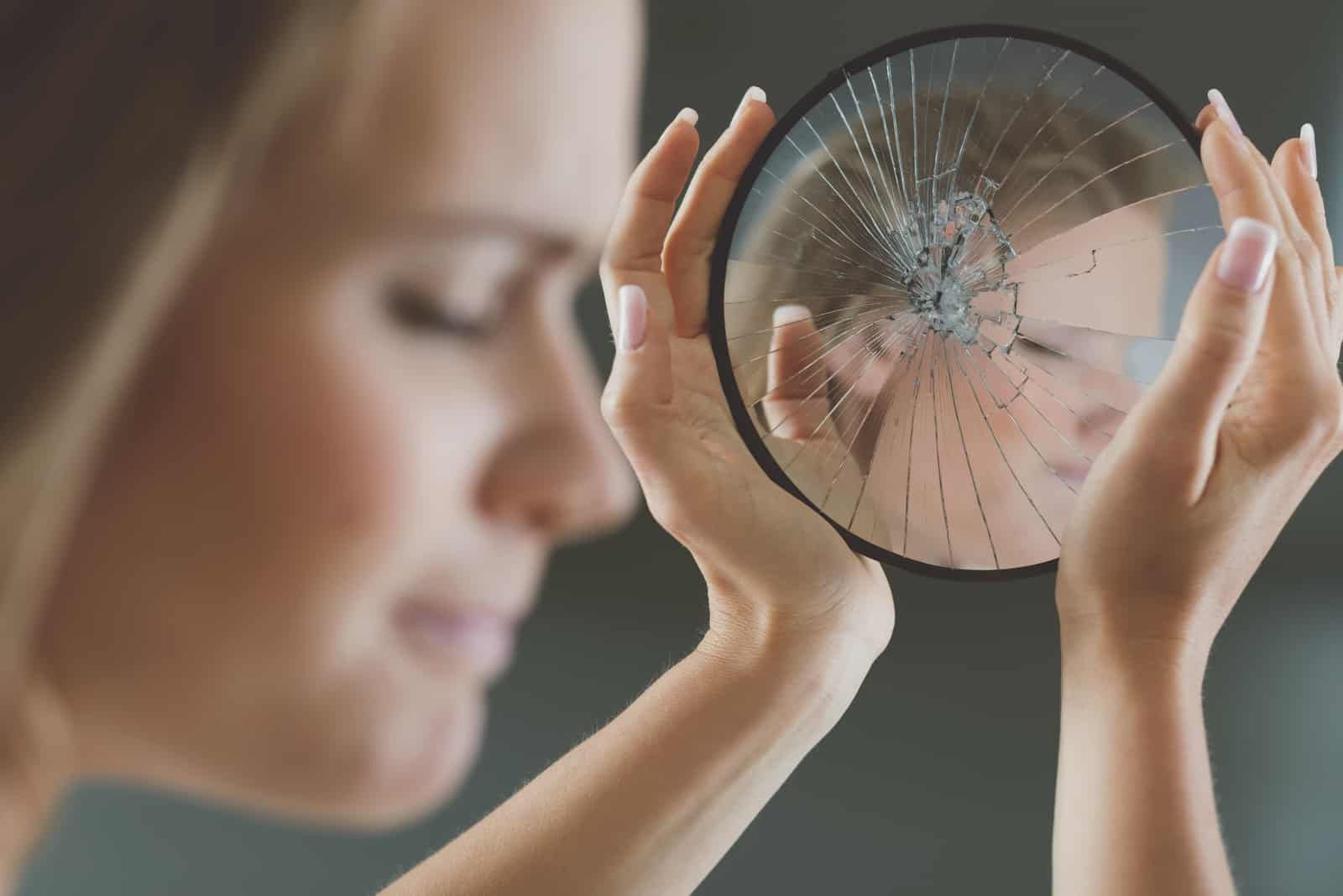
Síndrome do Patinho Feio: Aprenda a aceitar-se a si próprio
You’re probably familiar with the story of the ugly duckling from your childhood.
Hans Christian Andersen’s classic fairytale of a plain-looking little bird who suffers abuse and loneliness and then turns into a beautiful swan in the end.
O síndroma do patinho feio tem o seu nome na história, mas também não se trata de crescer para ser bonito.
O desafio é conciliar quem realmente é com o julgamento persistente que enfrentou numa idade vulnerável e que deixou danos duradouros.
It’s about finding ways to heal and accepting yourself.
O que é a síndrome do patinho feio?

O síndroma do patinho feio é o efeito de ser visto e tratado como diferente em tenra idade e a sua impacto na sua confiança em adulto.
In the fairytale that lends its name to our topic, the ugly duckling looked different from its siblings. They couldn’t see him for what he really was and abused him.
Quando cresceu e conheceu um bando de cisnes, estes aceitaram-no. O patinho viu o seu reflexo e percebeu que era tão bonito como eles.
The moral of the story isn’t about becoming something you aren’t – it’s about growing into your potential.
The road to self-acceptance is long, but learning your own value can show you that you’re more than you could have imagined.
Conceitos errados sobre a síndrome do patinho feio

Ugly duckling syndrome isn’t a teen makeover movie.
A ideia de que um patinho feio é alguém que costumava ser feio, desenvolveu uma personalidade por necessidade e cresceu jeitoso é tóxica.
Isto faz parecer que ser um boa pessoa and being good-looking are mutually exclusive unless there’s an obstacle in the way.
It paints a very patronizing picture of the “formerly ugly” as naïve and innocent, all about inner beauty and incapable of dealing with the sudden attention.
Being good-looking is presented as the ultimate goal in life, yet it’s damaging to beautiful people by depicting them as uninteresting unless they’ve been through something awful.
5 maneiras pelas quais a síndrome do patinho feio o prejudica
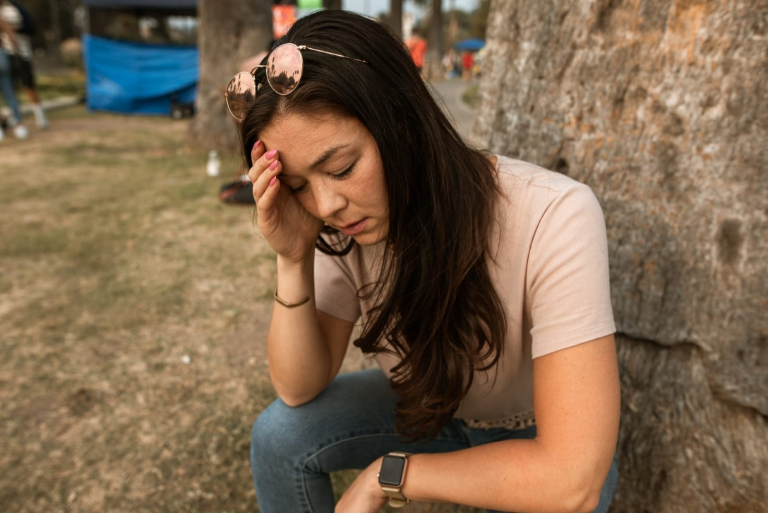
Os maus-tratos e a discriminação podem causar problemas muito depois do ensino secundário.
Os efeitos secundários O bullying pode fazer com que se sinta isolado e como se não tivesse para onde se virar. Isto deixa uma sensação duradoura de não pertencer e de não ser suficiente.
At that age, it’s almost impossible to realize that being different can be a way to elevate yourself beyond judgment and transform into who you’re meant to be.
1. You think you’re nothing special
If you don’t consider yourself good-looking, interesting, or attractive, it can greatly impact how you relate to others, no matter how untrue those beliefs might be.
It’s easy to say that your bullies’ words don’t matter, but being told countless times that you’re inferior in some way would make even the most confident person start to believe it.
É preciso decidir conscientemente que nenhuma dessas coisas é verdadeira.
If you believe that you have beauty, a good personality, or a talent, every time you think otherwise, remind yourself that it’s the voice of some random person from middle school.
Porque é que os deve ouvir em vez de um adulto inteligente?
2. You can’t take a compliment
Ouvir algo de bom sobre si próprio pode parecer absurdo se não tiver confiança.
You might think they’re mocking you, that they’re wrong, or that they don’t know what they’re talking about, especially if it’s someone of the o sexo oposto mostrar interesse.
Your reaction to a compliment should always be to say “thank you.” You might spice it up by giving a compliment back. Never reject a compliment by saying something like, “Oh no, I’m not.”
Respeite a opinião de alguém que dedicou o seu tempo a encontrar algo de bom para dizer e acredite nela.
Se acreditas naqueles que te mostraram crueldade, dá uma oportunidade àqueles que te mostram bondade.
3. You’re self-conscious
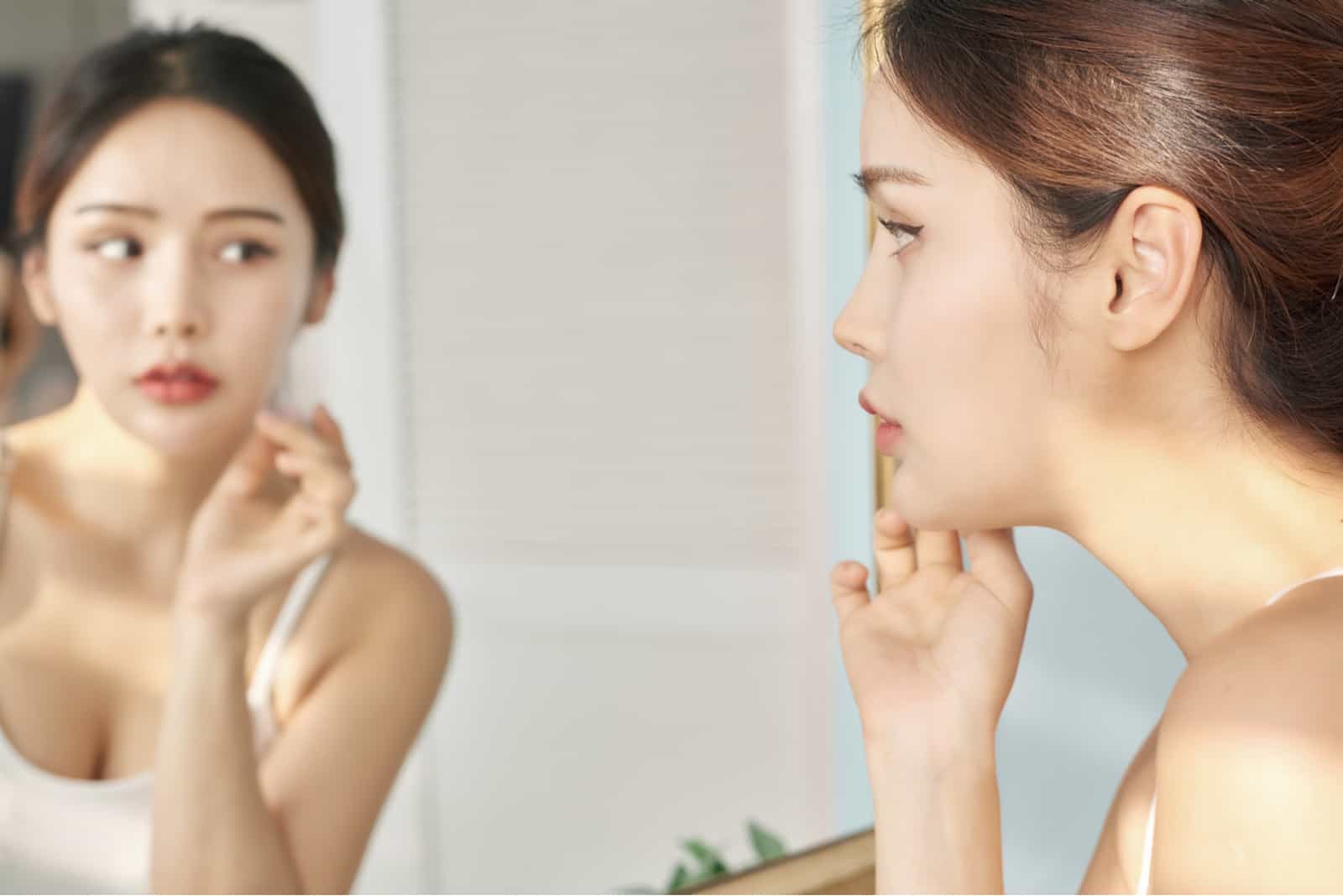
O seu autoimagem can suffer greatly if you’re considered unattractive in your young and vulnerable years.
Isto pode fazer com que se sinta desconfortável quando as pessoas lhe prestam atenção porque questiona os seus motivos.
For instance, when someone is looking at you, it would never occur to you that they might be thinking you’re cute. That doesn’t happen to you in real life, right?
If you decide to dress up or try something new, you feel awkward and like it’s a mistake.
A solução é lutar contra as suas dúvidas e decidir conscientemente valorizar as suas opiniões em vez das vozes do passado.
4. You don’t like yourself
You put yourself down because you’re used to that kind of treatment. You were told you’re no good many times, and you believed it.
Quando vemos alguém que consideramos bonito, impressionante ou especial, sentimos não só inveja mas também o desejo de ser essa pessoa.
You might look at them and think, “If only I was the same person, I would be happy.”
Se esconder as suas vulnerabilidades porque pensa que elas o tornam ainda mais fraco, isso pode causar-lhe dificuldade em lidar com coisas que lhe causam dor.
Don’t let being a late bloomer ruin the rest of your life. It’s never too late to ama-te a ti próprio.
5. Foges do amor
You don’t really think of yourself as someone who can encontrar o amor. Quando alguém demonstra interesse por nós, temos dificuldade em reparar ou mesmo em acreditar.
Flirting may be very hard for you because you lack the social skills needed because you were led to believe that you wouldn’t need them.
Quando decidimos aceitar alguém, podemos ter dificuldade em estabelecer uma ligação com a outra pessoa. You don’t know how to open up and show who you are in fear of being rejected.
Se aprender a libertar-se dessas falsas crenças, pode ama-te a ti próprio e ter uma vida amorosa bem sucedida e feliz com alguém que o aprecie.
Superar os efeitos da síndrome do patinho feio

A síndrome do patinho feio pode fazer com que se sinta inseguro em relação à sua aparência, às suas capacidades e torná-lo emocionalmente vulnerável.
Aprender a lidar com estas questões pode ajudá-lo a ultrapassar as falsas crenças de que o seu próprio valor é menor do que é.
Putting the voices of irrelevant people from your past behind you and trusting only your own judgment can help you come to a point where you can think, “I’m valuable, and my life is good.”
• INSECURITY ABOUT LOOKS
When it comes to beauty, you can look at it this way: maybe you’re beautiful but don’t know it, or maybe you’re actually not.
It doesn’t matter because guess what? You don’t have to be beautiful to be worthy and loveable. Good looks aren’t a condition or guarantee of happiness.
Besides, ugliness doesn’t exist, not in the way the bullies who mock other kids’ braces make it out to be. All they want is to make you conform to peer pressure.
Se quiser ser mais atraente, há sempre coisas que pode fazer para subir de nível, por assim dizer.
Cuidar de si próprio é muito importante. Um penteado que lhe fica bem, roupas bem ajustadas e exercício físico são apenas alguns passos que podem tornar qualquer pessoa objetivamente mais bonita.
• LOW SELF-ESTEEM
As crianças podem ser cruéis, e os maus-tratos persistentes conduzem inevitavelmente a uma baixa autoestima e insegurança. It might be difficult to accept yourself even if you’re nothing like you used to be.
Por exemplo, se era considerado um marrão na escola secundária, pode ter enfrentado rejeição e bullying.
Pode já não ser o adolescente desajeitado que era na altura, mas como consequência de ter sido maltratado, continua a ser duvidar do seu próprio valor.
If you’re still feeling the consequences, remember the importance of being true to yourself and not looking for validação dos outros.
Em vez disso, rodeie-se de pessoas que o apreciem tal como é. Keep the faith that you can find your people and a place where you belong if you don’t give up.
Em conclusão
A vida é dura para as crianças e os adolescentes. Tudo se torna muito mais difícil se forem vítimas de bullying.
Baixa autoestima é uma das consequências duradouras de se ser escolhido e atormentado por qualquer defeito que se tenha percebido.
When you grow up, and those flaws don’t exist or don’t matter anymore, ugly duckling syndrome can still make you doubt your worth.