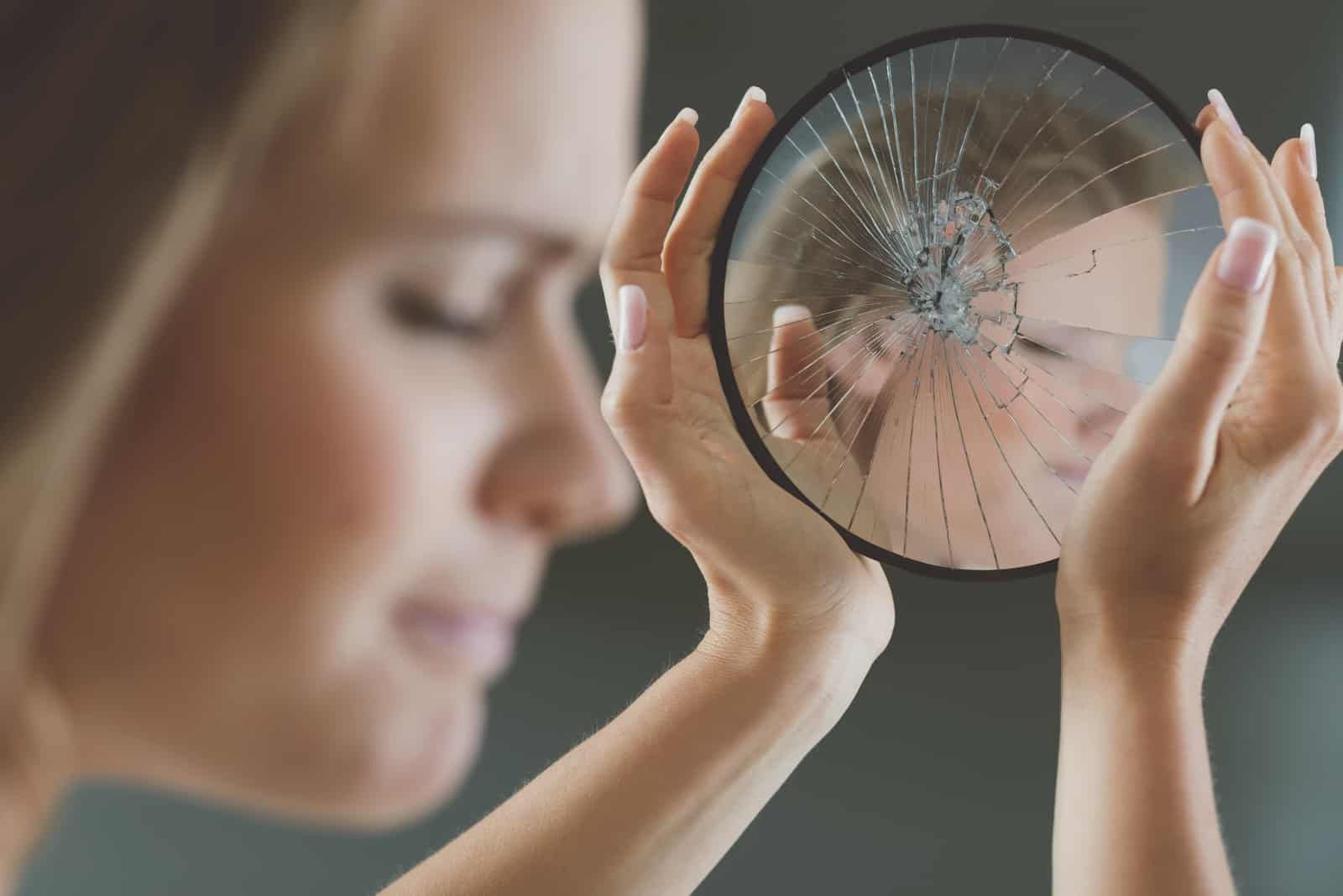
La sindrome del brutto anatroccolo: Imparare ad accettarsi
You’re probably familiar with the story of the ugly duckling from your childhood.
Hans Christian Andersen’s classic fairytale of a plain-looking little bird who suffers abuse and loneliness and then turns into a beautiful swan in the end.
La sindrome del brutto anatroccolo prende il nome dalla storia, ma in realtà non si tratta di crescere per diventare belli.
La sfida consiste nel riconciliare ciò che si è realmente con il giudizio persistente che si è dovuto affrontare in un'età vulnerabile, che ha lasciato danni duraturi.
It’s about finding ways to heal and accepting yourself.
Cos'è la sindrome del brutto anatroccolo?

La sindrome del brutto anatroccolo è l'effetto dell'essere visti e trattati come diversi in giovane età e la sua impatto sulla fiducia in se stessi da adulto.
In the fairytale that lends its name to our topic, the ugly duckling looked different from its siblings. They couldn’t see him for what he really was and abused him.
Quando crebbe e incontrò uno stormo di cigni, questi lo accettarono. L'anatroccolo vide il suo riflesso e capì di essere bello come loro.
The moral of the story isn’t about becoming something you aren’t – it’s about growing into your potential.
The road to self-acceptance is long, but learning your own value can show you that you’re more than you could have imagined.
Idee sbagliate sulla sindrome del brutto anatroccolo

Ugly duckling syndrome isn’t a teen makeover movie.
L'idea che un brutto anatroccolo sia una persona che era brutta, che ha sviluppato una personalità per necessità e che è cresciuta sexy è tossica.
Questo fa sembrare che essere un buona persona and being good-looking are mutually exclusive unless there’s an obstacle in the way.
It paints a very patronizing picture of the “formerly ugly” as naïve and innocent, all about inner beauty and incapable of dealing with the sudden attention.
Being good-looking is presented as the ultimate goal in life, yet it’s damaging to beautiful people by depicting them as uninteresting unless they’ve been through something awful.
5 modi in cui la sindrome del brutto anatroccolo vi danneggia
I maltrattamenti e le discriminazioni possono causare problemi anche dopo la scuola superiore.
Gli effetti collaterali di bullismo può farvi sentire isolati e come se non aveste nessun posto a cui rivolgervi.. Questo lascia un senso duraturo di non appartenenza e di non essere abbastanza.
At that age, it’s almost impossible to realize that being different can be a way to elevate yourself beyond judgment and transform into who you’re meant to be.
1. You think you’re nothing special
If you don’t consider yourself good-looking, interesting, or attractive, it can greatly impact how you relate to others, no matter how untrue those beliefs might be.
It’s easy to say that your bullies’ words don’t matter, but being told countless times that you’re inferior in some way would make even the most confident person start to believe it.
Dovete decidere consapevolmente che nessuna di queste cose è vera.
If you believe that you have beauty, a good personality, or a talent, every time you think otherwise, remind yourself that it’s the voice of some random person from middle school.
Perché dovreste ascoltarli al posto di un adulto intelligente?
2. You can’t take a compliment
Sentire parlare bene di sé può sembrare assurdo se manca la fiducia in se stessi.
You might think they’re mocking you, that they’re wrong, or that they don’t know what they’re talking about, especially if it’s someone of the sesso opposto che mostra interesse.
Your reaction to a compliment should always be to say “thank you.” You might spice it up by giving a compliment back. Never reject a compliment by saying something like, “Oh no, I’m not.”
Rispettate l'opinione di chi ha impiegato il proprio tempo per trovare qualcosa di bello da dire e credetegli.
Se credete a chi vi ha mostrato crudeltà, date una possibilità a chi vi mostra gentilezza.
3. You’re self-conscious
Il tuo immagine di sé can suffer greatly if you’re considered unattractive in your young and vulnerable years.
Questo può farvi sentire a disagio quando le persone vi prestano attenzione, perché mettete in dubbio le loro motivazioni.
For instance, when someone is looking at you, it would never occur to you that they might be thinking you’re cute. That doesn’t happen to you in real life, right?
If you decide to dress up or try something new, you feel awkward and like it’s a mistake.
La soluzione è combattere i dubbi e decidere consapevolmente di dare più valore alle proprie opinioni che alle voci del passato.
4. You don’t like yourself
You put yourself down because you’re used to that kind of treatment. You were told you’re no good many times, and you believed it.
Quando vedete qualcuno che considerate bello, impressionante o speciale, provate non tanto invidia quanto desiderio di essere quella persona.
You might look at them and think, “If only I was the same person, I would be happy.”
Se nascondete le vostre vulnerabilità perché pensate che vi rendano ancora più deboli, potete avere difficoltà ad affrontare le cose che vi fanno soffrire.
Don’t let being a late bloomer ruin the rest of your life. It’s never too late to amare se stessi.
5. Si fugge dall'amore
You don’t really think of yourself as someone who can trovare l'amore. Quando qualcuno mostra interesse per voi, avete difficoltà a notarlo o a crederci.
Flirting may be very hard for you because you lack the social skills needed because you were led to believe that you wouldn’t need them.
Quando decidete di accettare qualcuno, potreste avere difficoltà a entrare in contatto con l'altra persona. You don’t know how to open up and show who you are in fear of being rejected.
Se imparate a lasciare andare queste false credenze, potete amare se stessi e avere una vita sentimentale felice e di successo con qualcuno che vi apprezzi.
Superare gli effetti della sindrome del brutto anatroccolo

La sindrome del brutto anatroccolo può farvi sentire insicuri del vostro aspetto, delle vostre capacità e rendervi emotivamente vulnerabili.
Imparare ad affrontare questi problemi può aiutarvi a superare la falsa convinzione che il vostro valore sia inferiore a quello che avete.
Putting the voices of irrelevant people from your past behind you and trusting only your own judgment can help you come to a point where you can think, “I’m valuable, and my life is good.”
• INSECURITY ABOUT LOOKS
When it comes to beauty, you can look at it this way: maybe you’re beautiful but don’t know it, or maybe you’re actually not.
It doesn’t matter because guess what? You don’t have to be beautiful to be worthy and loveable. Good looks aren’t a condition or guarantee of happiness.
Besides, ugliness doesn’t exist, not in the way the bullies who mock other kids’ braces make it out to be. All they want is to make you conform to peer pressure.
Se volete essere più attraenti, ci sono sempre cose che potete fare per salire di livello, per così dire.
Prendersi cura di sé fa molto bene. Un'acconciatura adatta a voi, abiti ben aderenti e l'esercizio fisico sono solo alcuni dei passi che possono rendere chiunque oggettivamente più bello.
• LOW SELF-ESTEEM
I bambini possono essere crudeli e gli abusi persistenti portano inevitabilmente a una bassa autostima e all'insicurezza. It might be difficult to accept yourself even if you’re nothing like you used to be.
Per esempio, se alle scuole medie eravate considerati un nerd, potreste aver affrontato il rifiuto e il bullismo.
Forse non siete più l'adolescente impacciato che eravate all'epoca, ma come conseguenza dei maltrattamenti subiti siete ancora dubitare del proprio valore.
If you’re still feeling the consequences, remember the importance of being true to yourself and not looking for convalida da parte di altri.
Circondatevi invece di persone che vi apprezzano così come siete. Keep the faith that you can find your people and a place where you belong if you don’t give up.
In conclusione
La vita stessa è dura per i bambini e gli adolescenti. Tutto diventa molto più difficile se diventano vittime del bullismo.
Bassa autostima è una delle conseguenze durature dell'essere individuati e tormentati per qualsiasi difetto percepito.
When you grow up, and those flaws don’t exist or don’t matter anymore, ugly duckling syndrome can still make you doubt your worth.