

El síndrome del patito feo: Aprende a aceptarte a ti mismo
You’re probably familiar with the story of the ugly duckling from your childhood.
Hans Christian Andersen’s classic fairytale of a plain-looking little bird who suffers abuse and loneliness and then turns into a beautiful swan in the end.
El síndrome del patito feo recibe su nombre del cuento, pero en realidad ninguno de los dos consiste en crecer para ser guapo.
El reto consiste en reconciliar lo que realmente eres con el juicio persistente al que te enfrentaste a una edad vulnerable que te dejó daño duradero.
It’s about finding ways to heal and accepting yourself.
¿Qué es el síndrome del patito feo?

El síndrome del patito feo es el efecto de ser visto y tratado como diferente a una edad temprana y su impacto en su confianza como adulto.
In the fairytale that lends its name to our topic, the ugly duckling looked different from its siblings. They couldn’t see him for what he really was and abused him.
Cuando creció y conoció a una bandada de cisnes, éstos le aceptaron. El patito vio su reflejo y se dio cuenta de que era tan hermoso como ellos.
The moral of the story isn’t about becoming something you aren’t – it’s about growing into your potential.
The road to self-acceptance is long, but learning your own value can show you that you’re more than you could have imagined.
Conceptos erróneos sobre el síndrome del patito feo

Ugly duckling syndrome isn’t a teen makeover movie.
La idea de que un patito feo es alguien que antes era feo, desarrolló una personalidad por necesidad y creció caliente es tóxica.
Esto hace que parezca que ser buena persona and being good-looking are mutually exclusive unless there’s an obstacle in the way.
It paints a very patronizing picture of the “formerly ugly” as naïve and innocent, all about inner beauty and incapable of dealing with the sudden attention.
Being good-looking is presented as the ultimate goal in life, yet it’s damaging to beautiful people by depicting them as uninteresting unless they’ve been through something awful.
5 maneras en que el síndrome del patito feo le perjudica
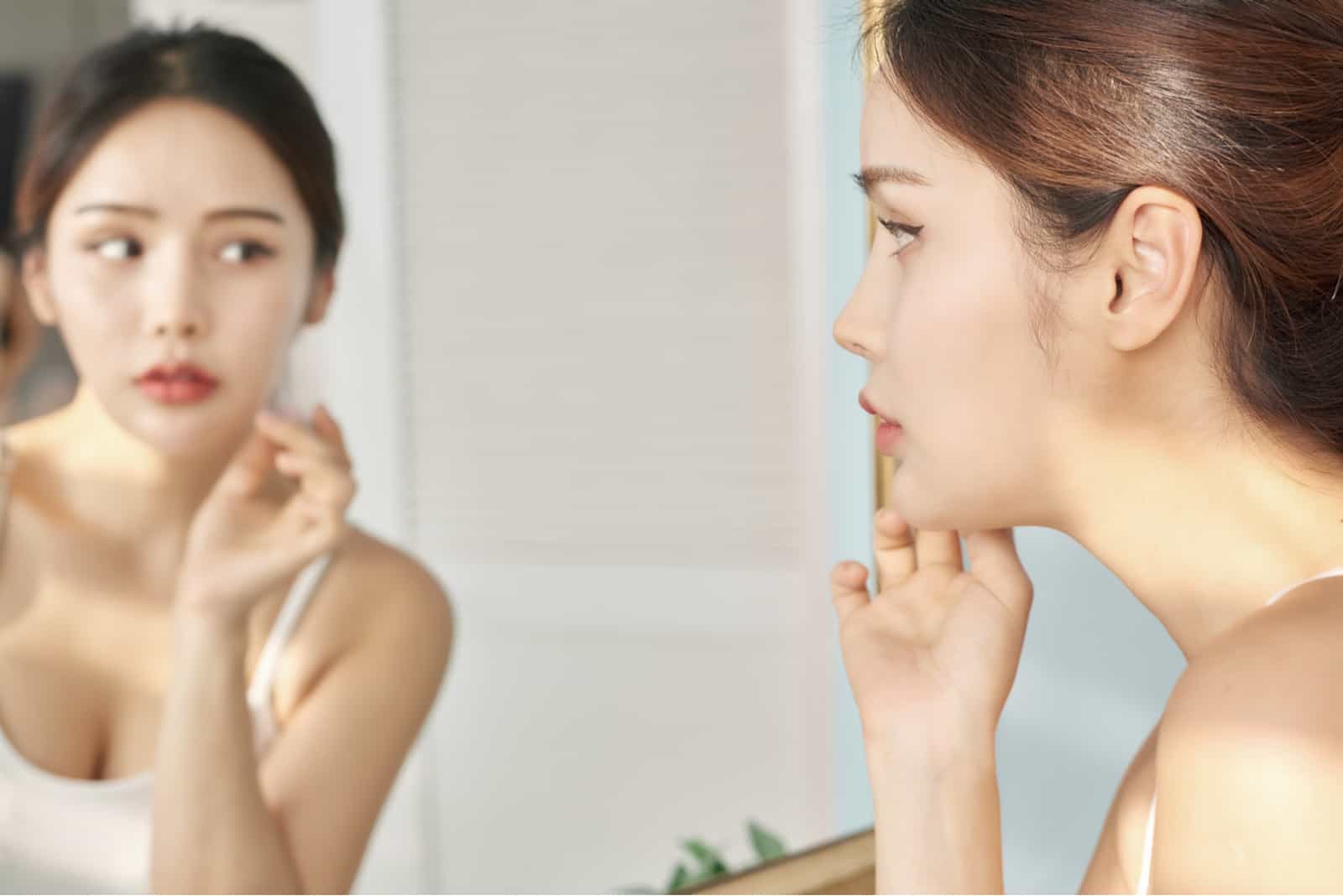
El maltrato y la discriminación pueden causar problemas mucho después del instituto.
Los efectos secundarios de acoso puede hacer que te sientas aislado y como si no tuvieras a quién acudir.. Esto deja una sensación duradera de no pertenencia y de no ser suficiente.
At that age, it’s almost impossible to realize that being different can be a way to elevate yourself beyond judgment and transform into who you’re meant to be.
1. You think you’re nothing special
If you don’t consider yourself good-looking, interesting, or attractive, it can greatly impact how you relate to others, no matter how untrue those beliefs might be.
It’s easy to say that your bullies’ words don’t matter, but being told countless times that you’re inferior in some way would make even the most confident person start to believe it.
Tienes que decidir conscientemente que ninguna de esas cosas es cierta.
If you believe that you have beauty, a good personality, or a talent, every time you think otherwise, remind yourself that it’s the voice of some random person from middle school.
¿Por qué debería escucharles más que un adulto inteligente?
2. You can’t take a compliment
Escuchar cualquier cosa buena sobre uno mismo puede parecer absurdo si se carece de confianza.
You might think they’re mocking you, that they’re wrong, or that they don’t know what they’re talking about, especially if it’s someone of the sexo opuesto mostrando interés.
Your reaction to a compliment should always be to say “thank you.” You might spice it up by giving a compliment back. Never reject a compliment by saying something like, “Oh no, I’m not.”
Respeta la opinión de alguien que se ha tomado su tiempo para encontrar algo agradable que decir y créele.
Si crees a los que te mostraron crueldad, da una oportunidad a los que te muestran amabilidad.
3. You’re self-conscious
Su autoimagen can suffer greatly if you’re considered unattractive in your young and vulnerable years.
Esto puede hacer que te sientas incómodo cuando la gente te presta atención porque cuestionas sus motivos.
For instance, when someone is looking at you, it would never occur to you that they might be thinking you’re cute. That doesn’t happen to you in real life, right?
If you decide to dress up or try something new, you feel awkward and like it’s a mistake.
La solución es luchar contra tus dudas y decidir conscientemente valorar tus opiniones por encima de las voces del pasado.
4. You don’t like yourself
You put yourself down because you’re used to that kind of treatment. You were told you’re no good many times, and you believed it.
Cuando ves a alguien que consideras bello, impresionante o especial, no sientes envidia, sino el deseo de ser esa persona.
You might look at them and think, “If only I was the same person, I would be happy.”
Si ocultas tus vulnerabilidades porque crees que te hacen aún más débil, eso puede causarte dificultades para afrontar las cosas que te causan dolor.
Don’t let being a late bloomer ruin the rest of your life. It’s never too late to quiérete a ti mismo.
5. Huyes del amor
You don’t really think of yourself as someone who can encontrar el amor. Cuando alguien muestra interés por ti, te cuesta darte cuenta o incluso creerlo.
Flirting may be very hard for you because you lack the social skills needed because you were led to believe that you wouldn’t need them.
Cuando decides aceptar a alguien, puede que te cueste conectar con la otra persona. You don’t know how to open up and show who you are in fear of being rejected.
Si aprendes a desprenderte de esas falsas creencias, podrás quiérete a ti mismo y tener una vida amorosa exitosa y feliz con alguien que te aprecie.
Superar los efectos del síndrome del patito feo

El síndrome del patito feo puede hacerte sentir inseguro sobre tu aspecto, tus capacidades y hacerte emocionalmente vulnerable.
Aprender a abordar estas cuestiones puede ayudarte a dejar atrás las falsas creencias de que tu propia valía es menor de lo que es.
Putting the voices of irrelevant people from your past behind you and trusting only your own judgment can help you come to a point where you can think, “I’m valuable, and my life is good.”
• INSECURITY ABOUT LOOKS
When it comes to beauty, you can look at it this way: maybe you’re beautiful but don’t know it, or maybe you’re actually not.
It doesn’t matter because guess what? You don’t have to be beautiful to be worthy and loveable. Good looks aren’t a condition or guarantee of happiness.
Besides, ugliness doesn’t exist, not in the way the bullies who mock other kids’ braces make it out to be. All they want is to make you conform to peer pressure.
Si quieres ser más atractiva, siempre hay cosas que puedes hacer para subir de nivel, por así decirlo.
Cuidarse hace mucho. Un peinado que te siente bien, ropa que te siente bien y ejercicio son algunas de las medidas que pueden hacer que cualquier persona esté objetivamente más guapa.
• LOW SELF-ESTEEM
Los niños pueden ser crueles, y el maltrato persistente conduce inevitablemente a la baja autoestima y la inseguridad. It might be difficult to accept yourself even if you’re nothing like you used to be.
Por ejemplo, si te consideraban un empollón en secundaria, puede que te enfrentaras al rechazo y al acoso.
Puede que ya no seas el adolescente torpe de entonces, pero como consecuencia de haber sido maltratado, sigues siendo duda de tu propia valía.
If you’re still feeling the consequences, remember the importance of being true to yourself and not looking for validación de los demás.
En lugar de eso, rodéate de quienes te aprecian tal y como eres. Keep the faith that you can find your people and a place where you belong if you don’t give up.
En conclusión
La vida es dura para los niños y adolescentes. Todo se vuelve mucho más difícil si se convierten en víctimas del acoso escolar.
Baja autoestima es una de las consecuencias duraderas de haber sido señalado y atormentado por cualquier defecto percibido.
When you grow up, and those flaws don’t exist or don’t matter anymore, ugly duckling syndrome can still make you doubt your worth.