

Tutto quello che c'è da sapere sullo stile di attaccamento disorganizzato
Lo stile di attaccamento disorganizzato è probabilmente lo stile di attaccamento più difficile e meno sano di tutti. Fortunatamente, come tutti gli altri, questo attaccamento insicuro può essere superato e guarito con un trattamento adeguato.
These kinds of attachment patterns develop in our early childhood, most likely because the parents aren’t able to respond appropriately to their child’s needs.
Può anche essere il risultato di diversi tipi di abusi o traumi subiti in passato. Tuttavia, le conseguenze sono sempre le stesse.
This extreme insecure style affects our mental health, it doesn’t allow us to maintain a relazione sana con un'altra persona e abbassa la nostra autostima, lasciandoci con un'immagine negativa di noi stessi.
Unfortunately, in most cases, people aren’t even aware they have an attachment disorder.
They can’t cultivate a more secure stile di attacco because they aren’t even aware of the disorder or they simply don’t want to admit and accept it.
Che cos'è uno stile di attaccamento disorganizzato?

We’re social beings and we all crave love and connection with another human being. That’s exactly why attachment theory should be important to all of us.
Attachment styles dictate our relationships and how we’ll connect with other people. In most cases, they develop in early childhood, though they can develop later in life, also.
If a child is raised in a healthy, safe surrounding, they’ll probably develop a secure attachment, which will lead them to a good life.
Traumi, abusi e dipendenze possono influire negativamente sullo sviluppo del bambino. Bambini cresciuti in un ambiente così tossico probabilmente svilupperà un attaccamento insicuro, che avrà un impatto negativo sul suo futuro.
For infants, their primary caregivers are their sources of safety, their “secure base”, and when that changes, when their parents become more nervous or aggressive, children simply feel frightened.
Si sentono traditi dai loro assistenti perché, per loro, sono gli unici a cui possono appoggiarsi e di cui si fidano.
That’s exactly when the patterns of disorganized attachment (also known as a fearful evitante attaccamento) iniziano a svilupparsi.
La psicologa dello sviluppo, dott.ssa Mary Ainsworth, ha condotto una ricerca intitolata “Strange Situation”e ha esaminato il comportamento dei bambini piccoli quando i genitori escono dalla loro stanza.
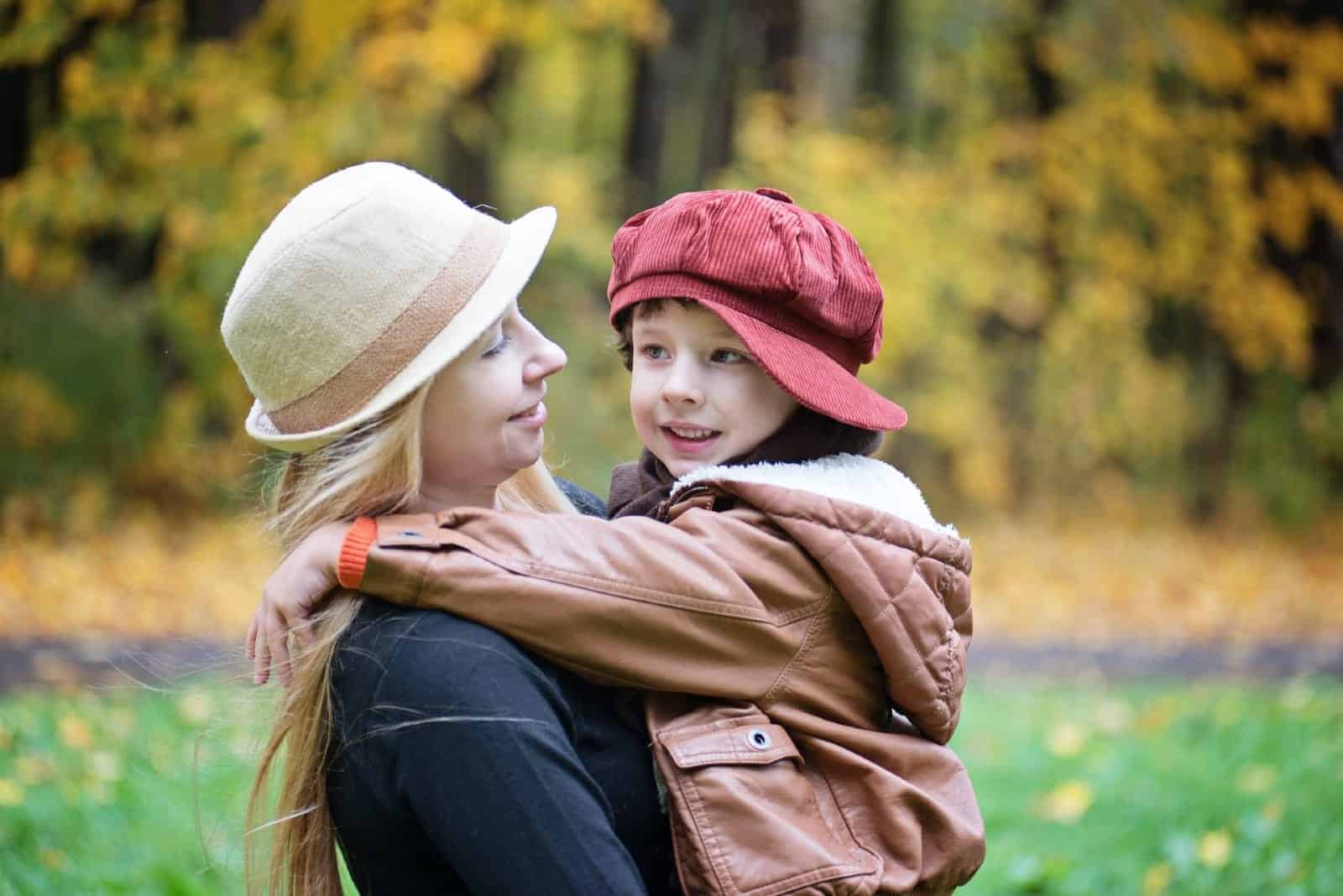
La maggior parte dei bambini piangeva ed era turbata, ma non appena i genitori tornavano nella stanza si calmavano. Quei bambini avevano un sistema di attaccamento sicuro.
On the other hand, there were those kids who got upset and couldn’t calm down even when their parents came back.
Continuavano a piangere e alcuni di loro picchiavano addirittura i genitori. Questo è un stile di attaccamento insicuro.
Those kids were ‘angry’ with their parents in a way because they were afraid they would leave them alone again.
Van IJzendoorn, Schuengel e Bakermans-Kranenburg hanno condotto una meta-analisi di questo tipo di attaccamento, pubblicata nel 1999.
Il loro studio ha dimostrato che 14% di neonati in gruppi di status medio e 24% di neonati in gruppi di status socio-economico basso presentano modelli di attaccamento disorganizzati.
Main and Hesse (1990) also agree that the parents’ behavior and past traumas affect children greatly, and it can be associated with psychopathology and other disorders in their adulthood.

If parents have too many unresolved past issues or are dealing with too much stress or have any kind of addiction, they won’t have affective communication with their children, which will lead to attachment disorganization.
Nel Intervista sull'attaccamento degli adulti, Mary Main, Ph.D., ha dimostrato che il fattore chiave per lo sviluppo di una relazione di attaccamento disorganizzata tra un genitore e un bambino è un trauma irrisolto e doloroso del passato del caregiver che porta a modelli di attaccamento disorganizzati.
Nel Manuale dell'attaccamentodi J. Cassidy e P. R. Shaver (a cura di), sono stati studiati anche i voti dei bambini con attaccamento sicuro e di quelli con attaccamento insicuro.
Naturalmente, i bambini con un attaccamento sicuro avevano voti molto migliori.
Hanno anche scoperto che i figli di madri depresse hanno maggiori probabilità di sviluppare questo tipo di attaccamento.
Analogamente alla loro ricerca, una professoressa di psicologia, la dott.ssa Lyons-Ruth K., ha scoperto che 62% dei figli di madri cronicamente depresse (soprattutto di madri single a basso reddito) presentano una disorganizzazione dell'attaccamento.
In un articolo pubblicato nel 2011 su Guilford Press, J. Solomon e C. George sostengono che se un genitore ha problemi di salute mentale, può rendersi psicologicamente indisponibile nei confronti dei figli.
Cause dello stile di attaccamento disorganizzato

Early attachment patterns significantly affect the attachment pattern that we’ll shape later in life.
Anche se gli stili di attaccamento cambiano durante le diverse fasi della vita, l'attaccamento infantile svolge un ruolo importante nella formazione dei legami adulti.
Tutti i genitori dovrebbero prestare grande attenzione a questo aspetto. Se you develop an organized attachment relationship with your children, they’ll probably keep that attachment style throughout their life.
I predittori e le cause dell'attaccamento disorganizzato sono numerosi, ma alcuni dei fattori scatenanti più significativi per questo tipo di comportamento sono:
- Storia di maltrattamento parentale
- Trauma passato
- Esperienze infantili dolorose
- Abuso di alcol o di sostanze
- Mancanza di supporto emotivo
- Accudimento irregolare (quando il caregiver sembra assente o spaventoso per il bambino).
- The loss of a loved one (not being able to deal with the loss of their ‘secure base’, their primary attachment figure / caregiver)
- Essere traditi da una persona di cui ci si fidava profondamente e che si amava sinceramente
Sette segni di attaccamento disorganizzato negli adulti
Bassa autostima e immagine di sé negativa

Le persone con questo tipo di attaccamento sono state ferite, tradite o addirittura abusate dai loro cari in passato. Queste esperienze dolorose e spiacevoli hanno influenzato negativamente la loro autostima.
They have a very poor opinion about themselves. They think they’re unworthy of love because they never got the love they deserve.
Comportamento imprevedibile

Il loro comportamento irregolare rende più difficile iniziare e mantenere una relazione stretta con un'altra persona.
They’re known for sudden mood swings and angry/psychotic outbursts. Sadly, they aren’t even aware that their unpredictable behavior is a symptom of their insecure disorganized attachment.
Problemi di fiducia

Even if they do indulge in a romantic relationship with someone, it’s very difficult for them to build trust with their partners, which is a crucial foundation of every healthy relationship.
They have experienced many bad things in the past, and it all led them to having trust issues. It’s very challenging and difficult for them to get closure from their past and to trust someone again.
Incapacità di mantenere una relazione sana

Queste persone desiderano una relazione stretta con un'altra persona; vogliono anche essere amate, ma allo stesso tempo hanno paura di far entrare qualcuno di nuovo.
Their fear of rejection and intimacy doesn’t allow them to make and maintain a deeper connection with another person.
People with this kind of attachment won’t be able to have a good relationship with their own children.
La loro relazione avrà modelli di attaccamento disorganizzati, proprio come la relazione tra loro e i loro caregiver primari.
Paura dell'intimità

They do want to be loved and they also crave a close relationship, but they think people won’t accept and like them the way they are, and that fear of rejection and intimità rende più difficile mantenere una relazione.
Problemi di salute mentale

Tutti i professionisti concordano sul fatto che questo tipo di attaccamento è causato da esperienze dolorose vissute nella prima infanzia. Queste esperienze negative possono portare a gravi disturbi mentali.
DepressioneL'ansia, il disturbo borderline di personalità e altri disturbi mentali simili hanno un impatto sul modo in cui pensiamo e sentiamo le altre persone e anche su noi stessi.
Influenzano anche il modo in cui ci relazioniamo con le altre persone.
Uscire dalla realtà

Una persona con questo tipo di attaccamento può anche sperimentare alcuni disturbi dissociativi, come la fuga dalla realtà in situazioni specifiche.
Cominciano a comportarsi in modo insolito e a usare un tono di voce diverso. Queste situazioni possono sembrare strane o addirittura spaventose per le altre persone.
8 modi per affrontare l'attaccamento disorganizzato
Developing a more secure attachment style may be challenging, but it’s not impossible.
If you have noticed that yourself or your loved one has any of these signs above, you should find a coping mechanism before it’s too late… before the disorganized attachment ruins your life.
Migliorare la consapevolezza di sé

Prima di tutto, bisogna imparare a calmarsi e a rimanere calmi in ogni situazione. Praticare la consapevolezza.
Breathe in and breathe out, or let’s say it this way, breathe all your worries and things that are bothering you in, and then breathe them out.
Don’t try to fix your emotions; instead, you should only be trying to understand them. You aren’t broken, so you don’t need to be fixed.
You only need to improve some things in your life… start with improving the relationship you have with yourself.
I know you have some very negative, dark thoughts about yourself and your life. However, you should know that you aren’t your thoughts. You’re way, way better than that.
Don’t criticize yourself that much. Silence the inner critic that is making you think less about yourself. Start realizzare il proprio valore and it’ll help you develop a more organized attachment relationship with yourself.
Per saperne di più sulla teoria e sugli stili di attaccamento

If you’re aware that you have a disorganized attachment, you should definitely study a little bit more on the attachment theory in general, what it is, how it affects our lives and how many types of attachments there are.
L'attaccamento disorganizzato è uno dei fattori di insicurezza. stili di attacco and it’ll definitely have a negative impact on all spheres of your life.
It’ll damage all your close relationships and make you feel like you’re all alone, like there is no person in the entire world that loves you.
If you learn more about attachment theory, then you’ll understand disorganized attachment better and it’ll help you get the right treatment.
Identificare le fonti di attaccamento disorganizzato

Per poterlo gestire e iniziare il processo di guarigione, è necessario innanzitutto capire quali sono i fattori scatenanti dei problemi di attaccamento disorganizzato.
In order to do that, you’ll have to go back to your past, even all the way to your early childhood. Can you recognize what kinds of attachment patterns you had then?
Pensate al rapporto con i vostri genitori. Avete avuto un rapporto sano con loro? Siete cresciuti in un ambiente sano? Pensate anche alle vostre altre relazioni strette.
The only place you’ll find an answer to what triggered your disorganized attachment style is your past.
Affrontare i traumi del passato e i ricordi dolorosi

Tutti abbiamo commesso degli errori in passato. Tutti noi siamo stati traditi da qualcuno che amavamo profondamente e a cui tenevamo.
Per sviluppare un attaccamento più sicuro, è necessario affrontare il proprio passato e fare i conti con esso. trauma in modo sano.
Se vi è successo qualcosa di brutto in passato, datevi il tempo di accettarlo e di guarire. Chiedete sostegno e parlatene con qualcuno di cui vi fidate.
Poi, lasciate andare tutto

Whatever happened to you in the past, the most important thing is that it passed. There is no point in overthinking it. Leave it in the past and don’t allow it to affect your life anymore.
Don’t think how it’s going to happen again. Don’t think that just because some people didn’t know to appreciate you, no one else will.
Don’t allow some of those painful past experiences to control your present or ruin your future.
Stop clinging to your past; accept what happened and move on. It’s high time to let go of those painful experiences of the past.
Parlare di sé

Impegnarsi maggiormente nella cura di sé. Migliorare l'immagine di sé. L'opinione che avete di voi stessi influisce notevolmente sulla fiducia e sull'autostima.
Rendete la voce interiore più ottimista o mettetela completamente a tacere. Il discorso positivo su di sé è la cosa più importante per superare il comportamento di attaccamento disorganizzato.
Verificate regolarmente i vostri sentimenti e convalidateli sempre. Fate delle affermazioni positive quotidiane.
Spoil yourself. Surround yourself with positive people only. You don’t need bad vibes and negative energy in life because that will never help you develop a better attachment style.
Fate entrare le persone

There are always some risks in life… you can never know whom you can trust completely or if some people will betray you in the end. But, taking those risks is also a point of life.
You can’t allontanare le persone ogni volta che iniziano ad avvicinarsi troppo a voi. Vi farà sentire infelici e insoddisfatti della vostra vita.
Silence the subconscious mind that is making you believe that by not letting people in your life, you won’t be hurt or let down ever again.
Trust isn’t something that just happens when you start a relationship with another person. It takes a lot of time to build trust and make a healthy relationship with someone else.
Cercare un aiuto professionale

Don’t be afraid or feel ashamed to seek help. An experienced clinician can help you recognize and treat your attachment behavior faster.
They’ll probably suggest psychotherapy or some other kind of psychiatric therapy that they consider good for healing your attachment problem.
Riepilogo e indicazioni principali

Unfortunately, disorganized (fearful-avoidant) attachment is a little bit of a forgotten type of attachment, even though it’s the most extreme type and the most difficult one to deal with.
Ha un impatto negativo su tutte le sfere della vita. It’ll damage all your relationships and it’ll also harm the relationship you have with yourself.
Triggers of this kind of attachment can be mostly found in relationship patterns between the person who’s struggling with it and their primary caregivers.
A person who’s struggling with disorganized attachment doesn’t have any clear goals or dreams.
They’re deeply unsatisfied with their life, and they feel very lonely, even though they’re the ones who don’t allow other people to get close to them.
Remember, if you want to change your life… if you want to live a happier, more fulfilled life, then you have to change your attachment style first!