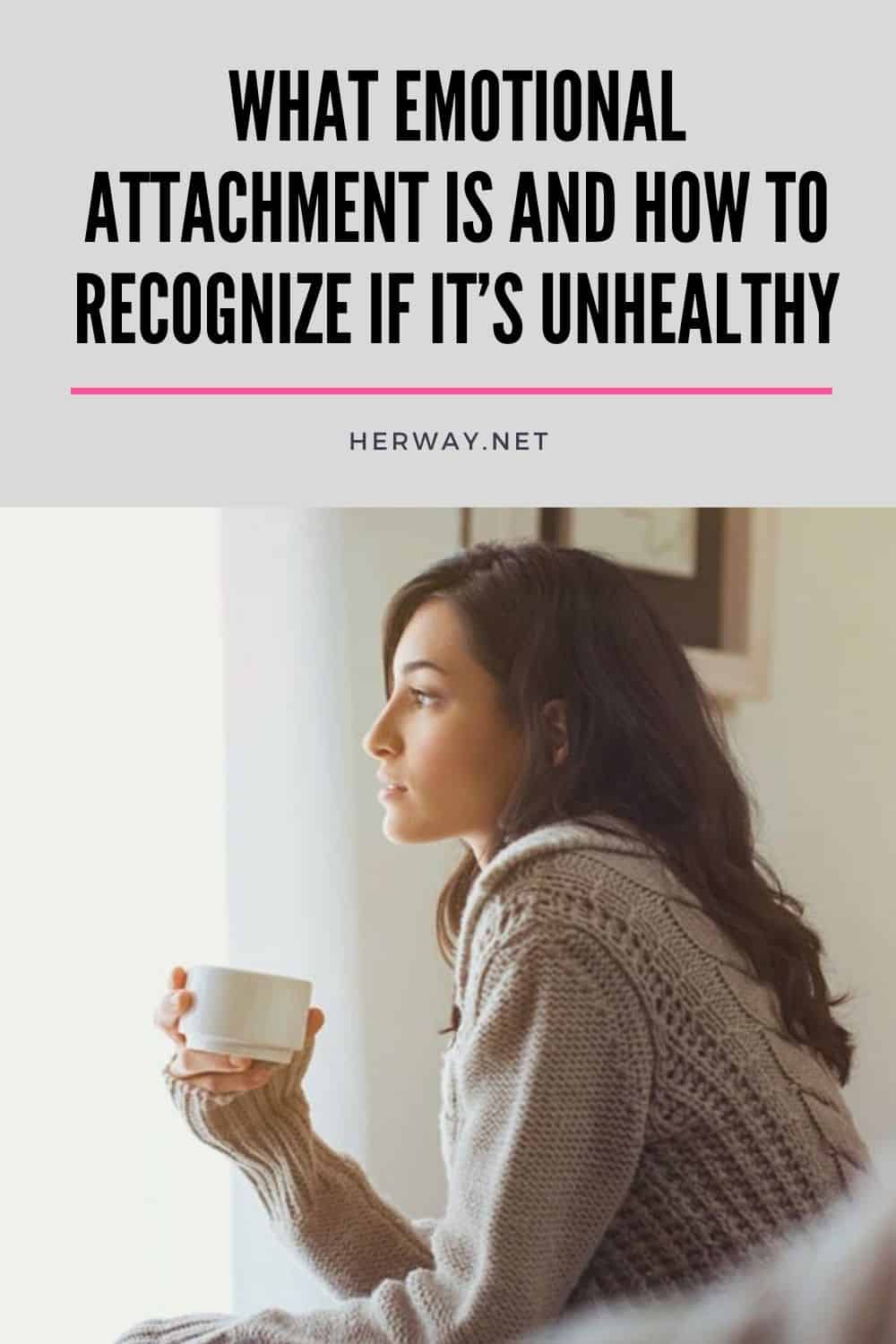
Che cos'è l'attaccamento emotivo e come riconoscere se è malsano
L'attaccamento emotivo è un legame emotivo forte e duraturo che si forma tra le persone, anche se a volte il termine può essere usato per descrivere l'attaccamento a beni, abitudini o credenze.
It includes a desire to be near the person or thing we’re attached to and returning to the same person or thing for comfort. Absence of the attachment figure results in anxiety.
While attachment is normal for human beings and involves an exchange of comfort and care, it’s true that sometimes it can mean a lack of freedom and unhealthy clingy behavior.
When you create an attachment, you might find it hard to let go when something goes wrong. When we’re used to our comfort zone, we don’t like forced changes.
Psychological research show that early experiences in childhood are important for development and behavior later in life, which means we learn our attachment style while we’re still babies and later on in life, they can change.
Why should we learn about our attachment style? It’s not to confine love into strict categories but rather to easily understand where we’re coming from.
Diversi stili di attaccamento emotivo
La teoria dell'attaccamento (descritta dallo psicoanalista John Bowlby) distingue quattro stili di attaccamento principali, ognuno dei quali dice molto sulla persona e sui suoi bisogni.
I quattro stili principali sono i seguenti:
Sicuro

When a person has this type of emotional attachment, that means they’re starting off with great assets.
They have no problem in communicating with their partner, they don’t hesitate to ask for help or emotional support and do the same for their partner in return, which results in a relazione sana.
That’s why someone with this attachment style has equal and understanding relationships that help them grow together.
Avere lo stesso ritmo in una relazione dà stabilità, il che è molto importante per un legame a lungo termine.
They don’t engage in so-called titoli di fantasia che danno un falso senso di sicurezza, ma che invece sostengono realmente il partner e soddisfano i suoi bisogni emotivi.
All of this doesn’t mean secure relationships are perfect but what it does mean is that there’s an effort to understand, listen and solve problems together instead of putting blame on each other, passive-aggression or abandonment.
Uno stile di attaccamento sicuro significa che entrambi i partner hanno una grande consapevolezza di sé, che li aiuta a vedere oltre i problemi e a concentrarsi sugli obiettivi reciproci e sul raggiungimento del benessere.
Ansioso-preoccupato

A differenza dello stile precedente, gli individui ansiosi-preoccupati si impegnano nei cosiddetti titoli di fantasia.
Una persona con questo stile di attaccamento tende a fantasticare sul romanticismo, ma non riesce a soddisfare le aspettative nella realtà.
Pensano e analizzano troppo, il che li rende appiccicosi e talvolta ossessivi.
Al posto dell'amore vero e proprio, sentono un forte bisogno emotivo che ha origine dalla privazione che hanno sperimentato in precedenza nella loro vita.
Questo vuoto emotivo li rende fame emotiva and that hunger can’t be fully satisfied by their partner if the person doesn’t work on solving their issues first.
They’re likely to fall for a partner whom they can save or in some cases who they think can save them and that’s usually the wrong person.
Un tema ricorrente in una persona con questo tipo di personalità è la bassa autostima, che deriva dal fatto di essere cresciuta senza limiti.
Their insecurity causes relationship problems because more often than not, they perceive their partner’s independence as a threat.
Ad esempio, se il partner trascorre del tempo con i propri amici o con altre persone, percepisce questa situazione come una mancanza di attenzione o un abbandono e diventa disperato o passivo-aggressivo.
Purtroppo, hanno la tendenza a confondere una relazione tossica per la passione.
Dismissivo-evitante

Una persona con un evitante-dispregiativo Lo stile di attaccamento tende a non essere emotivamente disponibile in una relazione.
Di solito si presentano come autosufficienti e indipendenti e spesso evitano l'intimità.
They’re focused on themselves and seek isolation, have a hard time being vulnerable and frequently look and act unbothered by things that happen in their relationship.
Anche dopo che il partner li ferisce o li lascia, tendono a bloccare i sentimenti, il che non fa altro che imbottigliare i sentimenti inespressi. In altre parole, si chiudono emotivamente.
Questo tipo ha poche relazioni autentiche nella sua vita, come risultato del suo stile di attaccamento evitante e dissuasivo.
‘I don’t care’ is their mantra, even though that’s almost always untrue because full independence is an illusion.
Every human being craves genuine and meaningful relationships; even if you’re an introverted person who doesn’t like crowds, to have a quality connection with other people is essential.
Timoroso-evitante

Una persona con questo tipo di stile di attaccamento ha un approccio misto. Teme di essere troppo vicino o troppo lontano dal partner e di solito ha difficoltà a capire le proprie emozioni.
L'incapacità di comprendere le proprie emozioni li fa sentire sopraffatti, il che non fa che complicare le cose e, a volte, creare un problema di salute mentale.
They want to be close to the other person but at the same time, they’re scared of being hurt.
When they’re hurt, they tend to be clingy, while other times, they experience fear of intimacy and withdrawal. In other words, they’re confused about how to get their needs met.
A ciò seguono molti alti e bassi con il partner, che si traducono in una relazione instabile e talvolta abusiva.
Segni di un attaccamento emotivo malsano
We can all agree that no relationship is perfect and there’s always an occasional argument or problem that needs to be solved. However, there are many red flags that need to be brought to light.
A healthy romantic relationship shouldn’t support the following behaviors, as they are signs of an unhealthy attachment:
Bisogno di continue rassicurazioni

It’s normal for human beings to be concerned with how others perceive them, especially their loved ones.
Nevertheless, if we do it constantly, it’s a sign for concern.
‘Do you love me? Why won’t you tell me you love me? How much do you love me? Are you sure about it?’ e domande simili sono solo alcuni esempi di comportamento appiccicoso.
Oltre a questo, di solito si enfatizza anche il bisogno di altri tipi di affetto, come i baci e gli abbracci.
This type of behavior overwhelms the other person and pushes them away. It puts too much pressure on one person, who can’t fill the emotional hunger of the other person.
La soluzione a questo problema consiste nell'affrontare un conflitto interiore irrisolto. Invece di aggrapparsi al partner per ottenere rassicurazioni, la persona deve imparare ad affrontare i propri problemi.
We will never be fully satisfied unless we learn to respect ourselves and realize our self-worth. When you know your self-worth, you don’t need the approval of others.
That doesn’t necessarily mean you don’t care about their opinions but you already know what’s best for you and what you are capable of.
Amore ossessivo

L'amore ossessivo è un'estremizzazione infatuazione that’s usually accompanied by delusional jealousy and controlling behavior (not to be confused with feelings of infatuation that are normal for a new relationship).
It’s love that never matures enough to attain a healthy emotional connection. Instead, it almost becomes a personality disorder.
A peggiorare le cose c'è il fatto che l'amore ossessivo viene romanticizzato nella cultura popolare attraverso libri e film.
Alcuni comportamenti malsani vengono normalizzati e i legami problematici con gli adulti vengono giustificati.
Unfortunately, obsessive love is viewed as something worthy of praise when in reality it’s just toxic behavior.
Alcuni dei segnali d'allarme dell'amore ossessivo sono il pensare in modo ossessivo all'oggetto del desiderio, l'attenzione intensa per l'oggetto del proprio amore, le chiamate e gli sms ossessivi, i problemi di fiducia, la gioia e il sollievo eccessivi quando si ha a che fare con l'oggetto d'amore, la difficoltà a concentrarsi su altre cose e così via.
Being overly concerned by their partner’s feelings

La psicologia sociale ci dice quanto sia significativa e d'impatto la presenza degli altri nella nostra vita. Influisce sui nostri pensieri, sentimenti e comportamenti.
That’s why many people are concerned about how they look in the eyes of others and sometimes even to the point of altering their own life and behavior to fit the needs of their partner.
The problem with this kind of behavior is that we’re sacrificing our authentic self, which eventually leads us to feel unhappy about ourselves and our relationship.
Riflette anche un basso livello di autostima e ci fa sentire inascoltati.
If we’re too concerned or fearful over our partner’s reactions, especially when it comes to everyday things, it’s possible that we’re trapped in unhealthy emotional behavior.
Another way this problem manifests is when we feel responsible for other people’s feelings, so let me say this again:
You’re not responsible for other people’s feelings. That’s exactly what keeps us in una relazione difficilepensare che tutto ciò che accade di brutto sia colpa nostra è dannoso per la nostra autostima.
Evitare l'intimità

In order to have a close relationship, two people need to acknowledge each other’s feelings and work toward mutual contentment.
That means constant care, support, trust and vulnerability. There’s no real intimacy without vulnerability.
La paura di condividere una relazione emotiva stretta è una paura dell'intimità, che è la cosa più importante tra partner romantici.
Le ragioni di questa paura sono numerose, tra cui esperienze infantili difficili, una storia di abusi e molte altre.
L'intimità è la capacità di condividere se stessi con un'altra persona e possiamo farlo in vari modi.
Ad esempio, in modo intellettuale (condivisione di pensieri e idee), emotivo (condivisione di sentimenti profondi), sessuale (condivisione dell'intimità fisica) ed esperienziale (condivisione di esperienze).
Diversi tipi di attaccamento emotivo
Quando sentiamo il termine attaccamento emotivo, di solito pensiamo all'attaccamento alle persone, quindi al partner di vita, ai figli, ai familiari e agli amici. Tuttavia, ne esistono molti altri tipi, come ad esempio:
Attaccamento alle cose materiali
Avete difficoltà quando alcuni dei vostri beni materiali si rompono o quando dovete rinunciarvi? Vi chiedete mai perché?
The fact is, we’re attached to material things. If we weren’t, why would we buy unessential things in the first place?
Quasi tutti gli acquisti importanti sono emotivi.
Think about if you left your phone alone for a few days; I’m sure you would miss it and feel a certain amount of frustration at times.
Of course, it’s normal to enjoy material things but we should be aware that they’re all replaceable.
There’s the idea that the less attached we are, the happier we are. Everything in life is transient, so learning to let go is a useful skill.
Attaccamento alle abitudini
Oltre alle persone e alle cose, ci affezioniamo alle abitudini. Il modo più semplice per notarlo è vedere persone che fumano, mangiano troppo, sono ossessionate dall'esercizio fisico, ecc.
It’s possible to have healthy habits but it’s easier to have unhealthy ones. That’s why in order to break a habit, one needs willpower and discipline.
Attaccamento ai luoghi
Per molte persone cambiare ambiente è un incubo.
Si affezionano eccessivamente a certi luoghi, ad esempio la città natale o la casa di famiglia e, a volte, anche quando hanno un disperato bisogno di cambiare.
Refusing change when it’s good for us is a big sign of an unhealthy emotional attachment because it stops progress and growth.
Attaccamento ai ricordi
Dwelling on the things that happened in the past is another type of attachment. There’s no point in daydreaming or crying over the things that already happened because we can’t change them.
Quello che possiamo fare è concentrarci sulle cose che possiamo fare ora e fare del nostro meglio.
Come interrompere il ciclo malsano

Sebbene l'attaccamento emotivo sia un sentimento normale e scontato per gli esseri umani, a volte sfugge al controllo.
Per mantenere il nostro equilibrio emotivo e la nostra libertà personale, dobbiamo staccarci dalle cose che non ci servono più.
How do we do that? Firstly, it’s good to work on your self-esteem. It’s crucial to get comfortable with yourself before anyone else in order to experience happiness, freedom and emotional balance.
Secondly, it’s good to find new things to focus on.
Don’t rely on other people to make you feel good; find out how to do so on your own. Engage in things that make you less stressed. Make some new friends, try new things.
Don’t think of yourself as someone who needs something or someone else to feel fulfilled, as you’re already whole.
Don’t forget that you have the power to change your life every day, starting from today.
“Renew, release, let go. Yesterday’s gone. There’s nothing you can do to bring it back. You can’t ‘should’ve’ done something. You can only DO something. Renew yourself. Release that attachment. Today is a new day!” – Steve Maraboli