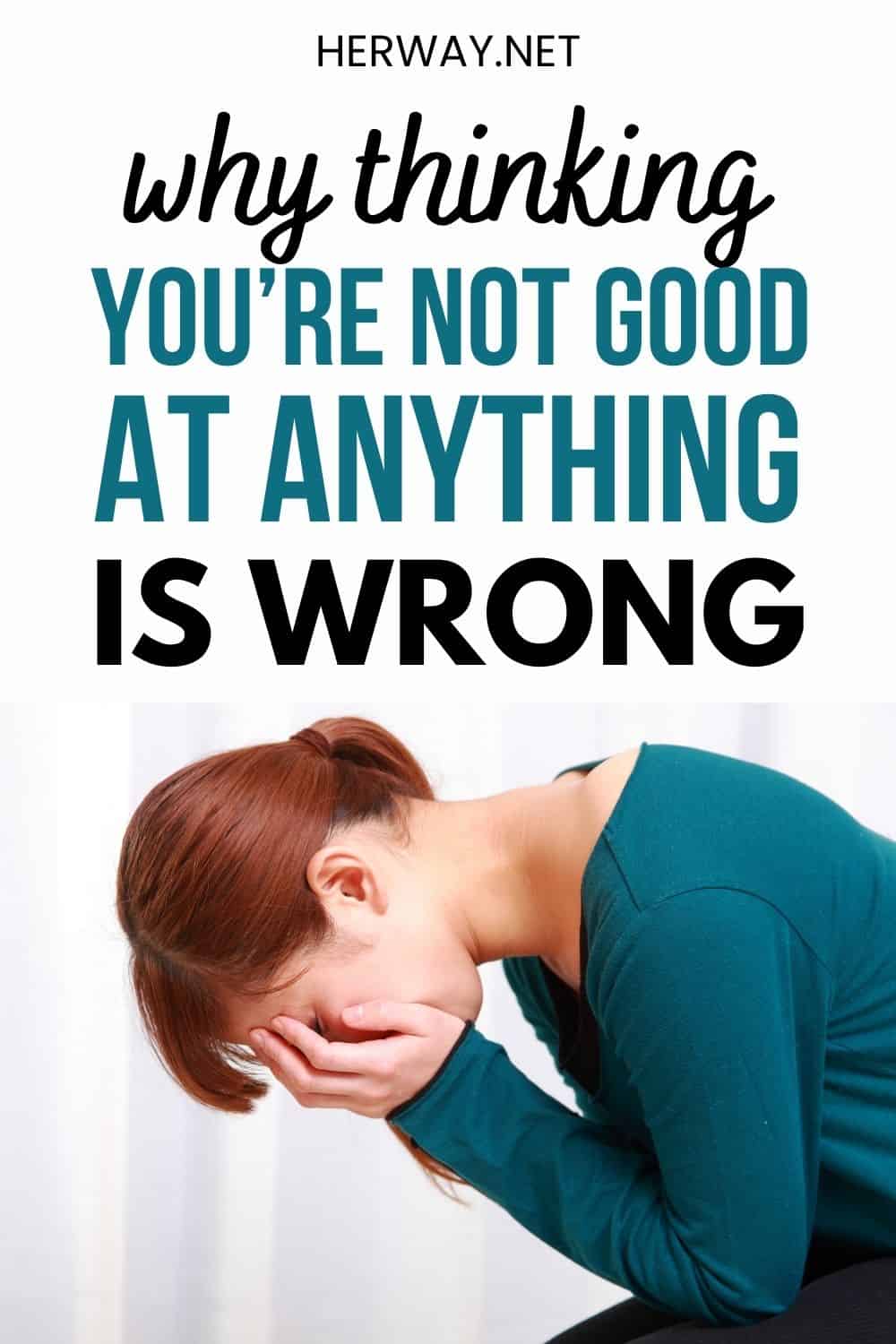

"Perché non sono bravo in niente?". Lo sei, ed ecco perché
Lottare con i dubbi su se stessi e sentirsi incerti sul proprio posto nel mondo può essere un circolo vizioso. Più lo si fa, più diventa realtà. Questo accade perché i pensieri negativi fanno sì che si smetta di credere in se stessi e di lavorare al proprio miglioramento.
Ideas like “Why am I not good at anything?” are one such self-fulfilling prophecy. When you believe something like this – which is undeniably false – eventually, it becomes true because you give up on yourself.
This is why it’s important to change your thinking as soon as possible. A volte le persone hanno un'idea sbagliata di cosa significhi essere bravi in qualcosa, il che può confondere e scoraggiare.
Here’s why these thoughts are so common and what you can do to get rid of them while getting really good at things in the process.
“Why Am I Not Good At Anything?” Because You Believe It.

Making broad statements like “I’m not good at anything” can quickly discourage you from even trying. Luckily, you can easily debunk this way of thinking by asking yourself some questions.
• Have you tried everything? Of course you haven’t. Nobody has and never will. Starting with an obvious question like this may seem silly, but it can give you some optimism and hope. Maybe there’s something waiting around the corner. Keep reading to find out what.
• How can you be sure you’re not good at anything? Maybe the scale you grade yourself on is more strict than it should be, and you’re giving yourself a hard time. Maybe you didn’t even try. Can you really be objective and say this with 100% confidence?
• What does it mean to be good? For example, being good at cooking can mean that you’re able to feed yourself every day, or it can mean that you’re a professional chef. Which one of these is it for you?
Reasons Why You Think You’re Not Good At Anything
Le ragioni per cui si hanno queste convinzioni sono molteplici. I tratti della vostra personalità possono rendervi inclini a essere eccessivamente autocritici, oppure possono derivare dalla vostra educazione e dalle vostre esperienze di vita.
It’s usually a combination of all three that makes you feel like you’re not enough.
Riconoscere l'origine di questo modo di pensare può aiutare ad affrontarlo più facilmente. Keep in mind that all of these causes are intertwined, and there isn’t just one reason.
1. Bassa autostima

Due dei principali responsabili di questi pensieri sono la bassa autostima e il perfezionismo. Usually, they work in tandem to make you feel like whatever you do, you’ll never be enough.
L'autostima è il modo in cui ci si percepisce e si giudica il proprio valore. It’s about recognizing your personal value, importance, and self-worth, as well as respecting yourself.
Un livello sano di autostima permette di apprezzare se stessi indipendentemente da ciò che si può fare. Quando l'autostima è bassa, si dubita di se stessi e del proprio valore.. Provoca convinzioni limitanti su ciò che è possibile ottenere.
Se non si riconosce e non si lavora per affrontare la bassa autostima, questa può causare una spirale negativa di ansia e depressione. Se non controllata, porta a ritirarsi dalle sfide e dalla vita sociale, con conseguente diminuzione dell'autostima.
2. Perfezionismo
Perfezionismo significa ricerca della perfezione in tutto ciò che si fa ed essere critici verso se stessi. It leads to all-or-nothing thinking – unless something is perfect, it’s worthless.
This leads to shying away from things you assume you won’t immediately be good at because you don’t see the point of doing anything if it’s not perfect. The concept of ‘good enough’ doesn’t exist for you.
Spesso questa pressione autoimposta si traduce in procrastinazione, paralisi e incapacità di agire. When you are a perfectionist, you feel overwhelmed and intimidated by everything you’re not sure about.
Poiché ci si impone uno standard di perfezione così elevato per le cose che ci piacciono, si inizia gradualmente a perdere la gioia che si provava. Probabilmente non giudichereste mai i vostri colleghi o familiari con la stessa severità con cui giudicate voi stessi.
3. Educazione

Il bullismo e gli abusi portano a una bassa autostima. Essere sminuiti su ciò che si era e su ciò che piaceva da piccoli porta a dubitare di sé e a rifiutare la propria personalità e i propri interessi.
Le prime esperienze negative insegnano a vergognarsi di se stessi e dei propri sentimenti e a sminuire i propri risultati e le proprie capacità. If someone who didn’t go through these experiences had your skills, they would consider themselves a jack of all trades.
Se da bambini siete stati iperprotetti e i vostri cari facevano tutto per voi, questo può avervi portato a provare sentimenti di inadeguatezza e a dubitare delle vostre capacità.
Le ragioni psicologiche per cui ci comportiamo in un certo modo sono complesse. Talvolta i problemi di salute mentale ci impediscono di andare avanti e sometimes our beliefs are so deeply entrenched that we don’t even consider them a problem.
4. Esperienza
L'esperienza di vita vissuta finora influisce notevolmente sulla fiducia in se stessi. If you remember your failures on your career path easier than your past successes, it’s going to hold you back.
Ciò che spesso non teniamo in considerazione è che dalla prima volta che falliamo in qualcosa, iniziamo a imparare. Un errore insegna più velocemente di un successo immediato, ma il nostro desiderio di successo immediato ci scoraggia.
La paura di fallimenti passati può farvi rinunciare prima ancora di iniziare. It leads to losing motivation when you’re unhappy with the results instead of persevering and getting better.
It causes the faulty thinking that if you failed once, you’re going to fail again. Instead of asking yourself, “How can I use my mistakes to learn?” you ask yourself, “Why am I not good at anything?”
5. Autocritica negativa

• “I don’t have any talents.”
• “There is no point in trying something when I’ll fail anyway.”
• “No one cares about me.”
• “I’m not interesting.”
• “Everyone except me is successful.”
Alcune di queste cose vi suonano familiari? Questo è solo un piccolo esempio delle cose che ci diciamo e che ci scoraggiano. Pensieri come questi possono occupare e rimanere nella nostra mente per molto tempo.
Negative self-talk isn’t reality, but the more you say it, the more you start to believe it. And once you believe something, you act like it’s true. So if you believe you’re not good at anything, why even do it?
L'unico modo per combatterlo è cambiare i pensieri negativi in pensieri più positivi. Ogni volta che pensate a qualcosa che vi butta giù, trovate una controargomentazione e ripetetela.
When you think, “I’m not interesting,” make yourself think of three interesting things about yourself. If you can’t come up with three, start with one, but make sure to Combattere i pensieri negativi .
È giusto non essere bravi in qualcosa?

You are good at things, and we’ll talk about it more later, but it’s important to know that you don’t have to be good at things to lead a happy and meaningful life.
Scopo della vita
We’re taught that finding your purpose or recognizing your dream is necessary if you’re to lead a full life. This is meant to inspire you to rise above mediocrity, stop being ordinary, and become someone exceptional.
Alcune persone misurano la loro felicità in base ai risultati raggiunti, sentono fortemente il loro scopo e dirigono tutte le loro energie per realizzarlo.. Hanno un quadro chiaro di ciò che vogliono ottenere e di come raggiungerlo.
Se significa essere una persona ricca, una persona con la propria pagina di Wikipedia o una persona che ha un impatto profondo sul mondo dipende dalla persona stessa, ma significa che hanno un obiettivo e si impegnano per raggiungerlo.
However, not everyone wants to live like this, and that’s okay.
Vita ordinaria
D'altra parte, alcune persone trovano la loro felicità nelle piccole cose e nei momenti quotidiani. Non tutti devono avere uno scopo o un sogno, ma la loro vita ha comunque un senso. Si può essere felici semplicemente essendo un essere umano.
Perhaps you tried searching for your life purpose but couldn’t find anything you were willing to dedicate yourself to. Trying something that isn’t for you and moving on doesn’t mean giving up.
If accomplishments give you happiness, you can live to pursue them, but if they only put pressure on you, you don’t have to. We’re led to believe that you need to have a certain level of skill in everything you do, and that’s simply not true.
Le normali attività umane come l'arte, il canto, la scrittura e altri modi di esprimersi sono naturali e necessari. And yet, in childhood, we’re told that we must be exceptionally good at them to do them at all.
Not being at an expert level of knowing how to do something doesn’t mean that you can’t have interests, skills, and enjoy the things you do your whole life.
What Are Some Things You’re Good At?

Essere bravi in qualcosa fa pensare al talento in qualcosa di ovvio e al saper fare. Quando si cerca lavoro, si impara che queste abilità misurabili sono chiamate hard skills.
They’re things like being able to speak a foreign language, drive, use certain software, or career-specific skills. They are teachable and can be learned with some hard work.
On the other hand, there are soft skills. When you’re not writing a resume, they’re called personality traits.
Life coaches or career coaches can help build these skills, but mostly they’re something you’re either born with or acquire through experience over a long period of time. Sono complicati, se non impossibili, da insegnare.
Le soft skills riguardano l'intelligenza emotiva. Hanno un grande impatto sulla nostra vita quotidiana e alcuni sono molto ricercati sul mercato del lavoro. Pensare alle qualità della personalità come a delle competenze può cambiare la vita.
Queste sono le cose in cui potreste essere bravi senza esserne consapevoli. We rarely even think about these as skills in everyday life, but that’s what they are.
This isn’t a full list, but you get a picture. The next time you’re applying for a job, mention some of these in your skill set if you have them:
• Communication
• Creativity
• Persuasion
• Critical thinking
• Collaboration
• Adaptability
• Emotional Intelligence
• Empathy
• Organization
Cosa si può fare per essere più bravi?
In una sola frase, si potrebbe dire che il modo per essere più bravi nelle cose è quello di invest time and effort into something you’re passionate about.
Put this way, this process sounds both abstract and impossible. However, when we break it into steps and see what it all means, it will put things into perspective – you’ll see that it’s manageable and something to look forward to.
1. Diventare fiduciosi

Potrebbe sembrare sorprendente trovare la fiducia in sé in cima alla lista. Dopotutto, ci si aspetta di acquisire fiducia nel diventare bravi in qualcosa, non di averne bisogno per iniziare. La fiducia in se stessi è la chiave del successo in ciò che si vuole ottenere.
Il motivo è che la mancanza di fiducia in se stessi impedisce di fare passi avanti per migliorarsi. You don’t need to believe in yourself 100% to start working on yourself, but you need to have at least enough faith in yourself to believe it’s possible.
Smettere di parlare negativamente di sé
We already mentioned how negative self-talk – the insults you tell yourself – prevents you from believing in yourself and working on your personal development.
Questo migliora lentamente man mano che si raggiungono risultati che dimostrano che le convinzioni negative sono sbagliate, ma bisogna imparare a metterle a tacere non appena si manifestano. Con sufficiente pratica nell'ignorare questi pensieri, you’ll start believing in your self-worth.
La percezione che avete di voi stessi e la realtà sono diverse. Il vostro critico interiore potrebbe essere ispirato da qualcuno del nostro passato che era eccessivamente giudicante, oppure potrebbe essere la voce della vostra ansia.
Either way, overcoming these self-limiting beliefs is possible when you decide you don’t want to listen to them anymore. Basta rifiutarsi di crederci e ogni volta sarà più facile.
Smettere di paragonarsi agli altri
La pressione sociale può essere la causa dell'ansia. Molte persone vivono secondo alcune tappe prescritte di come dovrebbe andare la vita.: andare all'università dopo le scuole superiori, fare subito carriera, sposarsi e avere figli.
When this doesn’t work out, self-doubt and worry about not reaching your full potential sets in. It makes you feel like there’s something wrong with you when you compare yourself to other people.
Avere qualche dubbio è normale, ma ricordate che il fallimento e il successo servono per imparare. There’s more to life than success.
Things people tell you about their lives are never the full story. You don’t see the struggle behind it. People don’t want to admit to their failures and only talk about their achievements.
Questo fenomeno è particolarmente diffuso sui social media. Perfect pictures don’t show all the failed attempts, and even the ones that are posted are filtered.
2. Essere interessati

Some initial interest is absolutely necessary to begin working on something. Even progress isn’t enough if you don’t like your skills. However, don’t use a lack of interest as an excuse. It’s easier to give up than to try.
Mancanza di interesse
Have you ever worked really hard at something, yet you could never improve at it? If this has happened to you, I bet it’s qualcosa che si è costretti a fare o che si è dovuto fare per qualche motivo, come i vostri genitori che vi fanno imparare il pianoforte.
My first piece of advice is that if you hate it, don’t do it, whatever it is. Hating something you do will lead to giving up and disprezzo di sé.
Find something else, or if it’s something that’s required for some reason, find a way to like it in some way. For instance, you can develop an interest in a skill if it’s something that can be very useful.
Interesse per la costruzione
Think about something that you like to do, no matter if you’re good at it or not, and Pensate a ciò che vi piace di essa. Ad esempio, se vi piacciono i videogiochi, perché li preferite a un altro tipo di intrattenimento?
I motivi possono essere: vi piace il riposo attivo, vi piace risolvere i problemi, vi piace passare al livello successivo, ecc. Quali altre attività hanno queste qualità?
Esaminando ciò che già vi piace fare, potete scoprire quali altre cose potrebbero interessarvi e, soprattutto, quali sono le cose che vi piacciono di più. nuove competenze e nuovi hobby per i quali potreste avere un'attitudine.
3. Agire

Now that you know what you have an interest in, it’s time to start. There’s only one step: action. Just do it. That’s all there is to it. Don’t overanalyze and try to get it done perfectly. Just show up, and keep going. You don’t have to enjoy every moment.
How do you find motivation? You don’t. La motivazione viene dopo, non prima dell'azione. Sono i risultati a spingervi ad andare avanti, non un desiderio astratto di raggiungere qualcosa.
As you do it, you’ll get better and want to keep doing it, and it’s impossible not to get better. It’s best if we look at an example.
Decisione
Let’s say you’ve decided you want to start working out. This is something people notoriously give up on. Those who don’t grow to love it. How do you become the second type of person?
First of all, you have to choose a type of physical activity that you at least don’t hate. It’s best, of course, that you like it, but it’s enough that you don’t spend the entire time working out waiting for it to end.
Coerenza
Now that you know what you’re doing, you just have to show up. La coerenza è tutto. Avere un piano e rispettarlo.
If you’ve decided to go to the gym three times a week, that’s what you should do. One excuse turns into the next, and that’s how people give up. It’s better to show up and have a second-rate workout than not show up at all.
L'obiettivo della coerenza è quello di creare abitudini. When going to the gym becomes just something you do and not something you have to make yourself do, you’ll know you’re on the right path.
Sforzo
È necessario impegnarsi in qualcosa in cui si vuole migliorare. Ciò significa che dovreste fare del vostro meglio. Maybe what you can do when you only start doing something seems like nothing, but at that point, it’s the best you can do.
Abbiamo già detto che paragonarsi agli altri porta solo ansia. Other people’s results can inspire you, but if you notice that you’re feeling envious and discouraged, you should stop thinking about others.
Basta il proprio impegno e, man mano che si progredisce, ciò che sembrava irraggiungibile a un certo punto diventa troppo facile. There will be days when your best won’t be so good and days when you surprise yourself.
Ora arriva la parte più divertente.
4. Avere passione

We often think that the only kind of passion is something we’re born with. The childhood dream you found as a five-year-old, and the life-long desires you always carry with you.
Questo tipo di passione è qualcosa che vi ispira e vi fa perdere nel vostro mondo. Aiuta a identificare precocemente i propri interessi e le proprie attitudini e a scegliere la direzione della propria vita.
This isn’t the only kind of passion, however.
Passione attraverso lo sforzo
La passione può svilupparsi anche facendo costantemente qualcosa e vedendo i risultati del proprio lavoro. In questo modo, sono le vostre stesse azioni a ispirarvi.
Come abbiamo detto, agire regolarmente finché non diventa un'abitudine dà sempre risultati. Non migliorare è impossibile se ci si impegna regolarmente al massimo in qualcosa in cui si vuole diventare bravi.
Per tornare all'esempio dell'allenamento, se si corre tre volte alla settimana per diversi mesi e si dà il massimo, la velocità, la resistenza e la salute miglioreranno. There’s no other possibility.
During that time, you will develop a passion for running. Practice will give you enthusiasm. Results will give you passion. You’ll be one of those people everyone looks at and says, “Oh, it’s easy for you because you actually like running.”
5. Impegno

L'abilità è costituita da 99% di lavoro e 1% di talento. Il talento può rendere più facile il miglioramento, ma nessuno migliora senza lavorare. The best singer or athlete isn’t the one who is the most talented but the one who’s the best at practicing.
L'impazienza di essere subito bravi in qualcosa è dannosa per migliorare. Per diventare abili in qualcosa ci vogliono tempo, perseveranza e pazienza.
Se volete davvero essere bravi in qualcosa, dovete impegnarvi a farlo regolarmente e al meglio delle vostre capacità. Bisogna perseverare e non arrendersi quando diventa difficile o quando smette di essere nuovo ed eccitante.
Continuate ad andare avanti anche se all'inizio non riuscite. You’ll learn a lot about yourself and find where your talents really lie. Something you like to do might become something you don’t like or something you love. Qualcosa che potete fare voi può diventare qualcosa che potete fare solo voi.
6. Ascoltare

Il passo finale è quello di rendere l'ambiente in cui vivete un buon posto per i vostri nuovi progressi e la vostra motivazione.
Hai lavorato sulla fiducia in te stesso prima di iniziare, e sei migliorato solo quando hai migliorato le tue abilità. But it’s also important to surround yourself with people who are supportive, encouraging, and celebrate your success.
Avoid people who put you down and make you feel worthless and untalented. They’re even more toxic than your inner critic. We tend to believe people’s bad opinions of us easier than good.
Imparare ad accettare i complimenti, and don’t listen to people who are envious, unfriendly, and rude.
Not dismissing compliments will feel fake at first because you don’t believe that the other person means it. If you continue, you’ll start believing them and begin thinking about yourself in the same way others perceive you.
La pratica rende perfetti
You asked, “Why am I not good at anything?” The truth is, you have plenty of things you’re good at, but they’re so normal for you that you don’t even realize they’re your strong points.
Even if you weren’t good at anything, that’s okay. People’s lives aren’t valued by things they can do but by what kind of people they are.
Se si vuole migliorare una specifica abilità, si possono compiere dei passi per riuscirci. It takes effort, time, and commitment, but it’s more than possible to succeed.