
A Woman Pulls Away in Bed When She’s Been Let Down Everywhere Else
Pulling away in bed is rarely about the bedroom itself. For many women, it is the last quiet signal sent after months or years of feeling unseen, overloaded, or quietly let down in almost every other corner of the relationship. But sexual withdrawal is not one-size-fits-all: it can also reflect physical pain, exhaustion, hormonal shifts, mental health, medication, or life-stage changes that have nothing to do with a partner’s behavior. Understanding what is actually happening beneath the surface is the first step toward treating yourself with the honesty and care you deserve.
Relational disappointment may be one reason a woman pulls away in bed

Sexual withdrawal does not have a single, universal explanation, and the title of this article does not tell every woman’s story. For some women, though, repeated dismissal, broken promises, loneliness inside a relationship, or the slow erosion of feeling valued can make physical closeness feel costly rather than comforting. When vulnerability has been met with indifference too many times, the body and the heart start looking for ways to protect themselves.
Think of accumulated relational hurt as a kind of emotional bruising, not a medical diagnosis or a clinical condition, just a plain-language way of naming what happens when disappointment stacks up without resolution. Research on partner responsiveness shows that feeling understood, cared for, and appreciated is associated with greater sexual desire, particularly among women, which means that the opposite experience, feeling dismissed or taken for granted, may quietly work against desire over time. That is an association, not a guarantee, and it does not mean a partner’s behavior is the only possible cause.
The same outward change, pulling away in bed, can just as easily reflect pain, vaginal dryness, hormonal shifts at menopause, postpartum changes, medication side effects, depression, anxiety, exhaustion, or ordinary fluctuations in desire across a lifetime. Mayo Clinic identifies all of these as recognized contributors. Even longitudinal research on relationship and sexual satisfaction found limited support for a simple one-way model where a partner’s behavior alone causes a woman’s desire to change. The relationship between the two is real, but it runs in multiple directions and is shaped by many forces at once.
You deserve an explanation that takes all of those possibilities seriously, not just the one that is easiest to name.
Feeling understood and cared for can make desire feel more possible

Partner responsiveness is a research term, but in everyday life it is something you recognize instantly: your partner actually listens when you describe something hard. They remember what matters to you. When you say you are overwhelmed, they do not immediately redirect to their own stress or tell you to look on the bright side. That quality, feeling genuinely seen and cared for, turns out to have a meaningful relationship with sexual desire.
One major study on partner responsiveness and sexual desire found that when people felt their partner understood and validated them, they reported greater desire, and the association was stronger among women than men in that sample. A separate study linking intimacy, responsiveness, and attachment-related needs with desire added further support for the idea that emotional attunement and desire are connected, though neither study can prove that responsiveness alone causes desire to rise or fall.
The contrast in daily life is vivid. A partner who asks how you are doing and waits for a real answer, who notices when you are carrying too much and offers to help without being asked, who does not treat sexual access as something owed to them regardless of how you are feeling, creates a different emotional climate than a partner who expects closeness at night while remaining emotionally unavailable during the day. That gap does not automatically kill desire, but it can make the bedroom feel like one more place where something is being asked of you rather than offered to you.
Feeling emotionally met is not a prerequisite that every woman requires before wanting sex, but for many women, it creates the conditions in which desire has room to grow. Responsiveness is not a guaranteed switch, and it cannot override medical, hormonal, or psychological contributors. Still, it matters, and a partner who dismisses that is missing something real.
Perceived unfairness at home may affect desire for some women

There is a specific kind of exhaustion that comes from running a household while also being expected to show up as a warm, available partner at the end of the day. You have managed the grocery list, the school forms, the doctor’s appointments, the emotional temperature of everyone in the house, and somewhere in between all of that, you are supposed to feel desire. For some women, that gap between what they carry and what they receive becomes its own quiet barrier.
Two studies of women partnered with men who had children found that performing a larger share of household labor was associated with lower sexual desire for a partner. The association was partly explained by women perceiving their partner as dependent and the division of labor as unfair. That is a specific population and a correlational design, meaning the research describes a pattern observed in that group rather than proving that unequal chores directly cause every woman’s loss of desire.
What the findings do support is taking seriously the lived experience of feeling like a caretaker or household manager rather than an equal partner. When one person is perpetually in the role of the adult who organizes, reminds, and compensates for someone else’s gaps, the dynamic can start to feel parental rather than romantic. It is hard to feel desire for someone you are also quietly resenting for not showing up as an equal. That resentment is not inevitable, and not every woman in an unequal household experiences it the same way, but for some women it is a real and underacknowledged piece of the picture.
Correcting the workload is worth doing on its own terms, because fairness matters. But more help around the house cannot guarantee restored desire on its own, especially when trust has eroded, when resentment has built over years, or when medical, psychological, or other relational issues are also present. Fairness is a foundation, not a fix.
Desire, arousal, sex, love, and consent do not mean the same thing

Pulling away in bed can mean many different things, and it is worth untangling them carefully. A woman might love her partner deeply and still not feel sexual desire. She might agree to sex without feeling desire at the outset, or she might avoid sex while still feeling genuine attachment and warmth. None of those combinations proves anything simple about the relationship, and none of them means something is broken beyond repair.
The American College of Obstetricians and Gynecologists recognizes that some women experience spontaneous desire, the kind that arrives on its own without much context, while others experience responsive desire, which emerges after emotional intimacy or sexual activity has already begun. Neither pattern is abnormal. The absence of immediate, out-of-nowhere desire does not automatically signal dysfunction, rejection, or a relationship in crisis.
Sexual desire discrepancy, when partners want sex at different frequencies or intensities, is also not automatically a disorder. A position statement from the European Society for Sexual Medicine notes that desire discrepancy may not require treatment if neither partner is distressed by it. The issue becomes clinically relevant when the woman herself finds the change persistent and distressing, not simply when it fails to meet a partner’s preferred frequency.
No partner is owed sex as proof of love, and frequency alone cannot tell you anything reliable about a woman’s internal experience, the quality of her consent, or the health of the relationship. A woman who is agreeing to sex out of obligation, guilt, or conflict avoidance is not expressing desire. Those are different things, and treating them as interchangeable causes real harm. Recognizing the difference is not splitting hairs; it is the beginning of an honest conversation.
Conversation can support repair, but pressure cannot create intimacy

When a relationship feels safe enough to be honest in, conversation is one of the most useful tools available. Not the kind of conversation that happens in bed, when one person already feels pressured and the other is already disappointed. The kind that happens earlier in the day, in a neutral space, where both people can actually hear each other without the weight of expectation hanging over the room.
A meta-analysis of 93 studies involving more than 38,000 people found positive associations between sexual communication and both relationship satisfaction and sexual satisfaction. Notably, the quality of that communication mattered more than how often couples talked about sex. A single honest, respectful conversation where both people feel heard can do more than repeated surface-level check-ins that never quite get to the real thing.
Useful conversations outside the bedroom might touch on hurt that has not been acknowledged, trust that needs rebuilding, affection that has gone missing, the workload imbalance that leaves one person depleted, the need for more privacy or uninterrupted time together, and what conditions actually make intimacy feel safe and wanted. Research on sexual need responsiveness emphasizes listening without defensiveness, respecting stated boundaries, accommodating needs where genuinely possible, and removing shame, guilt, persistence, and retaliation from the equation entirely.
Pressure does not create desire. It closes the door on it. A partner who responds to a woman’s withdrawal by escalating, sulking, making her feel guilty, or framing her boundaries as a personal attack is not creating the conditions for intimacy. They are confirming exactly what she was already afraid of.
Honest, low-pressure conversation is an invitation, not a demand, and the difference between those two things is everything.
A change in desire can also signal a medical or mental-health issue

Before attributing a change in desire entirely to what is happening in the relationship, it is worth asking what else might be happening in the body and the mind. Many women are so accustomed to putting their own physical and mental health last that they do not notice when something genuinely medical has shifted beneath the surface.
Pain during sex, vaginal dryness, and the hormonal changes of perimenopause and menopause can make physical intimacy uncomfortable or unwanted in ways that have nothing to do with a partner’s behavior. Pregnancy, breastfeeding, and postpartum recovery bring their own hormonal and physical realities. Depression, anxiety, chronic illness, sleep deprivation, and significant fatigue are all recognized contributors to lower desire. Trauma history, body-image concerns, and changes in how safe or comfortable you feel in your own skin also belong in that conversation.
Mayo Clinic lists all of these as established possible contributors to low sexual desire in women.
Medications deserve specific attention. Some antidepressants, hormonal contraceptives, blood pressure medications, and other commonly prescribed drugs can reduce sexual desire as a side effect, sometimes significantly. If your desire changed around the same time a medication was started, adjusted, or stopped, that connection is worth discussing with a prescribing clinician.
Persistent changes, sudden shifts, desire that feels generalized rather than specific to one relationship, or changes accompanied by pain, dryness, bleeding, depression, anxiety, or profound exhaustion all warrant evaluation. A gynecologist or primary-care clinician can help identify whether the main contributors are medical, psychological, medication-related, relational, or some combination, and treatment should address the actual causes rather than simply pressuring a woman to increase sexual frequency. A sex therapist or appropriately trained counselor can also be part of that picture, though no single provider or approach can guarantee a specific outcome.
Abuse and coercion require safety support, not ordinary relationship repair
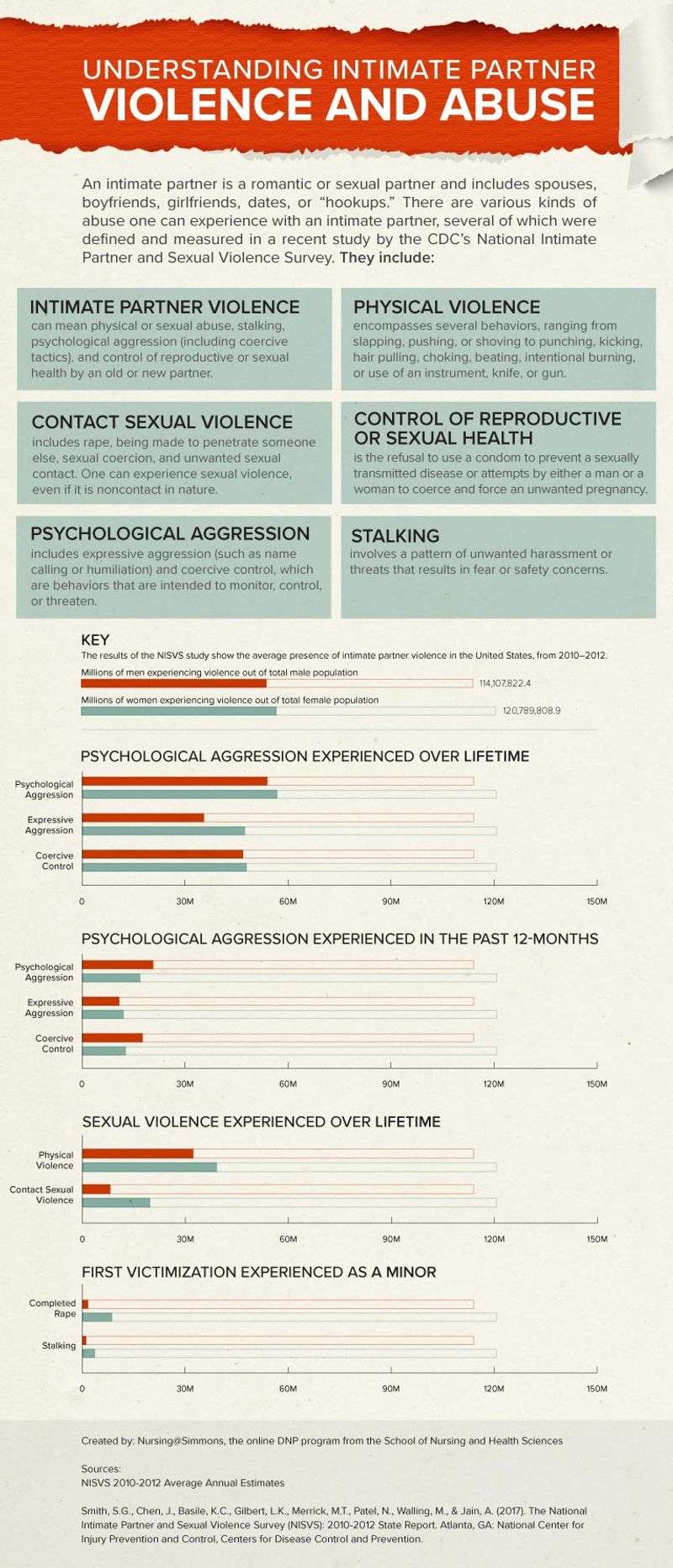
Ordinary relationship disappointment and coercive control are not the same thing, and treating them as variations on the same problem can put women in real danger. Feeling let down by a partner who is emotionally unavailable is painful. Being humiliated, threatened, isolated from friends and family, monitored, stalked, physically harmed, or pressured into sexual activity is something categorically different, and it requires a different response.
The World Health Organization and the Centers for Disease Control and Prevention both document the serious and lasting mental, physical, sexual, and reproductive-health consequences of intimate partner violence. When a woman’s sexual withdrawal is rooted in fear, coercion, or the need to protect herself from a partner who uses pressure, threats, guilt, retaliation, or intimidation, that is not a communication problem to be worked through together. That is a safety issue.
Consent must be freely given, reversible, and genuinely free from pressure, guilt, threats, retaliation, intimidation, or fear. Research on sexual need responsiveness is explicit that sexual activity obtained through any of those means may constitute sexual coercion or sexual violence. Withdrawal in that context is not a relationship problem to fix. It may be a protective response to an unsafe situation.
Couples counseling is not a universally safe recommendation when abuse or coercive control is present. The National Domestic Violence Hotline specifically advises against couples therapy when abuse is present because joint sessions can expose a victim’s disclosures, reinforce blame, or give an abusive partner more information to use for control. If any of this feels familiar, confidential individual support and safety planning come first. The National Domestic Violence Hotline can be reached at 1-800-799-7233 or thehotline.org.
Her desire is not a debt she owes for staying

You do not owe anyone desire as payment for staying in a relationship. Wanting sex is not proof of love, and not wanting it is not proof of failure. Those two things have been conflated for so long that many women carry guilt about their own inner lives, as though their desire exists to serve someone else’s needs rather than their own.
Rebuilding intimacy, when both partners genuinely want it and real safety exists, takes care, reciprocity, honest communication, and consistent respect for boundaries. It cannot be rushed, guilted, or pressured into existence. Any version of intimacy that requires you to silence your own experience is not closeness. It is compliance.
You are allowed to investigate both what is happening in the relationship and what might be happening in your body, your mental health, and your life circumstances without accepting blame for any of it. The change in your desire is information, not a verdict. What you do with that information, and whether you do it with a partner who is genuinely willing to listen, is entirely up to you.