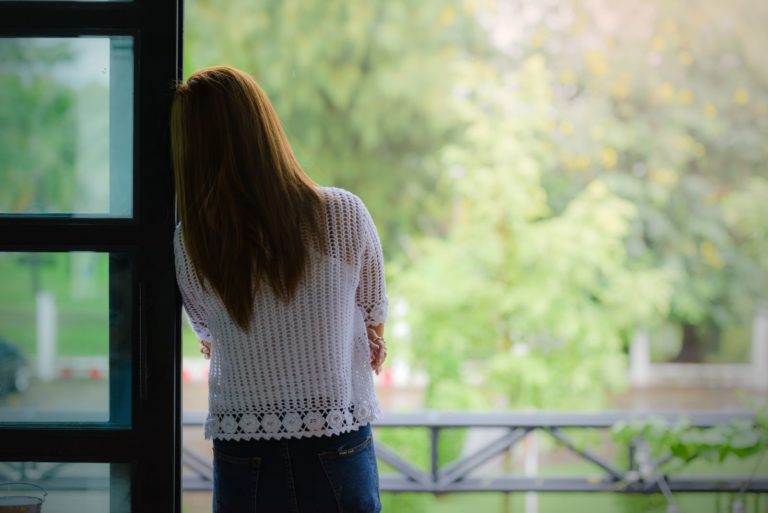

Non lasciate che il PTSD vi definisca - Combattete!
You’ve really been through the wringer. I mean, really. You’ve experienced an especially traumatic situation and have proven that you can rise above the ashes. At least, so you thought. The waters are calmer now but you feel more frazzled than ever. Why is this? Could you be experiencing the effects of Disturbo da stress post-traumaticocomunemente chiamato PTSD?
Esistono alcuni segnali facilmente individuabili di PTSD. Identificare i sintomi è il primo passo per cercare l'aiuto necessario a trasformare la propria vita e a liberarsi dalle catene del trauma una volta per tutte.
Aumento dell'ansia o della paranoia. Often, when faced with particularly tragic circumstances, we are overwhelmed by anxiety. We go into ‘panic mode’. This is a natural defense mechanism we are all equipped with. Our mind and body go on high alert, providing us with temporary resources to power through the situation and come out on the other end. Unfortunately, however, all too commonly, if we experienced especially taxing circumstances, we are left with these lingering effects in the aftermath. Because we’ve grown used to functioning on all cylinders, it’s difficult for us to relax. Even if we try to remind ourself that the worst of it is over, this physical reaction is hard to shake.
Depressione o mancanza di interesse. Because we were in panic mode for so long, chances are we didn’t have time to pursue our interests or pay attention to the things in our life that once defined us. When the dust settles, it is common to revert to a state of total disinterest in the activities or pursuits that we once enjoyed. Sometimes, instead of experiencing lingering anxiety, our mind and body are so spent that we begin to feel overly lethargic. As we relax our muscles, we can experience aches and pains, and it’s just not as easy as it once was to enjoy life’s gifts.
Un forte desiderio di fuga. A natural defense mechanism we’re also equipped with that kicks into high gear amid trauma is the ability to mentally escape our circumstances even when we physically can’t. The ability to escape mentally helps make the physical part more bearable. If we can convince ourself that things are really not that bad, we can continue to power through. This also isn’t an easy coping mechanism to drop when we’ve finally overcome the trauma. Often, we are left with a desire to escape, even though at a conscious level we know and understand that life has changed for the better. So, we continue to try to escape life by numbing ourself with substances or indulging in other addictions such as compulsive shopping or binge-eating. We do these things despite knowing better and realizing they will only temporarily relieve the pain. We are used to allowing this temporarily relief into our life in order to continue braving the storm.
Ever hear the saying, ‘Old habits die hard’? This is generally the case with those who experience symptoms of PTSD. It is difficult to just ‘snap out of it’ and move on—impossible sometimes to do by ourself. Just because the roles have changed, and we’ve been freed physically, we can still be tied to the situation mentally, unable to break free.
È comune diventare dipendenti da sostanze e dalla tossicità se si resiste a lungo al trauma e la lotta allo stress post-traumatico può durare tutta la vita. Tuttavia, ci sono cose che possiamo fare per rimanere attivi nella nostra guarigione e vivere al meglio la nostra vita. C'è speranza.
La cosa più importante da ricordare è che il trauma si è attenuato. L'entità della nostra guarigione dipende dalla nostra forza di volontà di estinguere completamente il dolore di questo trauma e di andare avanti, completamente liberati dalle sue catene. Può essere molto utile scrivere un diario sui casi in cui ci sentiamo particolarmente intrappolati dai nostri sintomi, includendo i nostri pensieri e sentimenti in questi momenti e ciò che abbiamo fatto per affrontarli, e presentare i nostri appunti a un consulente o a un terapeuta esperto nel recupero dei traumi. Esistono anche gruppi di sostegno e incontri dedicati specificamente al recupero e alla gestione del PTSD.
Anche la meditazione e gli esercizi di rilassamento come lo yoga possono essere d'aiuto. È importante cercare di rilassarsi il più possibile, e Il rilassamento inizia dalla mente. Taking a long walk to clear our head or picking up a book rather than a substance the next time a craving hits can transform our habits and help create a healthier state of being. Staying active and engaging with others even when we would rather stay in bed has also proven to be helpful. Just don’t push it too much—add in socialization little by little.
La vostra guarigione è limitata solo alla vostra volontà di accettare le carte che la vita vi ha dato e di andare avanti. Don’t let trauma and PTSD define who you are. Dovete capire che siete molto più di questo. Siete forti, unici, belli e capaci. Contrattaccare. You’re worth it!