
When You Love Someone You Know Is Wrong for You, the Heart Still Fights Back
Some of the hardest feelings to explain are the ones that contradict each other: knowing a relationship is hurting you, and still not wanting to let go. Your mind can hold the truth about someone while your heart keeps reaching for the version of him you fell for. That private war between what you know and what you feel is not a sign of weakness or confusion. It is one of the most human things there is.
The heart can stay loyal long after the relationship stops feeling right

You might already know, somewhere deep and quiet inside you, that this relationship is not giving you what you need. And yet you still reach for your phone when you wake up, still feel a pull when his name appears, still replay the good moments like they hold the answer to a question you cannot stop asking. That is not a character flaw. That is what attachment does.
Separation from someone you love does not feel like a clean decision. It feels like a loss, often a serious one, involving grief, anxiety, a restlessness you cannot sleep through. Research on romantic breakups consistently links the end of a relationship with depressive symptoms, rumination, self-blame, and reduced life satisfaction, and people who experience higher attachment anxiety tend to feel those effects more intensely. That does not mean leaving was wrong.
It means the bond was real, and real bonds hurt when they break.
What makes this harder is that the grief can feel like evidence. You miss him, so maybe you made a mistake. You ache for his voice, so maybe the relationship was right after all. Studies on post-breakup distress make clear that the intensity of pain after separation does not measure whether the relationship was healthy, compatible, or sustainable.
Pain measures attachment, not suitability.
Loving someone fully, grieving the loss of him, and still recognizing that the relationship was wrong for you are not contradictions. They can all be true at the same time. Attachment research shows that anxious attachment is linked to greater distress after a breakup, not to having chosen poorly or loved foolishly. The heart’s loyalty is not proof of the relationship’s worth.
“Wrong for you” does not always mean abusive
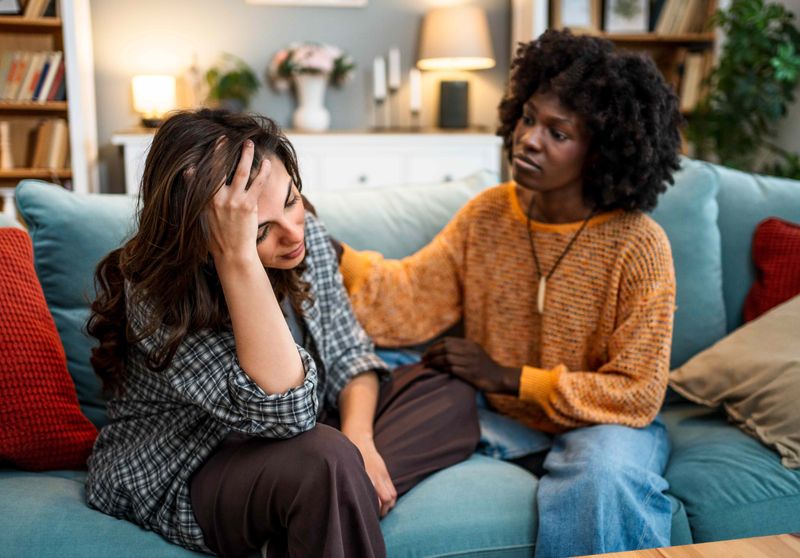
There is a wide, honest space between a relationship that is painful and one that crosses into abuse. You can love someone who simply cannot give you what you need, and that is its own kind of heartbreak, completely valid, and worth taking seriously on its own terms.
A partner can be emotionally unavailable without being cruel. He might be unwilling to commit, mismatched in values, unable to show up consistently, or simply at a different place in life than you are. The relationship can drain you, disappoint you, leave you feeling unseen for years, and still not meet the threshold of abuse. That does not make your pain smaller.
Loving someone who is wrong for you is still a loss, even when no one has done anything deliberately harmful.
Research on relationship quality points to a consistent set of features that healthy relationships share: trust, mutual respect, honest communication, equality, emotional support, and the ability to raise concerns without fear of punishment or withdrawal. Those are not romantic ideals. They are the practical markers of a relationship that can actually sustain two people over time.
Guidance from loveisrespect describes green flags as a partner who listens, respects your decisions, encourages your friendships, and supports your individuality. When those things are consistently missing, the relationship may be wrong for you regardless of how much chemistry or history you share. Strong feelings prove that you are attached. They do not prove that you are safe, respected, or in a relationship that can meet your needs.
Intensity is not the same as suitability, and love is not the same as compatibility.
The good days can make the larger pattern harder to see

When a relationship is consistently bad, something in you can name it and eventually act on it. What is far harder to leave is a relationship that keeps offering you glimpses of what you hoped it could be. One warm weekend, one conversation where he really listened, one moment where it felt like the beginning again. Those moments do not erase the pattern.
They make the pattern harder to hold onto long enough to examine it clearly.
Longitudinal research on relationship quality found that greater fluctuation over time, not just low quality, was associated with greater psychological distress, declining confidence in the relationship, and lower life satisfaction. The unpredictability itself takes a toll. When you never quite know which version of the relationship you will get, you spend enormous energy staying alert, managing the uncertainty, and recalibrating your expectations after every shift.
After a period of distance or conflict, a warm return can feel like relief so strong it resembles proof. The tension breaks, he is tender again, and for a moment the weight lifts. That relief is real. What it does not do is resolve the underlying pattern or guarantee it will not repeat.
A good week does not cancel out six months of feeling small, dismissed, or afraid to speak honestly.
Inconsistency in a relationship can have many causes, including stress, avoidance, immaturity, or genuine ambivalence, and it does not by itself establish abuse, a trauma bond, or any particular diagnosis. Research on traumatic bonding uses that term specifically for attachment to an abusive or coercive partner involving a power imbalance and alternating harm with positive treatment, not for every hot-and-cold dynamic. What matters is the full pattern over time, not the best moments or the worst ones taken alone.
Ask what the relationship permits you to do, not only what it makes you feel
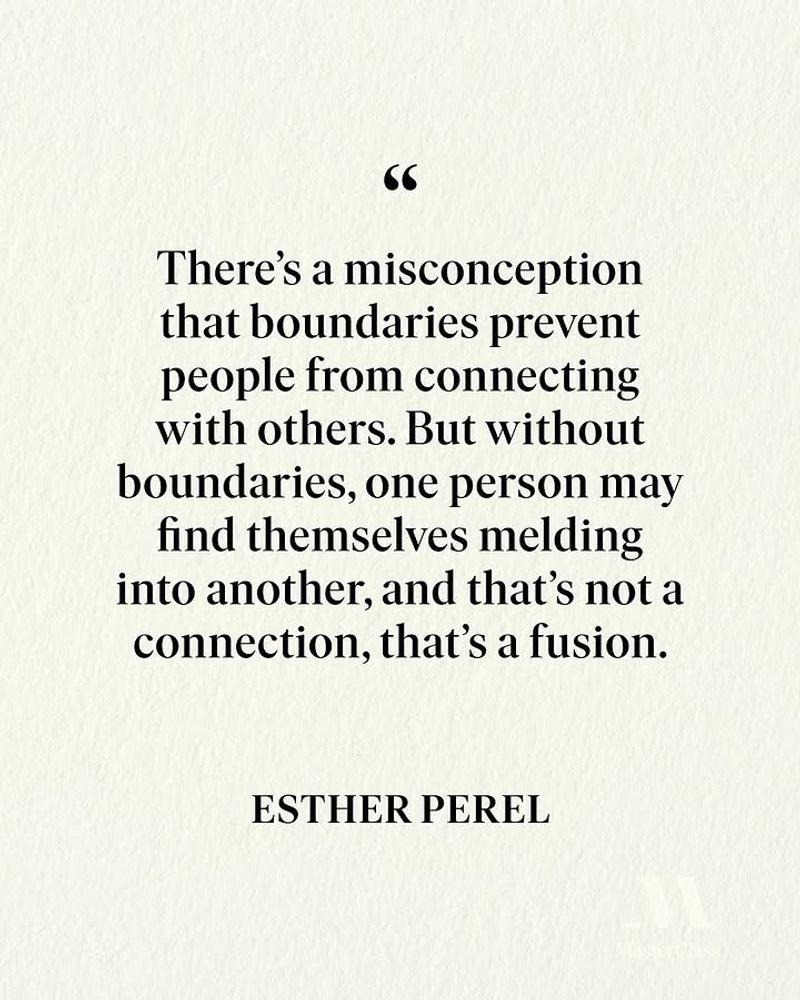
Feelings are real, but they are not always the clearest map. A sharper question is this: what does the relationship actually allow you to do? Not in theory, not on good days, but consistently, in ordinary moments when nothing dramatic is happening.
Can you say no without it becoming a conflict that lasts for days? Can you mention that something hurt you without the conversation somehow turning into a case against you? Can you spend an evening with a friend without having to justify it, manage his reaction, or feel guilty the entire time you are gone? Healthy relationship guidance is clear that both people should be able to maintain outside friendships, make personal decisions, and hold boundaries without those things being treated as threats or betrayals.
When you are called selfish for asking to be heard, or dramatic for saying you are hurt, that is not a communication problem. That is a power problem. Dismissiveness, excessive jealousy, monitoring your phone or your movements, isolating you from people who care about you, or making you feel guilty for having needs at all, these are not just personality quirks or rough patches. loveisrespect describes equal say, mutual support, and respect for individuality as foundational, not optional extras in a relationship.
Disagreement is not automatically a red flag. Healthy relationships include conflict, but both people can raise concerns, repair harm, and return to a place of safety and respect. The question is not whether you argue. The question is whether you feel free, safe, and like yourself inside this relationship, or whether you are constantly shrinking to keep the peace.
Control, violence, and threats require a sharper safety lens
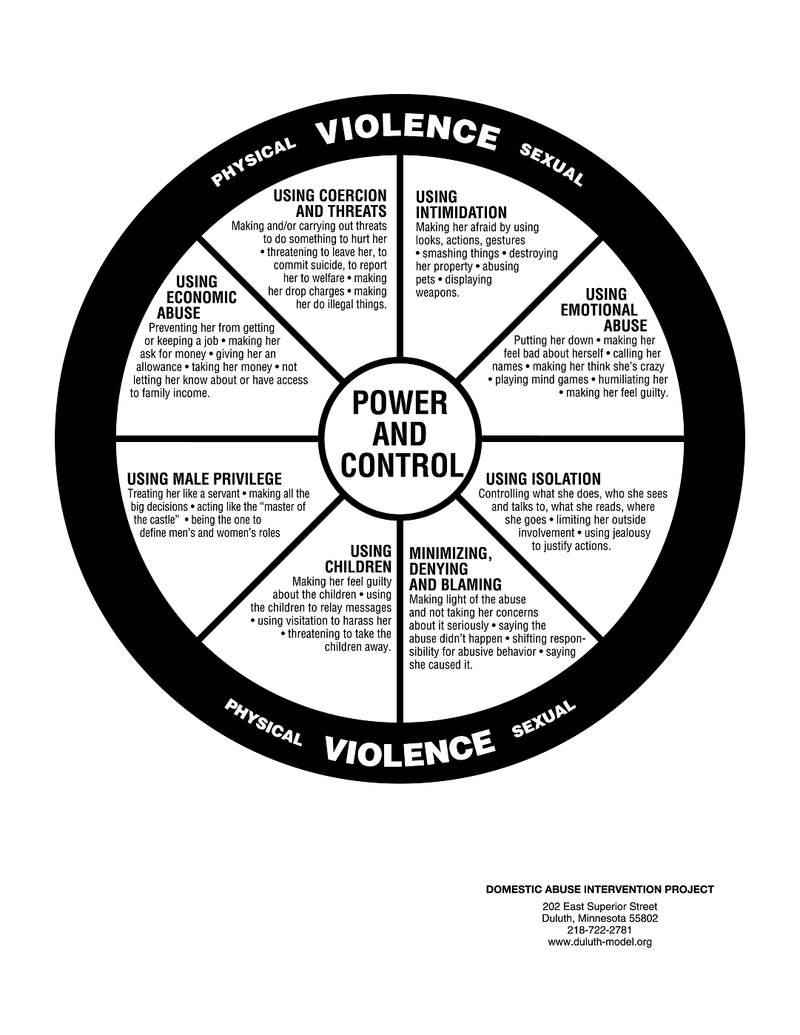
Some relationships move beyond incompatibility or emotional disappointment into territory that requires a different kind of attention. Emotional abuse can include insults, humiliation, threats, manipulation, excessive jealousy, monitoring, isolation, dismissiveness, and behaviors the National Domestic Violence Hotline identifies such as withholding affection as punishment, threats of self-harm to keep you from leaving, coercion around sex, and intense early affection followed by manipulation. These are not signs of a passionate personality. They are patterns of control.
MedlinePlus guidance on emotional abuse notes that controlling a partner’s time, clothing, finances, friendships, movements, employment, or communication are serious warning signs that go beyond ordinary relationship friction. Financial control, digital surveillance, and isolation from family are forms of abuse even when no physical violence has occurred.
The CDC defines intimate partner violence as abuse or aggression in a current or former romantic relationship and includes physical violence, sexual violence, stalking, and other harmful behaviors. Its documented impacts include injury, fear, safety concerns, PTSD symptoms, and disruption to daily life. Abuse is not limited to physical harm, and you do not need a bruise to have experienced something serious.
Abuse often appears as a pattern over time, but a single serious incident also deserves immediate attention. One act of physical violence, sexual coercion, stalking, or a credible threat is not something to wait and see about. Intimate partner violence resources emphasize that fear, attachment, hope, and cycles of reconciliation can all coexist with abuse, and none of that makes you responsible for what has been done to you.
You do not have to stop loving someone to recognize that what is happening to you is serious. Attachment and harm can occupy the same relationship at the same time. Naming the harm is not a betrayal of the love. It is the beginning of protecting yourself.
Leaving can be right even when it feels unbearable

Leaving is rarely a single clean moment. For most women, it is a process, sometimes a long one, full of second-guessing, grief, practical complications, and the persistent feeling that maybe this time things will be different. That experience is not weakness. It reflects how real the attachment is and how much is at stake.
Missing him after you leave is not evidence that you made the wrong choice. Breakup research shows that distress, rumination, and longing can persist long after a sound decision to end a relationship. The pain of separation measures the strength of the bond, not the wisdom of staying. Studies on post-breakup adjustment confirm that grief and good judgment can coexist, even when it does not feel that way in the middle of the night.
If control, abuse, stalking, or threats are part of your situation, the path forward requires more than courage. Leaving can actually increase certain risks in the short term, which is why how you leave matters as much as the decision itself. Simplistic advice like blocking him today, confronting him one last time, or having a final conversation for closure can create openings for escalation or manipulation in situations where power and safety are already unequal.
The Hotline’s emotional safety planning tool is designed to help you think through risks across multiple areas, including physical safety, digital privacy, finances, and stalking-related concerns, because separation plans need to be individualized. The Hotline also notes that risk can escalate around the time of separation, which is not meant to frighten you but to underline that you deserve a plan that accounts for your specific circumstances. If you are in immediate danger, calling 911 is the right step. For confidential guidance on building a plan, the Hotline’s personalized safety planning tool is available any time.
You can choose support before you feel completely certain

One of the most persistent myths about leaving a difficult relationship is that you have to be completely sure before you are allowed to ask for help. You do not. Clarity often comes after you start talking, not before. Reaching out while you are still uncertain, still grieving, still partially hoping he will change, is not a sign that you are not ready.
It is a sign that you are paying attention to something important.
Good support does not pressure you to disclose more than you are ready to share or push you toward a decision you have not made. WHO guidance on supporting women in difficult relationships recommends listening without judgment, validating the person’s experience, addressing practical concerns, strengthening safety, and connecting her with trusted social or professional help at her own pace. That is what real support looks like, and you are allowed to expect it.
If abuse or coercive control is part of your situation, couples counseling is not a neutral option. The National Domestic Violence Hotline warns that joint sessions can expose what you share in confidence, reinforce victim-blaming, and fail to address the unequal power at the center of the relationship. Individual support from a qualified therapist or a domestic violence advocate is a safer starting point, one where you can speak freely without calculating the consequences.
You do not have to stop loving someone before you are allowed to stop abandoning yourself. The grief and the decision can exist side by side. Seeking support is not a verdict on the relationship or on him. It is simply you deciding that your safety and your wellbeing are worth taking seriously, which they always have been.