
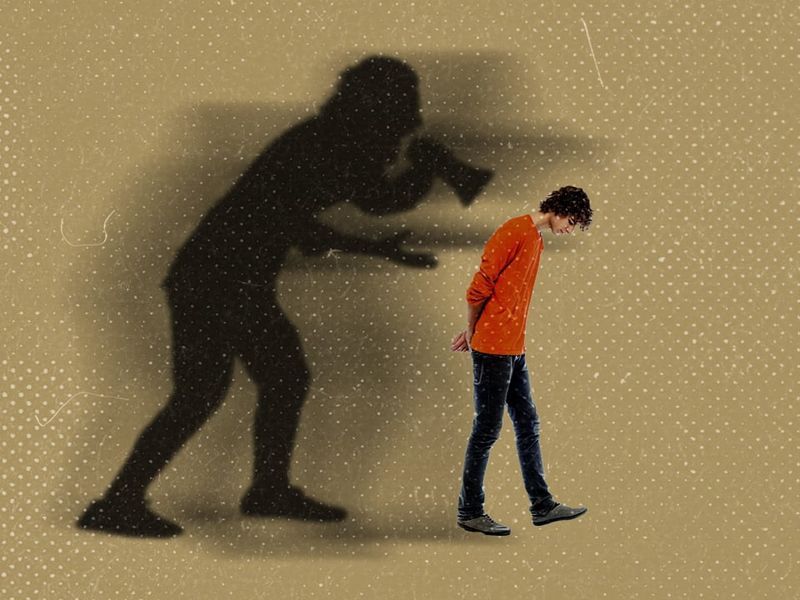
If a Man Hates Himself, You End Up Paying for Wounds You Never Caused
When someone you love seems to be drowning in pain, it feels natural to want to pull him out. You make excuses for the way he speaks to you, the way he disappears, the way he makes everything your fault, because underneath it all, you believe he is suffering. But his suffering and his behavior are two separate things, and understanding that difference may be the most important thing you ever do for yourself.
His pain may coexist with harm, but it never excuses what he does
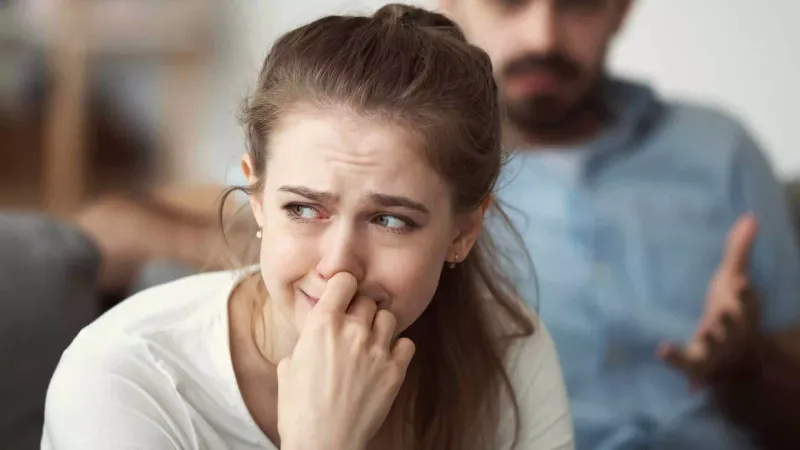
Loving someone who seems to hate himself can make his cruelty feel like a wound you accidentally walked into rather than something directed at you. When a man carries deep shame, persistent insecurity, or a quiet but crushing sense of worthlessness, those feelings tend not to stay neatly contained inside him. They can leak outward in the form of irritability, blame, contempt, jealousy, or attempts to control the person closest to him. You end up absorbing pain you did not create, and the worst part is that his suffering makes it hard to name what is happening.
Research does link certain emotional states to a higher risk of harmful relationship behavior. A meta-analytic review of anger, hostility, and internalized negative emotions found associations between those states and intimate-partner-violence perpetration. A separate study of men in IPV treatment programs found that anger, depression, and anxiety were associated with abusive conduct through emotional dysregulation. These are real connections, not invented ones.
But associations are not the same as inevitability. Many men who carry shame, depression, or low self-esteem never harm a partner. The research identifies possible contributing pathways, not a guaranteed outcome. His distress may help explain some of what you see, but it does not cause his behavior in any simple, direct way, and it never makes that behavior acceptable.
The governing distinction is this: his private suffering may deserve compassion and professional support, but his repeated conduct toward you is what determines whether the relationship harms you. The CDC defines intimate-partner violence as a pattern of behaviors that includes psychological aggression, coercive control, and other forms of harm. What he feels inside is one question. What he repeatedly does to you is another, and that second question is the one that matters most for your safety and wellbeing.
Look at what he does, not the wound you imagine inside him
One of the most disorienting things about being with someone who appears to be in pain is that you spend enormous energy trying to understand what he must be feeling inside. You interpret every cruel comment through the lens of his childhood, his failures, his fear. You become an amateur therapist for a man who is, in the meantime, making your life smaller.
The more useful skill is learning to look at behavior directly, without filtering it through your guesses about his inner world. The CDC describes psychological aggression as communication intended to harm a partner emotionally or mentally, or to exert control. That definition covers a wide range of conduct that may not look dramatic from the outside but causes real harm over time.
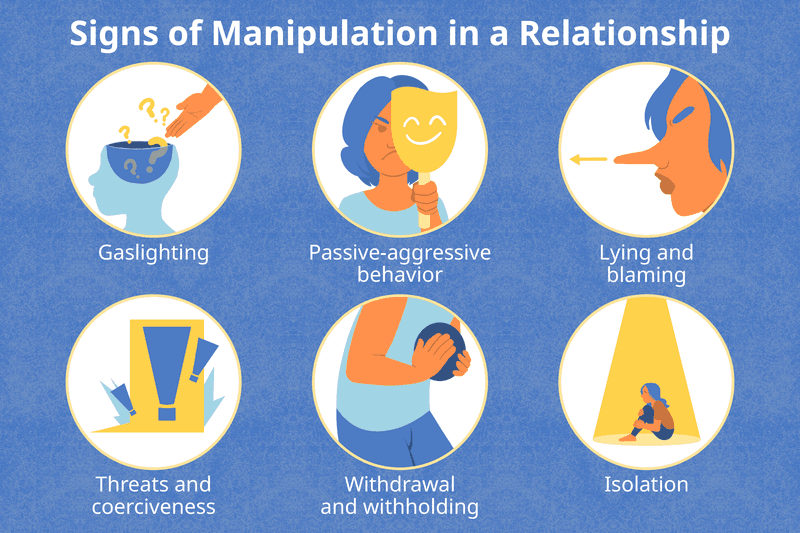
Specific behaviors to pay attention to include: insults and belittling comments, humiliation in front of others or in private, intimidation through tone or physical presence, threats of any kind, monitoring your phone or movements, cutting you off from friends or family, restricting your access to money or employment, destroying belongings, pressuring or coercing you sexually, and making decisions that are yours to make. World Health Organization guidance on intimate-partner violence identifies all of these as recognizable forms of harm, not personality quirks or symptoms of a wounded man.
His distress may accompany these behaviors, but it does not explain them away. The fact that he cries afterward, or that he grew up in a difficult home, or that he sometimes seems genuinely broken does not change what the behavior costs you. CDC materials on psychological aggression make clear that this form of harm can have substantial effects on a partner even when there are no visible injuries, no raised fists, and no moment that looks like a scene from a movie about abuse. The harm is real.
You do not need a bruise to prove it.
A bad mood differs from a recurring pattern that harms or controls you

Every person in a relationship has bad days. Depression can make someone irritable, withdrawn, and hard to reach. Anxiety can cause a partner to snap, go quiet, or pull back without explanation. Grief, work stress, and physical exhaustion are all real, and none of them make a person easy to live with.
Recognizing that is not weakness on your part; it is honesty.
NIMH information on depression notes that symptoms can include irritability, anger, hopelessness, withdrawal, impulsivity, and increased substance use. Those symptoms can look frightening or confusing in a partner, and they deserve care and professional attention. But symptoms alone do not establish abusive conduct, and they do not establish a diagnosis either. The question is not whether he is struggling.
The question is what he does with that struggle, and whether it lands on you as harm.
Mutual conflict, the kind where both people get hurt, both people have room to speak, and both people take some responsibility afterward, is part of every real relationship. The U.S. Department of Justice distinguishes domestic violence from ordinary conflict that “got out of control,” describing it instead as a pattern that may be emotional, psychological, economic, sexual, or physical. The pattern is the key word.
One hard conversation is not a pattern. One bad week is not a pattern. But recurring humiliation, repeated coercion, consistent retaliation after you set a limit, or a steady erosion of your sense of reality, those are patterns.
According to the CDC’s 2023/2024 National Intimate Partner and Sexual Violence Survey data brief, 30.2 percent of women in the United States, approximately 38.6 million, reported lifetime psychological aggression by an intimate partner. That figure reflects how common this experience is across many kinds of relationships and many levels of severity. It is not a measure of current danger for any individual woman, but it is a reminder that what you may be living with is neither rare nor something you simply have to accept. CDC risk-factor research also shows that low self-esteem is only one of many possible contributing factors, alongside hostility, poor behavioral control, and attitudes that support control over a partner.
His pain is not the whole story, and it is certainly not yours to carry alone.
His apology matters only when his behavior changes

There is a particular cycle that many women in these relationships know well. Something hurtful happens, and then come the tears. The shame. The explanation about his past, his pain, his fear of losing you.
He tells you he cannot live without you. He says he hates himself for what he did. And for a moment, the man you hoped he could be appears right in front of you, and it feels like maybe this time something has actually shifted.
An apology that does not change behavior is not an apology. It is a reset button. The National Domestic Violence Hotline describes meaningful accountability as requiring responsibility for the behavior, genuine recognition of its impact on you, a stop to blame-shifting, concrete steps to prevent repetition, and sustained improvement over time. A partner who cries, explains his childhood, and then repeats the same conduct has not changed.
He has completed a cycle.
Trauma and a painful history may provide some context for why a person struggles. Research on childhood maltreatment and later intimate-partner violence shows that early adversity can be associated with risk, but it does not determine adult behavior and it does not excuse it. Plenty of people who grew up in difficult or harmful homes build relationships that are safe and respectful. His past explains some of his pain.
It does not explain away what he does to you.
The phrases that should stop you cold: “You made me do this.” “I only act this way because I love you so much.” “If you were different, I wouldn’t have to.” Those sentences move the responsibility for his behavior directly onto you, and that transfer is itself a form of harm. Effective treatment for emotional and behavioral problems exists and requires his participation, not your sacrifice. You cannot love him into becoming safe. That work belongs entirely to him.
Suicide threats require help, not your surrender

Few things are more frightening in a relationship than a partner who threatens to hurt or kill himself. The threat lands in your body before your mind can process it. Suddenly everything else, the argument, the boundary you tried to set, the decision you were about to make, gets pushed aside. His life feels like it is in your hands.
That feeling is not an accident.
Suicide threats in a relationship context can reflect genuine distress, genuine danger, coercive pressure, or some combination of all three. NIMH guidance on suicide makes clear that threats and expressions of suicidal intent should always be taken seriously. That means you should not dismiss what he says or assume it is only manipulation. It also means you should not manage this crisis privately, by yourself, out of love or fear or guilt.
When there is immediate danger, call emergency services. In the United States, 988 is the Suicide and Crisis Lifeline, available by call or text, and it exists precisely for moments like this. NIMH resources on depression and crisis consistently direct people toward professional intervention rather than private management by a loved one. You are not a crisis counselor, and being in a relationship with him does not make you responsible for keeping him alive.
Staying in a relationship to prevent someone’s suicide is not love. It is captivity. If his threats appear after arguments, after you try to leave, after you set a limit, or as part of a broader pattern of control, that context matters. The National Domestic Violence Hotline offers guidance on safety planning that includes situations where threats, including suicide threats, are being used as pressure.
Reaching out to a domestic-violence advocate when this is happening is not an overreaction. It is the appropriate response to a situation that is not safe for you to navigate alone.
When control or escalation appears, make a safety plan
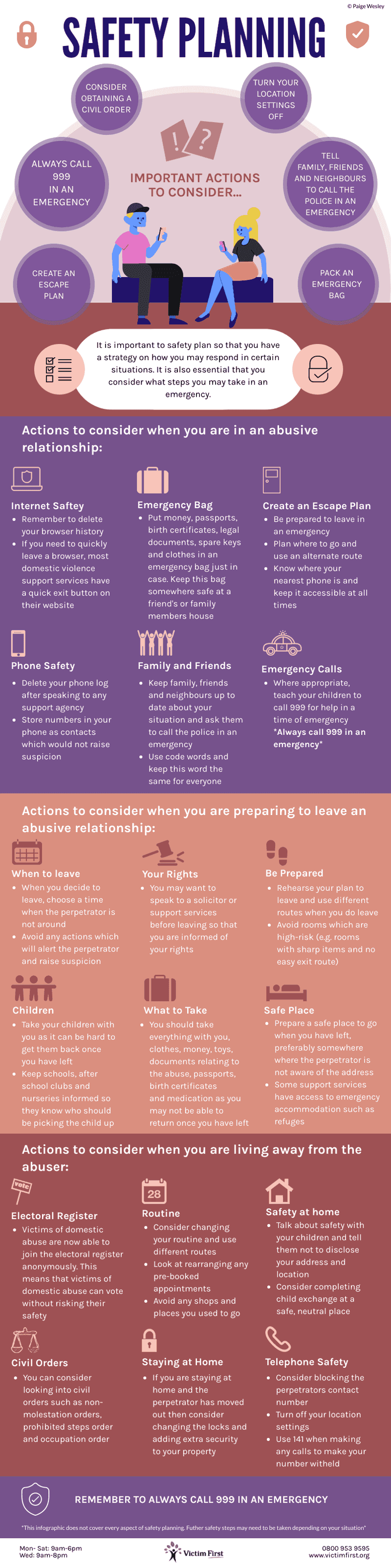
Recognizing a pattern is one thing. Knowing what to do next is another. If the relationship includes threats, intimidation, stalking, monitoring, property destruction, physical violence, sexual coercion, or an escalating sense that you are being controlled, the most practical thing you can do is build a safety plan. You do not need to feel afraid to deserve one.
You do not need a visible injury to take the situation seriously.
The National Domestic Violence Hotline’s emotional safety planning resource walks through concrete steps that include identifying trusted people you can contact, keeping important documents accessible, setting aside money if possible, knowing where you would go in an emergency, and planning for children’s needs. A safety plan is not a commitment to leave immediately. It is a decision to stop being caught off guard.
Start tracking behavior rather than promises. Write down dates, what was said, and what happened. This is not about building a legal case, though it may help if that becomes necessary. It is about giving yourself an honest record so that the apologies and good weeks do not erase what the pattern actually looks like over time.
The Hotline’s guide to warning signs of abuse can help you name specific behaviors you may have been minimizing.
Tell at least one person what is happening. Isolation is one of the most effective tools of control, and secrecy makes it harder to assess risk clearly. Hotline guidance on leaving an abusive relationship emphasizes that individualized support from a domestic-violence advocate is safer and more effective than couples therapy when coercive control or violence is present. Couples therapy is designed for relationships where both people communicate imperfectly but safely.
It is not designed for situations where one person controls, frightens, or harms the other. Your safety is not a topic for a joint session. CDC guidance on intimate-partner violence affirms that specialized advocacy is the appropriate route when harm or control is part of the relationship dynamic.
You can understand his pain without paying for it

Compassion is one of the most generous things a person can offer someone they love. But compassion does not require you to absorb his contempt, excuse his threats, or wait indefinitely for the change he keeps promising. You can hold genuine sadness for his suffering and still decide that you will not be the surface onto which that suffering is endlessly discharged.
His treatment and his healing are his responsibilities. Effective professional support for emotional and behavioral struggles is available and requires his willingness to seek and sustain it, not your willingness to endure harm while he decides whether to try. The Hotline’s description of healthy relationships centers mutual respect, trust, honesty, and shared accountability, none of which require one partner to sacrifice her safety or dignity to prop up the other.
You are not the cure for what hurts him, and you were never supposed to be. The CDC’s framework for intimate-partner violence keeps the focus on behavior and its effects, not on the internal states that may or may not accompany it. That is the same standard worth applying in your own life: assess what he repeatedly does, protect your safety and freedom, and do not trade your self-respect for a promise that love alone can fix what only accountability and sustained effort can change. Understanding someone’s wound does not mean you are obligated to bleed for it.